

Hotels, retailers, and urban developers are shifting from traditional sightseeing models toward a more experience-driven form of vacation, Yang Feiyue reports.
A young woman checks into a hotel in Shenzhen's Nantou ancient town on a Friday evening. At the front desk, she is handed a room key and a small blue mesh bag.
Inside is cat food.
"There are stray cats all over the old town. Take a walk. Feed them," the receptionist says.
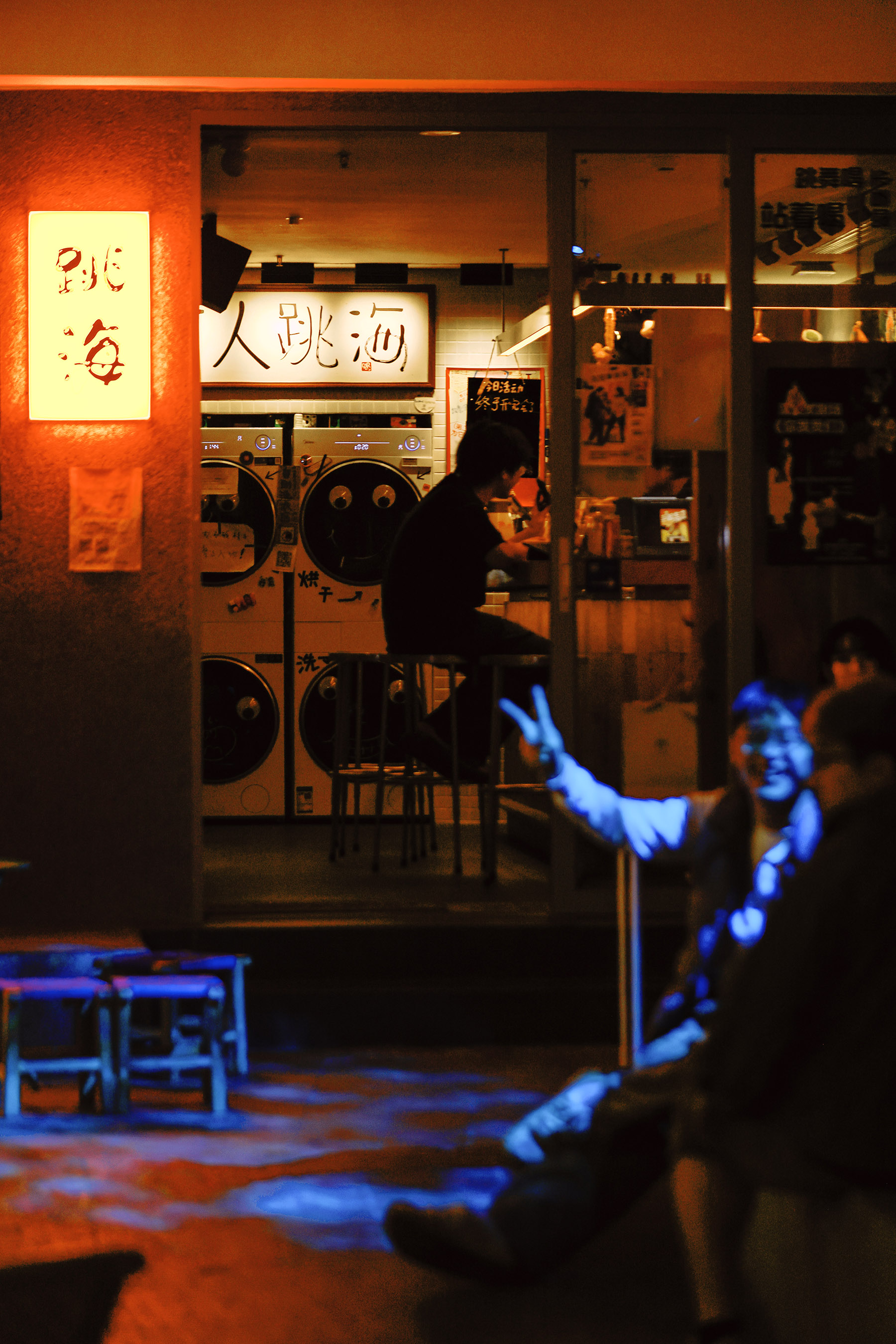
The bag, printed with hand-drawn illustrations of local cats and a small map of surrounding streets, serves as an informal guide to the neighborhood. It is part of the guest experience at Tiaohai Living Youth Hostel, located in one of Shenzhen's remaining urban villages in South China's Guangdong province.
In the narrow lanes around the property, open-front kitchens, small shops and long-time residents form a dense urban fabric. The hostel's slogan, written on a chalkboard near the entrance, reads, "Check in. Step out."
The concept encourages guests not to remain indoors, but to explore the surrounding community.
Inside one of the rooms, curtains are made from two patchworks of faded denim, floral cotton and striped fabric stitched together from secondhand clothes donated by nearby residents.
"These are the colors that once flowed through the streets of Nantou," says Sui Yi, cofounder of Tiaohai Living.
In the hallway, a "Give and Take" table allows departing guests to leave behind everyday items such as toiletries, snacks or travel essentials for others to use. In dormitory rooms, magnetic boards let guests indicate preferences such as "early sleeper", "late return", or "open to chatting".
Sui says the idea for the hostel came during frequent business travels.
He recalls staying in a mid-tier hotel in a Chinese city where, upon waking, he could not immediately identify where he was. The rooms, he says, felt identical across locations.
"The hotel gave me a place to sleep, but it couldn't tell me anything about the city I was actually in," he says.
That experience, he adds, became the starting point for Tiaohai Living, which opened in 2025. The concept aims to turn accommodation into a gateway for understanding the surrounding city.
He notes that some guests have stayed for extended periods, including job seekers who remained for several weeks or longer, and that others have returned after leaving, seeking to reconnect with people they met during their stay.
The development of such hospitality models reflects broader changes in China's tourism sector, where traditional sightseeing patterns centered on ticketed attractions are gradually giving way to more experience-oriented travel.
Industry participants say the focus of travel demand is increasingly shifting toward local immersion, with younger tourists showing greater interest in everyday urban life and neighborhood culture.
At a recent tourism industry gathering in Xiamen, Fujian province, practitioners from across hospitality, retail and cultural sectors discussed the evolving structure of domestic tourism.
Xiong Xiaojie, a long-time tourism marketing executive and former chief brand and marketing officer at Chimelong Group, says that cities are increasingly becoming tourism destinations in their own right rather than just gateways to scenic spots.
He notes that demand is shifting toward "living like a local", while urban renewal has expanded the range of spaces available for tourism, including former industrial sites, alleys and community markets. Social media platforms tend to amplify overall urban "vibes" rather than individual attractions.
He also points out that different cities are increasingly developing distinct cultural identities, citing examples such as Chengdu's leisure culture, Harbin's hospitality style and Jingdezhen's artistic atmosphere.
"One strong, shareable moment matters more than 10 perfect attractions," he says.
In the retail sector, companies are also adjusting to changing consumption patterns.
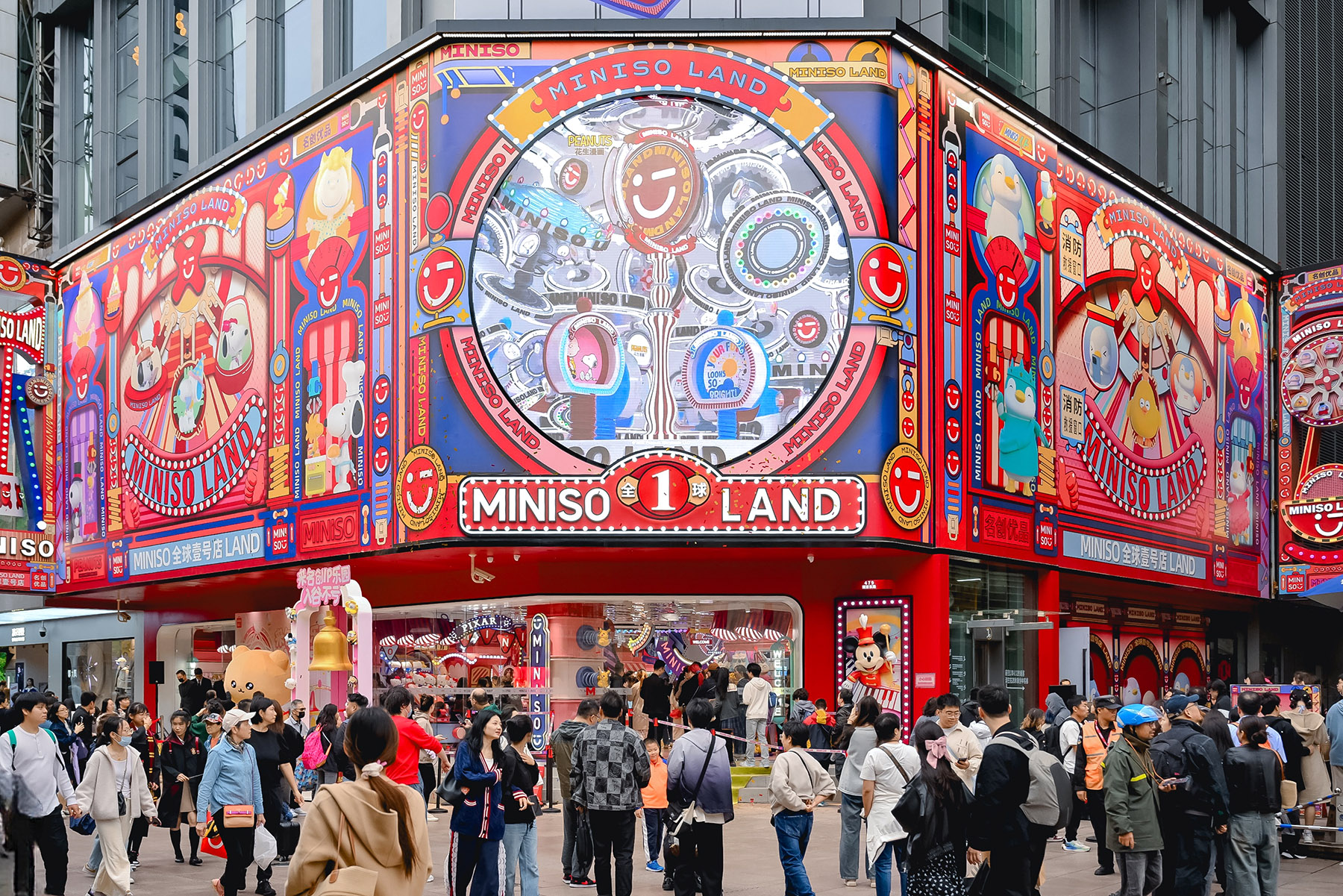
Kou Weixuan, global vice-president of lifestyle brand Miniso, says that consumer demand is increasingly driven by personal interest and emotional value, particularly among younger groups.
Miniso has shifted its focus toward intellectual property (IP) development and themed retail environments, combining product sales with experiential store design, he says.
At the company's flagship store on Shanghai's Nanjing Road, which covers about 1,500 square meters, daily visitor numbers exceed 10,000. According to company figures, cumulative revenue reached more than 250 million yuan ($37 million) within around one and a half years after opening.
Kou says that such spaces are designed not only for retail but also for traffic generation and cultural engagement.
Urban redevelopment projects are following a similar trajectory.
In Chongqing, finance and real estate professional Zhou Yaxin transformed a former printing factory into a cultural and creative complex in 2014, incorporating galleries, studios and public spaces while retaining much of the original industrial structure.
The site gained wider attention after being used as a filming location for the 2016 film I Belonged to You, attracting an increasing number of visitors.
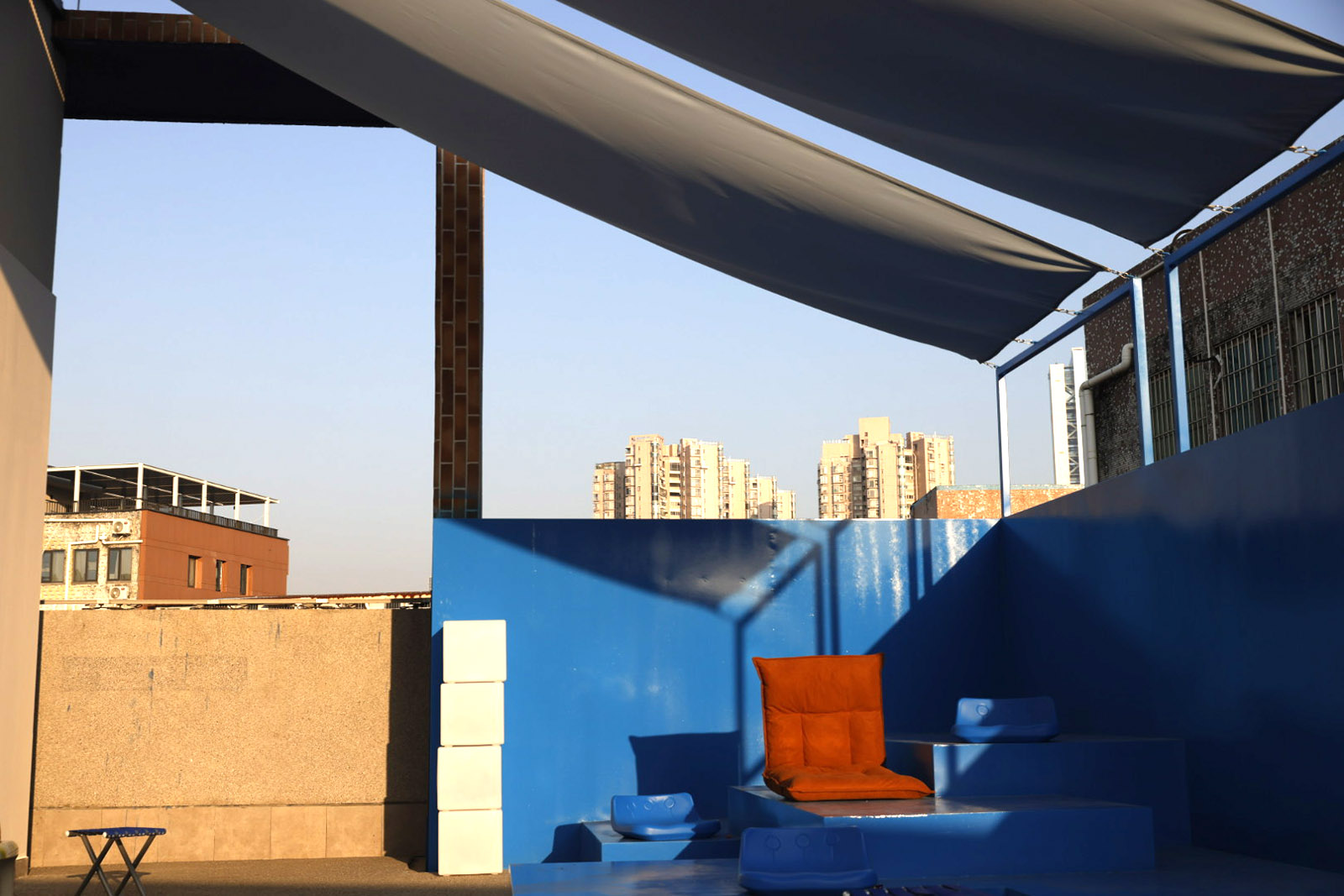
In 2018, Zhou's team developed an open-air venue in Shancheng Lane by repurposing a sunken plaza behind a former church. The space, named the "Wilderness Theater", now hosts performances, community gatherings and cultural events.
Zhou says that many cities have underused industrial and historical spaces that can be reactivated through adaptive reuse rather than large-scale reconstruction.
"Every city has old factories, old neighborhoods, old buildings sitting empty. We need to see what's already there and see it differently," he says.
The cultural sector is also adapting to changing visitor expectations.
Qiu Tong, founder of Meet You Museum, observes that younger audiences increasingly prefer interactive and visually engaging exhibitions over traditional static displays.
The museum group has opened seven physical locations across China and staged exhibitions in more than 20 cities, attracting around 3 million visitors.
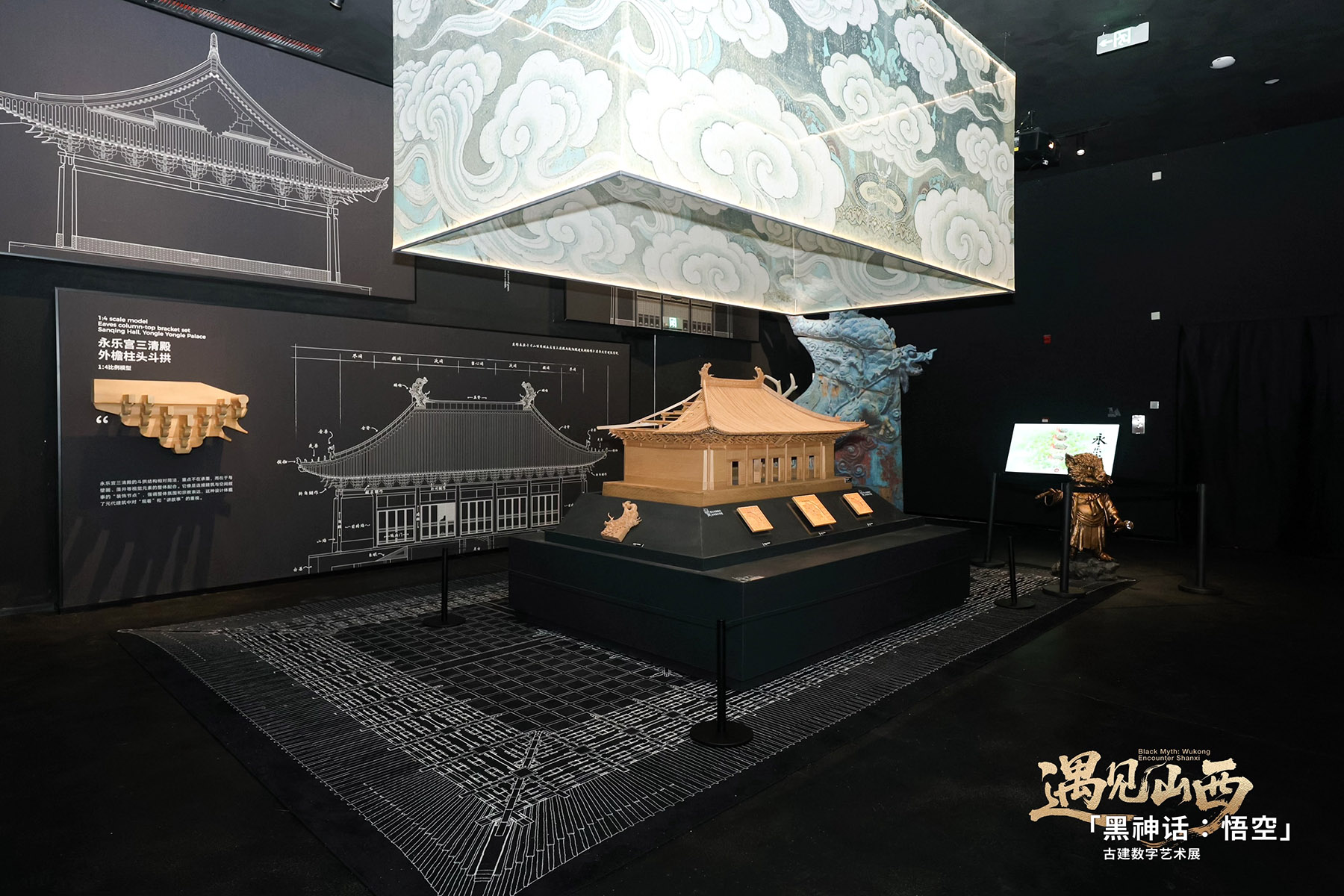
One exhibition features a projection-based interpretation of Yongle Palace, a Taoist temple from the Yuan Dynasty (1271-1368), where visitors use flashlights to activate animated visual elements on wall drawings.
Another exhibition includes a dinosaur installation featuring a 10-meter-long rib cage that visitors can walk through.
Qiu says that the audience composition has shifted in recent years, with family and parent-child visitors now forming a larger share of total attendance compared with earlier years when young urban women made up the majority.
She also notes that placing exhibitions in shopping malls and city centers, rather than peripheral museum sites, has helped integrate cultural experiences into daily urban life.
In Tianjin, one of the group's projects was the first tenant in a converted parking garage, later followed by other cultural businesses, she says.
According to the Ministry of Culture and Tourism, China recorded 6.5 billion domestic tourist trips in 2025, an increase of 16.2 percent year-on-year.
Back at Tiaohai Living Youth Hostel, small gestures continue to define the guest experience. A visitor leaves a bottle of makeup remover on the "Give and Take" table for another guest. Another adjusts a dormitory sign to indicate a late return, and is thanked the next morning by a roommate.
"In the end, we're not selling a room. We're selling a reason to stay," Sui Yi says.
Contact the writer at yangfeiyue@chinadaily.com.cn
