

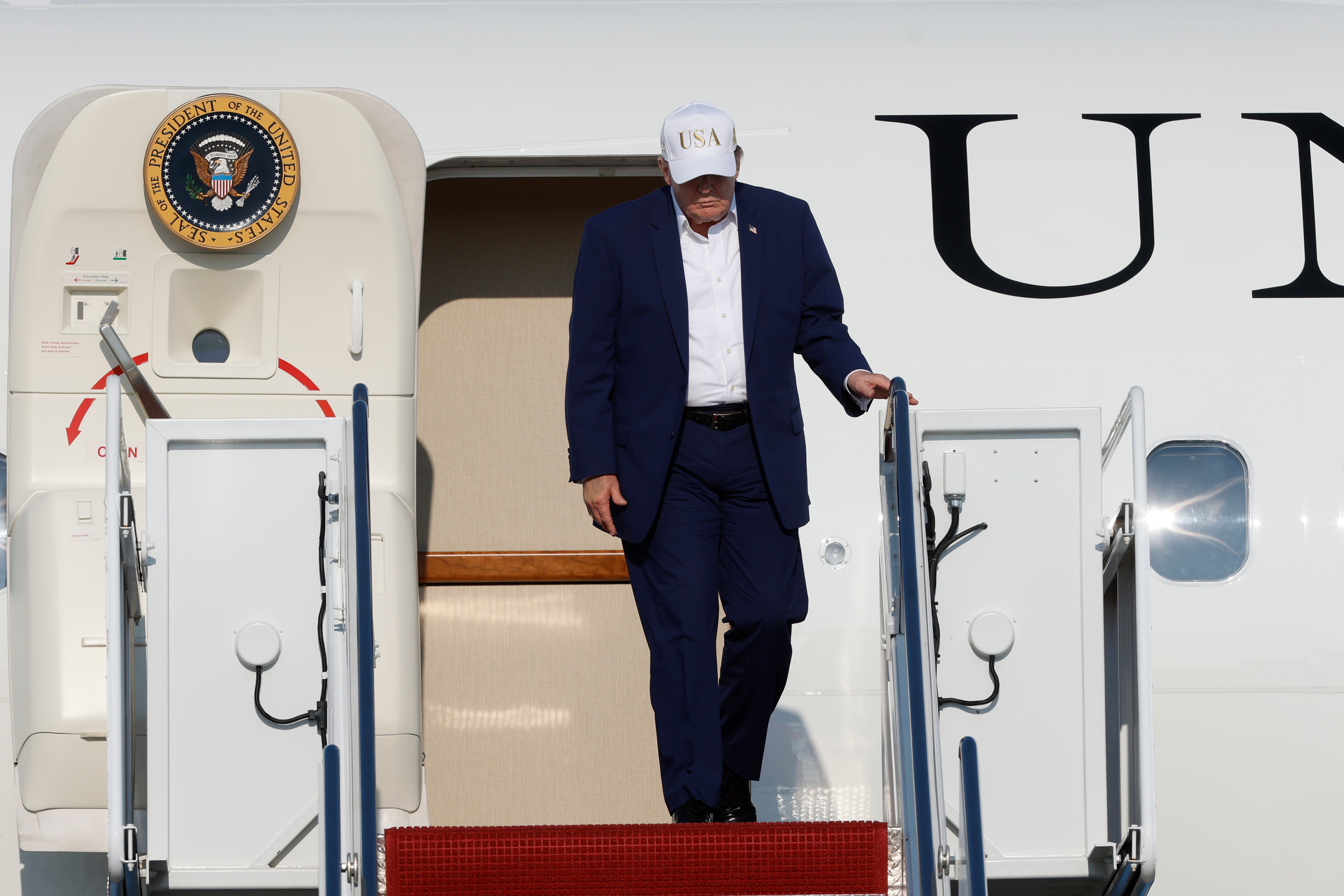
WASHINGTON/TEHRAN – Recent development in the negotiations indicated that US President Donald Trump's options for walking away from the war against Iran have "narrowed," The Wall Street Journal reported Sunday.
Trump for weeks "had been laying the groundwork to declare victory in the Iran war should Tehran fully reopen the Strait of Hormuz, even floating the idea privately to senior aides that he's willing to walk away without a nuclear deal," the report cited US officials as saying.
The report noted that Trump sought to include nuclear talks as part of broader negotiations with Iran, "but those have proven too difficult, leading the White House in recent weeks to focus more on reopening the Strait of Hormuz."
ALSO READ: President: Iran to continue path of peace if US builds trust
That "scaled-back objective," however, became more difficult when Iran insisted Saturday "on its highest price yet" for seeking billions of dollars in US payments, the removal of American troops from the region, and an end of the US naval blockade, among other things, the report said, adding that "recent chaos in negotiations signaled Tehran is prepared for a long and grinding conflict."
The latest report came two days after CNN reported that Chairman of the Joint Chiefs General Dan Caine has, over the last few weeks, privately told other top Trump advisers and Cabinet officials that the United States needs to find an off-ramp from the war with Iran.
Meanwhile, growing concerns over US ammunition stockpiles have raised doubts about how long military operations against Iran can be sustained in a war now in its fifth month.
Media reported that US military had exhausted nearly 80 percent of the interceptors for a key missile defense system during the war, as military commanders warned that the army's munitions stockpile was "dangerously low."
On Thursday, Trump acknowledged that although overall US ammunition stockpiles remain sufficient, supplies of certain types of ammunition are "a little bit tighter," without elaborating.
According to a report by The Washington Post on Saturday, the Pentagon is asking the US defense industry to "rapidly escalate the production and delivery of weapons," including munitions that are "in extreme shortage" due to the war.
Trump says 'only semi-negotiating' with Iran
Trump said on Sunday that "we are only semi-negotiating" with Iran, noting that he is prepared to allow economic pressure on Iran to mount -- as opposed to ordering a new military offensive, Axios reported.
"We are low keying it," Trump told Axios during a brief phone call, arguing that Iran "is in very bad shape" economically.
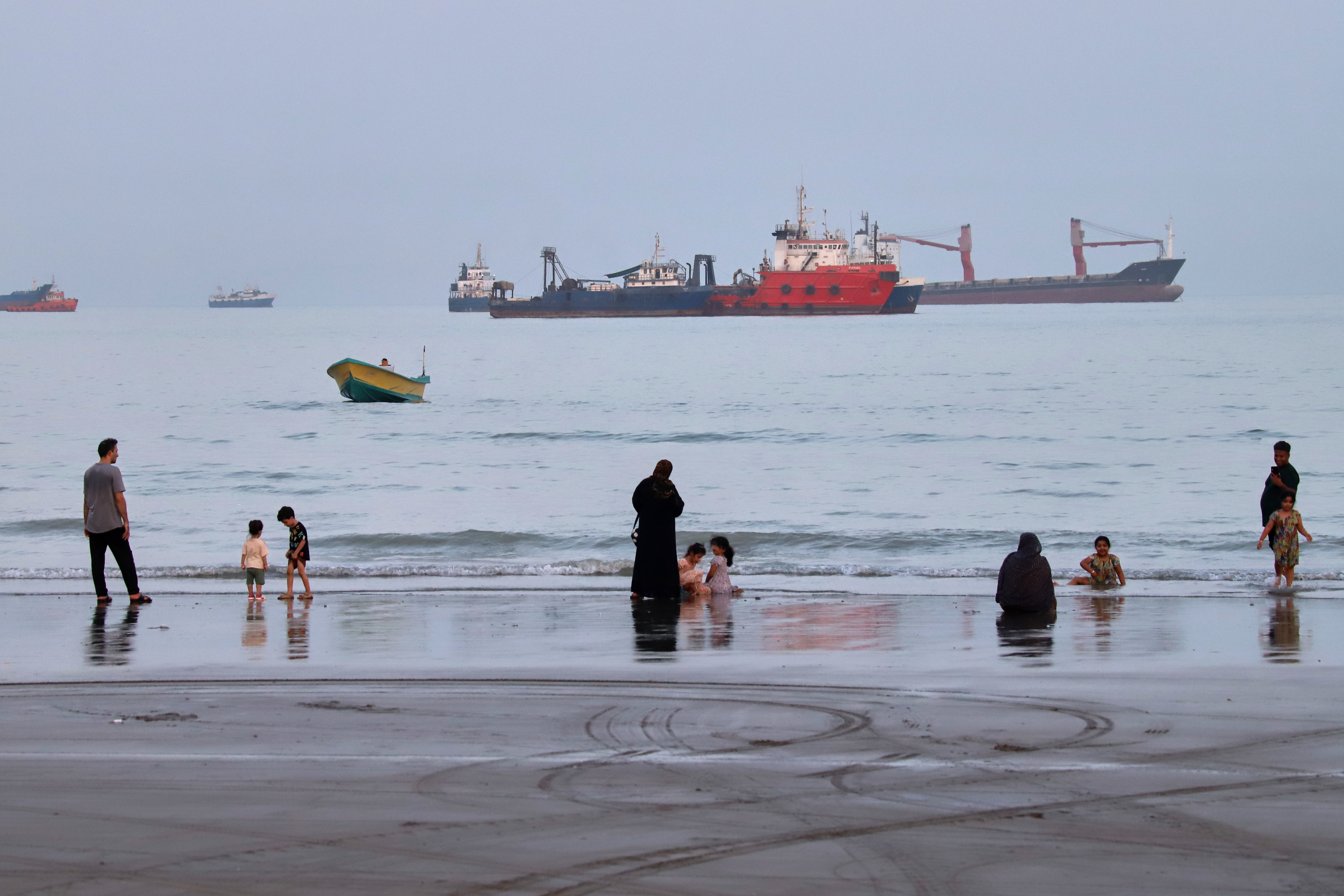
The report noted that an agreement governing traffic in the Strait of Hormuz was negotiated among Iran, Oman and the United States and "has been pending for a few days now."
Iranian Foreign Minister Seyed Abbas Araghchi said Saturday that Iran and Oman are "very close" to an agreement on the designation of a temporary route for maritime traffic in the Strait of Hormuz, according to Iran's official news agency IRNA.
ALSO READ: Report: US top general looking for off-ramp from conflict with Iran
Araghchi said on Sunday that the resumption of negotiations between Iran and the United States would not be possible unless the latter ends its violation of the MoU recently signed between the two countries.
Araghchi made the remarks while speaking to reporters on the sidelines of an event in Tehran, stressing that no negotiations are currently underway between the two sides, according to IRNA.
"Although messages are being exchanged through mediators, this process is not called negotiation," he said.
Araghchi noted that although some intermediary countries are seeking to resume talks, it is not possible until the US side ends its violation of the MoU and compensates for what it has violated.
Commenting on ongoing talks between Iran and Oman on establishing new maritime traffic arrangements in the Strait of Hormuz, he said negotiations with Muscat on the designation of a new route through the waterway are continuing and have progressed well so far.
He noted, however, that achieving a potential agreement between Iran and Oman would not mean that the Strait of Hormuz would be reopened, adding that the reopening of the waterway hinges on the fulfilment of other conditions that have been conveyed to the United States through mediators.
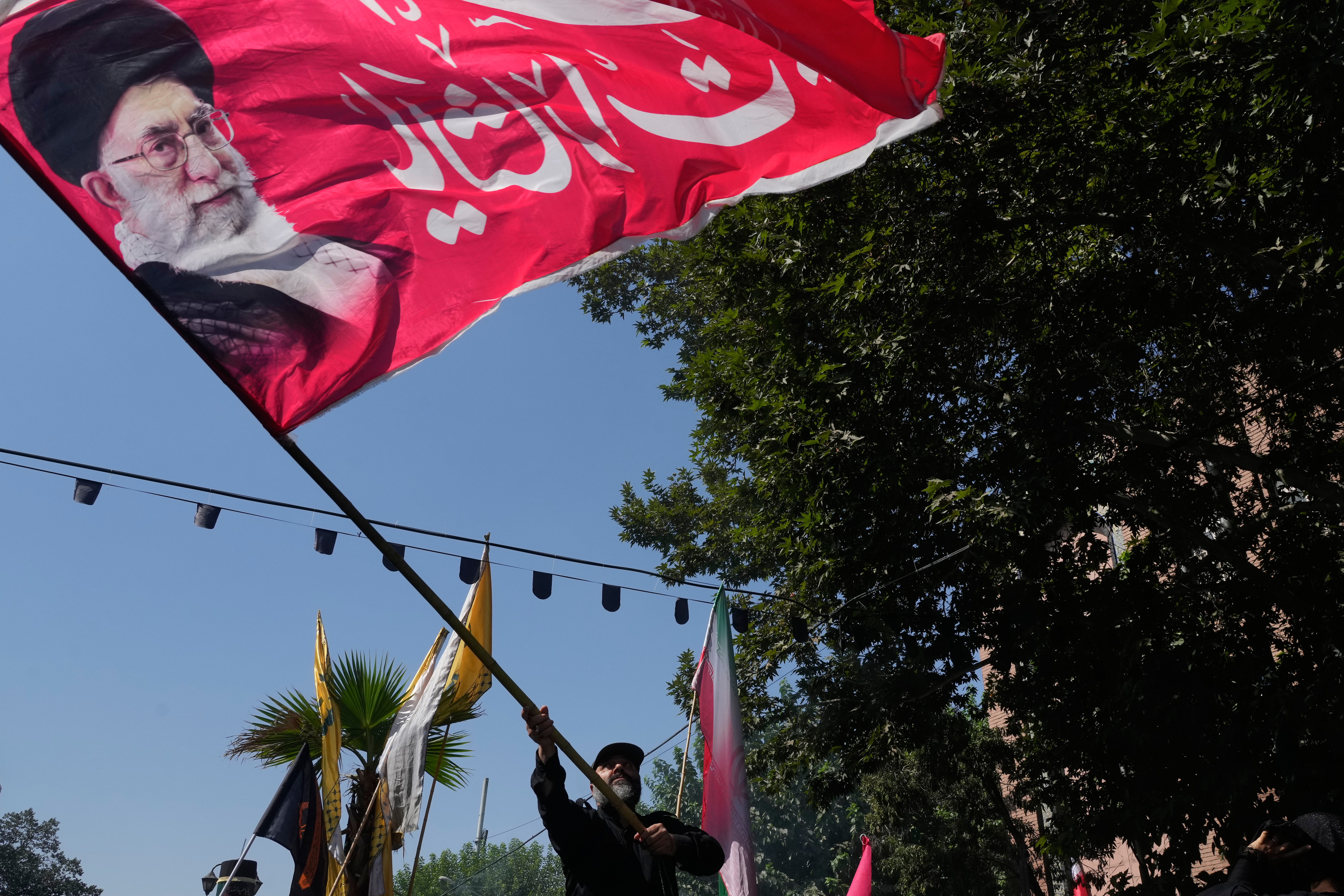
Meanwhile, the Iranian parliament's national security and foreign policy committee has approved the general outlines of a strategic action plan to "ensure the security and sustainable progress" of the Strait of Hormuz and the Gulf, IRNA reported Sunday.
The plan was discussed at a committee meeting and approved without opposition, IRNA quoted committee spokesperson Hassan Qashqavi as saying.
READ MORE: Report: Iran, Oman reach understanding on Hormuz Strait reopening deal
Qashqavi said lawmakers reviewed submissions from relevant Iranian bodies before endorsing the plan's general framework.
The legislation was formally introduced to the parliament on July 13, according to IRNA.
Iran tightened its grip on the strait on Feb 28, barring safe passage of vessels belonging to or affiliated with Israel and the United States following their joint strikes on Iranian territory.
In June, Iran and the United States signed the MoU on ending the war on all fronts, including Lebanon. The two sides were scheduled to hold negotiations within a 60-day period to reach a final agreement, but recent escalation in the region has left the talks' fate uncertain.
Iran and Oman have been negotiating since a few weeks ago to reach an agreement on the designation of a new route in the strait for safe maritime traffic.
