

Through tenacity and patience, actress takes her time to find the right roles in which she can bring her true talent to the screen, Xu Fan reports.
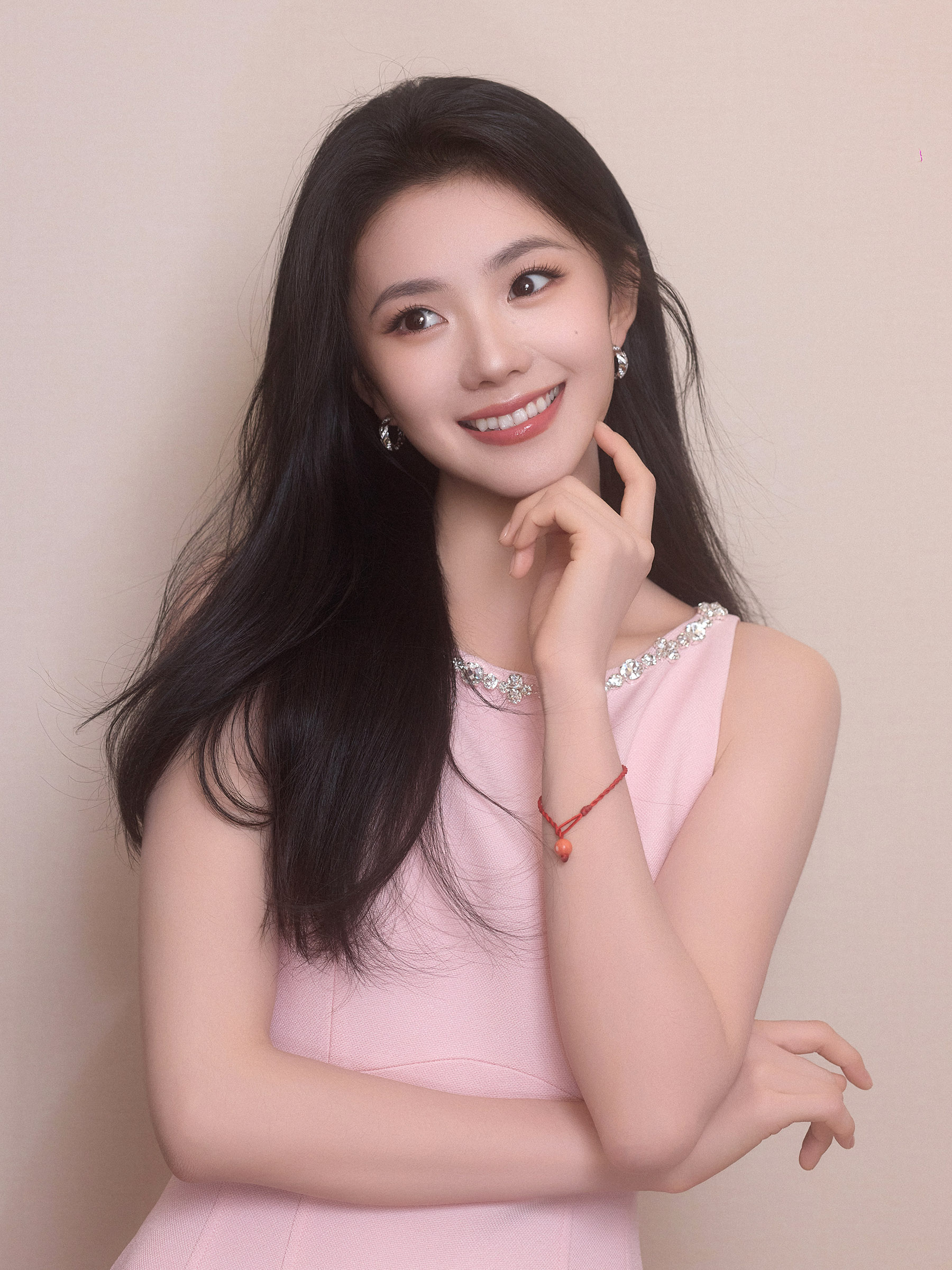
Actress Liu Haocun's flight was delayed by severe weather. The plane circled above the city before finally touching down at Beijing Capital International Airport around 2 am — hardly an ideal landing time for anyone with a busy day ahead.
Yet, after only a few hours of sleep, Liu was already back on schedule. At 7 am, she was ready to head to a studio in eastern Beijing for a styling shoot tied to a new film.
"She has incredible resilience. Once she sets her mind on a goal, she gives it her all," says one of her team's members who was helping Liu to prepare for her interview with China Daily.
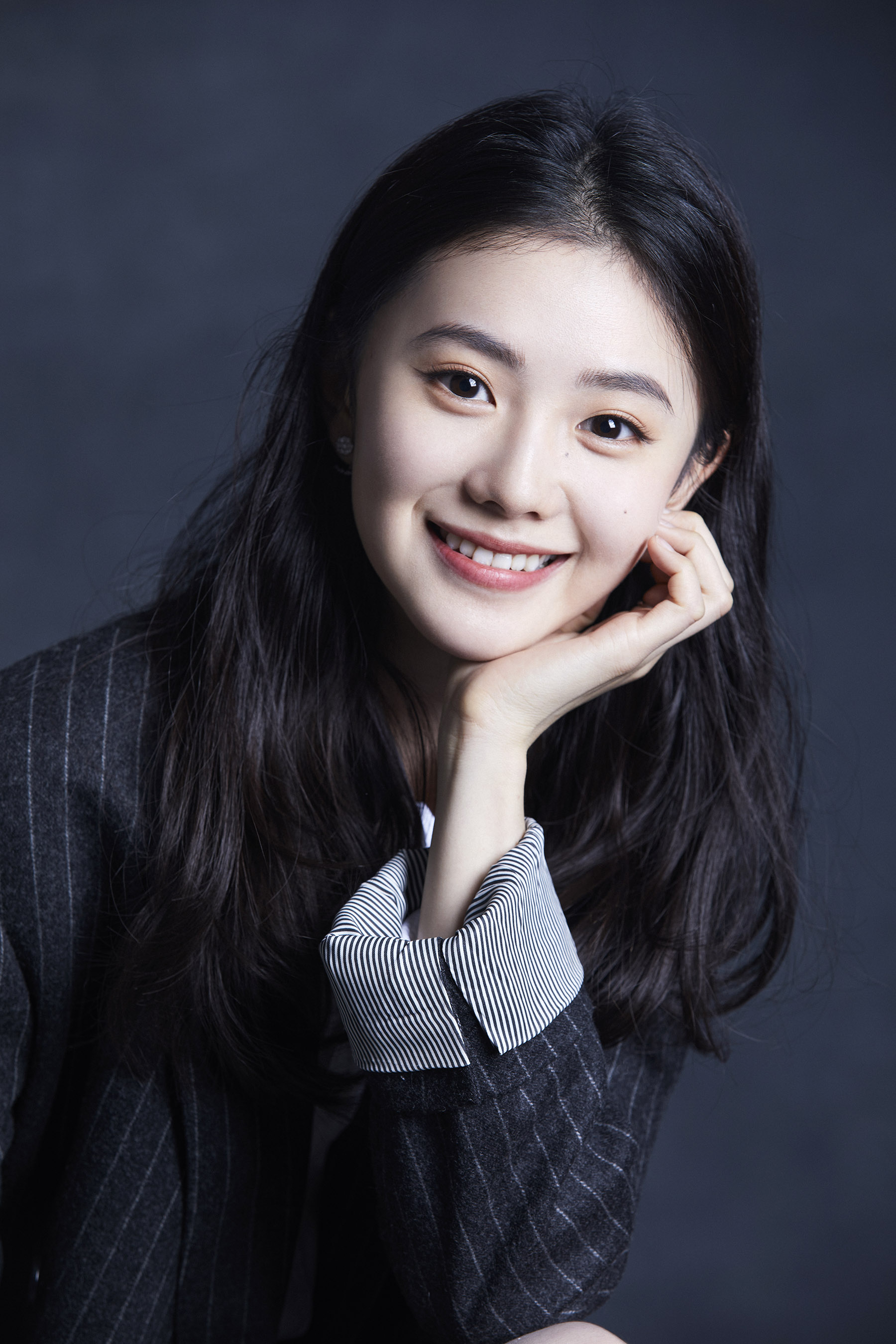
At first glance, Liu gives the impression of being delicately petite. But beneath that quiet, gentle exterior lies a surprising reserve of tenacity.
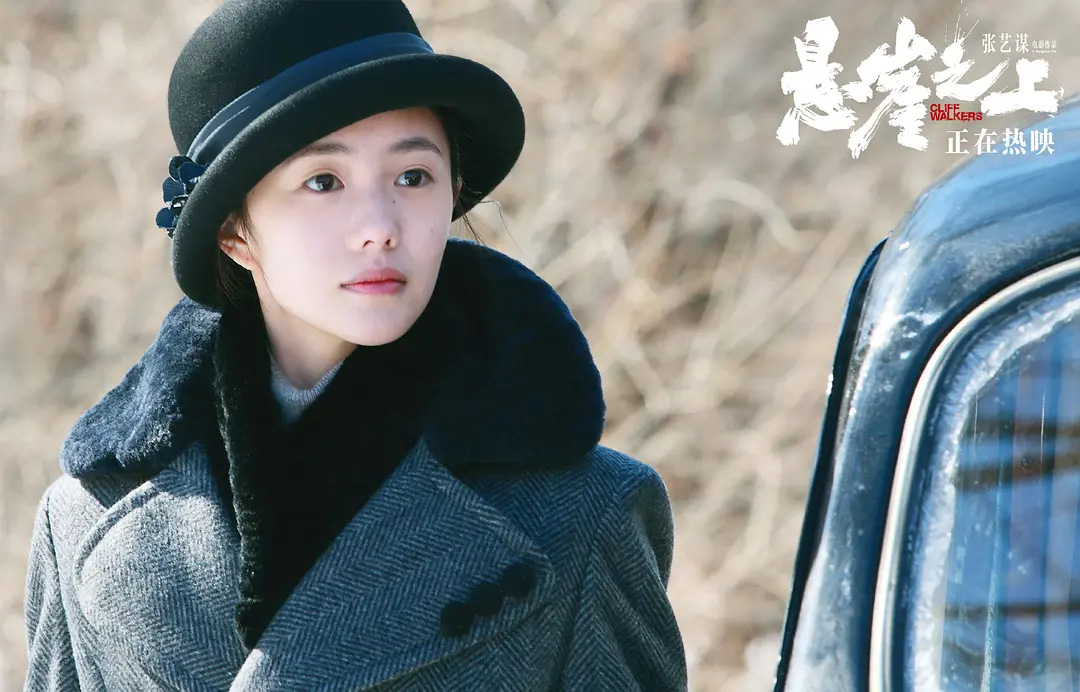
Luck and skepticism have both shadowed her path to stardom. Six years after her screen debut in Zhang Yimou's One Second — a tear-jerking tale of a father's desperate search for a final image of his late daughter — Liu has grown into one of China's most recognizable young actresses.
Following that film, she appeared in a string of blockbusters, from the cancer-themed A Little Red Flower (2020) to the heartwarming Remember Me (2024) and the suspense thriller Vanishing Point (2026).
READ MORE: Hit TV drama triggers revival of traditional Qinqiang Opera
But what recently propelled her to a new level of fame is the television drama The Lead, adapted from Chen Yan's Mao Dun Literature Prize-winning novel of the same title.
Set in Shaanxi province in Northwest China, the series spans more than four decades, tracing the rise of Yi Qin'e — a young shepherd from a remote mountain village who eventually becomes a star of Qinqiang Opera, an ancient and influential form of Chinese folk theater that originated in the region.
"As an actress, I feel truly honored to portray a character like Yi. This is also the first time I have taken on a role that spans decades," Liu says.
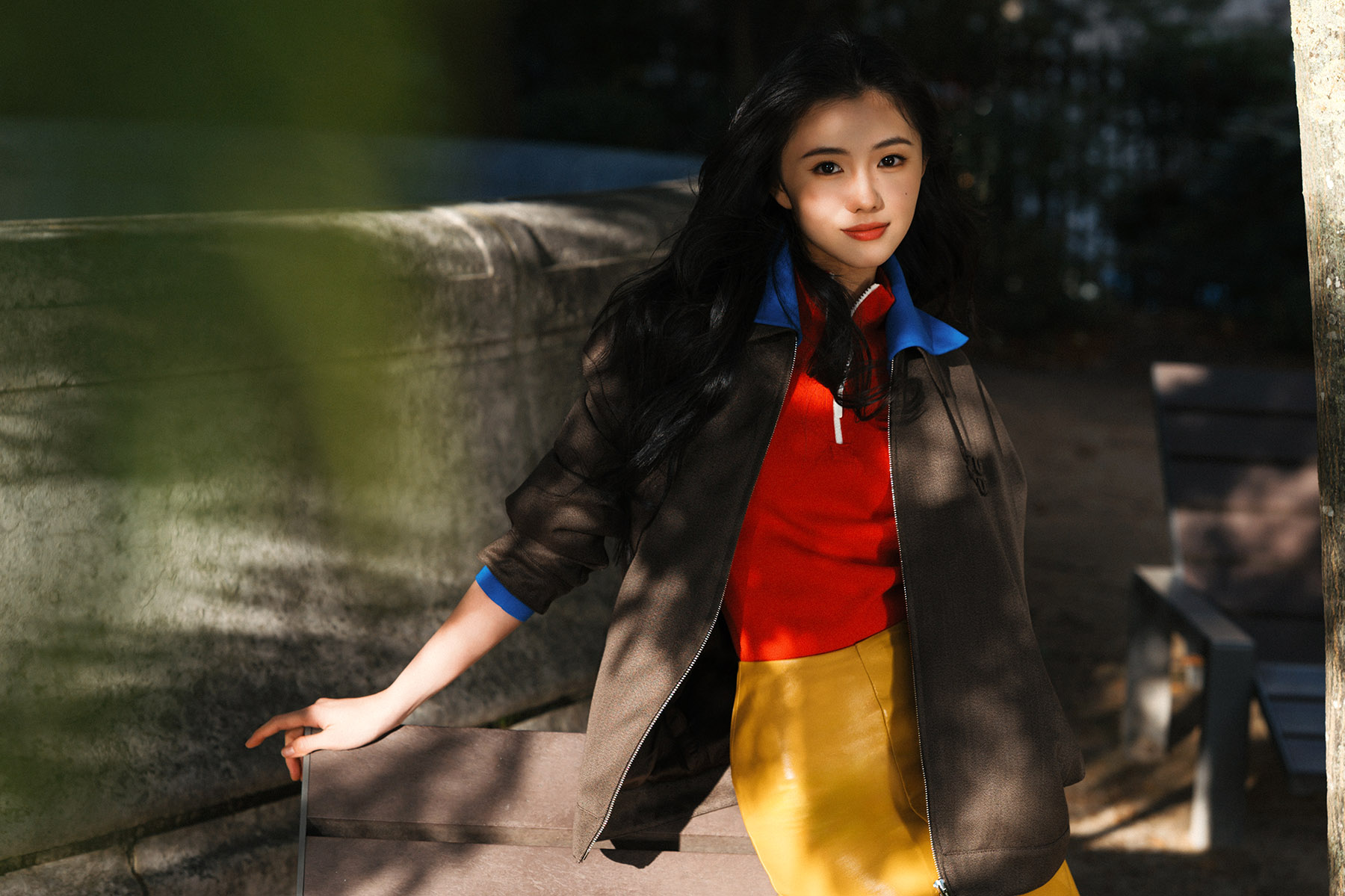
An authentic portrayal
Earlier this year, the National Radio and Television Administration, the country's top industry regulator, held a seminar on The Lead, bringing together the show's creators and industry insiders to examine its success.
The series has garnered over 1.08 billion online views, achieved an average episode rating of 4.18 percent, far exceeding the industry's 1 percent benchmark, and sparked widespread conversation across platforms including Xiaohongshu, also known as RedNote.
Behind those numbers lay a production process defined not only by creativity but also by endurance.
Chen Yan, the novel's author, remembers visiting the set in Xi'an, the capital of Shaanxi province. It was a sweltering summer day, with temperatures climbing above 30 C. Yet, the actors were dressed in heavy winter costumes for scenes set during winter.
As Chen walked past a pigpen where two hogs oinked loudly, clearly awaiting their meal, he saw Liu, clad in a thick padded jacket, quietly pouring several ladles of swill into the trough.
"That scene transported me back to a time impossible to forget," Chen recalls. He says Liu's performance gave him an almost immersive sense of reality.
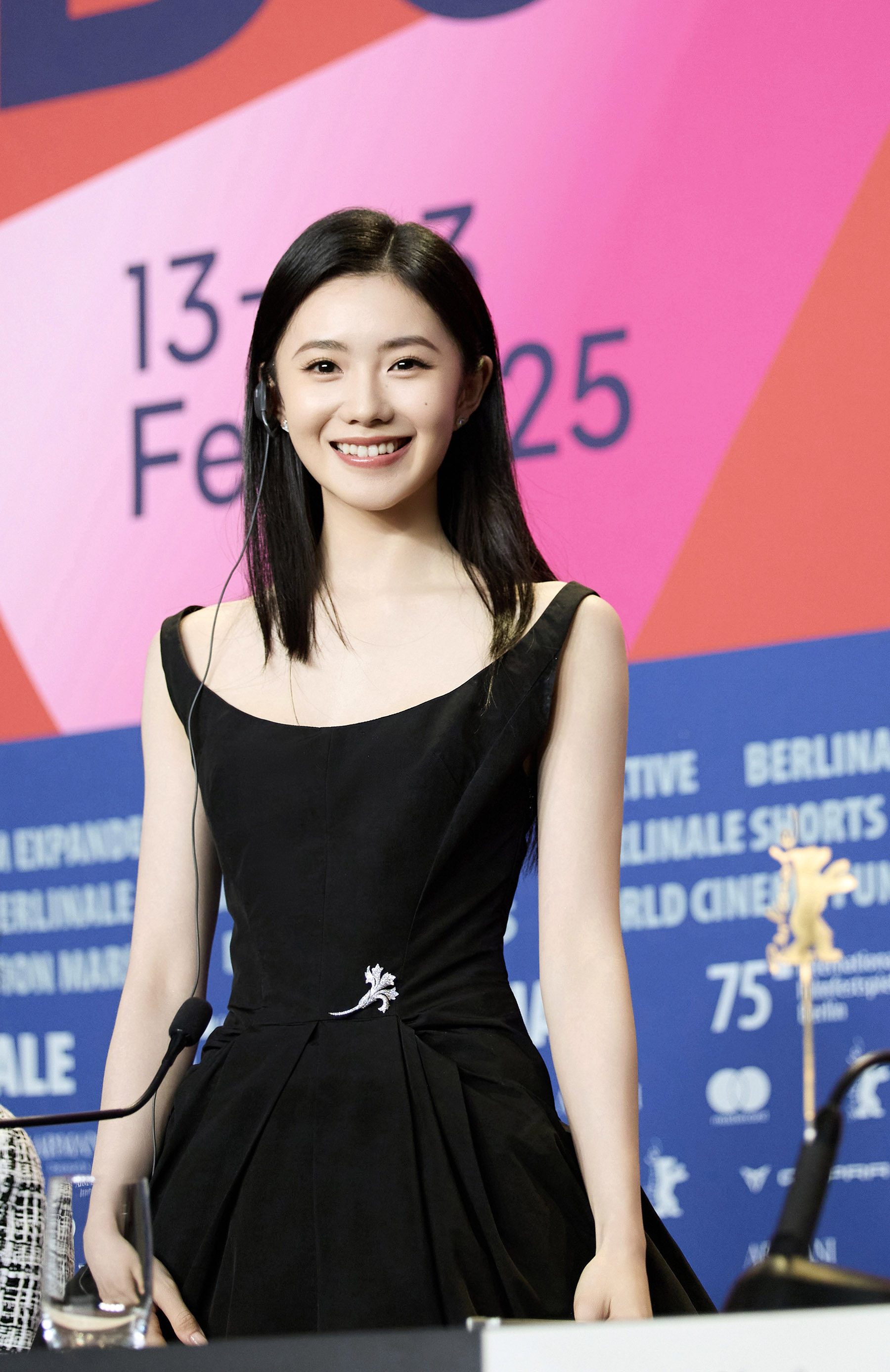
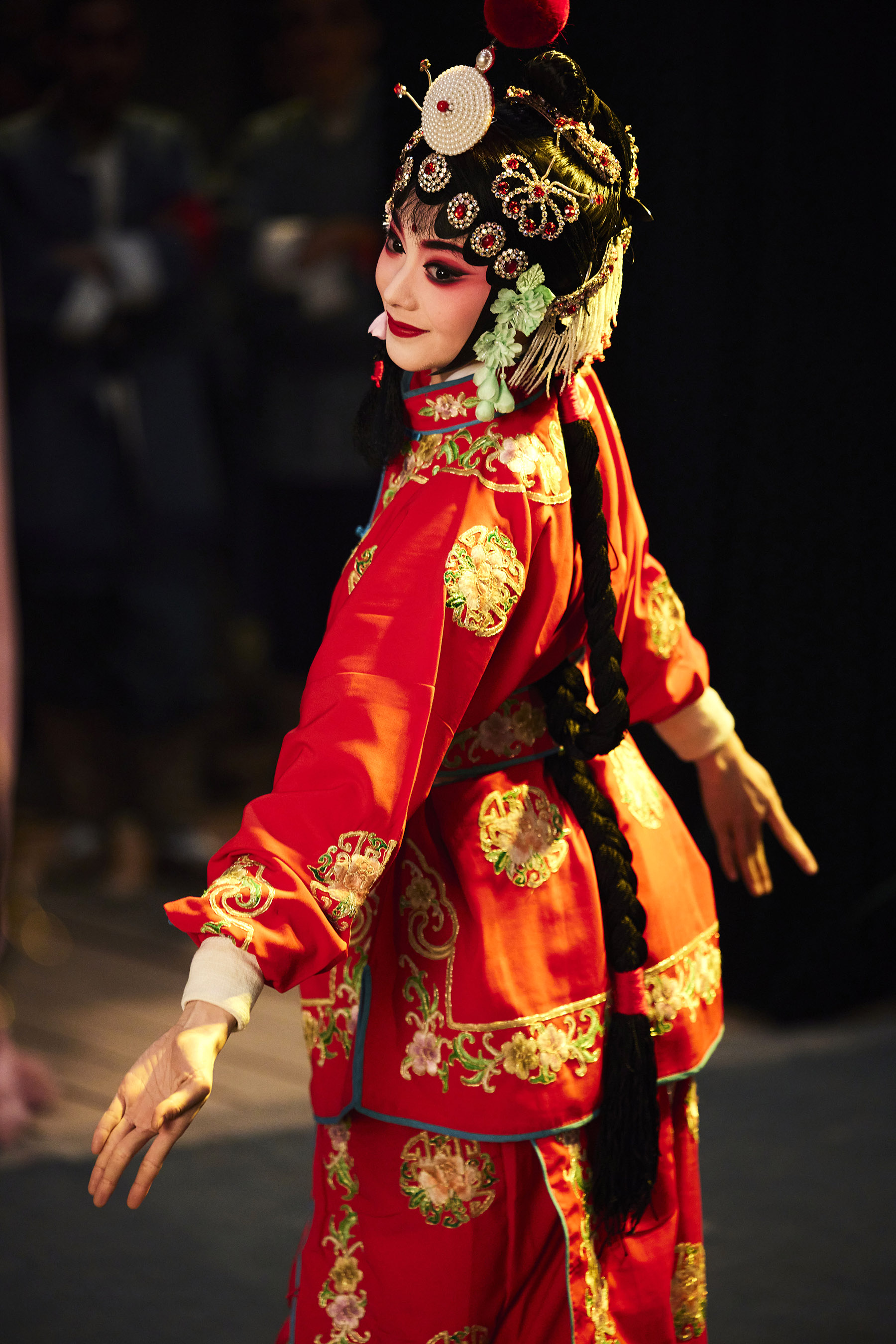
For Liu, achieving that level of authenticity required months of preparation long before filming began. Qinqiang Opera — believed to have matured during the Ming Dynasty (1368-1644) — is known for its powerful vocals and bold physicality. It demands both strength and emotional intensity, and performers typically start training as children, studying for years before they even set foot on a stage.
Liu had just two months to prepare. She joined the production team early for intensive and closed-door training, where her days were packed with dialect coaching, singing, recitation, acting, and acrobatics, often for more than 10 hours a day.
She also practiced demanding techniques, including wo yu, a posture requiring the performer to squat slowly with extreme flexibility, and chui huo, a stunt involving bursts of flame blown from the mouth.
For Liu, however, such preparation was not merely an obstacle to overcome. It was a necessary immersion.
"Every performance in front of the camera, whether in opera or dance, comes down to the training, accumulation, and refinement that happen day after day behind the scenes. As actors, this is something we must do. Only by doing it well can we bring our best to every scene," she says.
Her ability to adapt to the rigors of Qinqiang also draws on her dance background. The 26-year-old actress began learning dance at 4, attended the Affiliated Secondary School of Beijing Dance Academy at 11, and was admitted to the academy's folk dance department at 16.
More than a decade of practice gave her a keen sense of rhythm and body control: skills that proved invaluable when learning opera.
"Over 10 years of dance training gave my body a sense of rhythm, and that rhythmic beauty is a form of artistic beauty too. On camera, I can adjust it according to emotional shifts. I believe body language is a vital part of acting. When it merges with facial expression and inner emotion, the performance no longer feels flat — it enriches the character," Liu says.
At one point, the intensity peaked. Liu watched more than 40 opera footage recordings in a row for study purposes, bringing her emotions to the brink of exhaustion. But she also kept a steady habit: carrying a notebook to record everything she learned and reflected on.
"Whether I'm reading the script or the original novel, I write down my understanding of the character's journey and my thoughts about the role. That helps me deepen my impression, better grasp the character, and later, after filming, review what I've accomplished and what I could improve," she adds.
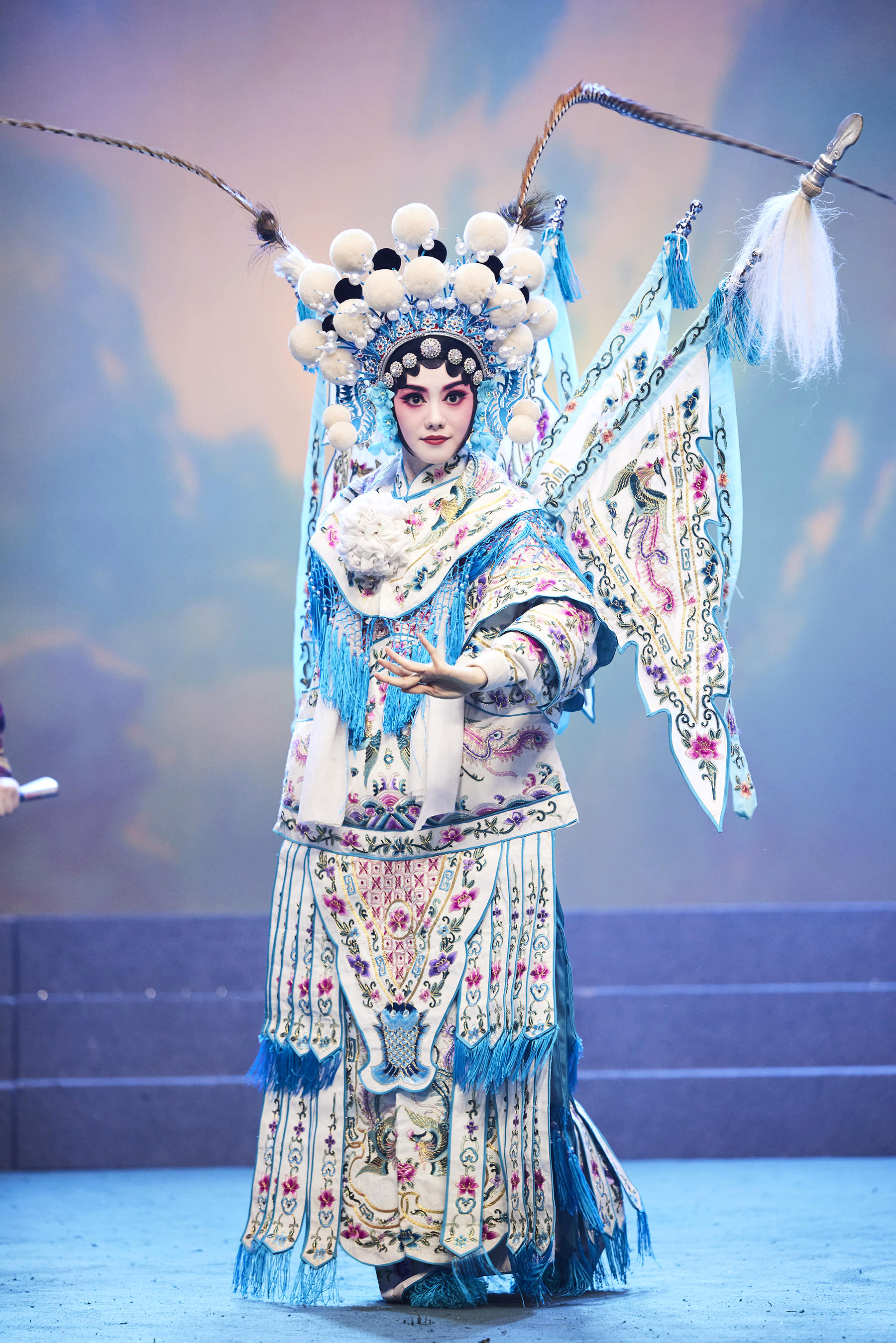
"The stage presence of Qinqiang characters is often beautiful and rich in classical charm. Each role requires the performer to experience delicate, profound emotions before unleashing a powerful, life-stirring resonance," Liu says, explaining her connection to the 600-year-old art form.
Reflecting on her portrayal of figures ranging from Mu Guiying, a Song Dynasty (960-1279) general, to Yang Paifeng, a servant-turned-warrior, Liu says that during the six months of shooting, she became increasingly immersed in her role and increasingly captivated by the allure of Qinqiang.
Now, the young actress says she hopes the drama's popularity will inspire more young people to learn about Qinqiang, an art deeply rooted in the land and its people, and encourage them to visit theaters and experience its charm firsthand.
The long game
Rome was not built in a day. Behind Liu's seemingly rapid rise lies a quieter, less visible story: years of patience, discipline and quiet preparation.
Fu Lulu, who joined Zhang Yimou's team as an assistant director in the early 2000s, recalls that Liu first caught Zhang's attention during the casting for Shadow, the 2018 martial arts film about a commander who secretly trains a look-alike to reclaim a city.
In an earlier interview with China Movie Channel, Zhang described his first impression of Liu: she was "like a piece of black-and-white paper", with eyes that seemed to speak. Although Liu did not get the part — she auditioned for a princess role — Zhang advised her not to rush into acting. Instead, he encouraged her to remain a "blank slate" and wait for the right opportunity.
Zhang later said her perseverance and instinct convinced him she had the qualities of a real actress.
So, she waited three years.
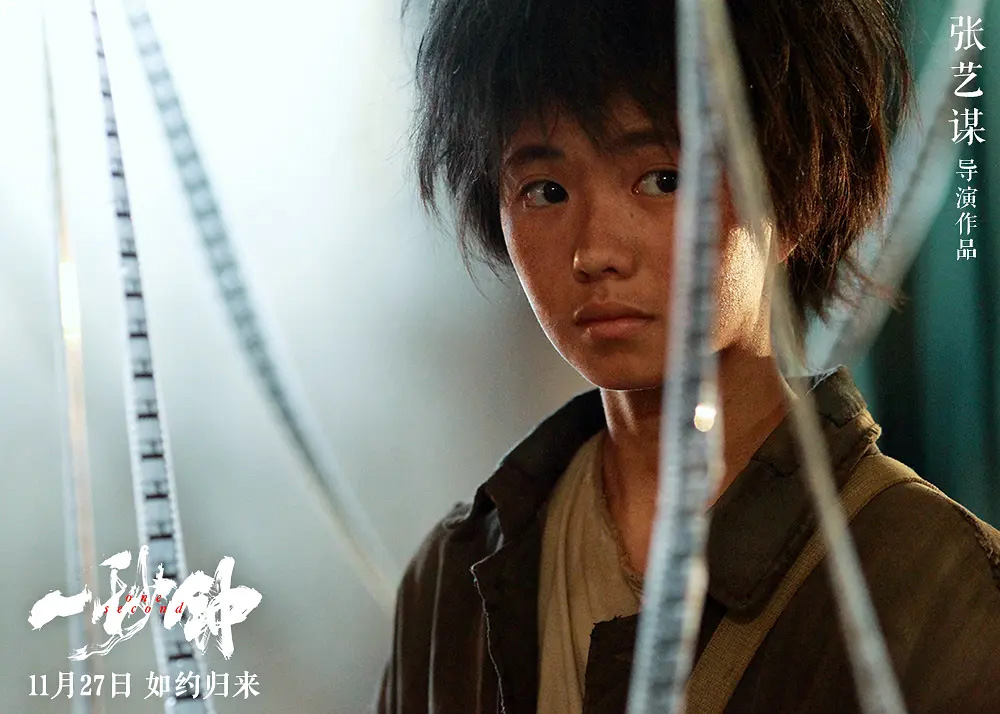
It was not until 2018, when preparations were being made for One Second, that Liu auditioned for Zhang again. Among more than 3,000 candidates, she won the role of Liu Gui'nyu, an orphaned teenager struggling to care for her younger brother.
In the film, she played a street girl with a dirt-smudged face who attempts to steal film reels, hoping to use the material as a lampshade. The role, which demanded both fragility and grit, became her screen debut and the starting point of her acting career.
"She works very hard and can endure a lot. She displays a lively quality. Everyone who meets her says she's smart and intuitive. She's got what it takes. When we were shooting One Second, I told her, 'Haocun, you were made for this.' I even joked that she might need to change careers (from being a dancer to an actress)," Zhang recalled in the television interview.
"Liu looks like a well-behaved, obedient kid, but she had to play a character almost like a little beggar, which was a huge contrast to her real self. On top of that, she was the only newcomer in the cast who had never studied acting. Yet, when she started her very first scene, the acting coach and I couldn't help glancing at each other — our eyes lit up. We both thought, 'How is this kid so talented?' She exceeded all our expectations," Fu recalls to China Daily.
Liu also remembers a moment from shooting One Second in the Dunhuang desert in Gansu province. For one scene, she needed to pick up a cabbage leaf to convey that her character was starving. Though the leaf was covered in sand, she bit into it without hesitation and did her best to make it seem delicious, a precious morsel her character could only dream of during the harsh years of the 1970s.
Through that unusual and physically demanding sequence, Liu says she suddenly understood what it meant to be an actor.
"I also understood why I would love acting for the rest of my life, taking it as part of who I am, a realization that became my quiet, lasting enlightenment."
She speaks those words with a seriousness in her eyes, not as a star enjoying the spotlight but as someone who has experienced years of hard work and uncertainty, and has come to understand that the stage is where she truly belongs.
Contact the writer at xufan@chinadaily.com.cn
