

Enthusiastic grassroots performers help popular art form spread across country
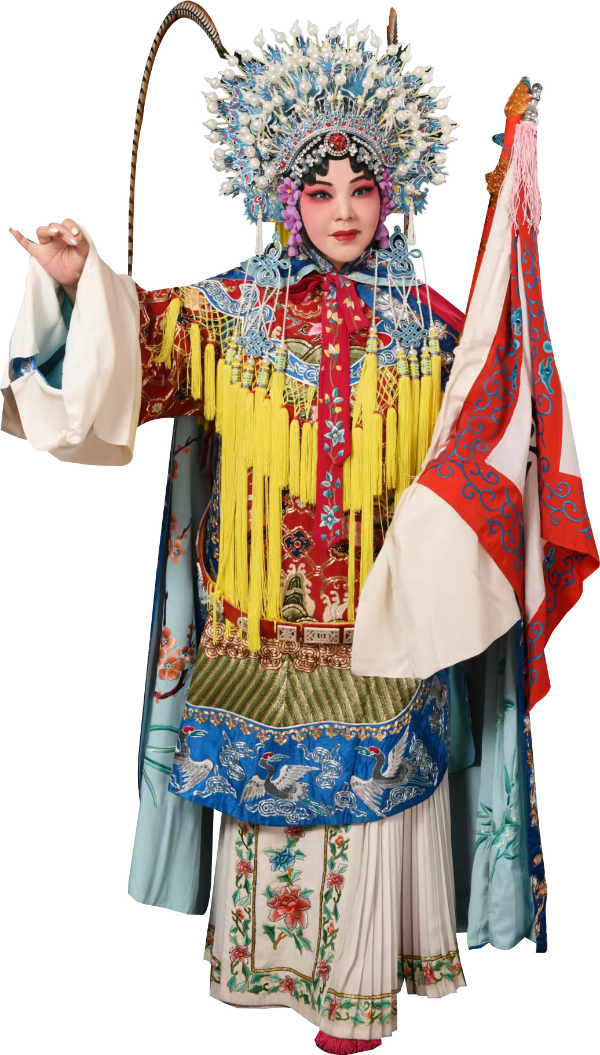
Inside the historic Kaiming Grand Theater in Suzhou, Jiangsu, the actors rehearsed their stage movements and ran through their lines in preparation for performing an opera style imported to the province.
By day, they are doctors, construction workers, deliverymen, entrepreneurs and retirees. But when night falls, they transform into members of the Suzhou Henan Yuju Amateur Troupe, a volunteer group that has brought Yuju Opera from its home in Central China's Henan province to Suzhou.
In May, the amateur troupe gave a performance of Mu Guiying Takes Command, one of Yuju Opera's best-loved classics about a female warrior. Another show is scheduled for October.
Liu Bing, director of the troupe, works as a doctor at a Suzhou hospital and is an inheritor of the Tang school of Yuju Opera.
READ MORE: Yuju Opera production set for Avignon Festival stage
He relocated to Suzhou in 2003 and brought his passion for the art form with him. After finishing long hospital shifts and feeling homesick, he would wander along the city's riverbanks, loudly singing Yuju Opera arias.
His impromptu performances were like a siren call. Liu attracted a group of Henan-born people and opera enthusiasts and became a disciple of master artist Jia Tingju, head of the Tang vocal lineage.
"None of us earn money from performing opera," said Liu, who gained national attention performing on the popular TV opera competition, Springtime at the Pear Garden. "We make our living through our regular day-today jobs. For our troupe, Yuju Opera feeds our souls and eases our homesickness."
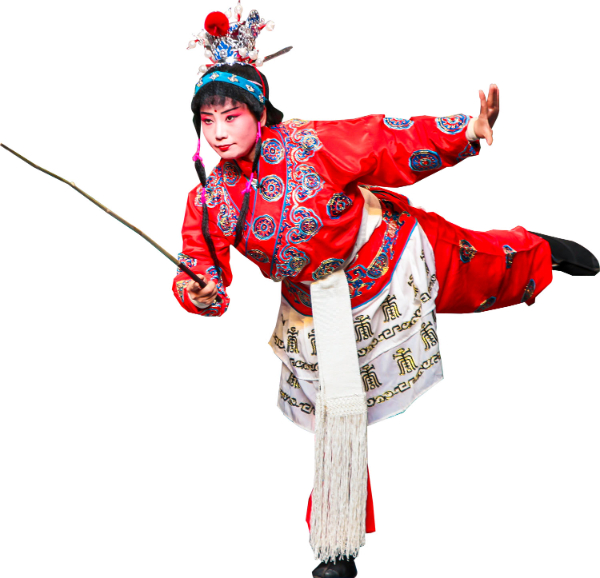
Stage presence
Fan Benxun, a 42-year-old construction worker, learned about Liu in 2013 from watching the TV show and was touched by his story.
"Back then, there was no formal troupe. Just some amateur enthusiasts got together to sing opera for fun. That was how I joined them, and it has been more than 10 years now," Fan said.
The Suzhou troupe welcomes most people regardless of their skill levels, as long as they love Yuju Opera. Experienced singers take lead roles, while enthusiasts help out behind the curtains doing jobs such as stage management, subtitles and taking care of costumes. There are also positions in the troupe's live-music band.
"It recharges us, so we can go back to our daily work with fresh motivation," Fan said.
For many of the performers, stepping onto the stage triggers a deep change in their character. Quiet and reserved offstage, Fan surprised his construction site co-workers when he played Kou Zhun, an upright elderly imperial minister of the Northern Song Dynasty (960-1126) in Mu Guiying Takes Command.
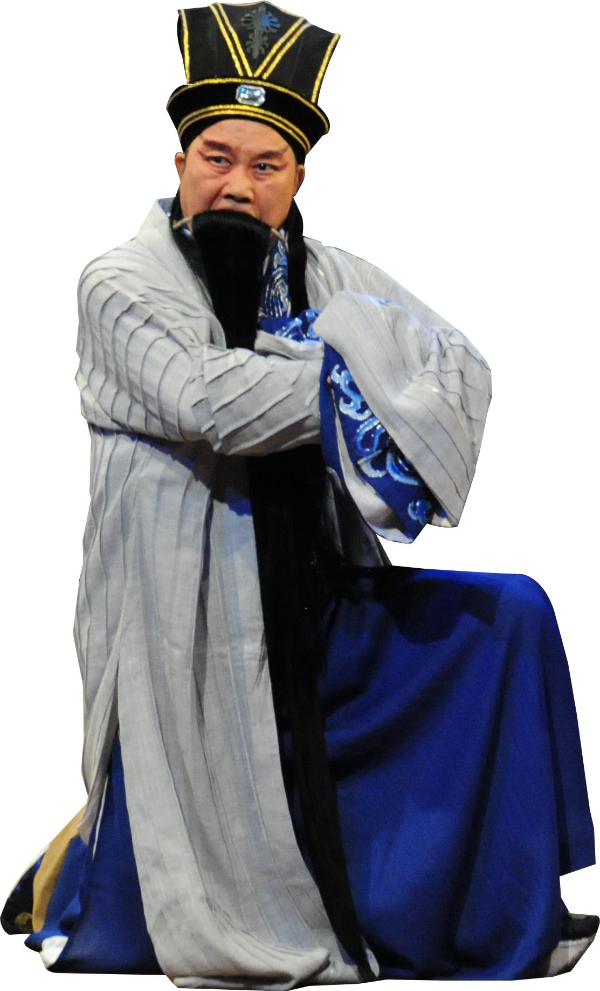
To build the role, Fan said he observed the movements of his older workmates. "I would borrow small, real-life physical gestures from them to shape my stage performance," Fan said.
He said he is usually quiet offstage, but as soon as he steps under the spotlight he becomes a different person. "I am no longer just myself — I turn into the character. The stage gives me confidence I never have in my everyday life," he explained.
The amateur troupe has more than 50 members, ranging in age from 23 to 75, with their careers spanning many sectors.
The deputy director of the troupe, Zhang Jing, 44, originally from Zhoukou, Henan, runs a business in Suzhou.
She said years of work stress had led to her having heart palpitations.
Zhang loved Yuju Opera as a child but never dared sing in public until she joined the amateur troupe in 2022. Singing has become a key emotional release for Zhang.
She said she has poured her joy, frustration and built-up stress into her opera performances, which have reduced her anxiety and eased her heart problems.
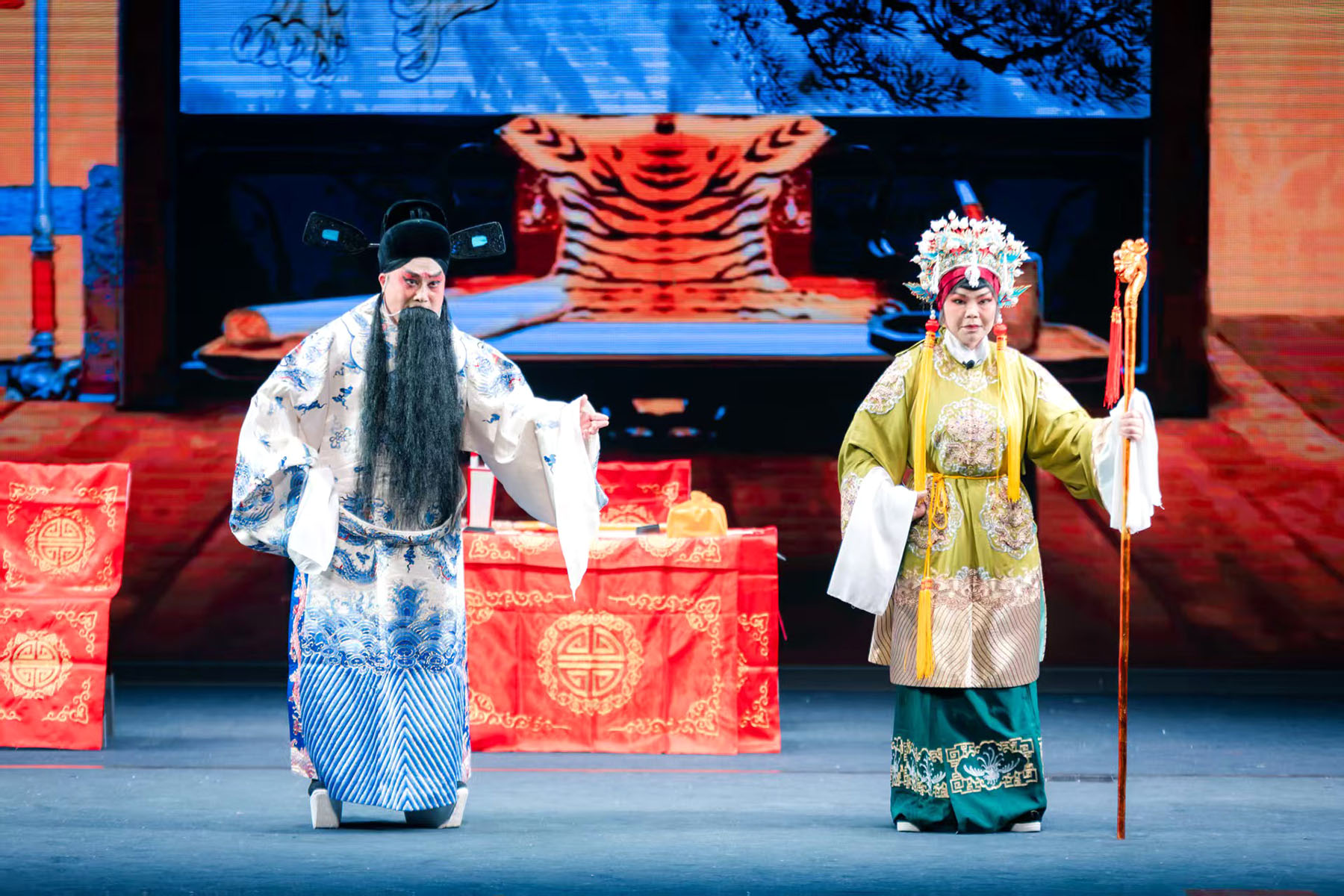
Legacy protected
Yuju, or Henan, Opera, is also referred to as bangzi, or clapper opera, due to the use of percussive jujube wood clappers during the performance.
With a history dating back hundreds of years, it is one of the five major opera schools in China together with Peking Opera, Yueju Opera, Pingju Opera, and Huangmei Opera.
Yuju Opera was a highly influential genre during Emperor Qianlong's reign in the Qing Dynasty (1644-1911), according to the government information office.
As it developed, it took in the elements of many other opera schools and extensively absorbed the folk music, singing art, and punchy lyrics popular in Henan.
Zhao Shisheng, a 75-year-old Suzhou resident, has watched Yuju Opera since the 1980s.
He said audiences love it because its stories center on common people. The plays celebrate loyalty and justice, values that resonate with an audience, he said.
"The members of the troupe live two lives," Zhao said. "They get no pay for shows and hold no official positions with state arts institutions. Even so, many aim to reach performance levels equal to professional opera groups.
"This is how ordinary people's passion breaks through barriers of geography, age and careers," he added.
Zhao also believes that culture should not be limited by boundaries between provinces. "Migrant folk art groups breathe new life into their cities. They truly deserve more recognition and support," he said.
On Aug 1, the Henan provincial regulations on the protection, inheritance and development of Yuju Opera officially took effect. This established a legal framework for the preservation and growth of the art form.
Data from provincial authorities shows there are 163 professional troupes and around 2,000 private groups performing Yuju Opera across China, with more than 400,000 performances staged every year.
Even so, the art form faces difficulties. For instance, many old opera scripts are being lost, cultural inheritors are getting older, and grassroots groups keep struggling with money problems.
Wu Yaming, the director of the Henan Provincial Academy of Culture and Arts, was involved in every step to develop the Henan regulation on Yuju Opera protection. His contribution included doing field research, writing the draft text, going through multiple revisions, and seeing it pass into law.
"Historical data shows that Yuju Opera was once performed across 13 provinces in China," he said. "Over more than a decade of natural evolution and under the combined impact of various factors, only 11 provinces now maintain regular Yuju Opera performances, indicating a shrinking reach."
Wu said the regulation targets two long-term problems holding Yuju Opera back: shortage of funds and limited talent development. He added local governments need to include preservation of the art form in their planning and budgets.
Wider reach
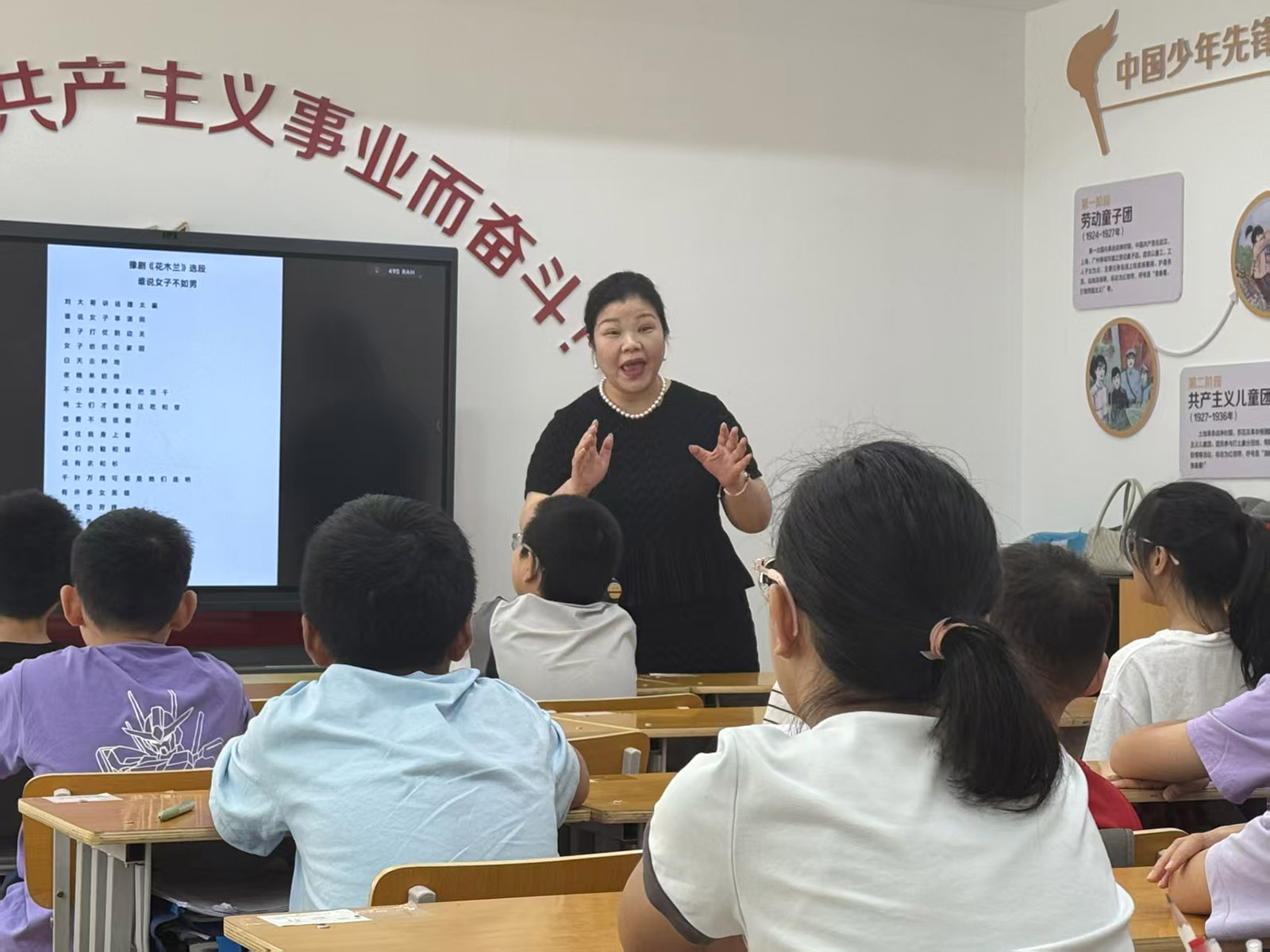
Li Shujian, former vice-chairman of the China Theater Association and an inheritor of Yuju Opera, believes the art form can accommodate both professional and grassroots performers.
For decades, he has attended both national-level stage productions and amateur opera performances across the country. He said millions of Yuju Opera enthusiasts, professionals and grassroots practitioners share cultural roots and a collective identity.
Ding Jianying, head of Henan Yuju Opera Troupe, said: "State-run professional troupes create high-quality flagship productions, take part in national competitions and set official artistic standards. Amateur community troupes build public interest and keep folk-style opera alive at the local level."
Ding said the greatest value of the new regulation is that it will help maintain professional standards and also spark creativity among folk artists. "Our findings show that proper subtitle translations and background notes allow universal human feelings — loyalty, integrity, sacrifice — to strike a chord with overseas audiences. Great artistic expression has no boundaries," Ding said.
Li said the regulation helps the Henan style continue to expand across regions, social groups and generations.
He has extensive experience in international cultural exchanges and toured Italy, France and the United States with the Henan Yuju Opera Troupe.
Works including Cheng Ying Rescues the Orphan have been performed in front of large foreign audiences. With high-quality translations and background notes, universal themes such as loyalty, sacrifice and justice can resonate with audiences from diverse cultural backgrounds, said Li, who is planning performances in France in November.
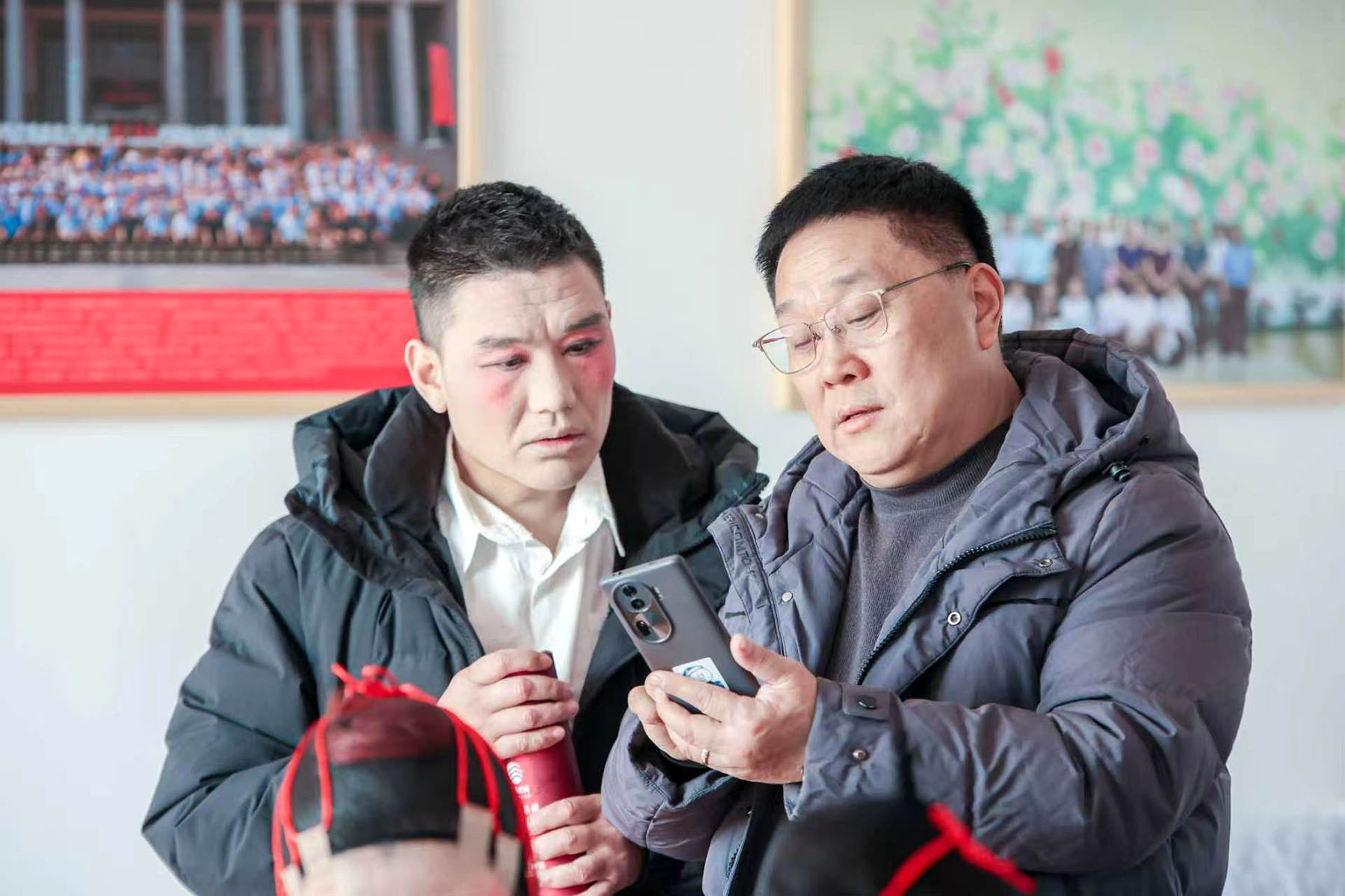
Yang Wanlin, a native of Chaoyanggou in Dengfeng, Henan, and honorary president of the Chaoyanggou Culture Research Association, said digital media has a vital role to play in promoting Yuju Opera.
"Short-video platforms are filled with classic excerpts from official archives and amateur covers of iconic works such as Chaoyanggou, a landmark modern-themed Yuju Opera masterpiece created in 1958. It tells the story of a young urban woman who chooses to build a life in rural China, and remains hugely popular among ordinary Chinese audiences," Yang said.
Yang believes cultural heritage cannot solely depend on professional performers. "It also needs ordinary people to love, perform and share this art on their own."
The new Yuju Opera regulation supports digital innovation including online theaters, livestreamed shows and sharing on social media. The aim is to help the traditional opera better reach young audiences.
Spanning generations
As the youngest member of the Suzhou Henan Yuju Amateur Troupe, Li Zongya, 23, is aware of his responsibility to keep the opera style alive and well.
A deliveryman and banhu (northern Chinese bowed string instrument) player in the troupe, he was born in Hebi, Henan, and moved to Suzhou in 2024.
His involvement started after he came across a livestream of one of the troupe's performances. After the show, he hurried onto the stage and introduced himself to the banhu players. He officially joined the troupe in early 2025.
Li said his hectic delivery job brings huge mental pressure.
"But performances and chats with fellow opera lovers are my biggest emotional comfort. Even with exhausting shift work, I adjust my schedule to take part in troupe activities," he said.
His small rental apartment is filled with banhu, erhu (a two-stringed fiddle), keyboards and professional audio equipment that he brought from his hometown.
"Cultural heritage does not come from sudden inspiration," Li said. "It lives on when we keep choosing and holding fast to what we truly love."
ALSO READ: A heroic achievement
Through informal street opera get-togethers near Suzhou Railway Station, he has also found many young migrant workers living far from their homes who have a deep, untapped passion for Yuju Opera.
At the other end of the age spectrum is 68-year-old Cao Shuli, who relocated to Suzhou to care for his grandchildren. He said he has evolved from a passive listener into a confident performer ready for public appearances.
Meng Qingrong, 71, a retiree from Henan, said she dreamed of performing opera as a child, but never received formal training.
She moved to Suzhou to look after her grandchildren and joined the troupe four years ago. Back then she could only sing a song from Chaoyanggou. "I simply imitated old artists by listening to their audio recordings, and I knew nothing about stage steps or body movements."
Meng said after joining the troupe, director Liu and other members gave her lessons. "With consistent practice, my mind has become sharper and my memory has improved. Now I can perform on local stages in Suzhou."
Contact the writers at qixin@chinadaily.com.cn
