

Across Asia, cafes blend East and West, giving fans a taste of old Chinese tea culture. Atlas Shao reports that they’ve also become a ‘private retreat’ from the pressures of frenzied work and life.
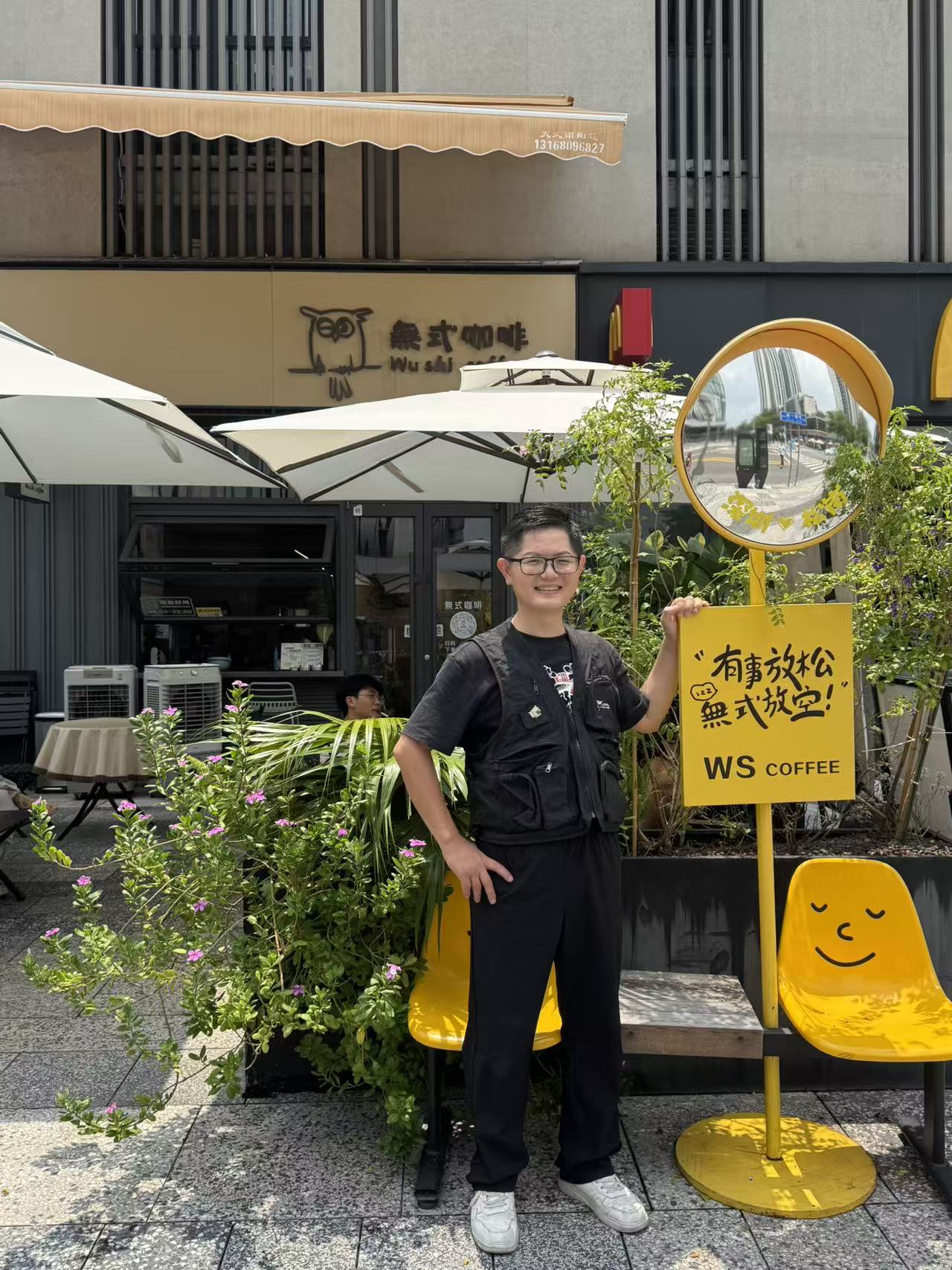
‘Usual, please,” a customer calls to the barista as she walks into a community coffee shop in Shenzhen.
No questions asked, the barista immediately prepares her iced Americano. “I’ve got to know every customer in my store by now,” quips Du Qilong, who runs the business.
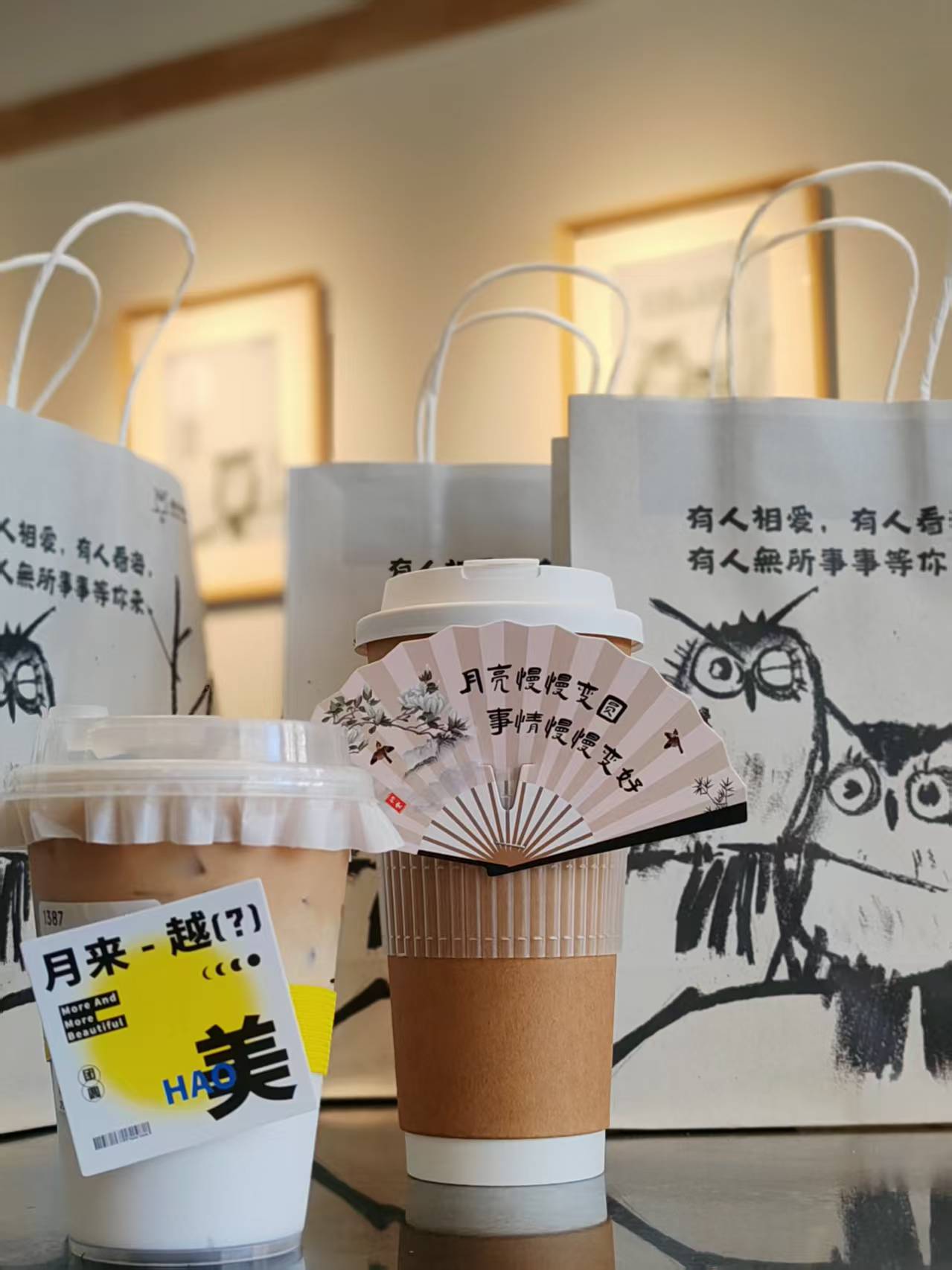
Far from being a simple morning refresher beverage, coffee, or the adapted Chinese-flavored coffee, has evolved into a drink for social gatherings and emotional comfort in modern life. Browsing through the cafe’s menu, a wide range of beverage options is on offer. Besides traditional coffee choices like Americano or latte, fusion drinks with Chinese ingredients, such as emblica Americanos and red bean lattes, stand out.
READ MORE: HK forum on international tea culture to spotlight global push for Chinese tea
The lucrative figures speak for themselves with the proliferation of the blended East-and-West aroma.
According to a report by the China New-style Tea Beverage Industry Alliance and China Insights Consultancy, the market hit 360 billion yuan ($53.64 billion) last year and is forecast to reach 650 billion yuan by 2029. The Chinese-style tea-coffee fusion, a new type of beverage that blends traditional Chinese loose-leaf teas with espresso, is a quintessential representative of the trend.
East-meets-West
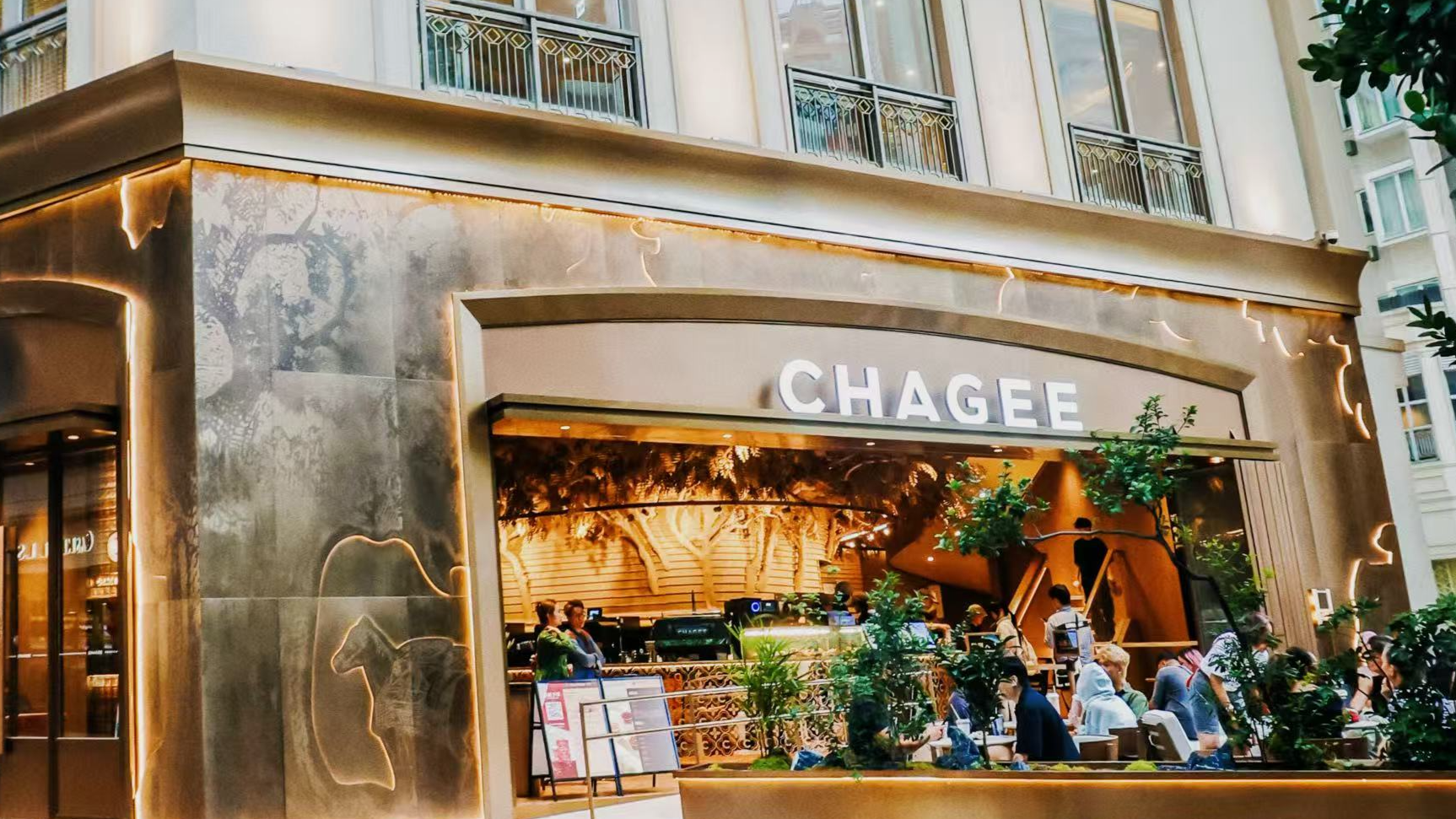
Celebrated Chinese-style tea drink brand Chagee is known for its signature fusion of Chinese and Western elements, having quickly won worldwide acclaim. By June, the tally of overseas stores run by Chinese freshly made tea and coffee brands had exceeded 15,100. In June alone, 15 brands added 107 new stores abroad.
Chagee took the South Korean market by storm in April, creating long lines that snaked their way into three of the chain’s outlets in the country’s capital, Seoul, as soon as they threw open their doors. Within five minutes of its online system
going live, the stores had received over 600 orders. Some customers waited in line for over five hours for a taste of the Chinese-style beverage.
Chagee runs 22 outlets in Hong Kong, including its largest global flagship store in the Wan Chai district, after making its debut in the city in September 2024. Its main teahouse at Lee Tung Avenue is often packed, even on weekday afternoons.
“We can feel the enthusiasm of Hong Kong consumers for modern tea beverages and brand experiences,” says Eason Chen, general manager of Chagee Hong Kong and Macao. “We’re highly optimistic about the Hong Kong market, as well as Chagee’s future development here. We’ll continue to expand our network in the city.”
Unlike its standard outlets, Chagee’s sprawling 11,000-square-foot (1,022-square-meter) Hong Kong flagship store offers a modern interpretation of five ancient tea preparation techniques — boiling, brewing, whisking, steeping and extraction — taking beverage aficionados on an immersive journey through millennia of Chinese tea culture.
Beyond its standard menu, the teahouse boasts a modern line of beverage along with specialty baked goods and exclusive crossover products, giving consumers a richer experience.
“Feedback shows many visitors are making special trips to experience our space and learn about tea culture. Some of them come with friends too,” Chen says.
Emotional connection
Besides chain brands, the growing trend is evident across the entire handcrafted beverage industry, including the number of independent stores.
Du says that compared to the assembly-line offerings of chain stores, a small shop’s charm lies in its unpredictability, including fusion offerings that blend more with nontraditional elements. “We may also borrow and try out popular recipes from the internet that could spark an impulse in customers to give them a shot out of curiosity,” he says, adding that when his customers travel to other cities and discover beverages with creative new twists, they will take photos and send them to him, asking whether those drinks can be replicated.
“This turns into an engaging, interactive experience where shop owners and customers collaborate in developing new products,” Du says.
One thing is certain — the role of a coffee shop has been that of a “private retreat” for those breaking free from the pressures of frenzied work and life.
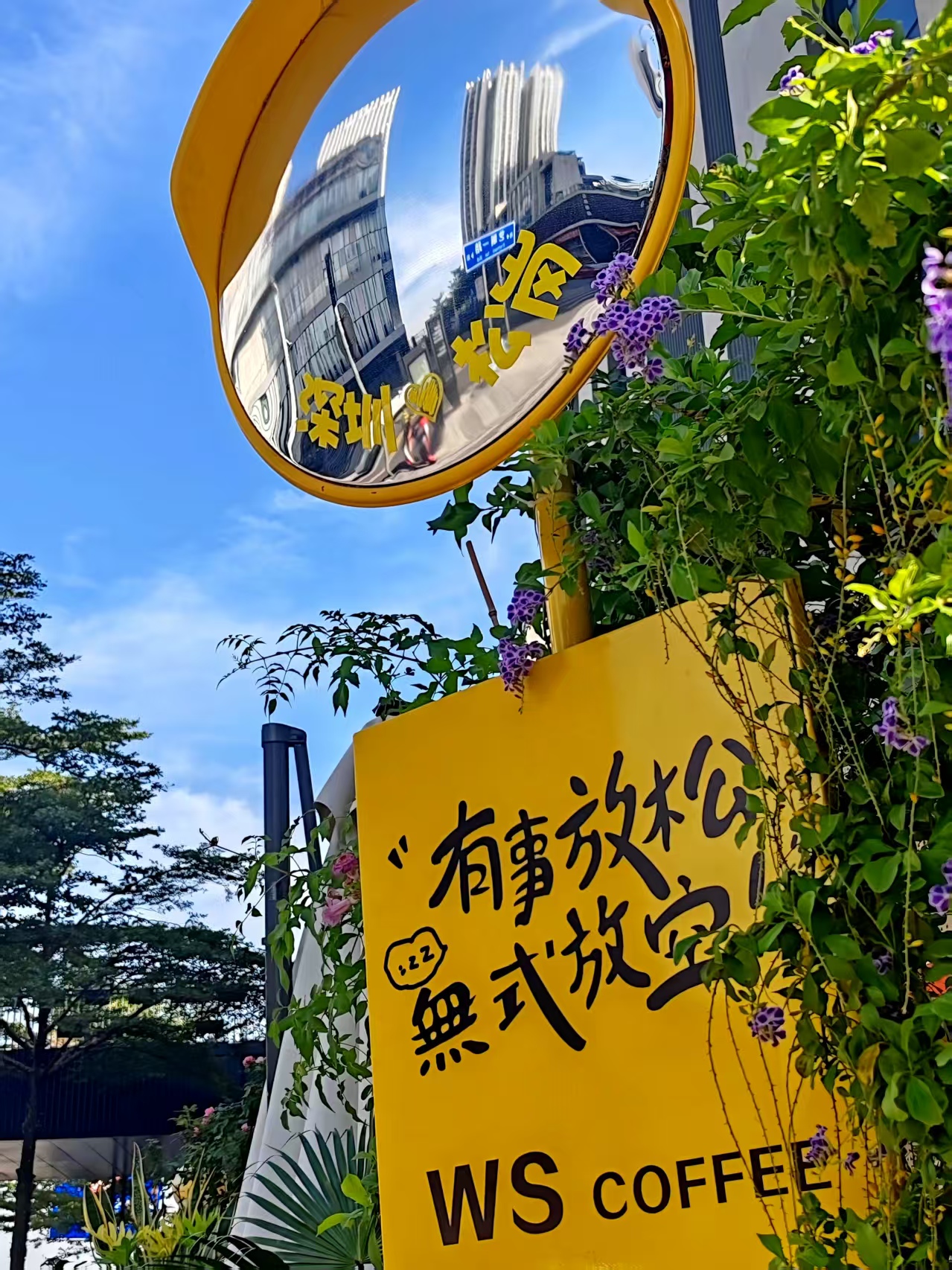
“Within a radius of about 100 meters, there are at least a dozen beverage shops,” says Du, who has been in the beverage industry for over two decades. He launched his own cafe three years ago in Songgang area on the western edge of Shenzhen. Although not located in the central business district, the outlet has been building up a steady customer base.
Du says that the sense of connection is a key factor that prompts repeat visits by customers. A coffee shop is more than just a place to grab a caffeinated drink; it also serves as a retreat for people to unwind. The trend is also becoming obvious among youngsters whose parents are regular coffee-shop-goers.
Li Xilin, an assistant professor of marketing at the Cheung Kong Graduate School of Business in Beijing, says interactions between merchants and consumers, such as asking about the latter’s taste preferences and remembering them, have triggered customers’ need to be “seen”.
In an increasingly isolated urban lifestyle, she says she believes that if a shop employee knows a customer’s preference for “no sugar, less ice”, it represents a rare form of personalized attention, infusing a simple transaction with a touch of warmth, and this is the starting point for emotional connections.
A semi-open kitchen can build trust and engagement through transparency. As Li says, seeing a beverage made in real time eases food safety anxieties, and watching a drink tailored specifically “for me” would deepen a consumer’s emotional links to it.
For the tea-and-coffee sector in the Guangdong-Hong Kong-Macao Greater Bay Area, a more accurate definition isn’t the beverage business itself, but a composite product layered with functional, social and psychological values. Under high-pressure workplace conditions, the habitual consumption of “one cup a day” satisfies not just a single need. It stacks up several forms of psychological compensation, with each one corresponding to something lacking in modern professional life.
On balancing artificial intelligence efficiency with human warmth, Li says she believes technology should amplify the human connection rather than replace it. The optimal division of labor lets technology handle functional tasks like back-end efficiency, quality control and data personalization, freeing up staff to focus on the front line, where genuine human presence and emotional connections matter most.
On the rise of Chinese-style tea-coffee in the competitive beverage market, Li says she believes that beyond merely mixing flavors, it taps into several very real emotional needs. It’s a return to cultural identity, she says. By grafting Western coffee onto an Eastern tea base, tea and coffee offer the modern sensibility and energizing functions of coffee, along with the cultural familiarity of tea. It enables consumers to enjoy a “trendy” drink while embracing their cultural roots, she says.
Customers aren’t psychologically drawn to something entirely alien, but to something “familiar with a touch of surprise”, she says. Tea-coffee hits this exact sweet spot as both elements are deeply familiar, yet their combination feels fresh. Such a combination satisfies consumers’ curiosity and desire to try something new, while keeping the entry barrier low since the core ingredients are already well known.
Festival pulse
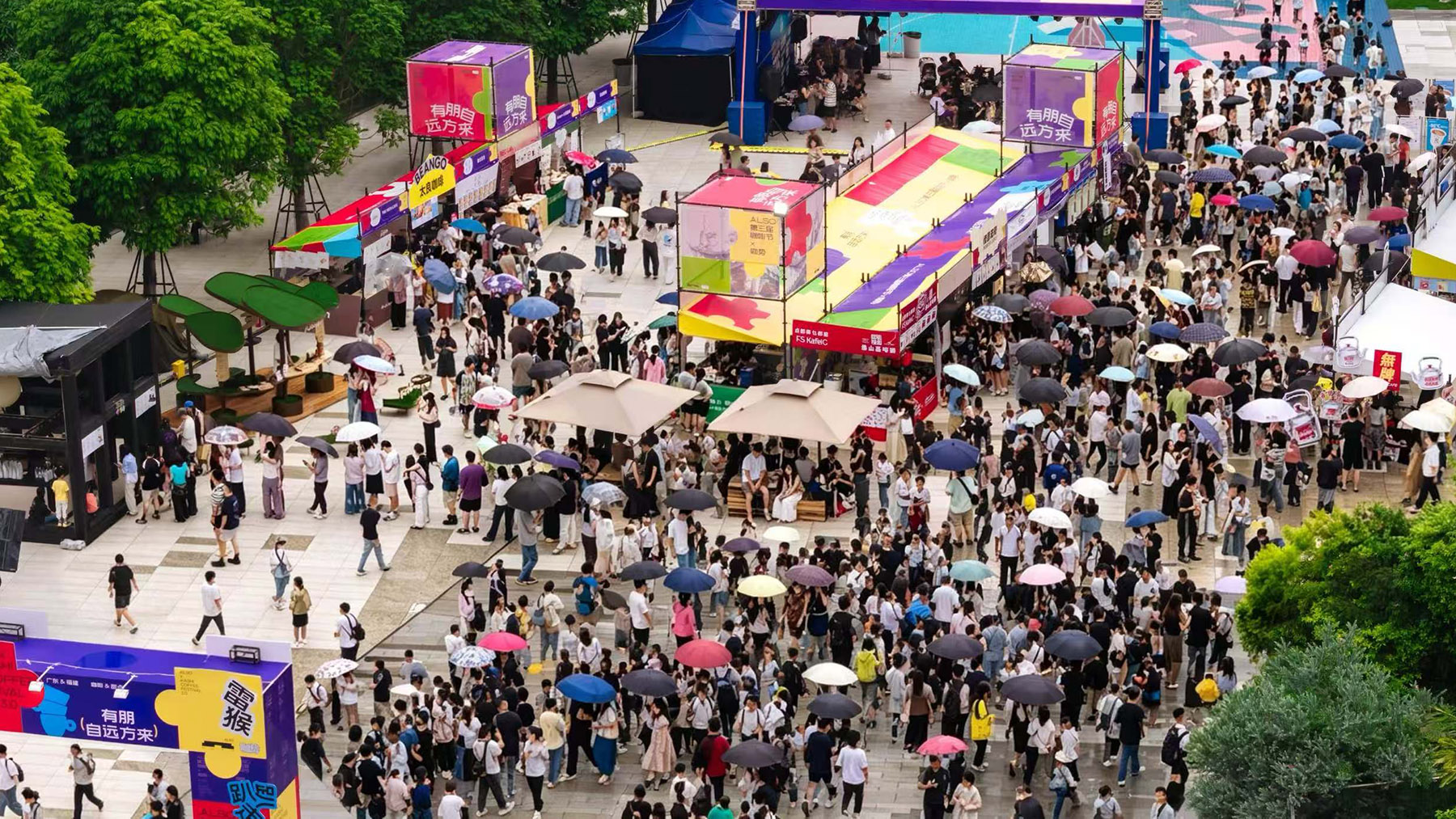
Amid the tea beverage craze, coffee festivals have been popping up across the country, showcasing the industry’s diversity and room for growth.
Chois, who helps to organize the ALSO coffee festival — an annual event that has been held in Foshan’s Shunde district for three consecutive years — says that vendor participation and attendees’ enthusiasm have continued to grow year after year. “More than just a place to buy coffee, the festival provides a space for people to relax, socialize and unwind from workday stress,” she says.
While coffee has taken center stage in social life, the festival goes beyond coffee brands with complementary vendors selling creative merchandise, desserts and light meals. Chois says that it has become a daily ritual for working professionals in the Greater Bay Area to kick off their fast-paced workdays with a cup of coffee.
In contrast, what’s offered at coffee festivals moves away from the usual Americanos and lattes, featuring instead a wider array of specialty drinks to give consumers a distinctive, tailored experience — a tangible reflection of emotional values.
Beyond drinks, the coffee festival serves as a vital hub for the community — a place for old acquaintances, some of whom haven’t seen each other for ages, to gather over coffee and catch up. Held on weekends or holidays, the carnival serves as a powerful draw for enthusiasts nationwide. Some travel from as far away as Fujian province to Foshan just for the occasion, while others make the trip specifically to visit a favorite cafe or meet a renowned coffee master.

Beyond beverage sales, the festival offers a rich lineup of interactive programming. The highlights include guest appearances by international coffee champions, live Cantonese music performances and hands-on workshops led by intangible cultural heritage artisans, including traditional floral headpiece crafting. Participants can also join curated tasting sessions and panel discussions hosted by industry experts.
“We’ve observed a growing consumer demand for noncoffee options, such as kombucha and Chinese wellness teas. Moving forward, future events will incorporate a larger share of these elements,” Chois says.
ALSO READ: Chinese coffee chain launches Brazilian coffee-themed store in Greater Bay Area
Combining beverage products with other scenarios isn’t anything new. Some merchants have been expanding consumption scenarios through bundled offerings, such as “coffee + bakery” or “tea drink + snack” sets during specific time slots. Some brands, including top brands like Chagee, Heytea, Mixue Ice Cream and Tea, and Luckin Coffee, have introduced “night coffee” and low-caffeine products, extending their operating hours well past midnight.
As Chinese tea and coffee culture stretches beyond the narrow alleys of Songgang to the vibrant streets of Seoul and Wan Chai, its appeal remains unchanged. Whether experienced in an 11,000-square-foot flagship store amid the bustle of a weekend festival or at a quiet corner cafe, these beverages offer far more than caffeine or flavor.
In a world that moves relentlessly fast and yearns for stillness and connection, each freshly brewed cup fulfills a deeper purpose — creating a space for people to pause, reconnect and feel, if only for a moment, at home.
Contact the writer at atlasshao@chinadailyhk.com
