

A new exhibition at the Hong Kong Palace Museum features a range of priceless objects connecting the Forbidden City with the rest of the world. And the stories of their provenance are no less attractive. Chitralekha Basu reports.
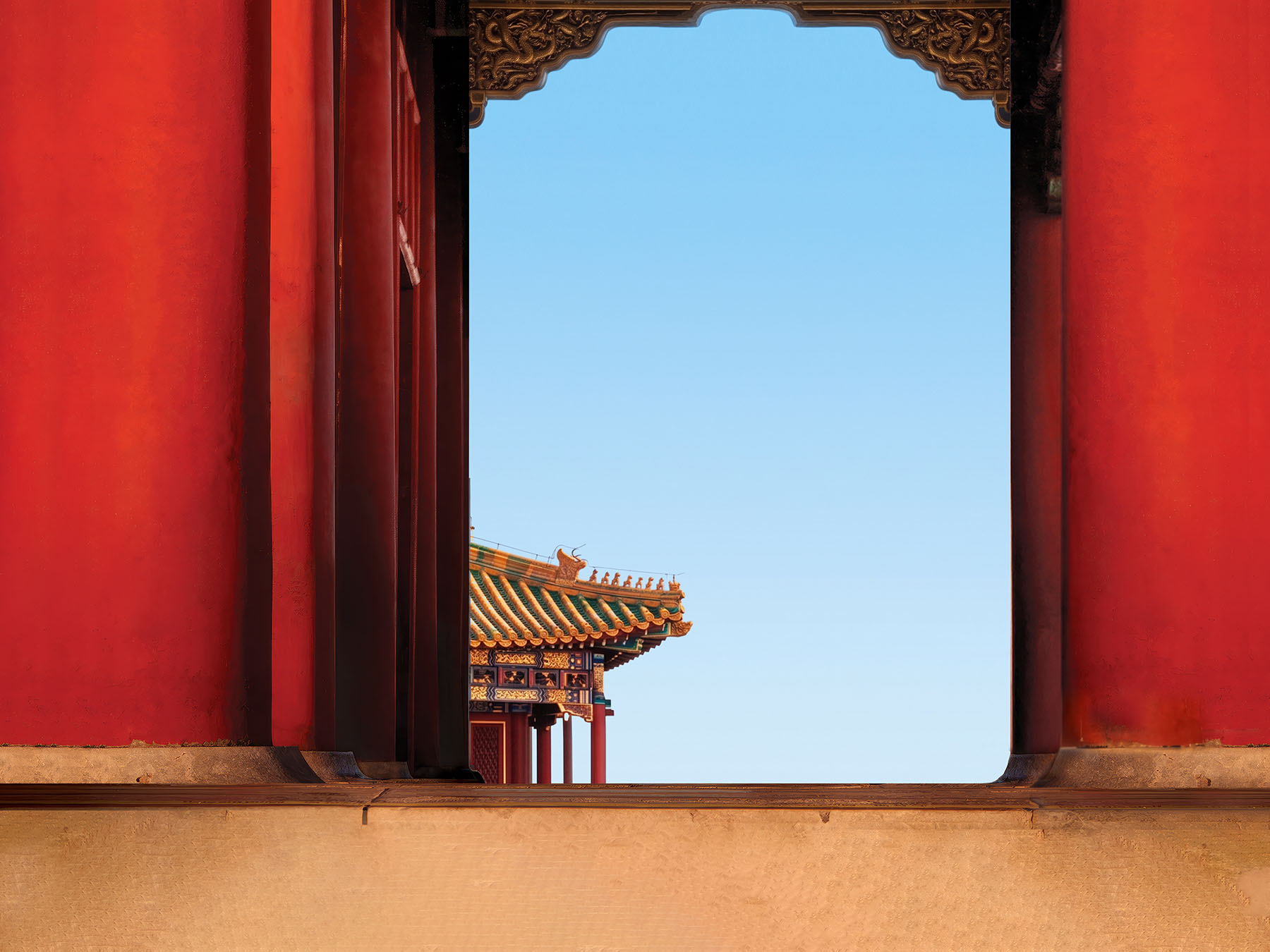
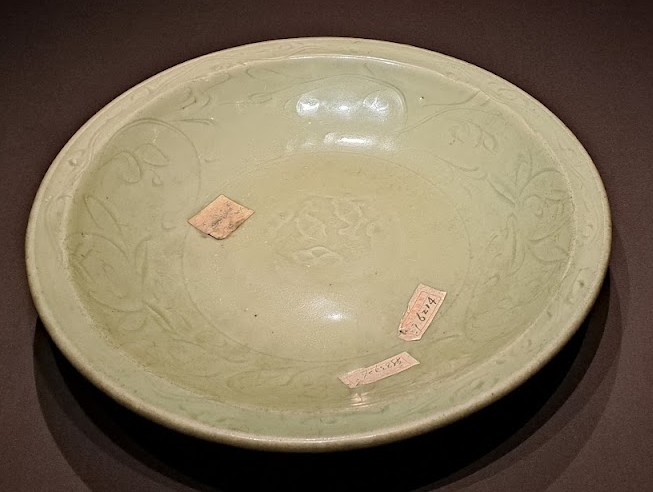
Some of the exhibits in The Forbidden City and the World: Cultural Encounters, now showing at the Hong Kong Palace Museum (HKPM), come with a series of tiny labels that could be mistaken for price stickers, yellowed with age. Emily Gao, an assistant curator at the museum and the lead curator of the exhibition, reveals that the handwritten figures on these stickers — many now decayed to the point of illegibility — are access numbers.
READ MORE: The timeless allure of lavish clocks
Gao walks me through the fascinating journeys of some of these relics of Chinese royal heritage. The story begins with the setting up of the Palace Museum within the Forbidden City precincts in 1925. “When the imperial treasures went from being a private family collection to a public museum — each object was accounted for — detailed inventories were made, and marked with a sticker to indicate its location in the Forbidden City,” Gao says. Later, during the Chinese People’s War of Resistance against Japanese Aggression (1931-45), several thousand of these objects had to be moved, over and over again, for safekeeping. Around 80 percent made it back safely to the Palace Museum after the war ended. “Every time an object was moved to a new location, it acquired a new sticker, with a new access number. This is good evidence of the objects’ provenance,” says the curator.
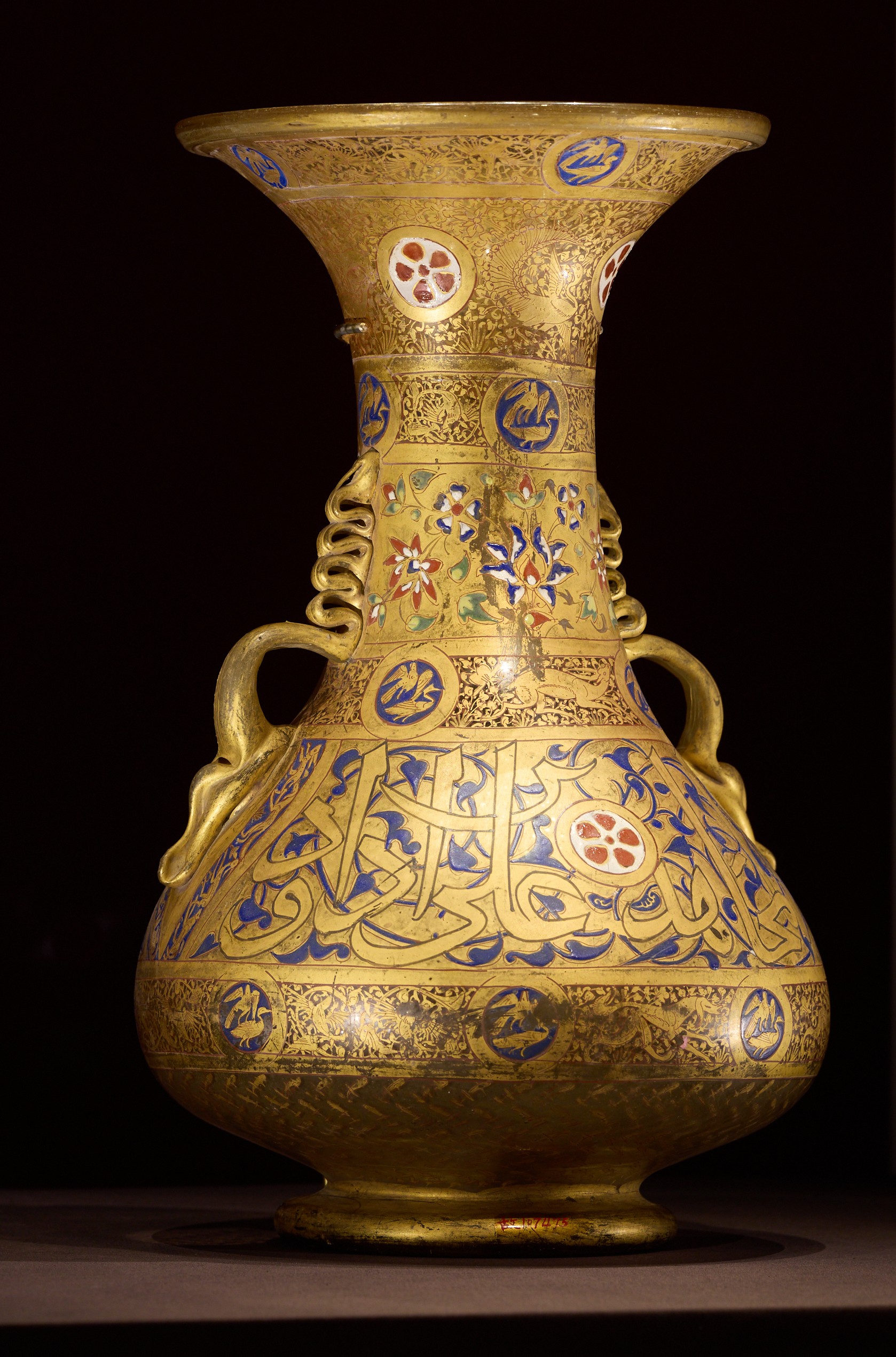
It was such meticulous cataloging on the part of the custodians of the Palace Museum treasures that helped unravel the provenance of a vase-shaped enameled and gilded glass object — the exhibition’s piece de resistance. It had ended up on a bookshelf in the residential quarters of Empress Dowager Cixi (1835-1908), and was listed as “foreign ceramic vase” in the late Qing Dynasty (1839-1911) archives. The object is in fact a hanging mosque lamp inscribed with a verse from the Quran and originated in Egypt’s Mamluk Dynasty (1250-1517).
Gao says that although Ming Dynasty (1368-1644) records note the arrival of merchants and envoys from the Islamic world, bringing over glassware to the imperial court as diplomatic gifts, according to a specialist from the Palace Museum, “there’s very little possibility of glassware that old surviving well into the Qing Dynasty (1644–1911). … It’s more possible that this object had remained in the Islamic world for several generations, before being exported to China through Canton Customs, and ended up in the imperial collection.”
She points out that the recurring pair-of-birds motifs, showing an eagle and its prey, a waterfowl, on the lamp’s surface is typical of Mamluk glassware, while the floral motifs on its neck are typical of Chinese ceramics. “Because large quantities of Chinese blue-and-white porcelain were exported to the Mediterranean countries, especially North Africa, Egyptian glassware craftsmen could have picked up the floral design from imported Chinese pottery.”
Customary gifts
Established in 1685, Canton Customs was responsible for a humongous number of priceless works of art from around the world arriving at the Forbidden City. “They played a huge role in adding to the imperial collection by periodically sending gifts to the emperor,” Gao says. Whatever the reasons behind such gestures, presents received by the royal court form a sizeable, and historically significant, section of the Palace Museum collection today.
Canton Customs also set up a variety of artisanal workshops around the port of Guangzhou — the only Chinese seaport open to foreign merchants until the onset of the First Opium War in 1839 — and commissioned local craftsmen to make foreign-style artifacts. Intentionally, or perhaps organically, Chinese elements — in terms of form, raw material and aesthetic features — found their way into these Chinese-made products. “The superintendents of Canton Customs had direct contact with the emperors. They were aware of what the emperors wanted,” Gao says.
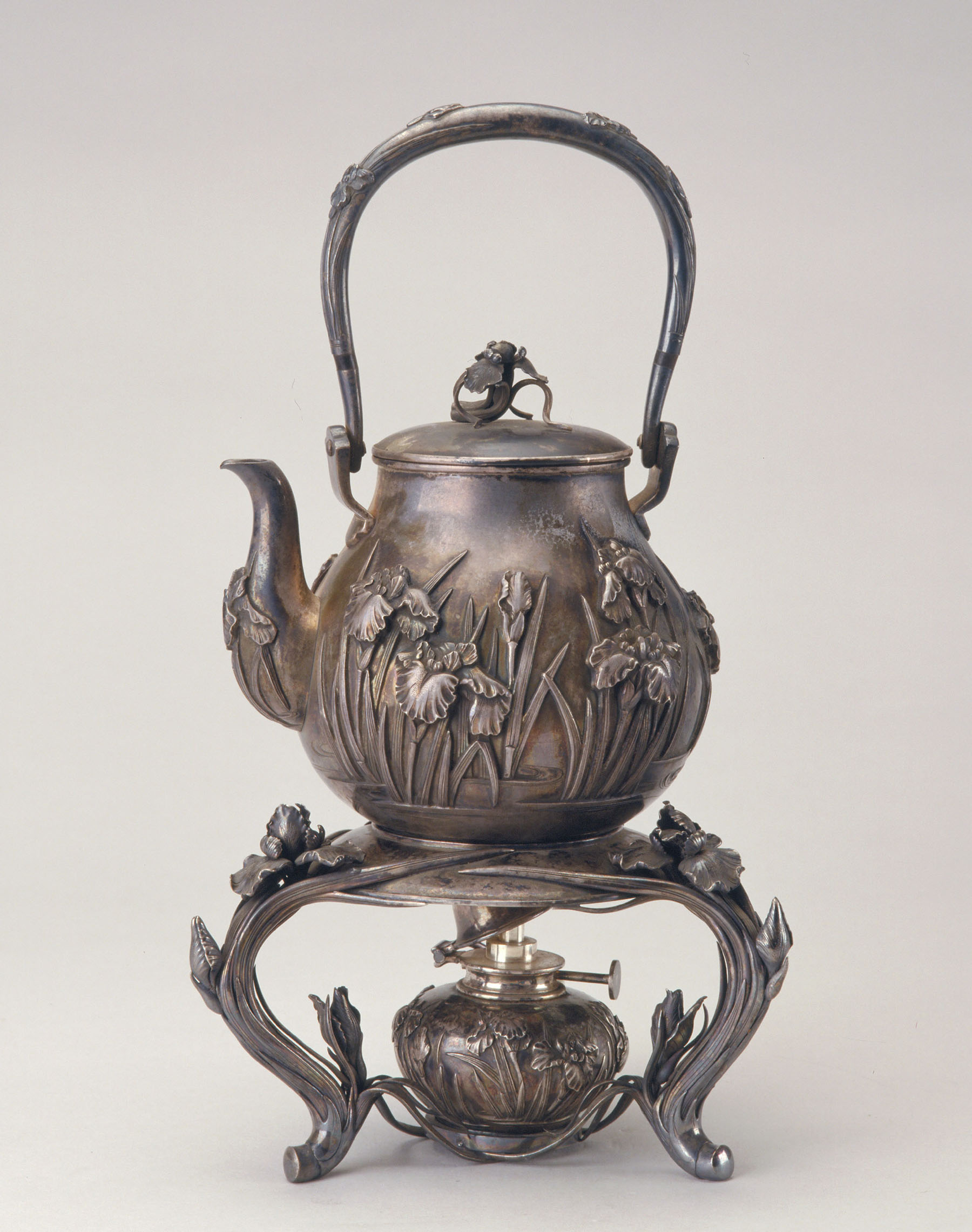
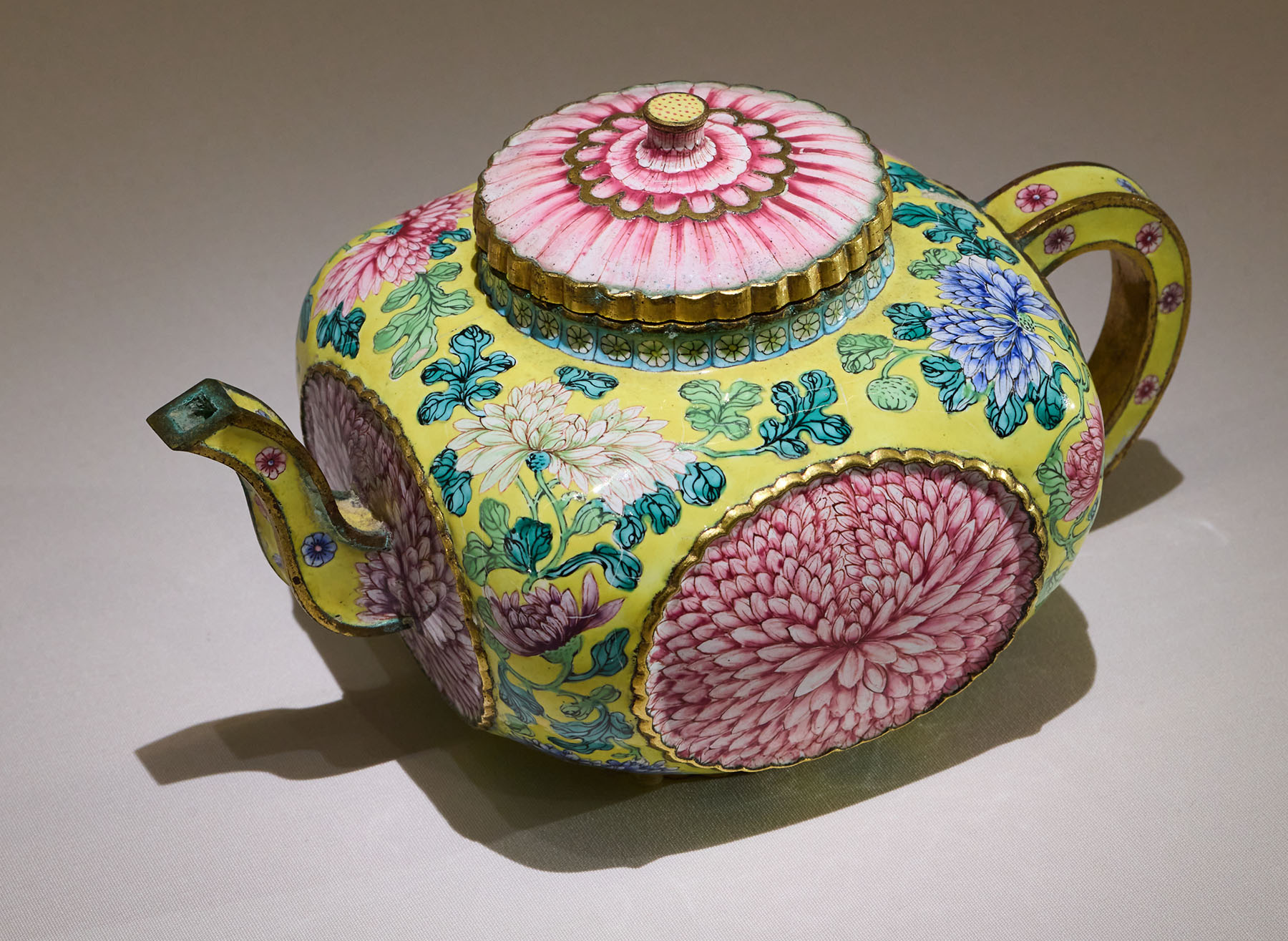
One of the exhibits, a copper tea pot with a large chrysanthemum enameled onto its surface, might remind visitors of a similar piece in HKPM’s The Forbidden City and the Palace of Versailles show, which ended in May 2025. The piece in the earlier exhibition bears the signature of the enameler Joseph Coteau (1740-1801), confirming its French origin. Its replica, made at a Canton workshop at the behest of Emperor Qianlong (1736-95), demonstrates that both the quality of Canton-made enamel and the skills of local artisans could be as good as those that went into the making of the original.
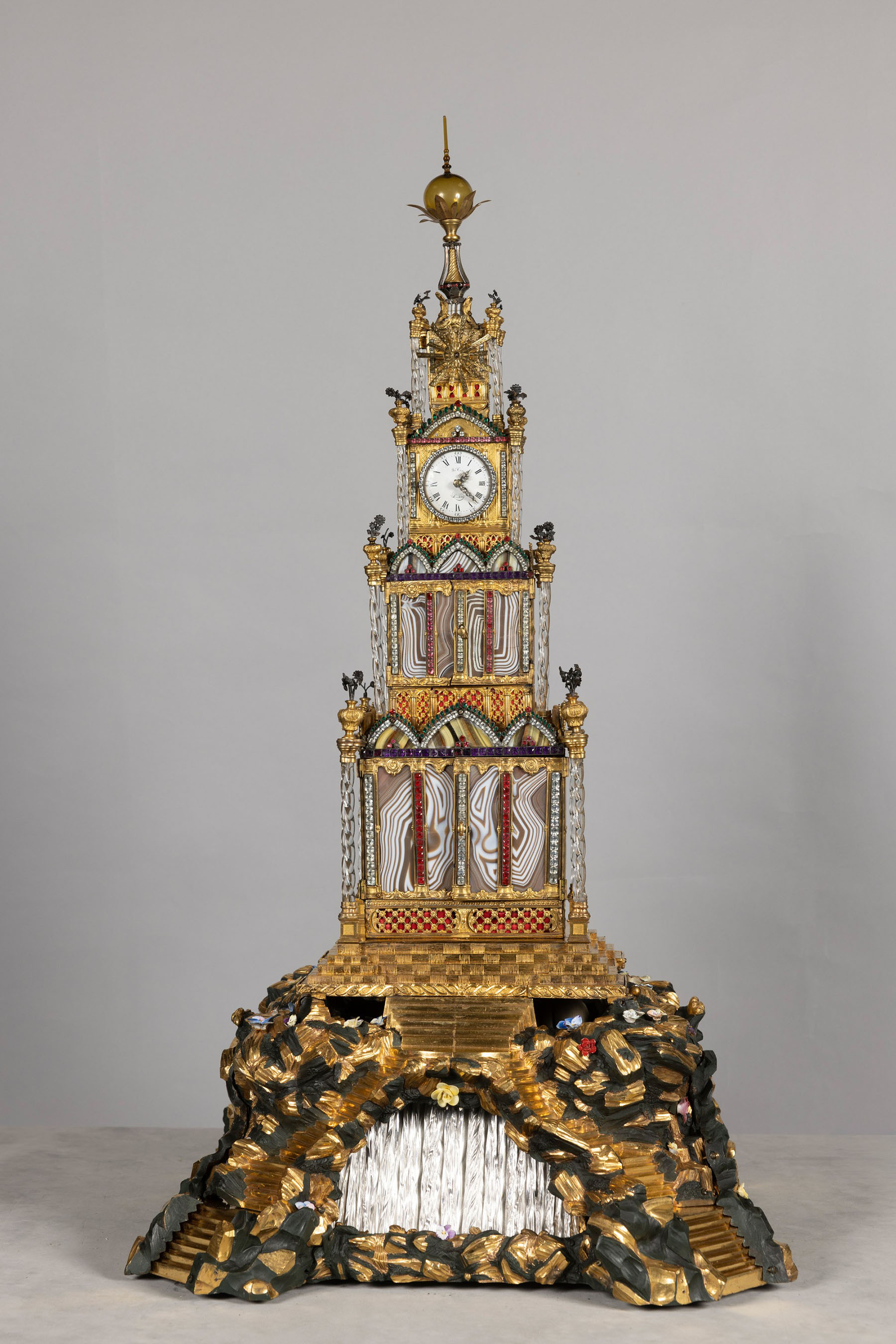
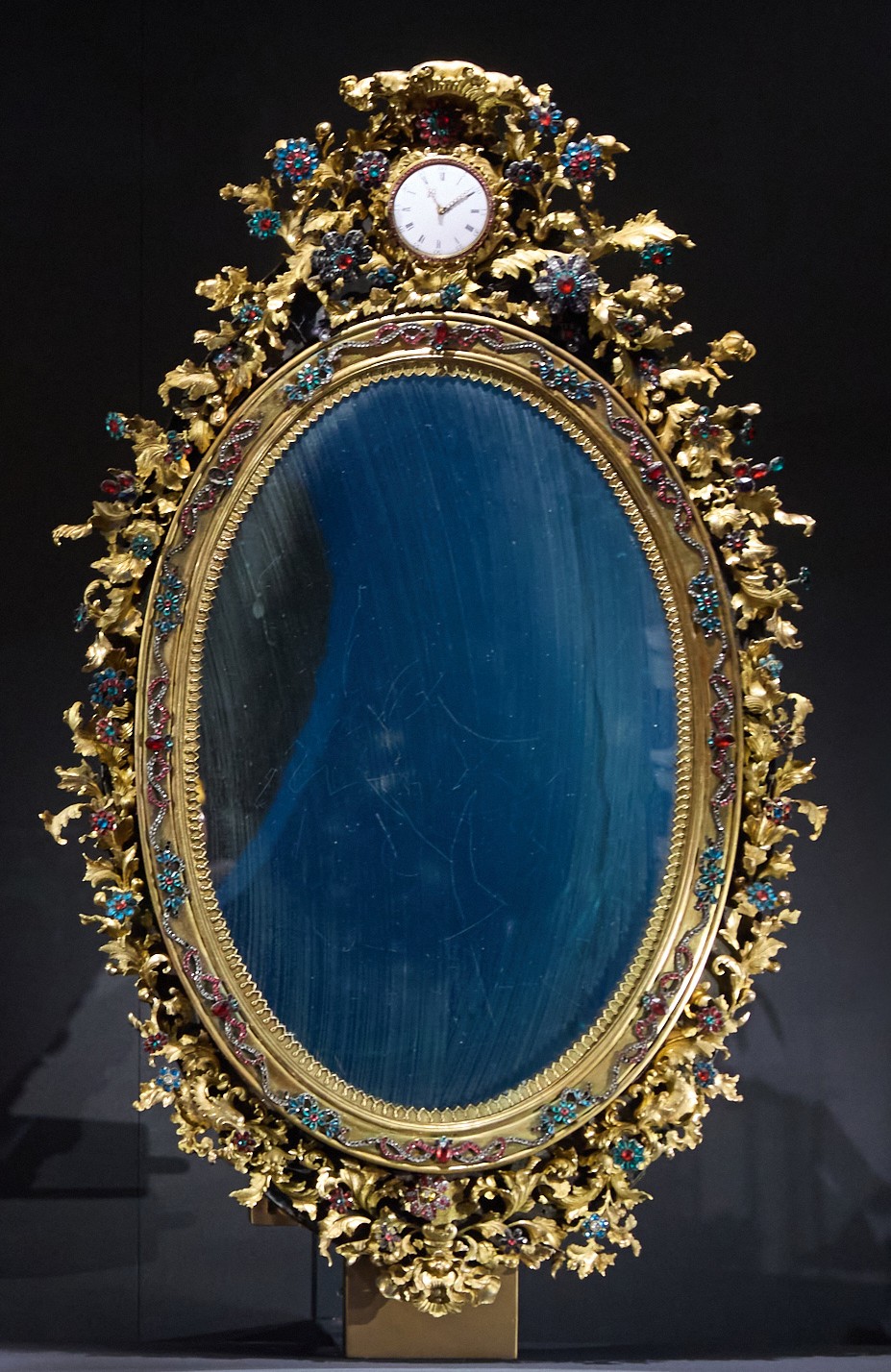
The Canton artisans were also good at assembling as well as making value additions to imported products. The tradition continues in the same geographical area, though the materials and tools used are more in keeping with the digital age. Gao points to a Qing Dynasty hanging mirror with a clock on top, the two objects held together by an ornate gilded frame, studded with colored glass. She notes that the mirror, made in Paris, and the clock, made in Britain, “entered Canton separately and were assembled and framed there”. “This is a very representative work by Canton craftsmen of the time. It shows that they had access to all kinds of materials from different parts of the world,” she adds.
Ties with Islamic cultures
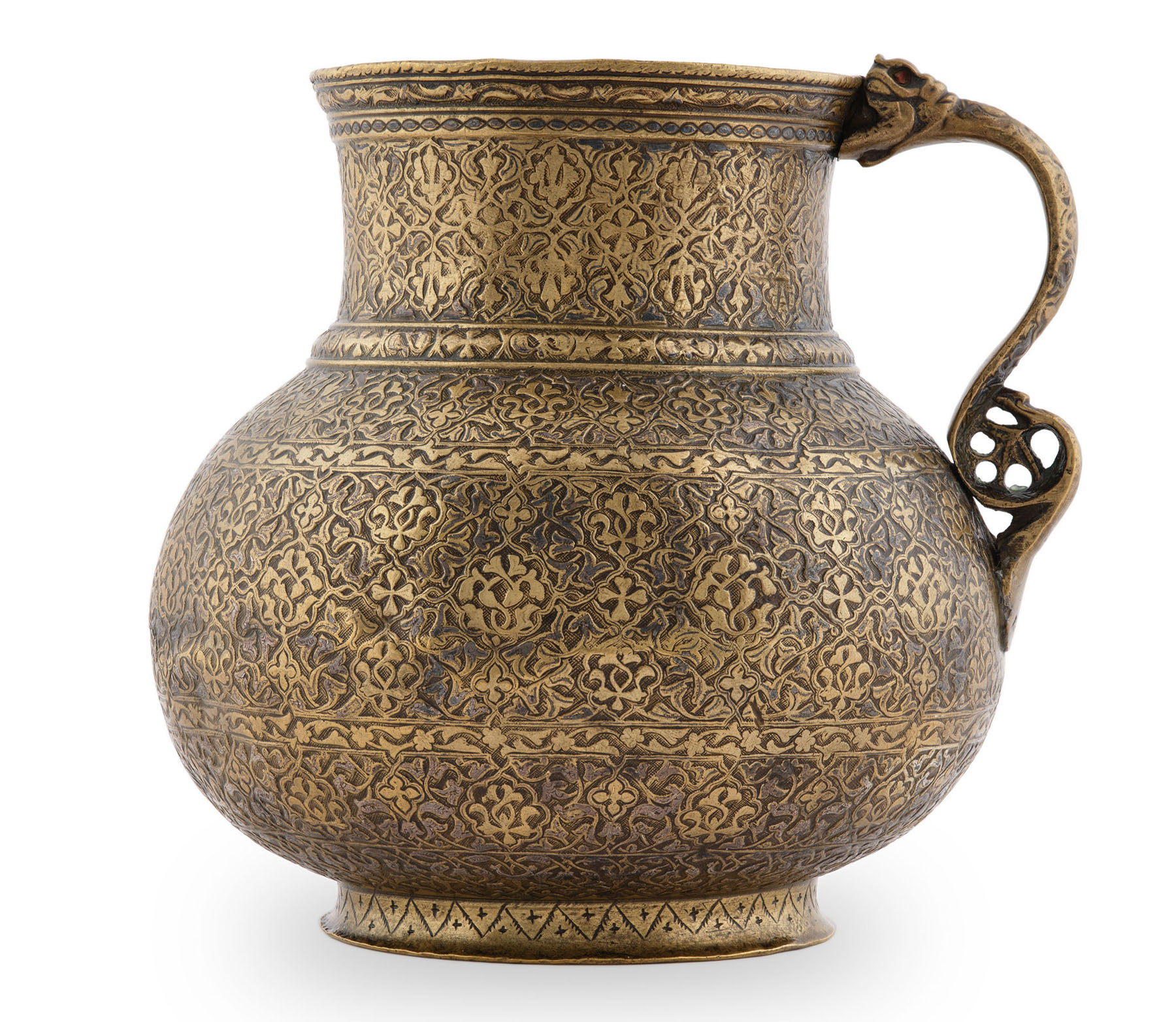
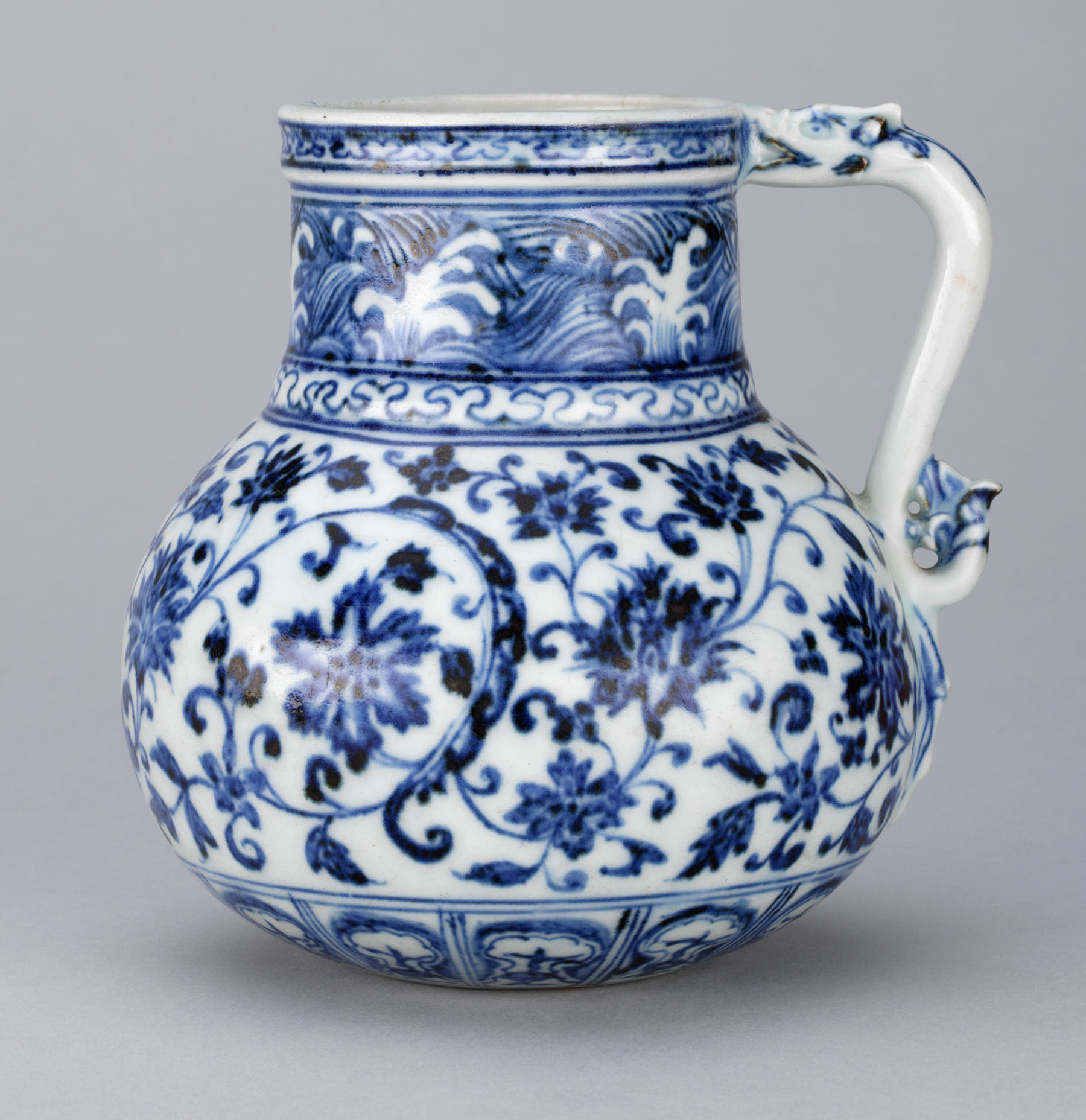
To emphasize China’s enduring trade and cultural relationships with the Islamic world — which might have begun when a Tang Dynasty (618-907) court received Arab envoys in 651 — the HKPM has partnered with the Museum of Islamic Art (MIA) in Doha, Qatar. One of the exhibits on loan from MIA is a 15th-century brass jug from Central Asia. It is displayed together with a Chinese ceramic jug with underglaze cobalt-blue floral design on a white base from roughly the same time — Ming Dynasty, Xuande period (1426-35) — and sourced from the Jingdezhen kilns, known the world over for the vividness of the blue pigment used and the glaze that protects it for centuries together. The pairing is meant to highlight the sameness of form and dimensions between the two objects, created thousands of miles apart.
Gao says that the pair represents “a two-way dialogue, marked by mutual influence. … For example, the shape of the ceramic object is copied from metalware from the Islamic world, whereas the handle of the copper jug is in the shape of a dragon, which shows Chinese influence in West and Central Asia.”
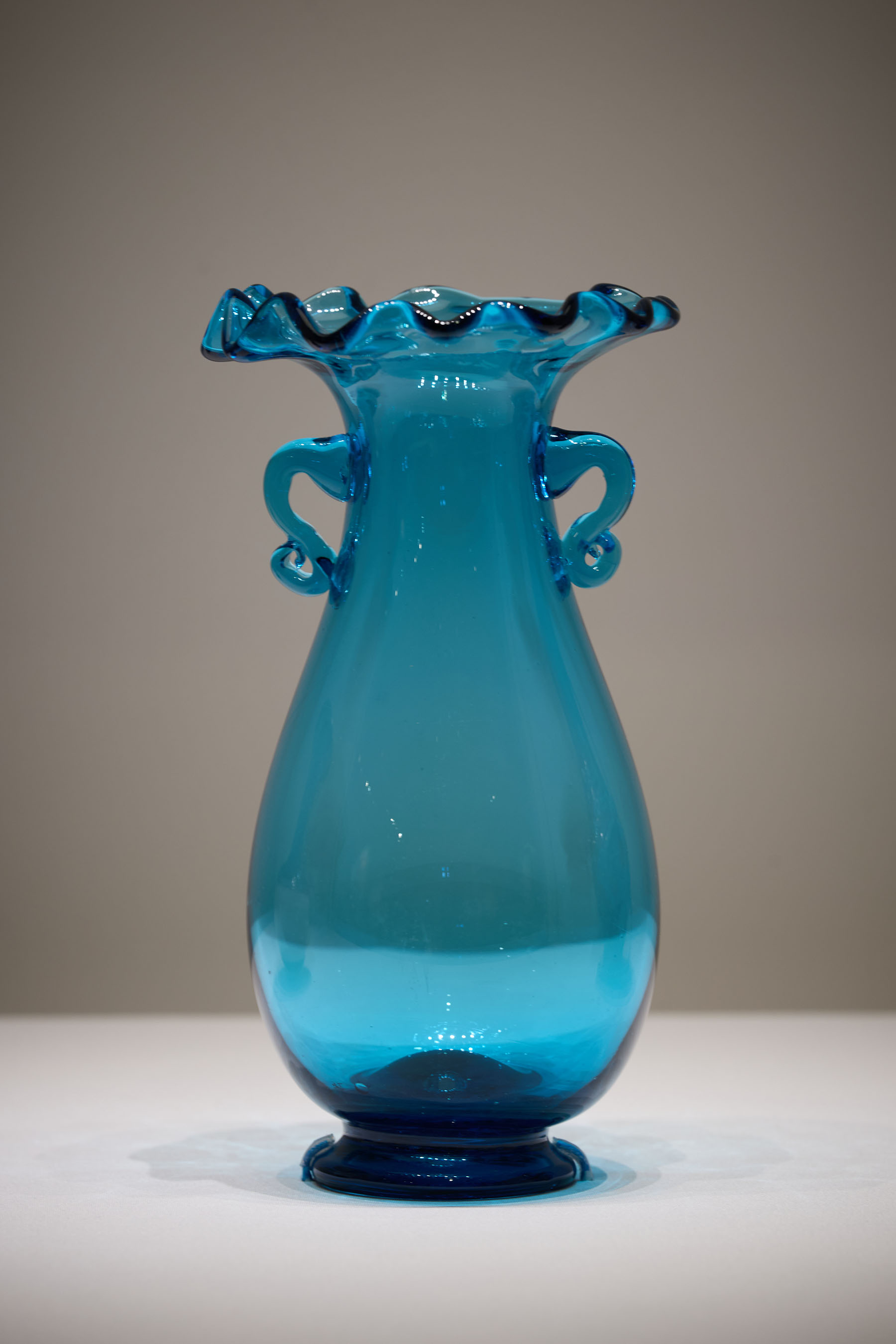
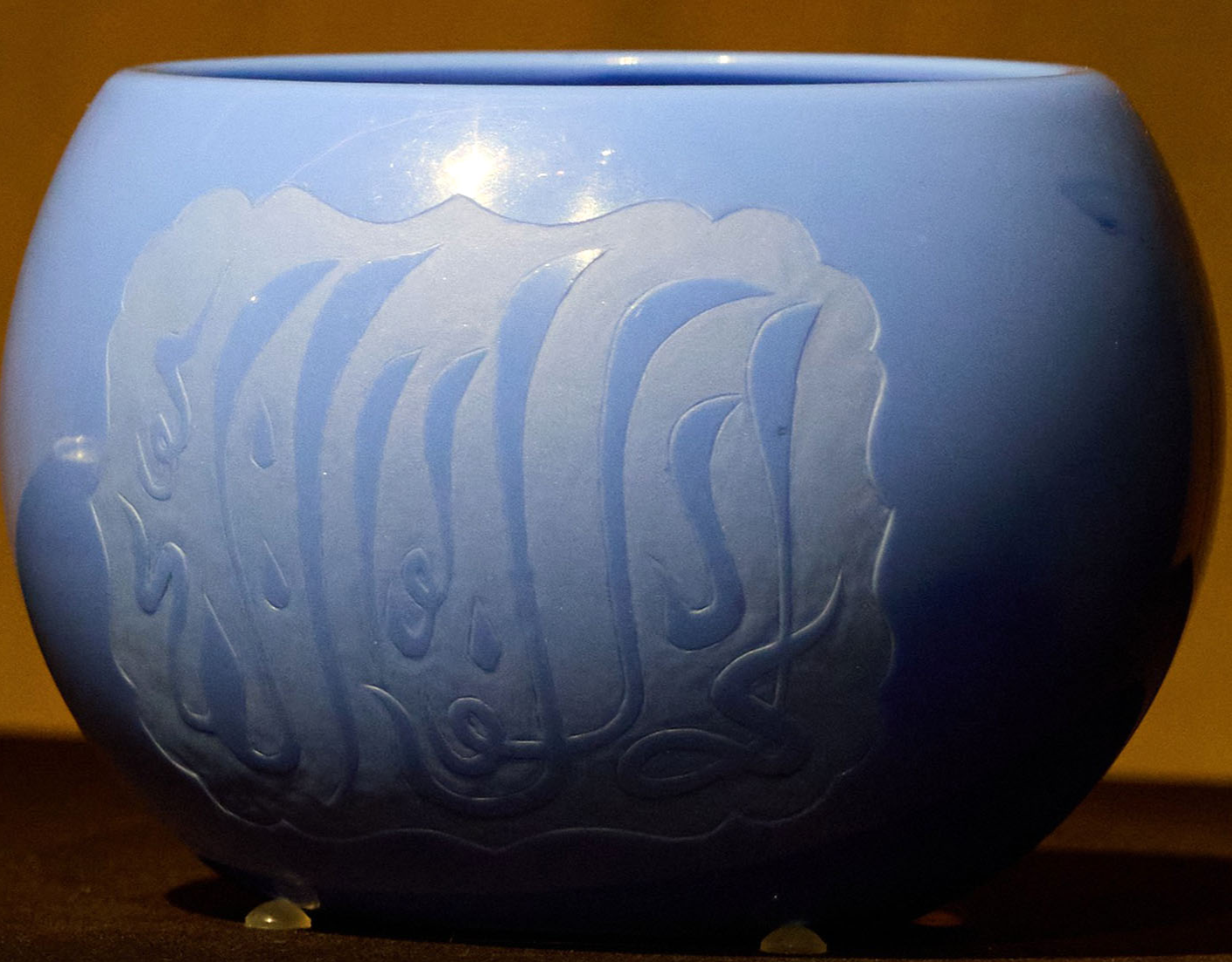
A blue glass spherical bowl with Arabic inscriptions from the MIA collection is also on display. The piece was made in imperial workshops, during Qing Dynasty, Qianlong period (1736-95), and is displayed with Ming Dynasty ceramics from the Jingdezhen kilns, including a plate with Arabic inscriptions. Gao adds that Emperor Zhengde (1491-1521), during whose reign the plate was made, was a fan of Arabic and Persian inscriptions. “The blue bowl from MIA shows that this trend continued into the 18th century.”
Grade-1 national treasures
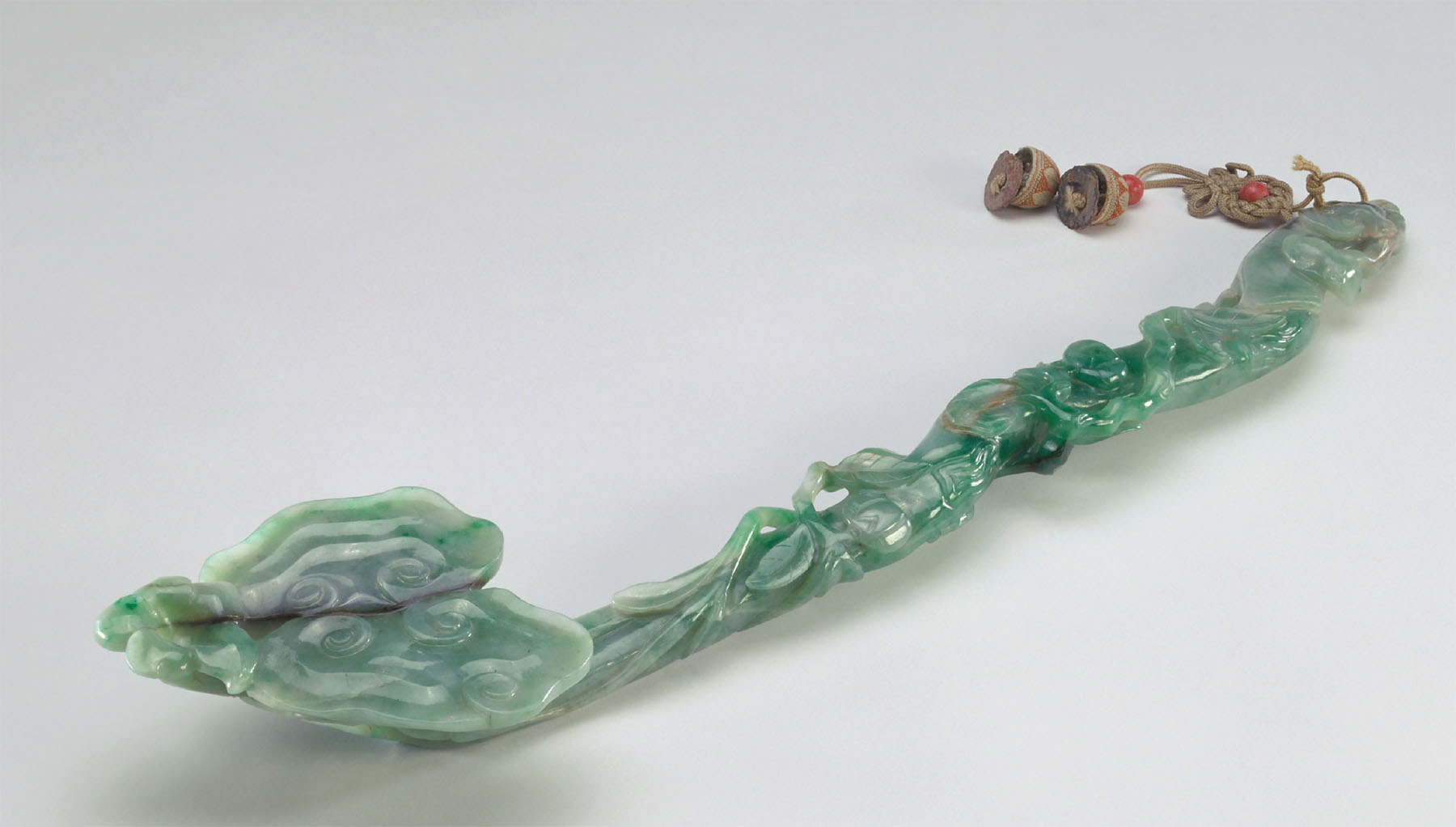
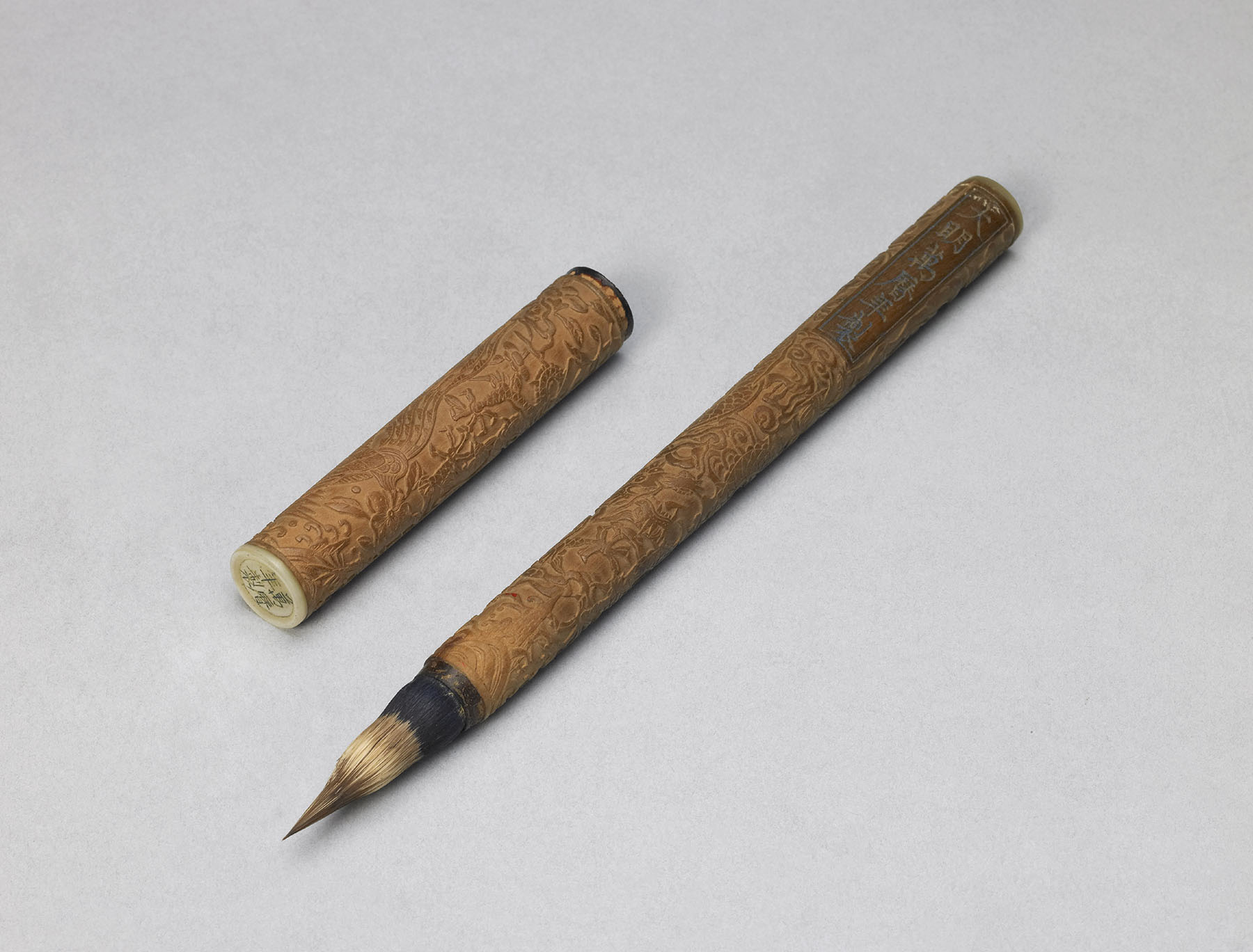
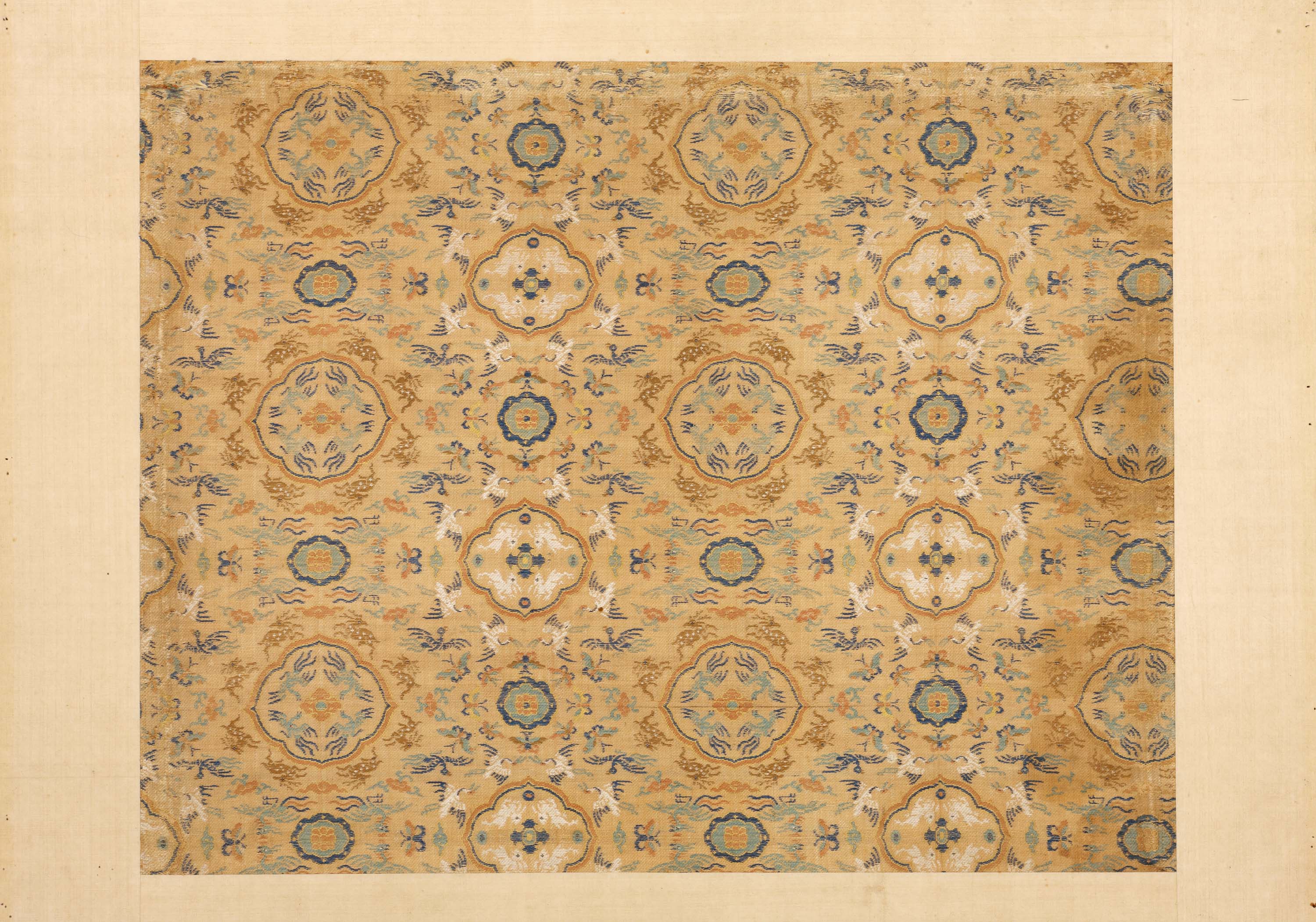
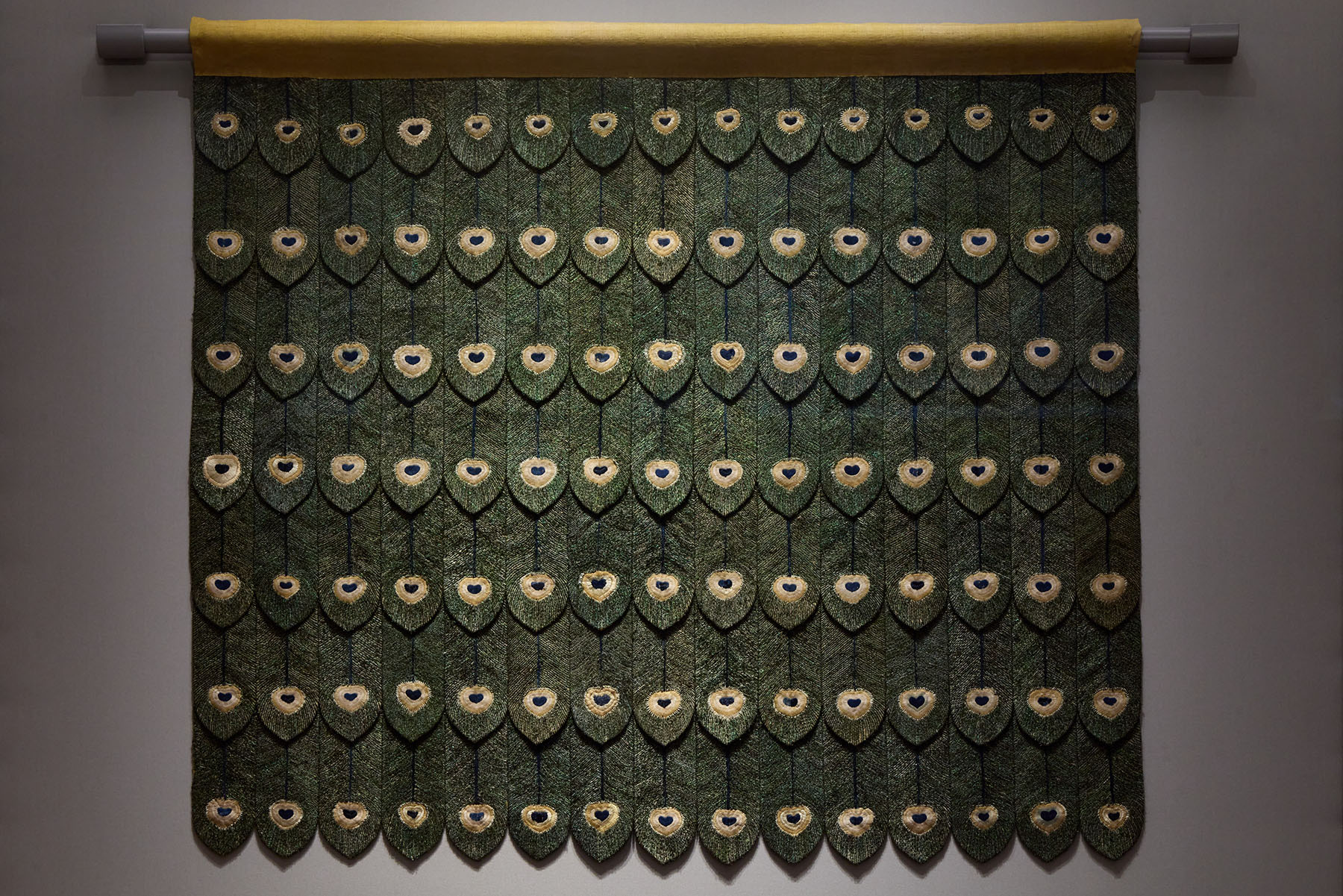
One of the attractions of the exhibition is its selection of rarely exhibited Grade-1 Chinese national treasures. These include a paintbrush with kingfisher plumes and dragon and phoenix figures intricately carved on its sandalwood body and cap. It was made during the Ming Dynasty, Wanli period (1573-1620). There is also a piece of early Ming Dynasty brocade from the Hongwu period (1368-98), with repetitive clusters of cranes, deer and persimmon pedicels, laid out symmetrically. “Textile experts from the Palace Museum say that based on the size of the brocade, it probably served as an album cover. Maybe at some point they decided to change the cover, and hence removed the fabric and mounted it separately,” Gao says.
The journey of a Grade-1 object from the Palace Museum to an exhibition showcase at HKPM is usually a lengthy process involving protocols. The passage has to be approved by the custodian of the object, the Palace Museum management, as well as the National Heritage Department. Once the objects are brought over to HKPM from Beijing, their journey overseen “by very professional art handlers”, conservators from both museums run “a very careful condition check” before certifying them as fit for display.
“Most of these objects are light-sensitive, so we have to rotate the exhibits every three months, which is a lot of work for both sides,” says Gao. Not the least because the process also entails finding a good match in terms of size, density, and thematic coherence for the object being replaced.
Castiglione’s Chinese legacy
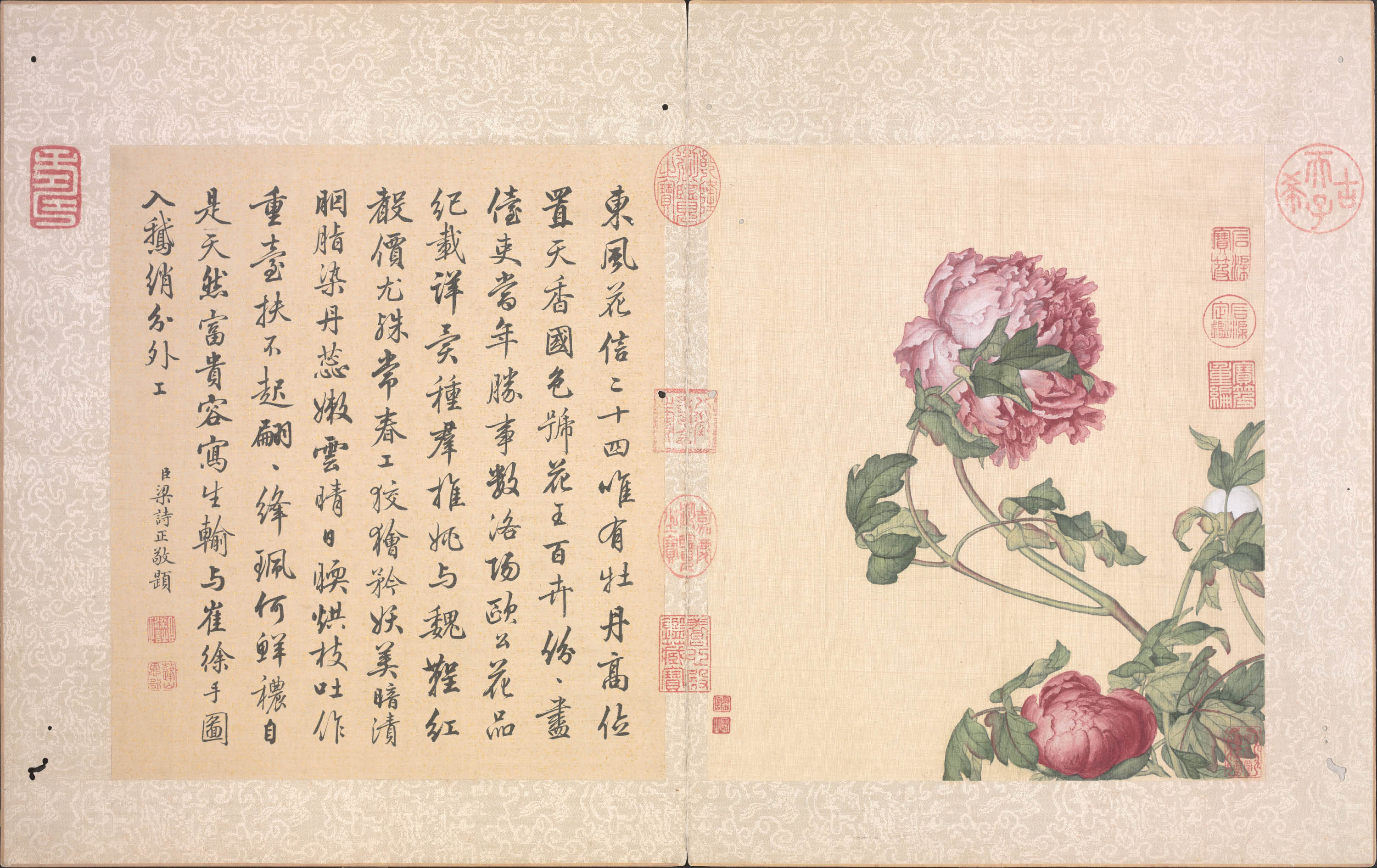
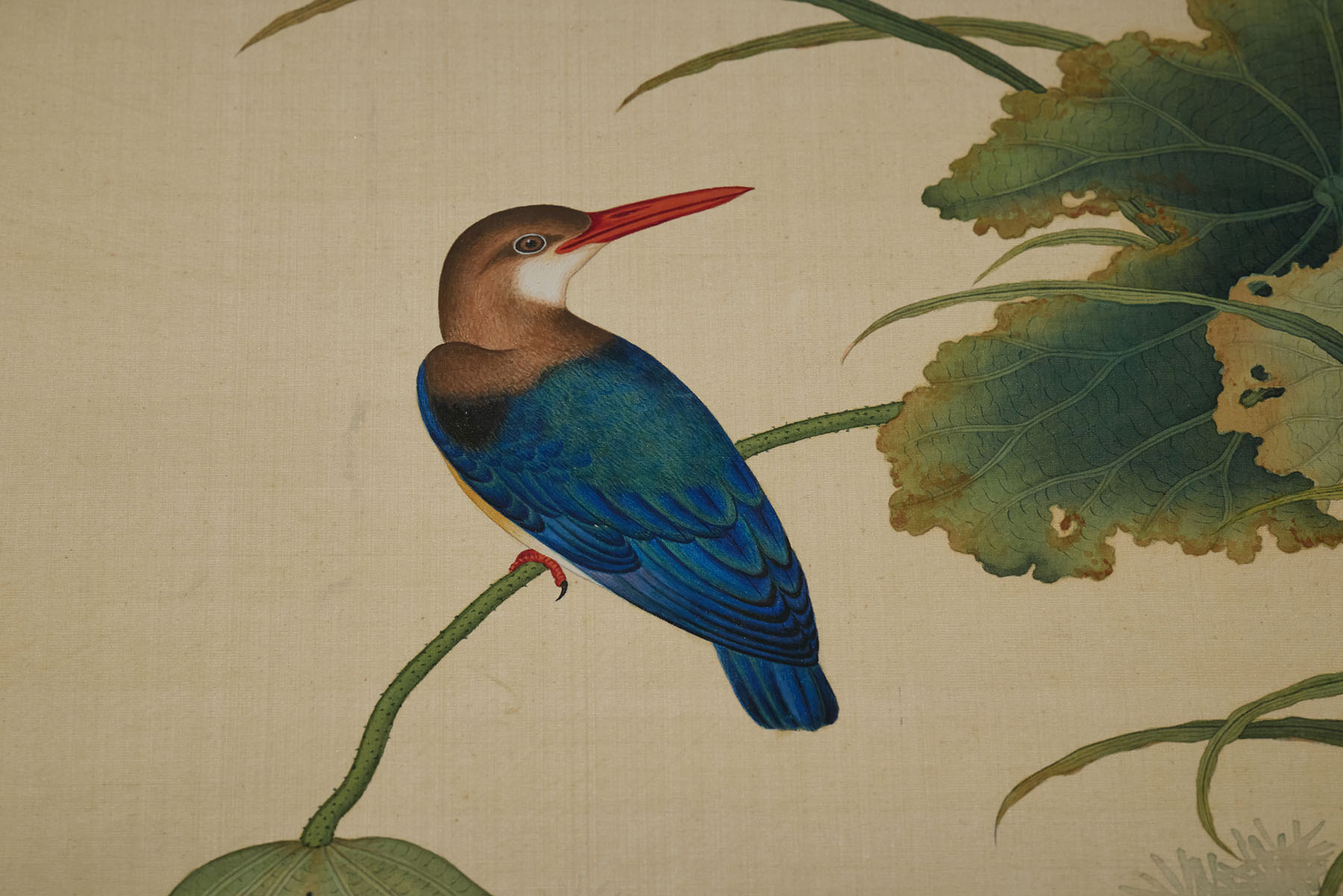
Among the Grade-1 objects on display is a scrupulously detailed ink-and-color-on-silk study of peonies in bloom. It’s a leaf from Giuseppe Castiglione’s (1688-1766) album of flowers and birds. While the album has been exhibited before, this exhibition widens the spotlight on Castiglione to let some of his pupils share the glory. More significantly perhaps the point is to underscore the Venetian artist’s role in introducing 18th-century Chinese artists to ideas of light and shade as well as perspective — ideas that altered the Chinese approach to representing real life on a fundamental level.
Gao observes how Castiglione, who served three emperors — Kangxi (1662-1722), Yongzheng (1723-35) and Qianlong — over 51 years (1715-66), kept reinventing his artistic practice. “During Kangxi’s reign, he was teaching perspectives and European-style painting. During Yongzheng’s reign, he painted a lot of dogs, horses, plants and flowers that the Qing court received as gifts. And in the Qianlong period, he was designing the interiors of the Old Summer Palace, which involved introducing wall papers to China.”
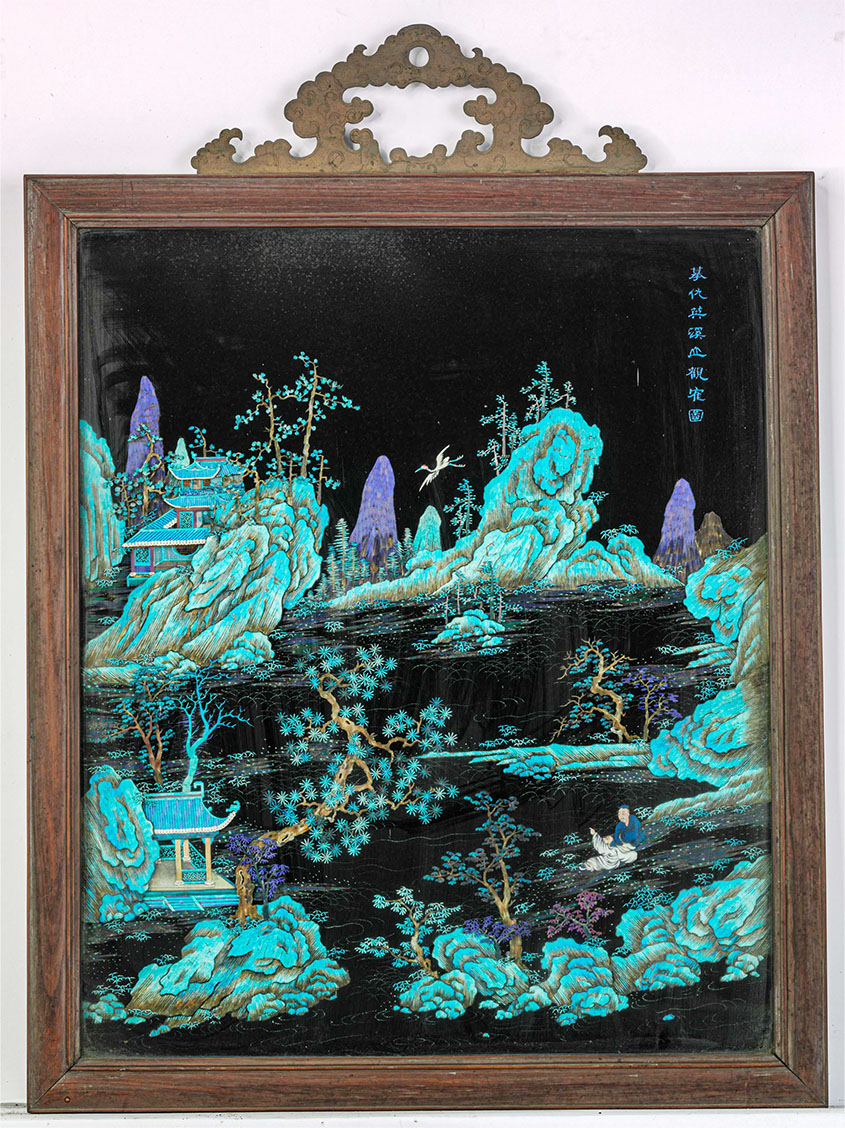
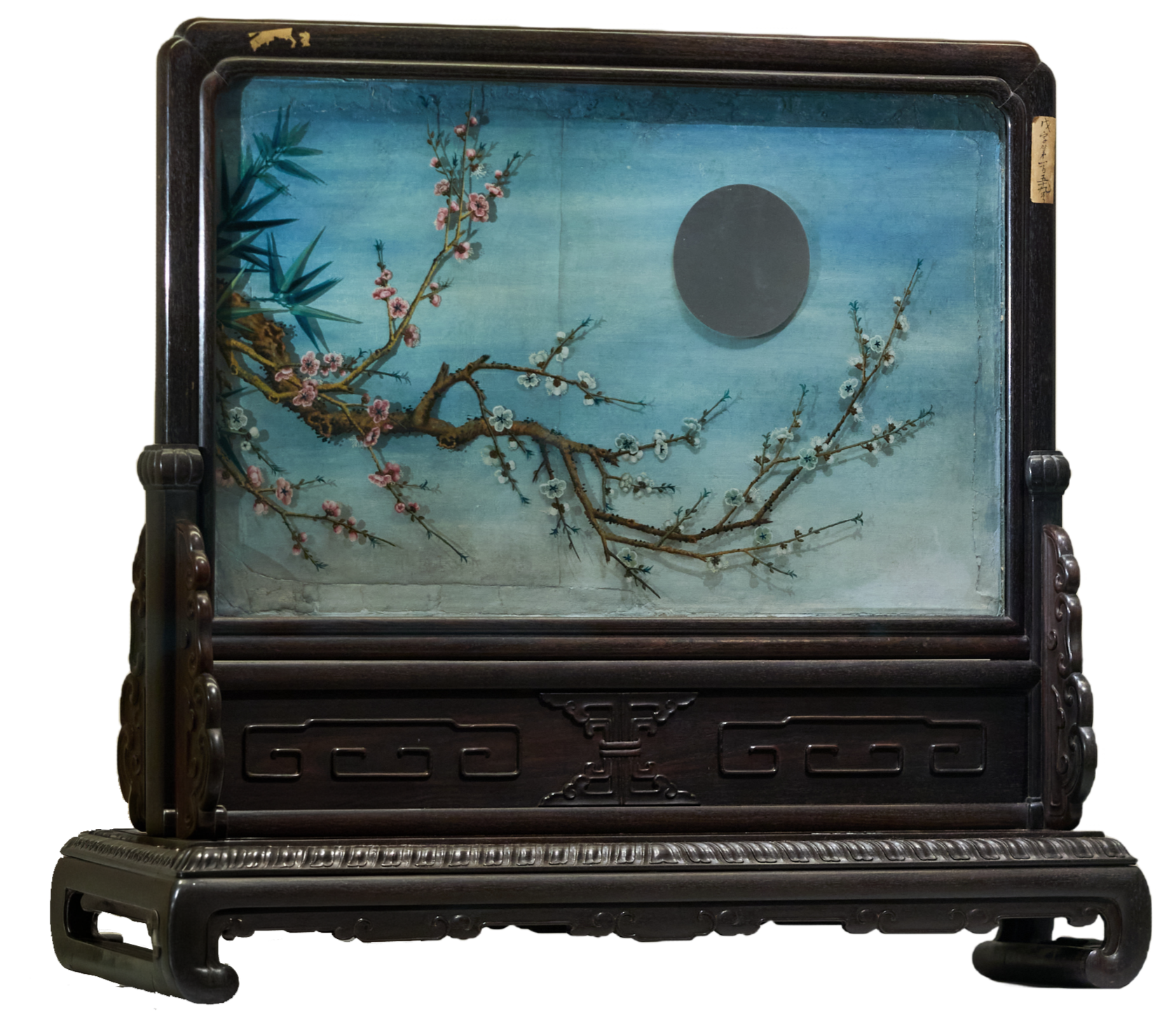
Castiglione collaborated extensively with other artists in his later years. One of his collaborative artworks on show, a screen with images of plum blossom, bamboo, and the moon — the last of these represented by a round mirror — and framed in zitan (red sandalwood), is a testament to the tricky process of making pictures on the back of glass panels. Reversing the usual sequence of painting on a regular surface, the artist starts by painting in the elements in the foreground while the background is painted last.
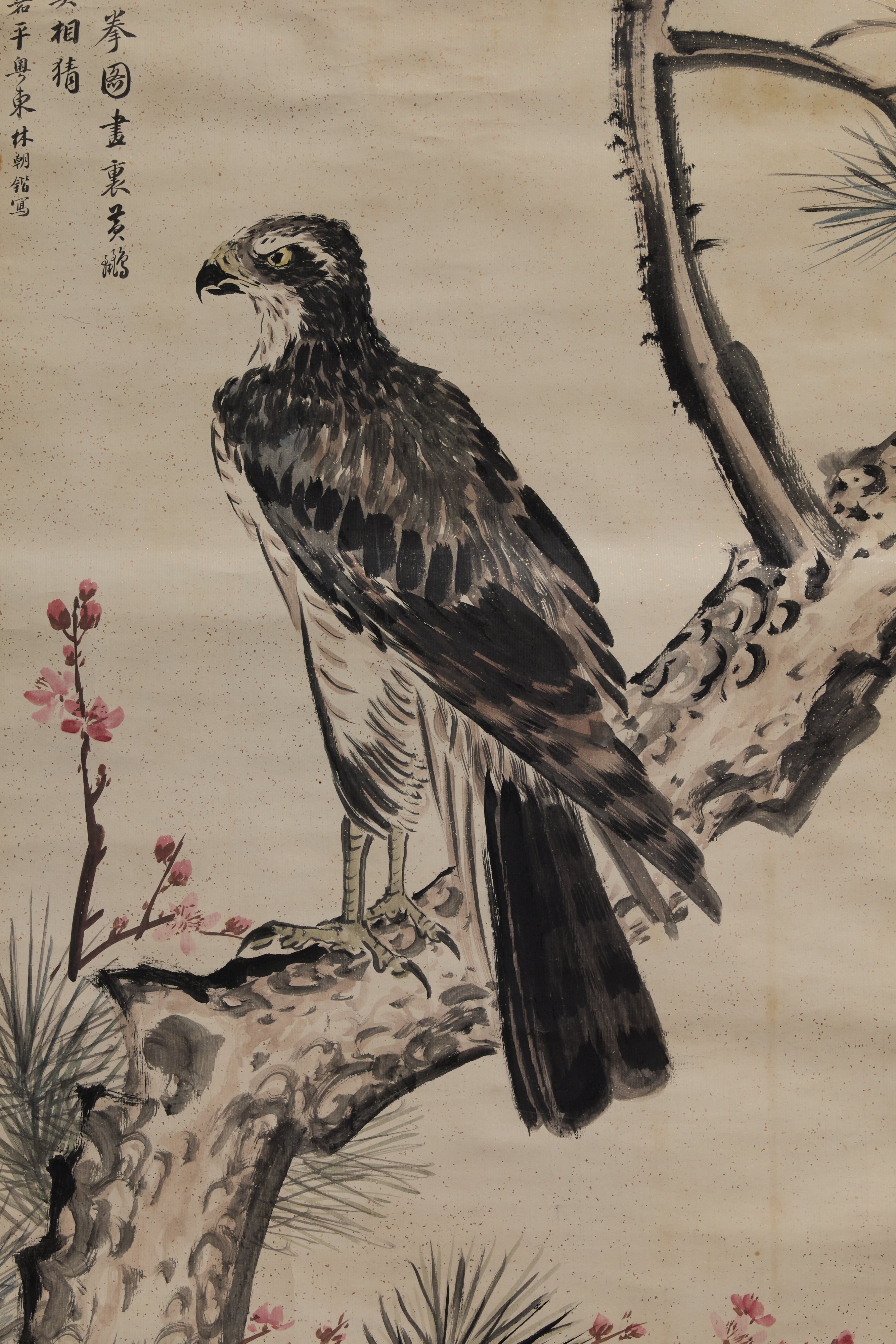
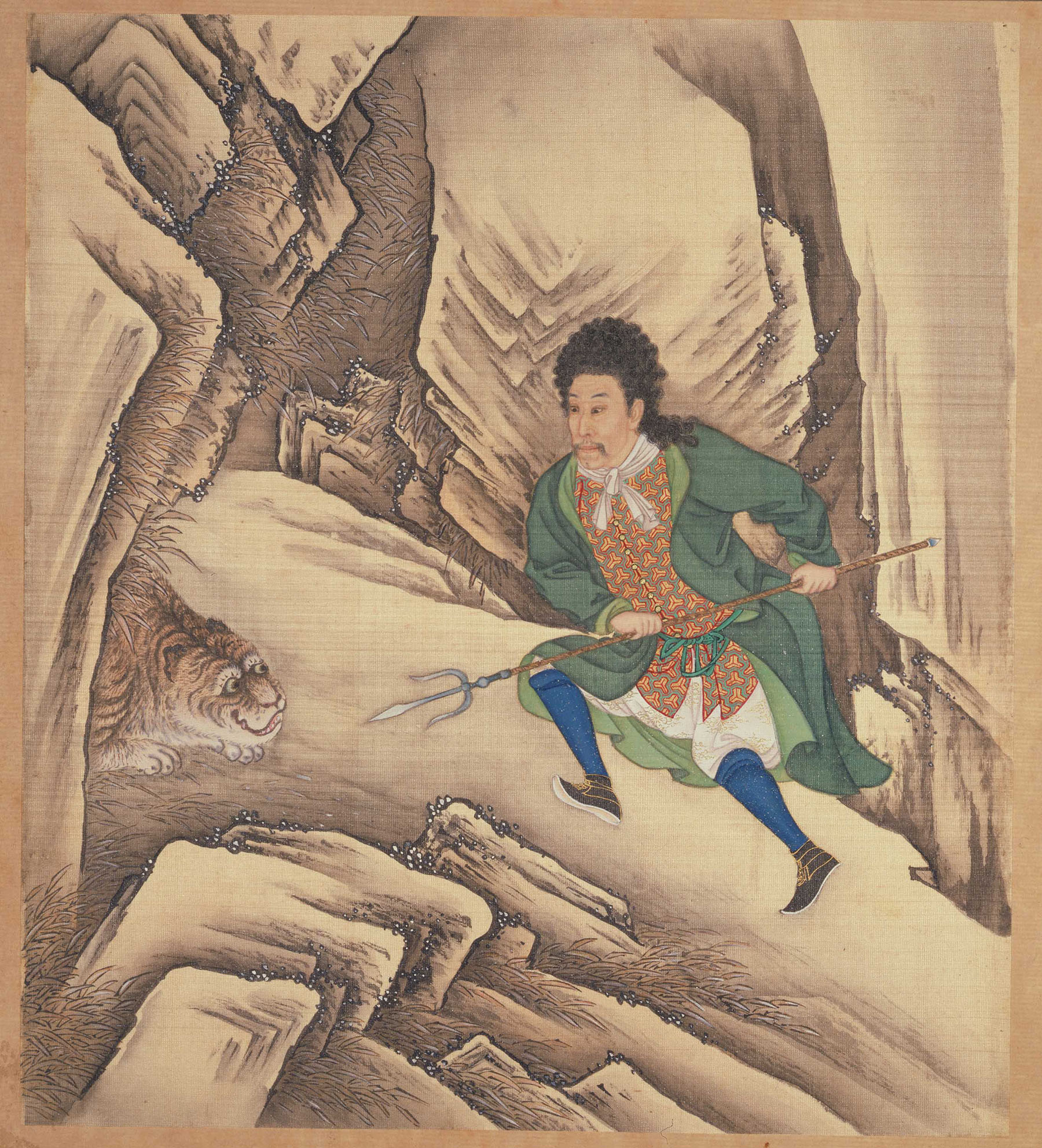
Among the works by his pupils in the exhibition is a 1728 ink-and-color scroll painting of a falcon on a pine by Lin Chaokai. It is stamped with Qianlong’s seal from a time when he was still a prince and again when he ascended the throne in 1736, suggesting that the work had struck a chord with him.
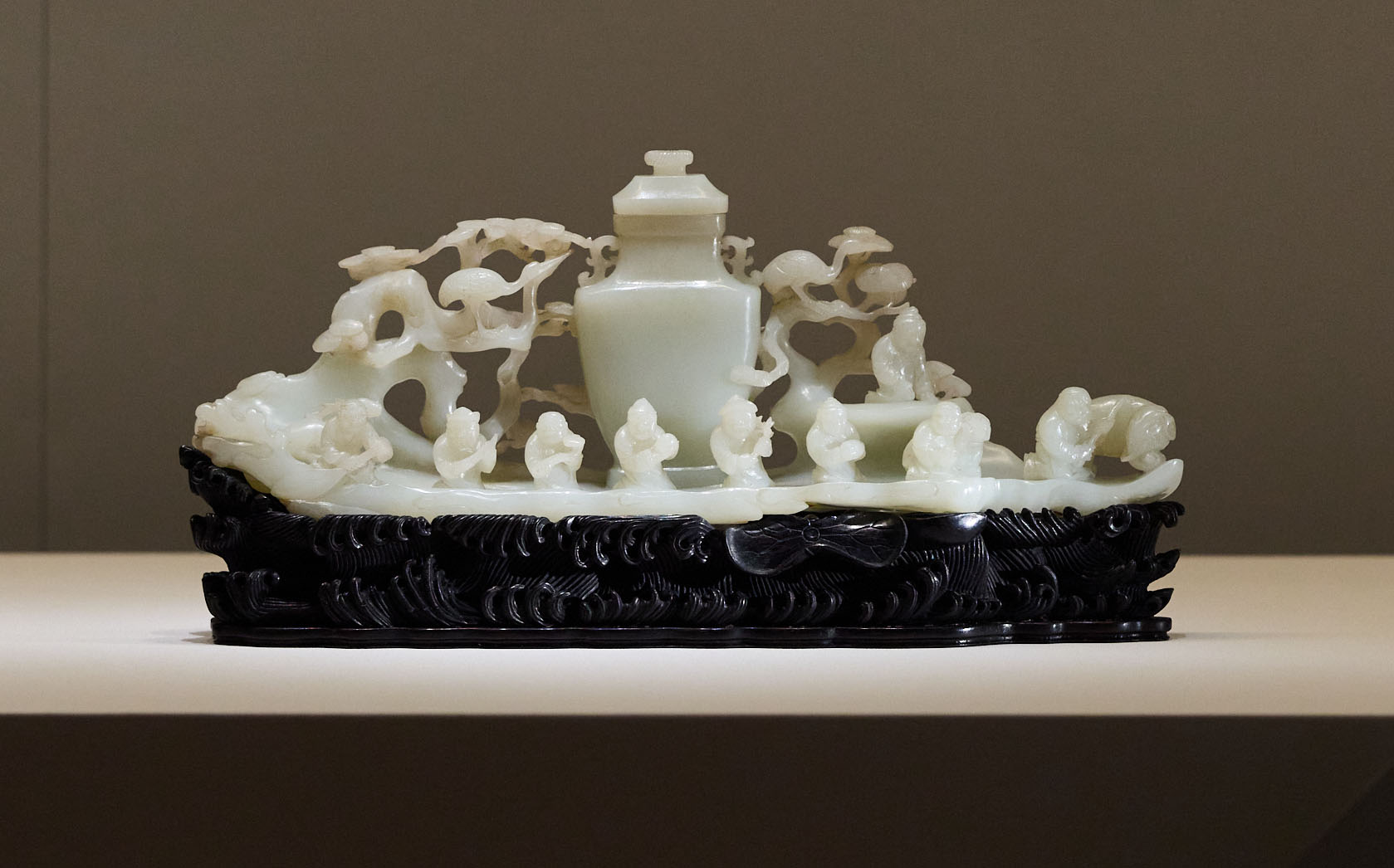
Scholarly pursuits
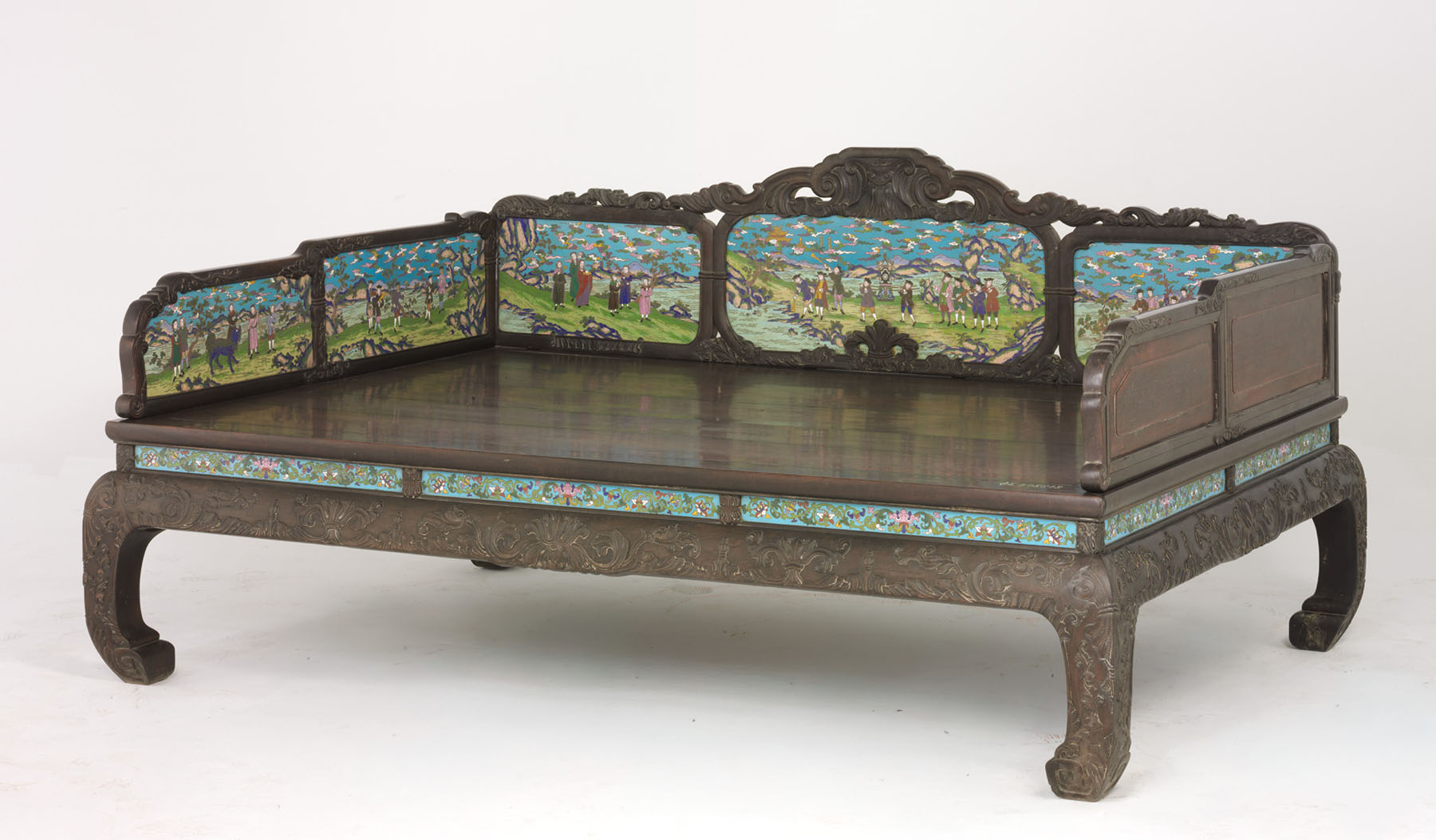
If the albums detailing plant and animal lives, the kingfisher-plumed paintbrush, and the assemblage of late Ming Dynasty wooden furniture, complete with a bookshelf, indicate a leaning toward scholarly pursuits and a life of mental cultivation on the part of Chinese royalty, the star of that narrative is probably Kangxi. A patron of the arts and an active propagator of cultural diplomacy well before such a term came into use, Kangxi is presented in the exhibition as a figure hugely curious about Western approaches to science and technology.
ALSO READ: Tapestry of cultural connections
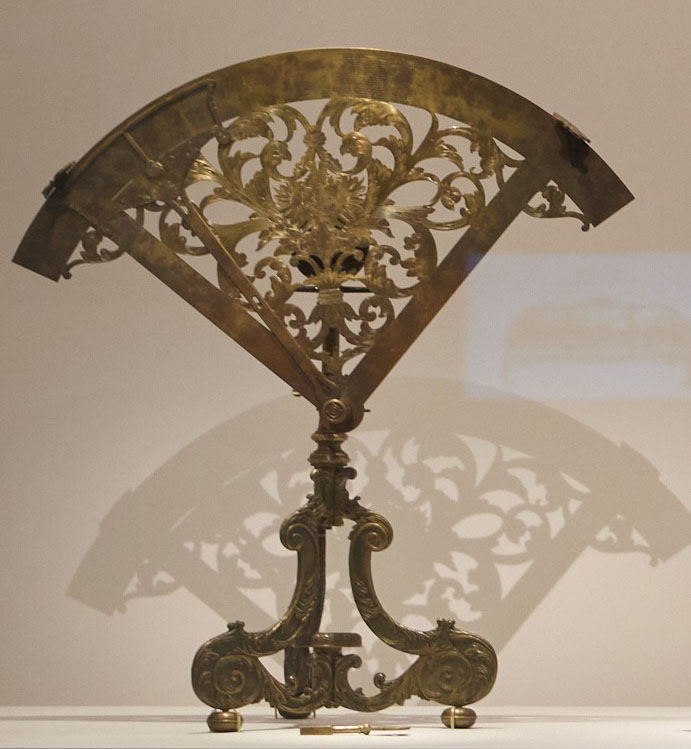
As a young emperor, he took lessons in geometry, astronomy and philosophy from the Flemish Jesuit Ferdinand Verbiest, and later employed French missionaries Joachim --Bouvet and Jean-François Gerbillon for more advanced studies in geometry and medical science. He also commissioned Jesuit mathematicians to oversee the drawing of the first map of China showing latitudes and longitudes. The wall text accompanying a gorgeously ornamental, portable bronze quadrant in the exhibition says that surveyors on the job used similar tools “to measure the altitude of celestial bodies above the horizon, from which the observer could determine geographic latitude”.
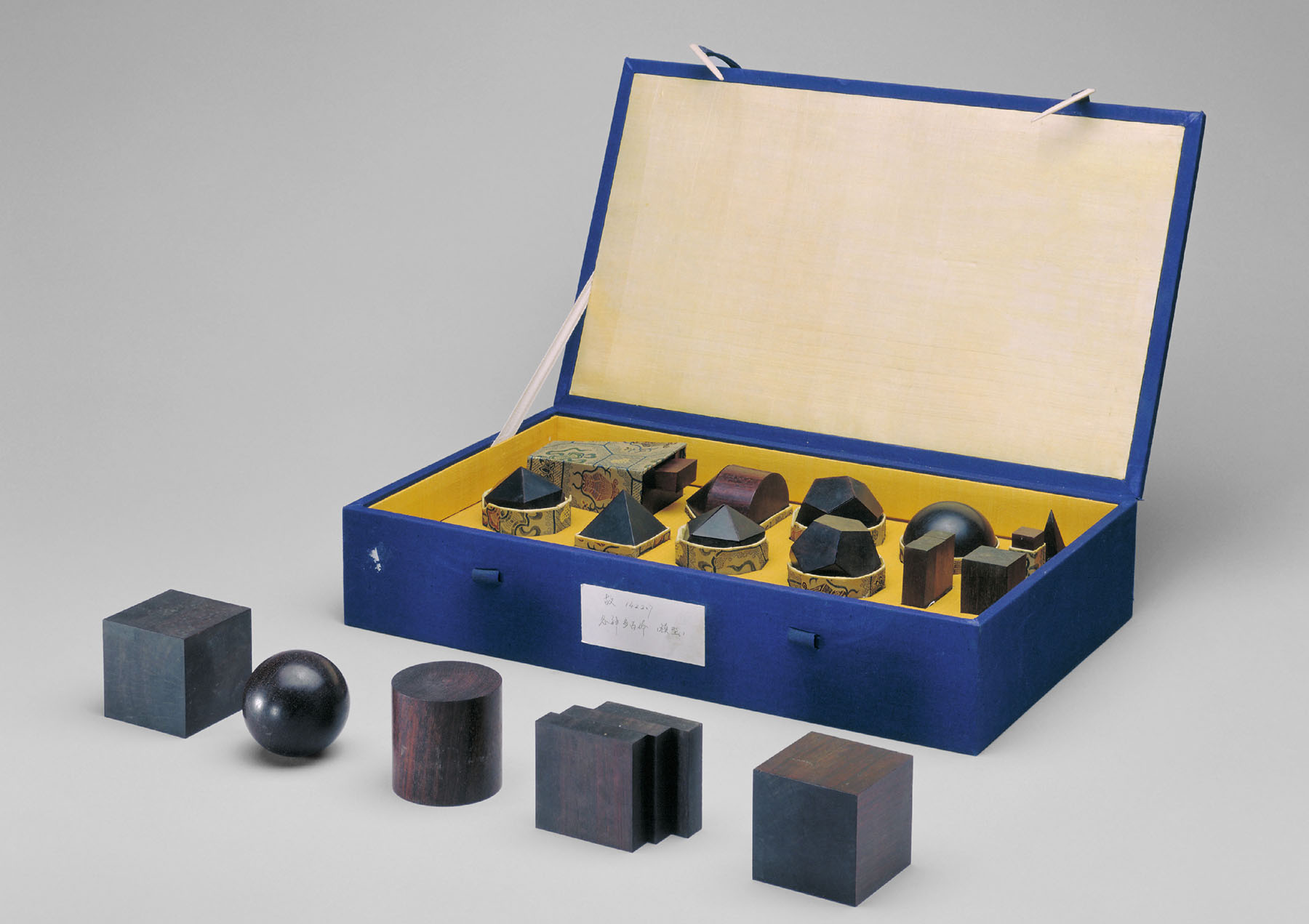
Both the quadrant and the zitan geometric polyhedron model used to aid the study of geometrical forms on display at the exhibition were Western designs reproduced in the imperial workshops. Gao points out that the latter, comprising 17 pieces that can be further disassembled into 46, “serves as both a teaching tool and toy”. Made up of components that can be reconfigured into a never-ending range of shapes and forms, the piece can be read as a metaphor for the Chinese imperial household’s aspirations to look beyond the known and the finite.
If you go
The Forbidden City and the World: Cultural Encounters
Venue: Hong Kong Palace Museum, 8 Museum Drive, West Kowloon Cultural District, Tsim Sha Tsui
www.hkpm.org.hk
Contact the writers at Contact the writer at basu@chinadailyhk.com
