

A Hong Kong Heritage Museum exhibition is celebrating the Hong Kong Film Archive’s role in protecting the city’s cinematic legacy as well as facilitating public access to it over the last 25 years. Mathew Scott reports.
When the Hong Kong Film Archive (HKFA) was officially opened — on Jan 3, 2001 — it was tasked with both preserving the city’s film heritage, and creating a facility with public access. The launch came at a curious time for Hong Kong cinema.
READ MORE: Flashback on fun times in HK cinema
On the one hand, the Edko Films-produced Crouching Tiger, Hidden Dragon (2000) was on its way to a record 10 Academy Awards nominations and four wins. The wuxia epic — starring Hong Kong cinema icons Chow Yun-fat, Michelle Yeoh and Cheng Pei-pei — epitomized all that was great and good about Hong Kong-made movies. But it was also a time when the glory days of Hong Kong cinema had officially started to fade, with the number of productions soon to drop from around 250 per year in the ’90s to around 50 per year. Box-office collections were steadily depleting.
The Hong Kong Special Administrative Region government saw the need for a permanent, purpose-built facility that would help celebrate the importance of homegrown cinema in shaping Hong Kong culture as well as ensure that the city’s film history was kept safe in storage.
The process began with sending out a very public call to source copies of old movies and movie memorabilia.
“It was an invitation to local collectors, and to people across the Hong Kong film industry to donate film-related items,” says exhibition curator May Ng Kwan-yuk, who also serves as an HKFA assistant curator. “Today we have 1.3 million items in our collection.”
The pioneers
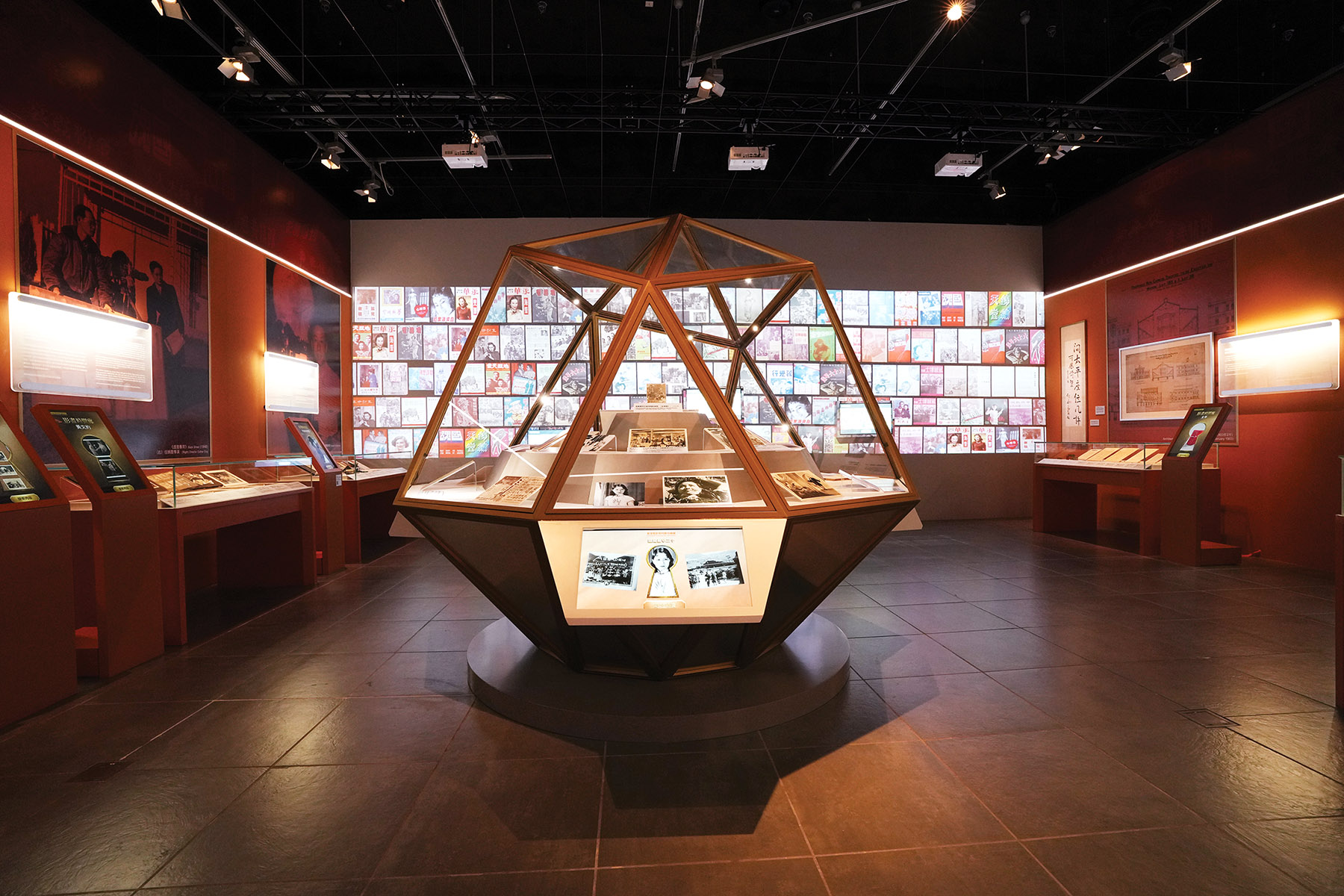
The walk-through thematic Galleries 1 and 2 at the Hong Kong Heritage Museum (HKHM) — venue of the anniversary exhibition — amply demonstrate the archive’s expertise in preserving and promoting the legacy of the city’s cinema industry.
Just past the entrance on one’s right is a gallery dedicated to Hong Kong film legends. Lai Man-wai (1893-1953), the “Father of Hong Kong Cinema” who directed and also acted in the city’s first film, Zhuangzi Tests His Wife (1913), is seen staring back at visitors with ever-keen eyes from photos taken in the early 1900s.
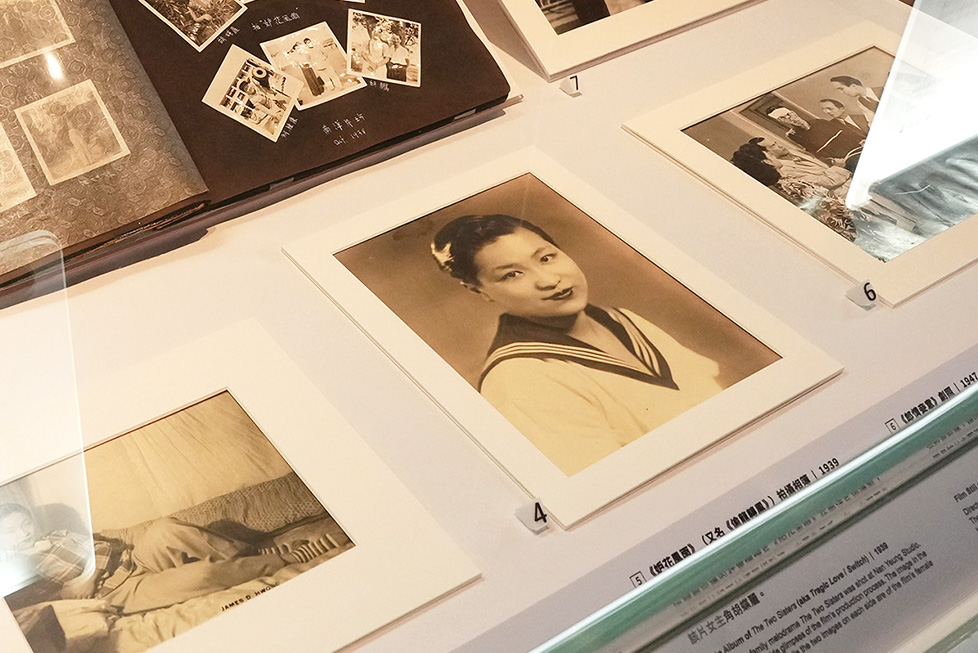
On one’s left is a gallery celebrating some of the unsung heroes who helped save Hong Kong film industry’s history. Among them is James Wong, the California-based Hong Kong film fanatic who bought a collection of photos of the groundbreaking director Esther Eng (1914-70) in the early 2000s — and duly donated them to the archive so that her story continued to be told. Eng is featured as well, looking at us from photos taken long ago.
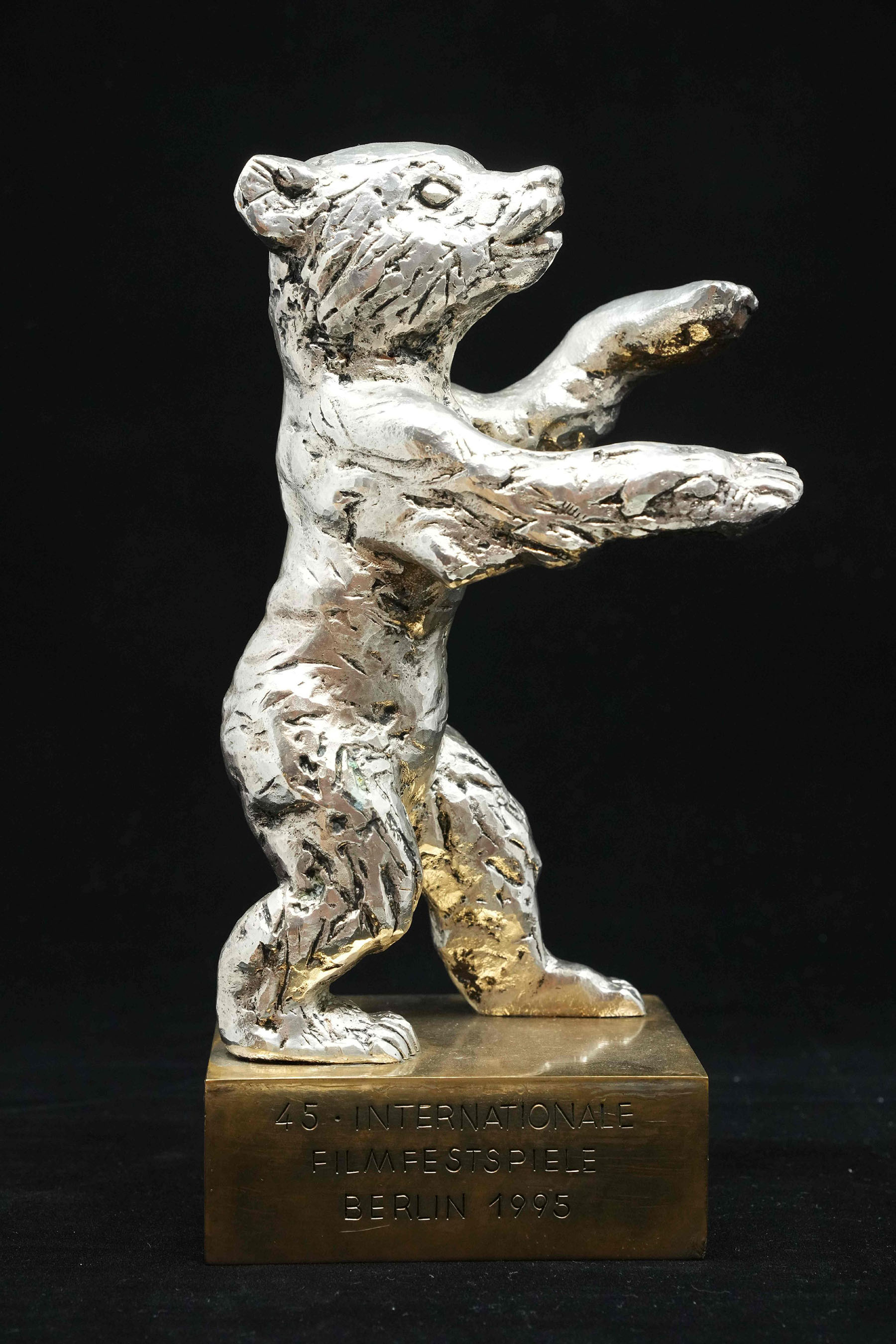
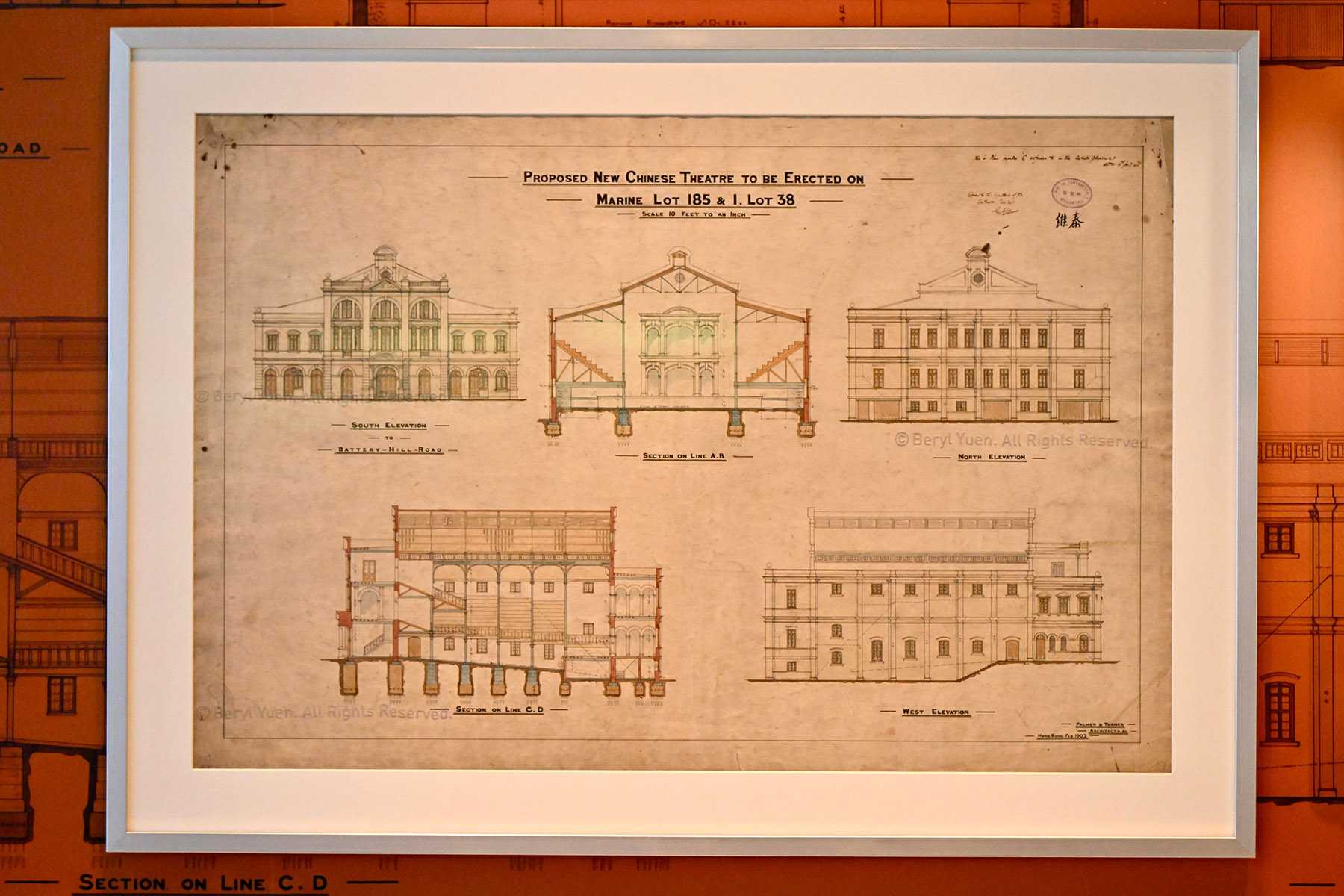
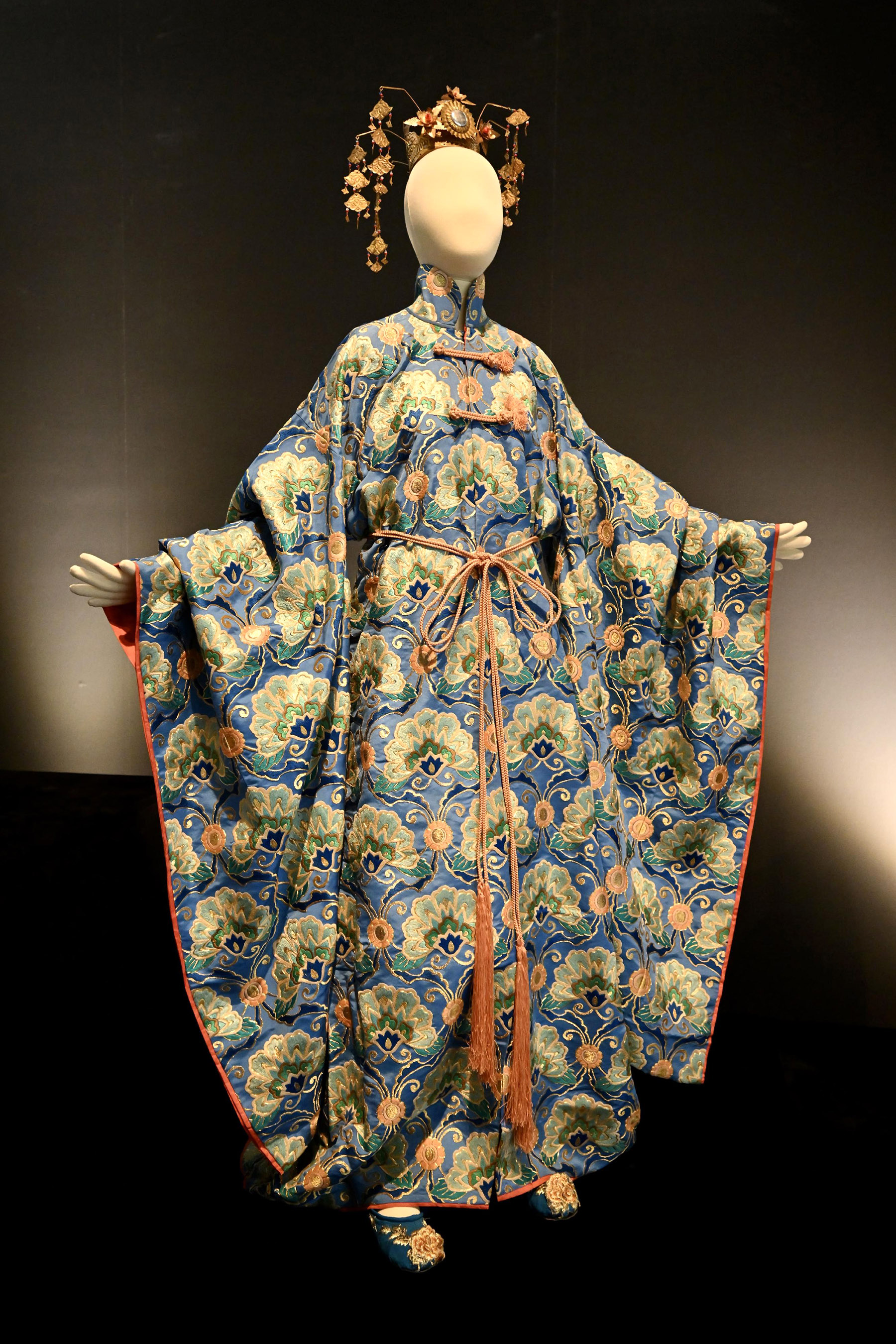
Move further inside and you can continue to celebrate just what an integral part of Hong Kong life cinema has always been — since the first screenings and the emergence of the first film studios at the turn of the 20th century. International awards won by the city’s film personalities are on display. These include Kwan Shan’s Best Actor award won at the Locarno International Film Festival in 1958 for his role in The True Story of Ah Q, and the Silver Bear for Best Actress won by Josephine Siao for her performance in the Ann Hui-directed Summer Snow in 1995. Iconic costumes, including one worn by Zhang Ziyi in the Zhang Yimou-directed House of Flying Daggers (2004), are also on display.
Fighting the weather
The exhibition celebrates HKFA’s success with fulfilling the promise made in its mission statement — “To be a world-class film archive devoted to conserving Hong Kong’s film heritage and facilitating film research”. It’s a laudable feat, especially since protecting films on celluloid, given Hong Kong’s hit and humid climate conditions, can be quite tricky.
“The Hong Kong weather is terrible for film,” Ng says, referring, in particular, to the early films, shot on nitrate stock — a highly flammable substance that decays rapidly if not stored in the right conditions.
The screenings, exhibitions, publications and talks hosted by HKFA represent the public face of its main work — a continuous process of film recovery, restoration and storage at its Sai Wan Ho base. Old film stock arrives and digital versions are made to ensure that the films do not get lost to decay.
How the facility made its very first acquisition — a copy of The Orphan from 1960, starring an 18-year-old Bruce Lee — is quite interesting. During a trip to London, an HKFA employee took a chance and called Rank Film Laboratories to ask if they had any Chinese-language films in stock. This led to the discovery of a rare Fei Mu-directed drama, Confucius (1940). An anonymous donor had dropped off a print at the lab, which had been subsequently restored.
Stellar lineup
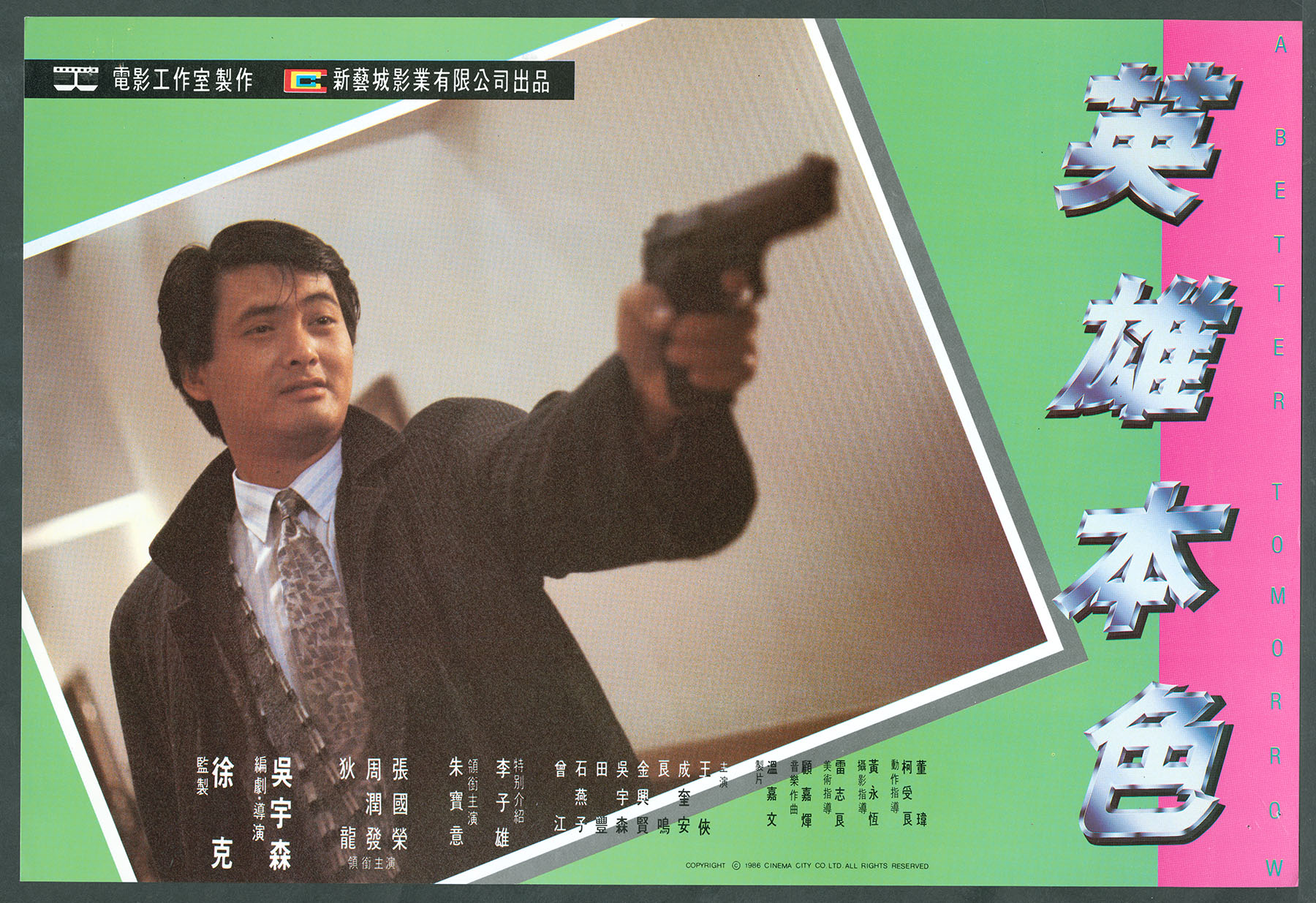
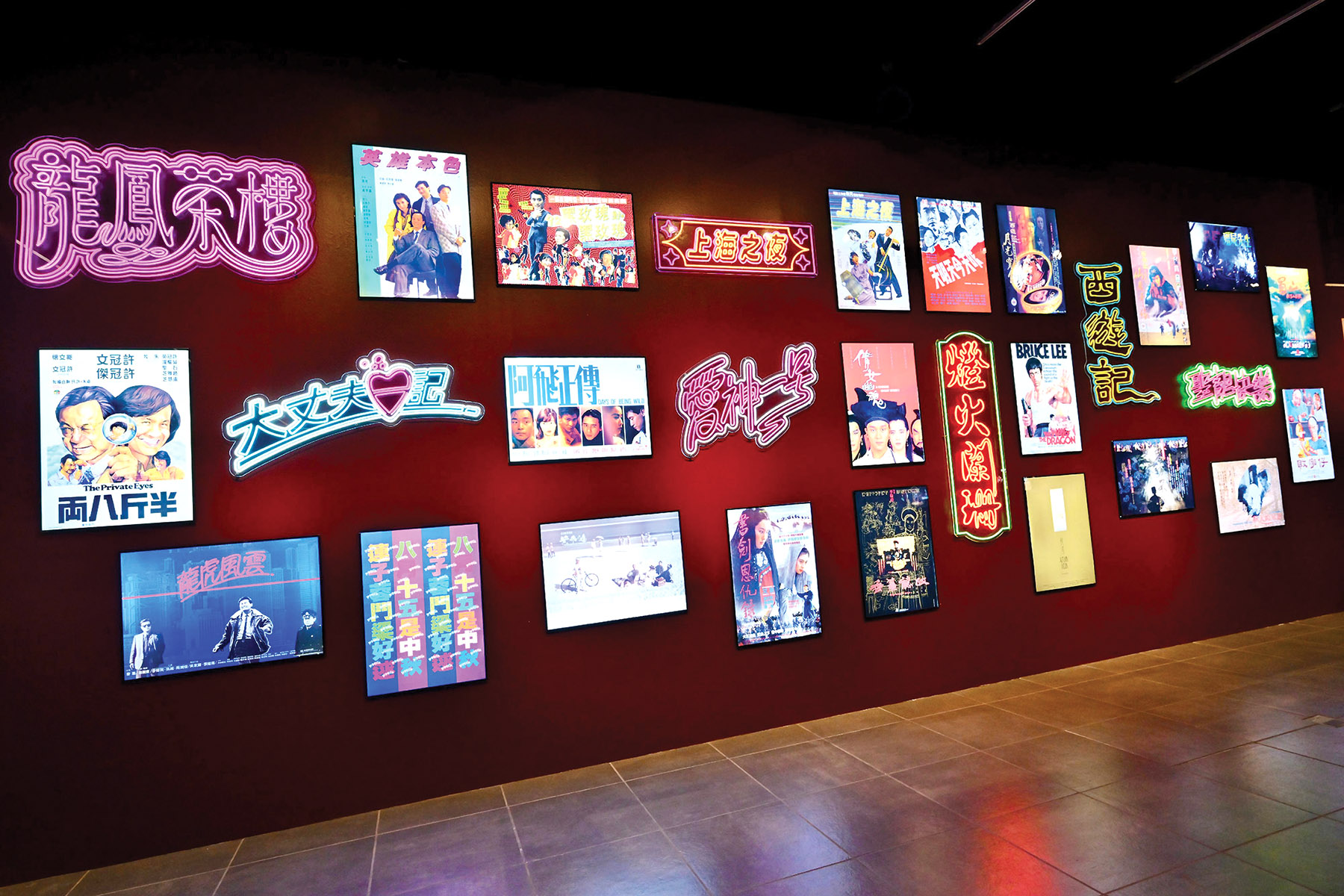
Back at the exhibition on a recent Monday afternoon, this writer found people of all ages milling around, reading up on cinema history and watching on-loop screenings of trailers of Hong Kong classics. Included among them is one of Patrick Lung’s almost tragically neglected The Story of a Discharged Prisoner (1967) as well as of the far more well-known film that it inspired — John Woo’s A Better Tomorrow (1986).
“We have 1,000 trailers, and they are all in film format,” says Ng. “So we needed our conservation unit to digitize them. In the process of digitization, they also make color adjustments and so it’s like seeing them for the first time.”
Elsewhere, you can watch Tsui Hark defend his at-the-time controversial decision to cast Brigitte Lin in Swordsman II (1992) — part of A Filmmaker, A Story series featuring interviews with more than 100 filmmakers.
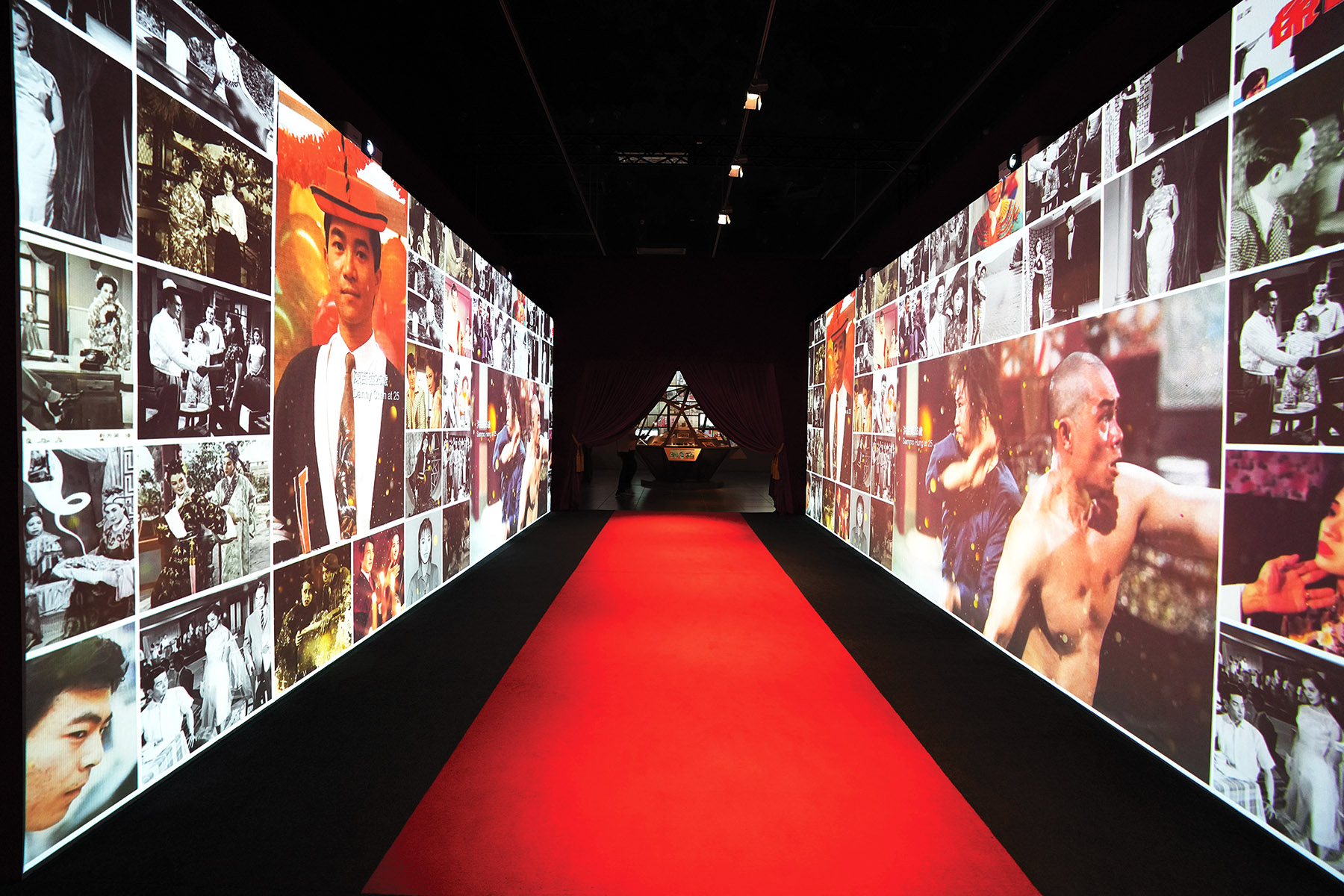
And then there are the stars. The Starry Portraits section of the show takes visitors back to a time when the featured film personalities were just 25 years old through photos, stills from feature films and posters. Using the artificial-intelligence-powered Galaxy Station interactive feature, visitors can get photos with their favorite film star in the same frame.
“This is the first time we have been able to reach out on such a large scale,” says Ng, describing the space at the Heritage Museum as “three and half times” the size of the exhibitions previously hosted by HKFA.
ALSO READ: When trailers lead the way
Her hope is that the show will attract visitors checking out some of the other HKHM exhibitions. “We wanted to create an atmosphere for the younger generations to develop an interest in the city’s cinematic heritage, and we think we have done that in an interesting way.”
If you go
Hong Kong Film Archive Stories: Treasure Hunting for 25 years
Dates: Through March 29
Venue: Hong Kong Heritage Museum, 1 Man Lam Road, Sha Tin
www.heritagemuseum.gov.hk
The writer is a freelance contributor to China Daily.
