One of the oldest and largest charitable groups in Hong Kong is supporting the city’s integration into national development through cross-boundary collaboration in medical care, education, and social welfare
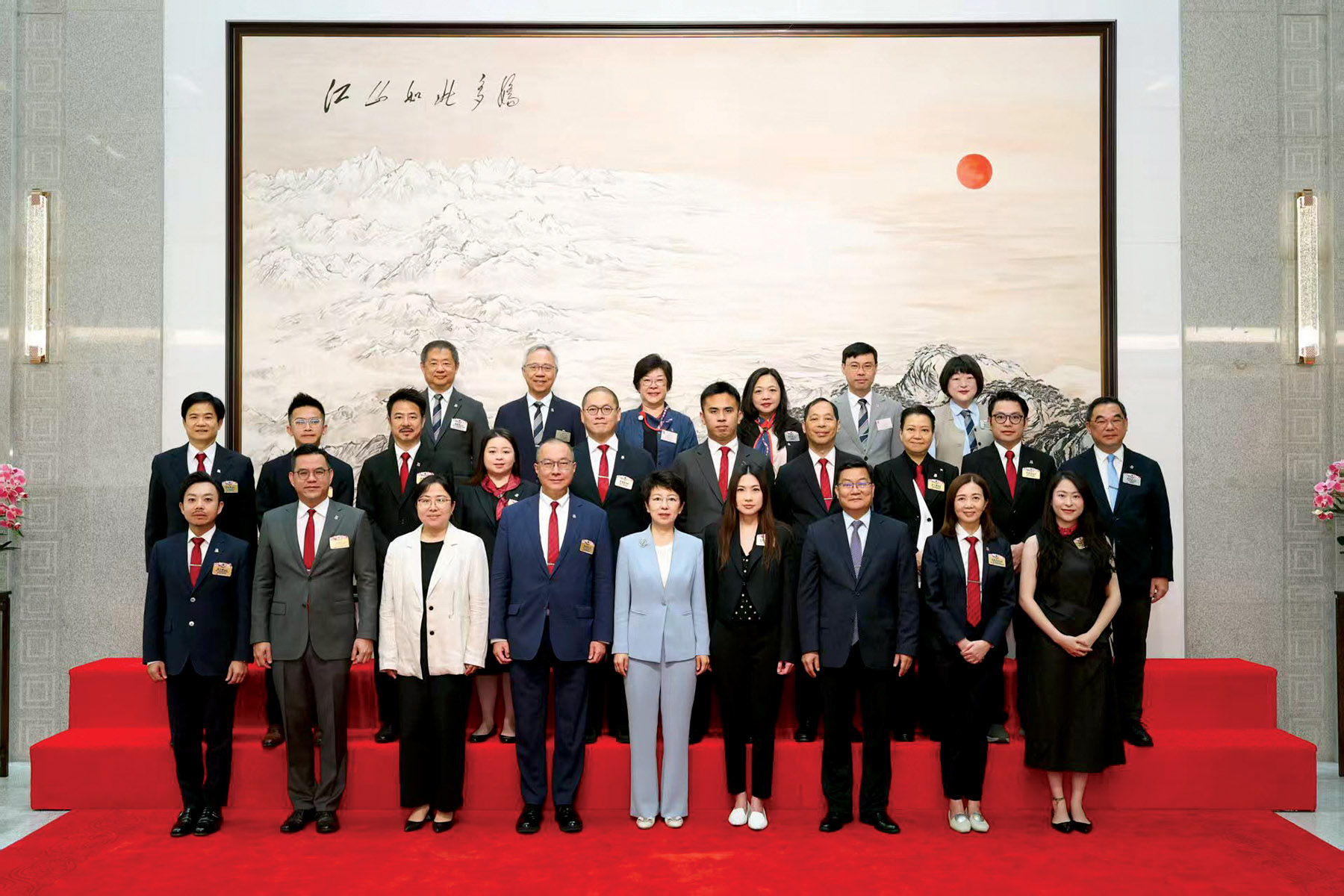
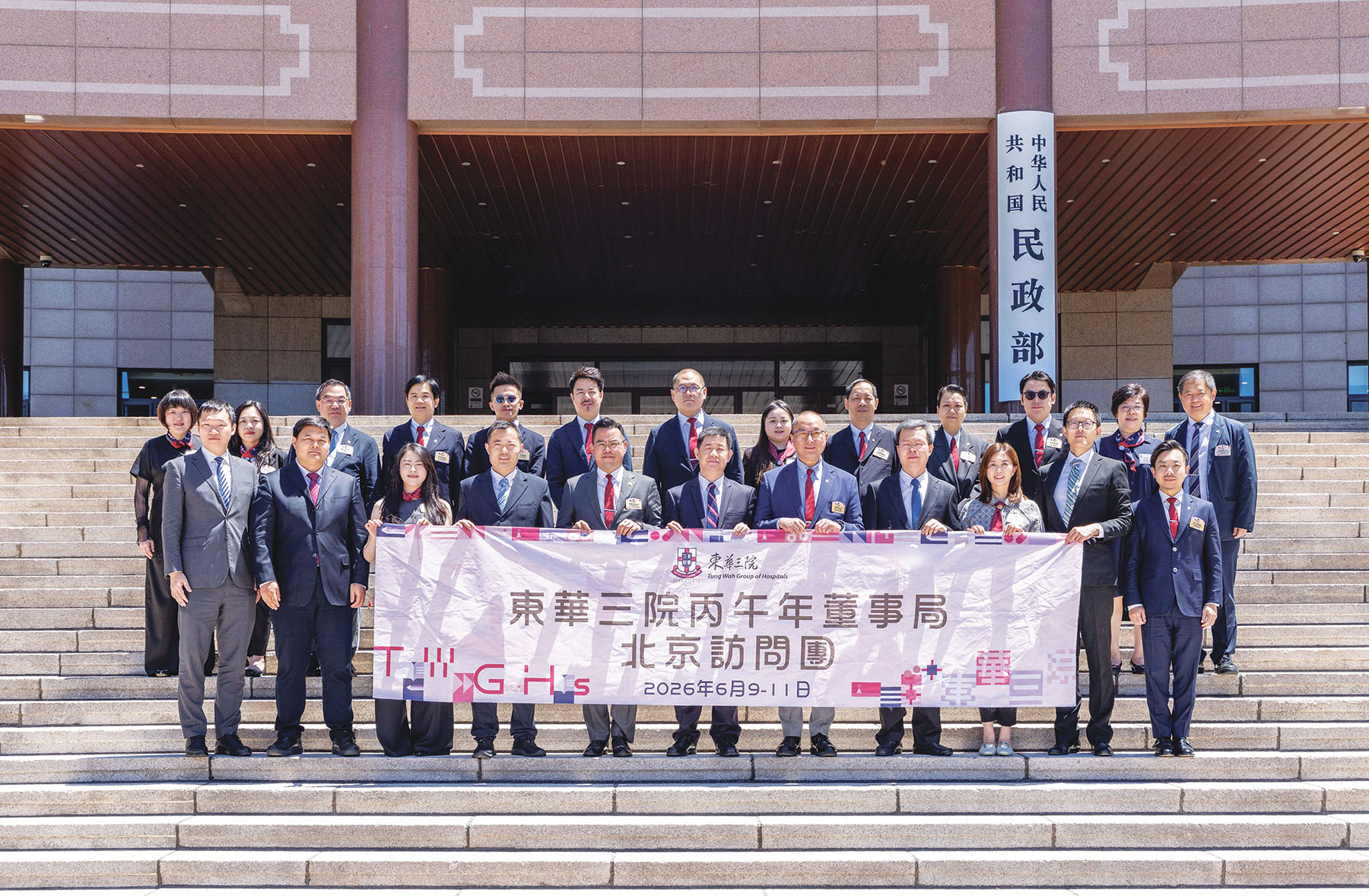
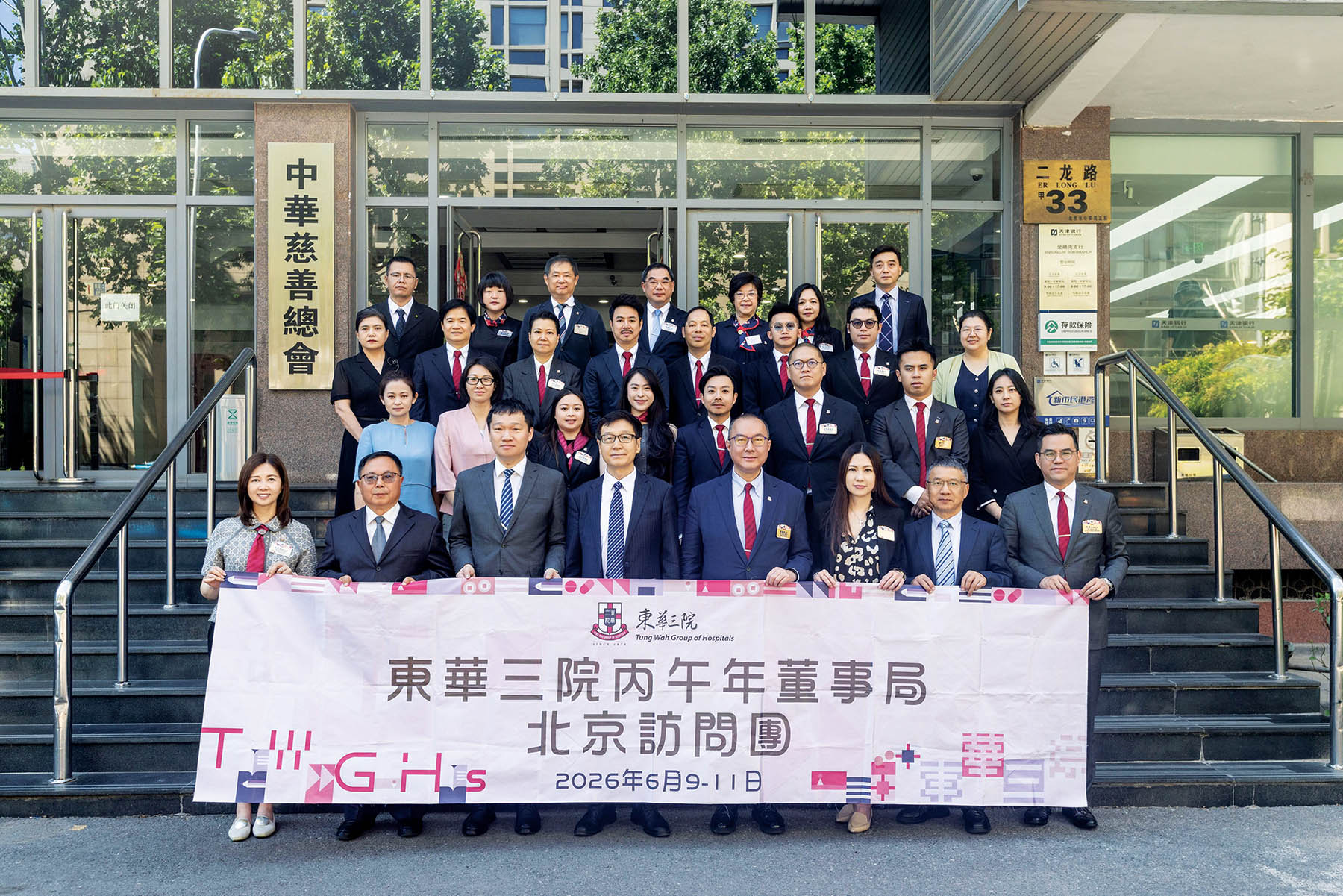
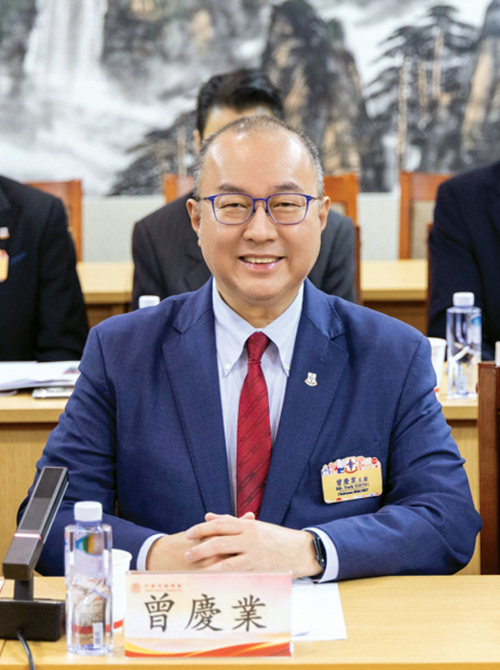
To deepen exchanges between the Hong Kong Special Administrative Region and the Chinese mainland, Tung Wah Group of Hospitals (TWGHs) Chairman York Tseng Hing-yip led a delegation of board members to Beijing from June 9 to 11.
The delegation called on the Hong Kong and Macao Work Office (HKMWO) of the Communist Party of China Central Committee and the Hong Kong and Macao Affairs Office (HKMAO) of the State Council, the Ministry of Civil Affairs, the China Charity Federation, the National Administration of Traditional Chinese Medicine, and the Ministry of Education.
They held in-depth discussions with senior officials, including Zhang Dongmei, deputy director of HKMWO and HKMAO; Vice-Minister of Civil Affairs Hu Haifeng; Liu Xitang, director-general of General Office of the Ministry of Civil Affairs; China Charity Federation Vice-President Sun Da; Wu Zhendou, director-general of the Department of International Cooperation of the National Administration of Traditional Chinese Medicine; and Zhao Lei, deputy director-general of the Department of International Cooperation and Exchanges at the Ministry of Education. The meetings yielded fruitful outcomes across multiple service areas.
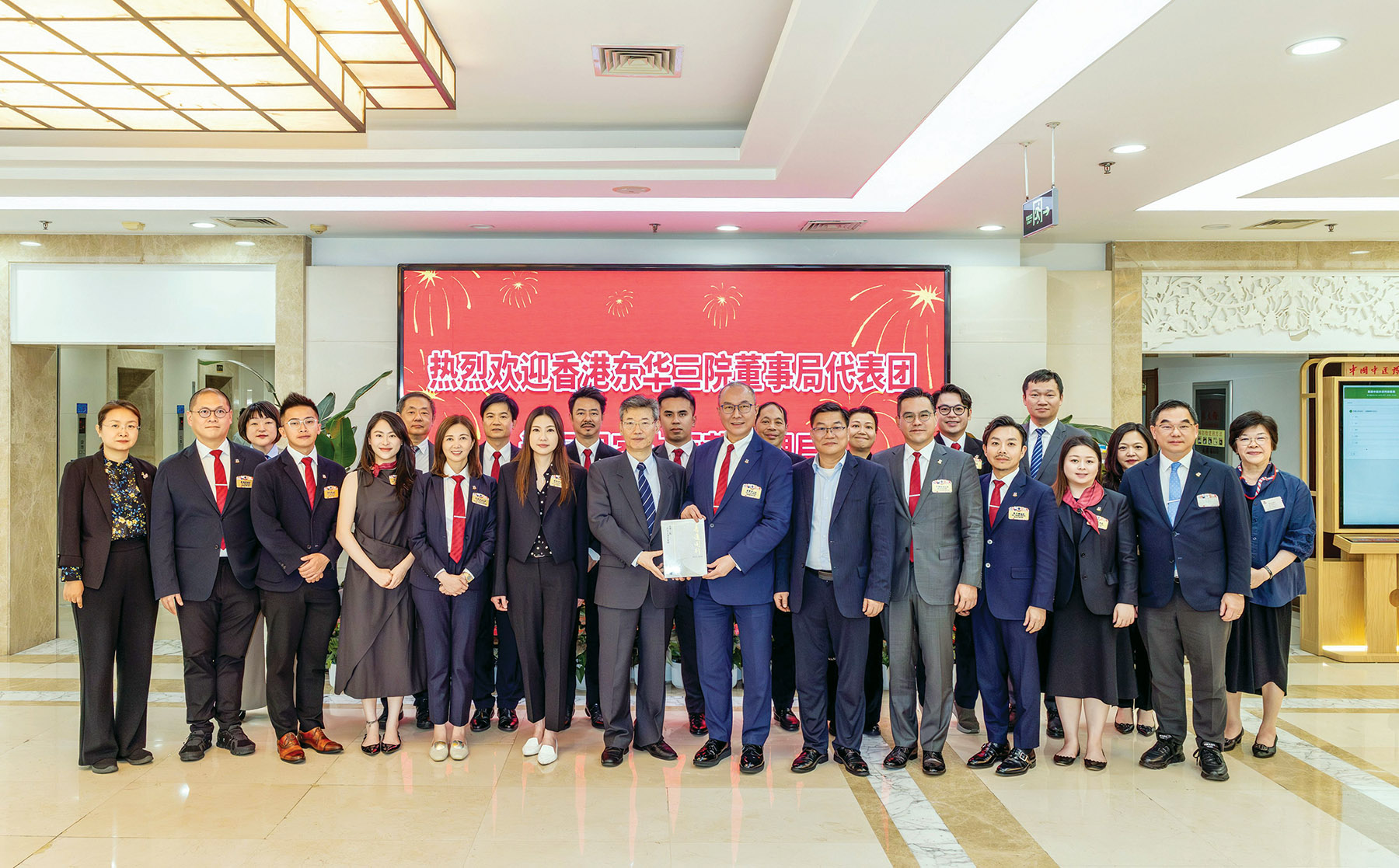
Carrying forward a centurylong mission to serve Hong Kong society
Tseng noted that the visit aimed to strengthen communication with central government ministries and expressed sincere gratitude for their continued guidance. He emphasized that TWGHs will fully support the SAR government’s policies, safeguard people’s livelihoods, and actively seize opportunities in the Guangdong-Hong Kong-Macao Greater Bay Area to deepen cross-boundary cooperation and extend charitable services to more grassroots communities, facilitating Hong Kong’s closer integration into the national development agenda.
Rooted in Hong Kong for 156 years, TWGHs regularly organizes national affairs study activities, including management seminars in Shenzhen and Dongguan, and visits to revolutionary heritage sites in Central China’s Jiangxi province for social services teams. It also organized a sharing session on the spirit of the national two sessions in April.
On June 10 morning, Zhang Dongmei, deputy director of the Hong Kong and Macao Work Office of the Communist Party of China Central Committee and the Hong Kong and Macao Affairs Office of the State Council, met with the TWGHs delegation in Beijing.
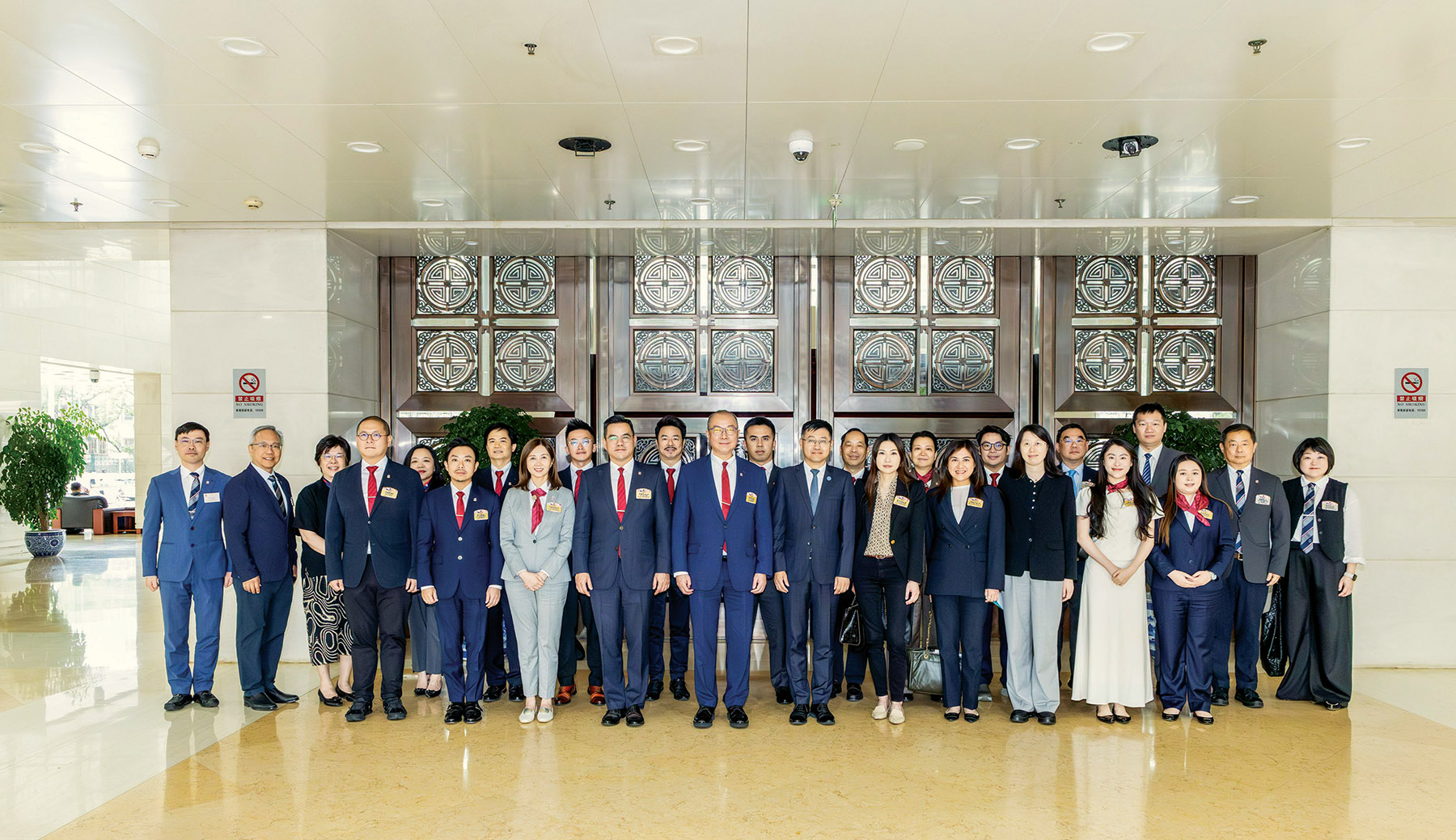
Upholding public-spirited medical practice and driving innovation in TCM
The National Administration of Traditional Chinese Medicine recognized TWGHs’ contributions to cross-boundary TCM exchanges, academic heritage transmission, and talent development. Since 2001, TWGHs has collaborated with approximately 20 mainland institutions, including Guangzhou University of Chinese Medicine and the China Academy of Chinese Medical Sciences, with cooperation expanded with Shandong University of Traditional Chinese Medicine last year. TWGHs’ team of 150 TCM practitioners — including nearly 20 national masters of medicine, provincially recognized veteran TCM physicians, and other mainland TCM practitioners who are now based in Hong Kong — has cultivated around 400 TCM talents through a master-apprentice training system.
On academic heritage, TWGHs established its Veteran Practitioners’ Heritage Studio in 2013 providing systematic training; set up Hong Kong’s only Lingnan Dermatology School Heritage Station in 2016; launched a dedicated program with Chengdu University of TCM in 2020 supported by a HK$1 million ($127,668) teaching fund; and co-organized a Chinese gynecology symposium with the Chinese University of Hong Kong in March, providing an exchange platform for hundreds of medical professionals from both places.
In service development, TWGHs advances Chinese-Western medicine collaboration and operates District Health Centres offering public health services, including TCM smoking cessation. TWGHs has funded the establishment of the Digital Pathology Centre at Kwong Wah Hospital, while new building of Phase II redevelopment is expected to be completed by 2028. TWGHs also invests over HK$100 million annually in free and subsidized medical services. Going forward, TWGHs will participate in TCM internationalization initiatives and the “New Era Shennong Tasting Herbs” action, deepening mainland cooperation in talent training, clinical practice, and academic exchange.
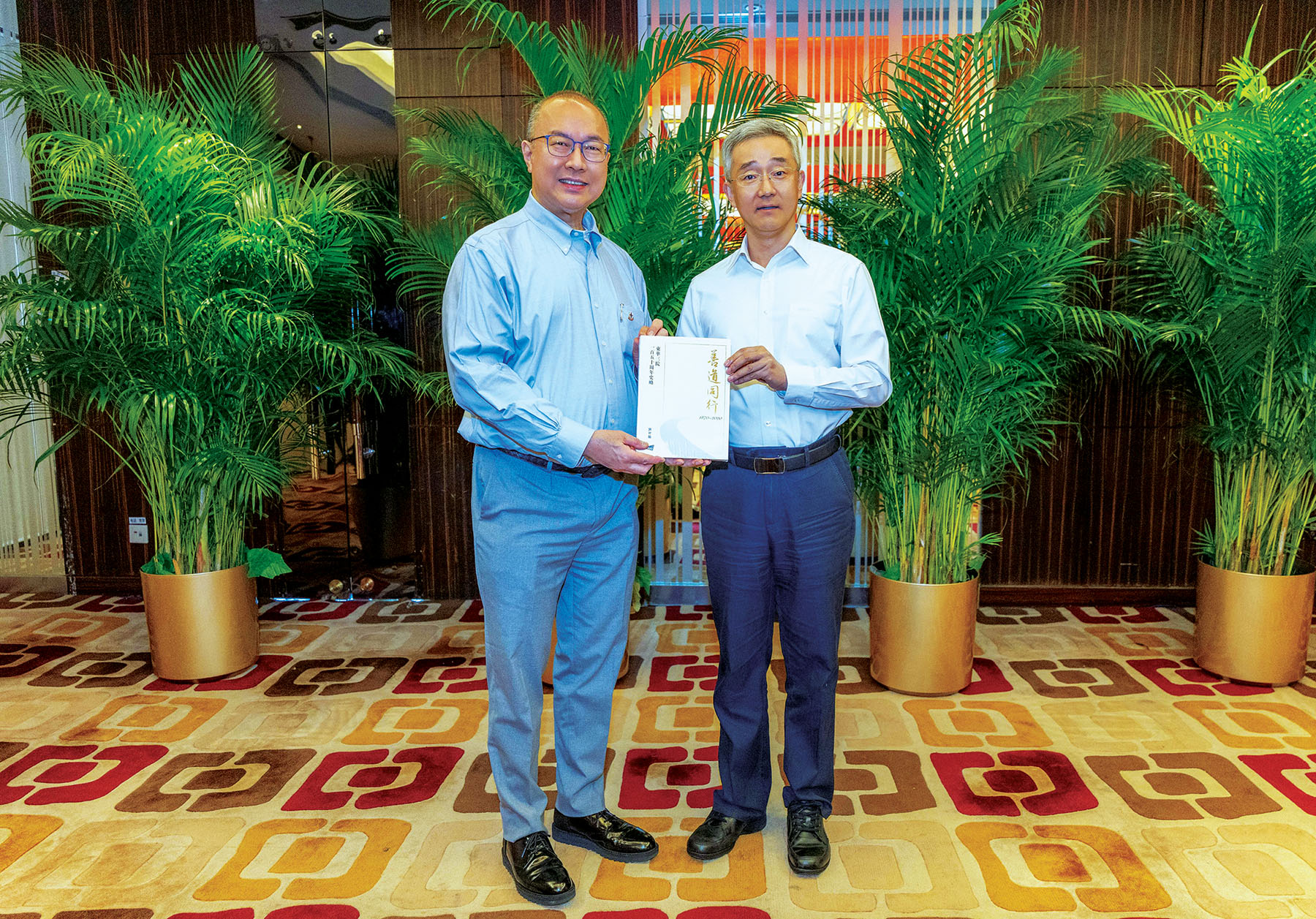
Advancing digital and intelligent education to support national development
The Ministry of Education affirmed TWGHs’ efforts in educational digitalization and science-driven national development. TWGHs has provided artificial intelligence-themed training for over 2,300 teachers and national training programs co-organized with Zhejiang University, East China Normal University, and Jinan University. In pedagogical innovation, TWGHs has allocated HK$3 million to upgrade primary school science laboratory facilities and incorporated virtual reality technology into special education. Students from TWGHs Wong Fung Ling College competed in the drone event at the 15th National Games, becoming Hong Kong’s first secondary school team in this emerging discipline — a testament to its science, technology, engineering, arts, and mathematics education achievements.
TWGHs’ affiliated schools have established sister-school relationships with over 160 mainland institutions. Since 2017, 14 students have entered Tsinghua University through the Recommended Student Scheme, with three more admitted this year. TWGHs has also established further studies scholarships and organized mainland university admissions briefings.
TWGHs places a strong emphasis on patriotic and national security education, organizing themed events marking key national anniversaries to deepen students’ and teachers’ sense of national belonging. Through participation in the Greater Bay Area Education Expo, TWGHs received over 1,000 admission applications. Two new special schools will open next year, and Tung Wah College is pursuing university of applied sciences status to support Hong Kong’s ambitions as an international post-secondary education hub.
Mutual learning to optimize social welfare services
The Ministry of Civil Affairs commended TWGHs’ work in social services, charitable assistance, and cross-boundary social work collaboration. Vice-Minister Hu Haifeng encouraged TWGHs to strengthen coordination with Greater Bay Area social services teams. Management staff have participated in study programs in Shenzhen and Dongguan, while social workers have visited revolutionary heritage sites in Jiangxi and attended annual professional training on the mainland. In October last year, TWGHs signed strategic cooperation agreements with two mainland social work organizations covering end-of-life care, community corrections, and cross-boundary drug rehabilitation, with a large-scale community services symposium planned for Foshan in August.
In response to the National 15th Five-Year Plan (2026-30) for elderly services, TWGHs has arranged for nearly 200 elderly persons and social workers to visit Greater Bay Area care facilities, integrating a Shenzhen cooperative care home into Hong Kong’s relevant service system, and co-organized cross-boundary nursing training programs. Cooperation in youth entrepreneurship, early childhood education, and special rehabilitation is also progressing steadily through the Project YEE, Guangdong-Hong Kong sister kindergarten exchanges, and frequent mutual visits with mainland rehabilitation institutions.
Following the Tai Po Wang Fuk Court fire in November, TWGHs disbursed over HK$178 million to more than 71,000 affected residents. Through the Ministry of Civil Affairs’ facilitation, TWGHs received an 80 million yuan ($12 million) donation from the China Charity Federation to support disaster recovery and establish Tai Po Neighbourhood Resource Centre providing one-stop services such as emotional counselling, legal assistance, and livelihood support.
Aligning with the national blueprint to enhance people’s livelihoods
Tseng concluded, “We are deeply grateful for the warm reception and guidance from all ministries. Discussions on cross-boundary elderly care, social assistance, child welfare, and social work training were candid and productive, reaching broad consensus. TWGHs will implement the guidance received, continue to innovate our service models, and deepen engagement with mainland institutions through exchange visits, joint programs, and coordinated relief. We look forward to aligning with the National 15th Five-Year Plan, deepening Greater Bay Area social services cooperation, and contributing to high-quality development that benefits the elderly, youth, and persons with special needs.”
About Tung Wah Group of Hospitals
Founded in 1870, Tung Wah Group of Hospitals is one of Hong Kong’s oldest and largest charitable organizations, providing services across medical and health, education, community, preservation of historical and cultural heritage, and traditional services. As of March 31, 2026, TWGHs operates 400 service units, including five hospitals, 39 Chinese and Western medicine units, one District Health Centre, three Women Wellness Satellites, 60 educational units, 258 community services units, three transitional housing projects, and 25 traditional service units providing funeral and temple services, among others.