

Hong Kong film industry representatives turned out in full force at the just-concluded Cannes Film Festival, drawing attention to the fact that Hong Kong cinema has come a long way since the glory days of martial-arts flicks and comedy capers. Leona Liu reports.
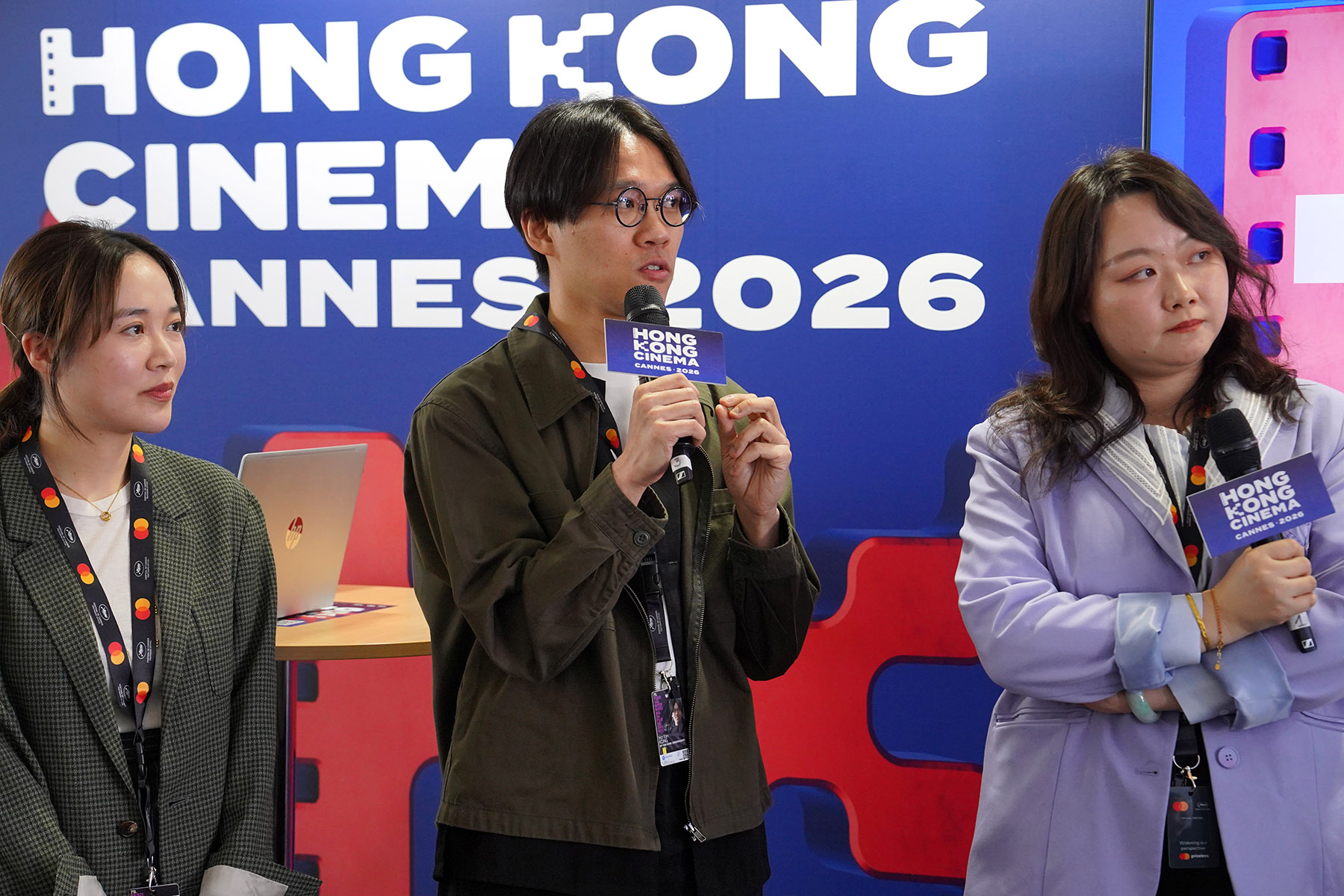
Hong Kong cinema is changing. The shift was evident at this year’s Cannes Film Festival, which wrapped on Saturday.
At the Hong Kong Cinema @ Cannes 2026 showcase, organized jointly by the Hong Kong Special Administrative Region government’s Culture, Sports and Tourism Bureau, the Hong Kong Film Development Council (HKFDC), the Cultural and Creative Industries Development Agency and the Hong Kong Trade Development Council, the city’s film industry was positioned less as the home of nostalgia-inducing kung fu classics and more as an international content hub connecting Asian storytelling with global financing, technologies and distribution networks.
ALSO READ: Picture of hope
“I think Hong Kong is going to be more diversified,” says HKFDC Chairman Wilfred Wong Ying-wai. “In the past, Hong Kong’s movies were basically action movies, police detective stories, maybe comedy. But now we see a new generation of filmmakers who are more in-depth, and have a lot more stories to tell using different tones, and genres.”
Relatable themes
The transition was visible at the newly introduced “Spotlight on Hong Kong: Pitching Session”, at which emerging producers and directors, including Kingman Cho, Li Ling-long and Jessey Tsang Tsui-shan presented projects aimed at international festival programmers, financiers and streaming platforms, signaling the industry’s growing emphasis on globally relevant storytelling rather than purely local commercial cinema.
Their projects also reflect a broader tonal shift toward stories shaped by memory, family tension, migration, identity and emotional intimacy.
The Hong Kong Pavilion in Cannes spotlighted family dramas, crime thrillers and character-driven stories that until recently were not considered representative of Hong Kong cinema on international platforms.
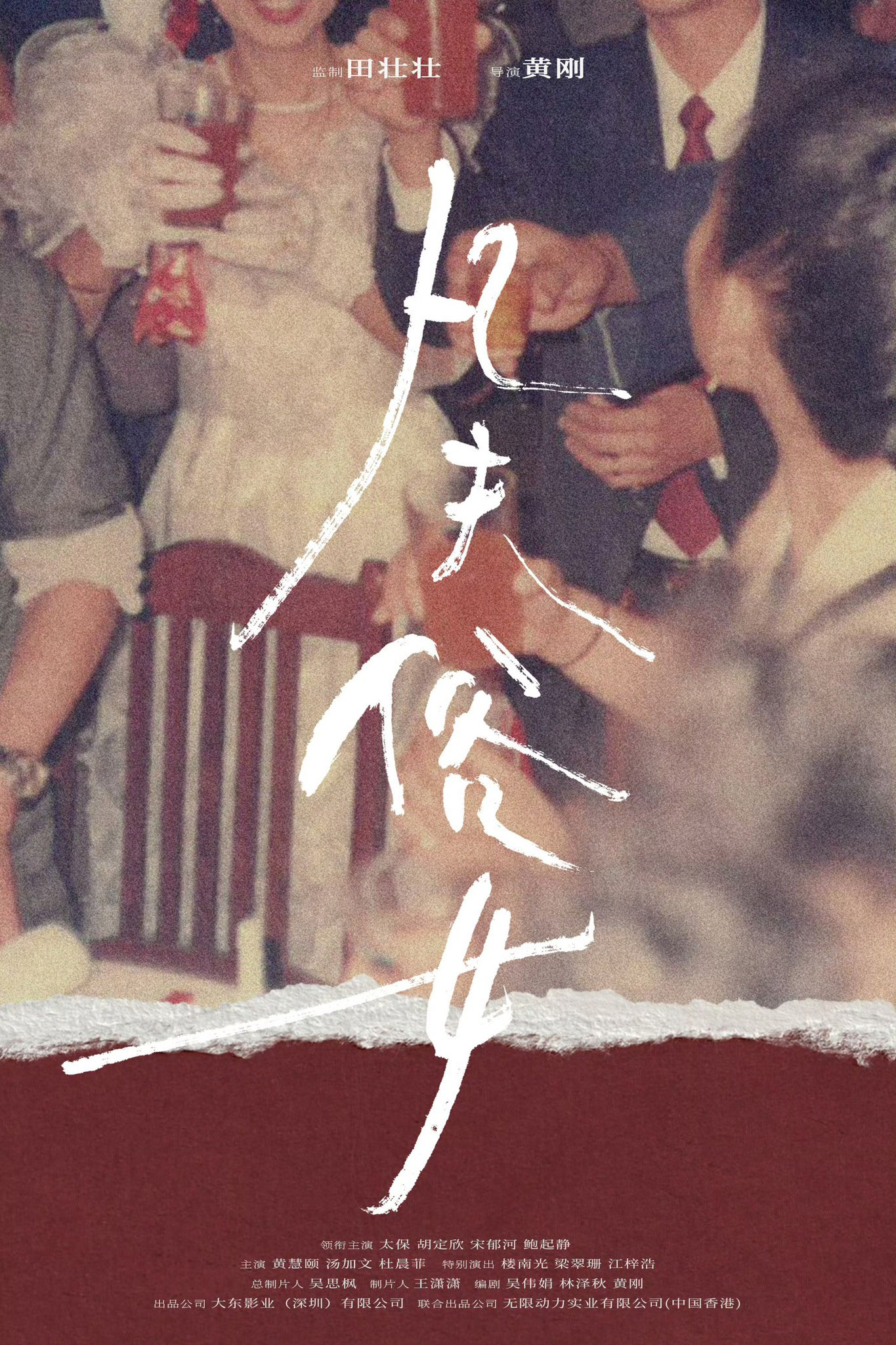
For instance, Huang Gang’s debut feature, The Fruitless Tree (2026), a film that tells the story of how society turns against a widower who finds love in his twilight years, figured prominently at the Hong Kong Pavilion.
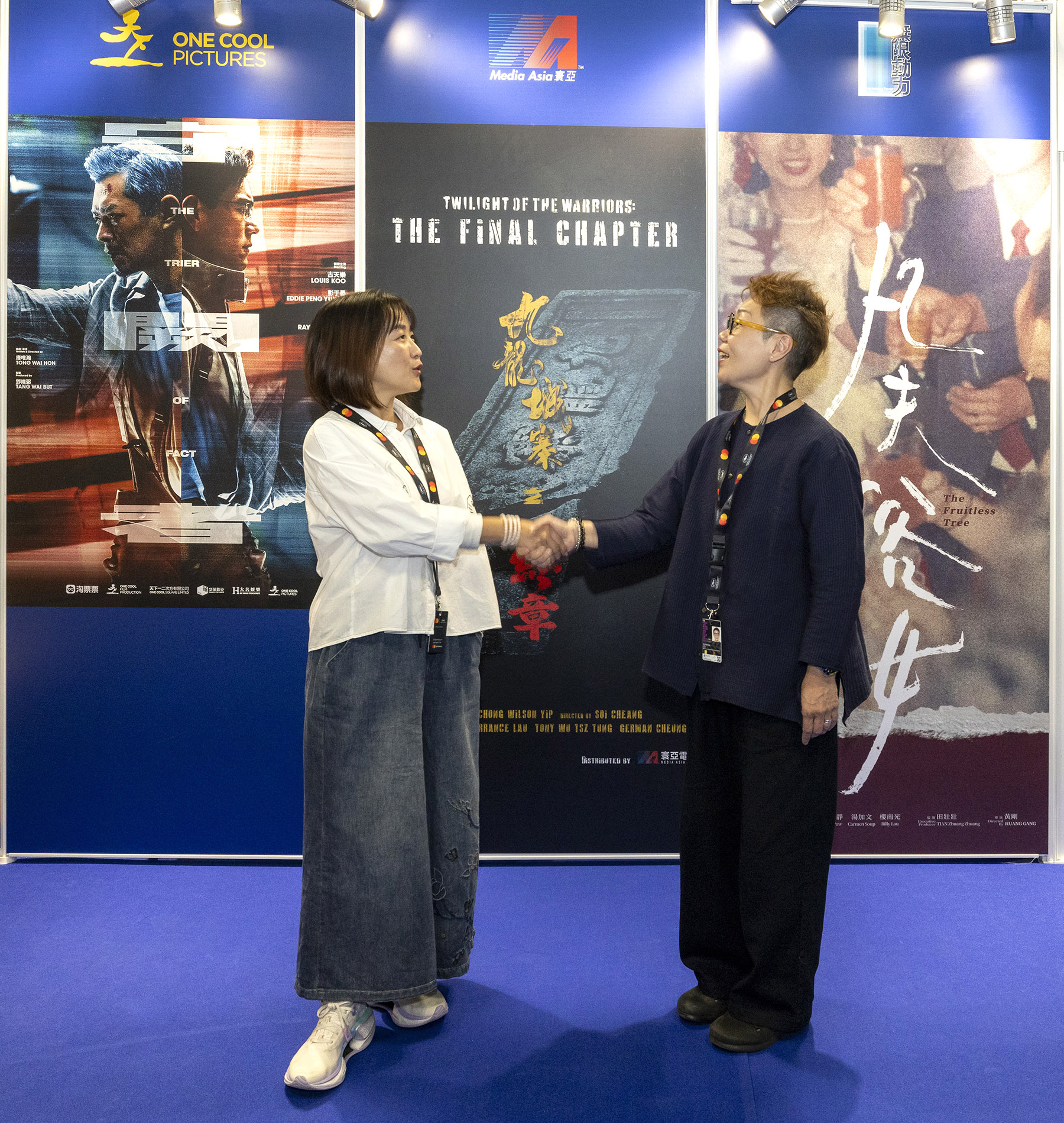
Grace Chan, head of Distribution at the Hong Kong-based Entertaining Power Co, which produced the film, said she was keen to make good use of the Cannes platform to “present the movie to everyone in the market, especially film festival programmers” from around the world.
For many Hong Kong filmmakers today, looking beyond genre films is both a creative necessity and an economic inevitability.
Alvin Tse, curator at the Hong Kong International Film Festival Society (HKIFFS), reveals that younger directors are increasingly interested in telling stories rooted in their own generation and lived experiences rather than following the martial-arts formulas that once defined Hong Kong cinema internationally.
“Young directors don’t necessarily want to make kung fu films anymore,” Tse says. “They want to tell stories about themselves, their generation and what Hong Kong feels like now.”
He points out that Hong Kong is producing fewer kung fu films, not only because filmmakers have more diverse interests, but also because heavily choreographed productions are increasingly expensive to finance.

Nostalgia for action flicks
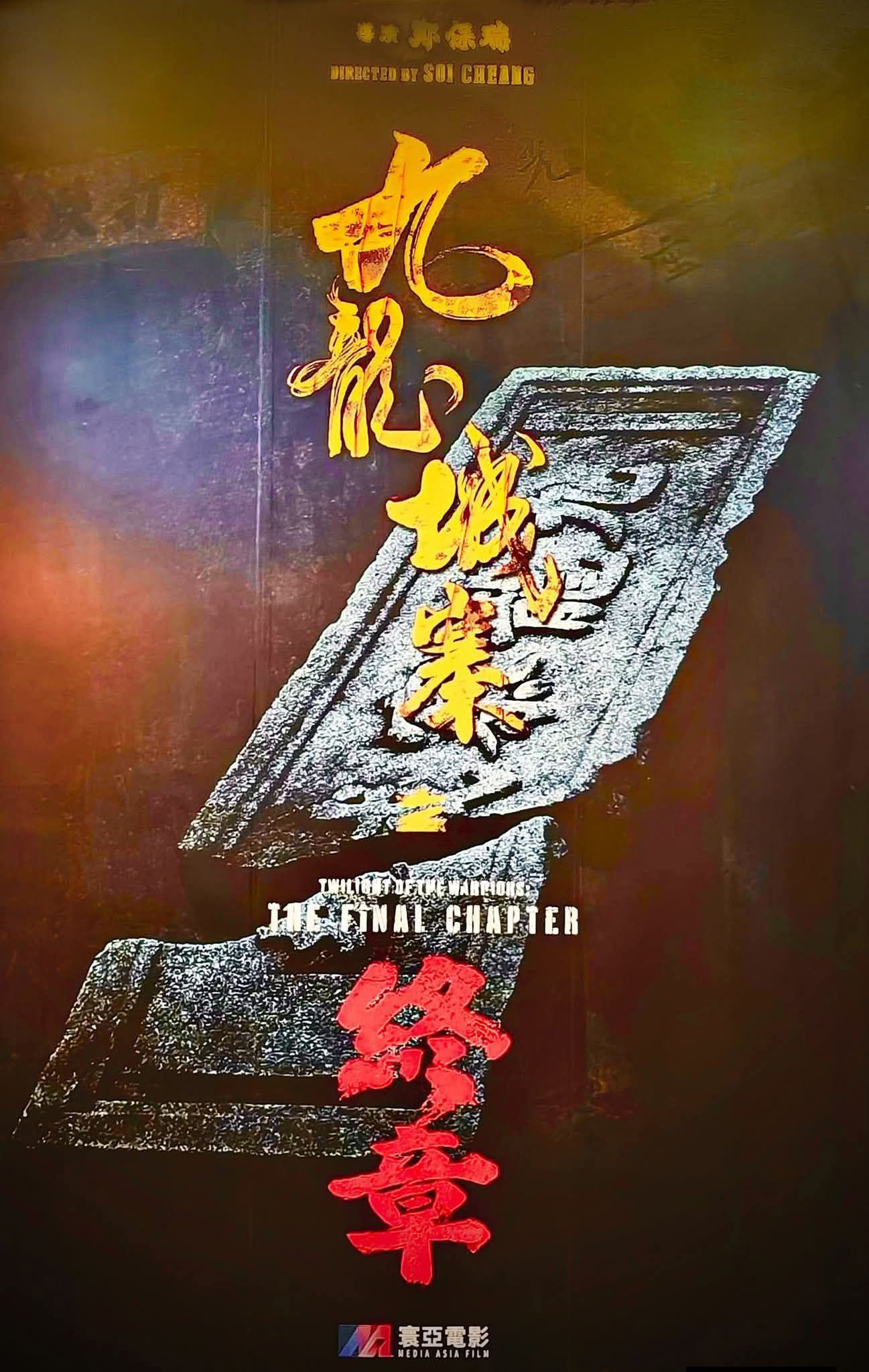
And yet, the days of the large-scale Hong Kong action film are far from over. The makers of the Soi Cheang-directed 2024 blockbuster Twilight of the Warriors: Walled In turned up in full force at Cannes, seeking collaboration on the film’s upcoming sequel, Twilight of the Warriors: The Final Chapter.
Mark Shaw, director of Shaw Organization, and Hang Trinh, CEO of Skyline Media — distribution partners on the franchise — issued a joint statement: “The success of the Twilight of the Warriors franchise stems from its strong cast, distinctly Hong Kong storytelling, and continued global demand for Hong Kong action cinema.”
Vanessa Lo, vice-president of sales and distribution at Media Asia, also a global distributor of the franchise, adds that the Cannes outing has proved fruitful for the sequel, as it has managed to “successfully establish partnerships with buyers from multiple territories including France, Germany, Singapore and Vietnam”.
Hong Kong-style martial-arts films continue to inspire Cannes regulars.
British filmmaker and martial-arts enthusiast Michael Hoad grew up on Bruce Lee films, and subsequently went on to admire martial-arts choreography and stunts in the films directed by Sammo Hung and Jackie Chan.
“Hong Kong is the pioneer of martial-arts action cinema,” he says, pointing to the way that Hollywood action franchises such as John Wick continue to borrow from the cinematic vocabulary created by Hong Kong filmmakers decades ago.
“The John Woo films, for example, are still some of the best action movies that have ever been made,” he says. “The films that we make are about trying to give back to those filmmakers.”
However, while Hoad would like Hong Kong films to “bring back that kind of action”, he no longer expects younger filmmakers to simply re-create the past.
Both Hoad and Tse of HKIFFS contend that some of the energy once associated with Hong Kong action cinema is today visible elsewhere in Asia. As a producer of films such as The Raid (2011), Indonesia might be the new Hong Kong in terms of its drive to export homegrown action-oriented films to the global market.
However, Hoad believes that when viewers have had their fill of VFX and artificial-intelligence-generated fights, they might start craving “the real kind of hard-hitting fight choreography that will resonate with audiences again”.
Embracing AI
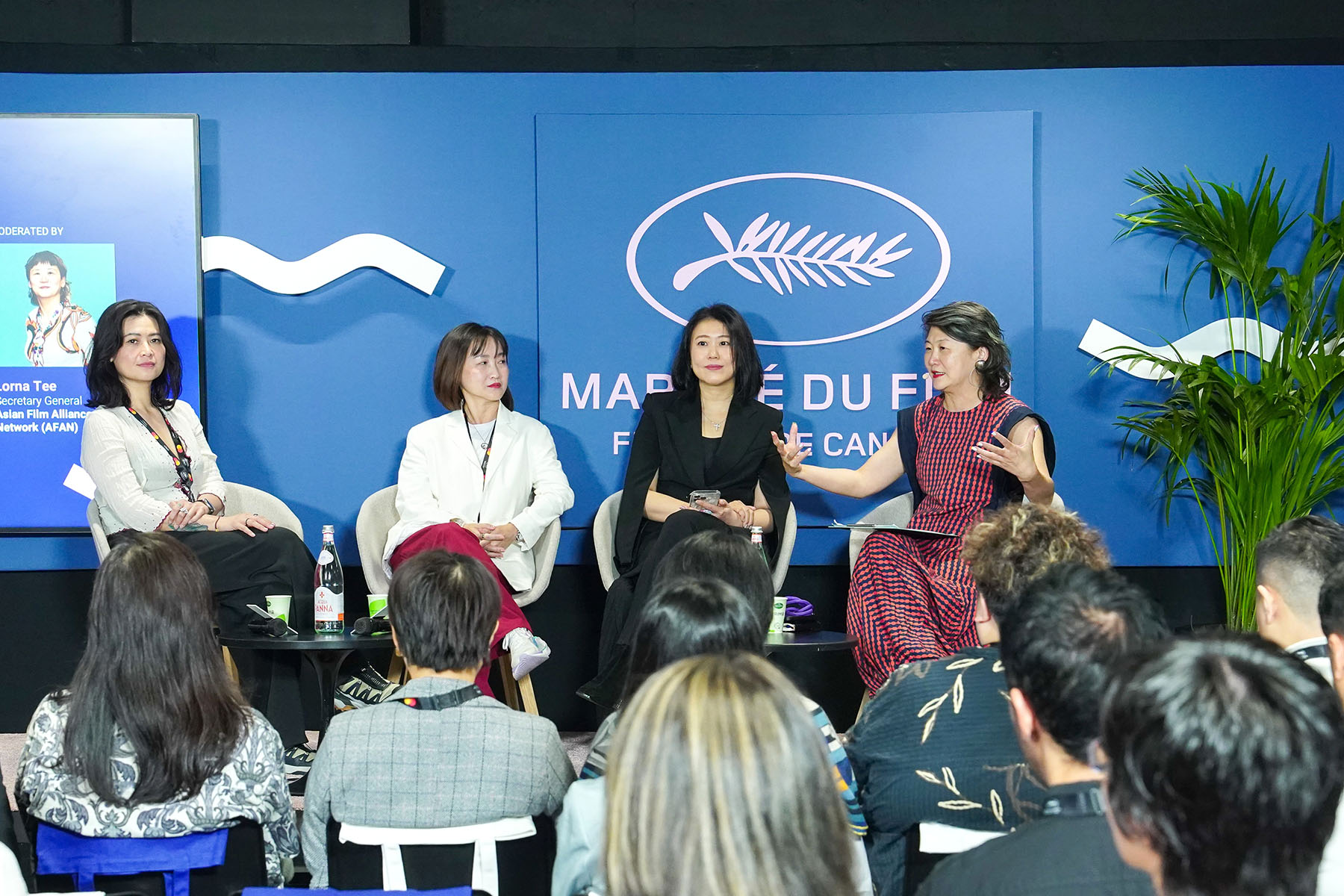
At the Hong Kong Cinema @ Cannes 2026 forums, co-production opportunities, financing trends and emerging technologies came up for discussion. One of these explored how AI could reshape production workflows and talent development, while another examined capital flows across Asian film markets and the growing importance of cross-border partnerships.
HKFDC Chairman Wong contends that Hong Kong’s film industry should embrace AI pragmatically rather than fear it.
“I think we should learn how to master AI, though nothing beats human creation”, he said.
However, a significant challenge facing the Hong Kong film industry today is to find ways of reconciling its primarily Chinese cultural identity with an international ambition of positioning itself as Asia’s most internationally connected storytelling platform.
While its fortunes remain economically intertwined with opportunities on the Chinese mainland via co-productions, financing and distribution, expanding distribution to territories in Southeast Asia, Europe, the Middle East as well as streaming platforms has become increasingly important.
ALSO READ: HK cinema is back
“The Hong Kong market is too small,” Wong says. “And the Chinese mainland has its own market, so we need to look outside.”
He says that the HKFDC “encourages our moviemakers to have a global view” by exploring co-production prospects with countries in Europe and other parts of Asia.
Wong adds that the Hong Kong SAR government has spent roughly two decades building institutional support for the local film industry through its Film Development Fund, which helps with film investment, training, script development and co-production initiatives. He also mentions that both Hong Kong’s current and former chief executives have allocated generous funds — HK$1.4 billion ($179 million) and HK$1 billion respectively — to that end.
A significant element of the drive to bring Hong Kong cinema to international platforms involves promoting young talent.
“We deliberately showcase younger actors here in Cannes,” Wong says, referring to Carlos Chan and Natalie Hsu, both nominated at the 44th Hong Kong Film Awards in April. “Cannes is a good platform for them to be recognized.”
The writer is a freelance contributor to China Daily.
