

Long-term tenants carry costs of upgrades, focusing on quality, comfort, individual style
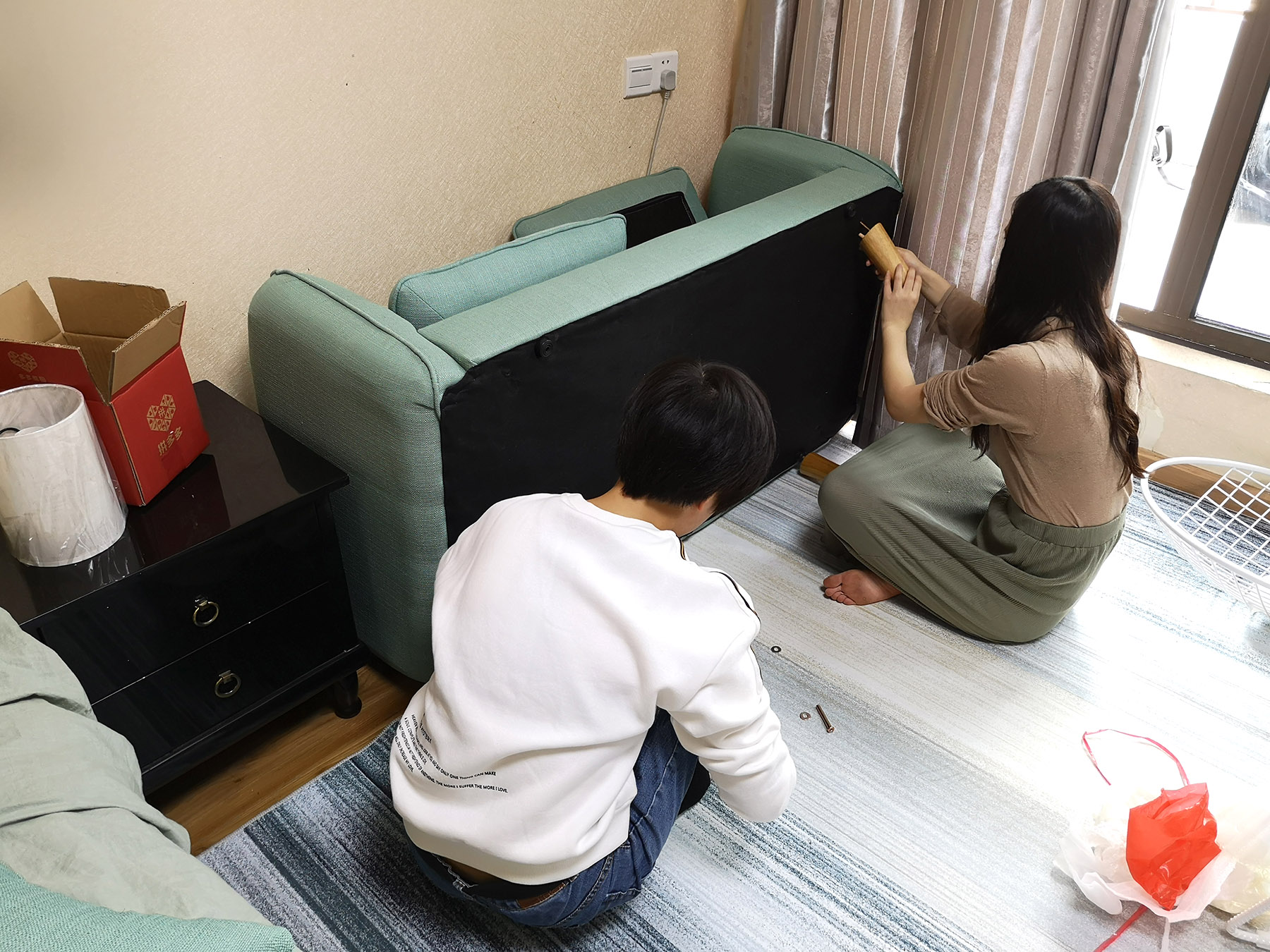
Facing the prospect of long term renting in a tough property market, a growing number of tenants are laying out money from their own pockets to upgrade apartments to their individual tastes, experts said.
Wu Tong, an associate professor at East China Normal University's School of Social Development, said the trend signals a deep generational shift.
"Compared with their parents' generation, who often spent decades saving to purchase a home as a symbol of stability and achievement, today's young people place greater emphasis on their immediate sense of well-being," said Wu.
"They care about whether they feel comfortable and happy now, rather than postponing satisfaction entirely to the future."
China's rental housing market is underpinned by 260 million renters, according to the 2024–25 Housing Rental Industry Development Report released by the PBC School of Finance at Tsinghua University in August. In 2024, the total number of rental housing units nationwide reached 91 million, with nearly 90 percent of listings coming from individual landlords.
Rising demand for higher-quality rental housing leaves more than 60 million existing units with potential for being upgraded and renovated, according to the 2025 China Urban Long-Term Rental Market Development Blue Book released in April.
Transforming existing stock into "better homes" has become central to optimizing rental supply, it said. Over 40 percent of renters are willing to increase their budget for higher-quality renovations.
New tenant Xiao Cai, 30, decided that renting would not prevent her from improving her space.
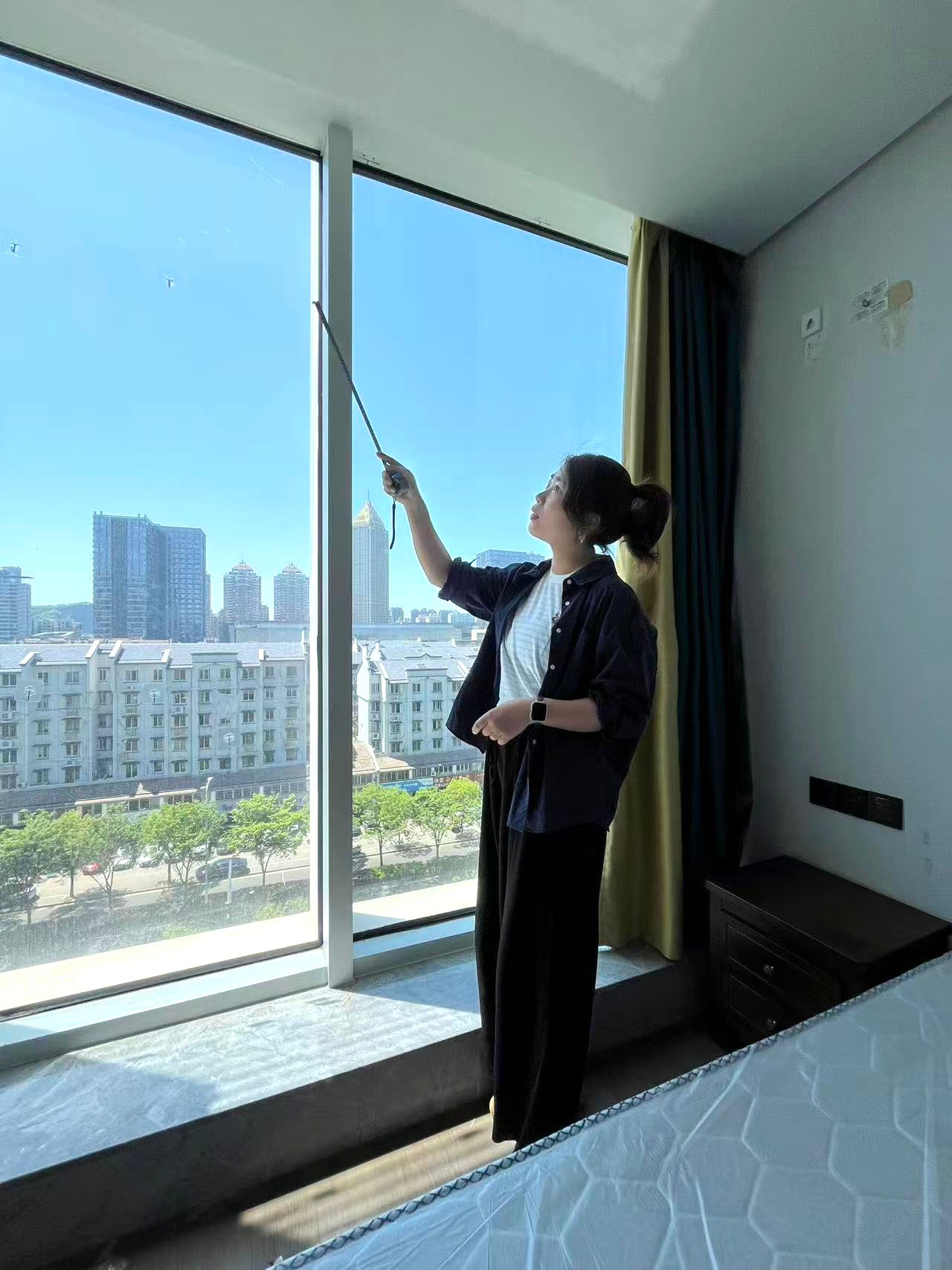
After five years of moving between small shared flats in Zhangzhou, Fujian province, Xiao, who works in the education industry, rented a 60-square-meter one-bedroom apartment for 1,000 yuan ($146.30) a month in 2025.
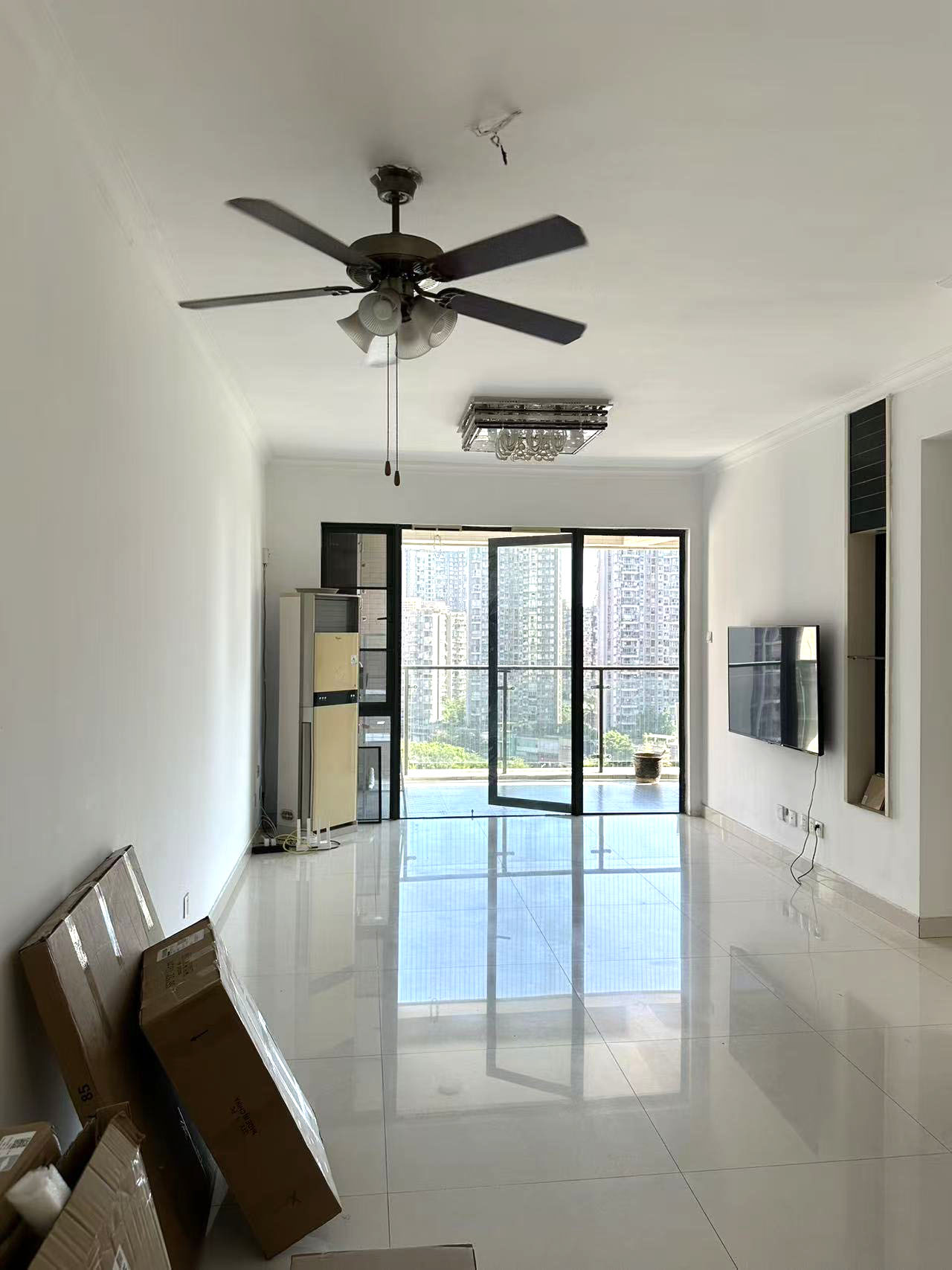
The budget-friendly unit came with plain white walls and shiny floor tiles, but it had good lighting and a functional layout. By signing a three-year lease, she secured a price well below the local market average.
Six months after moving in, water leakage caused sections of the walls to peel, so she decided to undertake a proper renovation. Her initial budget was 3,000 yuan, but the final cost exceeded 9,000 yuan, equivalent to her monthly salary.
Although she had planned to paint the walls and install stone plastic composite flooring herself, a lack of skills and time led her to hire professionals. To control costs, she purchased most large furniture items secondhand, significantly reducing expenses while maintaining quality.
"The most worthwhile investment was upgrading the walls and floors, because they directly determine the overall quality and comfort of the space. The biggest savings came from buying secondhand furniture and making some items myself," said Xiao.
The renovation made the apartment feel like it belonged to her, she said. "Now I genuinely look forward to returning. The house is rented, but the life inside it is mine. Renovating it wasn't about ownership, it was about creating a place where I can feel stable and at ease," said Xiao.
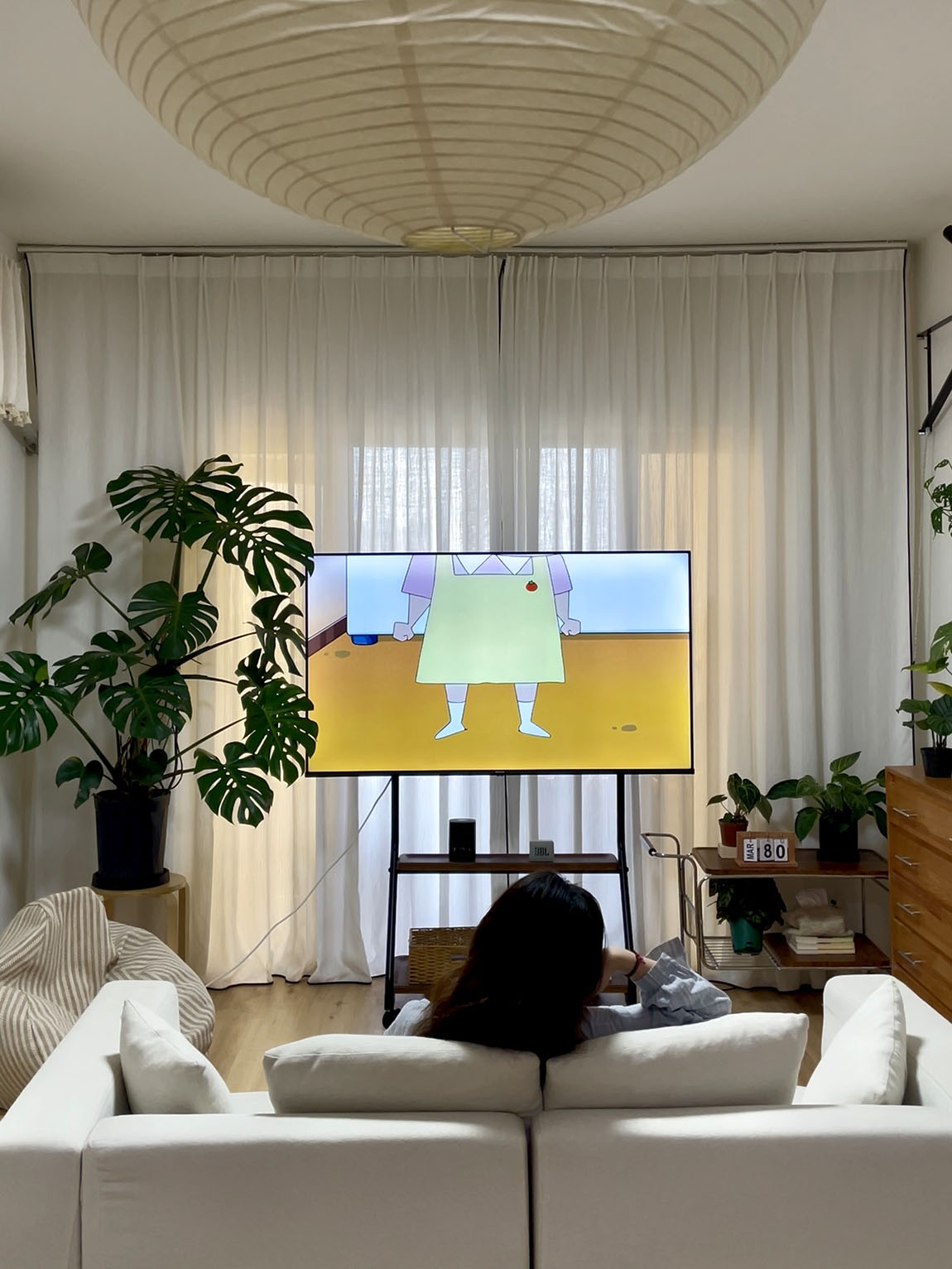
Comfortable spaces
In Beijing, Shanghai, and Guangdong province's Shenzhen and Guangzhou, the rental population is close to 40 million, accounting for nearly 50 percent of total residents, the blue book showed. More than half of renters said they are willing to accept renting for five years or longer, while nearly 20 percent are open to renting for more than 10 years.
For Kai Li, 28, an HR professional in the AI hardware industry, long-term renting is not a reluctant compromise, but a calculated choice in an environment where property ownership feels distant.
She has moved six times in six years from cramped urban village rooms to progressively larger rentals, with each move reshaping her expectations of a rental property.
Kai currently rents an 80-square-meter, three-bedroom apartment for 7,500 yuan per month in Shenzhen, the most spacious place she has lived in since leaving her hometown in Hunan province. "Over time, I realized I needed to look at whether a space had potential — good light and a workable layout, especially a balcony. I rent with the idea that I will shape it," said Kai.
For many young people who move to a new city, stability is less about property ownership and more about having a space that is a place to cook, host friends, play guitar or simply sit alone, she said.
Before renovating, she hesitated. She negotiated a lease of more than two years at a slightly reduced rent, using the money she saved for the upgrades.
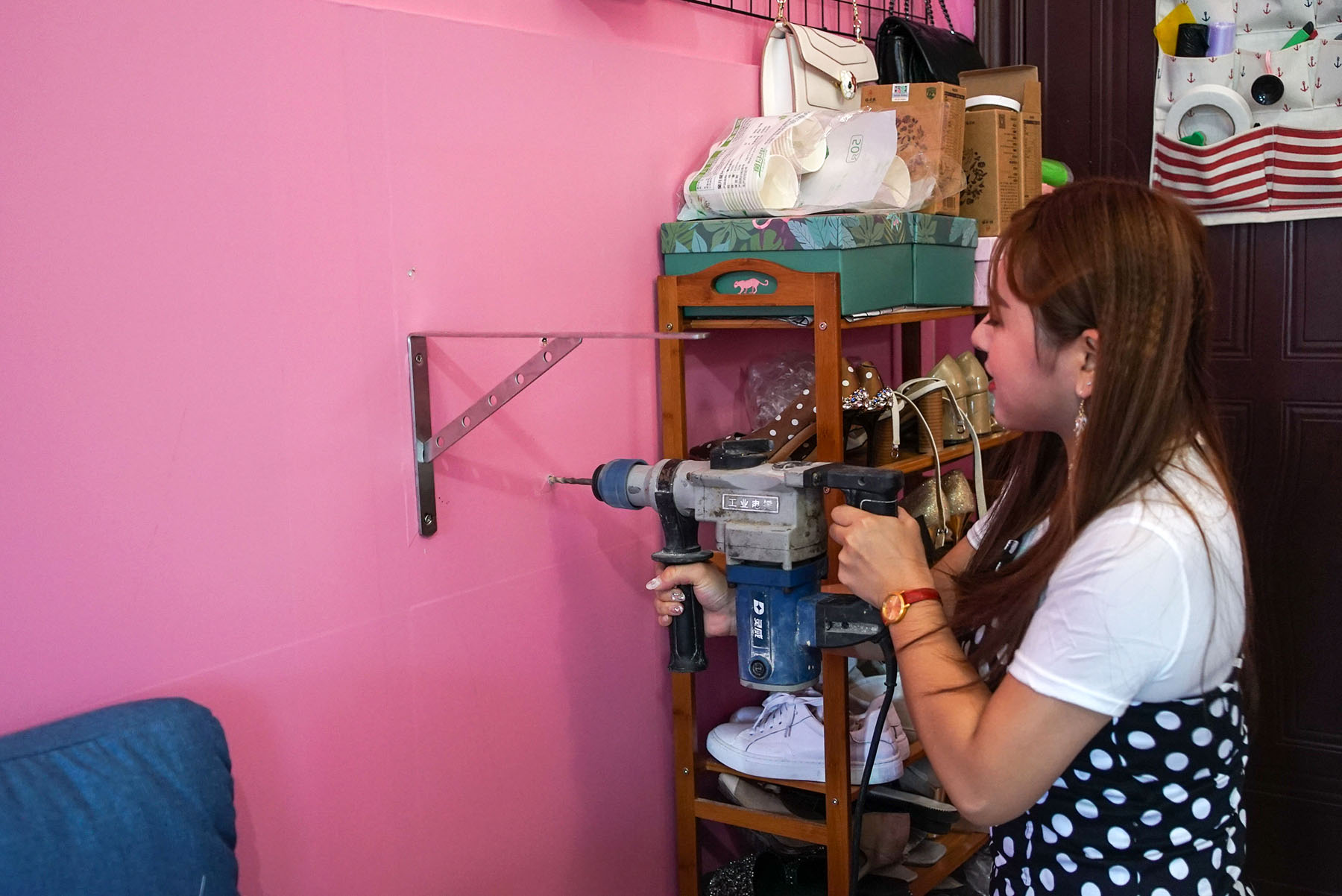
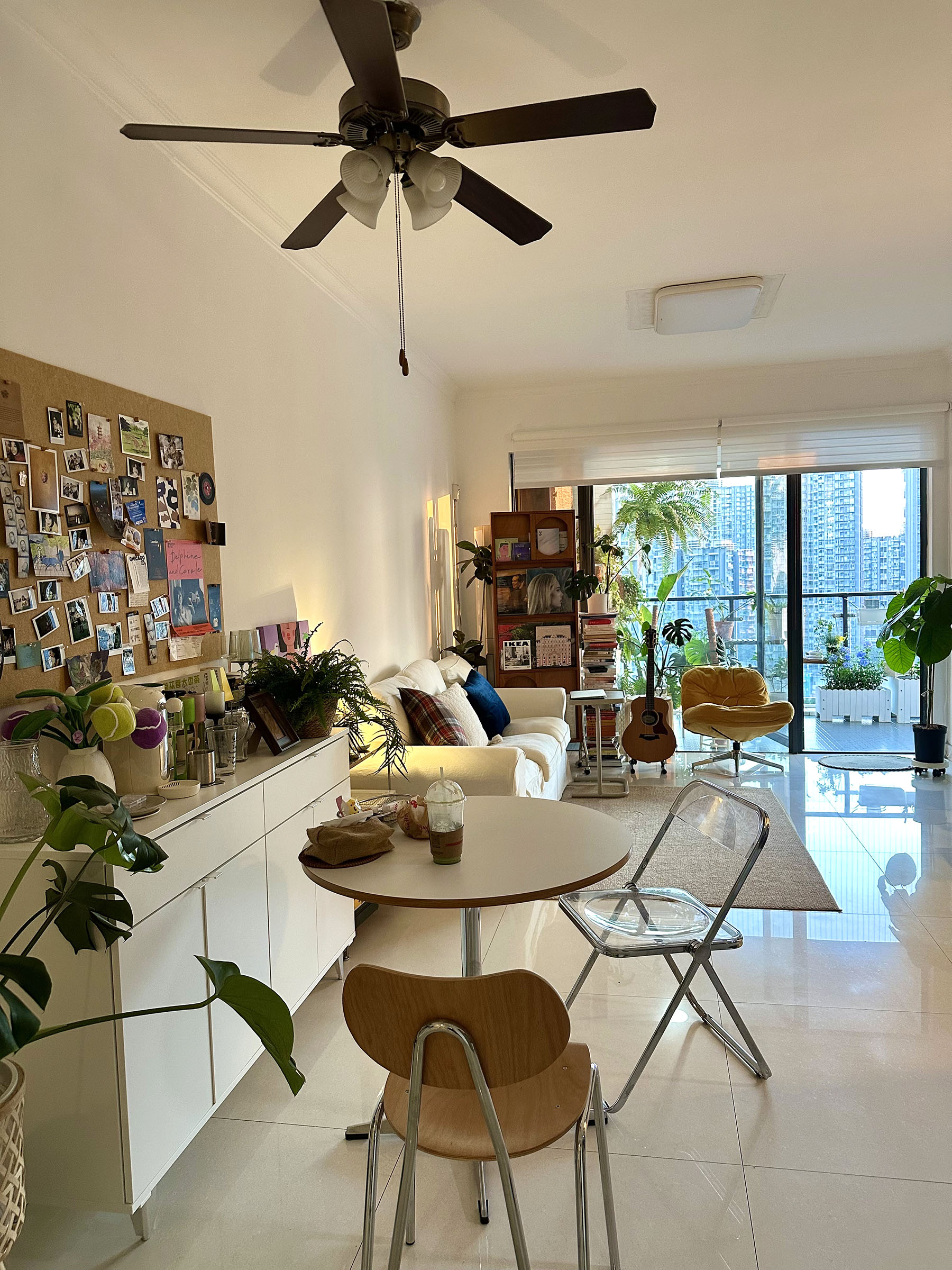
Most of the renovation focused on soft furnishings and spatial zoning. She asked the landlord to repaint the walls, then divided the apartment into areas for dining, working and resting. The total cost exceeded 8,000 yuan, and most of the furnishings and decorations can move with her.
"I didn't want to overspend, but I also knew that if I was going to live here for years, the space had to support my daily life. Otherwise, coming home after work would feel like just another obligation," she said.
The balcony has become her anchor. Shelves assembled by hand hold rows of plants and small vegetable pots. One afternoon, sitting there alone, she felt a quiet sense of achievement.
"Everything here was arranged by myself. Even spending a short afternoon at home helps me recover my energy," said Kai.
Homeownership may feel distant, but comfort and self-definition need not be postponed, she said. "If we can't control the housing market, we can still choose how we live inside the space we have," said Kai.
Data from the 2025 Shanghai Youth Rental Housing Trends Report released by the Shanghai Youth Research Centre showed rental rates of 68 percent among those born after 2000, 64 percent among those born after 1995, and 53 percent among those born after 1990.
In Shanghai, the number of renters aged 20 to 30 reached 76,000 in 2024, marking a 68.89 percent increase compared with 2022.
When choosing rental housing, respondents placed greater emphasis on fundamental living conditions and transport accessibility. Survey data showed that indoor comfort (79 percent), convenient transportation (72 percent), and high housing quality (67 percent) rank as the top three considerations. To secure a better living experience, more than 40 percent said they were willing to pay more for better renovations.
Design innovations
The rising emphasis on comfort is influencing not only tenants but also landlords and designers.
After years of designing brand visuals for major corporations, Chen Xiaoli questioned the meaningfulness of her work.
"In large companies, my work often felt like a small interchangeable part in a vast system. It was hard to see its real impact or feel a clear sense of value," said Chen.
Now 35, and based in Hangzhou, Zhejiang province, Chen turned to low-budget soft furnishing renovations in late 2025.
Within three months, she had taken on seven to eight projects, a shift she describes as moving design "from screens into real life".
The transition began unintentionally. After a low-cost renovation of her own rental property to attract more suitable tenants, she shared the results online. The apartment quickly drew attention and inquiries.
"I realized that landlords and tenants choose each other. If a flat looks worn and neglected, tenants won't feel motivated to care for it. But when a space feels thoughtfully arranged, it attracts people who appreciate and protect it. That small investment can completely change the relationship between a person and a home," she said.
Unlike corporate branding work, she said, each renovation directly affects someone's daily routine. Some of her clients are landlords hoping to improve competitiveness in a buyer's market; others are young renters seeking a stronger sense of belonging.
"When a tenant tells me she feels happier opening the door after work, or when a landlord says a property that sat idle for months finally sold after renovation, I can clearly see the impact. My design is not just decoration, but improving someone's everyday life," said Chen.
About 80 to 90 percent of her clients are landlords, while renters — typically aged 25 to 35 — often seek lighter services such as design plans and shopping lists costing around 1,000 yuan. Larger projects range from 20,000 to 40,000 yuan, a scale of work many traditional renovation companies are reluctant to take on.
Her design principles are consistent: prioritize function and movement flow before aesthetics, ensure adequate storage, unify colors and style, and avoid unnecessary waste.
"You don't need expensive items to create beauty. What matters is coherence and practicality. Whenever possible, I encourage clients to reuse what they already have, rather than discard everything," she said.
For Chen, the growing willingness among young people to invest in rental spaces signals a broader shift in mindset.
"Many people used to think renting was temporary and something you just had to endure. But young people today don't see it that way. Regardless of tenure, people still want their living space to reflect dignity and care," said Chen.
Landlords take note
As of March 2026, the hashtag "rental home renovation" had garnered over 2.3 billion views on Douyin, while related posts on Xiaohongshu, or RedNote, exceeded 3.7 billion views.
For savvy landlords, the online enthusiasm is also a barometer of renters' needs.
Zhu Chengjie, 49, moved from Jiangsu province to Shanghai more than two decades ago to start his own business. He gradually settled down in the city and now owns three apartments in Shanghai that he has rented for nearly a decade. Most of his tenants are young office workers fresh out of university, drawn to the city by career opportunities.
Recently, Zhu decided to renovate one of his apartments in Jing'an district.
Instead of simply repainting the walls, he hired a designer to make modest but thoughtful adjustments to the layout and furnishings, partly to justify a slight increase in rent, but also because he had noticed young tenants were placing greater emphasis on the style and quality of their living environment.
"I've noticed that young people today have much higher expectations for their living environment. A clean and functional space is no longer enough. They want warmth, personality and comfort," said Zhu.
His other two tenants have also approached him with requests to make small changes, such as adding houseplants, rearranging furniture or introducing soft decorative elements. Zhu has agreed to most of the requests.
"As long as the structure isn't affected, I'm happy to agree. After all, everyone wants to feel comfortable in the place they live," said Zhu.
When he first arrived in Shanghai, housing conditions were not his priority. Seeing today's young tenants invest time and energy in rented homes, he views it as a sign of changing attitudes. "Many of them are working hard in this city, just like I once did. Wanting to live well while striving for the future is not indulgence, but a reflection of confidence and social progress," said Zhu.
Experts said the change is closely linked to evolving market conditions and generational attitudes toward risk and stability.
Wu, from East China Normal University, noted that this transformation has been shaped by economic changes in recent years. When housing prices were widely expected to rise continuously, homeownership carried strong investment and status implications.
"As the market stabilizes and long-term (property) appreciation becomes less certain, renting is increasingly viewed as a rational and flexible choice. In an environment marked by employment uncertainty and income pressure, maintaining liquidity and reducing long-term financial burdens can provide a stronger sense of security," he said.
Wu added that reducing financial risk does not necessarily mean lowering living standards. Instead of investing heavily in property, many young people choose affordable soft furnishings to improve their living spaces.
"This is a pragmatic way of balancing quality of life with risk management," he said.
Contact the writer at sunnyu923@163.com
