

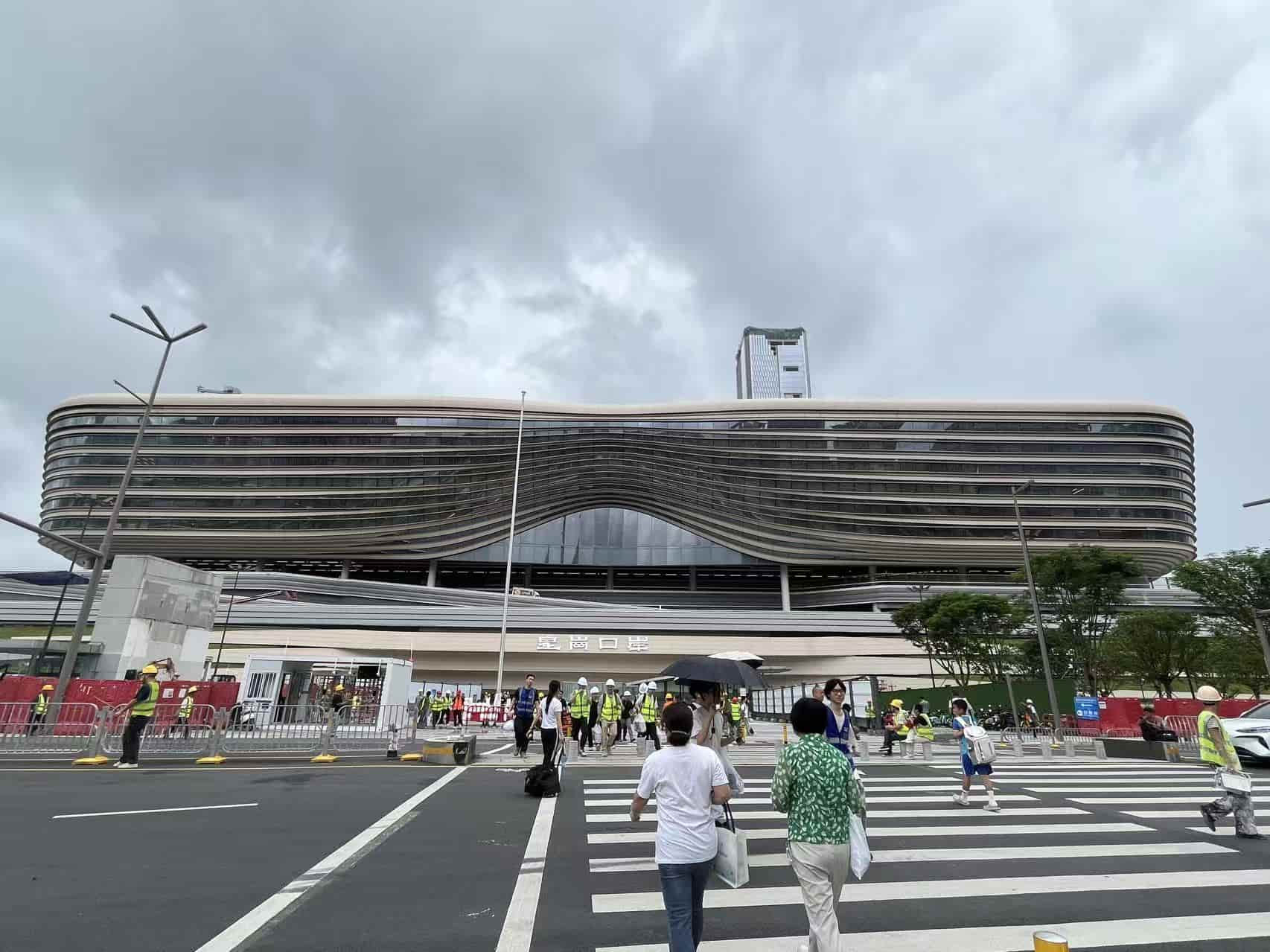
The redevelopment of Huanggang Port — the only 24-hour passenger inspection border crossing between Hong Kong and Shenzhen — has reached a major milestone, with commissioning of the Hong Kong port area beginning today.
As the world’s largest land border crossing, the port will adopt a colocation arrangement and a novel “collaborative inspection and joint clearance” model, which is expected to significantly speed up the clearance process.
At a media visit on Thursday, it was revealed that the overall redevelopment work has entered the final stages. The main structure of the joint inspection building and the outdoor supporting facilities have largely been completed, while equipment for border clearance and intelligent control systems are undergoing final testing.
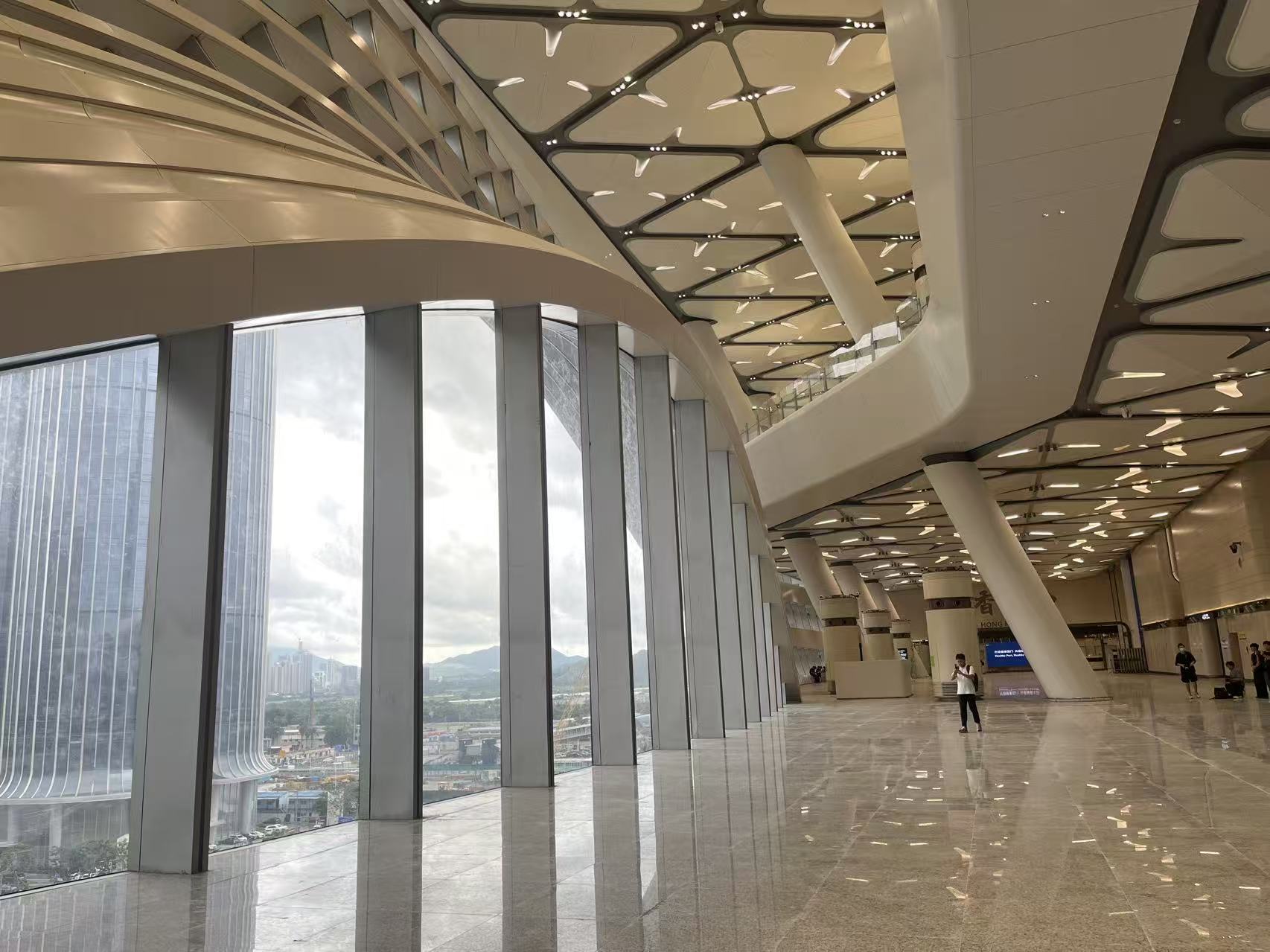
Also on Thursday, the Hong Kong Special Administrative Region government and the Shenzhen Municipal People’s Government signed agreements on implementing the colocation arrangement and the HKSAR’s jurisdiction over the Hong Kong port area and related extended areas.
Hong Kong Secretary for Security Chris Tang Ping-keung, representing the city at the signing, expressed heartfelt gratitude to the central authorities for their support of the colocation arrangement and the establishment of the Hong Kong port area at Huanggang Port.
“The HKSAR government will continue to work closely with the Shenzhen side to take forward various preparatory tasks in an orderly manner, including system testing, and operational and emergency drills, to ensure that all facilities and operational arrangements at the port are sound and comprehensive,” Tang said.
Once both sides have verified that the port can operate smoothly, the authorities in Guangdong province and the HKSAR will jointly announce the official opening date for the redeveloped port.
ALSO READ: HKSAR, Shenzhen sign deal on Huanggang port colocation arrangement
During the media visit, Tian Geng, an official from the Office of Port of Entry and Exit of Shenzhen Municipal People’s Government, highlighted the convenience of the new inspection model.
He said that currently, ports that already implement the colocation arrangement — such as Shenzhen Bay and the West Kowloon high-speed rail station — still require passengers to line up and undergo inspection twice.
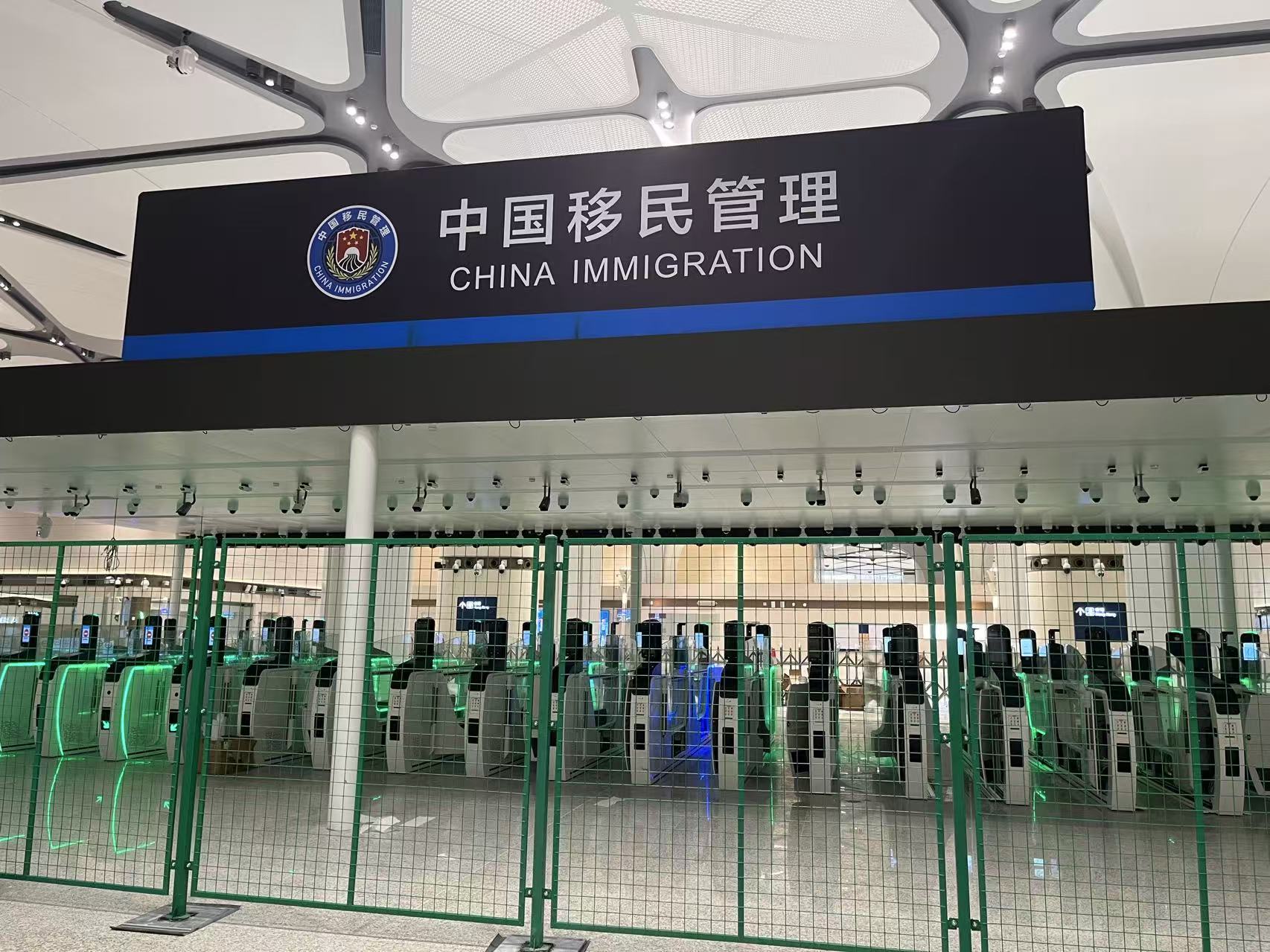
Under Huanggang’s new arrangement, passengers need to go through only a single line to complete the entire clearance process, greatly enhancing travel convenience.
So far, the collaborative inspection model has been implemented at several border crossings between Guangdong province and the Macao SAR.
Chen Guanwen, a border inspection officer on the Shenzhen side, said that Hong Kong and Shenzhen have overcome numerous challenges to redevelop the world’s largest land port — particularly in areas such as customs clearance procedures, document inspection techniques, and judicial cooperation.
READ MORE: LegCo passes Huanggang port bill
He said that the purpose of rebuilding this border crossing was not to compete with other crossings for passengers, but primarily to facilitate same-day cross-boundary passengers — such as concertgoers.
In the first half of this year, the Huanggang Port processed more than 3.7 million nighttime border crossings, an increase of over 28 percent compared to the same period last year. Most of the nighttime cross-boundary flows were driven by Hong Kong and Macao residents entering the Chinese mainland for leisure and consumption.
From January through June, the Huanggang border inspection station, which is responsible for border inspections at the Huanggang and Futian ports, handled a total of 40.55 million passenger inspections, ranking second nationwide by inspection volume, Chen said.
Contact the writer at bingcun@chinadailyhk.com
