

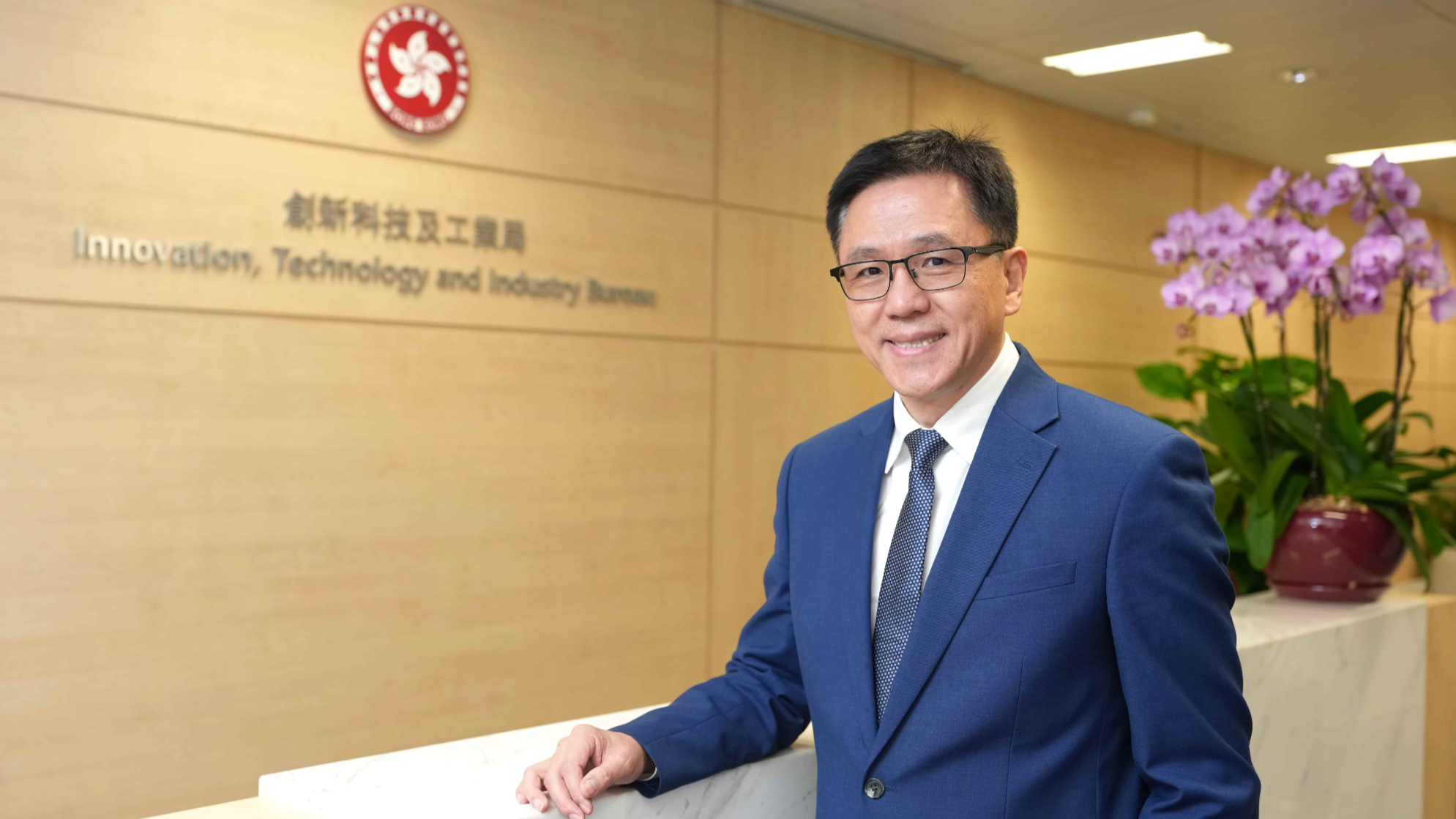
The Hong Kong Park of the Hetao Shenzhen-Hong Kong Science and Technology Innovation Co-operation Zone, which aims to be a world-class technological innovation hub and is being built in phases, will introduce new policies to draw young talents from home and abroad, says the special administrative region’s technology and innovation chief, Sun Dong.
The HKSAR government is considering drawing experiences from other places to launch new initiatives to attract and retain young local and overseas professionals to participate in the zone’s programs although details have yet to be revealed.
Hong Kong Park, which occupies a 0.87-square-kilometer site, is being developed as the core innovation hub of the SAR’s mega Northern Metropolis project and will work side by side with the zone’s 3.02-sq-km Shenzhen Park, located across the Shenzhen River, to become the region’s innovation engine.
Operating under a “one-zone, two-park” framework, the zone is set to achieve free flow of people, data, capital and goods.
ALSO READ: Doubling R&D spending likely a ‘key part’ of HK’s five-year plan
In an one-on-one interview with China Daily, Sun, who’s the HKSAR’s secretary for innovation, technology and industry, says free flow of people is possible as a footbridge linking the two parks s due to begin operating by the middle of next year. The bridge will have a dedicated checkpoint, enabling authorized personnel from both parks to go through immigration clearance using facial recognition technology.
Cross-boundary data flow is another breakthrough to follow, says Sun, adding that discussions between the Hong Kong and central authorities are in the final stages. Hong Kong Park has drafted specific regulations and is building a dedicated data storage facility to ensure that the data received is properly stored within the park.
According to Sun, barrier-free movement of funds and cargo between the parks, especially sensitive materials like biological samples, is expected to follow suit.
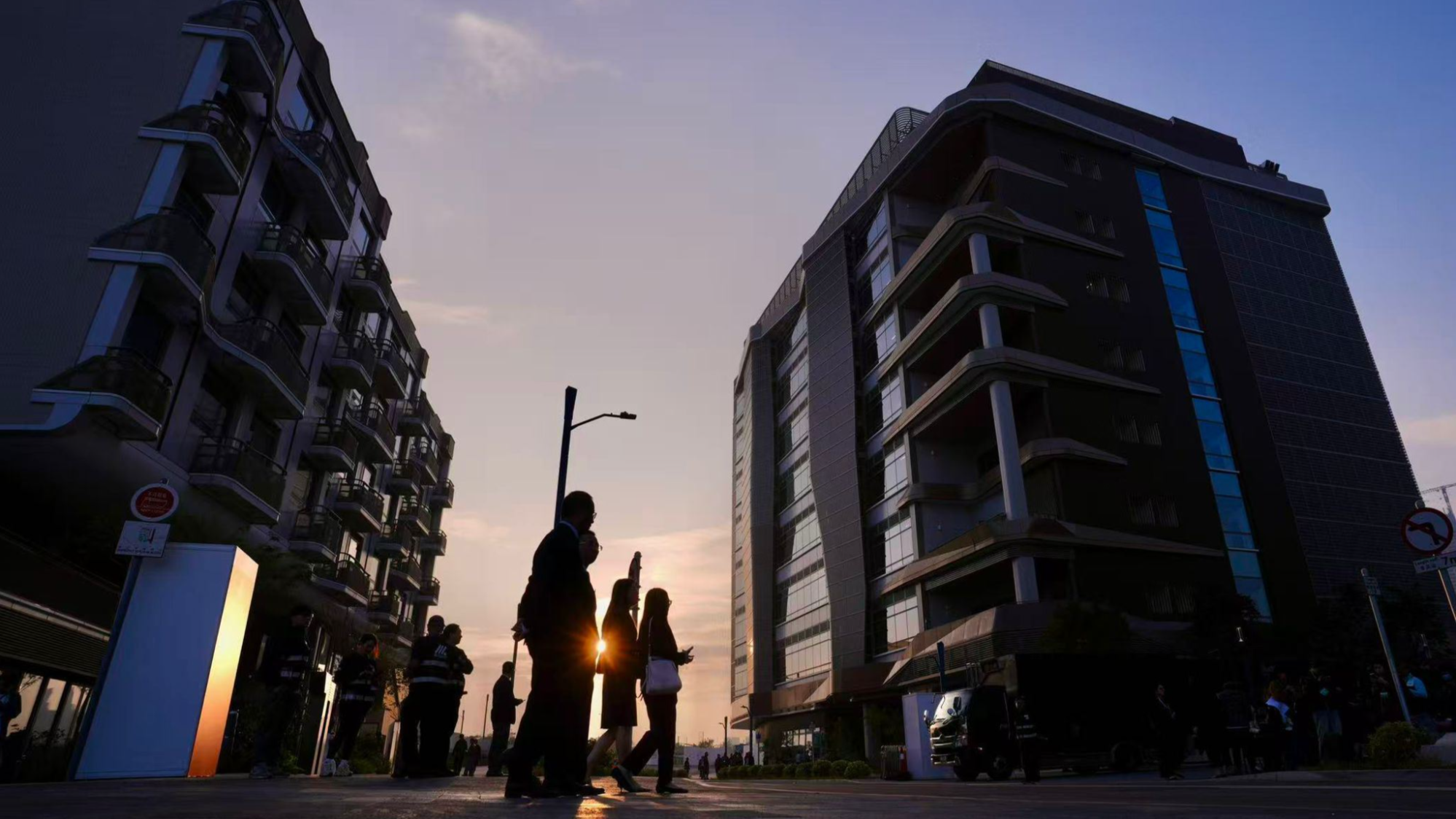
Construction work on Hong Kong Park is in full swing. The remaining five buildings under the project’s initial phase will be completed by the end of this year. The occupancy rate of professionals’ apartments has seen encouraging growth.
As of mid-June, two wet laboratory buildings, construction of which has been completed, had been fully leased out. More than 90 enterprises, including multinational corporations and startups, have moved into the facilities or have signed leases. Up to 70 percent of them are from the Chinese mainland and overseas. The remaining buildings in the initial phase will be completed by 2030.
The park is part of the Hong Kong’s broader vision to transform the city into a global innovation and technology pivot -- a goal set out by the nation.
ALSO READ: Major scientific event deepens Hong Kong's status as global I&T hub
Stressing that government support for youth careers in the technology sector will only intensify, Sun says young people are the direct and primary beneficiaries of the SAR’s pro-innovation policies. He notes there’s already a slew of initiatives to help young professionals secure jobs or start their own businesses in the technology sector.
The key pillars of such support include major research-and-development platforms like InnoHK, the HK$180-million ($23-million) Pilot Innovation and Technology Accelerator Scheme, and various entrepreneurship programs.
Beyond direct funding, the government is also leveraging infrastructure projects to boost hiring. All tenders issued by local science and technology parks now require participating enterprises to create local jobs.
“Most of these job opportunities will directly benefit young people,” says Sun.
Contact the writer at williamxu@chinadailyhk.com
