

Experts say 'climateflation' to impact bank rates, food output

Across the globe, the looming "super El Nino" is sparking warnings from economists, planners and experts about its potentially devastating impact on economies and societies.
A key area of the Pacific Ocean used to measure the strength of El Nino last week reached its warmest and most intense level ever recorded for the 15th week since it formed, which is early in its lifetime, scientists at Columbia University reported.
The El Nino weather event won't peak for several months and is expected to last through to spring 2027. The United Nations' World Meteorological Organization cautioned on Friday that it will likely trigger extreme heat, drought and rainfall well into next year.
READ MORE: Wildfires, record-high temperatures highlight heatwaves on continents
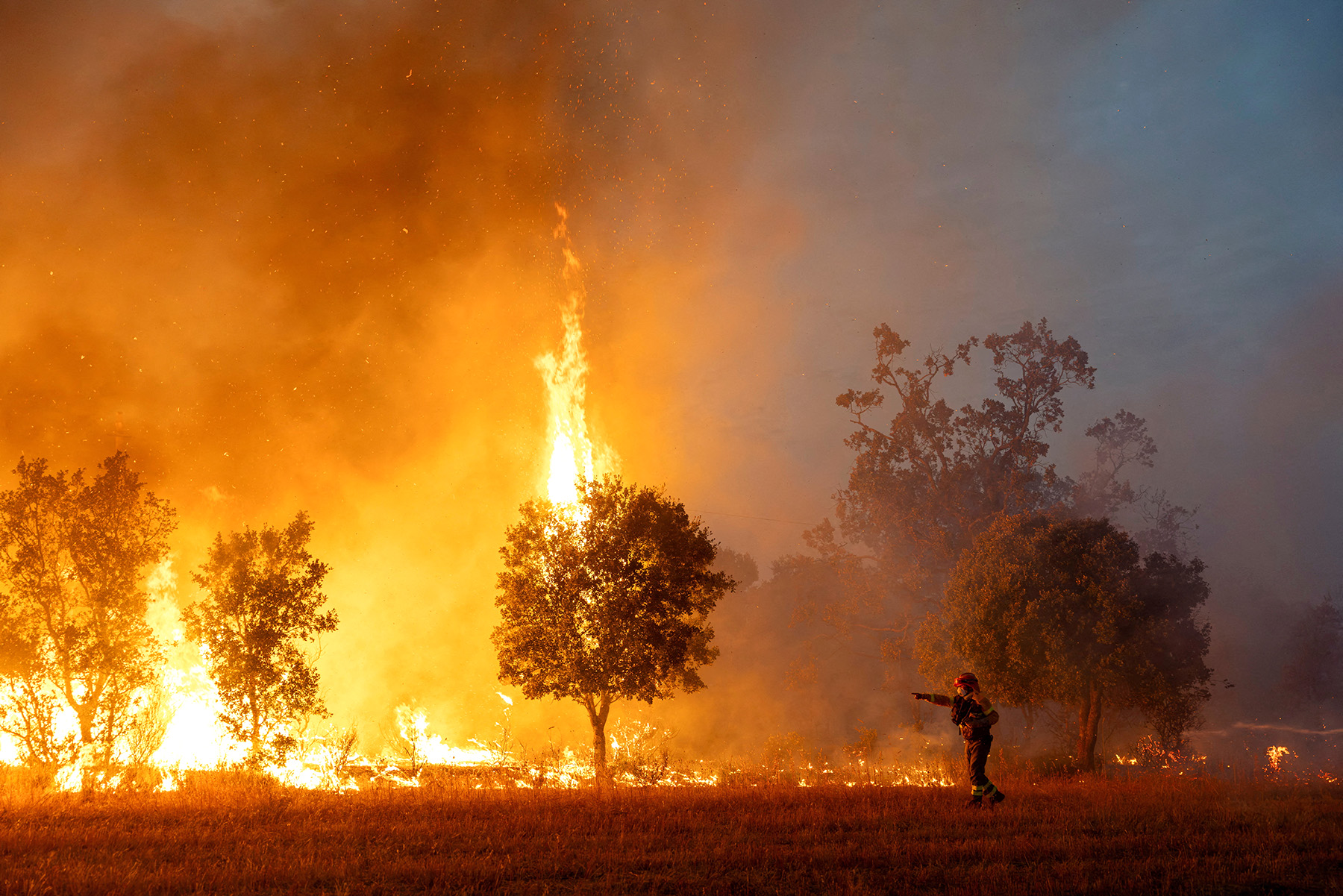
The WMO warned of the strong chance of drought and wildfires in Indonesia, India and other parts of Asia, south and east Australia, chunks of South America and southern regions in Africa. Other areas, including much of the United States and fire-struck Southern Europe, will receive above average rainfall, the agency said.
"This El Nino, developing against the backdrop of unprecedented ocean heat and rising temperatures, provides governments and communities with a window of opportunity to anticipate risks and act before impacts unfold," said WMO Secretary-General Celeste Saulo.
For many economists, however, the consequences are already becoming evident. Investors and policymakers are increasingly concerned that climate shocks could reinforce inflationary pressures already facing economies around the world.
"Heat kills — both lives and livelihoods," said Gernot Wagner, a climate economist at Columbia Business School.
"And it is often rather small changes in the average that lead to large threshold effects," he said.
He cited research showing that "only one additional day above 32 C in any given year lowers annual payroll by 0.04 percent".
"That may seem like a small effect. It is not," Wagner told China Daily. "One hot day in any given year shows up in annual productivity statistics, and El Nino only exacerbates these effects."
Wagner said the impacts extend well beyond labor productivity.
"'Climateflation' is a real phenomenon, and one that can already be measured," he said.
"Single heat waves lead to often large spikes in prices of individual agricultural products, which reverberate throughout the economy," he said.
Emerging economies at risk
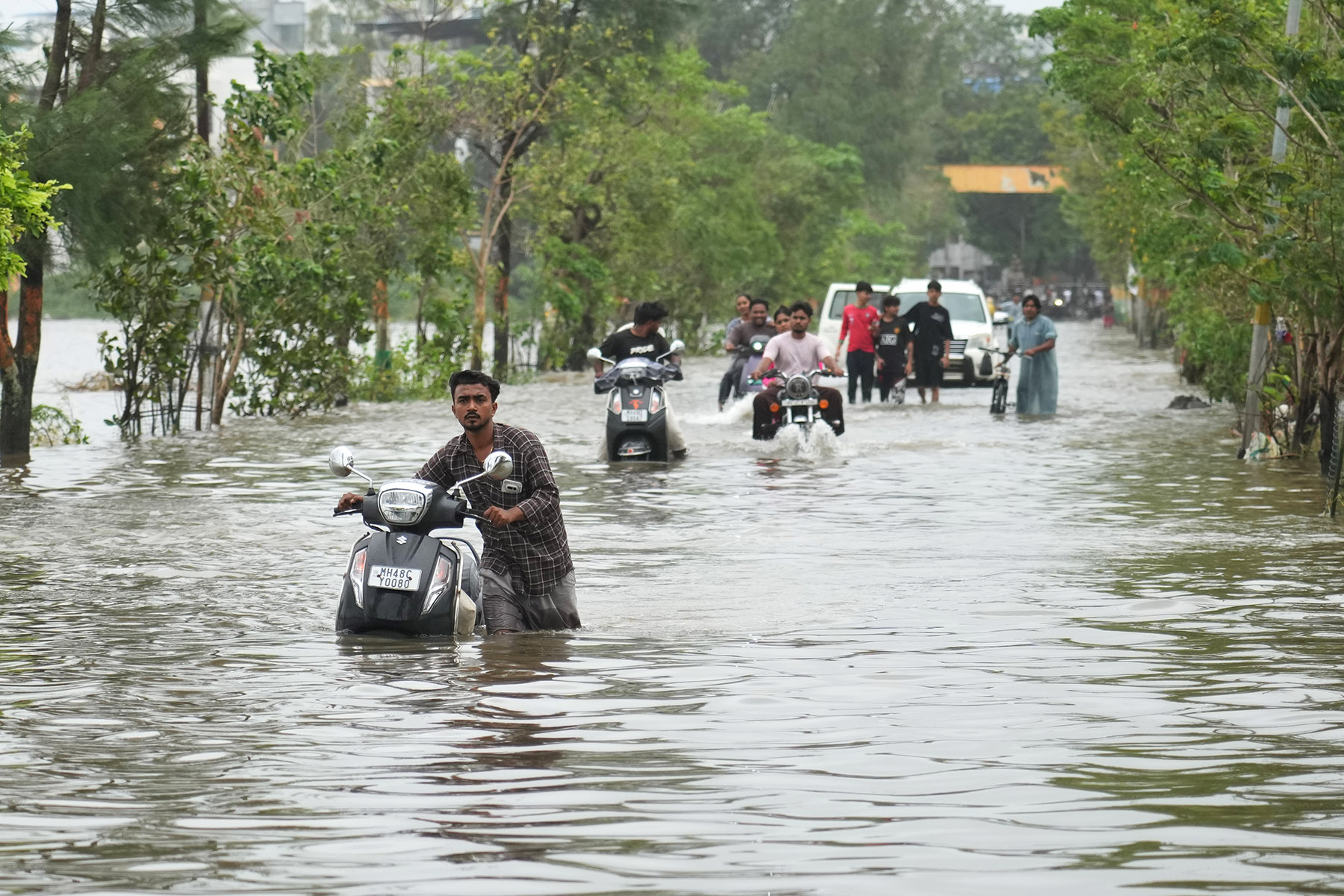
The weather phenomenon, which typically occurs every two to seven years, could take a heavy toll on emerging economies, pushing up food prices and slowing growth.
Emerging markets are particularly vulnerable as households spend a larger proportion of their income on food, experts said. Also, agriculture plays a big role in their economies, raising the risk that central banks will have to keep policy tighter for longer.
"We came into this year with many central banks thinking they had space to cut. And now we see central banks stopping cutting, and some of them are hiking (rates)," Gillian Edgeworth, a fixed income portfolio manager at Wellington Management, told Reuters.
"I don't think we're moving to a world where there's rapid rate cuts in emerging markets in the second half of the year."
India is among the most vulnerable economies as it depends heavily on the annual monsoon, which typically delivers nearly 70 percent of the country's rainfall.
The country's meteorological department has warned rainfall could be the lowest in more than a decade, threatening crop yields and raising the prospect of higher food prices.
With inflation above the central bank's 4 percent target, analysts warned a super El Nino could force it to tighten monetary policy. However, a revival in monsoon rains late last month accelerated planting of summer crops across much of India, sharply reducing an earlier sowing deficit caused by lower rainfall.
Across much of Asia, higher energy and fertilizer costs are already weighing on external balances and economic growth, complicating central banks' efforts to stabilize currencies and contain inflation.
Central banks in the Philippines, Indonesia, South Korea, Pakistan and Sri Lanka have already hiked interest rates at least once this year.
"El Nino is just going to make inflation more sticky," said Gary Tan, equity portfolio manager at Allspring Global Investments.
"People are forecasting rate hikes for the second half of the year, especially for the … Asian countries, which are kind of the most impacted by El Nino such as India, Indonesia, Vietnam, Thailand," he said.
In South America, Colombia is among the Latin American economies most exposed to El Nino-related weather shocks, as below-average rainfall can hit food supplies and electricity prices.
The country's reliance on hydropower makes reservoir levels a key inflation indicator. Low water levels can force greater use of costlier thermal generation, pushing up electricity prices and inflation.
Analysts warn a severe El Nino could keep Colombian monetary policy restrictive for longer.
Peru's central bank has warned that inflation could exceed its target this year and growth could suffer, citing high oil prices and El Nino's impact on fishing and agriculture.
Argentina, by contrast, may benefit from higher rainfall, which could support grain output, export revenues and foreign-exchange inflows. Central banks in Brazil, Mexico and Chile are expected to take a wait-and-see approach as they assess any impact on inflation and growth.
Africa vulnerable
An impending super El Nino is likely to inflict a combined $10 billion to $20 billion hit on affected African countries and trigger mass migration from hard-hit areas, the African Development Bank's top climate expert told Reuters.
As well as the threat to food and water security, government finances and banking sectors could also be undermined if disasters damage infrastructure and leave cash-strapped countries struggling to repay the connected loans.
"Just this event is going to reduce heavily affected countries' GDP by one to two percent on average, which is about $10 billion to $20 billion across the continent," said Anthony Nyong, the ADB's director for climate change and green growth.
The development bank's most recent forecast in May, which did not take into account a super El Nino, predicted Africa as a whole would see 4.2 percent economic growth this year, rising to 4.4 percent in 2027, assuming the conflict involving the United States, Israel and Iran eases.
Governments in Africa were also getting snared in what Nyong described as the "climate finance trap", where they lack the resources to respond to crises and are forced to raid health, education or infrastructure budgets to meet costs.
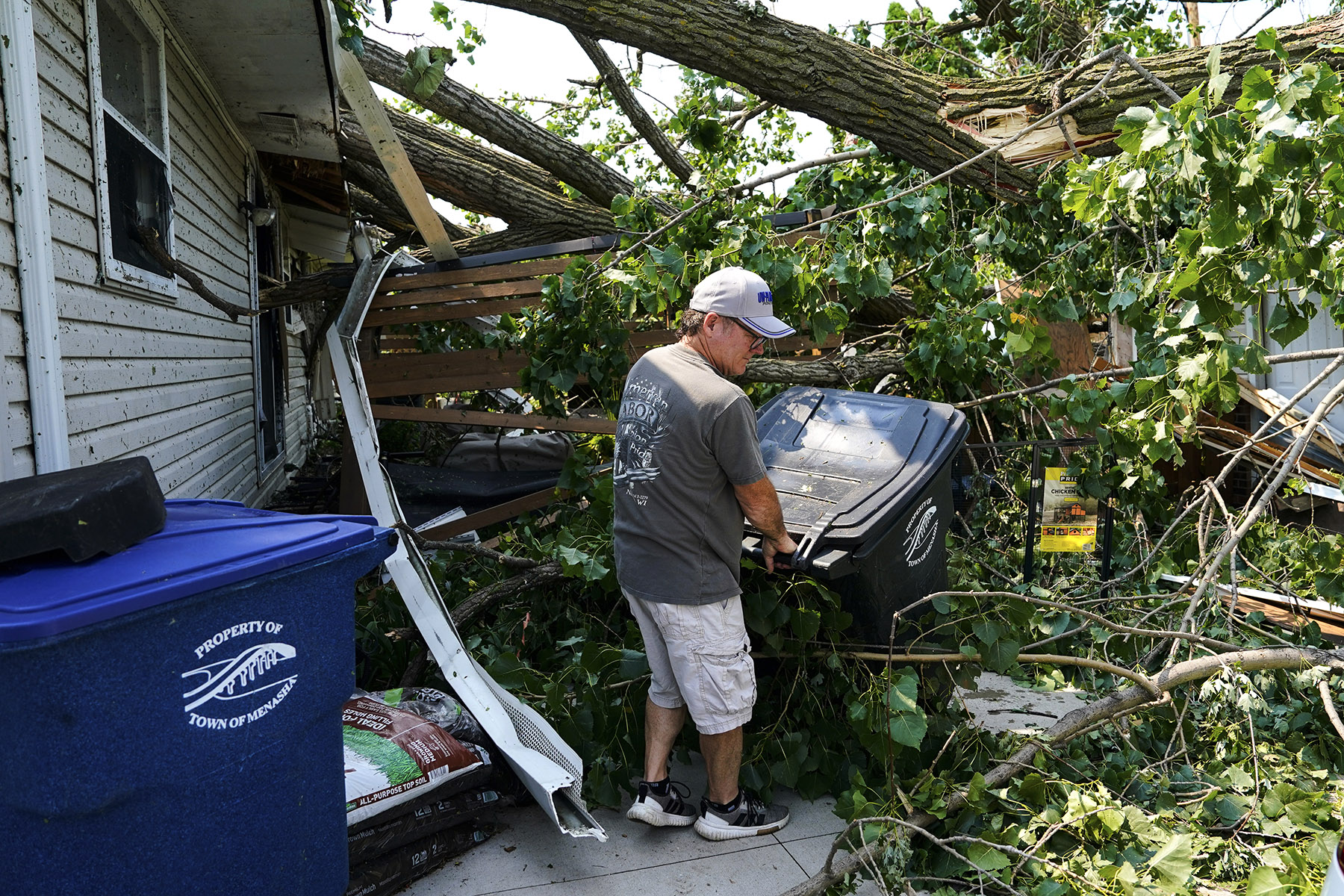
The 2023-24 El Nino caused severe drought in Southern Africa and heavy rains or flooding in East Africa. These conditions led to widespread crop failures, surging food prices and record-breaking sea-level spikes along the continent's coastlines.
The ADB has estimated Africa's farmers are already facing nearly $330 million in lost income this year, while fishing industries could also be hit hard due to rising sea temperatures and storms.
"When these shocks happen, countries take two steps back," Nyong said. "We don't want our countries to slide into poverty."
He said the ADB stood ready to restructure projects to help countries manage El Nino's impacts and it would work with them to tap additional multilateral support such as the Green Climate Fund, the world's largest dedicated climate fund.
Humanitarian pressures would add to the problems, Nyong said. The bank has identified Sudan, South Sudan, the Democratic Republic of Congo, Somalia, Mali, Burundi and even Nigeria as countries that could face particularly severe impacts.
"When this El Nino comes there is going to be mass migration," he said, adding that the price of maize — a key food staple in many affected countries — was expected to double. "You are not going to stay put, you are going to move," he said.
The African Union Commission has called on its members to step up preparedness for the expected impact of El Nino.
"The 2026-27 El Nino event is projected to be the strongest since 1950. This is not a distant possibility. It is an imminent risk that demands immediate preparation at national, regional and continental levels," Moses Vilakati, AU commissioner for Agriculture, Rural Development, Blue Economy and Sustainable Environment said on Thursday in Addis Ababa, Ethiopia, while opening the extraordinary session of a special technical committee looking at the weather pattern.
Many regions of the continent are likely to experience severe droughts, devastating floods, prolonged heat waves, disruptions to food production, water shortages, disease outbreaks and increased humanitarian needs.
"These impacts will not only affect vulnerable households; they will also place considerable pressure on national economies, public finances and regional stability," he said.
"This is neither speculative nor unprecedented. We have already witnessed the devastating consequences of delayed action," he warned, citing the 2023-2024 El Nino that affected millions of people in Africa.
Strengths, weaknesses
As climate risks become more synchronized across regions, globalization has created new vulnerabilities, Wagner, the climate economist at Columbia Business School, said.
"The more globalized — and hence specialized — our supply chains become, the higher the vulnerability of such extreme events, whether heat, droughts, floods, or other weather extremes that, due to climate change, are increasingly correlated," he said.
That growing correlation, he said, is changing the economics of risk itself.
"Single extreme events are costly. Correlation due to climate change makes them all the more costly," he said.
He compared the problem to insurance.
"The way to ensure against individual extreme events is by hedging — one flood or wildfire in one region may be bad, but others will be fine.
"With climate change, that is increasingly no longer the case — droughts and floods and other extremes the world over are suddenly connected, correlated with each other. Hedging away from extremes in one place is increasingly no longer possible," he said.
The solution, Wagner argued, lies in both adaptation and emissions reductions.
"Invest, invest, invest — in resiliency measures, of course, but also in cutting greenhouse gas pollution in the first place. Only by cutting additional carbon dioxide going into the atmosphere to zero will we be able to stabilize global climate over the long term," he said.
While many economists warn that El Nino could contribute to higher food prices, agricultural scientist Walter Baethgen argues it should not be seen solely through the lens of a possible disaster.
"My view of El Nino is different from the most popular one," said Baethgen, a senior research scientist at Columbia University's International Research Institute for Climate and Society. "I see El Nino as an opportunity."
The weather event is valuable because it is one of the few major climate phenomena that can be forecast months in advance, giving governments, humanitarian agencies and farmers time to prepare, he said.
ALSO READ: Record El Nino predicted to intensify
Baethgen said seasonal forecasts allow farmers to make informed adjustments that reduce risk instead of radically changing production.
"It's a smart way of using this information," he said, describing how producers may shift part of their acreage toward crops favored by expected weather conditions without abandoning diversification altogether.
He also challenged the widespread perception that El Nino necessarily leads to global food shortages.
Wetter conditions often improve crop production in parts of the US and southeastern South America, while drier weather can reduce harvests in regions such as southern Africa, Australia and parts of Asia.
"It's not bad everywhere. For some things, it's very good," he said, adding that "the negative impacts … are typically compensated by positive impacts in other regions."
Because agricultural gains and losses often occur simultaneously across different agricultural production regions, Baethgen said the relationship between El Nino and global food prices is far more complicated than many assume.
"El Nino is one of many factors affecting world food prices," he said. Geopolitical events, energy prices and fertilizer costs can sometimes have an even greater influence on global markets than climate alone, he added.
Contact the writers at gaoyang@chinadailyusa.com
