

A smartphone, a tripod and a simple idea transformed repeated counter questions into videos watched by millions of entrepreneurs.
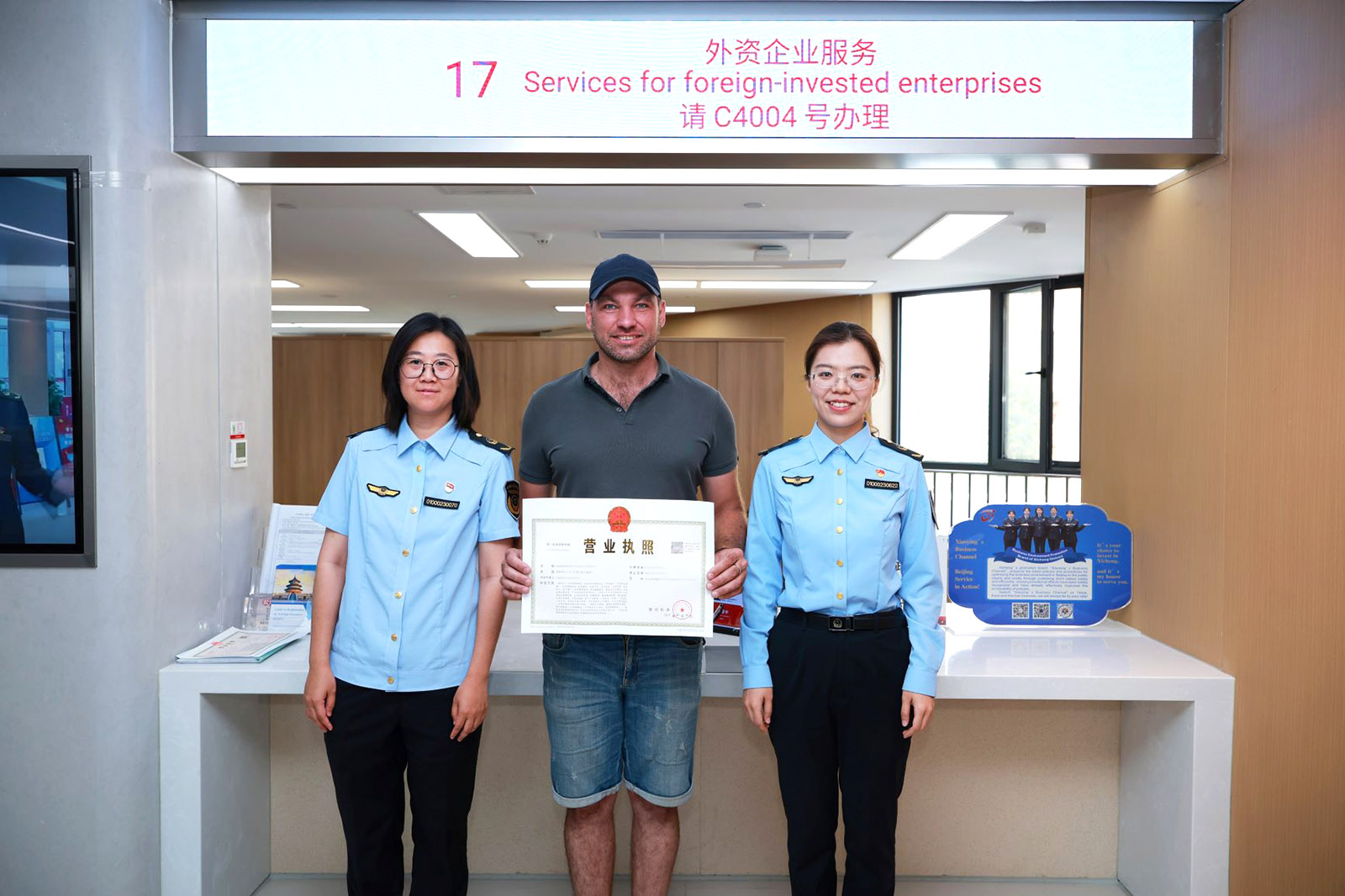
When Kostiantyn Cherniak recently visited the business registration service center in Beijing's Xicheng district to update his company's registration, he had already watched a series of short English-language videos explaining the relevant procedures and policies.
"When I first started a business in China, many of the official terms in Chinese were difficult to understand, even after translation," said Cherniak, a 40-year-old Ukrainian entrepreneur. "I often had to ask Chinese friends or professional agencies for help because I was worried I might misunderstand the requirements."
This time, he said, he knew exactly what to expect.
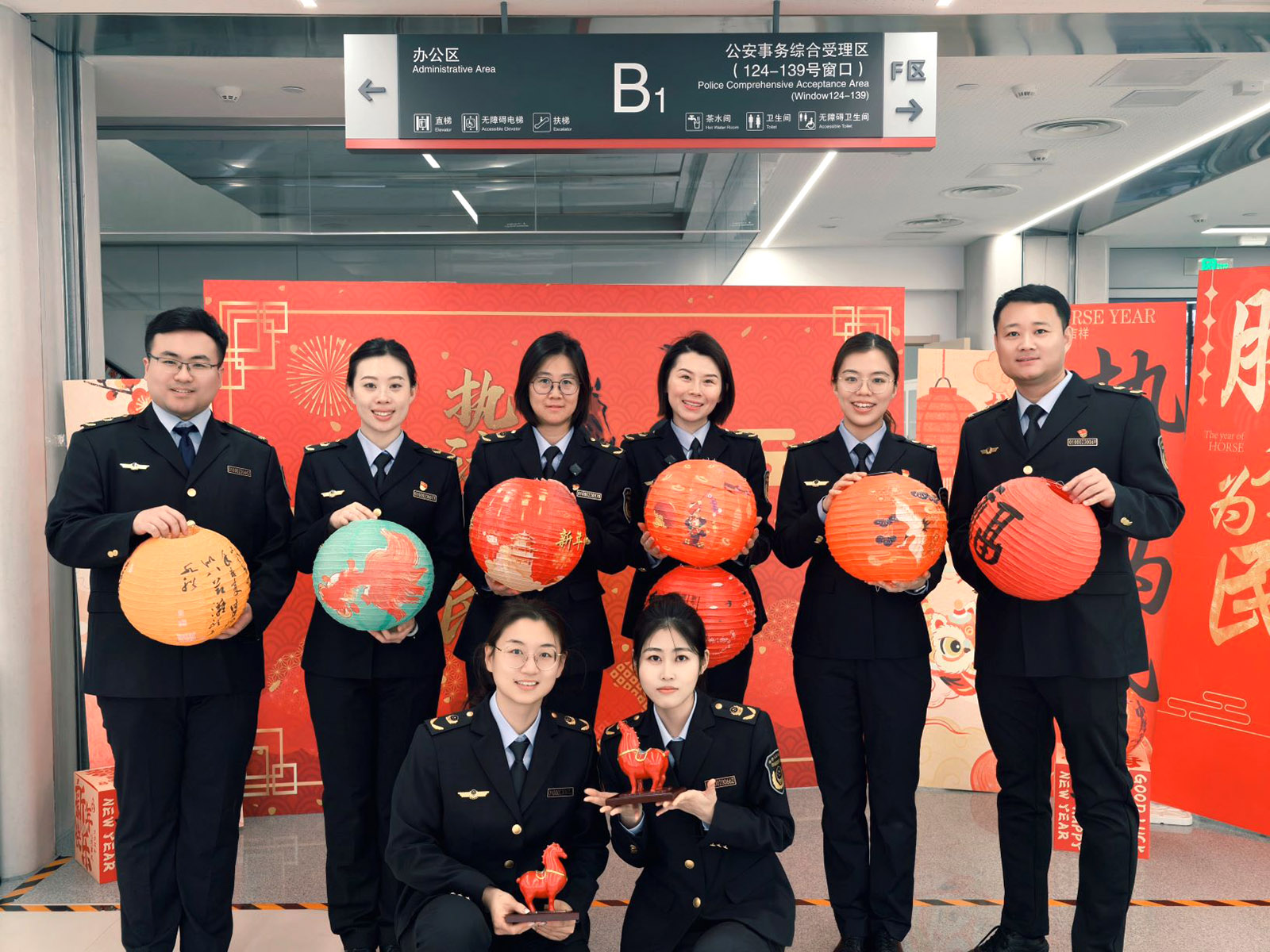
The videos are produced by Xiaoying's Business Channel, a public outreach initiative run by the Beijing Xicheng District Administration for Market Regulation.
In 2024, the channel introduced an English-language series after its team noticed a growing number of international entrepreneurs seeking assistance at the registration counter.
"Policies to support foreign businesses have been in place for years, but many international entrepreneurs don't know where to find reliable information or which policies apply to them," said Zhang Yawen, a member of the administration's registration division.
"We want them to understand the registration process and prepare the necessary documents before they arrive."
Published on Facebook, X, You-Tube and other international platforms, the English-language videos have reached audiences in more than 100 countries and regions, allowing entrepreneurs to learn about registration procedures before visiting the service center — or even before traveling to Beijing.
For Zhang, the videos are not only a way to explain policies but also a means of building trust by giving entrepreneurs a clearer picture of the local business environment.
"They are like a digital bridge," she said.
Service goes digital
That international outreach grew from a much smaller experiment that began during a lunch break at the service center in September 2021.
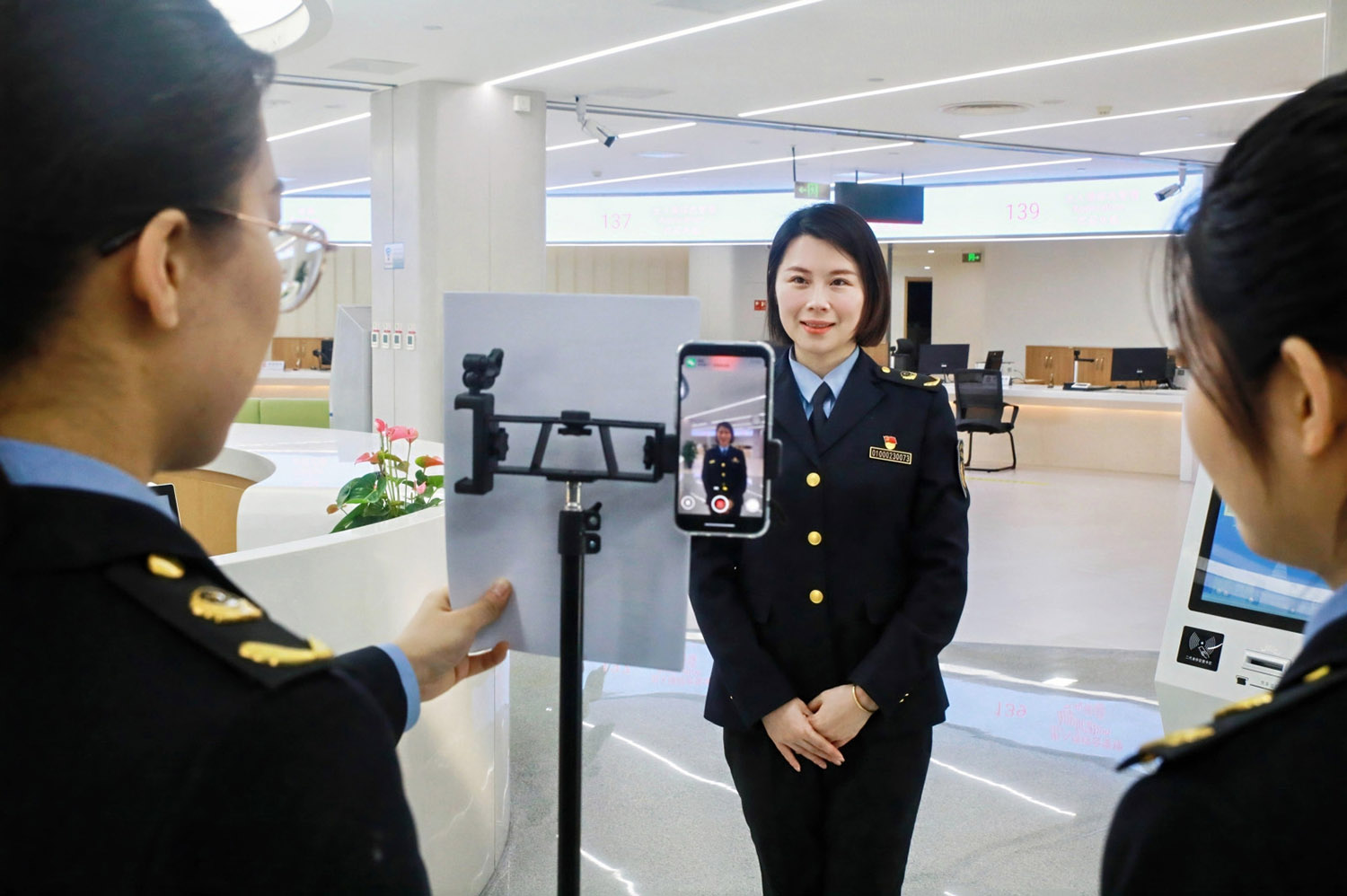
As the lunch crowd thinned, five young civil servants placed a smartphone on a tripod and pressed record.
"Can multiple business licenses be registered at the same address?" Zhu Ying, 34, deputy director of the registration division, asked on camera.
It was one of the questions she and her colleagues answered repeatedly while helping entrepreneurs register businesses, amend their registrations or deregister them.
The one-minute clip marked the launch of Xiaoying's Business Channel, a short-video series designed to turn complex business registration policies into practical, easy-to-follow guidance.
Since then, the channel has grown into one of the administration's signature public outreach initiatives. It has released more than 180 videos and attracted nearly 50 million views across online platforms.
The idea emerged from the team's daily work at the registration counter, where business owners often arrive with the same questions: How should a company define its business scope? Why can't a business name be reused immediately after deregistration?
"The policies themselves were clear, but the language was too technical for many people to understand," Zhu said. "We were constantly translating legal terms into plain language, so I thought: Why not make short videos that people could watch anytime?"
The team adopted a newsroom-style approach to producing the videos. Each week, members select topics based on questions raised at the counter, calls to Beijing's 12345 citizen service hotline and feedback from businesses. Routine procedures become one-minute explainers, while frequently misunderstood policies are presented through short skits.
Four months after the series debuted, a video explaining reforms to Beijing's business environment surpassed 5 million views, becoming the channel's first viral hit.
The response showed the team that its work could extend far beyond the registration counter.
"We used to help dozens of business owners a day at the counter," Zhu said. "Now, a single video can reach and help hundreds of thousands."
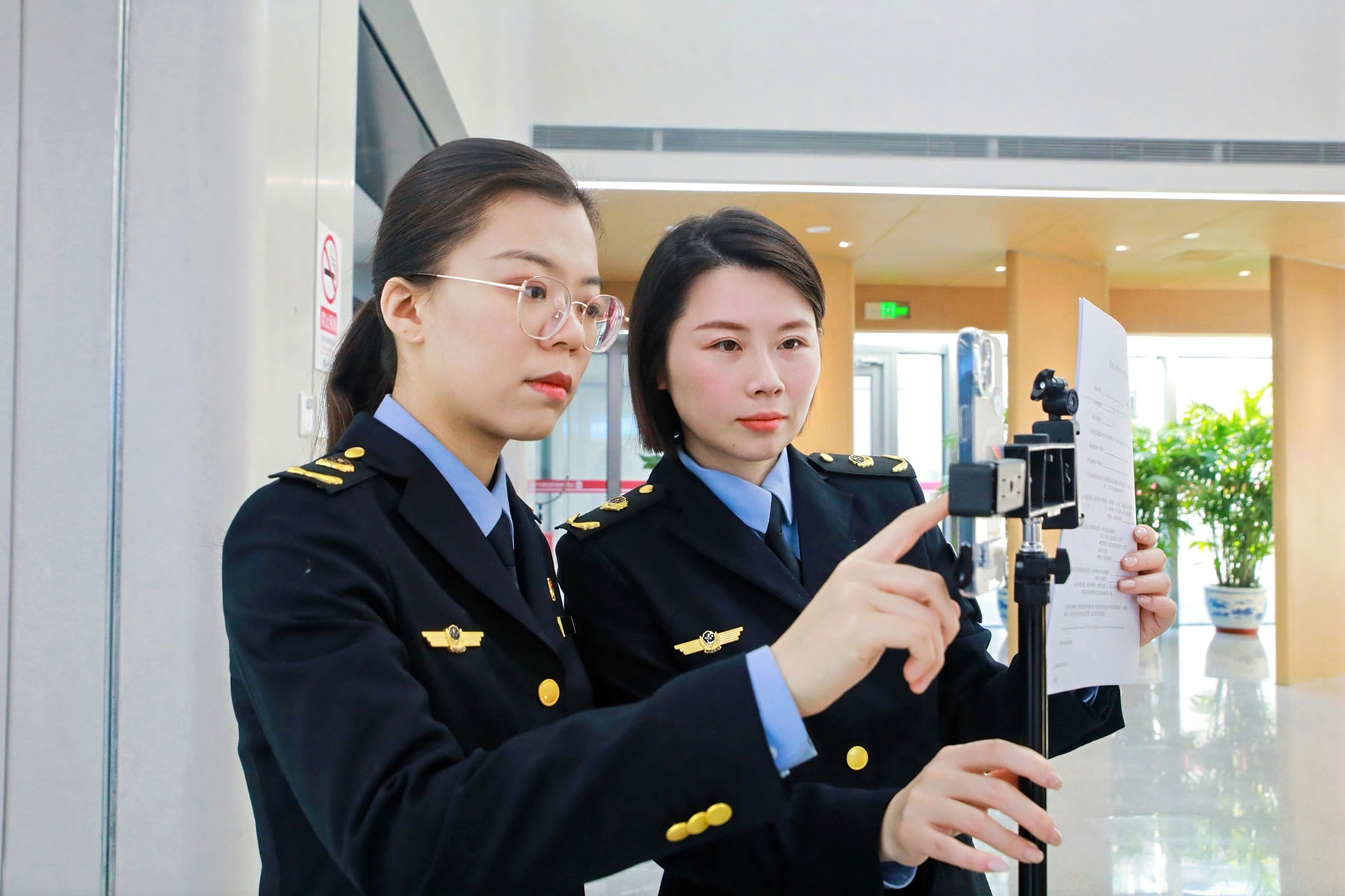
Producing the videos also changed the team itself. Distilling complex regulations into concise explanations required members to develop a deeper understanding of every policy they presented.
"Making these videos has become another form of professional training," Zhu said.
As the series evolved, the team began filming beyond the registration hall, drawing on the experiences of local companies to show how regulations affect businesses in practice.
Among its most memorable subjects were Xicheng district's time-honored brands, many of which face challenges involving trademark protection and brand rights as they pursue new opportunities.
One episode featured Ruifuxiang Silk Store, a century-old brand known for its traditional fabrics and bespoke tailoring. The company supplied the fabric for the first five-star red flag raised at the founding ceremony of the People's Republic of China in Tian'anmen Square on Oct 1,1949.
Rather than opening with legal provisions, the episode introduced a historic wooden plaque inscribed by Li Linxiang, a scholar of the Qing Dynasty (1644-1911). The plaque served as an early symbol of the company's identity and later became the basis for its trademark registration, illustrating how an established business could protect its identity across generations.
The episode reflected the channel's broader approach: policies make more sense when viewers can see how they apply to a real business.
"We wanted intellectual property protection to be more than legal jargon," Zhu said. "Our goal was to turn it into stories that businesses could relate to and the public could understand."
Although the channel's reach and subject matter have expanded, its topics continue to be shaped by direct contact with business owners.
Earlier this month, the team attended a startup compliance workshop organized by the Xicheng District Administration for Market Regulation. Carrying cameras and tripods, team members spoke with entrepreneurs about the challenges they faced, their experiences with government services and the questions they still wanted answered.
After the event, the team gathered to review what it had heard.
"What businesses want to know shapes what we film next," said Wang Fei, 24, one of the younger members of the team, which has now grown to seven people.
When Zhu filmed the first episode in 2021, she was so nervous that she did not know where to put her hands. Today, she is more often behind the camera, helping new members refine their scripts, improve their delivery and become more confident on screen.
As new members take up the work, the team's method remains unchanged: listen to the questions businesses are asking, then explain the answers clearly enough to be useful.
Contact the writers at duaoran@i21st.cn
