

Hong Kong films and the women behind them come under the spotlight at the 31st Busan International Film Festival. Mathew Scott reports.
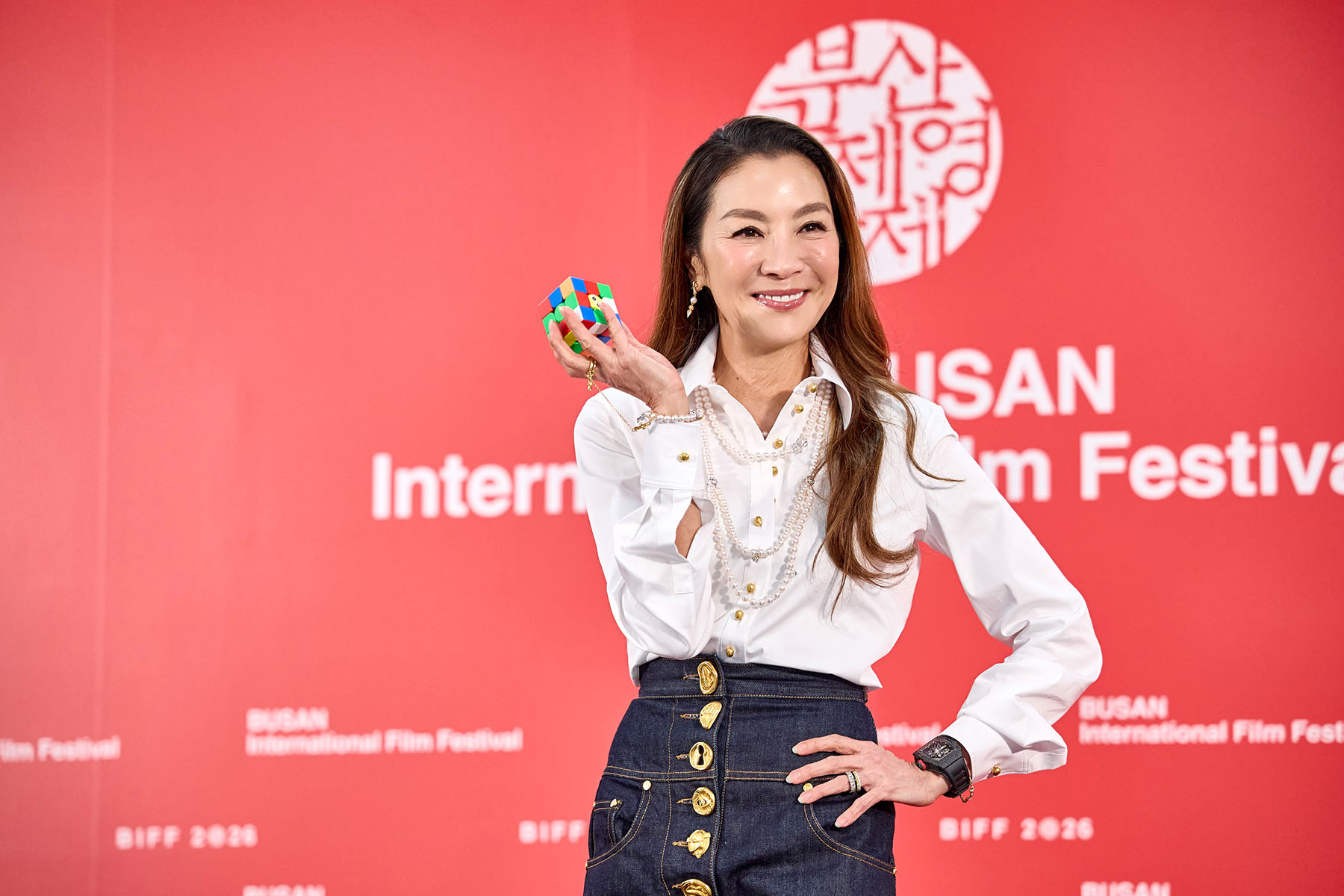
The Busan International Film Festival (BIFF) kicked off its 31st edition on Oct 6 with a celebration of what the world already knows about Michelle Yeoh. Handing one of Hong Kong cinema’s greatest stars its Asian Filmmaker of the Year award in a glittering opening ceremony, the festival rolled out a tribute to her career, bringing the thousands in the audience to their feet.
But Yeoh — on screen and off — is always full of surprises. Talking to the media the morning after the big event, she revealed that early on in her career, “there was a moment when I thought maybe I should step away from it all”.
READ MORE: Berlin Film Festival kicks off with a nod to new voices from Michelle Yeoh
That was immediately after she “almost broke my back” while working on the 1996 film Stunt Woman by Ann Hui On-wah. Such moments “give you a big pause in your life to think about what you want out of it,” Yeoh said.
Luckily for her admirers the world over, she decided to stick it out in films, and eventually went on to become the first Asian woman to claim the Academy Award for Best Actress for her iconic performance in Everything Everywhere All at Once (2022).
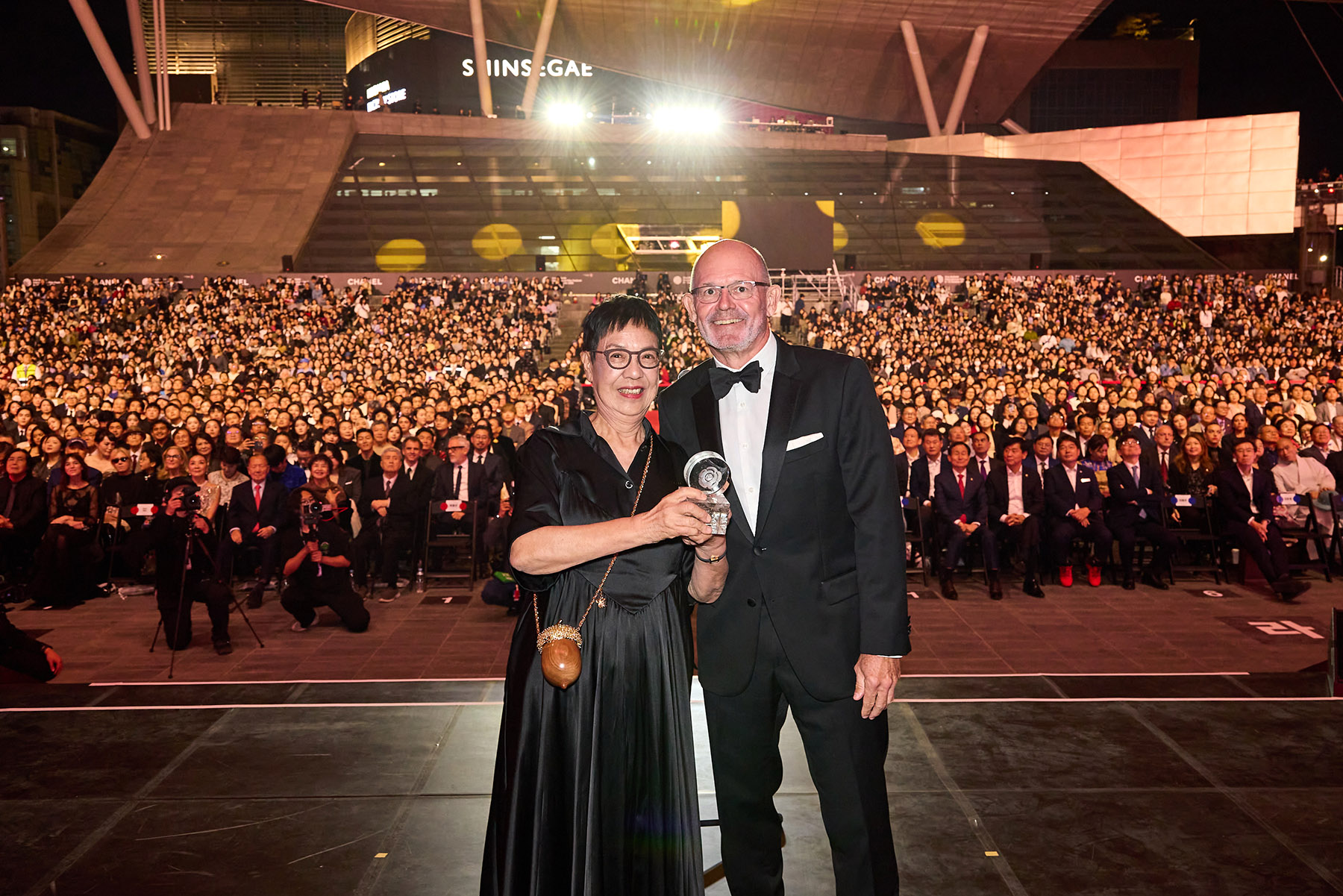
What made Yeoh’s recollection of a moment of reckoning from 30 years ago even more poignant was the fact that this year, BIFF also celebrated Hui’s remarkable career, handing the Hong Kong filmmaker the Camellia Award. Before Hui came on stage to accept her award on opening night, she and Yeoh had spent some time before the gala ceremony, walking arm in arm and reflecting on their Stunt Woman days, and on how far they have both come since.
“We were walking down memory lane, and we talked about that moment and I said what I learned was that whether you are happy or sad, it’s part of the journey,” Yeoh said. “I think the most important thing is to enjoy that moment.”
Representing the East
While this year’s edition of BIFF showcased 316 films from 59 countries and regions across its run from Oct 6 through Thursday, it was impossible to escape Hong Kong’s presence — or, more precisely, the impact the city and its women have had on global cinema.
Yeoh reflected on her own remarkable journey as an example of how hard work and determination can lead to achieving one’s dreams. The former ballet dancer was discovered by Hong Kong director Sammo Hung, who cast her in The Owl vs Bumbo in 1984. From then on, Yeoh said, she was resolute that nothing was going to stop her from becoming a star.
“Like this film festival, we have both come a long way,” said Yeoh, back in Busan for the first time in 15 years. “We both started here in Asia with intentions of hoping to go global, to be able to share our films, and our culture with the rest of the world, and I hope in some small way we have attained this.”
The message to the emerging generation of women in film was clear. Reflecting back on the around 70 films — across genres and from around the globe — that she has acted in, Yeoh said she believed life was all about taking chances, and presenting one’s best self to the world.
“Every day when I wake up, I look forward to a new challenge in life. I think that’s what life is about. I’m not afraid of failures. The important thing is to be able to find something that will drive me to learn because I’m always very curious and I’m always looking for new experiences,” the 64-year-old actress said.
Finding her own voice
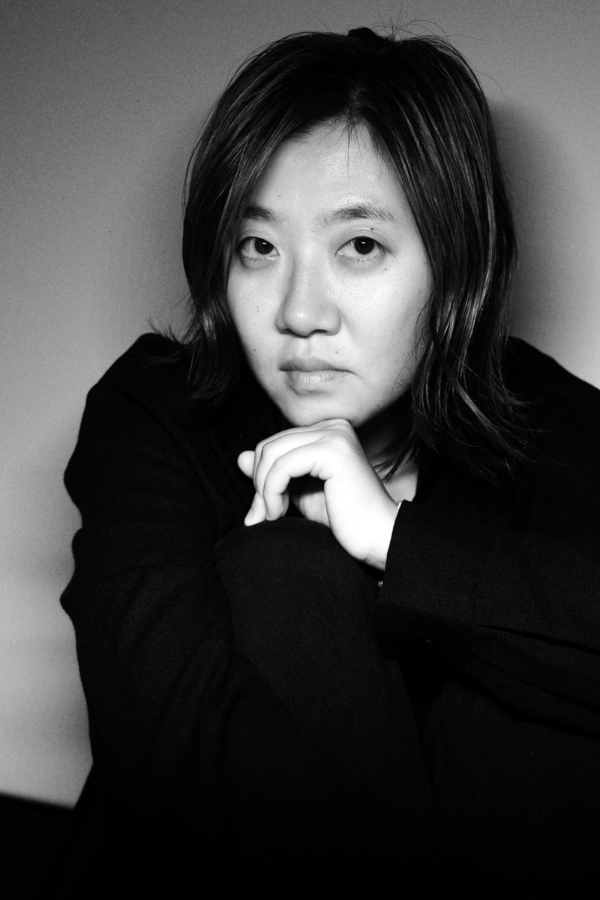
When it came to Hui’s time to face the media, the filmmaker was happy to reflect on a career spanning more than 30 movies, not counting television work and shorts. She has won six Hong Kong Film Awards for Best Director — including one for her breakout Boat People (1982) — and a lifetime achievement award at the prestigious Venice International Film Festival in 2020.
Hui, like Yeoh, looked back on the beginnings of her career, recounting how she found her own voice, having emerged from the talent factory that the Hong Kong television network TVB was in the 1970s and ’80s.
“When I made my first film, I was trying to work in subjects which men do — cops and robbers — because I didn’t think that a woman could do what men were doing,” Hui said. But once such doubts were laid to rest, she decided to stick to only those subjects that she felt strongly about, which can be loosely summed up as “human predicaments in present-day society”.
In her response to receiving the Camellia Award — which honors distinguished filmmakers or industry professionals who help advance the status of women through their work in cinema — Hui said that while it was only natural for her to relate to women on an emotional level, and be “concerned with women’s issues”, she did not wish to limit herself to “making films about women and for women audiences”.
She was all praise for the young and upcoming Hong Kong filmmakers. “The young filmmakers in Hong Kong are very dedicated, hardworking, and talented,” she said.
“If they get an opening, they will be able to make better films than we did.”
Hui added that rather than emulating their successful predecessors whose films appealed to the masses, the younger generation of Hong Kong filmmakers was more interested in themes that were meaningful and relevant to the present. “Some of the films are really good and all of them are improving. So I think that’s a very good future for Hong Kong films.”
Women of substance
As well as celebrating Yeoh and Hui on stage, BIFF celebrated the pair on screen. Four of Yeoh’s hit films were screened as part of a special program called Everything Everywhere All For Michelle. Hui was invited to give a two-hour master class, during which she dissected many of the socially aware movies she has made.
Overall, there were seven Hong Kong productions or co-productions playing in Busan. Though one keeps hearing about the crises the Hong Kong film industry is faced with, there was much to be admired about the films on show, and the women at the helm of some of them.
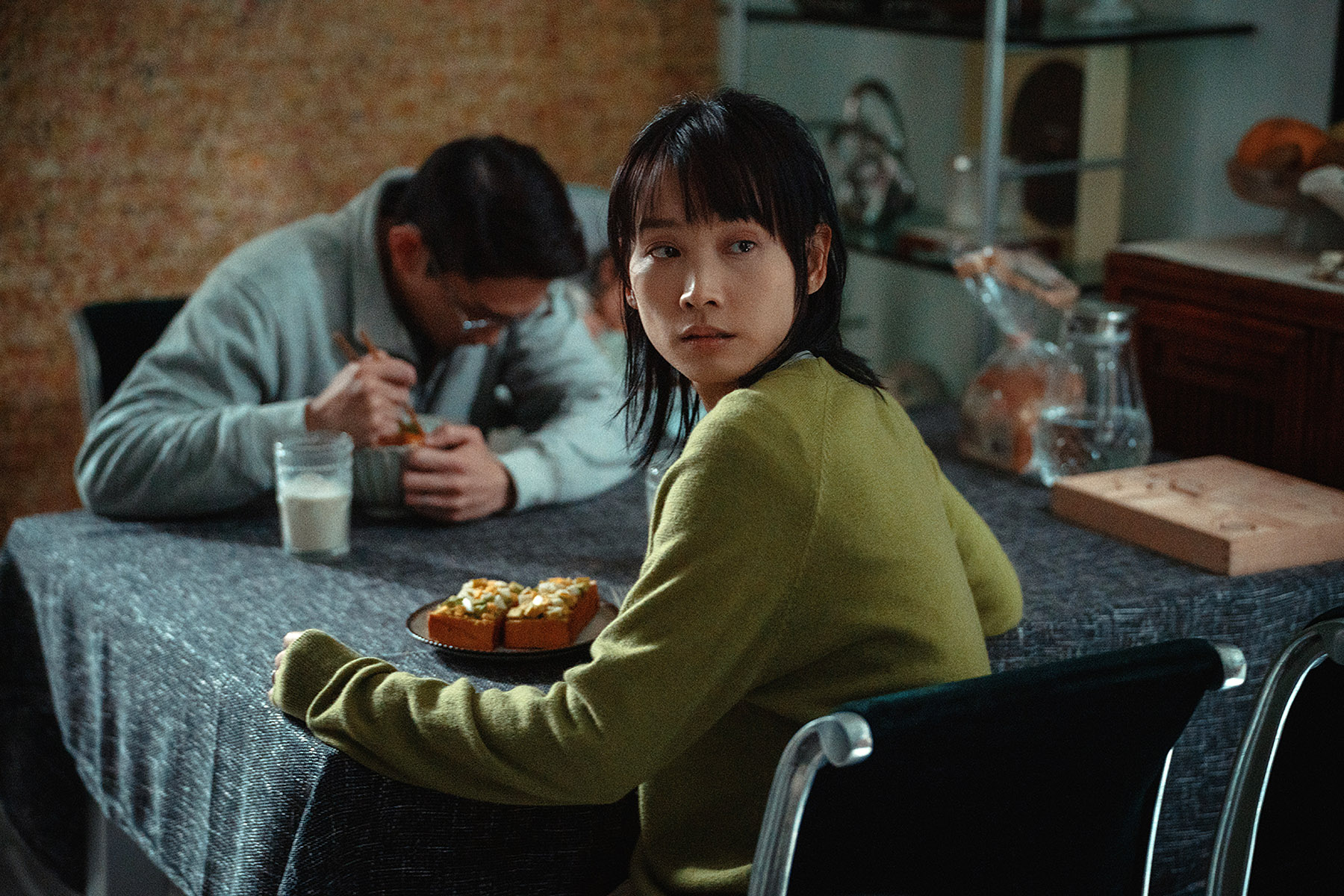
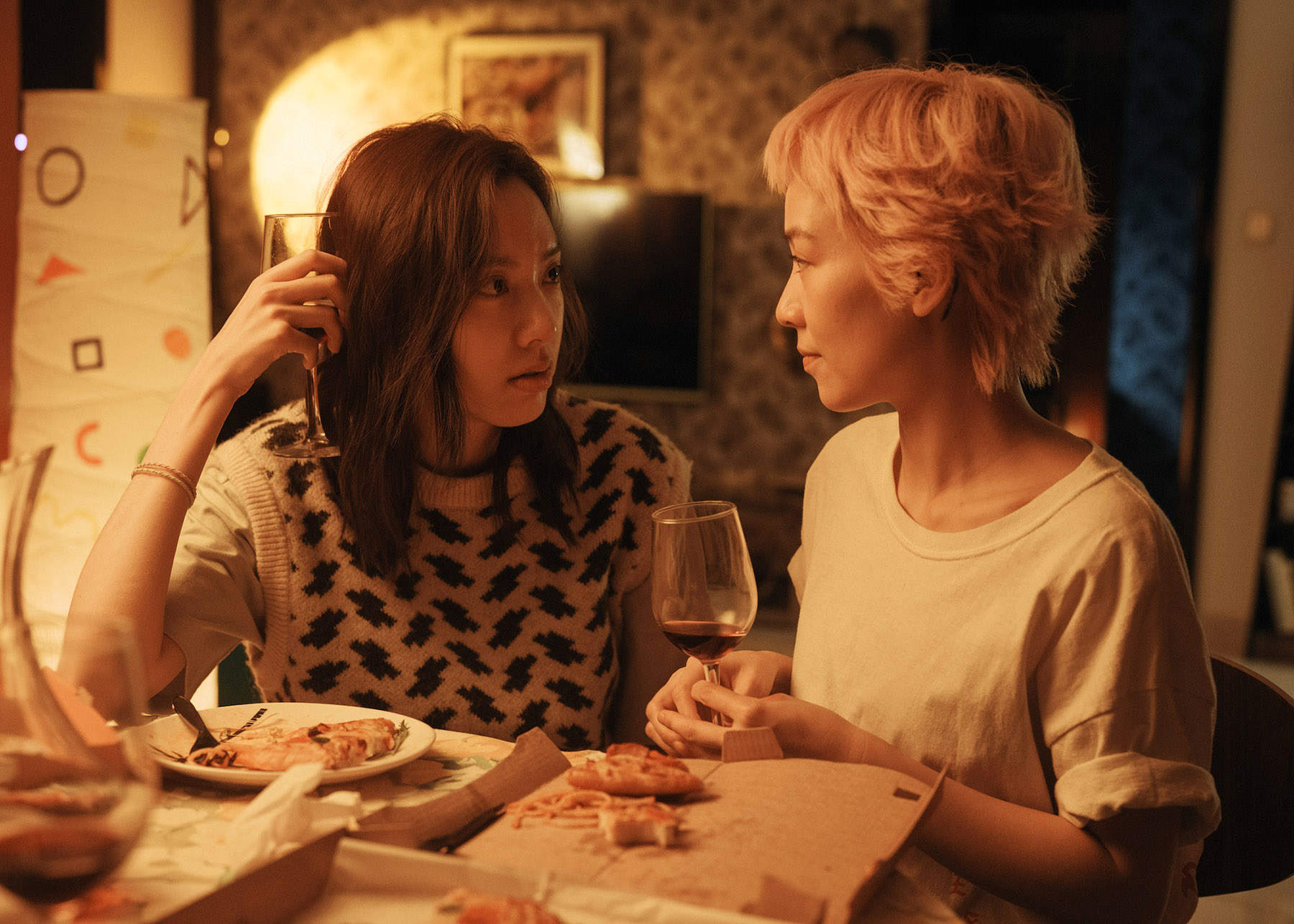
Michelle Zhou’s color-soaked drama Big Little Things, a Hong Kong-United States co-production, arrived in Busan on the back of the buzz it had generated at the Venice International Film Festival in September. It’s a nuanced tale of two women trying to hide their romance.
ALSO READ: The leading man
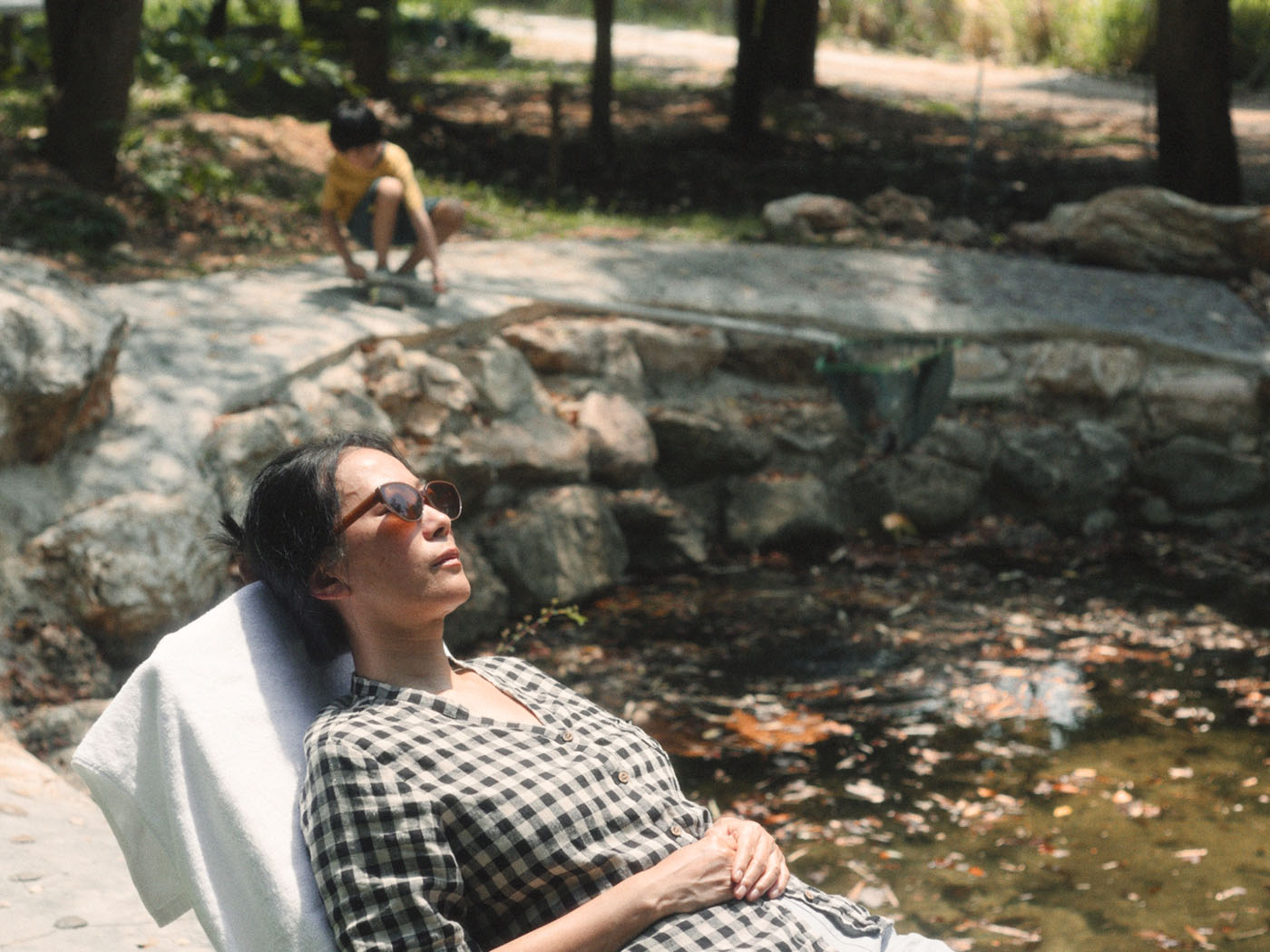
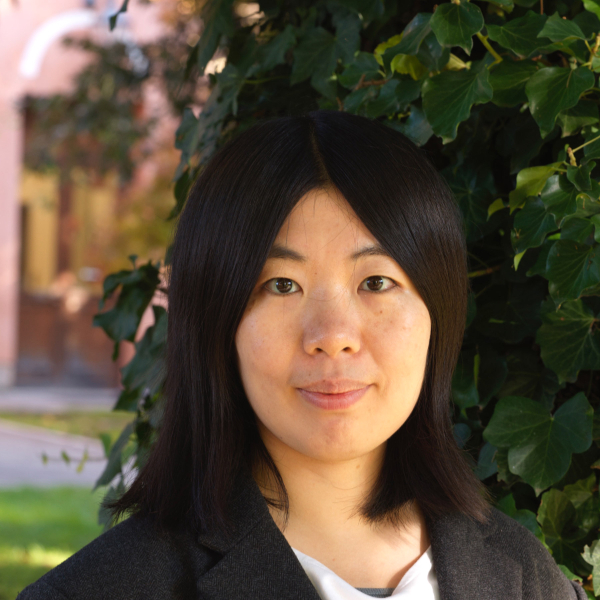
Amie Song’s Gu Shi — a co-production between the United States, Hong Kong and Thailand — had also played at Venice. It is a languid rumination on how different generations of the same family remember things differently.
The festival saw the world premiere of Isabella Lam Lok-hin’s debut film, Dead End. Backed by One Cool Pictures, the production company owned by megastar Louis Koo Tin-lok — and with hitmaker Soi Cheang as producer — the film taps into the turmoil that often simmers beneath the surface of everyday life and the pressure felt by young parents. It stars Yeung Lok-man of the Cantopop boy band Mirror, Hedwig Tam Sin-yin, and a scene-stealing Maggie Shiu Mei-kei.
The filmmaker revealed that despite her relative inexperience, she had drawn confidence from the two Hong Kong icons at the center of attention in Busan this year. Yeoh and Hui have shown what can be possible, Lam said.
“They have shown women that we can make whatever kinds of films we want to make.”
The writer is a freelance contributor to China Daily.
