

MANILA – The Chinese delegation refuted Japan's false rhetoric regarding the Taiwan Strait, the South China Sea and the so-called "China threat" at the ASEAN Regional Forum and the East Asia Summit Foreign Ministers' Meetings in Manila, the Philippines.
On the Taiwan question, China stressed that it is China's internal affair. China will never allow "Taiwan independence" separatist forces to split Taiwan from China in any name or by any means.
The more unequivocal the international community's stance against "Taiwan independence" separatist activities, and the more resolute its commitment to the one-China principle, the more assured peace and stability will be across the Taiwan Strait, the delegation said.
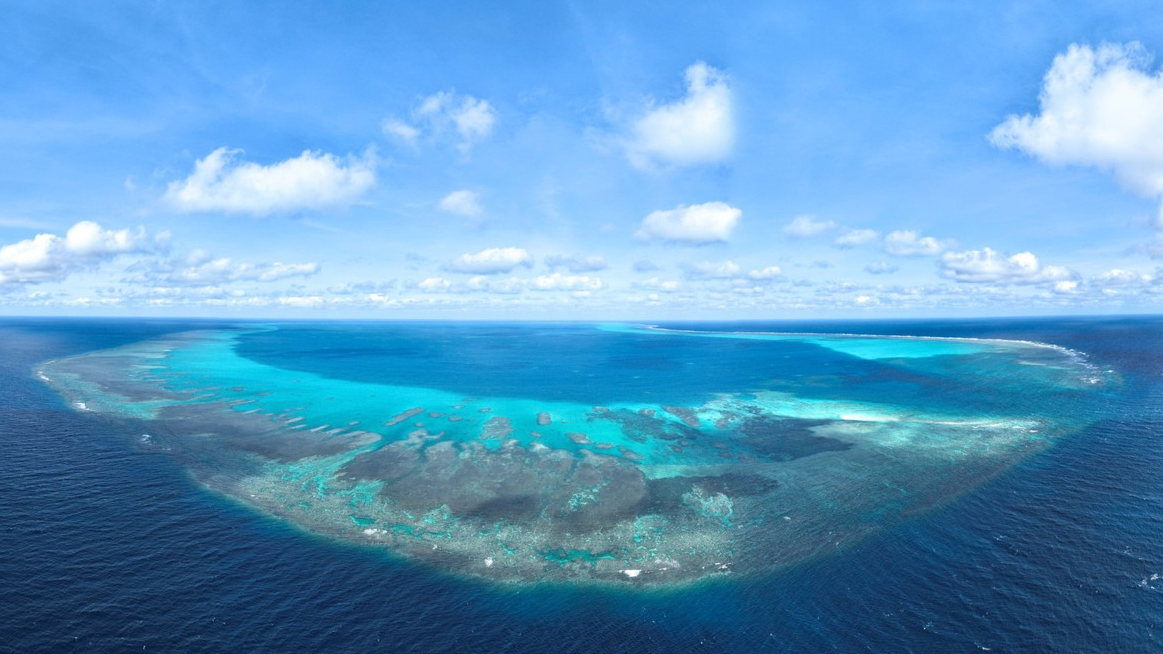
On the South China Sea, China pointed out that this waterway is the world's busiest, safest and most freely navigable sea lane. Every year, 30 percent of container cargo, 34 percent of liquefied natural gas, and 40 percent of crude oil transit through these waters. On top of that, over one million civilian aircraft fly over the South China Sea annually. Not a single ship or plane has ever run into any interference or obstruction.
In contrast, warships and military aircraft of certain countries outside the region would travel all the way to the South China Sea just to stir up trouble.
ALSO READ: Wang highlights China's commitment to fostering regional stability
The delegation pointed out that China will continue to properly settle relevant disputes with the parties directly concerned through bilateral friendly consultations.
China will also continue to fully and effectively implement the Declaration on the Conduct of Parties in the South China Sea with ASEAN countries and work toward the early conclusion of a Code of Conduct, so as to jointly maintain peace and stability in the region, the delegation noted.
The less external forces engage in sowing discord and fanning the flames, the more confidence and capability regional countries will have in safeguarding peace and stability in this region, said the delegation.
On the so-called "China threat", China noted that whether a country poses a threat to others is not about its size, but rather its track record and current policies. There is ample evidence both in the past and present that shows bigger countries are not necessarily a threat, and being smaller in size does not mean that they are not dangerous.
READ MORE: China expels 2 Philippine govt vessels intruding into Huangyan Island waters
The delegation emphasized that for thousands of years, China, as a major country, has never invaded its neighbors, including Japan. On the contrary, it was Japan that invaded China multiple times. In particular, the war of aggression that Japan launched in the 1930s caused immense suffering for the people of China and Southeast Asian countries.
The delegation pointed out the fact that the Japanese government has been accelerating its rearmament over the years. Japan's defense budget has been rising for 14 years running. In the last five years, it has gone up by 60 percent. Japan's per capita defense spending is more than three times that of China. The Japanese government has also removed the ban on the right to collective self-defense. It also seeks to break the Three Non-Nuclear Principles. Japan has stockpiled massive amounts of nuclear materials, including 44.4 tons of separated plutonium, which is enough to produce thousands of nuclear warheads, added the delegation.
Those who forget about history may repeat its past mistakes, said the delegation, adding that if a country refuses to face up to history, refuses to acknowledge and repent on its wrongdoing, and keeps stepping up militarism and rearmament, then we have every reason to stay highly vigilant against it.
Japan should truly learn from history, make a clean break with militarism, commit to the path of peaceful development, and do more to earn the trust of its neighbors and the international community, the delegation further said.
