

Mainland welcomes back pomelos from Taiwan as economic exchanges soar
Editor's note: The Taiwan question is a key focus for China and the international community. China Daily is publishing a series of reports to track hot Taiwan-related topics and address disinformation from the Democratic Progressive Party administration.
Despite the repeated smearing of the Chinese mainland's economic goodwill by Taiwan's Democratic Progressive Party authorities, the mainland continues to promote cross-Strait trade and investment, bringing Taiwan's Wendan pomelos — a seasonal delicacy from Taiwan fruit growers — into mainland households this holiday season.
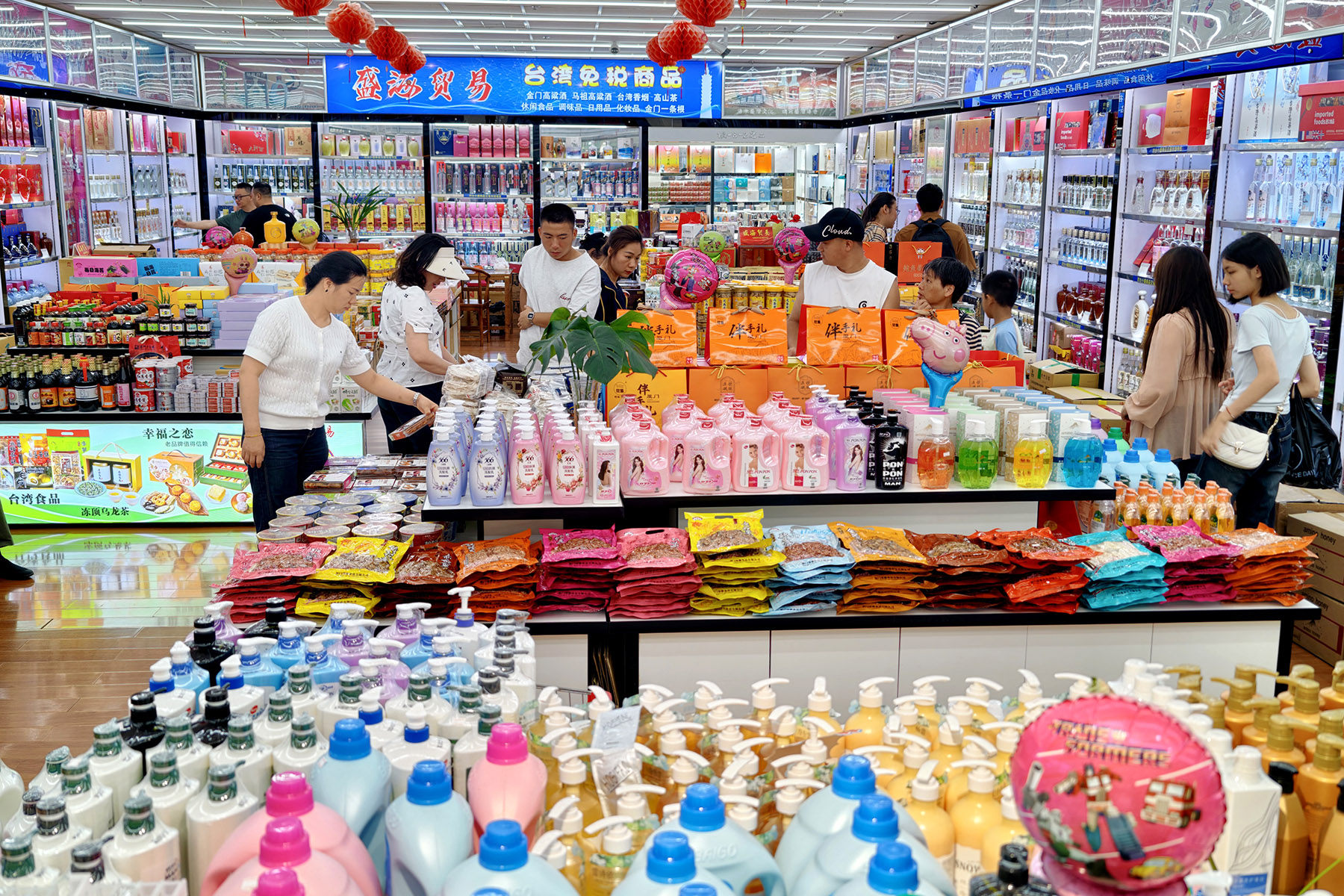
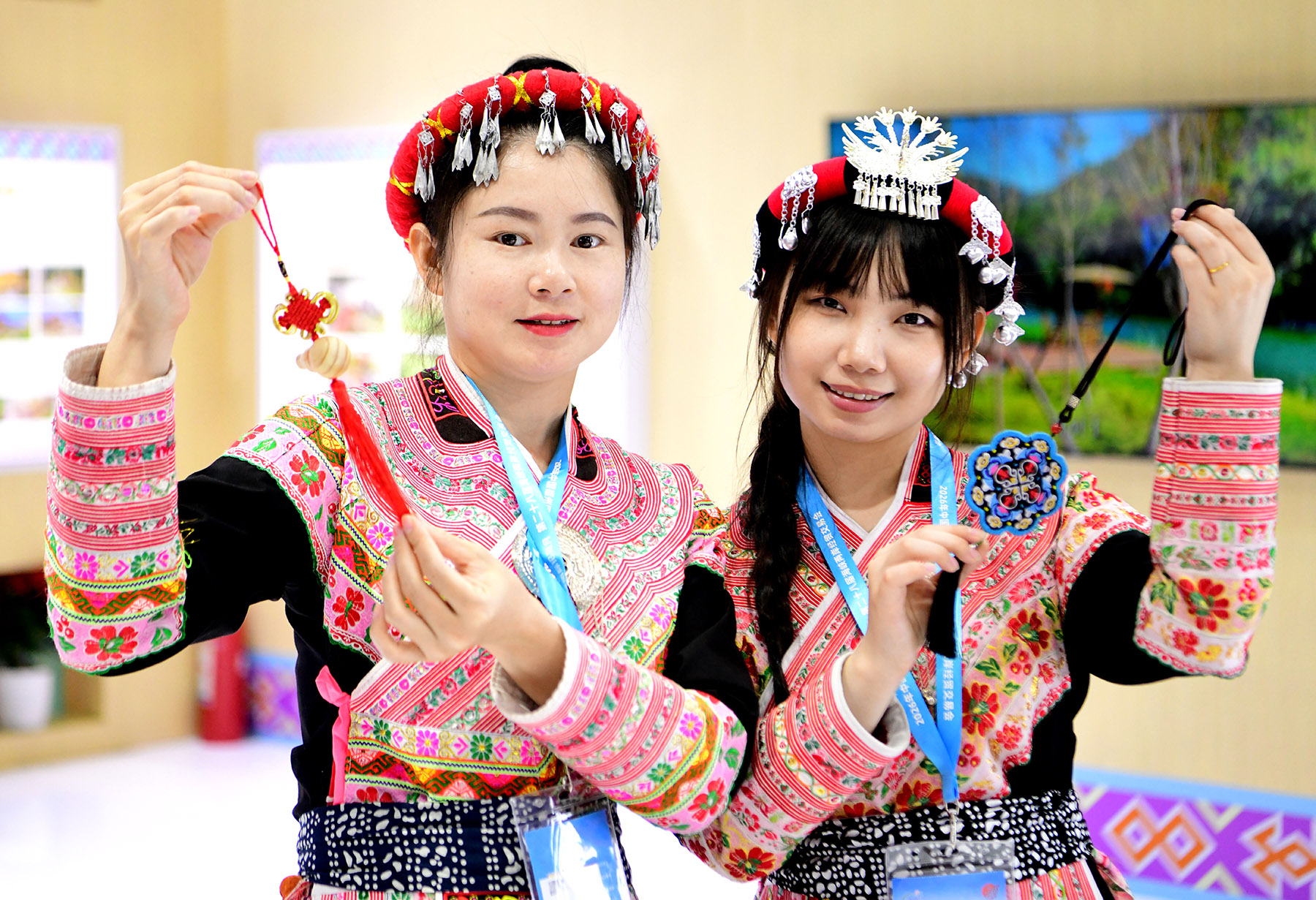
On Sept 22, ahead of the Mid-Autumn and National Day holidays, an event featuring over a dozen booths in Shenzhen, Guangdong province, brought together people from both sides of the Taiwan Strait to taste the pomelos from Taiwan — famous for their thin skins, intense sweetness, juicy flesh and delicate fragrance.
READ MORE: Mainland sees surge of young visitors from Taiwan
Hsu Fu-hsien, president of the Taiwan Merchant Association in Shenzhen, said that preferential policies from the Chinese mainland side have allowed premium fruits from Taiwan to arrive fresh via direct sales.
In 2022, the General Administration of Customs suspended imports of Taiwan citrus fruits, including pomelos, to prevent the entry of harmful pests and excessive pesticide residues.
Thanks to the active efforts of local authorities and farmers in Taiwan counties including Hualien, pest-control and quality rectifications were implemented.
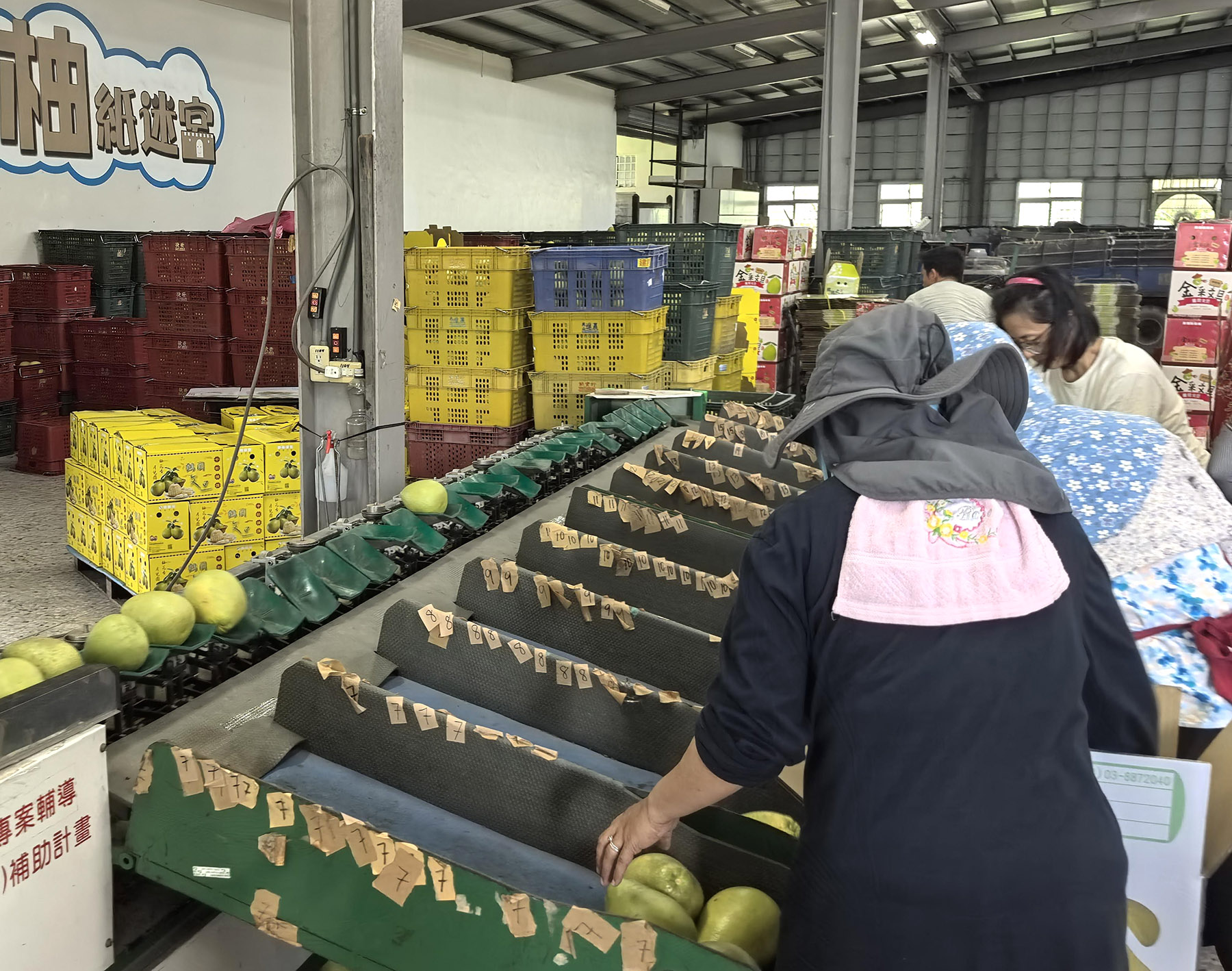
As a result, the mainland resumed imports from qualified, registered orchards and packaging plants in 2024, further expanding the market entry in August.
"A tiny pomelo is a miniature of cross-Strait economic exchange, and a testament to the shared hearts of the people," Hsu said.
Sharing this sentiment, Roy Wang, a Taiwan businessman who has worked in Shenzhen for nine years, said, "Eating pomelos from my hometown brings a true taste of home, and I hope people here in Shenzhen can enjoy this flavor."
This improved market access stems from solid policy support. Following 10 exchange-promoting measures released by the mainland on April 12, joint cross-Strait efforts based on the 1992 Consensus and opposition to "Taiwan independence" separatism have widened the mainland market for Taiwan's agricultural and fishery products.
Consequently, multiple Taiwan pomelo orchards, packing plants and food enterprises have registered on the mainland. Backed by fast customs clearance and efficient logistics, the fruit has debuted at several mainland exhibitions and is being sold in supermarkets and on e-commerce platforms.
This progress was reflected in June at the Straits Forum, a major annual cross-Strait exchange event held in Xiamen, Fujian province, where mainland buyers signed procurement agreements with Taiwan enterprises and associations, covering products such as pineapple custard apples and tea.
According to Taiwan's agricultural authorities, while the island's shipments to the United States and Japan fell in the first half of this year, its agricultural exports to the mainland rose 11.3 percent.
Tang Hua, an associate professor of cross-Strait relations at Xiamen University, said the mainland is the closest, largest and most stable market for Taiwan's agricultural products. Its short distance ensures fast shipping, while a vast consumer market provides stable, predictable sales channels, she said.
Extensive policy support covering land, financing, sales, branding and logistics greatly reduces operational costs and expands market channels for Taiwan's farmers and small businesses, she said.
Attending the pomelo promotion event in Shenzhen, Peng Qing'en, deputy director of the State Council Taiwan Affairs Office, said that both sides share close geographical, kinship and cultural ties, and the mainland remains a vital market for Taiwan agricultural enterprises to expand.
As the 15th Five-Year Plan (2026-30) progresses, industrial upgrading and domestic market expansion will continue to release development dividends, Peng said, welcoming more Taiwan businesses to seize the opportunities and integrate into the mainland market.
Unstoppable cooperation
According to official data, cross-Strait trade from January to July reached $221.8 billion, a 26.5 percent year-on-year increase. Mainland exports to Taiwan jumped 31.6 percent to $62.17 billion, while imports from the island climbed 24.7 percent to $159.63 billion.
Chen Binhua, spokesman for the State Council Taiwan Affairs Office, said that the figures demonstrate the tight economic bonds, solid common interests, and the sheer stability and resilience of cross-Strait industrial supply chains.
Despite external challenges, the mainland's resilient, high-quality economic growth continues to inject certainty into the global economy and open new avenues for cross-Strait cooperation, Chen said.
"The mainland remains the absolute best choice for Taiwan enterprises to invest, a deeply fertile ground for innovation, and a powerful anchor for mitigating market risks," he said, adding that any attempts by the DPP authorities to smear the mainland's economic prospects will continue to be proven futile.
The mainland's expanding market opportunities were demonstrated in two major trade events in September, as both the 2026 China International Fair for Trade in Services in Beijing and the 26th China International Fair for Investment and Trade in Xiamen drew dozens of Taiwan enterprises and entrepreneurs.
The fair in Xiamen featured a dedicated cross-Strait integration pavilion spanning 1,000 square meters, with many listed Taiwan-funded companies taking part from industries such as semiconductors, precision machinery and biopharmaceuticals.
Participating Taiwan entrepreneurs expressed confidence in deepening their business roots on the mainland, pointing to robust policy support and an evolving industrial ecosystem as key growth drivers.
Lai Tsai-ta, co-founder and CEO of METiS TechBio, an artificial intelligence and nanomaterial science startup with over 100 patents, which was listed on the Hong Kong Stock Exchange in May, said, "Xiamen possesses a unique geographical advantage across from Taiwan alongside a well-developed biopharmaceutical industrial ecosystem."
The enterprise utilized the cross-Strait integration pavilion to link up with the industrial resources of Fujian and drive cross-Strait biopharmaceutical talent collaboration and land innovative projects, he said.
Weng Ying-min, a third-generation successor and deputy general manager of his family enterprise Weng Cai Ji Foods Co, attended the fair for the first time to introduce Taiwan beef noodles tailored to young consumers on the mainland.
Embracing the mainland's flourishing digital economy to sell its products, Weng said Fujian's supportive policies, including allowing Taiwan firms to use China's "Time-Honored Brand" designation, have strengthened investors' determination to enter the mainland market.
Weng encouraged Taiwan's younger generation to explore opportunities across the Strait. "They should first come over to see for themselves, and then find partners to start with small projects," he said.
Chin Yu-feng, an incense entrepreneur from Kaohsiung who has lived in Xiamen for 12 years, said he and his family's adjustment to life across the Strait has been seamless, noting his love of mainland brands such as Luckin Coffee and Xiaomi.
ALSO READ: Taiwan compatriots 'welcome to share mainland opportunities'
"I hope quality products from the mainland can enter Taiwan because consumers are the ones who will ultimately benefit," he said.
This has not been easy, however, with Taiwan's economic regulators imposing stricter regulatory requirements on mainland companies wishing to enter the market.
Luckin Coffee has had its entry into the Taiwan market repeatedly delayed by regulators, which have demanded structural reviews.
These interventions are part of broader restrictions targeting popular mainland commercial entities and products, including Xiaohongshu, or RedNote, a lifestyle and social commerce platform, river-snail rice noodles, and ZxMoto, a high-performance motorcycle manufacturer.
Chen, the spokesman, said that the mainland supports two-way investment and win-win cooperation between cross-Strait enterprises.
He said the Taiwan authorities, out of selfish partisan interests, have deliberately obstructed and restricted mainland investments and products from entering the island, worsening its business climate and harming the interests of the island people.
Contact the writers at zhangyi1@chinadaily.com.cn
