

Motorists from Shenzhen, Foshan, Dongguan, Huizhou and Zhaoqing can drive their cars to Hong Kong’s urban area for short-term tourism and business purposes effective Saturday, after the extension of a cross-border driving program.
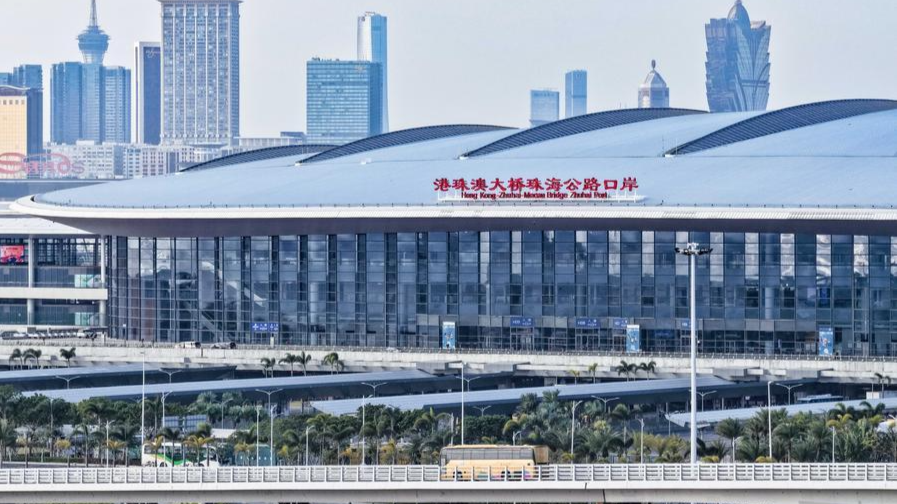
Launched in 2025, the Southbound Travel for Guangdong Vehicles program allows approved drivers from Guangdong province with confirmed bookings to drive into the special administrative region’s urban area via the Hong Kong-Zhuhai-Macao Bridge.
The first phase of the program covers Guangzhou, Zhuhai, Jiangmen, and Zhongshan, and the extension taking effect on Saturday will make the program available to all nine mainland cities in the Guangdong-Hong Kong-Macao Greater Bay Area, an economic and megalopolis region spanning 56,000 square kilometers and home to over 88 million people.
Also starting on Saturday, the program’s daily reservation slots will be doubled to 200 vehicles. But the duration of each visit will remain capped at three days.
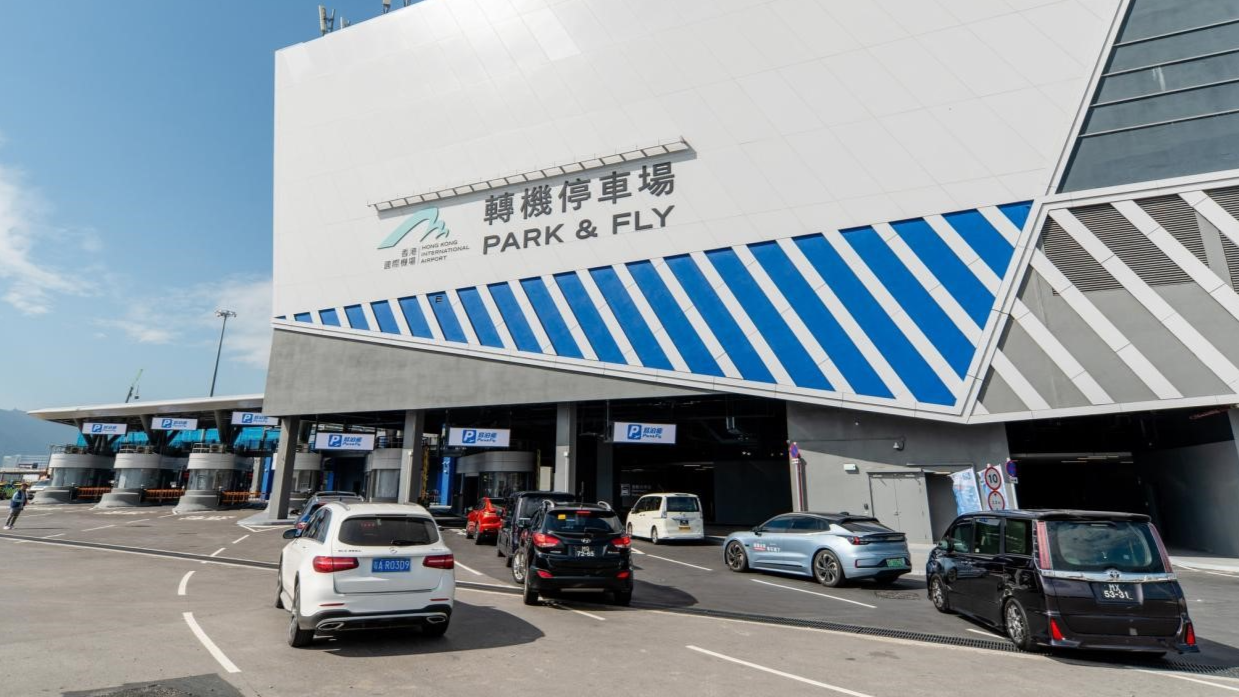
To facilitate travel for the expanded pool of drivers, the Airport Authority Hong Kong on Saturday will launch a “Park and Visit” program, which will allow motorists from all nine mainland Greater Bay Area cities to leave their cars at the automated port parking lots at the Hong Kong Port of the HZM Bridge and pass the Hong Kong border.
ALSO READ: HK processes 700 applications for mainland vehicles to enter city
A similar “Park and Fly” program was launched in late 2025 to help Guangdong motorists go to Hong Kong International Airport after parking their cars at the bridge’s Hong Kong port.
Guangdong and Hong Kong officials said earlier they will track the program’s operation closely, with plans to extend the urban-entering program to the remaining Guangdong cities by the first three months of 2027, subject to implementation reviews.
The Hong Kong Transport Department’s latest data show that as of mid-July, more than 13,000 applications had been logged for entry into Hong Kong’s urban areas via the program, of which over 11,000 had been approved. Cumulative reservations have meanwhile surpassed 9,000 vehicle trips.
Ringo Lee Yiu-pui, honorary life president of the Hong Kong, China Automobile Association, expressed strong support for the expansion in remarks to China Daily.
The program is fundamentally about fostering closer people-to-people ties between Guangdong and Hong Kong while giving a fresh catalyst for mainland consumer expenditure in the city, he said.
“From a consumption perspective, when the economic outlook is positive, cities are certainly able to harness initiatives like this to drive growth,” Lee said.
Lee said that feedback gathered by his association thus far suggests that many travel-program applicants are from comparatively affluent households, which means they have ample purchasing power to spend during their stays.
READ MORE: Fresh energy fuels Hong Kong tourism during May Day holiday
Moreover, many drivers value the cross-border program’s “point-to-point” driving access to Hong Kong, a convenience that makes it especially well-suited for family excursions and handling modest business work.
As for the daily booking quota being raised to 200 vehicles, Lee said he believes the higher number will not put discernible pressure on Hong Kong’s overall traffic.
By July 2025, Hong Kong counted more than 570,000 private cars, with total registered vehicles exceeding 800,000, he said. “And with several thousand Hong Kong-registered cars already driving into the mainland every day through the program’s northbound counterpart” – launched in 2023 – “the daily inflow of just 200 outside vehicles is relatively small.”
Lee also welcomed the policy’s potential expansion to all other Guangdong cities, describing it as “definitely a good thing”.
He estimated the future provincewide rollout could raise the daily application quota to 400 or 500 vehicles, citing data from its earlier phases as a basis for the projection. Lee proposed adding other designated border crossings under the program to relieve holiday traffic jams on the HZM Bridge.
Contact the writer at wanqing@chinadailyhk.com
