

Measures taken to ensure opportunities for record number of graduates
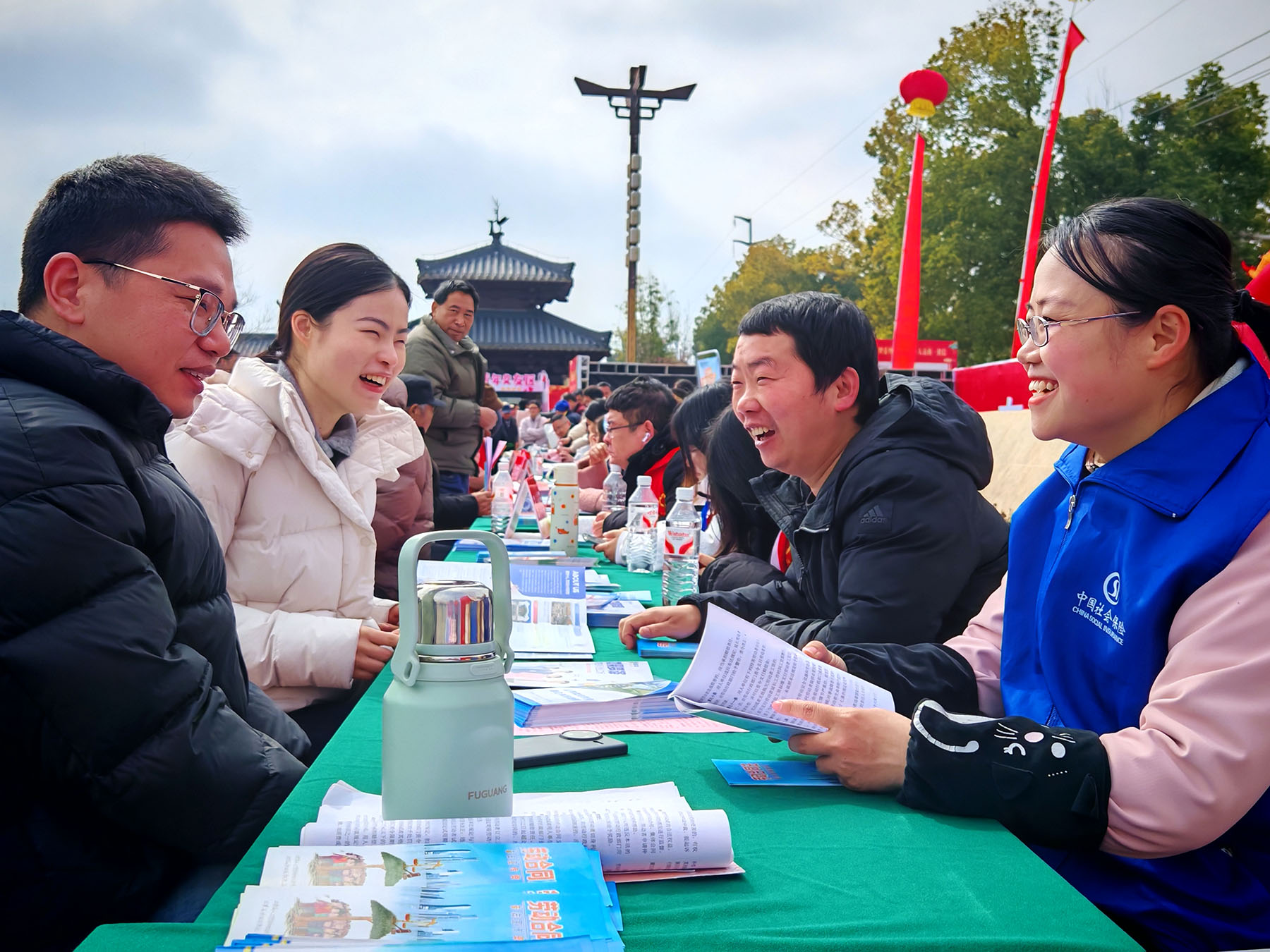
China has dramatically expanded its targeted employment programs and industrial alignment strategies as a record 12.7 million college graduates enter the workforce this year. Following the State Council's recent approval of the 15th Five-Year Plan (2026-30) for employment, local governments are expanding funding for initiatives ranging from rural vitalization roles to high-tech manufacturing subsidies to combat structural mismatches in the labor market.
The national push follows strong economic markers from last year, when China added 12.67 million new urban jobs and maintained a surveyed urban unemployment rate of 5.2 percent. However, with the 2026 graduate influx, provincial authorities are pivoting toward even more localized talent placement.
In Henan province, the government has doubled its flagship rural vitalization assistant program, scaling recruitment from 5,000 posts last year to 10,000 this year. The two-year program offers fresh graduates a monthly salary of 3,500 yuan ($515), social insurance and a transitional window to prepare for civil service exams while assisting in village governance and rural e-commerce.
READ MORE: China to streamline its employment structure
"Going back to a village is not necessarily a bad thing for young people," said Zhao Keqing, a 2025 graduate of Shangqiu Normal University working in rural Henan."There is a lot we can do in the vast countryside."
Since last August, she has helped organize cultural activities for seniors and facilitated the installation of table tennis tables and chessboards for local children.
"Now I see them playing in our courtyard every day. It really gives me a sense of recognition and fulfillment. For a fresh graduate, that feeling of being valued is very important," she said.
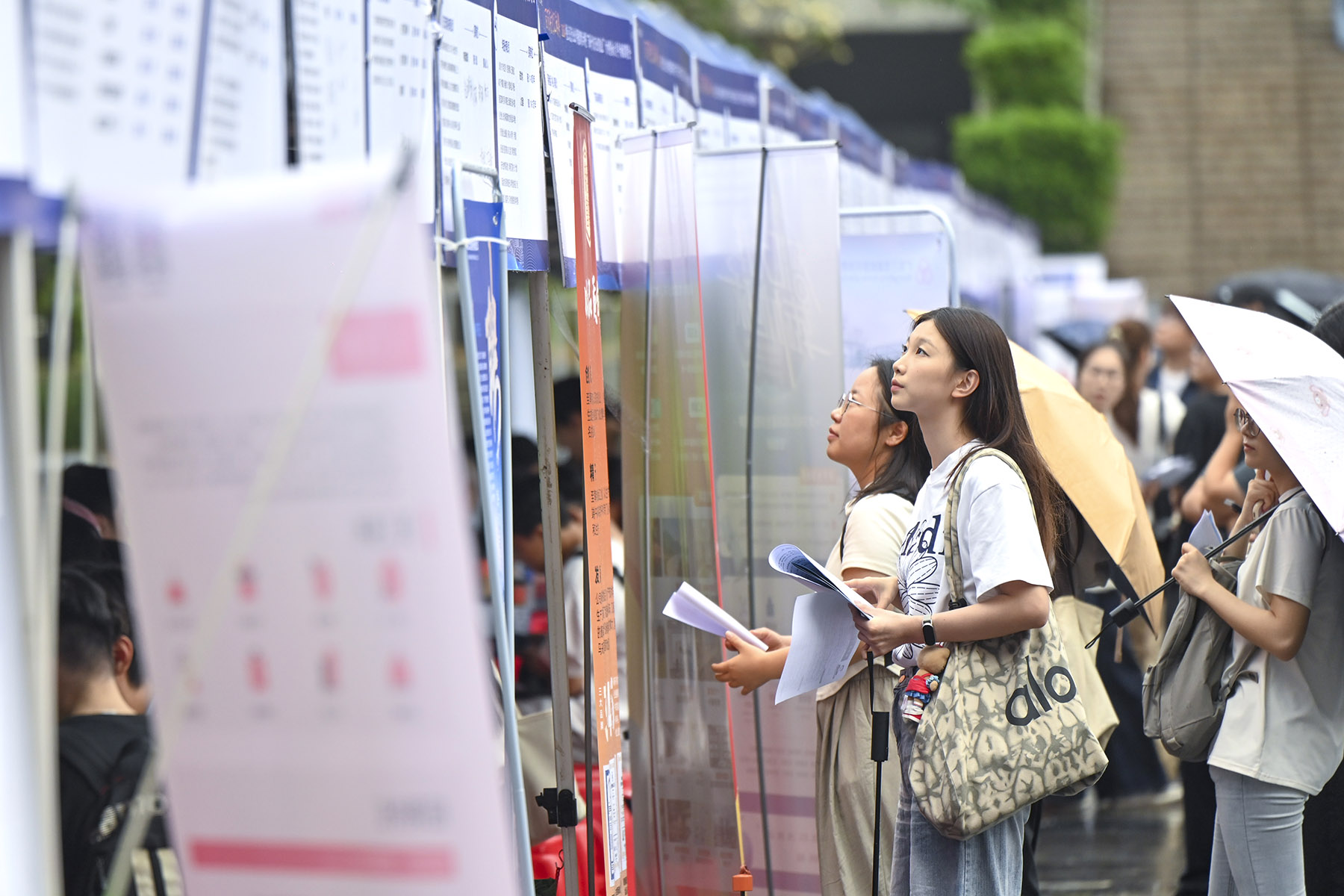
Zhao views the two-year role as a valuable transitional period for graduates facing job market pressures.
"I can take civil service or public institution exams during my term. This position gives me a chance to try things out, to see what I'm really suited for," she said. "No matter what I do in the future, the experience of working at the village level is something no other job can give me."
For postings like Zhao's, the main responsibilities include consolidating poverty alleviation achievements, promoting rural industries and assisting in village governance. Many have used their professional expertise to lead villagers in e-commerce livestreaming, planting Chinese medicinal herbs and cultivating ornamental flowers.
In 2025, 461,400 job positions were created in Henan through 53 targeted measures. The province's total skilled workforce now exceeds 20 million, according to the provincial government.
Song Chenyang, a 2025 master's graduate from Henan Polytechnic University, took a different path through the university's student enterprise service program.
She was hired by Wafer Works (Zhengzhou) Corp, a semiconductor company in the Zhengzhou Airport Economy Zone, under a special government program for the classes of 2023, 2024 and 2025 who had yet to find stable jobs. The company designed a three-month systematic training plan and a mentorship mechanism to ease her transition from campus to industry.
Zhang Chunyang, of the company's recruitment department, said that as a technology-intensive enterprise in rapid expansion, the company used to favor experienced engineers. Last year, however, it began recruiting recent graduates for the first time.
The company pays competitive wages and provides full social insurance coverage, while the provincial government provides a monthly subsidy of 2,200 yuan to the company per hire. The program recruited some 10,000 university graduates across Henan in 2025.
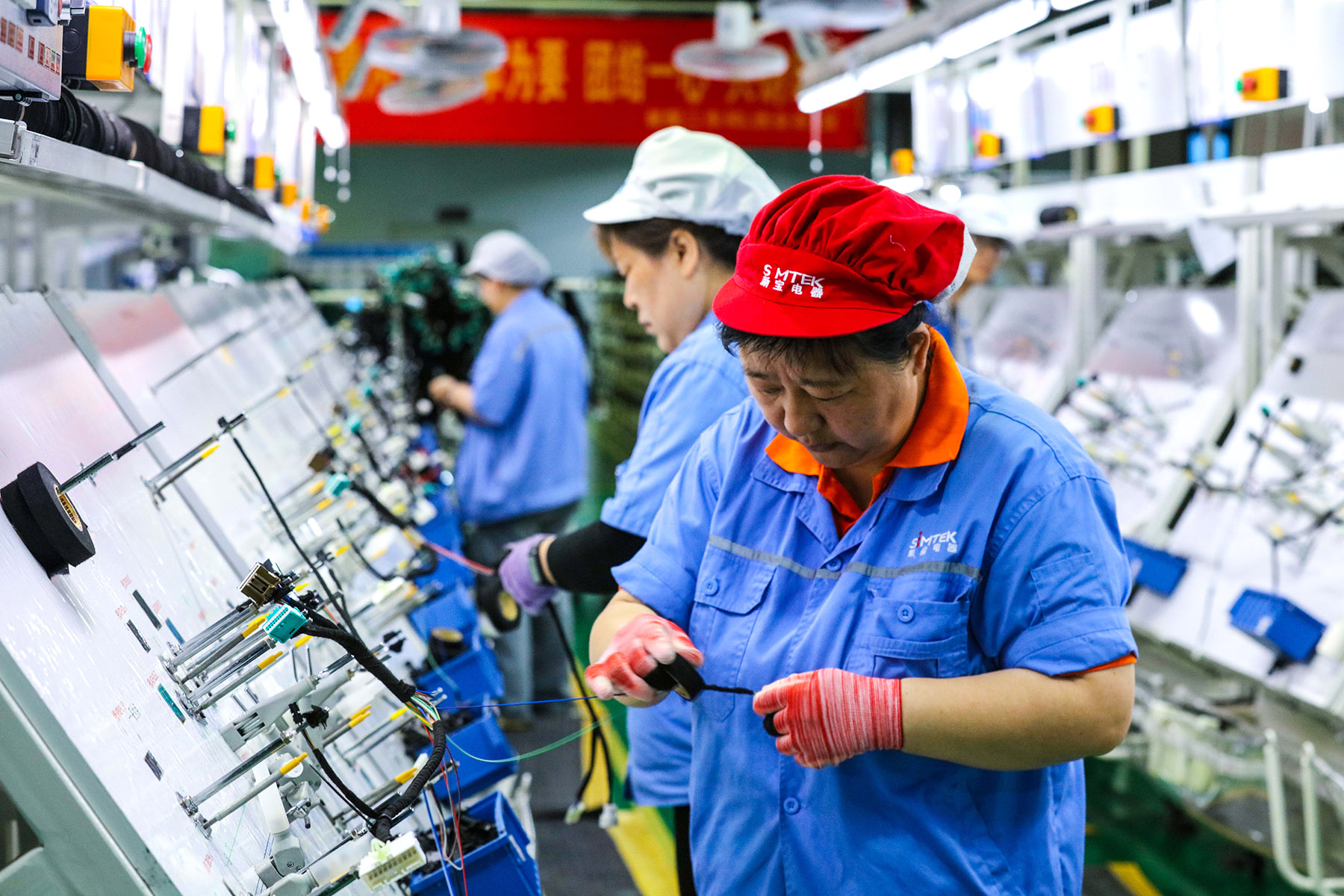
Emerging industries
Further south in Hubei province, where 306,500 new urban jobs were created in the first quarter of 2026 alone, employment strategies are targeting logistics and cutting-edge industries.
Zhang Qian, a 32-year-old former migrant worker, started as a sorter at Ezhou Huahu International Airport — Asia's first dedicated cargo hub — and within two years became a terminal operations supervisor, earning more than 10,000 yuan a month.
Xu Haiyan, who once worked in aviation logistics in Hangzhou, Zhejiang province, returned home to become a human resources supervisor at the same airport. The airport has directly employed nearly 2,000 local residents.
At an artificial intelligence research institute in Ezhou, Wang Shiyun, 25, a master's graduate in computer science, decided to work in the city thanks to the stable accommodation support — a clean, comfortable three-bedroom apartment in a residential complex, shared with just one other person.
She is one of nearly 30 young researchers at the institute, which was established to build a full AI industry chain.
"I don't need to rush to work and can live and work in a calm and easy environment," she said.
Skills training is a key pillar of the strategy. In Hubei's Shiyan, a traditional auto hub, Quan Rongxuan, an uncertified welder, joined a government-funded training program, earned certification, and now earns up to 10,000 yuan a month.
For older workers, caregiver training has opened new paths. Zhu Fengjiao, 56, returned from Guangzhou, Guangdong province, to start a training school in Ezhou. Her "Ezhou caregiver" brand has produced graduates working as far away as Beijing.
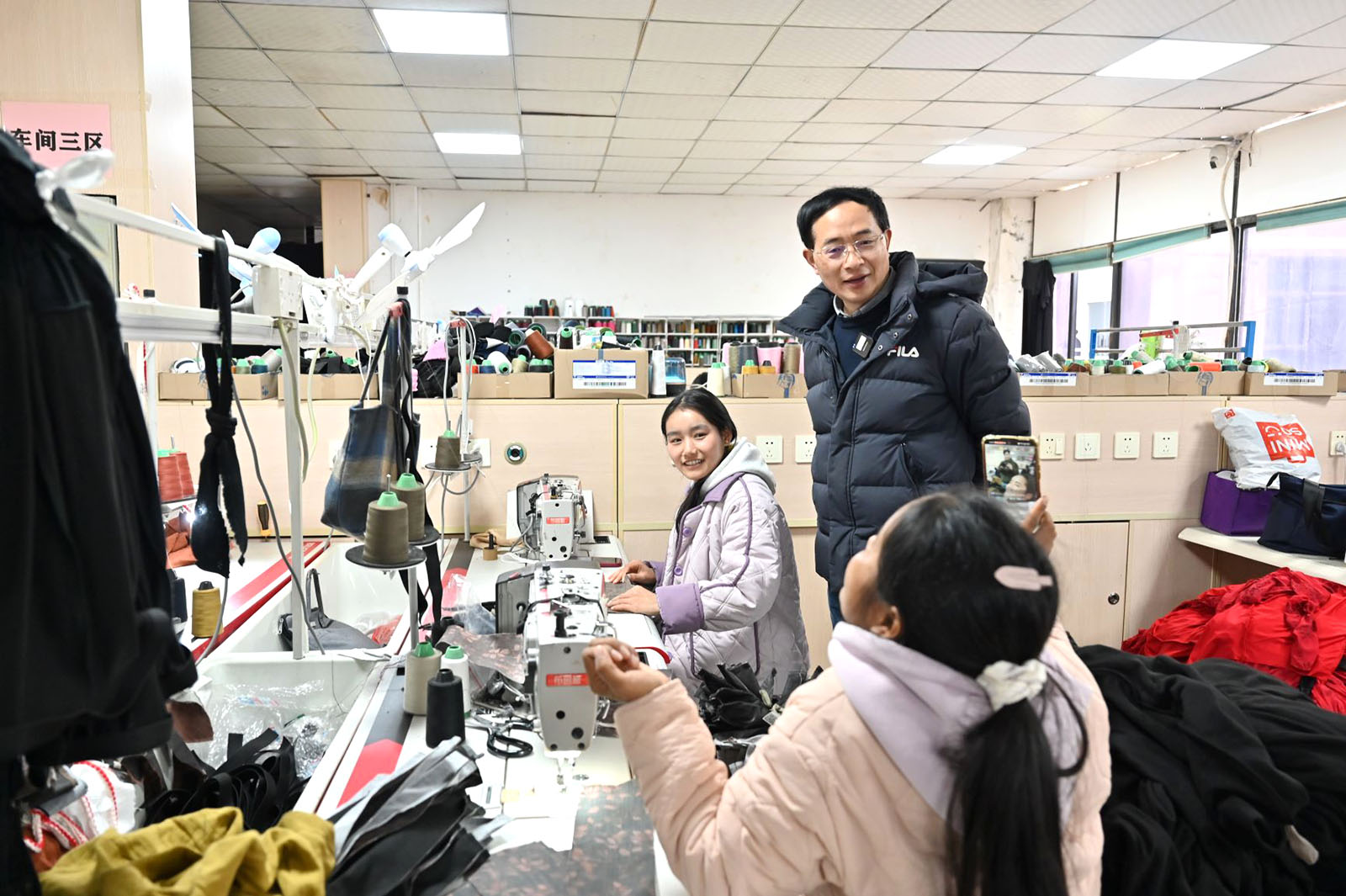
Upskilling
In Guangdong, the nation's manufacturing epicenter, the strategy has focused heavily on upskilling. The province created nearly 1.5 million new urban jobs in 2025, largely supported by its industry-educationevaluation skills ecosystem. Rather than just training students, the program trains the educators.
Recently, nearly 100 teachers from dozens of technical schools underwent intensive retraining at robotics hubs like Kuka Autonomous Mobile Robotics in Foshan to align classroom curricula directly with modern factory floor demands.
Lin Lishan, a teacher from Guangdong Technician Institute, said through the program, she has further clarified the path for intelligent manufacturing professional development, updated her teaching concepts, and improved her course development and practical teaching abilities.
Huang Qiongying from Guangzhou Electronic Commerce Technical School described herself as a translator between industry and education."As front-line teachers, we are not just knowledge transmitters but translators between industry and education. This training was not just an update of knowledge but a journey of teaching transformation," she said.
ALSO READ: China set to unveil 12 new occupations as emerging industries fuel job creation
Guangdong has also launched the "million talent heading for Guangdong" initiative, which has attracted more than 1.1 million college graduates to the province for work and entrepreneurship.
During the 14th Five-Year Plan (2021-25) period, Guangdong provided over 10 million subsidized vocational training sessions, according to the provincial government.
Guangdong creates around 300,000 policy-supported jobs annually and holds more than 2,000 online and offline recruitment events. Graduates facing difficulties receive one-on-one assistance, the government said.
The province also works to stabilize employment for migrant workers. Through interprovincial labor cooperation, Guangdong has helped secure jobs for more than 24 million out-of-province migrant workers, including over 4.6 million people who have been lifted out of poverty, it added.
Contact the writers at zoushuo@chinadaily.com.cn
