

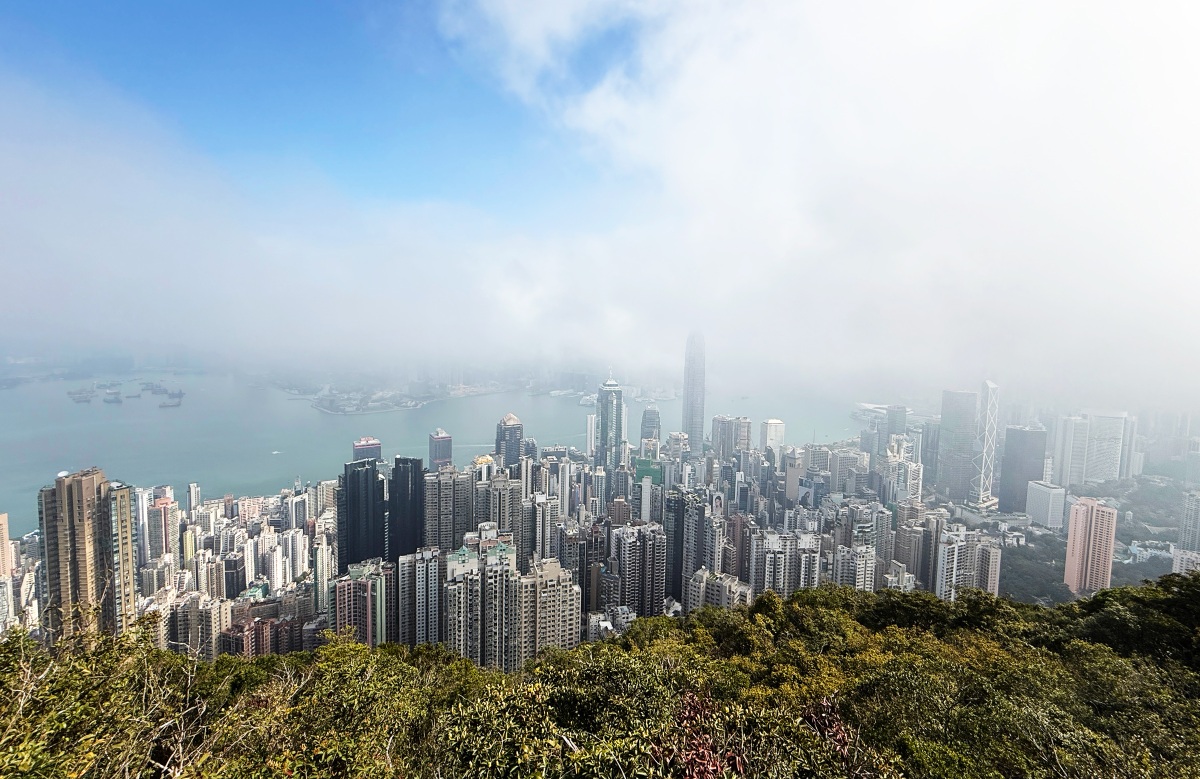
A growing number of hedge fund firms and asset managers are looking to shift staff and offices from Singapore to Hong Kong or other cities that are using lower taxes to attract more investors, according to an industry body.
The Alternative Investment Management Association Ltd, a global group that includes hedge fund managers, private equity firms and other institutions, told the Monetary Authority of Singapore in a letter this week that some of its members are having active conversations with portfolio managers and other staff that are seeking to relocate within months.
AIMA urged the city-state’s authorities to come up with a timely and strategic response to keep Singapore competitive and update its “overall value proposition” for global alternative asset managers.
“These are not isolated accounts,” the group said of the relocation discussions. It pointed to an unnamed “leading global manager” which shared anonymously that its Singapore headcount has declined in recent years while its Hong Kong presence has multiplied. That, it added, was “a reversal of the position of only a few years ago, when Singapore was its regional center of gravity.”
Assets under management in the city-state grew 53 percent over the five years through end-2024 to S$6.1 trillion ($4.7 trillion), according to figures MAS released last July.
RELATED ARTICLES
- Super rich regain zest for Hong Kong as war stokes Gulf unease
- Survey: Wealthy investors in HK, mainland eye long-term growth
- Diversification bets fuel HK’s asset and wealth management business
- HK hedge fund offers 100% coverage on losses for a fee
- Hedge fund Qube to take six UBS floors in Hong Kong’s Central
Hong Kong is now planning to slash an array of taxes as part of efforts to attract asset managers from around the world, threatening to upend Singapore’s recent run of success. In particular, a tax break on eligible carried interest could significantly increase the compensation of successful fund managers.
Hong Kong’s total assets under management grew 20 percent in 2025 to a record HK$42.2 trillion ($5.4 trillion), thanks in part to a surge in net fund inflows, according to data released earlier this month.
Singapore has yet to release its 2025 asset management survey report, but MAS’s chairman said in a June speech that Singapore’s assets under management grew to S$6.7 trillion by the end of last year.
Some asset managers have recently been in talks with MAS about the implications of Hong Kong’s tax exemptions, and have offered suggestions on how Singapore could make hiring more foreign talent easier for them, people familiar with the matter said earlier.
AIMA said it has had recent engagements with MAS on the same issues. It called for Singapore to undertake sweeping changes to its incentives and taxes — citing rising costs from property rents to school fees. The group’s suggestions include lower taxes, firm-level grants and relief tied to Singapore headcount and more clarity on immigration and residency pathways.
“Individual taxation has emerged from our consultation as the decisive lever for the most mobile cohort,” it said. In addition, roles that don’t strictly require a Singapore presence now default elsewhere, and several global managers have excluded the country from consideration for new regional setups, the group said.
It also encouraged the regulator to publicly share its thinking and plans, partly to help companies convince their portfolio managers to stay put in Singapore. “A directional signal now would steady managers currently weighing hiring, platform expansion and regional-headquarters decisions,” it said.
The pressure isn’t only from Hong Kong, the group said. “India’s GIFT City is positioning itself actively for India-linked strategies, the UAE has consolidated a credible proposition through its financial centers, and other jurisdictions are advancing proposals aimed at the same mobile talent.”
