

The Hong Kong Special Administrative Region is deepening its collaboration with the Chinese mainland in artificial intelligence large models and accelerating advanced manufacturing, bolstering its ambitions to become an international technology and innovation hub, industry insiders said.
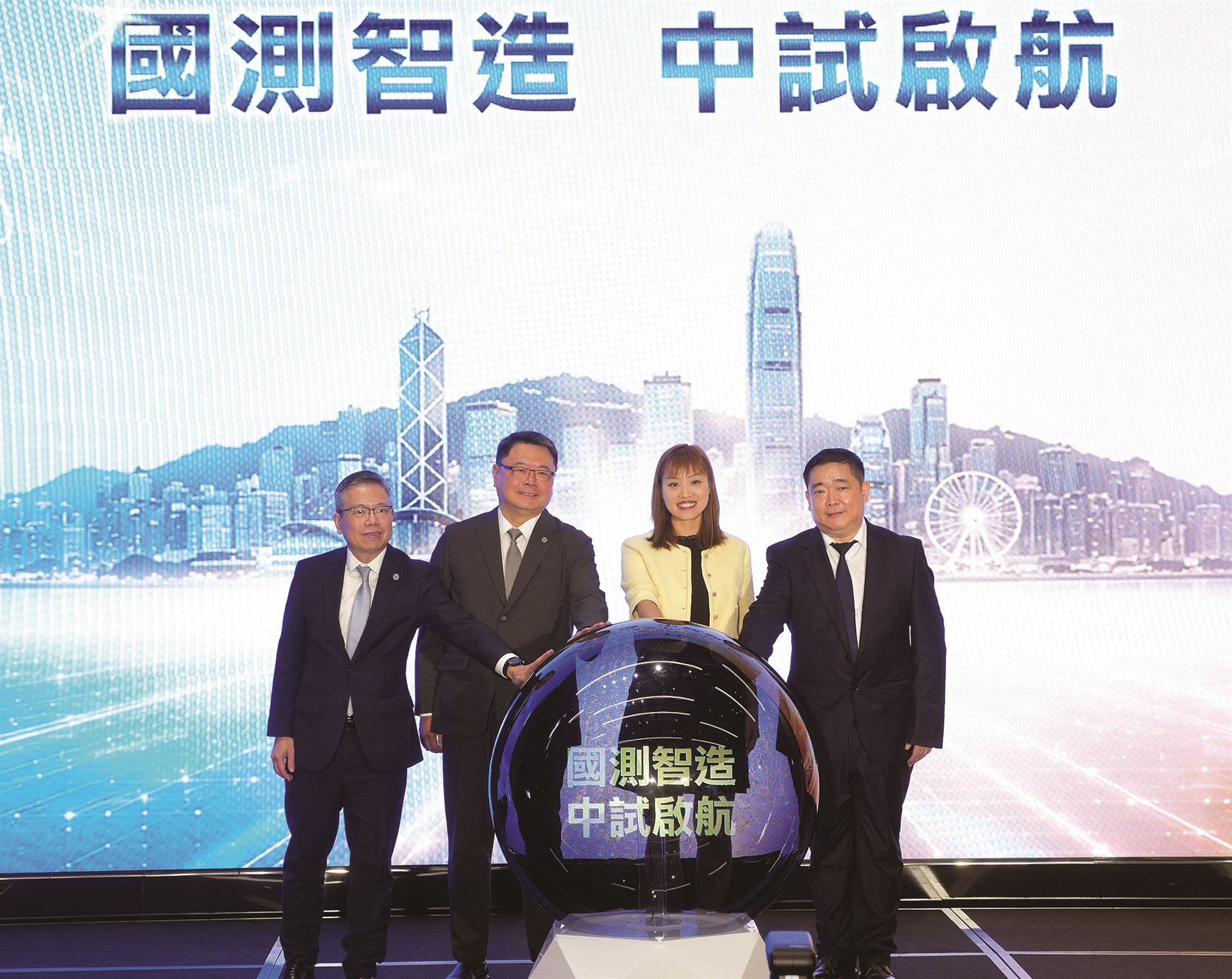
The momentum was highlighted by National AI Monitoring (Hong Kong) Ltd, a high-tech firm, recently setting up a research and development (R&D) and pilot production base for AI-driven infrastructure monitoring systems in Tseung Kwan O InnoPark, managed by the Hong Kong Science and Technology Parks Corporation (HKSTP). It marks the first enterprise to join the Pilot-Scale Manufacturing Laboratory (PSM Lab) of the Advanced Manufacturing Centre (AMC) in Tseung Kwan O InnoPark.
Equipped with advanced production and testing workflows, the AMC offers scalable, high-efficiency production spaces. As a specialized facility within the center, the PSM Lab effectively assists enterprises in seamlessly transitioning products from laboratory prototypes to market-ready products through small-scale pilot production, significantly accelerating the journey from concept to commercialization. The lab also helps entrepreneurs forge strong connections with industry partners and investors, collectively building a vibrant advanced manufacturing ecosystem.
From innovation to industry
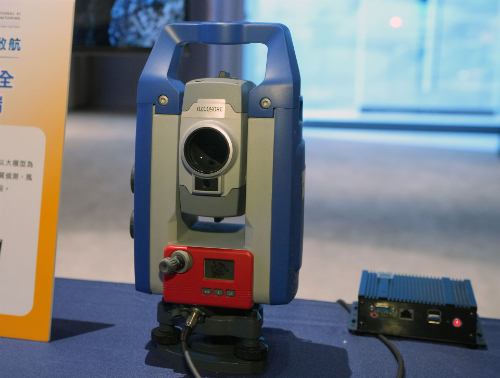
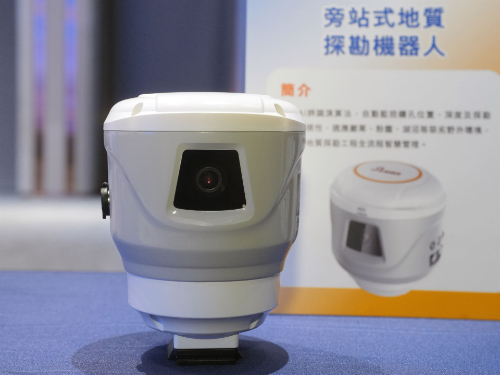
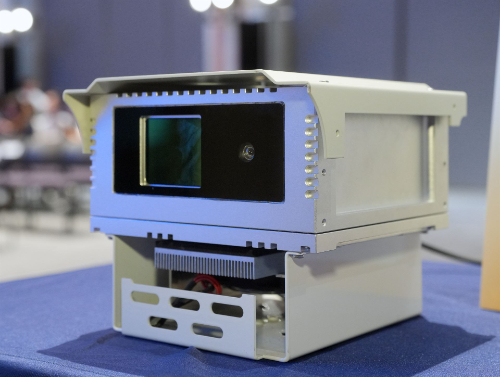
National AI Monitoring plans to invest over HK$20 million ($2.5 million) in the first three years at the PSM Lab to build an international edition of its large model for infrastructure operations, maintenance, safety, and quality. The facility will also drive the R&D and manufacturing of smart engineering robots and intelligent terminals.
“At the AMC, National AI Monitoring will develop and manufacture intelligent engineering robots and large-scale models for infrastructure safety, advancing research outcomes from the laboratory to engineering applications and creating high-skilled innovation and technology jobs,” said Jiang Meng, managing director of National AI Monitoring (Hong Kong) Ltd.
According to Jiang, integrating its large models with AI agent terminals will allow robots to collect engineering data and detect hidden hazards far more efficiently, thereby safeguarding project safety and quality.
While traditional methods typically rely on manual inspections, this Hong Kong-developed large model can access all project visuals via cameras. “The large model can not only identify risks through real-time inspections, but also leverage big data to analyze root causes, predict potential hazards, and formulate solutions, ultimately achieving closed-loop remediation,” Jiang added.
He said that these products offer millimeter-level measurement precision and robust adaptability to hostile environments, making them highly applicable to high-risk construction sectors such as rail transit, bridges, and tunnels.
In the second half of this year, the company plans to gradually deploy its production lines — including assembly, calibration, standardization, and testing — within the PSM Lab.
“Our products will not only be designed and made in Hong Kong, but more importantly, their patents will be secured here as well,” Jiang said, adding that the company will collaborate with universities in Hong Kong to jointly build the international version of the infrastructure large model.
Jiang emphasized that the city serves as a strategic gateway for enterprises eyeing global expansion. “Access to international markets is the primary reason we chose Hong Kong,” he said.
Jiang added that amid the current volatile global environment, many technical infrastructures in regions like Southeast Asia and the Middle East are undergoing significant redevelopment, presenting vast business opportunities.
A world-class ecosystem
“Innovation and technology constitute a key engine driving Hong Kong’s high-quality economic development, while advanced manufacturing is a crucial link in the commercialization and industrialization of R&D outcomes,” said HKSTP Chairman Sunny Chai Ngai-chiu.
Chai said that pilot testing is an essential stage for innovative technologies to transition from laboratories to the market, adding that the PSM Lab provides enterprises with a one-stop platform spanning R&D, prototyping, and small-batch pilot production.
“By bringing its leading AI and infrastructure monitoring technologies to Hong Kong, National AI Monitoring demonstrates the city’s potential to develop high value-added industries and to further connect with the mainland and international markets,” Chai said, adding that HKSTP aims to attract 15 enterprises to the PSM Lab over the next three years.
Hong Kong Under Secretary for Innovation, Technology and Industry Lillian Cheong Man-lei said, “The establishment of a pilot production base in Hong Kong by National AI Monitoring perfectly showcases the company’s effective use of Hong Kong’s unique advantages under the ‘one country, two systems’ principle in connecting the Chinese mainland and the world-class research capabilities, and international business environment — to promote technology verification and industrialization, and to expand into international markets.”
Inno-tech Special
