

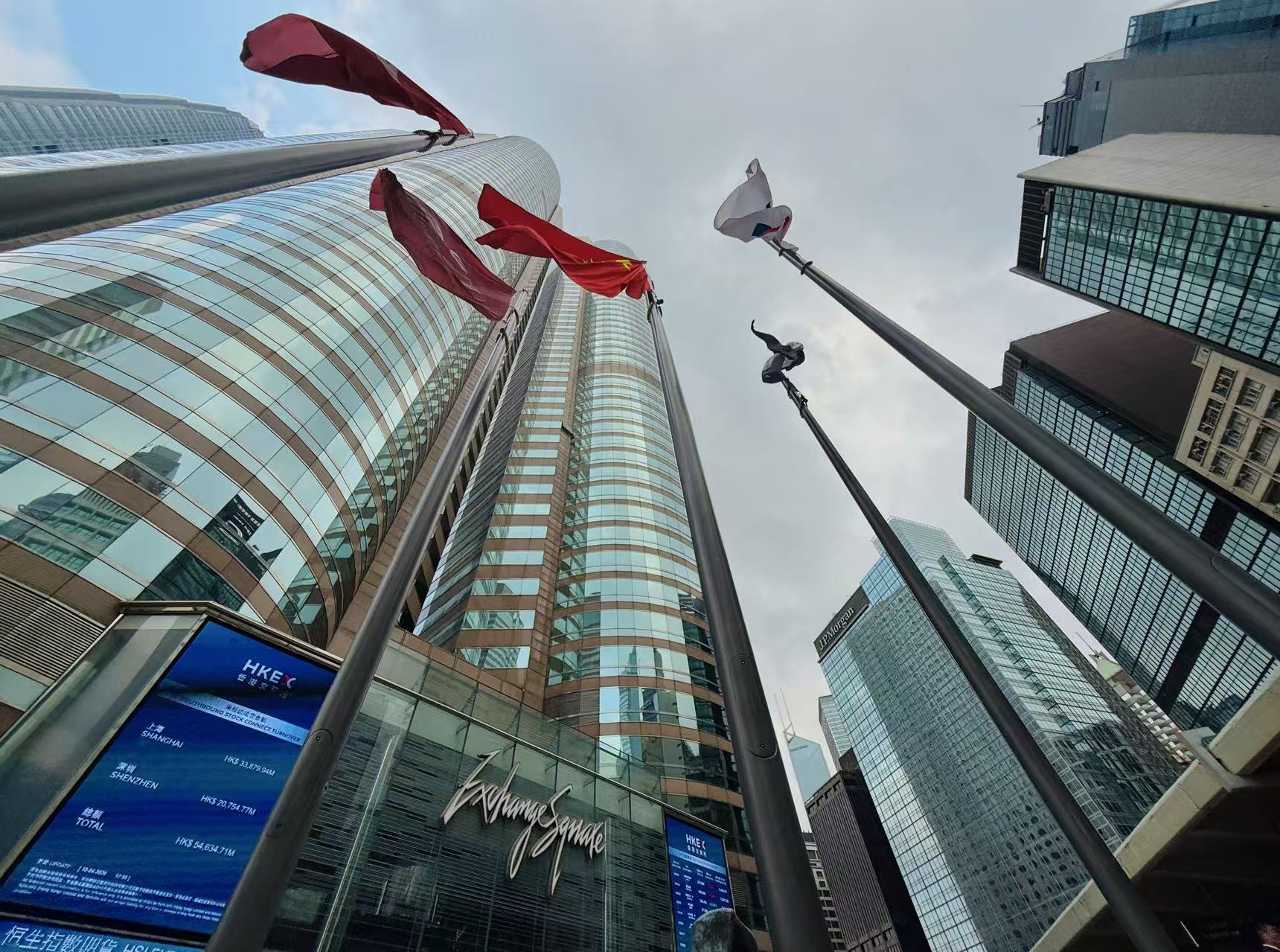
Lingyi iTech Guangdong Co, a Chinese electronic supplier for Apple Inc and Tesla Inc, rose in its Hong Kong debut after raising HK$8.3 billion ($1.06 billion) in a share sale, part of the city’s busiest month for listings this year.
Lingyi shares rose as much as 15.9 percent to HK$11.80 in early trading from the listing price of HK$10.18 apiece, before paring gains, giving the company a market value of more than $19 billion.
The offering attracted cornerstone investors including GF Fund Management Co, Qube Research & Technologies and Value Partners Group Ltd. Lingyi shares in Shenzhen fell as much as 7.6 percent to 16.53 yuan.
Lingyi’s listing was the biggest since April in Hong Kong, where maiden share sales are poised to raise more than $5 billion this month. More than 20 companies are coming to the market in June, before they would have to update their financial statements.
RELATED ARTICLES
- Electronics-components maker Lingyi seeks up to $1.1b in HK listing
- Capital inflows into HK continue amid global market uncertainties
- Hong Kong IPOs lead global ranking
- CE: With nation's backing, HK offers stable, secure biz environment
Offerings in the city have boomed this year, thanks to a wave of technology debutants. Bloomberg Intelligence expects the city’s listing proceeds to top $43 billion, which would be a six-year high.
A long-term supplier of smartphone components, Lingyi is betting on artificial intelligence hardware and humanoid robotics, aiming to capture growing demand for devices such as smart glasses, foldable devices and computing servers, as the country shifts its industrial focus toward higher-value, technology-driven production.
“We see the trend from electronic consumers going to AI data centers is really going up for at least the next five years,” Lingyi’s chairman Zeng Fangqin told Bloomberg Television on Friday after the company’s stock debut in Hong Kong.
The company reported 2025 net income rising 42 percent to 2.6 billion yuan and revenue up 16 percent to 51.4 billion yuan, driven by upgrades in AI-driven terminal hardware. Revenue rose a further 10 percent in the first quarter this year, supported by growth in automotive and advanced air mobility segments, while net profit fell due to foreign exchange losses.
To capture the next growth cycle, Lingyi plans to use part of the listing proceeds to expand its manufacturing capabilities in emerging areas, including AI computing servers, humanoid robot hardware and assembly, according to its prospectus.
The company’s vision is to have its AI-related business surpass its core smartphone component business in two years, as Lingyi sees the ongoing component shortage that forced companies like Apple to hike prices of their products an opportunity to dominate the supply chain for AI infrastructure, according to Zeng.
Aside from AI data center, Lingyi is doubling down on the production of humanoids. The company’s superfactory in Beijing can churn out 10,000 humanoids this year and will ramp up production to 500,000 by the end of the decade.
Zeng confirmed that Tesla is a client for its robotic production business, among other big names in China and the US as Lingyi seeks to capture demand for humanoid robots ahead of its massive deployment.
Zeng sees large-scale use of humanoids after 2028. “We would like to do all these supports in the beginning and then one day we can really become top players in the industry,” she said.
