

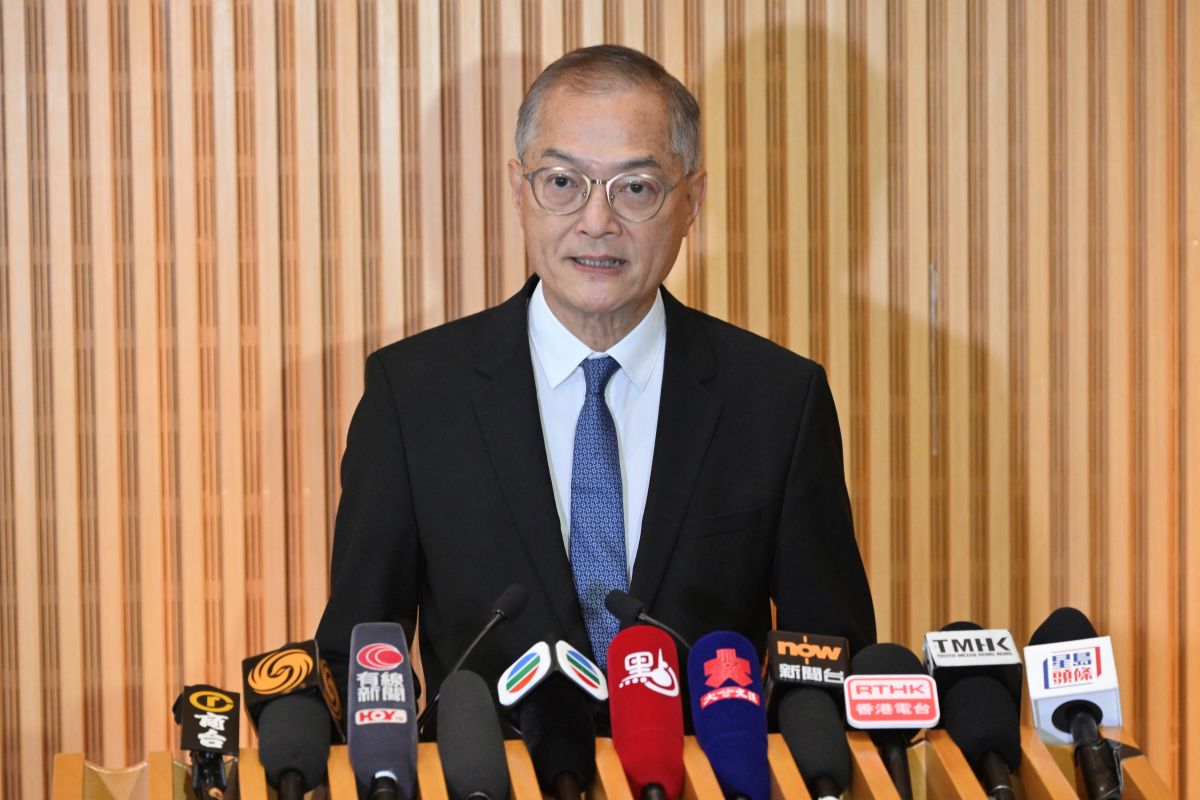
The Hong Kong Special Administrative Region government on Friday gazetted an amended bill which proposes a series of reforms, including overhauling the city’s medical watchdog by raising the number of lay members and requiring complaint handling timeframes to be made public.
The Medical Registration (Amendment) Bill 2026 proposes four major amendments covering the composition of the Medical Council of Hong Kong (MCHK), enhancing the complaint handling mechanism, strengthening protection for society, and medical training and talent attraction.
The bill will be introduced into the Legislative Council for first reading on July 8, the government said in a statement.
“To enhance the executive-led structure and promote good governance, the Health Bureau has proposed to amend the Medical Registration Ordinance (MRO) after a comprehensive review of the provisions,” Secretary for Health Lo Chung-mau said.
The bureau put forward holistic and targeted reform measures to bring relevant legislation and the professional regulatory regime up to date, supporting the MCHK to discharge their statutory duties in a more effective manner, maintaining professionalism and protecting the public, he added.
The amended bill has proposed overhauling the MCHK to diversify the professional views and include more lay members with healthcare professional backgrounds, maintaining professional autonomy and self-discipline while reflecting different angles in society and promoting cross-disciplinary collaboration.
To enhance the watchdog’s complaint handling mechanism, the SAR government has proposed making it more independent, fairer, more transparent and efficient; increasing support to the MCHK; and requiring the watchdog to devise and promulgate target timeframes for various stages of complaint handling.
Terming handling complaints and conducting disciplinary inquiries as important functions for the watchdog, the health secretary said: “When the professional competence or conduct of individual medical practitioners may fail to meet the required standard, the MCHK will decide through inquiries whether to impose disciplinary sanctions in accordance with its independent quasi-judicial functions empowered by the MRO.”
To strengthen protection for society, the bill proposes immediate suspension of the right to practice for medical practitioners convicted of serious offenses.
On the MCHK role, Lo said it performs important functions such as accreditation of local medical school programs and medical interns' training, registration of medical practitioners, licensing examination for non-locally trained medical practitioners, continuing medical education and formulation of professional codes and guidelines, and handling complaints concerning professional conduct of medical practitioners.
“They are the vital components in ensuring the high quality and high efficiency of the healthcare system in Hong Kong,” he added.
