

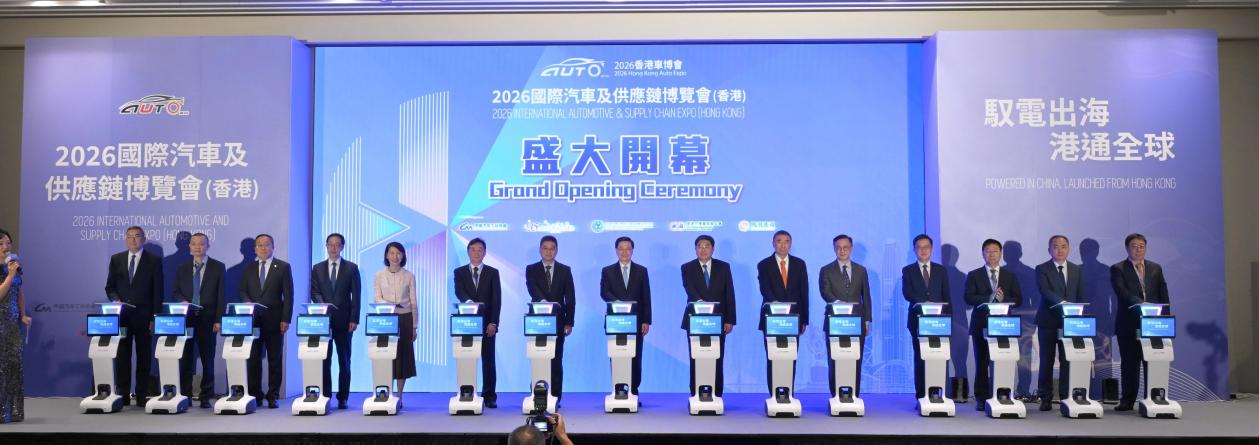
Chinese automakers are using the Hong Kong Special Administrative Region as a launchpad for overseas expansion, positioning the city as both a showcase for their cutting-edge technologies and a base for taking their ecosystems international.
Executives, business leaders and senior officials made the remarks on Thursday at the opening of the 2026 International Automotive and Supply Chain Expo (Hong Kong). Running under the theme “Powered in China, Launched from Hong Kong”, the five-day event has drawn leading manufacturers from the world’s largest vehicle producer and exporter.
Hong Kong Chief Executive John Lee Ka-chiu said the city’s research edge, combined with the innovation resources and manufacturing strengths of the Guangdong-Hong Kong-Macao Greater Bay Area, will provide strong support for the development of the automotive industry and related technology companies.
He added that the HKSAR government will continue efforts to attract global carmakers to establish a presence in the city, with the aim of building Hong Kong into a hub for automotive innovation.
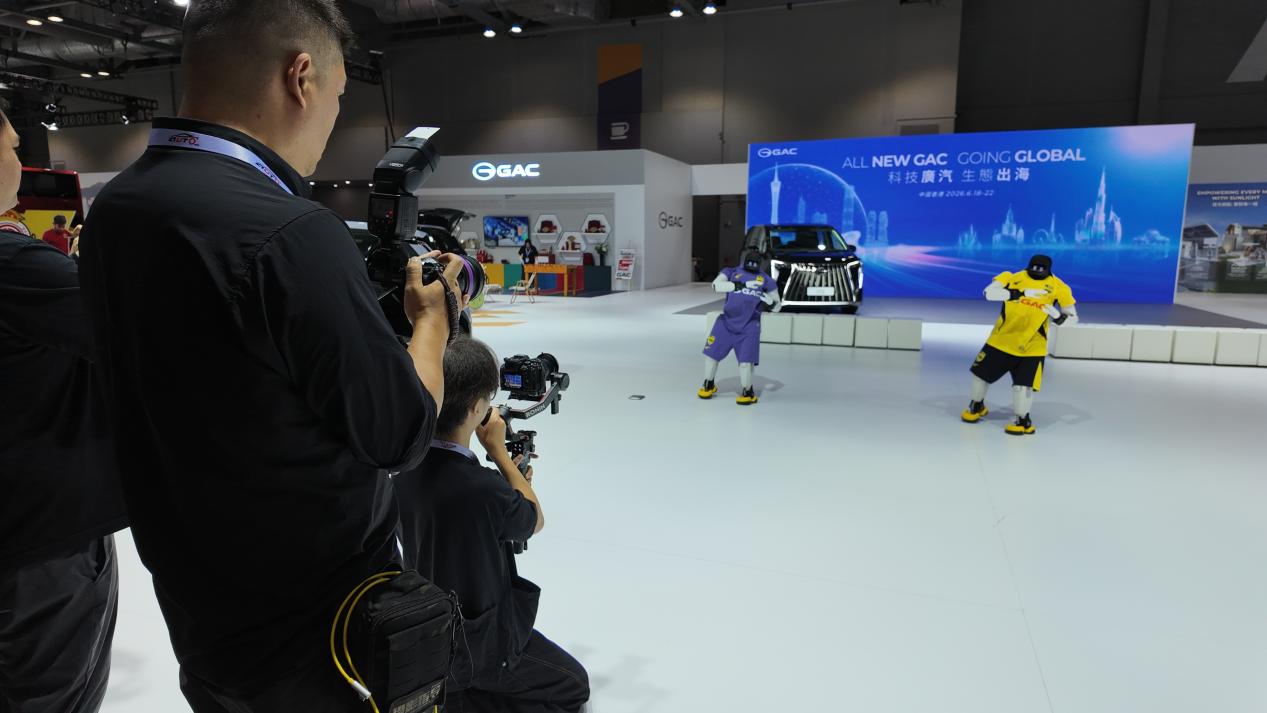
“Going global has become a must-do for Chinese automotive manufacturers,” Wei Haigang, president of GAC International, told China Daily on the sidelines of the expo. GAC exported nearly 100,000 vehicles in the first five months of 2026 and is targeting 300,000 for the year, Wei said.
He added that international markets have become the company’s “primary growth curve”, with overseas business expected to account for a rising share of the group’s overall operations.
Hong Kong, where GAC established its international unit, has been a financing and investment platform for the company’s global expansion. “More than a dozen overseas subsidiaries have been funded through Hong Kong,” Wei said.
Chinese brands have gained ground globally on the back of electric and intelligent vehicle technologies, he said, reshaping their image from low-cost manufacturers to makers of increasingly sophisticated, green products.
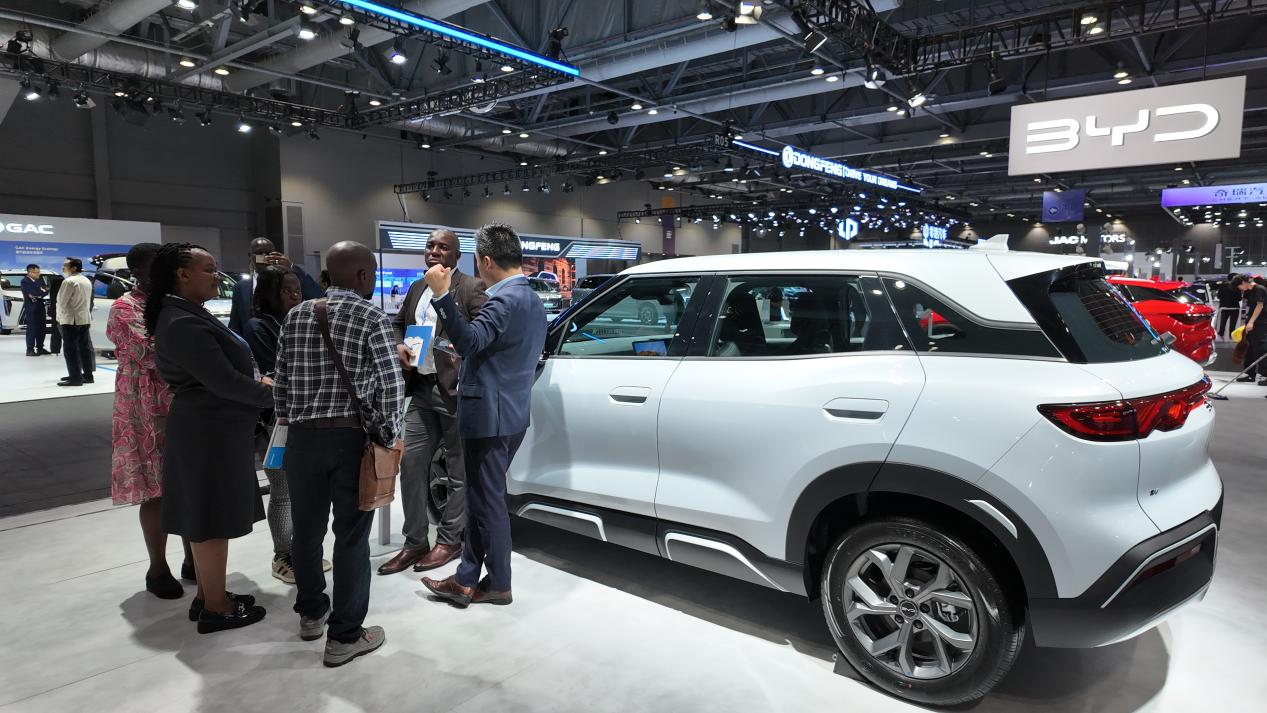
BYD plans to use the expo to introduce its flash-charging technology to Hong Kong, where the company expects to begin rolling out the system later this year, Raymond Cheung, chief operating officer of BYD (Hong Kong), said in an interview with China Daily.
The fast-charging technology, which has been deployed at more than 6,000 charging stations on the Chinese mainland, can charge a vehicle’s battery from 10 percent to 70 percent in about five minutes, Cheung said.
BYD is among Chinese automakers expanding into Hong Kong’s luxury vehicle segment. Cheung said Hong Kong’s concentration of car owners and corporate clients from around the world makes it a useful testing ground. Positive user experience and brand recognition in the city could help automakers expand into other overseas markets and replicate operation models developed in Hong Kong, he added.
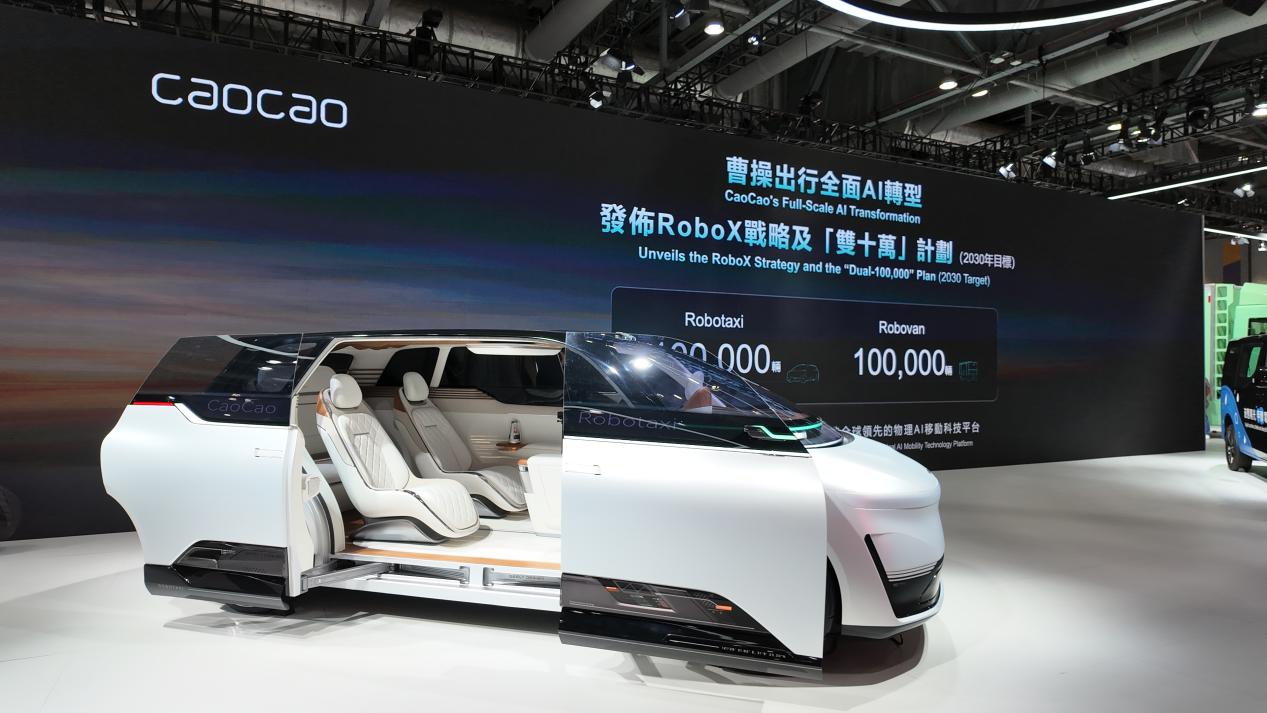
Zhejiang-based Geely Holding Group announced at the expo that its ride-hailing arm, CaoCao, will form a joint venture with Hong Kong’s Octopus Cards to expand into the local smart mobility market.
The company plans to deploy 100,000 robotaxis — fully autonomous vehicles designed to operate without human drivers — and 100,000 robovans globally by 2030.
Yang Xueliang, Geely’s senior vice-president, said the company plans to make its operations in Hong Kong a benchmark model for its wider international expansion.
Wingco Lo Kam-wing, president of the Chinese Manufacturers’ Association of Hong Kong and chief chairman of the expo’s organizing committee, said Chinese automakers are shifting from an approach focused mainly on exporting vehicles to building overseas ecosystems that include technologies, standards, capital and supply chains.
“Hong Kong is more than a display window; it is a comprehensive solutions platform that helps companies to achieve resilient, sustainable, and high-value global growth,” Lo said.
The expansion of Chinese carmakers abroad is also boosting demand for marketing and data services. Automotive information provider DCar unveiled its global marketing platform DCar Engine at the expo, with the aim of supporting Chinese brands with their international outreach.
