

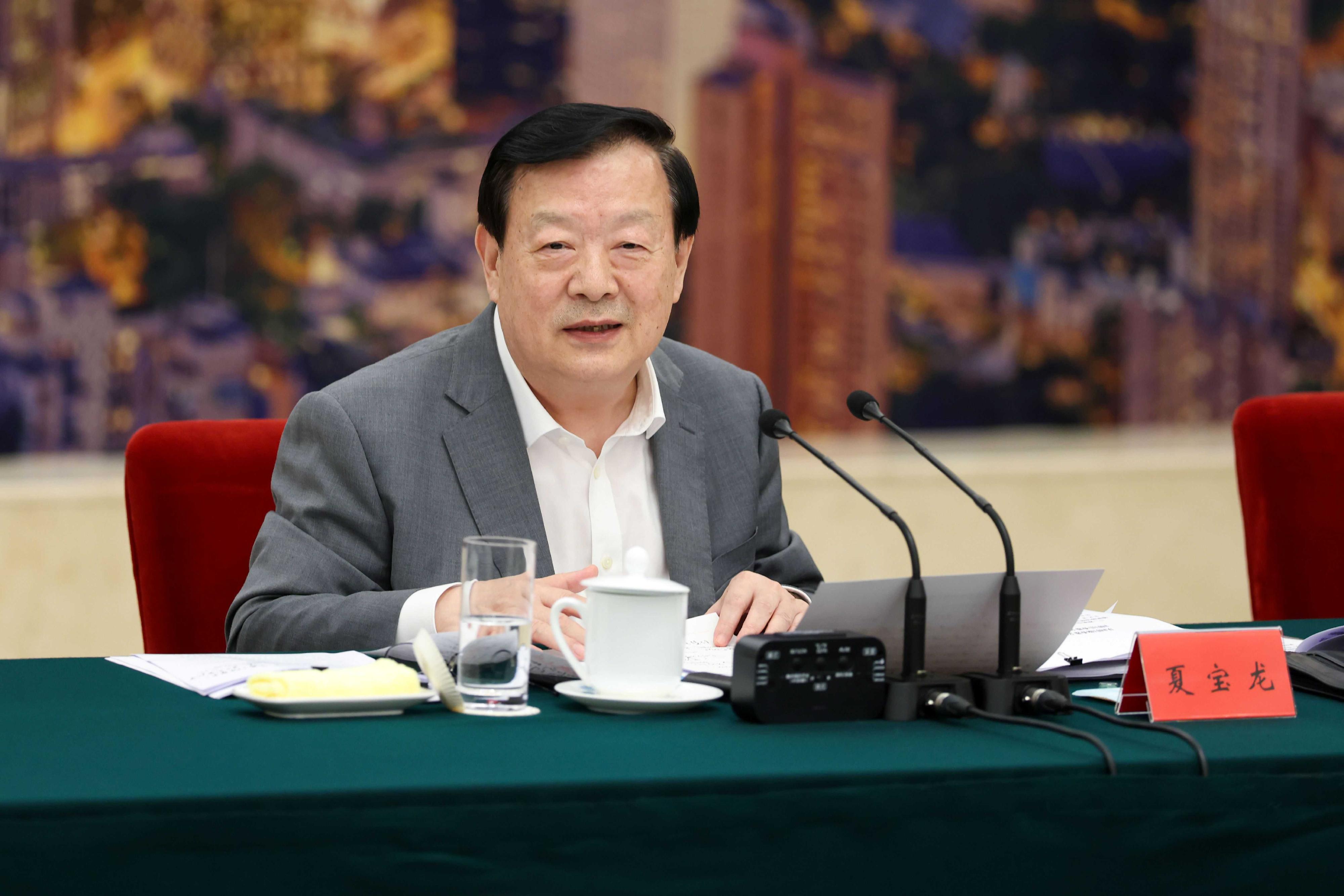
Xia Baolong, director of the Hong Kong and Macao Work Office of the Communist Party of China Central Committee, met with Hong Kong lawmakers in Beijing on Friday, as the legislators participate in an unprecedented study trip to grasp the country’s development goals.
Many senior central government officials also attended the meeting, including Xu Qifang, executive deputy director of the Hong Kong and Macao Work Office of the CPC Central Committee and the Hong Kong and Macao Affairs Office of the State Council; and Zhou Ji, director of the Liaison Office of the Central People’s Government in the Hong Kong Special Administrative Region.
The meeting with Xia, also head of the Hong Kong and Macao Affairs Office of the State Council, is parts of the lawmakers’ weeklong national affairs study trip in the capital. Starting July 19, the trip also featured thematic seminars on the Chinese mainland’s legal, economic and social systems as well as field visits to central government agencies, technology firms and cultural districts.
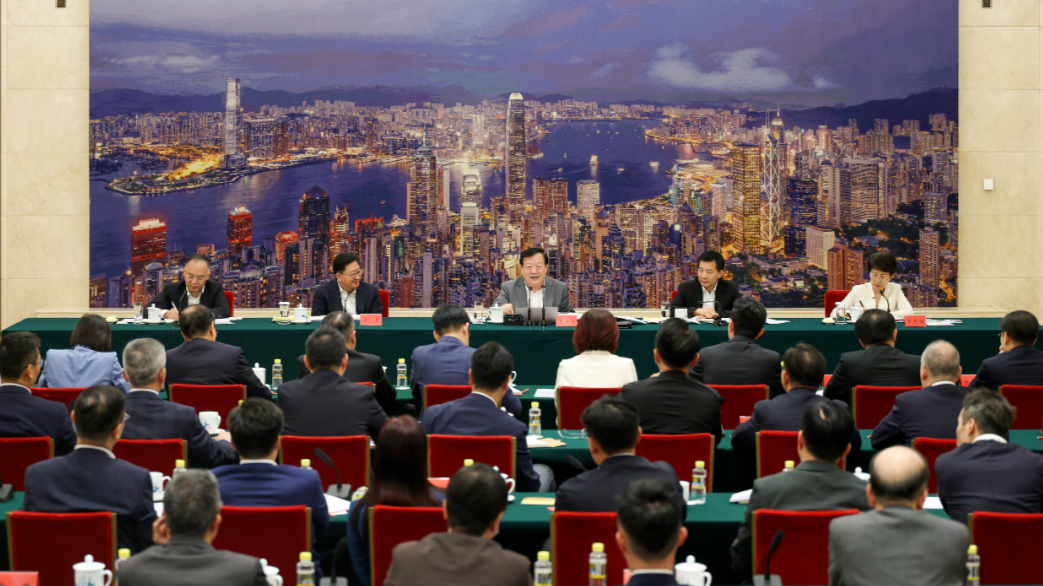
On Thursday morning, lawmakers attended a seminar on the socialist legal system with Chinese characteristics, with a focus on the Chinese Constitution. In the afternoon, they split into four groups to draw on local experience.
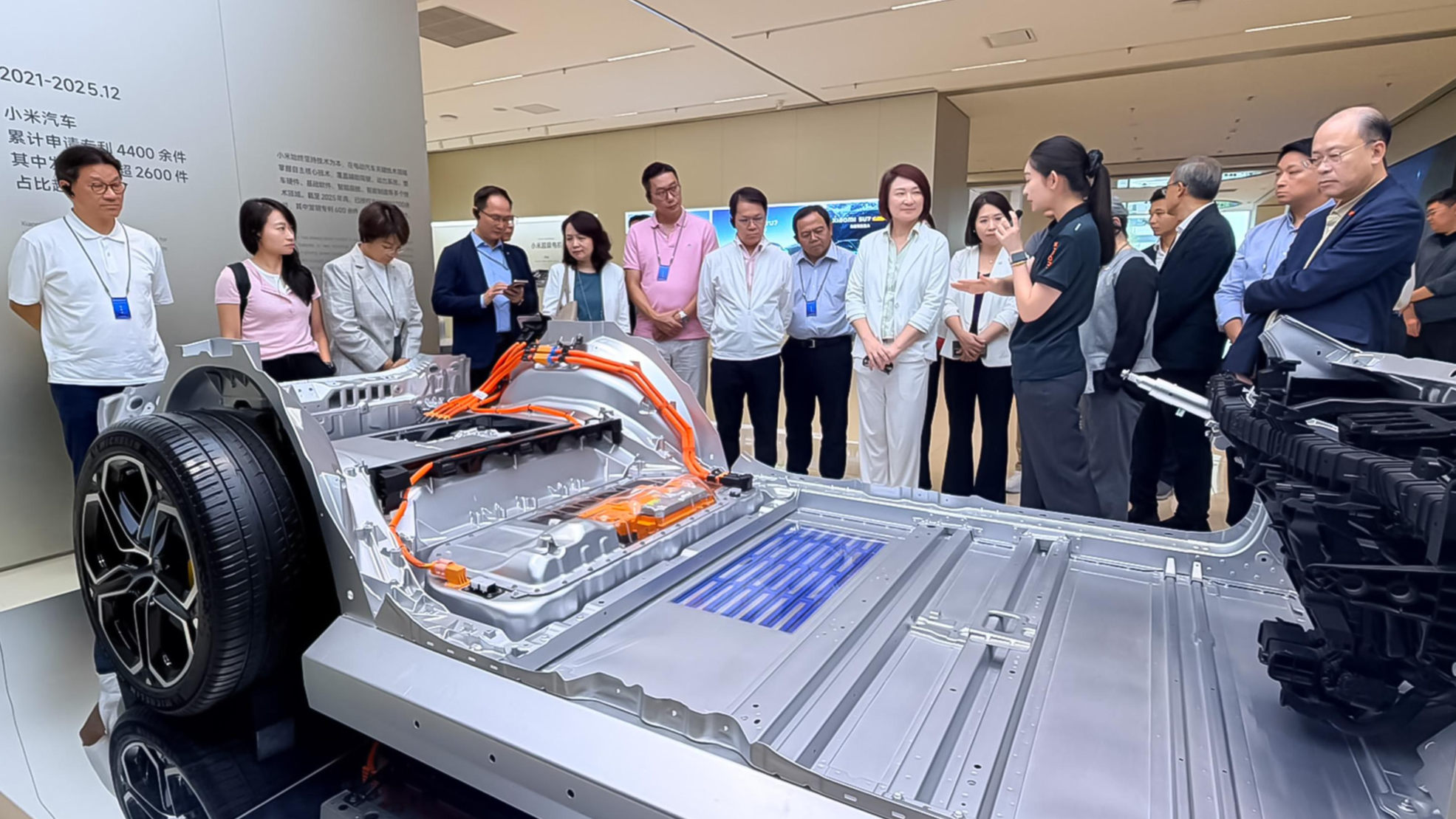
Two groups visited projects employing the new quality productive forces strategy, including a new energy vehicle plant, and robotics and embodied intelligence developers. One of the other two groups toured Nanmofang Township in Chaoyang district to learn about legislation for grassroots governance, while the other visited Longfu Temple Historical and Cultural District in Dongcheng district to study the local authorities’ efforts in urban revitalization and cultural conservation.
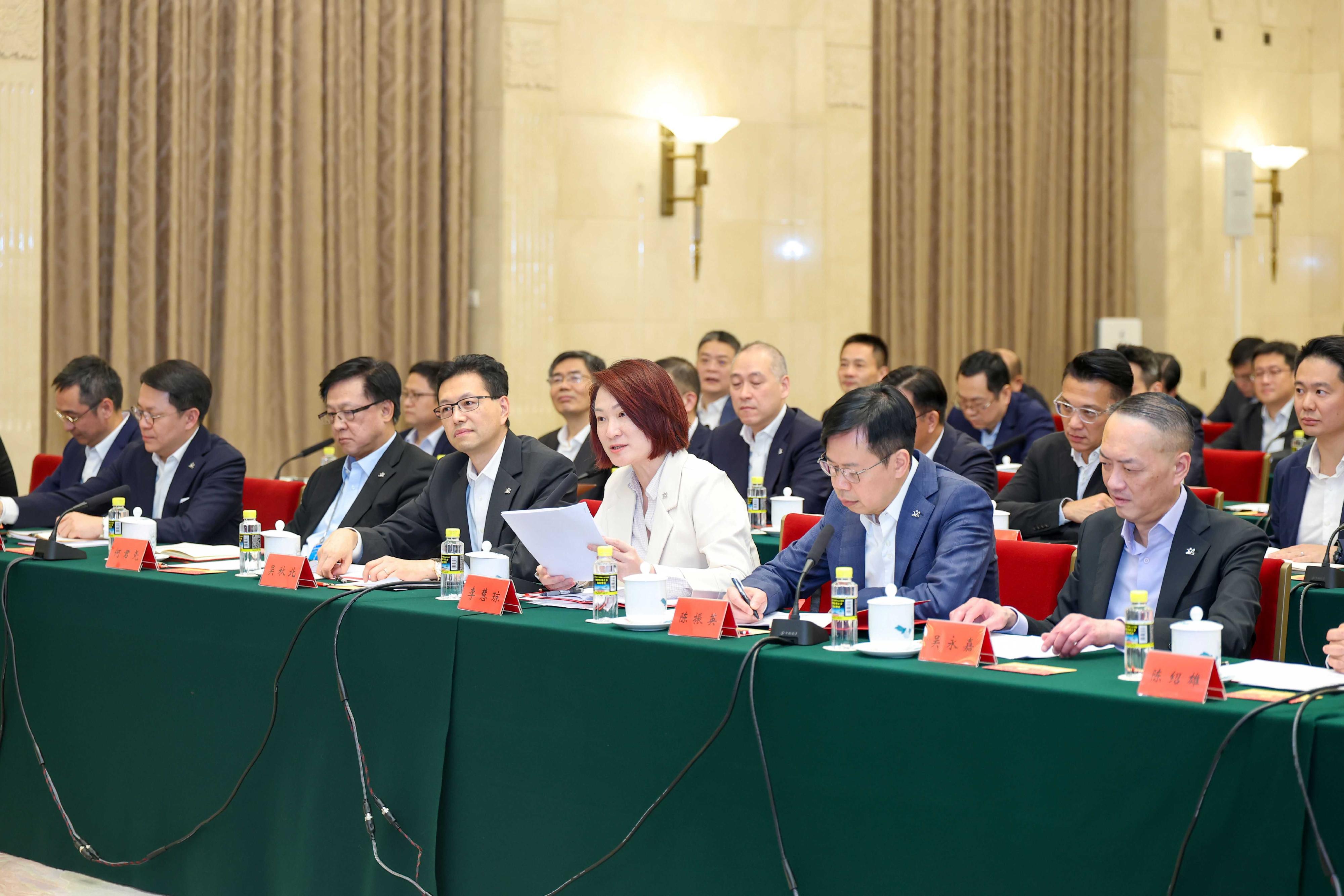
LegCo President Starry Lee Wai-king said in a social media post on Thursday that while the HKSAR — the country's only common law jurisdiction — may have a different legal system from the Chinese mainland, both share the principle that good laws enable good governance and that the legal system is the bedrock of development and stability — with serving the people's interests as the ultimate guide. She pledged to work with lawmakers to improve legislative quality and efficiency, and to step up exchanges with their mainland counterparts.
She also said that LegCo is learning from the nation’s experience about how it can boost legislation in emerging fields and thus speed up new technology and industry growth.
Lawmaker Gary Chan Hak-kan said that the morning lecture highlighted the need to strengthen legislation in key, emerging and foreign-related areas, covering the digital economy and artificial intelligence. Steady progress in national rule of law development is providing a solid institutional foundation for innovation and technology, he added.
After touring a new energy vehicle plant in the afternoon, Chan said that the experience could be used to improve the Guangdong-Hong Kong-Macao Greater Bay Area’s innovation ecosystem, especially in terms of speeding up the construction of the Hetao Shenzhen-Hong Kong Science and Technology Innovation Co-operation Zone. He said he would continue pushing ahead with relevant work on future policy reviews and resources allocation.
Earlier this week, lawmakers attended numerous exchange sessions and thematic seminars, covering topics of the country’s legislation work, the legal system, national security, social governance, the global economic and political landscape, the National 15th Five-Year Plan (2026-30), and Hong Kong's own five-year plan.
They also toured the Museum of the Communist Party of China, and the Beijing 12345 Citizen Hotline Service Center.
The weeklong visit is set to conclude on Saturday.
Contact the writer at gangwen@chinadailyhk.com
