

Dialects featured in hip-hop promote understanding of cultures, customs
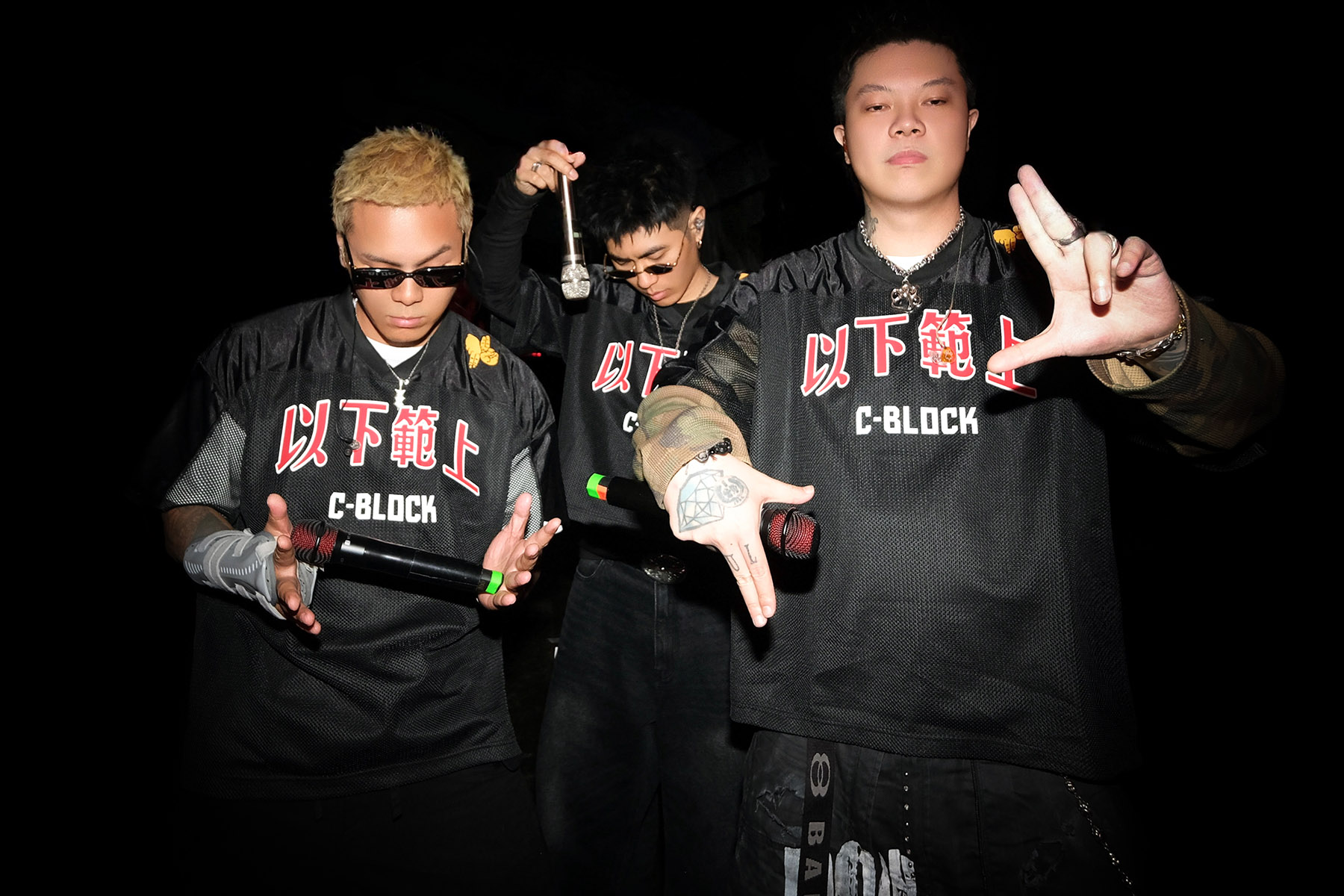
At the recent Space Romance music festival in Chengdu, Sichuan province, thousands of fans enthusiastically rapped along in the Changsha dialect to one act, even though most cannot understand the language.
On stage, C-Block from Changsha, Hunan province, was rocking the audience with their distinctive dialect rap during the festival, which took place on May 2-3.
But C-Block are far from alone in remapping rap's language boundaries. In recent years, dialect rap has become increasingly popular in China's booming hip-hop scene, driving a growing number of rappers to dive deep into their cultural roots and explore their identities, in the process connecting with fans nationwide and across the world.
READ MORE: A hip-hop home for nation's original rappers
According to a list compiled by the popular online music critic, New Music Industry Observer, seven out of the 10 most acclaimed rap albums in China last year used local dialects, emanating from Sichuan, Shandong, Henan and Hubei provinces, as well as cities such as Chongqing and Changsha.
The story of rap in China, and how it tapped into local voices and culture, dates back to its earliest days and a belief it could help revive local languages.
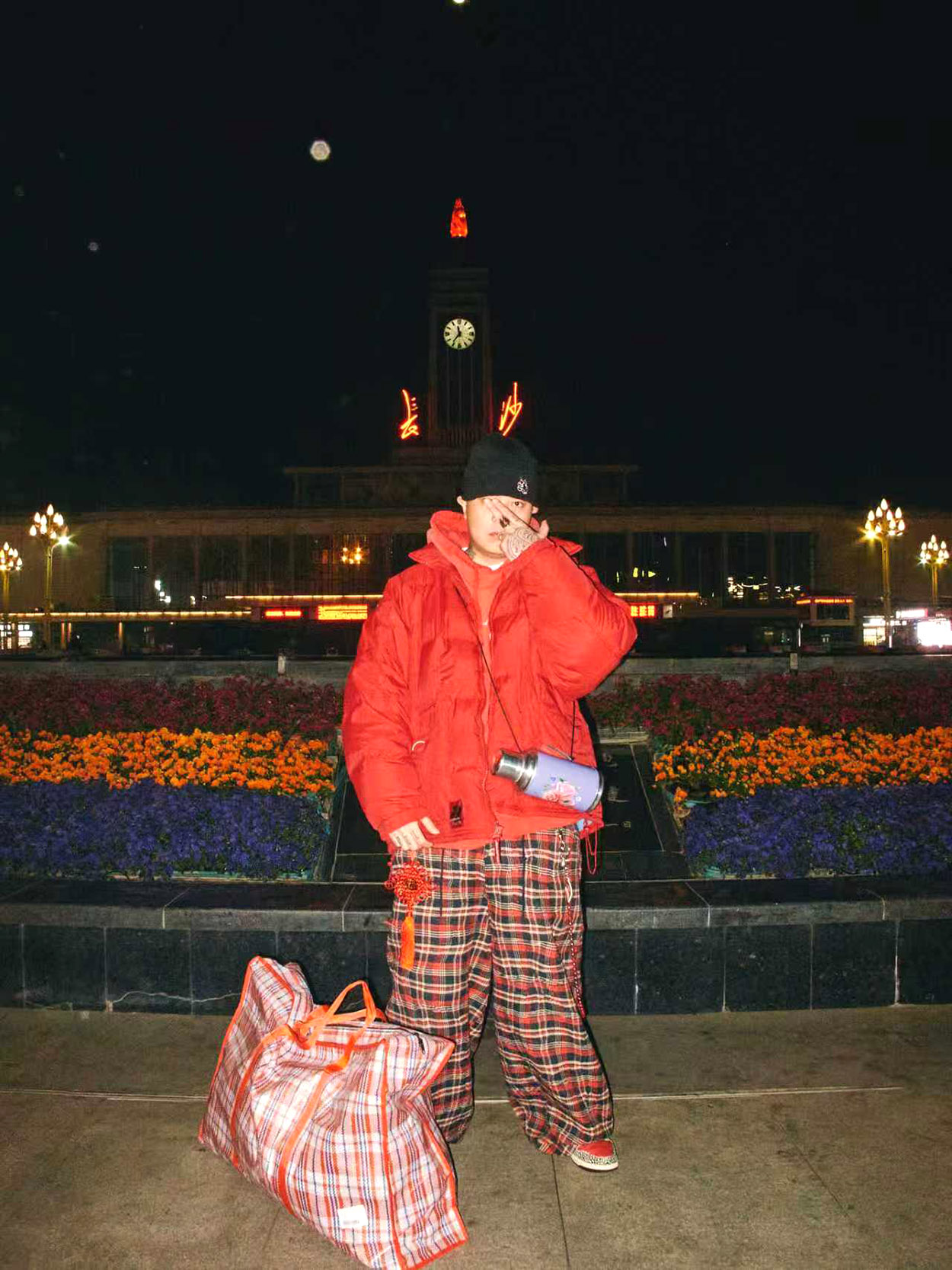
Liu Liangji, or Mr. weezy, a 41-year-old rapper from Shanghai, is clear about his cultural mission.

He insists on making rap songs not for money or fame, but to save and promote local dialects and cultures.
Liu started performing in the Shanghai dialect in 2014. At that time, he noticed that many young Shanghai residents could barely speak the local dialect, which he believed was one of the city's main cultural pillars.
He also discovered the problem of disappearing local dialects was not confined to Shanghai. In many cities across the Yangtze River Delta region, a growing number of people were unable to speak the predominant Wu dialect.
To make a difference, Liu gathered rappers from four other cities across the region in 2018, and formed the group JZH League. With the shared goal of promoting local dialects, they released six songs that integrated their respective dialects, attracting extensive attention online.
"I love hip-hop, love our country and cultures. These songs stand for not only hip-hop, but also showcase our cultural roots and its diversity. I want them to be well kept, better understood and widely shared," said Liu.
The positive early feedback motivated Liu to broaden his goals. In October 2019, he initiated the Chinese Languages project to celebrate the 70th anniversary of the founding of the People's Republic of China, inviting 20 rappers from across the nation to rap their messages in 20 dialects.
Two years later, in July 2021, Liu spent four months organizing 32 rappers from 28 provinces and cities nationwide, co-creating the Rap A Song for the Party. All rappers joined in with their own dialects to mark the 100th anniversary of the founding of the Communist Party of China.
Listen to the fans
By 2017, rap music had burst onto the cultural scene in China, as the viral reality TV show The Rap of China thrust the musical genre into the nation's mainstream pop culture. Clips from the show attracted a staggering 3 billion online views.
Its sequel and similar rap shows have kept the scene flourishing, producing a growing number of rap stars, enthusiasts and fans.
The New Music Industry Observer placed the album Everybody loves hip-hop, released under the label Mintone Records, in second place on its all-time chart.
Mainly performed in Sichuan and Yunnan dialects, the album was co-created by rapper Xia Zhiyu and musician Jin Yuhan, or Dizkar. Other rap parts in the dialects of Beijing, Cantonese, Guizhou and Tibetan language are featured on the recording.
Xia, 37, said he used to lack confidence in speaking the dialect of his birthplace — Baolun town, Guangyuan, Sichuan province. Now living in Sichuan's Chengdu, Xia often reflects his life experiences in his works.
His previous album Young Fresh Chin II, released in 2023, is highly acclaimed for stories based on his past, that reflect challenging times and a youth's personal growth.
"My hometown is located at the junction of three provinces, with gold and coal mines. There is a large floating population and many hard life stories amid the chaos. They gave me inspiration to create, and I hope to shed light on them," said Xia.
For 32-year-old Jin, Kunming's pleasant weather, slow pace of life and locals' philosophy of "going with the flow of nature" are reflected in his free and inclusive music.
"If it were 15 or 10 years ago, I might be worried if dialect rap songs can connect with others. But now, we can hear fans rap with us in shows across the nation. We are creating our own hip-hop," said Jin.
Southern exposure
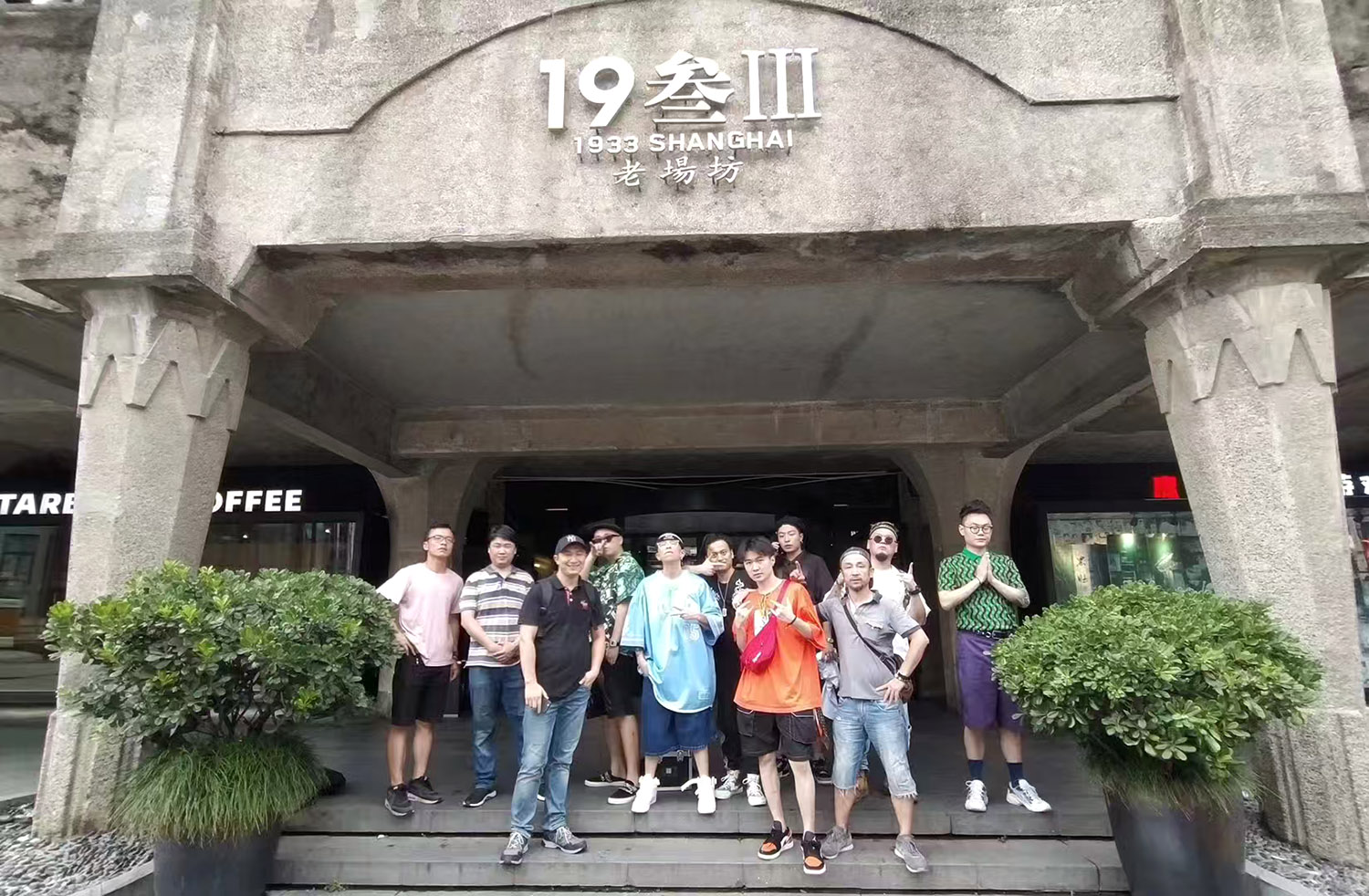
Last year, Cantonese rapper Lan Lao's hits from his second album Ba Fang Lai Cai went viral globally online. Combining Cantonese rap with accented Mandarin, other dialects, and culturally specific references, his vibrant local images captivated listeners around the world.
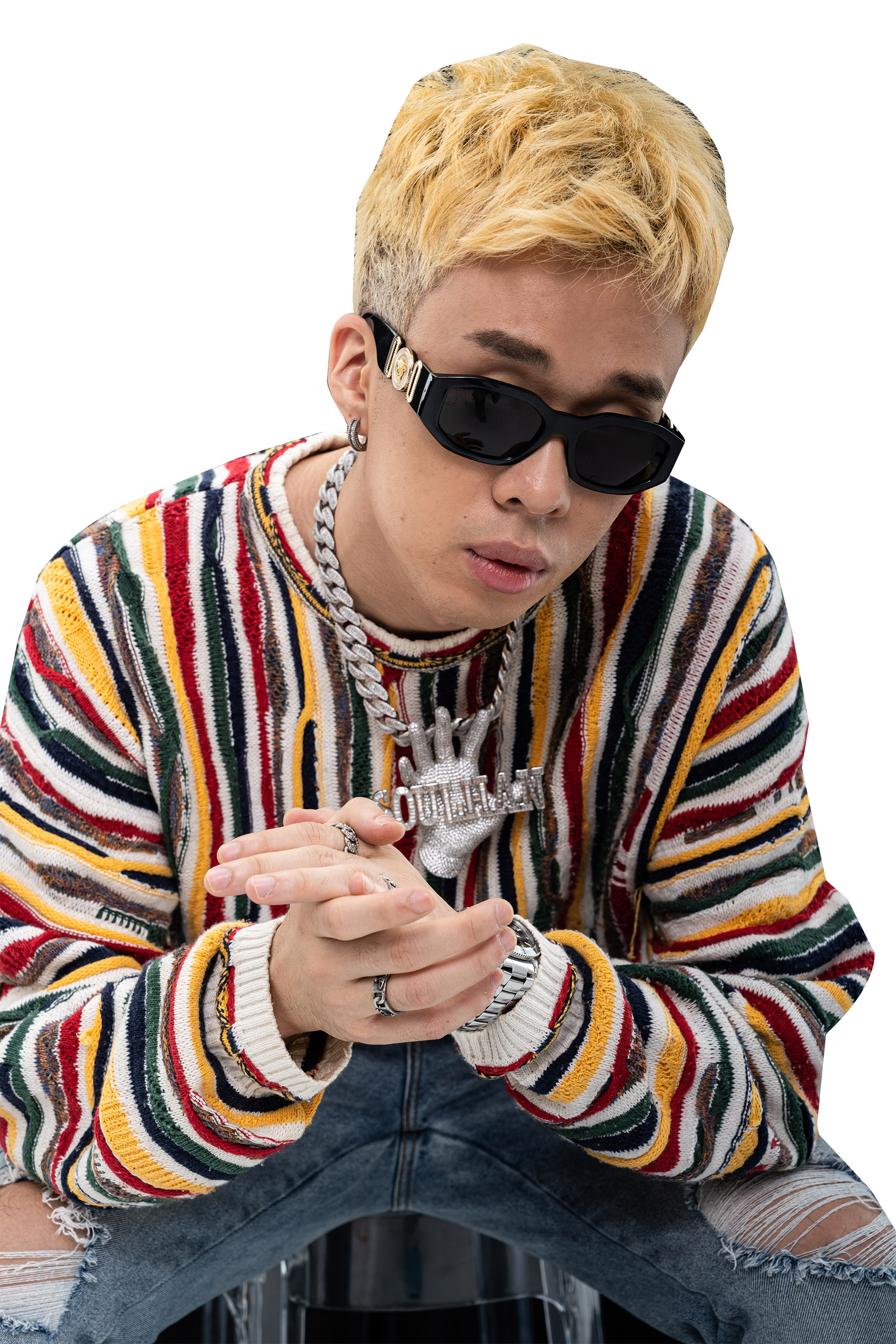
Veteran Cantonese rapper Chen Zhuoheng, or SoulHan, sees this spreading popularity as solid evidence of Chinese rappers' and hip-hop fans' growing cultural confidence and identity.
The 30-year-old from Guangzhou, Guangdong province, performs almost all of his rap songs in Cantonese.
"Although hip-hop is an imported culture, we Chinese have our own cultural background, a safe society, and different music preferences. Cantonese culture has a long and evolving history, including the internationally brilliant Hong Kong culture. The infusion of these diverse cultures can spark tremendous creativity," said Chen.
Cantonese is undoubtedly a force to be reckoned with among China's huge number of dialects and local cultures, boasting a history of more than 2,000 years, he said.
Featuring unique tones and cultural richness, Chen describes the Cantonese hip-hop scene, which started in the 1980s, as a vibrant "melting pot of cultures".
"Hip-hop is inclusive. It gave me knowledge, new perspectives on the world and shaped my values," he said.
"It's good to see more rappers, hip-hop fans and market opportunities in China. But I, like many other rappers, would still prioritize doing hip-hop for self expression and fun, before money and fame," he said.
Feeling like a hero
Consisting of "Kungfu-Pen" Shi Yifan,"D-Shine" Sheng Yu and "Key. L" Liu Cong, C-Block is one of the most popular rap groups in China and this year celebrates its 20th anniversary. Drawing inspiration from traditional culture and urban life, the trio focuses on a mixture of Hunan culture and street narratives to craft a bold and unique rap style under the Sup Music label.
Shi, 34, said it was the movie 8 Mile — that follows the exploits of a young rapper in Detroit — that changed the life of a "soulless boy" when a music teacher played it to him in middle school.
"I completely knew what I would like to do after that day," said Shi. "What attracted me most about rap and hip-hop music was that it made me believe that anyone can be a hero. And I want to be a hero too," he said.
Shi started writing his own rap songs. The Changsha dialect he uses in everyday life naturally became part of his rap creations, helping him develop a distinctive style with local cultural roots.
It was shortly after C-Block began writing rap music in the local dialect that they made the hit song Talk About Changsha. With the whole track performed in the Changsha dialect, it presents the diverse local culture and lively everyday scenes of the city, such as landmarks, food delicacies, social conventions, traditional operas, nursery rhymes and more. "The dialect words just came together so intuitively and smoothly, without deliberate efforts to think about them," said Shi.

With lyrics that resonate and catchy rhythms, the song went viral after being released online in 2007. It also became the theme song of a popular TV show, reaching a wider national audience.
The musical trajectory of Shi and his group has taken off since then. In addition to local dialect songs, he also uses Mandarin to delve into universal topics, which has helped him gain wider popularity nationwide.
Despite his success, he refuses to label himself as a "dialect rapper" only.
"Dialects will still be there in the right place, but hip-hop itself is free with no boundaries. I come from Changsha, and the city has so much to offer. I love here, belong here. But I'm not confined here," Shi added.
He added that "revolution" is deeply carved in the city's history and the people's blood, which echoes with the spirit of hip-hop culture. As rappers, they stay true to themselves, oppose values that they see as incorrect, shoulder social responsibility, and speak up for the unseen in the hope of making a difference.
In November 2020, Shi held a free show in Wuhan, Hubei province. It was a special time for the city — where Shi spent four years at college — as it slowly began recovering from the COVID-19 pandemic. The performance, one of the city's first indoor live shows after the virus outbreak, attracted thousands of enthusiastic fans. Its exuberance cleared clouds of doubt and fear hanging over the city.
"I could hardly sleep the night after the show. That was the exact moment I felt like a hero," said Shi, who is currently on a national tour for his new album.
Rice-noodle superstar
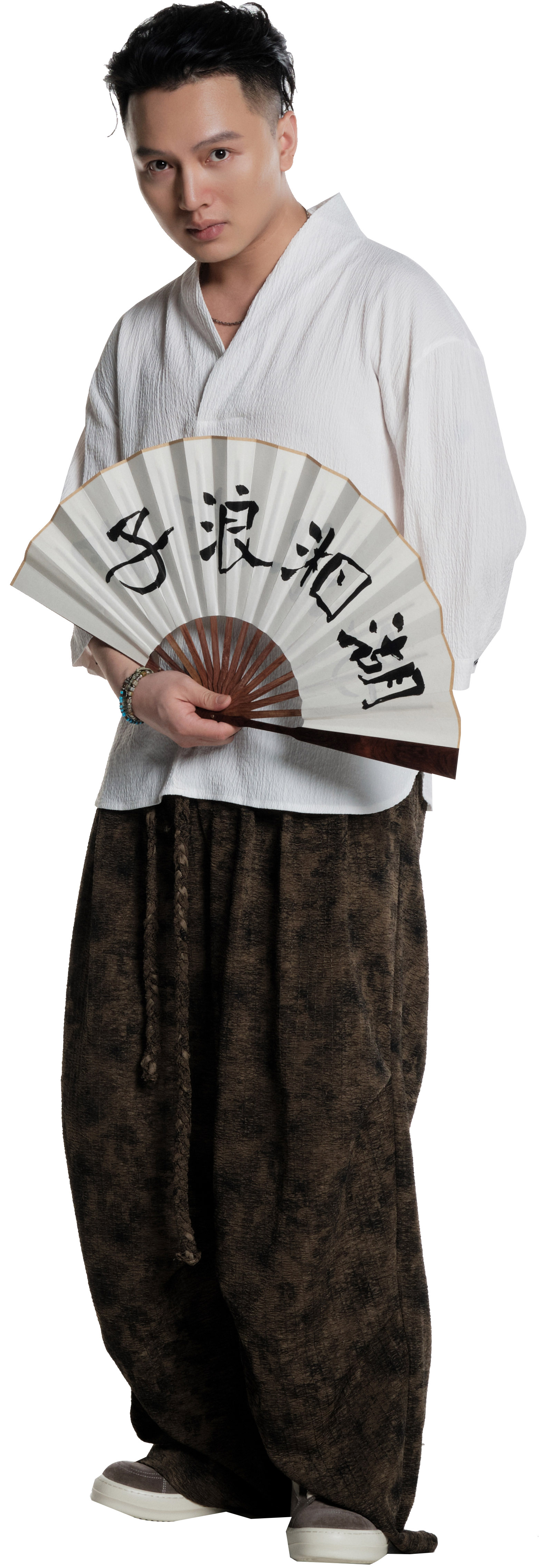
Shi's friend "Ranzer" Ye Runze, 34, is also striving to blend Changsha dialect, life experiences, personal stories and local culture with hip-hop music.
According to his fans, Ye's music flows easily like the city's Xiangjiang River. Cleverly combining Changsha dialect, Mandarin, rap and folk ballads, Ye's songs are more melodic and accessible to a broader audience.
Last year, his hit Hometown, Wind impressed millions of people and introduced his hometown and its melodies in a refreshing way.
Learning the Chinese zhudi (bamboo flute) from age 8, he has been motivated by American rapper Kanye West through the years. Ye said folk songs, which he has listened to since he was a kid, have also become a source of inspiration and added a unique color to his sound.
ALSO READ: Chinese rapper's Lingnan-rooted hip-hop a big draw in US
For example, A Bamboo Pole from his first solo album in 2020, was adapted from a Hunan folk song. It conveys the message of "unity", as one single bamboo pole might be easy to bend, but when three or more of them are bound together, they can drive a big boat and ride the waves. The idea, in Ye's eyes, aligns with the concept of crew, squad and community in United States hip-hop culture.
"We may speak different languages and live different lives from rappers on the other side of the world, but essentially, we share similarities in culture, spirit and human nature," said Ye.
He refers to his music offerings as bowls of "rice noodles" by the roadside, a Changsha specialty popular with almost everyone. They are simple, pure, and warm, and a conduit for lively local stories.
"Hip-hop is free. It's about breaking down boundaries and exploring new possibilities. I want to be a 'superstar' in my way, which is to take my personal style to the extreme — maybe like a Chinese version of 'Post Malone'," said Ye.
Abler Liu contributed to this story.
Contact the writers at wangxin2@chinadaily.com.cn
