

From plant-based fabrics and clean materials to community-led crafts, innovators are turning sustainable concepts into market-ready solutions, Peng Chao reports in Chengdu.
Apple peels, grape skins and coffee grounds are being transformed into clothing and footwear. Sugarcane and cassava are finding new life as non-toxic paint. Even everyday activities such as cycling or tapping a foot can generate electricity to power smart devices.
These were among the innovations showcased at Re: Think 2026 Sustainable Procurement Innovation Week, recently held in Chengdu, the capital of Sichuan province. All are aligned with the United Nations' Sustainable Development Goals.
The nine-day event, which concluded on May 24, was hosted by the United Nations Development Programme in China, with support from the China International Center for Economic and Technical Exchanges and the Chengdu Hi-Tech Zone.
READ MORE: Blooming into a vibrant urban landscape
Themed "Local Ideas, Global Pathways", the event drew participants from government, business, academia, and the innovation ecosystem to help Chinese enterprises strengthen their ability to compete in higher-standard global markets and contribute to sustainable development and global climate goals.
"The Sustainable Development Goals — our shared global blueprint to safeguard people and planet by 2030 — are in serious jeopardy," said James George, UNDP Resident Representative ad interim in China, while addressing the event. "More than one-third of the SDG targets are either stalled or regressing."
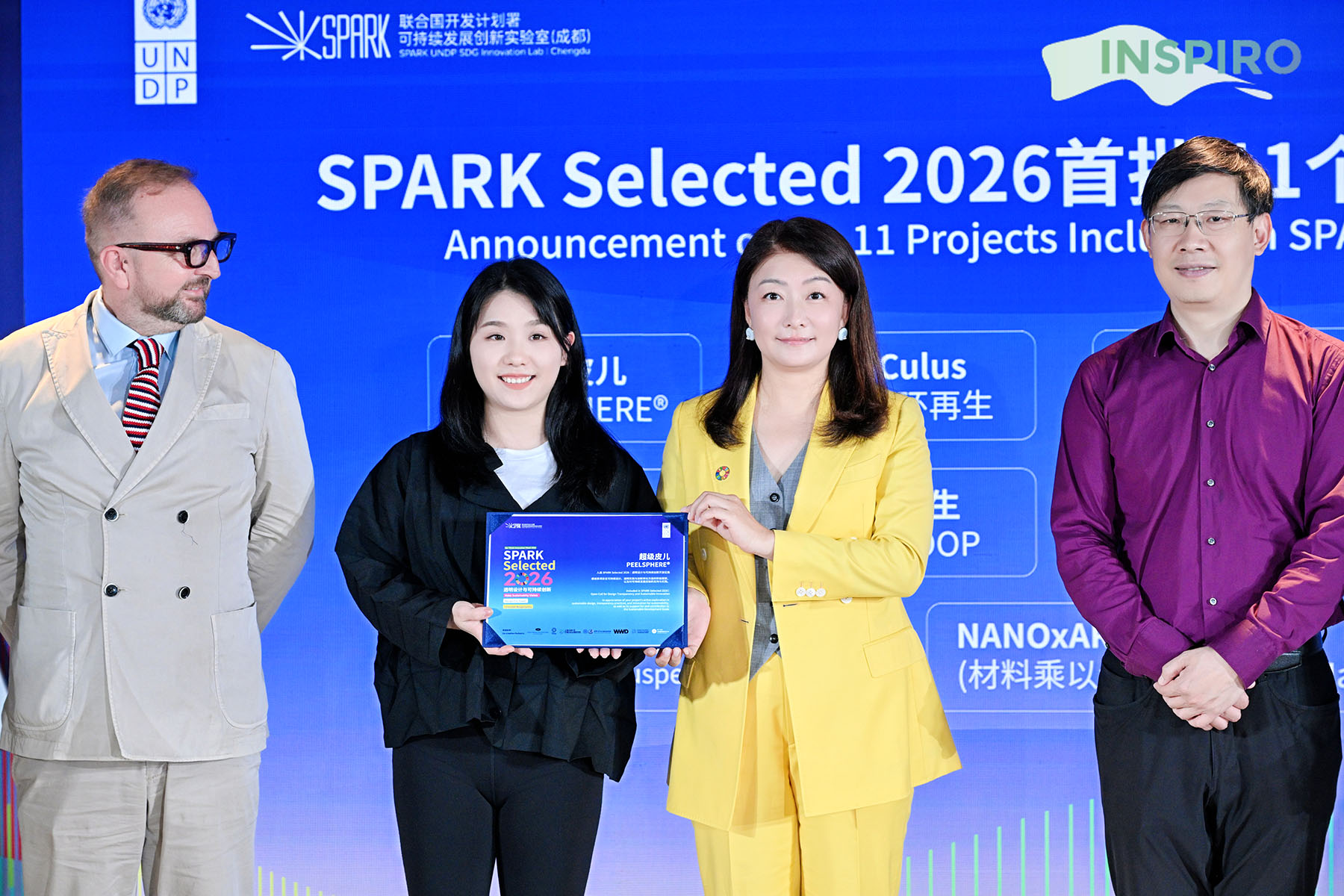
Addressing these challenges requires all hands on deck, including small and medium-sized enterprises, which account for around half of global GDP, he said. Therefore, it is of vital importance to ensure that SMEs can thrive in an increasingly interconnected global economy shaped by international standards.
George noted that business competitiveness today is no longer determined solely by cost and scale. Increasingly, it depends on trust, transparency and sustainability.
"Across industries, global markets are placing greater emphasis on ESG(environmental, social, governance) performance, supply chain due diligence, and verifiable standards," he said.
"Consumers are demanding more responsible products, and international partners and investors are looking for reliability, accountability, and long-term value."
To help local innovations succeed globally, Re: Think 2026 took an important step forward this year, evolving from a platform focused primarily on dialogue into one that actively identifies, showcases, and supports concrete solutions.
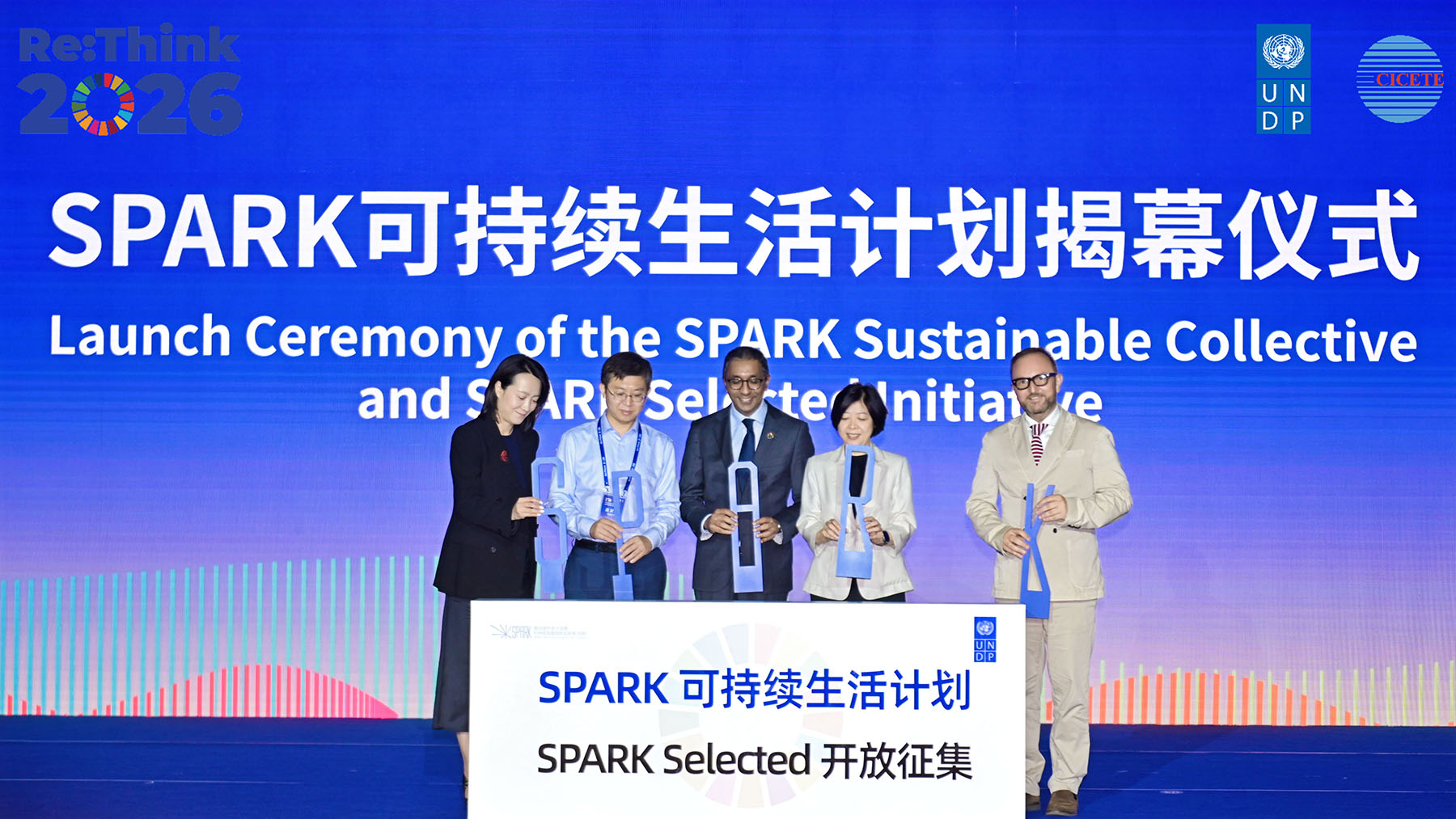
A major highlight was the launch of the SPARK Selected Initiative, a mechanism designed to discover promising SDG-aligned innovations, raise the visibility for emerging brands and entrepreneurs, and connect them with partners, markets, and future opportunities, George said.
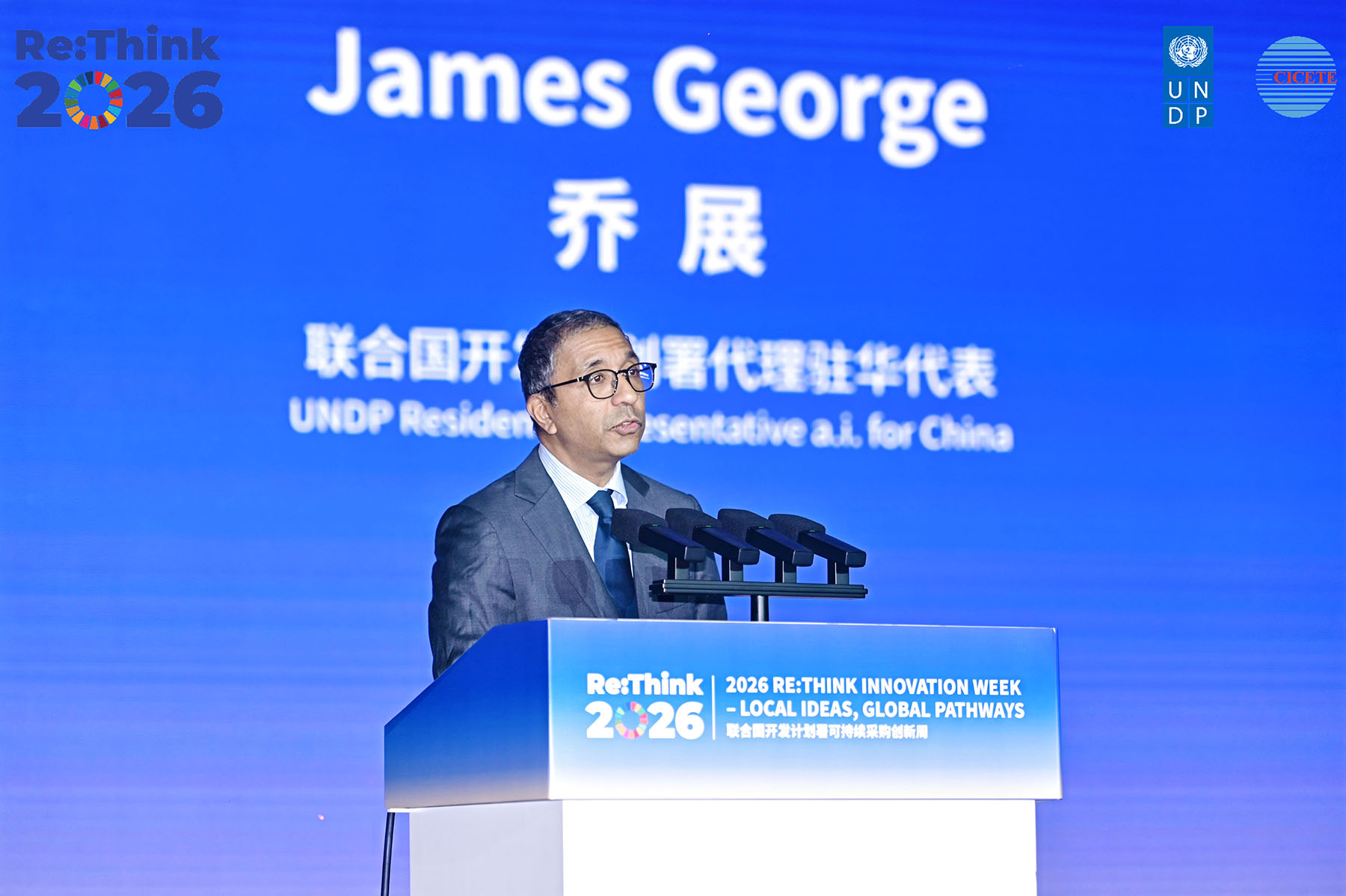
The initiative received a total of 110 applications, from which 11 were selected as its inaugural cohort and officially announced at the event. The selected projects demonstrated strong potential in areas such as supply chain transparency, sustainable value creation and cultural expression.
Among them is PEELSPHERE, a startup based in Shenzhen, Guangdong province, that transforms more than 60 types of non-food agricultural waste — including coffee grounds, fruit peels, wine lees and seaweed — into plant-based fabric.
"The coffee grounds from 18 cups of coffee can produce one square meter of fabric," said Song Youyang, founder and CEO of PEELSPHERE.
She said the fabrics are made by breaking down the effective structural units of agricultural waste to the micro-nano scale, before redesigning and reconstructing them into new materials.
The company has developed three product lines serving footwear, apparel, bags, automotive interiors, and home furnishings. Its products have entered the supply chains of global luxury groups and international automakers.
"An increasing number of consumers care about whether the products' materials are natural, healthy and non-toxic," said Song at a panel discussion, noting that such awareness is crucial for the development of sustainable brands.
But functionality is equally important, she said: "Even if a product uses sustainable materials, it cannot be truly sustainable if it wears out after just a few uses."
Song said their products are more durable and resistant to peeling than conventional synthetic leather. Unlike genuine leather, they require little maintenance, can be machine-washed and cost roughly one-third as much.
Transparency is another key factor. "Our raw materials are fully traceable, giving us an edge over brands that merely claim to use sustainable materials but cannot verify their origins," she said.
Those advantages have helped fuel rapid growth. The company has expanded its customer base by around 60 percent this year and continues to receive repeat orders from existing clients.
An innovation project specially invited to the event was Batang Folk Arts, a regional public brand from Batang county in Sichuan's Garze Tibetan autonomous prefecture. The initiative is breathing new life into traditional handicrafts while supporting sustainable development in local communities.
The brand emerged from a traditional skills competition launched in 2023 for local herders and farmers. Categories included sewing, weaving, woodworking and painting. Participants were invited to create handcrafted works using natural materials over seven days.
"We quickly realized that these creations had genuine commercial value — people wanted to buy them on the spot," said Zhang Shufeng, founder of the brand. The competition also sparked lively discussion among locals, she noted, because these skills had been passed down from their parents.
"We saw this as an opportunity to unlock the internal drive for sustainable development within the community, rather than continuing to rely on top-down policy support," she said.
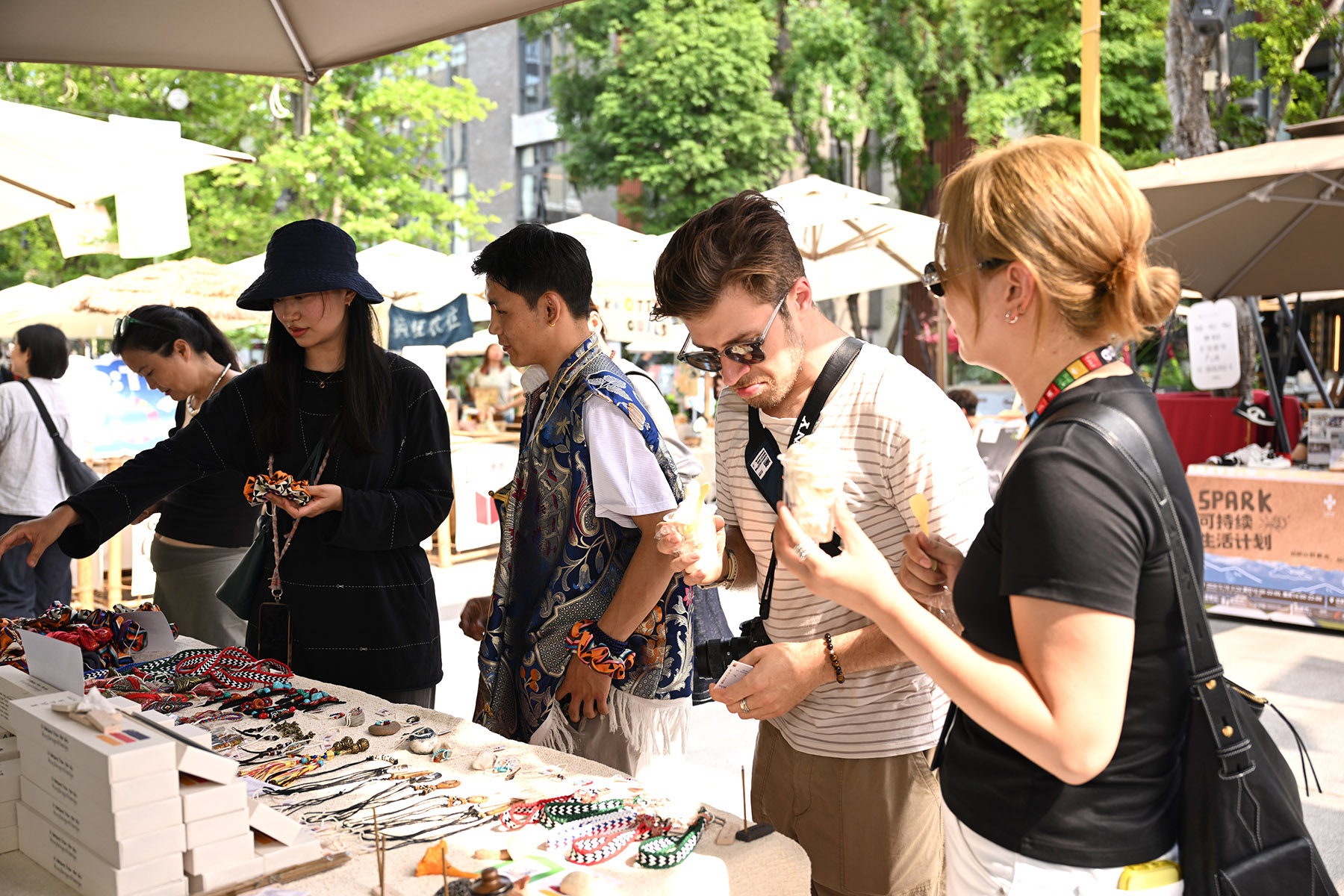
The county subsequently established the brand and a development association. Winners of the competition are paired with designers to create products that blend traditional craftsmanship with modern design. These products are sold at a government-funded exhibition hall and an official online store.
The brand now works with 209 herders and farmers from 91 villages across the county's 17 townships.
One standout artisan, Tenzin, teamed up with a graduate from the University of the Arts London to create his own line of handmade leather bags. Priced at over 1,000 yuan ($147.5) each, the bags earned him an extra income of 100,000 yuan last year.
"What we mean by 'folk art' is not merely traditional crafts, but the art of everyday life — the way local people have lived in harmony with nature for generations," said Zhang.
ALSO READ: Young innovators forge global ties
"We hope to leverage market forces to ensure these traditions are passed down sustainably and to help more people appreciate the wisdom behind them."
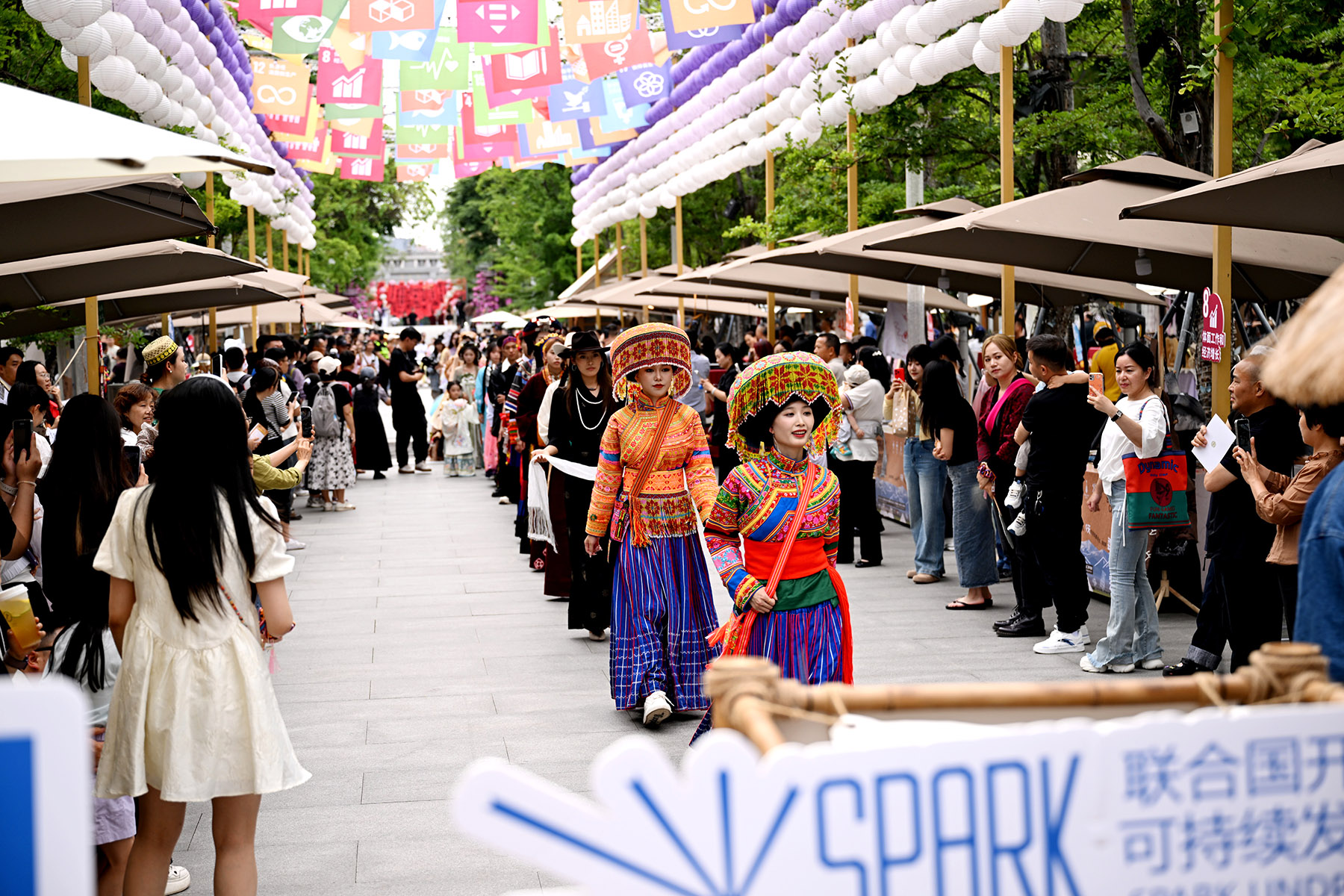
SPARK Selected is part of the broader SPARK Sustainable Collective Initiative, a platform linking innovation, sustainable lifestyles, and community participation, which also features a sustainable lifestyle fair and a night market for local residents.
Together, these activities aim to bring sustainable development out of policy discussions and into everyday urban life, while giving greater visibility to local innovations with global relevance that support the achievement of the SDGs.
Contact the writer at pengchao@chinadaily.com.cn
