

From incense-laced ceremonies to ancient heritage, Ethiopia is inviting travelers to experience its traditions first-hand — beginning with a cup of Arabica in Chongqing, Yang Feiyue reports.

Ethiopia's coffee ceremonies, art, music, dance and food are available for visitors to immerse themselves in at the recently opened China-Ethiopia Cultural Tourism and Business Center in southwestern China's Chongqing.
Offering a taste of the African country before visitors even board a flight, the center marks a clear sign of Ethiopia's ambition to attract more Chinese travelers.
"When a Chinese individual participates in a genuine Ethiopian coffee ceremony in Chongqing, they don't just taste coffee; they experience a ritual of hospitality, community and tradition," says Tefera Derbew Yimam, ambassador of Ethiopia to China.
"This sparks curiosity, ignites the imagination, and creates a desire to experience the full, authentic version in its original setting."
As 2026 marks the China-Africa Year of People-to-People Exchanges, Ethiopia is positioning tourism as the bridge to turn diplomatic ties into lasting emotional connections with Chinese travelers.
"Tourism is the perfect vehicle because it transcends formal agreements, allowing for direct, immersive and personal engagement," Yimam says, while laying out a vision that goes beyond landmarks and itineraries.

"When Chinese travelers visit, they don't just see landmarks; they experience ancient history, traditional coffee ceremonies, natural wonders, and Ethiopian hospitality firsthand. These tangible experiences forge emotional connections, break down cultural barriers, and create lasting friendships," Yimam adds.
On the ground in Ethiopia, inbound tour operators catering to Chinese visitors have found steadily rebounding interest.
Wen Xin, sales manager of an Ethiopia-based agency serving Chinese travelers, says both the number of visitors and the scale of tour groups are gradually returning to pre-pandemic levels.
However, the shape of travel has shifted.
"Compared with before the COVID-19 pandemic, we are seeing a clear trend toward smaller groups, with the proportion of large tour groups declining," she says.
The primary demographic remains seasoned travelers, who have already visited many countries around the world.
Wen adds that a niche but growing segment consists of photography enthusiasts, particularly those drawn to Ethiopia's rich birdlife.

For Chinese travelers who do make the journey, the experience often leaves a strong impression, one that has less to do with ticking off landmarks and more to do with moments of unexpected stillness.
Sun Yang, a traveler who documented his Ethiopia trip on Weibo, recently spent a few days in Lalibela, home to the famed rock-hewn churches. He found not just ancient architecture, but also a chance to slow down in ways he had not realized he needed.
"It felt like walking from one state into another. The hotel grounds were dotted with cacti, the air carried a hint of vanilla, and stone steps were scattered with rose petals," he writes.
He is impressed by an elderly man playing the masinko, a traditional Ethiopian fiddle also known as a masenqo, while waitresses sang and laughed as they worked.
"I suddenly felt a little unaccustomed to this warmth. It was too direct, without any sense of distance."
Ethiopia has marketed itself as "The Land of Origins" — the cradle of humankind and the birthplace of coffee, which the ambassador says are not abstract concepts but experiences designed for contemporary Chinese travelers.
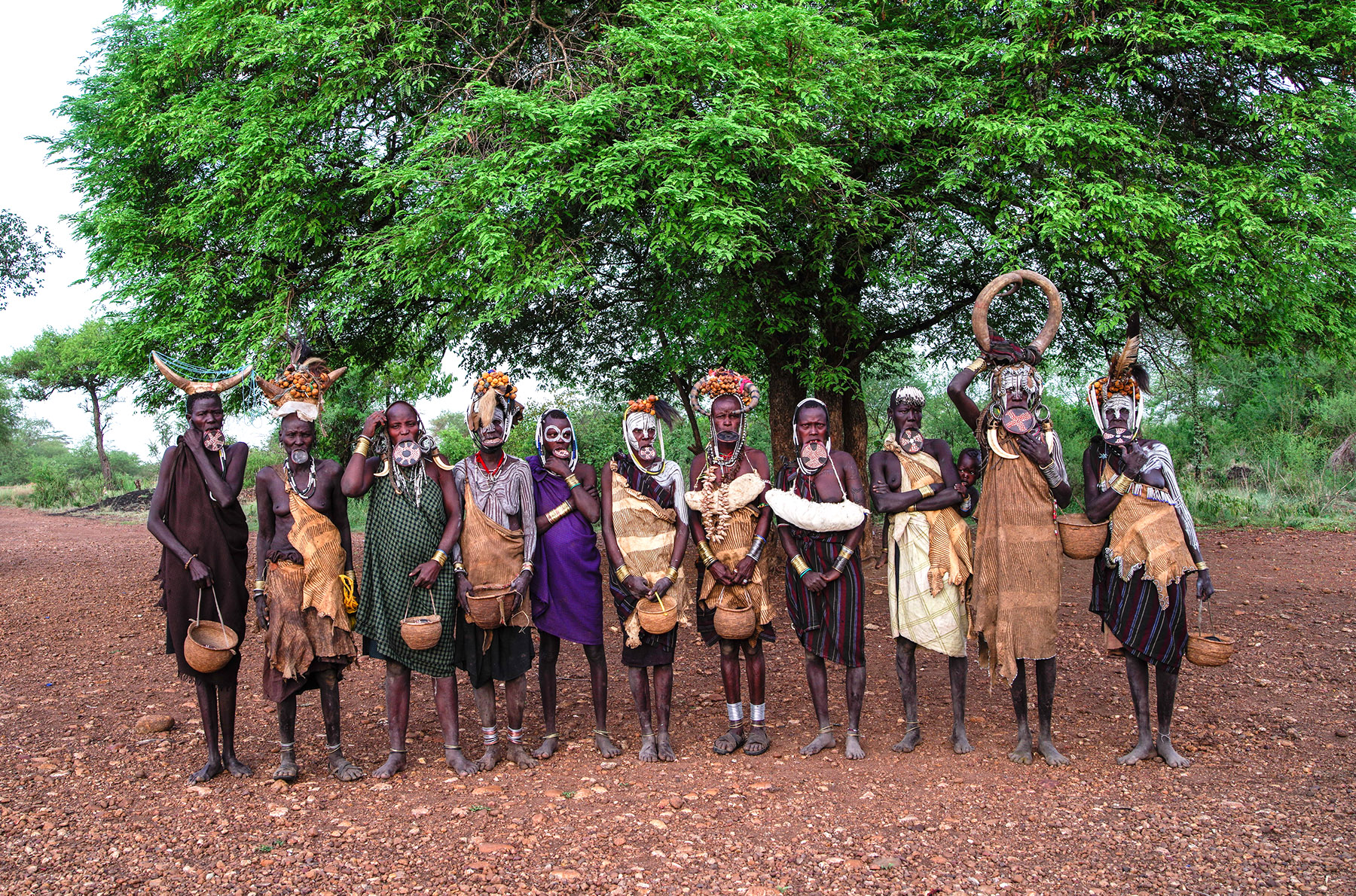
He points to the national museum in Addis Ababa, where visitors can stand before "Lucy", the 3.2-million-year-old hominid fossil. But the journey does not end there.
"We offer excursions to archaeological sites in the Omo Valley, where ancient traditions still thrive among indigenous communities, allowing visitors to glimpse lifestyles that echo our earliest ancestors," he says.
"It's about feeling the dust of time beneath your feet and recognizing our shared human journey."
For coffee lovers, Ethiopia has rolled out an immersive route into its southwestern highlands, the heartland of Arabica coffee. Travelers can walk through coffee forests, meet farmers, witness harvesting and processing, and participate in a traditional Ethiopian coffee ceremony, known locally as, Buna Tetu (come drink coffee).
"These experiences transform abstract concepts into delightful, aromatic, and cultural memories," Yimam says.
Sun had the chance to experience this tradition firsthand. One evening, a coffee ceremony was prepared for him. Frankincense was lit, and coffee beans were roasted, ground, and brewed before his eyes.
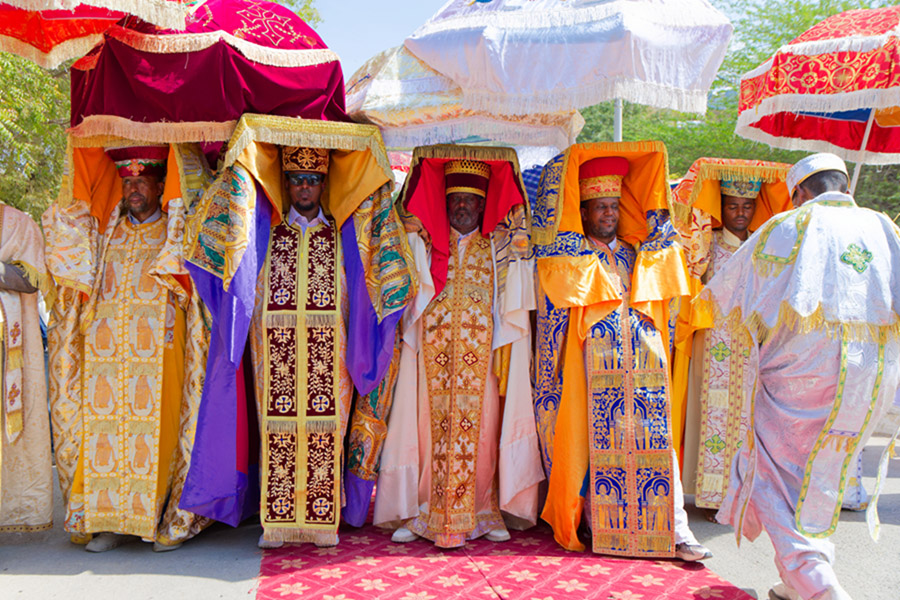
He was told that in Ethiopia, coffee is enjoyed in three rounds. As he sat watching the smoke rise, he found himself in an unfamiliar space.
"I suddenly realized I hadn't sat this 'slowly' in a very long time. No phone, no next plan, nothing that needed to be documented," he reflects.
Ethiopian Airlines is launching new domestic routes in 2026 to destinations including Negele Borana, Gore Metu, and Debre Markos.
According to the ambassador, this is a strategic move to diversify tourism offerings beyond the popular northern circuit while promoting sustainable travel.
Negele Borana, in Oromia, serves as a gateway to Bale Mountains National Park, where visitors can spot endemic wildlife such as the Ethiopian wolf and mountain nyala. Gore Metu offers immersion in rural Ethiopian life, with opportunities to engage with local farming communities and explore waterfalls and lush highland scenery. Debre Markos, in Amhara, is home to ancient monasteries and offers spectacular views of the Blue Nile Gorge.
"These new routes are a testament to our commitment to offering a richer, more varied, and truly unforgettable Ethiopian experience," the ambassador says.

To make Chinese tourists feel welcome, Ethiopia has rolled out concrete measures in recent years.
Yimam notes that training and certification programs are underway for local guides to become proficient in Mandarin, ensuring a growing pool of Chinese-speaking guides is available.
Major hotels, reputable tour operators, and larger souvenir shops in Addis Ababa and other key destinations have increasingly integrated WeChat Pay and Alipay, he says.
Workshops are also held for hotel and restaurant staff members to better understand Chinese customs, preferences and dietary requirements.
For Chinese families planning a trip, Yimam recommends applying for an e-visa in advance rather than relying on visa-on-arrival. "While visa-on-arrival is technically available, the e-visa process offers significantly more convenience, peace of mind, and a smoother entry experience, especially for families," he says, adding that visa-on-arrival can involve longer queues during peak travel periods.
On the connectivity front, Ethiopian Airlines already operates flights from Addis Ababa to several Chinese cities, including Beijing, Shanghai, Guangzhou (in Guangdong province), Chengdu (in Sichuan province) and Hong Kong.
The airline has submitted a request to authorities for additional flights on existing popular routes, and is actively exploring new direct routes from secondary and tertiary Chinese cities as part of a long-term growth strategy, Yimam says.
"Our goal is to solidify Addis Ababa's position as the leading aviation hub connecting China and Africa, making Ethiopia the natural first choice for Chinese travelers," he explains.

According to Wen, most Chinese travelers still lean toward more accessible experiences.
"Currently, most people in China have limited knowledge of Ethiopia's history and culture, so they tend to prefer quick, landmark-oriented sightseeing," she says.
"Many visitors take advantage of layovers in Addis Ababa to sample local cuisine and visit museums. The coffee ceremony is also quite popular," she shares.
Wen says her agency is open to exploring new destinations in the future, after conducting thorough research on each route beforehand.
"Much of Ethiopia's tourism resources remain not overly commercialized, and large areas still retain a relatively pristine and natural travel environment, making it an ideal destination to explore," Wen says.
When asked what single experience he hopes every Chinese visitor takes away, the ambassador recalls a memory rooted in everyday life.
"If I had to choose just one personal memory or place that I hope every Chinese visitor gets to experience for themselves, it would be witnessing a traditional Ethiopian coffee ceremony in a local home, particularly in the rural heartlands," he says.
Visitors can sit on low stools, take in the scent of roasting green coffee beans mingling with frankincense, the rhythmic sound of a pestle grinding beans, and anticipate the coffee brewing in the jebena — the traditional clay pot.
"More than that, it's the feeling of being welcomed, of sharing stories, of connecting with people across cultures without needing many words. It's a moment of pure, unadulterated Ethiopian hospitality and tradition."
He emphasizes that this experience, in his opinion, encapsulates the soul of Ethiopia.
"I truly hope every Chinese visitor gets to share in this beautiful, authentic tradition."
Contact the writer at yangfeiyue@chinadaily.com.cn
