

As the first light touches the horizon, the area awakens, weaving tales of tradition and transformation on Kisumu's shores
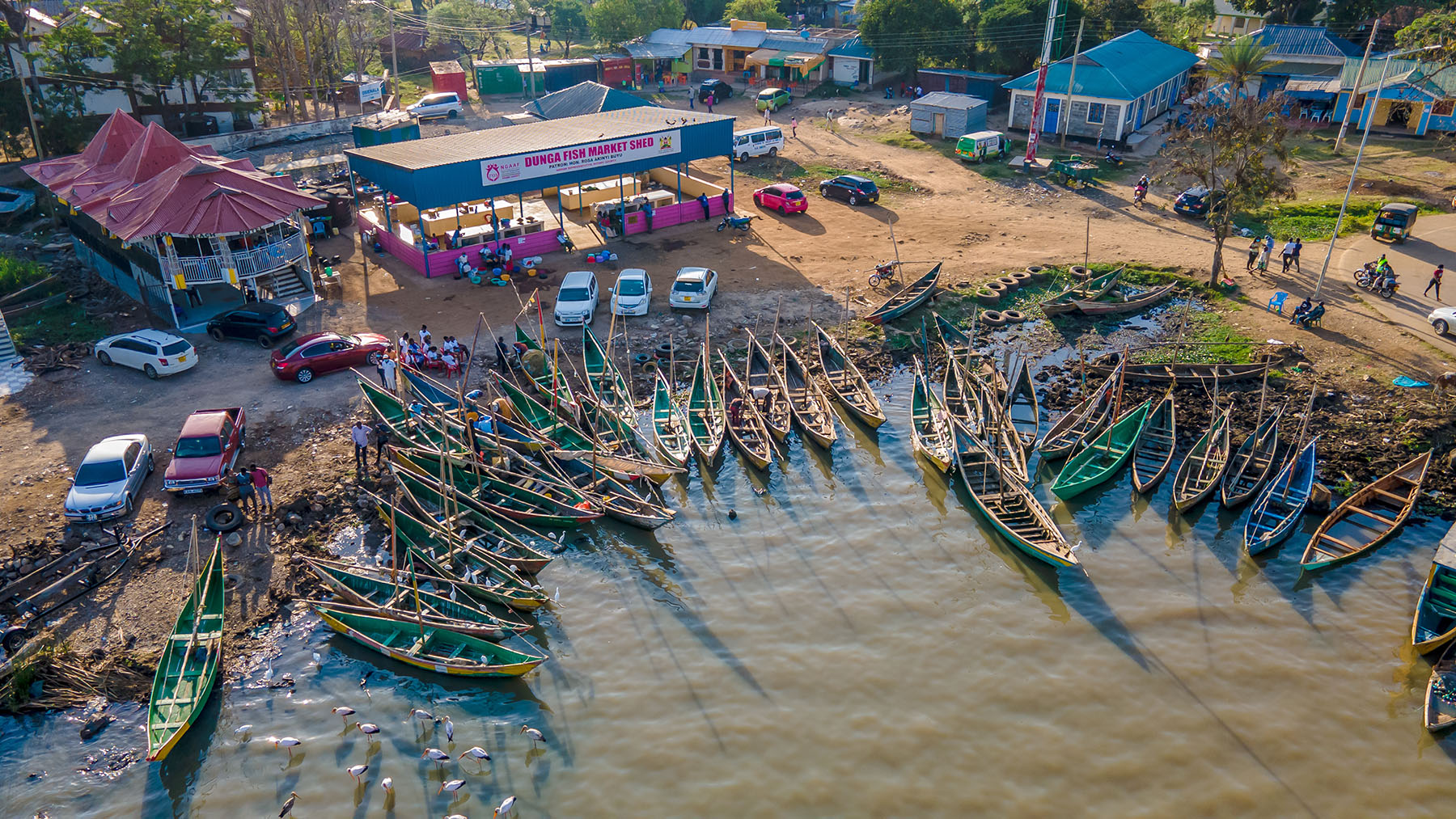
In Kisumu's Dunga Beach on the shoreline of Lake Victoria in Kenya, the day begins before the sun even rises.
It's a place where morning clouds drift lazily over horizons that seem endless and where human life remains deeply intertwined with the water and sky.
As both tourists and locals gather at daybreak, the first light slowly reveals a searing energy. Wooden boats, anchored shoulder-to-shoulder, rise and fall to the tunes of the tide, almost as if the lake is breathing.
Here, fishing is more than an economic activity; it is a culture, identity and living inheritance passed from one generation to the next.
At this landing site just 5 kilometers from the central business district of Kenya's third-largest city, entire communities revolve around the catching, drying, selling and feasting of fish, mainly Nile perch and tilapia.
"See that dock over there?" gestures Lillian Ochieng', a long-time fish trader from the region. Her gaze sweeps across a cluster of small canoes returning from night expeditions, their silhouettes cutting through the mist like returning ghosts of the water.
READ MORE: The famous gate to 'hell'
She pauses, a faint smile crossing her face, as though balancing years of memory against the weight of the present moment.
"My grandmother stood on this same shore," she said softly. "She learned how to smoke fish here, my mother learned how to sell fish here and it is now my turn. We laugh, we argue, we survive … and we come back again tomorrow … this is part of our lives."
The soft creaking of timber, the distant calls of fishers and the gentle slap of water against wooden hulls blend into a rhythm that belongs to the shores of Lake Victoria, second in size only to North America's Lake Superior among freshwater lakes.
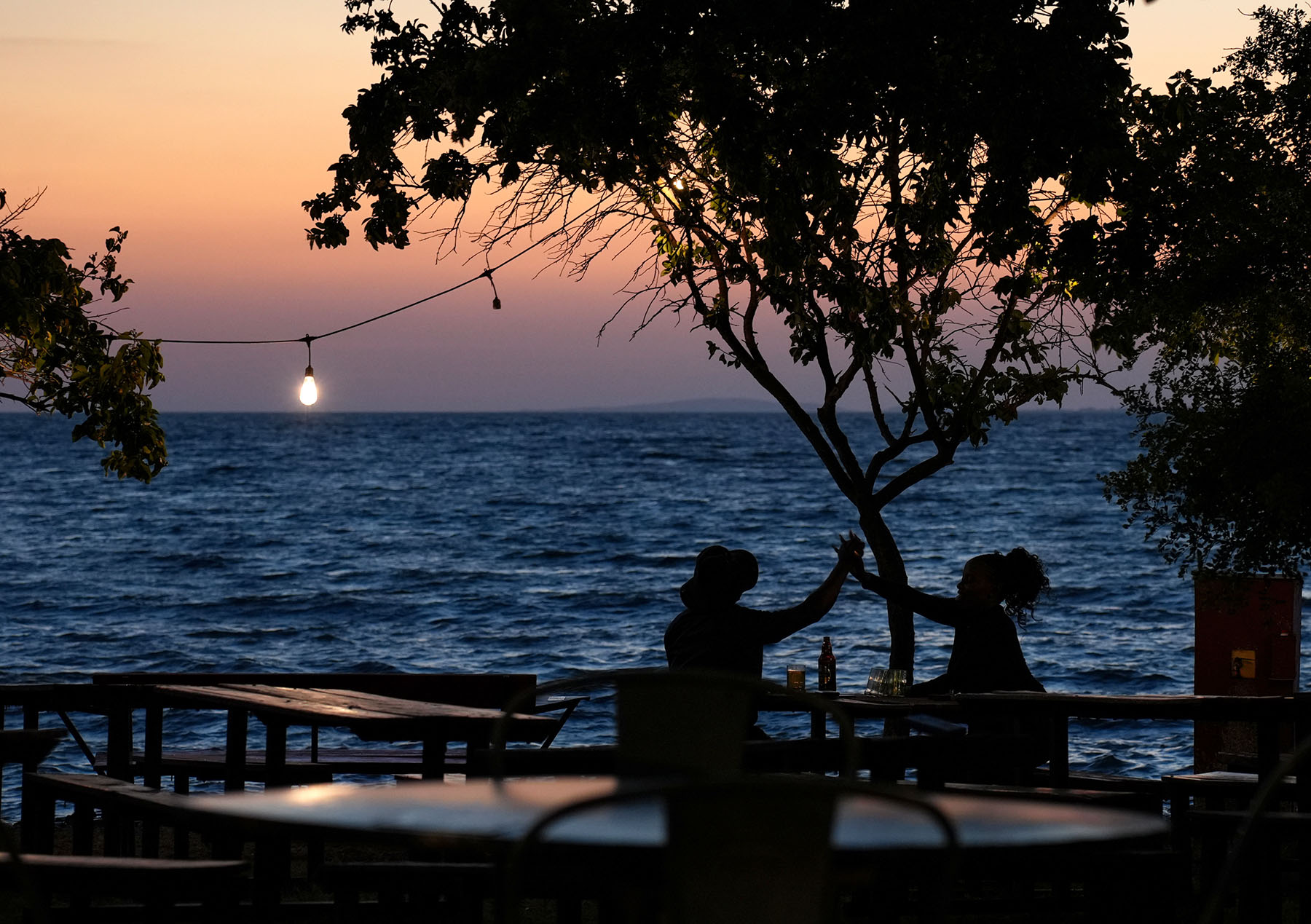
Sprawling across roughly 68,800 square kilometers, this shared water resource between Kenya, Uganda and Tanzania delivers breathtakingly consistent sunrises and sunsets, moments so serene and spectacular that they seem to pause the world in quiet admiration.
In that gentle surrender, time itself appears to loosen its grip — until the watch on your wrist feels unnecessary — as if the lake has its own way of reminding you that some moments are not meant to be measured, only lived.
Region of possibilities
Beyond Lake Victoria's enduring legacy as a fishing hub, Kisumu is quietly stirring to life as an emerging tourism destination. This is not only propelled by the allure of the lake but as a gateway to some of the region's most iconic safari destinations.
Just beside the lakeshore lies the serene Kisumu Impala Sanctuary, where wildlife roams against a stunning lakeside backdrop. Nearby, Ndere Island offers a tranquil escape, rich in birdlife and framed by sweeping panoramic views of the lake.
Visitors also have the opportunity to enjoy fishing boat excursions and immerse themselves in local homesteads and traditional fishing communities, with a visit to the Kisumu Museum offering insight into the region's cultural heritage and history.
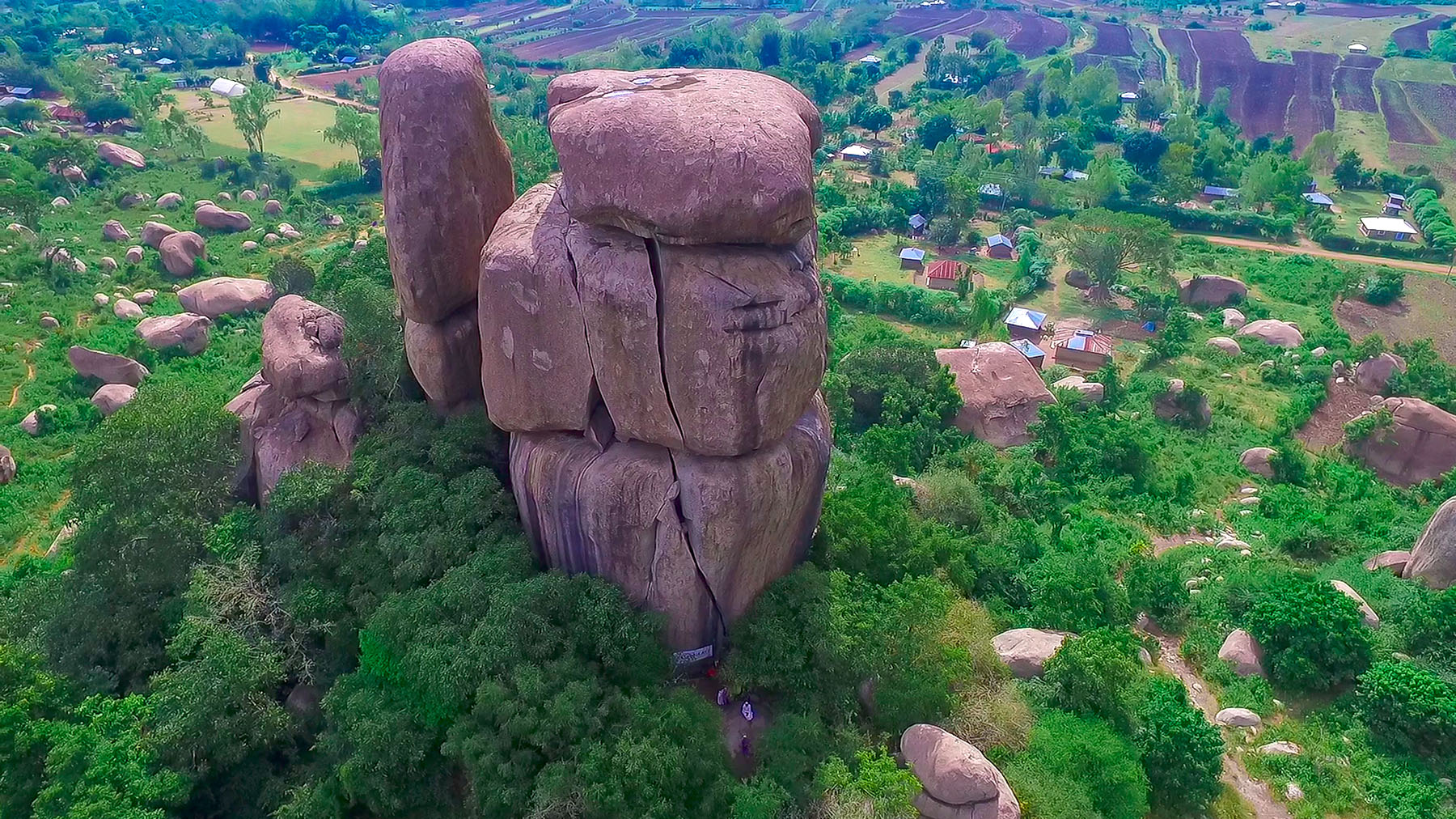
Further afield, the iconic Kit Mikayi rises dramatically from the ground, steeped in Luo folklore and symbolizing a polygamous family structure.
The monument's name means "stone of the first wife". It's not just a natural wonder, but a towering stack of massive rocks, rising around 40 meters high. The rocks are naturally balanced on top of each other, forming an impressive structure.
You can even climb parts of it for views of the surrounding countryside. It's also considered a sacred site for prayers, rituals and spiritual gatherings.
To the south, the bird-rich Dunga wetland and the flamingo-dotted Lake Simbi Nyaima offer rare ecotourism experiences, drawing nature enthusiasts into a quieter, more intimate encounter with the region.
For Vivian Kobe, founder and managing director of Viba Explore Tours, the magic of Lake Victoria lies not just in its beauty, but in its untold stories.
"When visitors come here, they expect to see water," she says. "But what they discover is an entire way of life: fishing communities, birdlife, islands, culture. Lake Victoria is not just a destination, it's an experience layered with history and human connection."
Kobe has spent years curating immersive travel experiences, from sunrise boat rides at Dunga to cultural tours through villages and island excursions across the lake.
She believes the region is only beginning to scratch the surface of its tourism potential. "We're now seeing more travelers looking for authentic, slower experiences," she says. "Lake Victoria offers exactly that, unfiltered, intimate and deeply rooted in community."
Just beyond the bustle of Dunga Beach lies the fragile, thriving ecosystem of the Dunga wetland, a 500-hectare stretch of papyrus plants, water channels and birdlife that has quietly become one of western Kenya's most remarkable ecotourism sites.
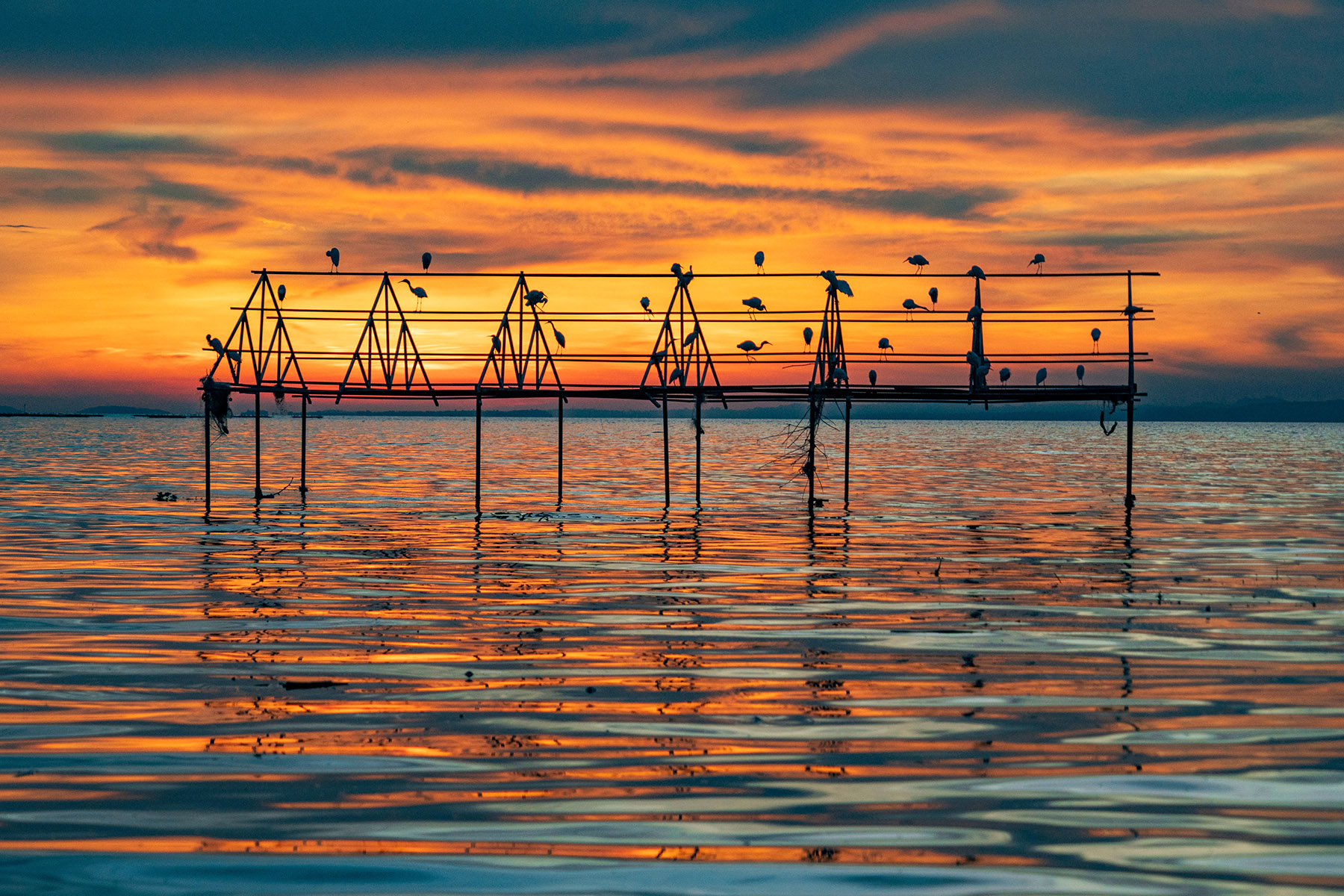
Hesborne Okoth Owino, the site and species coordinator at Dunga Wetland Swamp Boardwalk, says the wetland hosts 156 bird species, including endangered and migratory varieties.
The wetland offers a rare glimpse into biodiversity, from the elegant gray crowned crane to the elusive sitatunga antelope, that continues to draw nature lovers from Europe, the United States and, increasingly, China.
"Between 6 am and 9 am, you can record up to 60 bird species in a single session at Dunga Boardwalk," Owino says. "It's one of the most rewarding birding experiences in the region."
The boardwalk is a sightseeing spot built over a wetland swamp filled with papyrus reeds. The raised wooden walkway stretches into the lake area, creating the enchanting illusion of walking on water, immersed in the stillness and beauty of nature all around you.
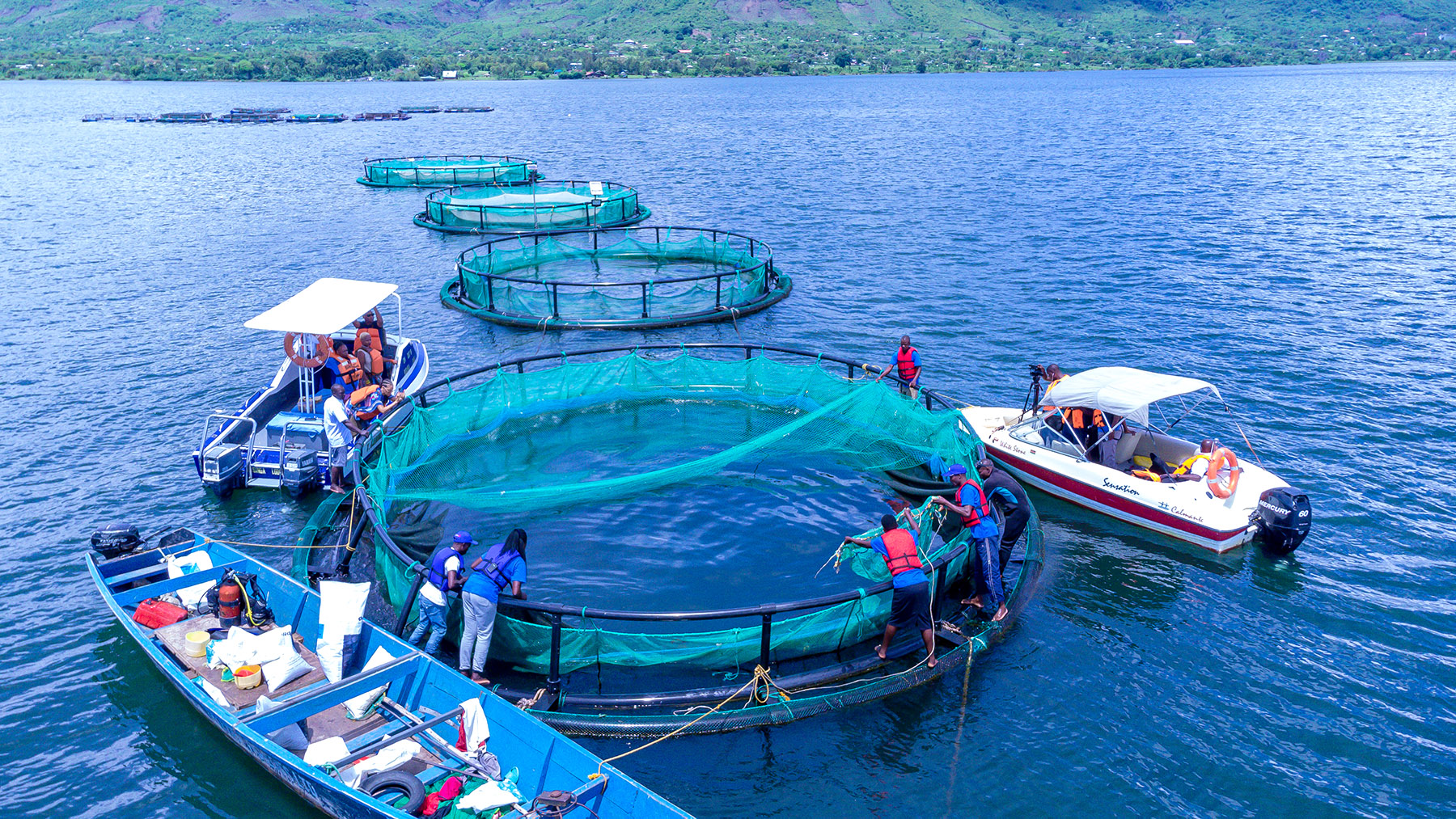
Even more fascinating is how human activity subtly intersects with nature. Fish cages scattered across parts of the lake have begun influencing bird migration patterns, occasionally attracting flamingos. But a quiet transformation is underway. The rows of floating fish cages that dot sections of the lake stand as symbols of a new economic frontier.
In Busia County, entrepreneur Peter Odongo has embraced cage culture fish farming, turning the lake into a controlled yet thriving production system.
"The lake has always fed us," Odongo says.
"But now we are learning how to work with it differently, more sustainably, more predictably."
Fish farming is rapidly gaining ground as pressure mounts on dwindling wild stocks among the more than 40 million people who depend on the Lake Victoria basin, whose expansive shoreline stretches across the three East African countries.
For investors and local communities alike, it represents both opportunity and adaptation: an evolution of tradition in the face of modern challenges.
City in transition
Back on land, Kisumu's skyline tells another story, one of growth and ambition. Hotels, apartments and new infrastructure projects signal rising investor confidence.
Duncun Mwangi, managing director of Sarova Imperial Hotel, says the lakeside city is poised for a tourism breakthrough.
"We're seeing gradual expansion in tourism offerings, from water buses to safari vessels, that allow visitors to experience the lake in new ways," Mwangi says.
Improved infrastructure — including the Standard Gauge Railway extension to Malaba, linking the coastal city of Mombasa to Uganda's border — could boost travel patterns and promote domestic tourism around Lake Victoria, he says.
Air travel to Kisumu remains relatively expensive and limits tourist inflows, he says.
To adjust to the growing number of global visitors, Sarova Group of Hotels has tapped into its experience to develop Asian cuisine, among other major international culinary offerings, to ensure a diverse and globally appealing dining experience.
"We are witnessing a noticeable rise in Chinese visitors at Sarova Imperial, a clear sign of growing international interest in Kisumu and the wider Lake Victoria region, which is prompting us to adjust our offerings to better meet their expectations," Mwangi says.
Abhishek Sharma, general manager of Acacia Hotel in Kisumu, says the ongoing upgrades of the Kisumu International Airport could see growing demand for premium experiences tied to the lake for guests who take direct and chartered flights.
The Kenyan government has initiated works on a runway extension, construction of a modern cargo terminal with cold storage to support fish exports, and improved air traffic and operational systems.
Sharma says Acacia Hotel has established an independent travel desk to assist guests who want more than accommodation, conferencing and dining.
"From lake tours to cultural sites ...and tour drives around the neighboring towns, our facility offers a complete and immersive experience for every traveler," he says.
At a regional level, Charles Kataro, CEO of Lake Victoria Tourism Association, underlines the need to tap into the growing interest from Chinese travelers in the region.
"Chinese travelers are increasingly seeking less crowded, experiential destinations, which plays strongly in Western Kenya's favor," Kataro says.
The association has started to capitalize on the Chinese market by collaborating with tour operators and online travel agents, leveraging digital platforms such as Douyin — China's TikTok, introducing familiarization trips for Chinese influencers, and aligning the destination with Belt and Road-related travel narratives.
Kataro, who envisions a bold future for the lake, is also championing the introduction of cruise tourism that would connect Kenya, Uganda and Tanzania into a seamless regional travel circuit.
"Lake Victoria can become a regional tourism hub," he says, imagining a lake that no longer divides borders but links experiences across them.
That vision is beginning to take shape, with the Kenya Tourism Board working with stakeholders to co-create new strategies of promoting the region, from city hotels in Kisumu to island lodges scattered across the lake's vast waters.
Board member Victor Shitakha says cruise tourism is expected to spark activity across key ports, including Kisumu; Tanzania's Mwanza, Musoma and Bukoba; and in Uganda, Entebbe, Port Bell and Jinja.
For Malcolm Ormiston, founder of WaterBus, which connects more than 10 communities across the lake region through flexible routes, the network is expected to expand as demand grows.
"Offering improved rural transport, ensuring fast, safe and comfortable journeys, the service carries more than 1 million people per year," Ormiston says, adding that the locally built vessels support regional industry.
ALSO READ: It takes a team to reach summit of Kilimanjaro
While the water buses primarily serve as a transport solution, moving passengers and goods between landing sites and islands, the fleet is transforming mobility and tourism across Lake Victoria.
The vessels also offer sunset cruises, island excursions, bird-watching trips and relaxation cruises, opening up new opportunities in the region.
Operators say the water buses are "the cleanest way to travel the lake", generating 95 percent fewer hydrocarbons per passenger per hour compared with small two-stroke outboard engines commonly used on canoes in commercial passenger operations.
To reshape the urban life of the city, which was founded in 1901,Kisumu identified the lakefront area as a key asset and proposed its development as an extension of the central business district.
Under Governor Anyang' Nyong'o, the Kisumu Lakefront Development Corporation was established to drive this transformation, guided by the United Nations Human Settlements Programme.
By turning the waterfront into an accessible and visually striking public space, Lake Victoria is fast becoming Kisumu's defining asset, recasting the city as a modern waterfront hub where nature, tourism and commerce converge.
Contact the writers at victor@chinadailyafrica.com
