

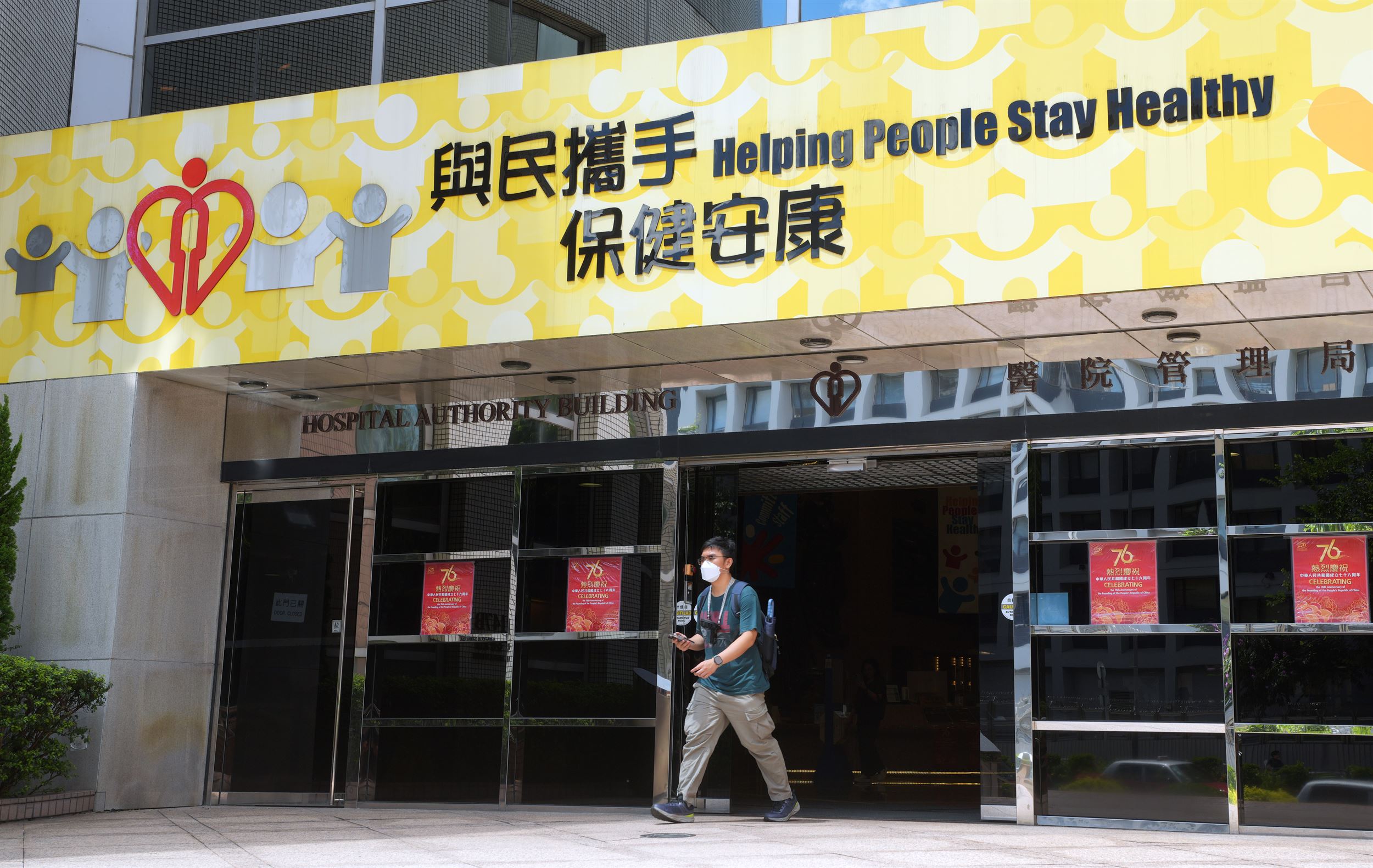
A total of 400 blood cancer patients in Hong Kong stand to enjoy highly-subsidized medication after Dasatinib — a targeted drug for acute lymphoblastic leukemia or chronic myeloid leukemia — was included on the government drug formulary in April, slashing costs from between HK250,000 ($31,904) and HK$500,000 a year, to HK$240 per year.
The move will incur an extra governmental cost of about HK$49 million annually.
“We hope that patients do not go without proper treatment due to lack of money,” said William Chui, chief pharmacist of the Hospital Authority. He noted that the HA has been proactively expanding its drug formulary, with 11 new drugs included this year.
Since 2005, the HA has implemented the drug formulary with a view to ensuring equitable access by patients to cost-effective drugs of proven safety and efficacy through standardization of policies on drugs and drug utilization.
Four categories of drugs on the formulary include general drugs, special drugs, self-financed items (SFIs) with safety net, and SFIs without safety net.
Eight of the 11 new drugs have received high levels of government funding, with an estimated additional annual expenditure of about HK$130 million. Four of them are categorized as special drugs, meaning that patients need only pay a basic drug fee under the public healthcare system of HK$20 every four weeks, said Priscilla Poon, chief manager (Allied Health) of the HA.
ALSO READ: HK to fast-track new-drug approvals
Among the newly added drugs, Glofitamab for treating lymphoma, and Momelotinib for myelofibrosis, have been directly placed into the safety net subsidy category of the drug formulary. Patients who meet specific clinical criteria and have passed the means test will be eligible for subsidized treatment.
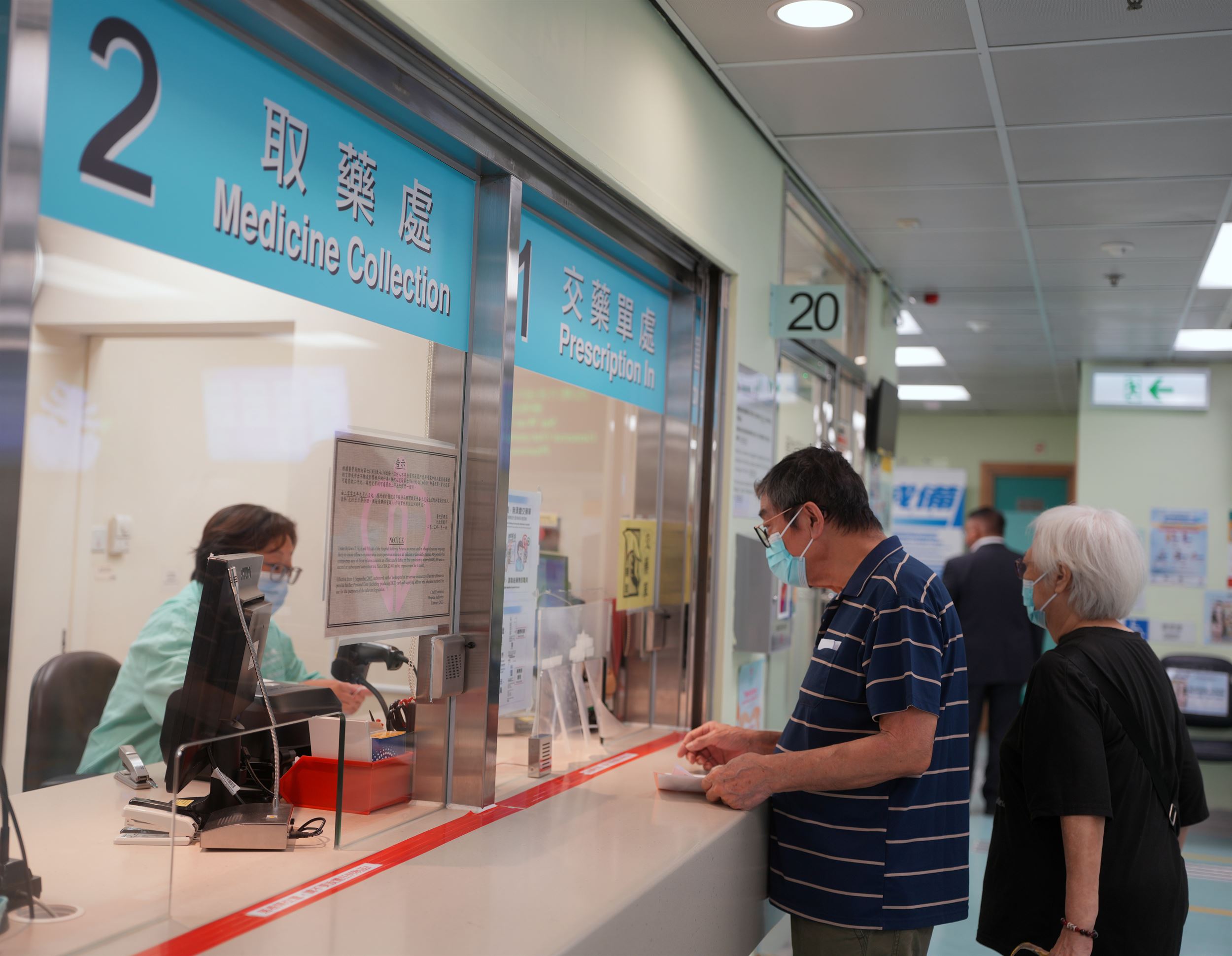
It is estimated that over 150 patients — who previously had to pay approximately HK$400,000 per year for their medication — will benefit from the new arrangement, Poon said.
As for the standards for including a drug as a special drug on the formulary, Chui said this depends largely on factors such as the drug’s effectiveness and its clinical data to prove its safety.
The authority will consider listing it as a special drug or including it under the safety net when there is sufficient data and safety evidence.
Taking Dasatinib as an example, Chui said, the data showed that this medicine is efficient compared to the first-generation targeted drug Imatinib.
From 2022 to 2025, the number of special drugs on the drug formulary increased from 36 to 41, and SFIs with a safety net have been expanded from 36 to 66.
Poon said the HA has enhanced the means-test mechanism for applications for drug items and non-one-off non-drug items under the Samaritan Fund, which provides financial assistance to patients in need.
ALSO READ: Eli Lilly weight-loss drug gets nod as SAR govt tweaks medicine policy
Following the relaxation of the means-testing criteria, the number of approved applications from non-comprehensive social security assistance recipients increased in the first quarter of this year. Drug-related application approvals rose by 15 percent year-on-year to 2,200 cases, and non-drug-item application approvals increased by 15 percent year-on-year to 1,050 cases.
Among the approved funding cases, drug-related funding increased by 20 percent year-on-year to HK$620 million, and non-drug-item funding rose by 10 percent year-on-year to HK$110 million, Poon said.
The HA will establish the Office for Introducing Innovative Drugs and Medical Devices, which will proactively reach out to innovative drug manufacturers from different regions to speed up registration in Hong Kong, Chui added.
He also said that related departments have been actively negotiating prices with drug manufacturers during the process of adding items to the special drug list.
Contact the writer at atlasshao@chinadailyhk.com
