

Chinese enterprises have deepened their footprint abroad, particularly in Southeast Asia, with automation processes based on their domestic models, and they are seeing results. Shadow Li reports.
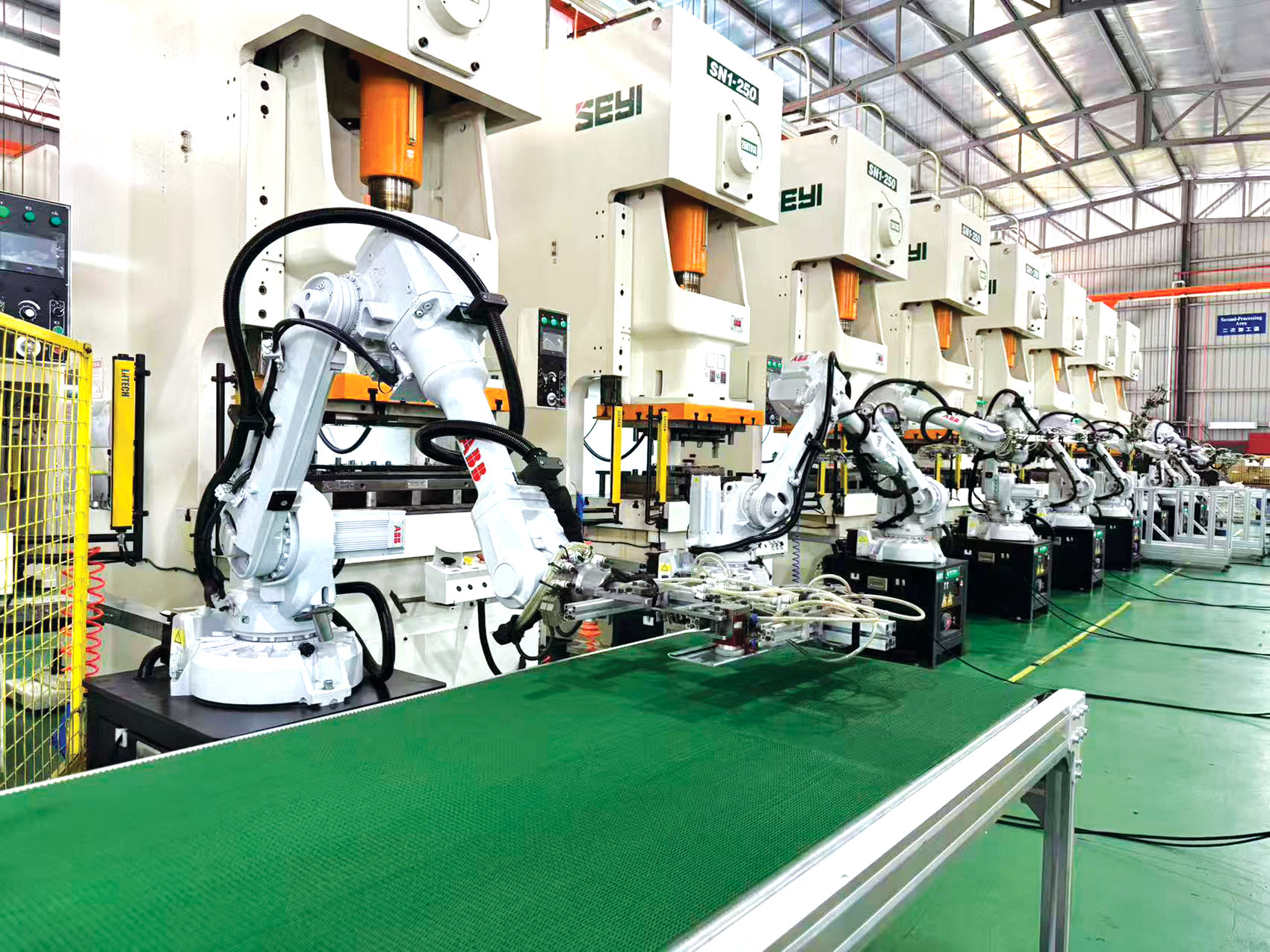
In Penang, Malaysia, rows of robotic machinery churn out metal cases for server cabinets at a factory run by Hong Kong enterprise KFM Kingdom Holdings.
As one robotic arm finishes its part, it passes the sheet steel to the next and turns around to pick up another piece, like a human worker. The only difference is that it never gets tired.
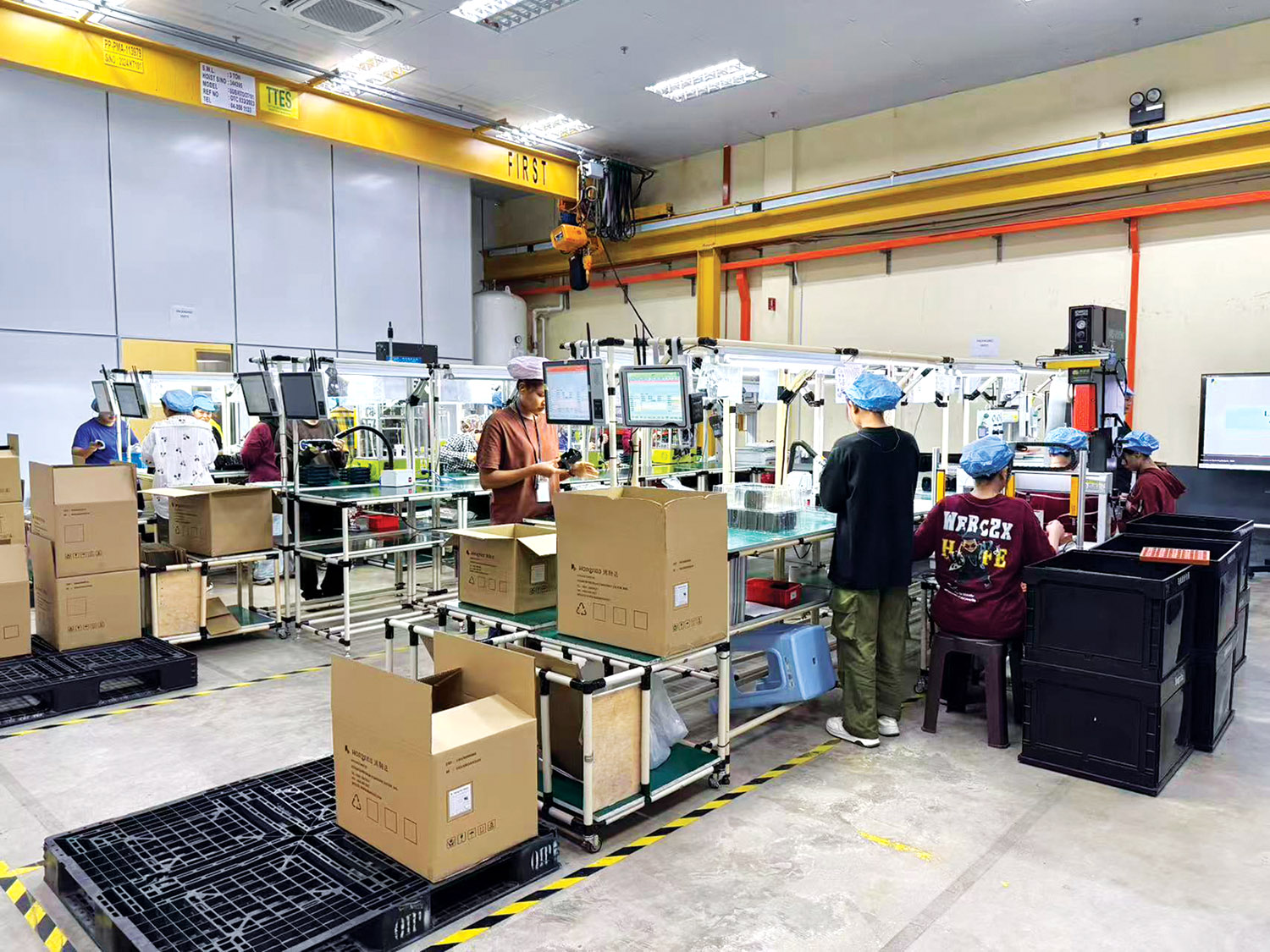
Nearby, on the assembly lines, workers meticulously do their bit, with an automated optical inspection device installed at every two to three steps to ensure that the procedure meets the required standards.
The scene is the smart manufacturing process for one of KFM’s staple products at its factory in the northwestern Malaysian island state dubbed the “Silicon Valley of the East”, which has industrialized heavily in the past half century.
The production line, working with top precision, is a smaller version of the company’s main base in Suzhou, Jiangsu province, which is five times the size of the 10,800-square-meter Penang plant.
“We began leveraging the tool of Chinese automation in 2022, bringing our footprint to Asia,” recalls KFM’s chief operating officer, Alan Suen Fai-chuen. “It took us about 75 days to set up our production lines in Malaysia, based on our Suzhou model.”
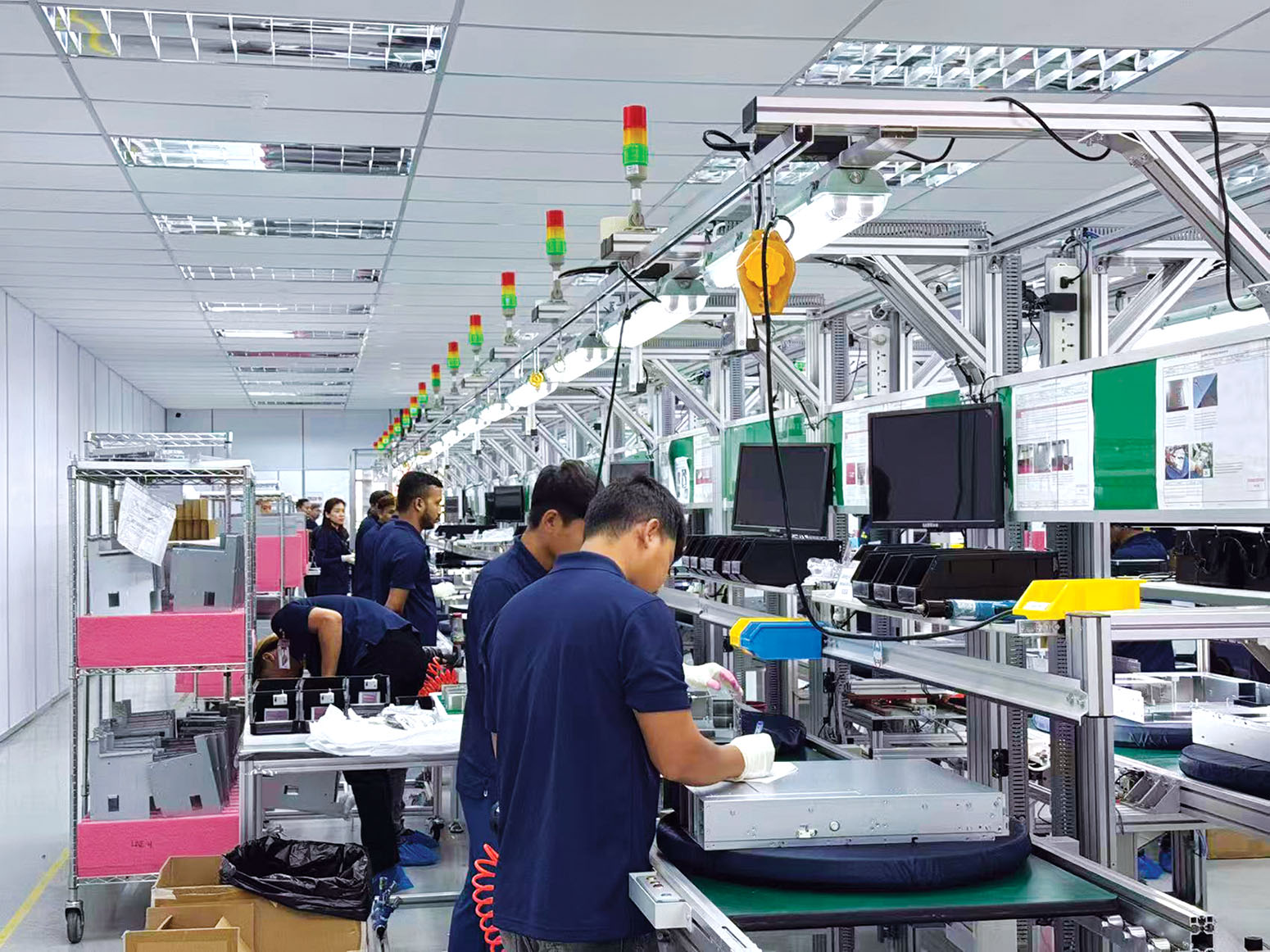
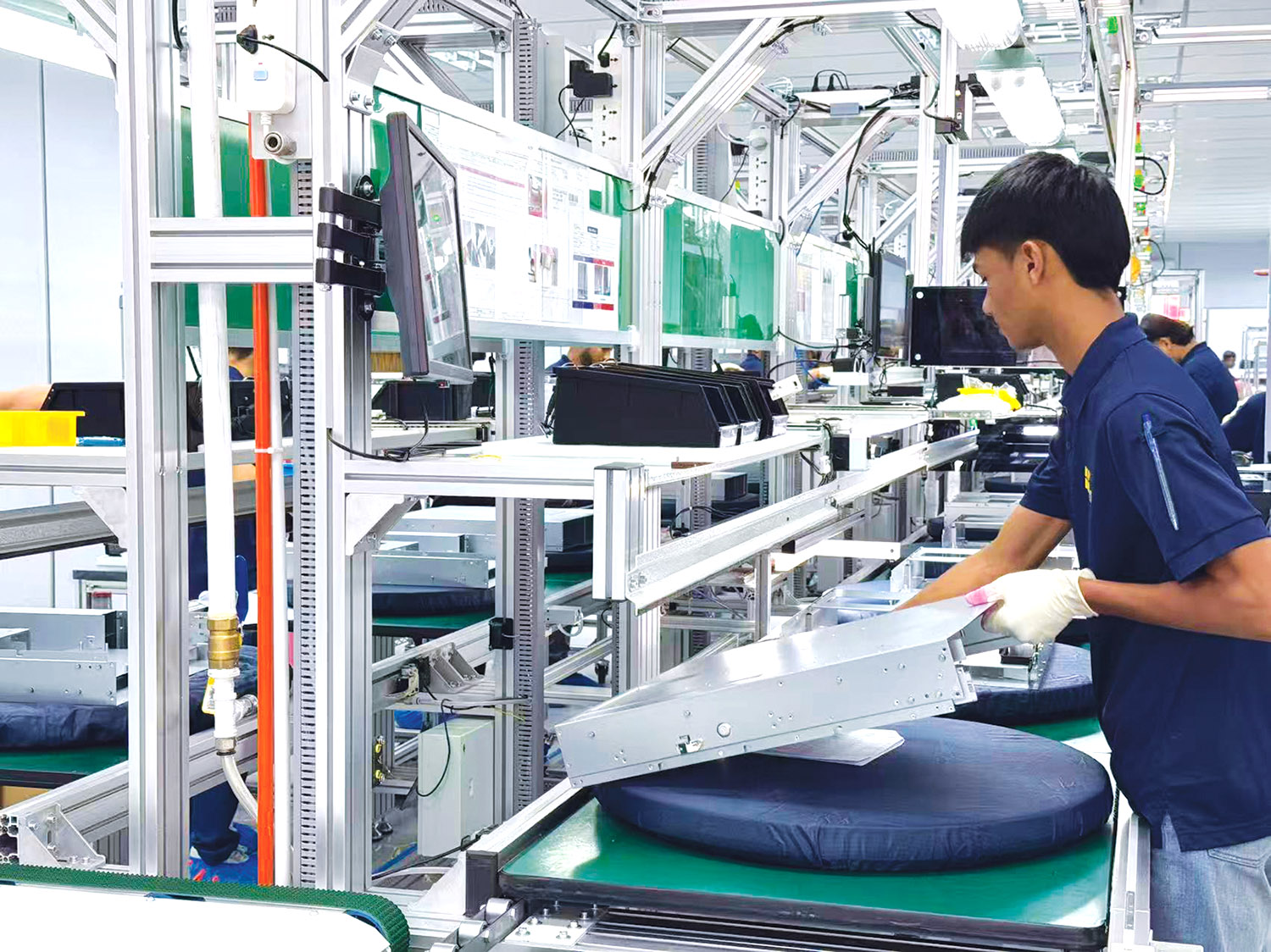
Pulling off such a big project when the global logistics chain was almost severed by the onset of the COVID-19 pandemic was partly realized through the company’s meticulous planning and mature smart manufacturing setup at home.
KFM’s first smart manufacturing production line was set up in the southern Guangdong provincial boomtown of Shenzhen in 2017 with the support of the Hong Kong Productivity Council (HKPC) — a statutory body geared to help small and medium enterprises with industrial upgrading and automation. The partnership has since taken off as the pilot production line began to bear fruit.
In 2023, HKPC further upgraded KFM’s precision metal multistation stamping line by adopting multiaxis robotic and real-time data capturing technologies in its Dongguan production plant — the exact system being adopted in Suzhou and exported to Malaysia. “We were able to save up to 50 workers on our production line, using the smart manufacturing system,” says Suen.
KFM’s Malaysia plant employs some 260 people, mostly at assembly workshops. It also brought in seasoned workers and technicians from the Chinese mainland to train the local workforce before production kicked off.
“An advantage of exporting smart manufacturing to overseas markets is that the entire production process can be controlled and managed remotely in real time,” says Chuck Fung, general manager of the HKPC’s Robotics and Artificial Intelligence Division.

According to Suen, KFM aims to boost its Malaysia operations by 50 percent, raising the number of factory sites from two to three to meet growing demand.
In the traditional metal stamping industry, which involves a high-volume manufacturing process using presses and dies to cut, bend and shape metal sheets, bigger operations would only be possible with more manpower. With automation and digitization in place, KFM has cut manpower by 60 percent in the past decade and trimmed annual production costs by up to 20 percent despite its expansion.
The costs saved are reinvested in purchasing new machines, says Suen. The Malaysia factory has seen a monthly turnover of HK$20 million ($2.56 million), with a projected year-on-year growth rate of about 13 percent.
According to George Zhang, general manager of the KFM Malaysia facility, the operating costs in Malaysia are 20 percent higher than those at the company’s Suzhou base as all the raw materials have to be imported and shipped to the Southeast Asian country. Zhang, who hails from Xi’an, the capital city of Northwest China’s Shaanxi province, relocated to Penang three years ago.
High-end customization
KFM’s Malaysia plant mainly handles orders from high-end clients as it deals with surging demand amid geopolitical complexities.
Spearheading a drive for high-end customers, Kingdom BSL Technology Sdn Bhd, which was established last year, has opted for a customized precision metal manufacturing process using artificial intelligence-powered laser cutting machines and intelligent automation technologies-driven punching machines.
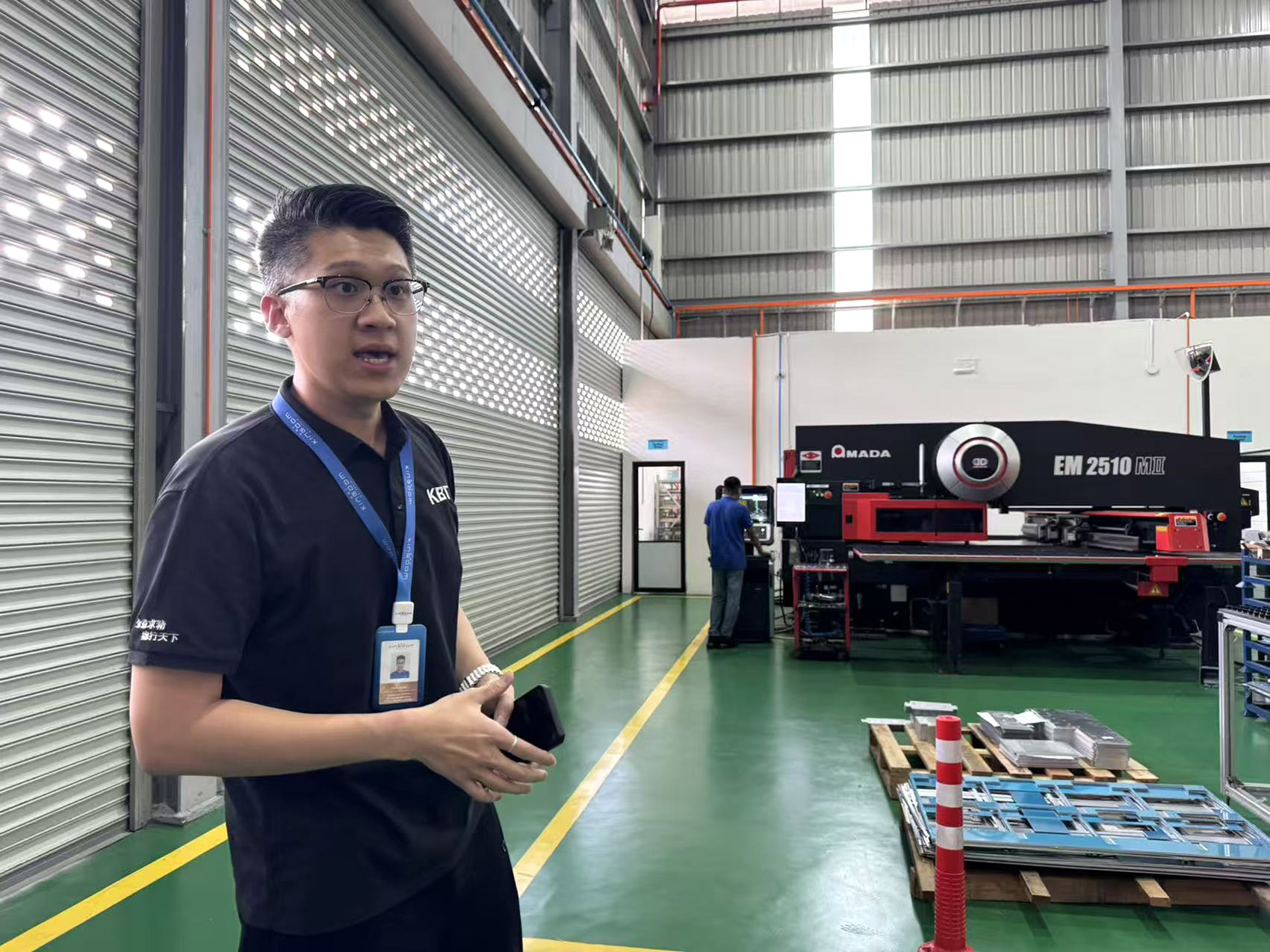
Kelvin Suen, Kingdom BSL’s operations manager, says most of their clients are from the semiconductor industry and sometimes order just one or two machines as they are very costly. “We produce mainly high-value-added parts for industries like those involved in semiconductors, medical testing machines and cloud centers,” he adds.
Unlike the traditional mass production method of molding, where one machine can only produce a particular part, laser cutting machines or punching machines can process sheet metal on their own, creating different products based on a variety of designs, he says. Although the production cost is much higher, it offers clients greater capital flexibility as they would not have to buy costly molding machines for mass production.
Penang was handpicked by Chinese smart manufacturers, including many from the precision-metal industry, due to the state’s increasing number of emerging companies in fields such as semiconductor production, medical testing and AI-data centers.
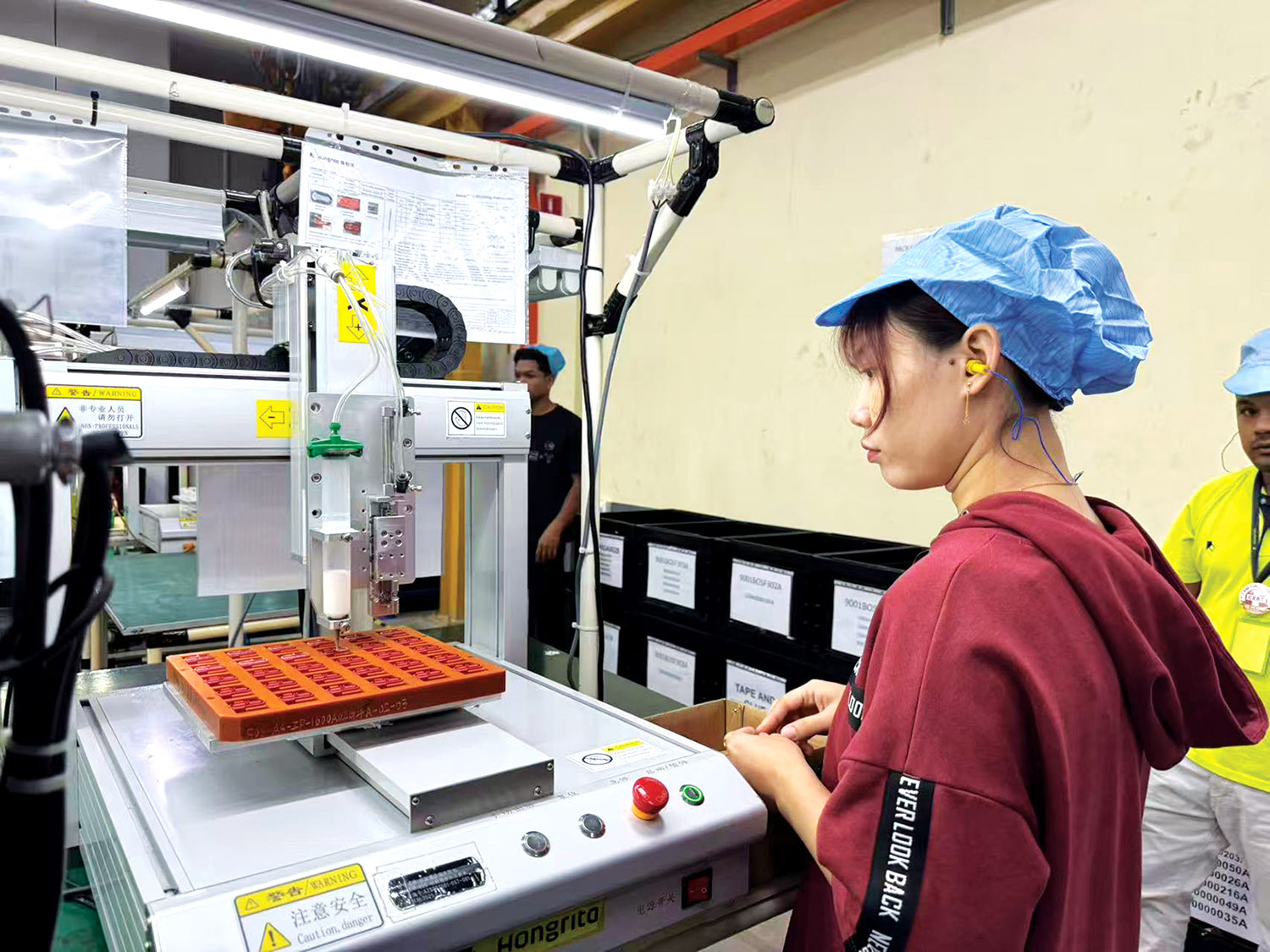
Also betting heavily on industrial clusters in Penang, Hongrita Group — another Hong Kong-based manufacturer specializing in precision molds — opened its factory there in 2019. Founded in 1988, Hongrita aims to leverage its Malaysia facility to diversify its production base and supply chain for clients. “Our customers who’ve set up factories nearby in Penang have asked us to provide manufacturing close-by,” says Benjamin Liang, executive assistant to the chief executive officer of Hongrita.
Hongrita’s factory has an area of some 11,000 square meters, and the company plans to rent another plot of land to expand.
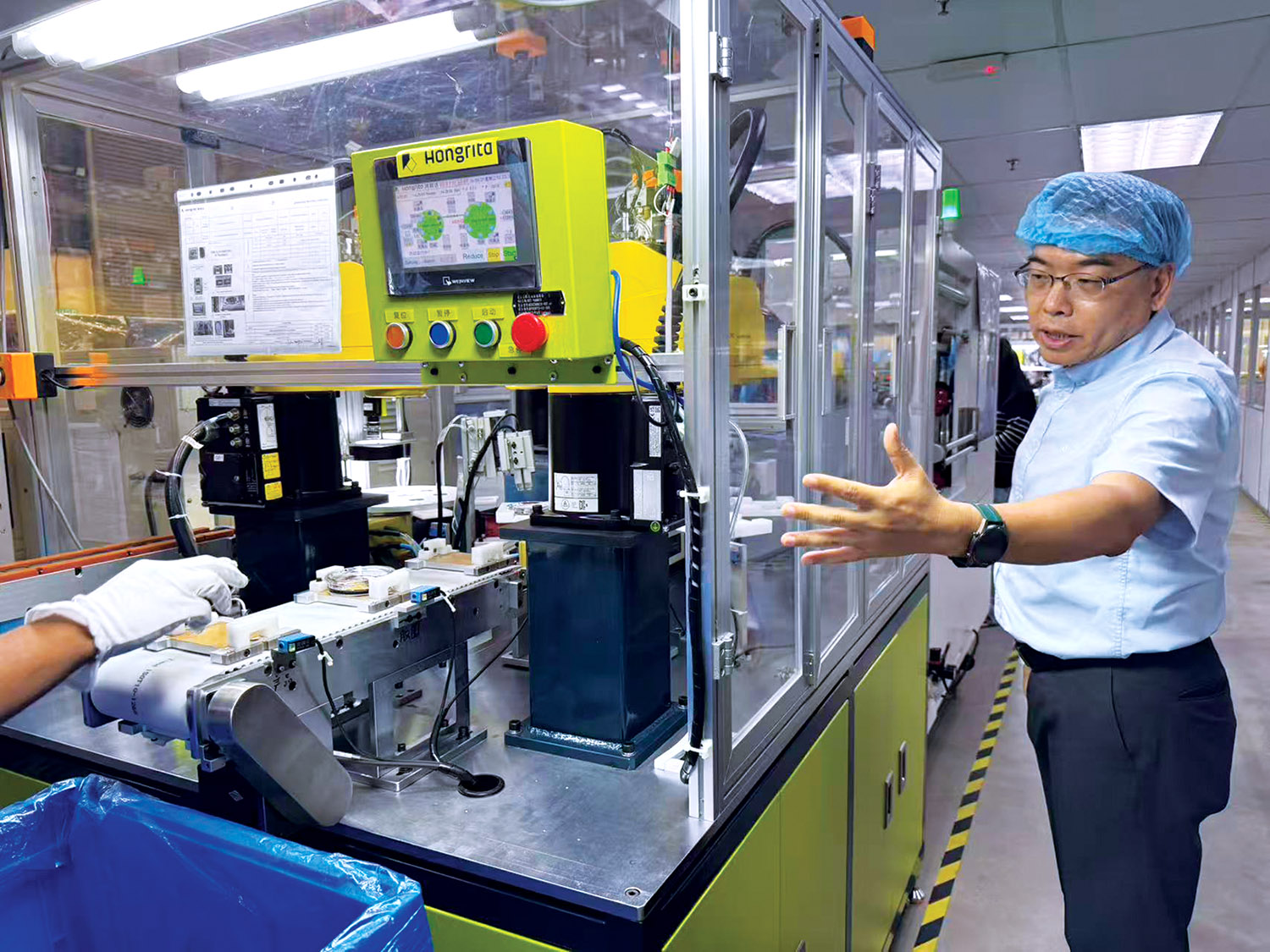
The company has adopted a digital management system (DMS) that comes with an advanced planning function to schedule production, which helps it to maximize productivity efficiency, says Liang.
The AI-powered system can help better streamline production, specifying when suppliers should send in materials to ensure timely delivery, says Beh Sing Hee, general manager of Hongrita’s Malaysia factory.
The DMS was co-developed by the HKPC and Hongrita in 2018, having successfully achieved full-process digitalization from product research and development to mass production and shipment.
The system has helped Hongrita lower its inventory by 30 percent and raise its overall equipment effectiveness by more than 30 percent, boosting productivity. “We conducted an internal assessment showing that our average per capita output rose by 257 percent in 2023, compared with 2018, after adopting the system,” says Liang.
Hongrita’s Zhongshan production base, along with the HKPC, won the “Industry 4.0 China Award 2024 — Smart Factory Award” under the ROI-EFESO Industrie 4.0 Award — a globally-acclaimed recognition of prestige in the fields of smart manufacturing, AI innovation and the internet of things (IoT) for their joint creation — the DMS system. It was the first Hong Kong enterprise in the Guangdong-Hong Kong-Macao Greater Bay Area to clinch such an accolade.
A key innovation for Hongrita is a molding solution that can use a variety of materials at the same time to produce a product in one go, such as lids for water bottles that contain plastic, silica gel and magnets. The traditional way of molding each part separately can cause hygiene problems, especially in making medical products or items for infants or toddlers, because of small gaps between the different parts, says Liang.
“Once the SMEs get a taste of smart manufacturing production, they soon start mulling overseas expansion,” says Fung, citing KFM and Hongrita. He says about five to six Hong Kong enterprises have made a similar move by “copying” their production method in Penang, while some have begun operations in Indonesia or Thailand.
Robotics going global
According to HKPC Chairman Sunny Tan, they have backed more than 1,500 smart manufacturing projects in the Greater Bay Area in the past decade.
In April last year, the council set up the Cradle — Going Global Service Centre, offering one-stop support for enterprises from the mainland and Hong Kong to expand abroad, covering one-stop connectivity, technical support and professional services, including commercialization and smart manufacturing. Since its inception, the Cradle has dealt with more than 500 enquiries about overseas expansion, and has provided such services for over 200 projects.
The HKPC has also formulated six tactics for enterprises going global, including smart manufacturing. Along with the robust overseas expansion of Chinese smart manufacturing, its industrial robots have gained weight in international markets, especially in Southeast Asia, where industrial upgrades are booming amid a production shift.
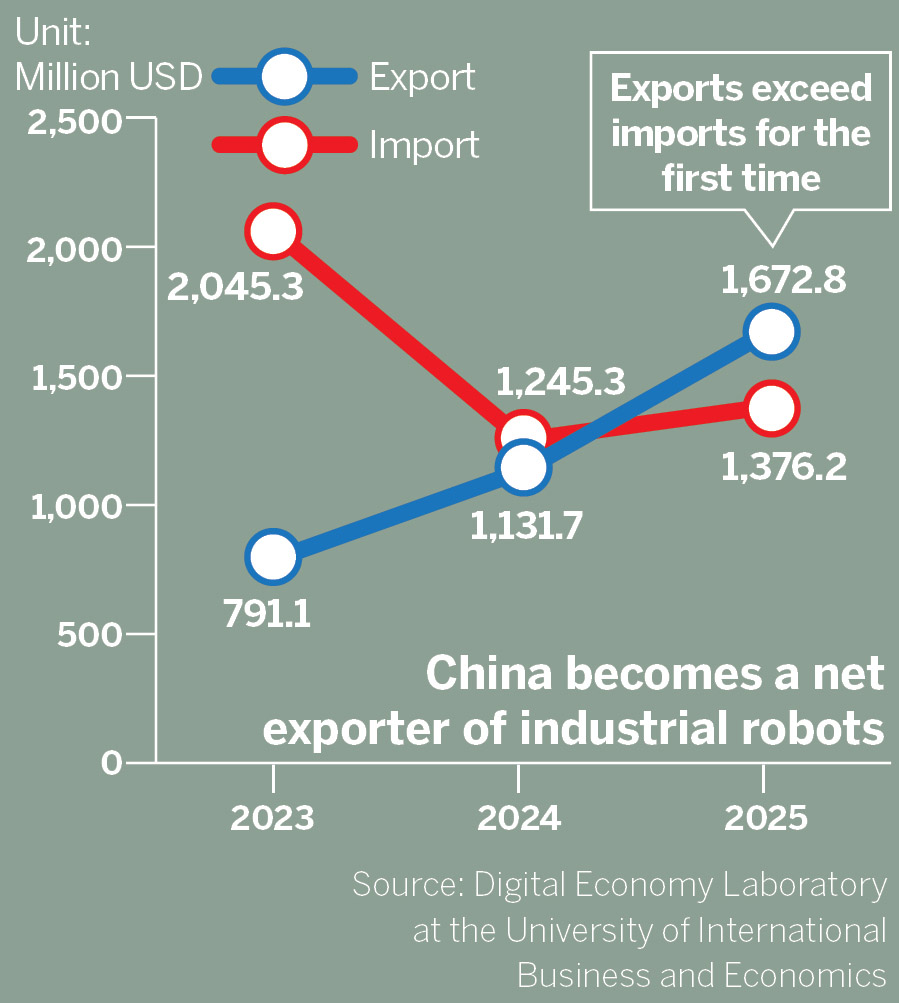
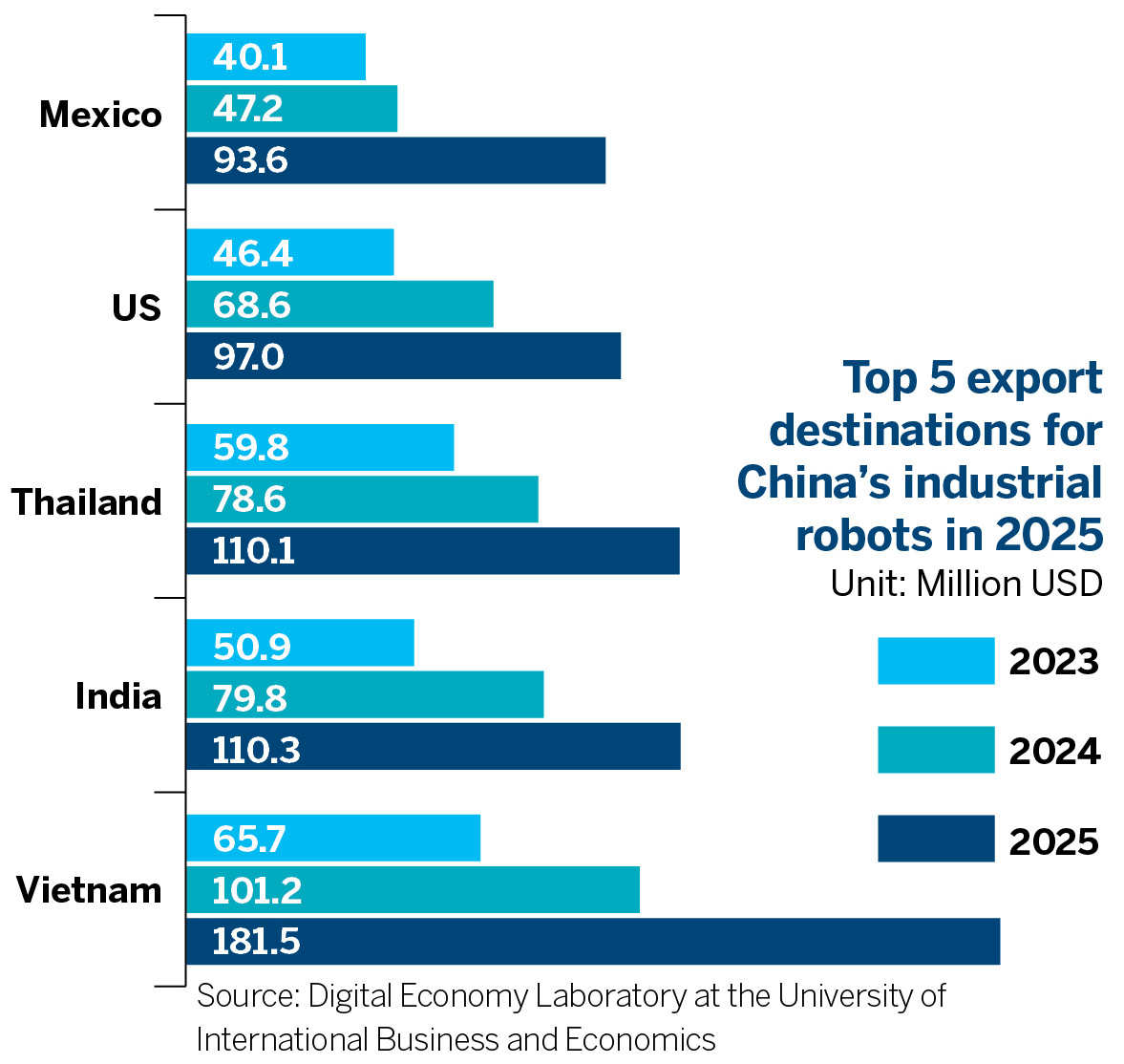
According to the General Administration of Customs of China, Chinese exports of industrial robots for the first time surpassed imports last year with a 48.7-percent jump. Vietnam was the largest export destination for Chinese industrial robots, with the total value of robots exported reaching $181.5 million last year, almost tripling that of 2023. It was followed by India and Thailand with total export values of $110.3 million and $110.1 million, respectively.
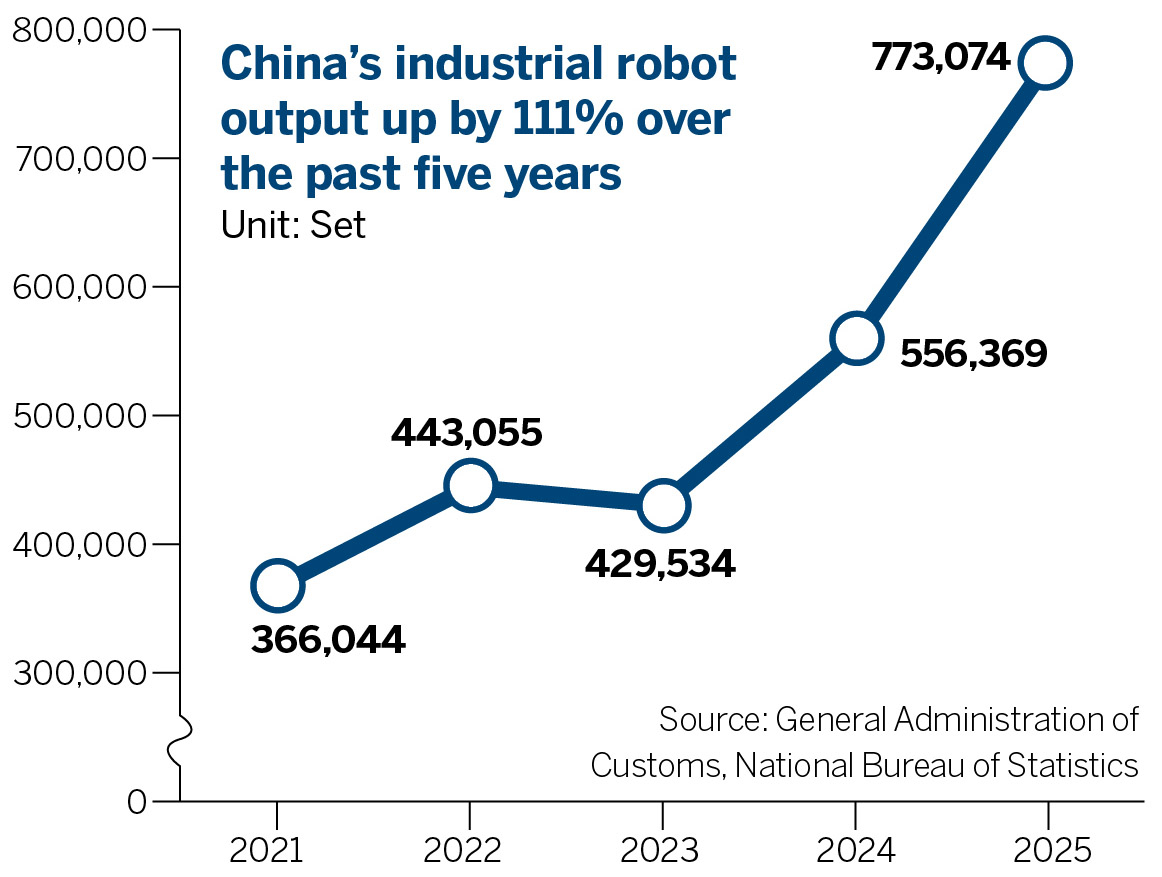
As the world’s largest manufacturer of industrial robots, China has been the biggest industrial robot market for 12 consecutive years, with 302,000 robots sold in 2024, according to the 2025 World Robot Conference held in Beijing. These figures and successful overseas expansion have demonstrated China’s manufacturing prowess. The 2025 China Manufacturing Power Development Index Report by the Chinese Academy of Engineering placed the country in the second tier among global manufacturing powers after the US, Germany and Japan.
Professor Edwin Tan Chee Pin, head of the Electrical and Robotics Engineering Department at Monash University Malaysia, says the expansion of Chinese solutions in robotics, automation and IoT in Southeast Asia is growing rapidly.
Noting that many industries in Malaysia and other member states of the Association of Southeast Asian Nations are interested in Chinese solutions, he says the move, which requires careful thought and planning, is gaining pace, given Chinese technology’s maturity, cost-effectiveness and its wide-adoption of AI that “translates into advancements in other areas, such as vision and predictive maintenance”.
Tan sees growing demand for Malaysian engineers to familiarize themselves with Chinese smart manufacturing solutions so they can sell or operate them. He believes Chinese smart manufacturing firms will transform from simply exporting equipment to establishing deep, localized research and development and engineering hubs in overseas markets like Malaysia.
Contact the writer at stushadow@chinadailyhk.com
