

Vanished Name moves beyond suspense to highlight the resilience, sacrifices and unbreakable bonds of its characters, Xu Fan reports.
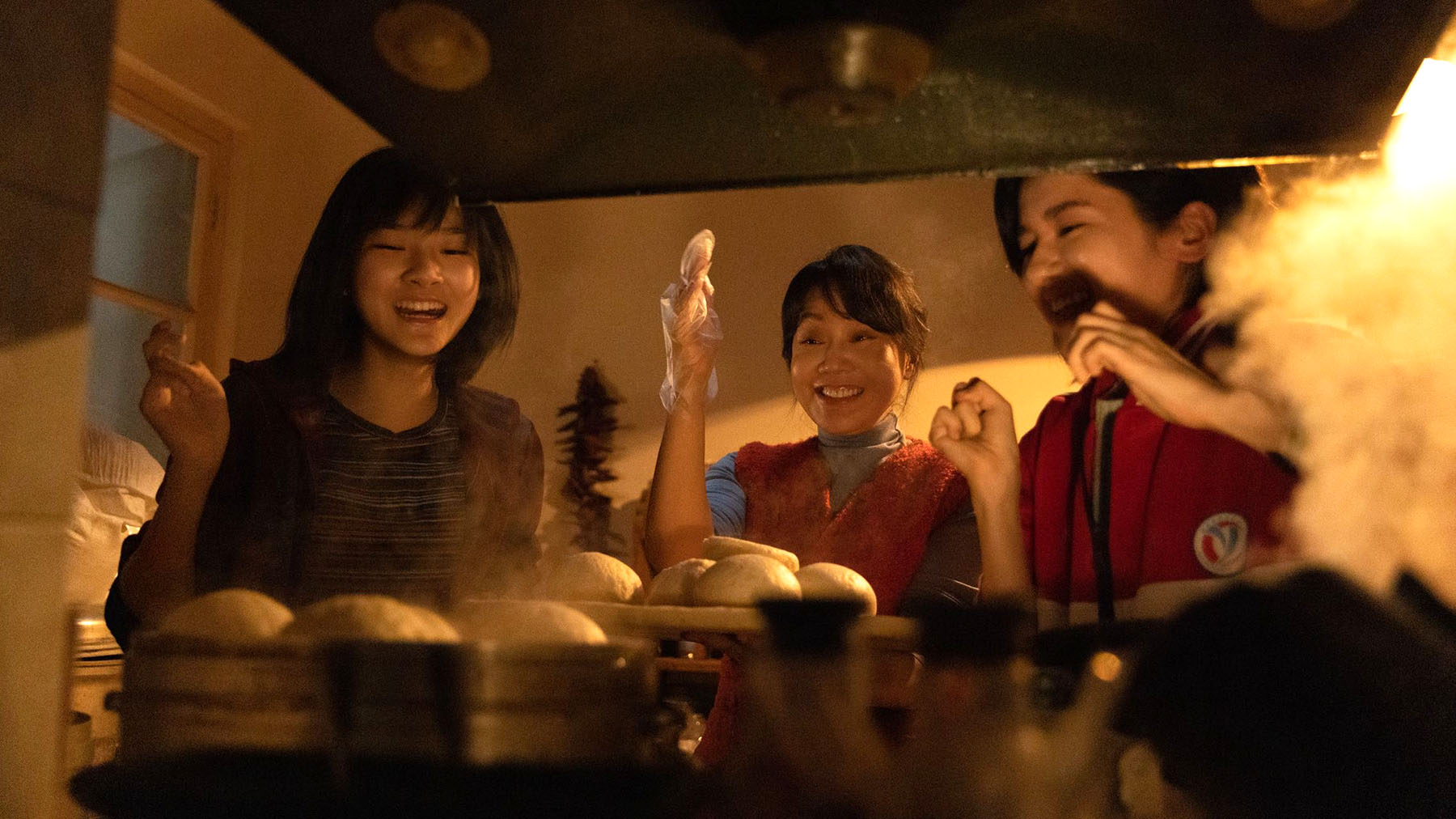
Shortly after the broadcast of Vanished Name, a popular drama that quickly garnered over 800 million clicks of its related topics on its debut night, director Yang Yang noticed her smartphone kept buzzing with messages.
To her surprise, some of the most devoted viewers among her friends are those who have grown up overseas and now live in the United States or Japan.
"I was really puzzled and asked them, 'You've never lived in the Chinese mainland or traveled to northeastern China — where the story takes place — so why do you like watching it?'" Yang recalls during an interview with China Daily.
ALSO READ: From action hero to comic cop
Their answer impressed her. What appealed to them most, it turned out, was not finding out who the killer was — even though the drama begins with the discovery of a mysterious body buried inside a concrete sculpture at a middle school 20 years ago. Instead, they found the emotional aspect of family bonds, rooted in typical Asian culture, to be universal and deeply resonant.
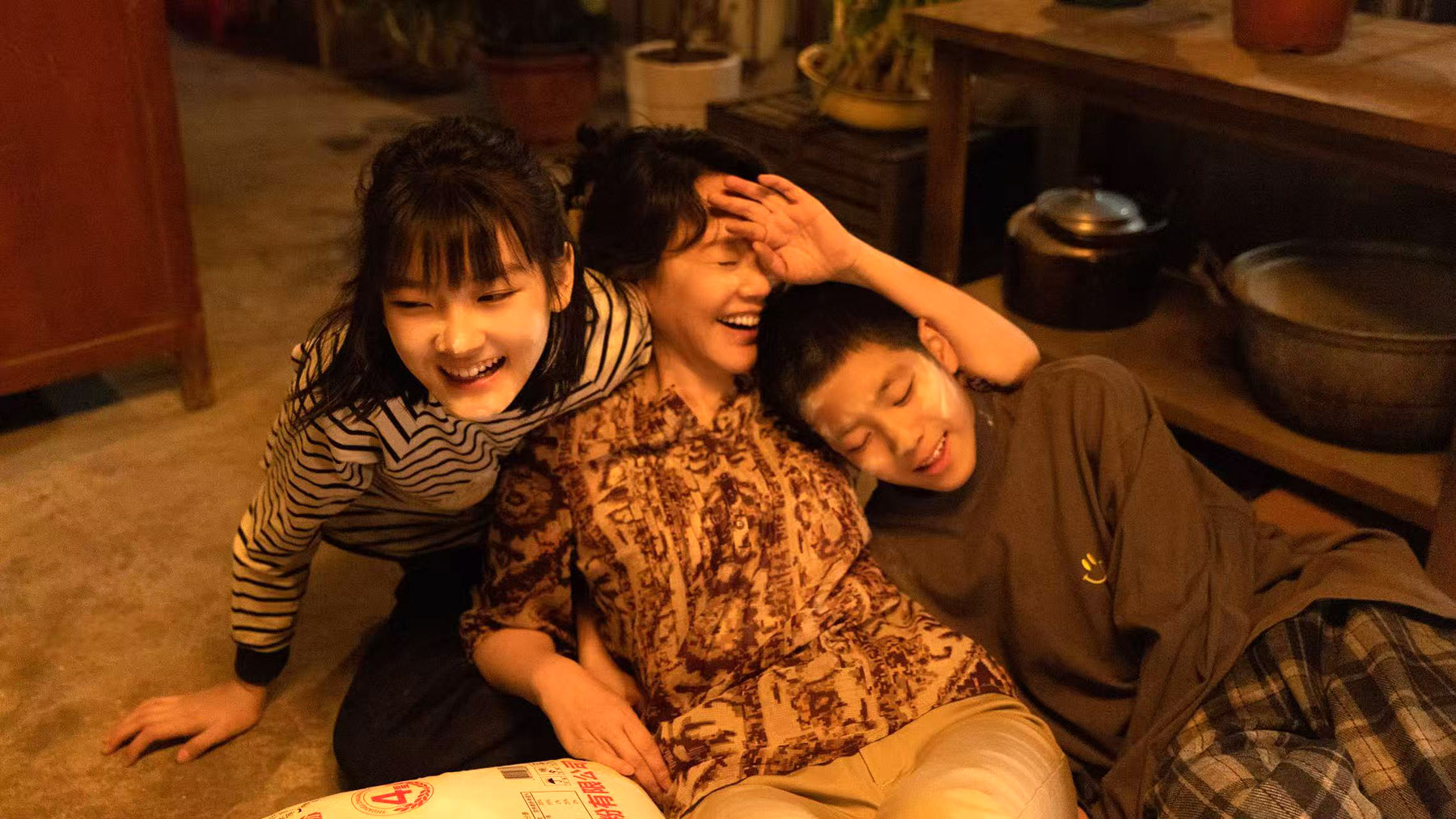
Adapted from writer Yi Nan's novel of the same title, the 31-episode TV drama unfolds across two parallel timelines — one set in the late 1990s and early 2000s, the other in 2023. Spanning more than 20 years, it weaves together the suffering and struggles faced by two generations of women.
One of the drama's protagonists, Ren Xiaoming, has a tough childhood — having to take care of her mentally ill younger brother while their mother often struggles financially. The mother works as a hospital caregiver, sells steamed buns at construction sites, and even marries four times in search of better financial support.
Ren's best friend, Bai Shu, has an outwardly different life yet also struggles with her own pain. Adopted by a wealthy family, she is treated as a substitute for the family's late daughter, who passed away at age 12. Ge Wenjun, the foster mother, has a strong desire to control every aspect of the girl's life — from installing a glass wall in her room so she can supervise her homework, to secretly following her after school.
Aside from the tension between mothers and daughters, the drama also explores how women become marginalized amid gender bias and stereotypical ignorance.
Ren's mother, for example, holding the outdated belief of favoring boys over girls, refuses to spend 68 yuan ($9.96) on a much-needed school uniform for her daughter, yet spends 95 yuan on a set of encyclopedias for her son. After growing up and graduating from a prestigious college, Ren's life remains overshadowed by men. Her husband, a best-selling author and professor with whom she seems to have a perfect marriage, is actually a thief, stealing Ren's diary and using it as material for his new novel.
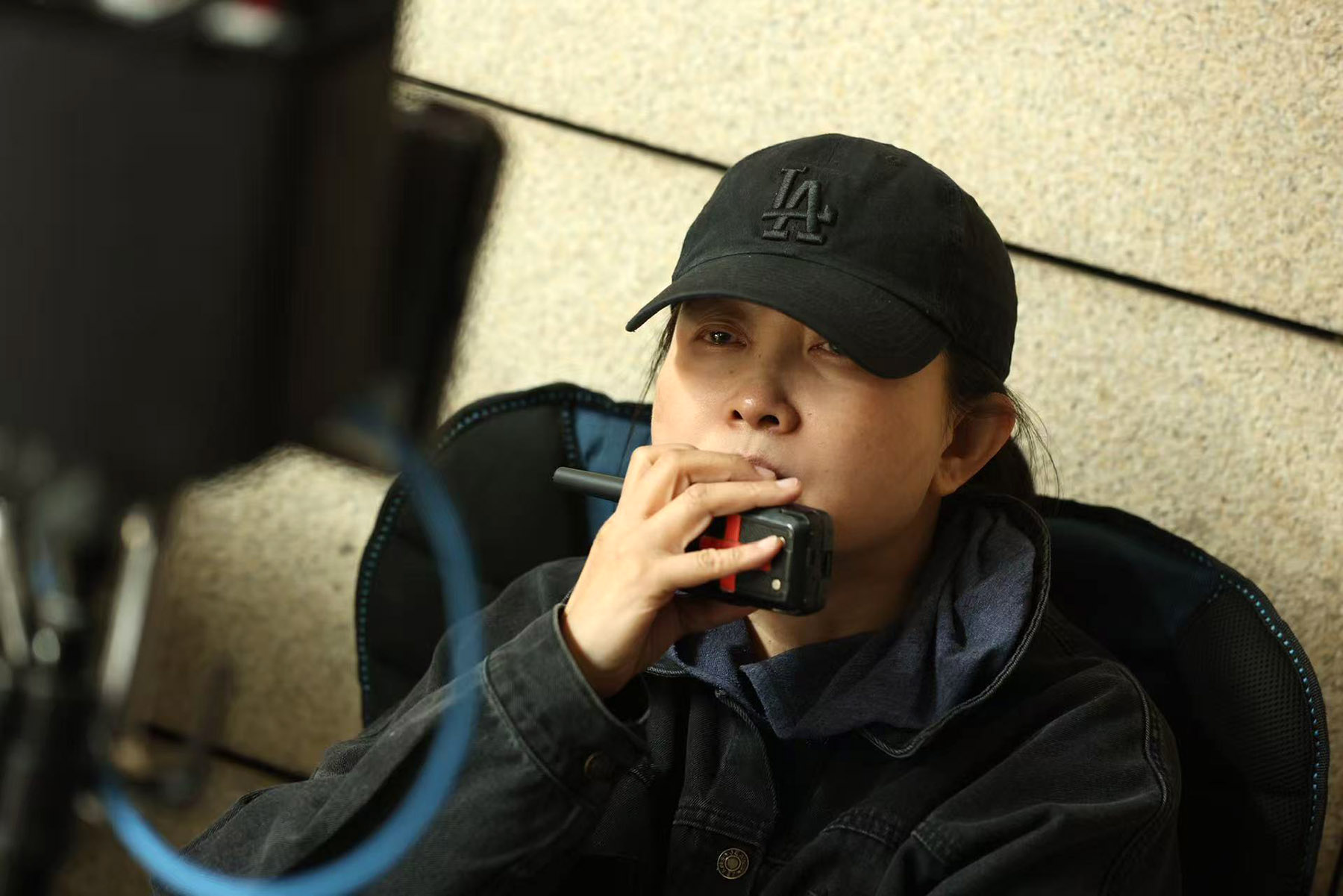
Known for popular female-centric dramas such as A Dream of Splendor, director Yang was drawn to this new project by the socially relevant issues concerning women. The two protagonists' experiences, from childhood to adulthood, reminded her of women who face hardships and strive to overcome them throughout their lives.
"As a woman myself, I was quite interested because it's a novel about women. It reflects the authentic status quo faced by many women," Yang says.
Recalling that she read the book in late 2022, while she was shooting Imperfect Victim — a crime drama about a workplace sexual harassment case — Yang says she was hooked by the story's in-depth narrative approach.
"Suspense is the vehicle to drive the plot and keep audiences engaged episode after episode," she explains. "But my motivation behind this project is to reveal the hidden aspects of the characters — seemingly ordinary people who fight against unfair fates and selflessly support and help one another."
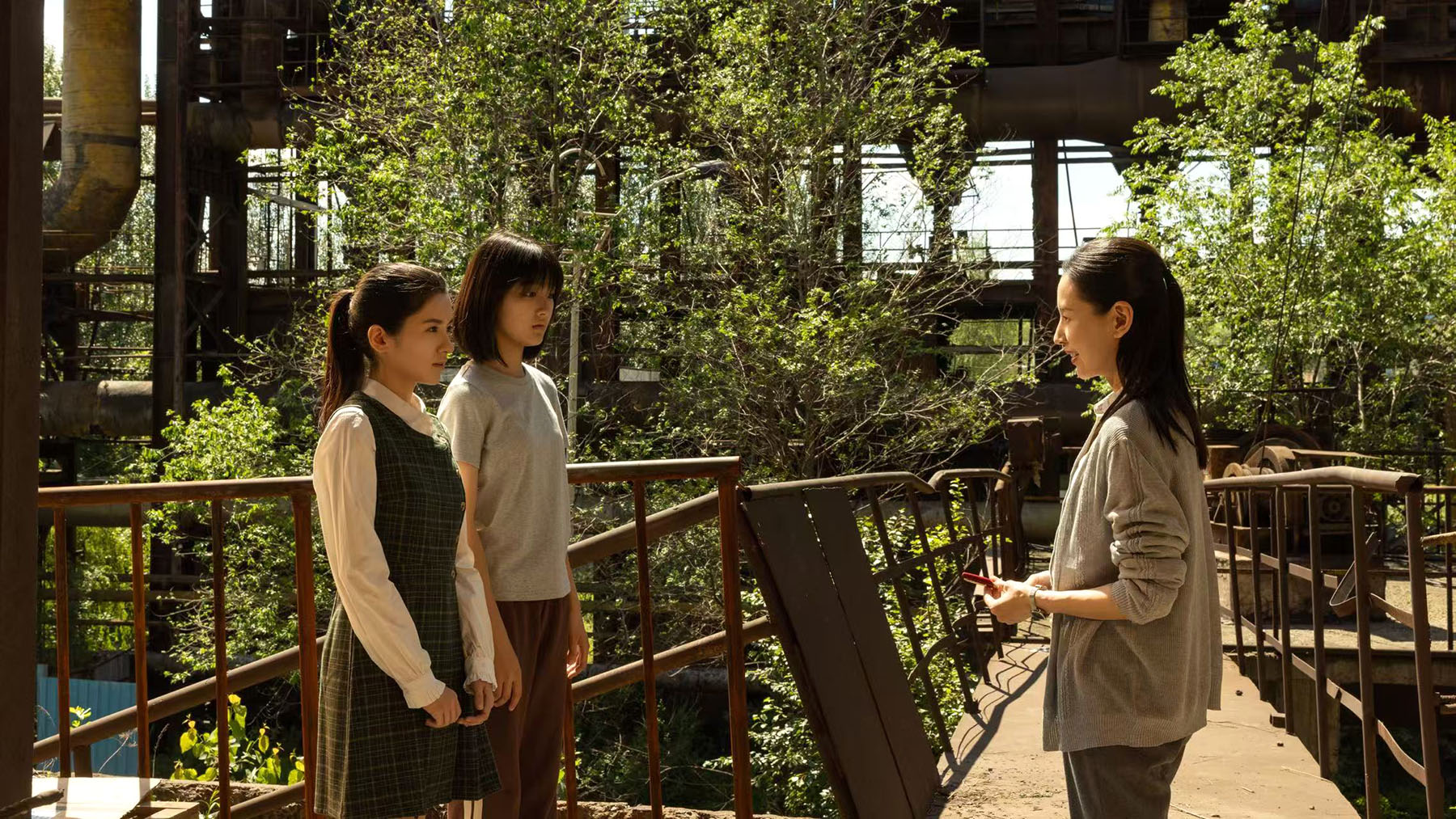
Several supporting characters in the drama also stand out for their quiet nobility.
One such example is Zhou Yun, the wife of a construction factory head. She helps Wen Yuxiu, a woman fleeing a violent and abusive husband, obtain a new identity so she can realize her dream of becoming a teacher. Wen is later captured by her peasant husband and imprisoned in a cellar for 17 years. She is eventually rescued, thanks largely to Ren and Ren's mother — Wen's best friend from their school days.
Although the original novel is set in Southwest China, Yang reveals that during her train journeys — a slow-paced way of traveling that she deliberately chose to scout for the most ideal locations — Harbin, the capital city of Northeast China's Heilongjiang province, came to mind.
"The natural environment of ice and snow, along with the traces and remnants of a once-major industrial town, immediately excited me. I felt that all the characters should live right there," she says. From the old, worn railway tracks to the historical buildings with their peeling, mottled walls, Yang says that she sensed the tone of the drama had been found.
During the filming process, the creative team constantly came up with ideas, one after another. For example, Ren's family, due to their financial situation, doesn't own a television set. On Chinese New Year's Eve, as the sound of the Spring Festival Gala — the country's most-watched TV program on the eve — drifts over from the neighbors' homes, Ren's mother comes up with her own uniquely warm way to celebrate; organizing the children to soak their feet in hot water together and sharing a 30-yuan red envelope, turning it into their family's own festival celebration. The scene became one of the most heartwarming and tear-jerking moments in the drama.
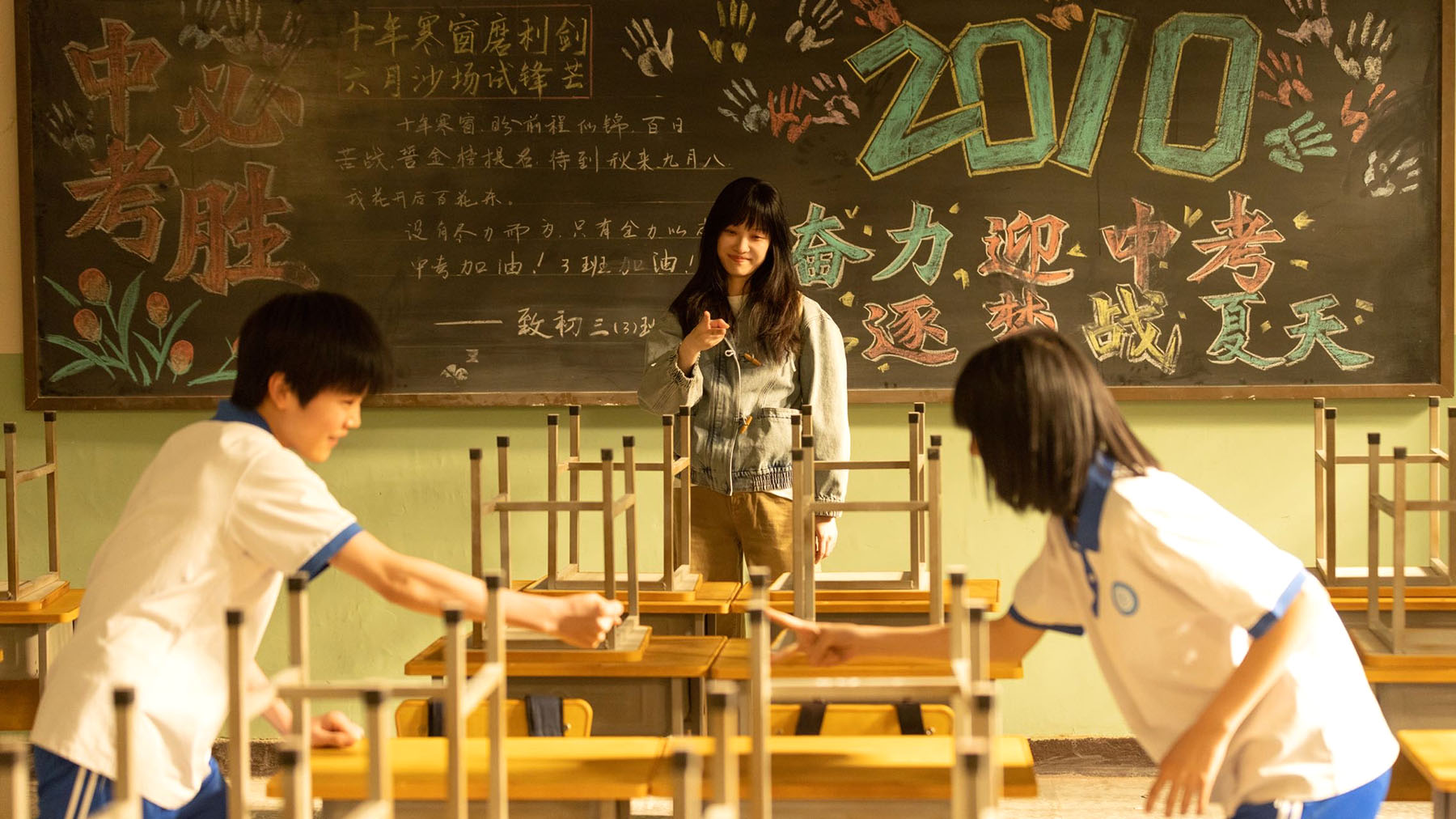
"We have many female creators in the cast and crew. Perhaps it is the sensitivity and unique understanding of life that women possess that bring about the creation of such details," says Yang.
Actress Ni Ni, who plays the lead role of Ren, reveals that she and Yan Ni — who plays her on-screen mother — stayed in the same hotel. She often visited Yan to discuss the script, which helped them develop a natural chemistry as mother and daughter.
Currently, the drama, featuring a stellar cast that also includes award-winning actress Liu Yase as Bai, has been well-received online, evidenced by its related content garnering over 5 billion views and an opening score of up to 7.4 out of 10 on the major review aggregator Douban.
ALSO READ: A town built by the people
"In most Chinese dramas centered on women, men still occupy the center — either the heroine is saved by a man, or the story revolves around romance between the sexes," comments Shan Jie, a critic on Douban.
Shan adds that this drama, however, breaks from those stereotypes. "It turns its lens purely on a group of women who have been wronged by fate — and shows them holding onto one another, making it a rare departure in the field," she says.
Contact the writer at xufan@chinadaily.com.cn
