Progress in modernizing traditional Chinese medicine (TCM) has recently shown signs of plateauing, said Jiang Zhihong, who leads a State Key Laboratory in the field at the Macau University of Science and Technology, and the path to renewal lies most likely in the Macao Special Administrative Region.
Speaking to China Daily, he said the SAR benefits from a rare convergence of “favorable timing, geographical and human conditions” ideal for “an innovation-led paradigm shift”, thanks to its ready access to leading research minds and the Guangdong-Macao Cooperation Zone in Hengqin, Guangdong province, a state-of-the-art commercialization boomland situated just across a watercourse from Macao.
“The technologies and scientific methods are increasingly advanced, but why is the pace of TCM-based new drug discovery slowing down?” Jiang asked.
He explained that, despite celebrated breakthroughs — such as extracting the antimalarial compound artemisinin from traditional remedies — TCM’s modernization has hit a bottleneck because of a dependence on a limited repertoire of herbs, about 500 for routine uses. “Progress will inevitably hit a ceiling, unless researchers shift their perspective and methodology,” he said.
Macao’s academic institutions are fostering a much-needed breed of hybrid researchers who are equally versed in contemporary biomedicine and TCM know-how to enable the coming transformation, he noted.
Jiang added that the “research and development in Macao, transformation in Hengqin” model has further worked to Macao’s advantage; the initiative has effectively offset the city’s inherent constraints arising from its land scarcity and light industrial base.
He therefore sees TCM as Macao’s “most workable” new growth engine to diversify the local economy, and therefore a key nexus to tether local growth to the country’s 15th Five-Year Plan (2026-30) and broader national goals.
Jiang stressed that the central government laid out the strategic groundwork for Macao’s TCM sector over a decade ago and has been propelling its rise ever since.
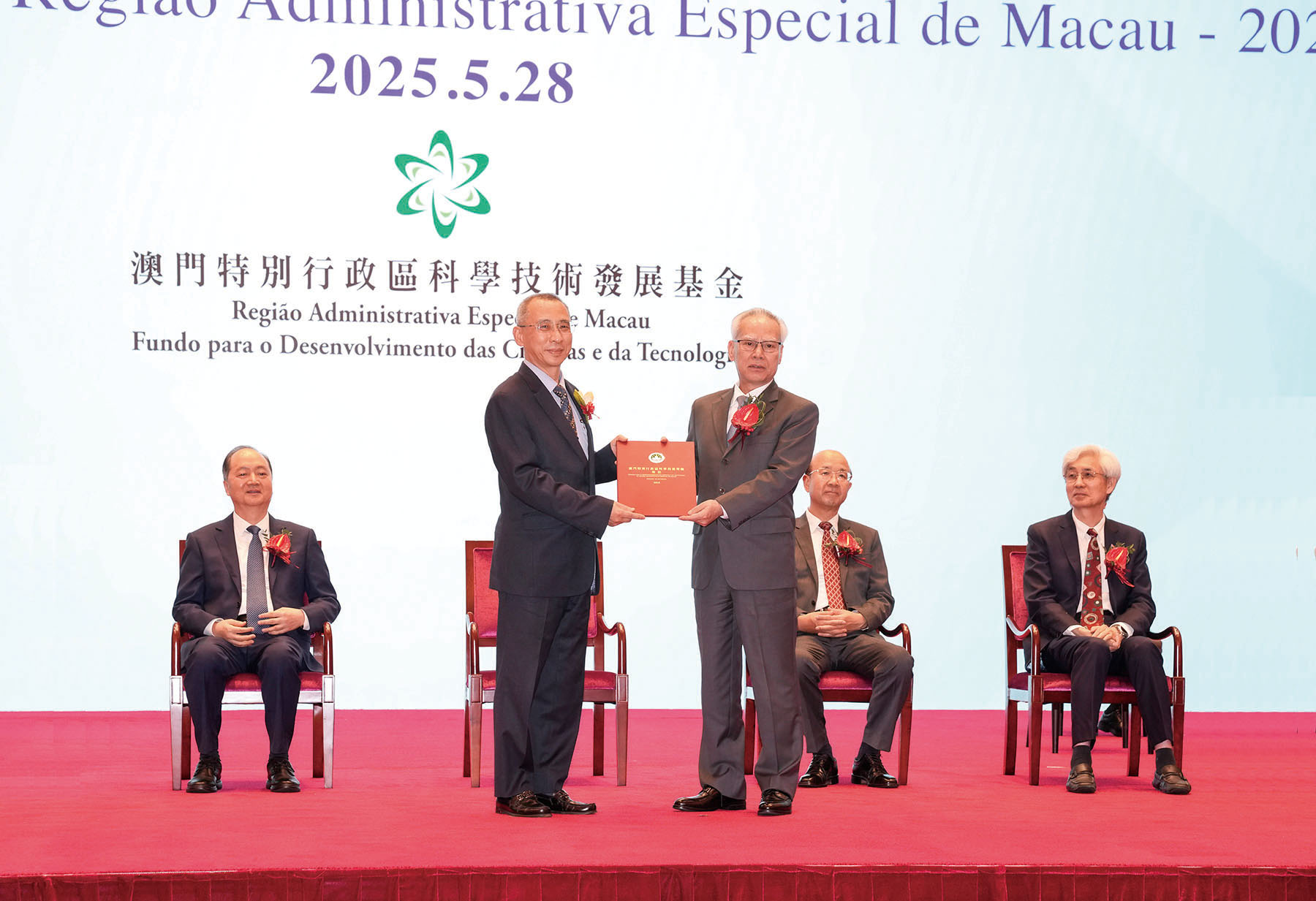
When the nation’s first such lab dedicated to TCM landed at MUST in 2011, Jiang was appointed to lead it.
The same year saw the inauguration of the Traditional Chinese Medicine Science and Technology Industrial Park of Cooperation between Guangdong and Macao (GMTCM Park) in Hengqin.
Jiang then began to latch onto a studiously developed top-level master plan. “The State Key Lab can focus on frontier basic research while the GMTCM Park leverages Hengqin’s resources to propel the commercialization of scientific findings,” he said. “They roll in a mutually supportive manner.”
The lab — now known officially as the State Key Laboratory of Mechanism and Quality of Chinese Medicine — has been operating under its new name since August 2025, following a major strategic restructuring to better align its role with national scientific objectives.
An interdisciplinary future
Jiang said he is pinning his hopes on an interdisciplinary future, where TCM leaders are all well versed in modern biology and medical science and so can effectively combine Chinese and Western medical traditions and practices.
This places Macao and Hong Kong one step ahead, he noted, since the TCM curricula built in the two SARs’ universities are generally geared to the needs of students who aim for further study abroad, with relatively substantial courses on modern bioscience and Western medicine included, in addition to classical theory and hands-on diagnostics.
Enhancing the cultivation of talent in combined TCM and Western medicine and the integration of TCM and Western medicine service systems are now national aims expressly adopted by the country’s Healthy China initiative, as outlined in the 15th Five-Year Plan (2026-30).
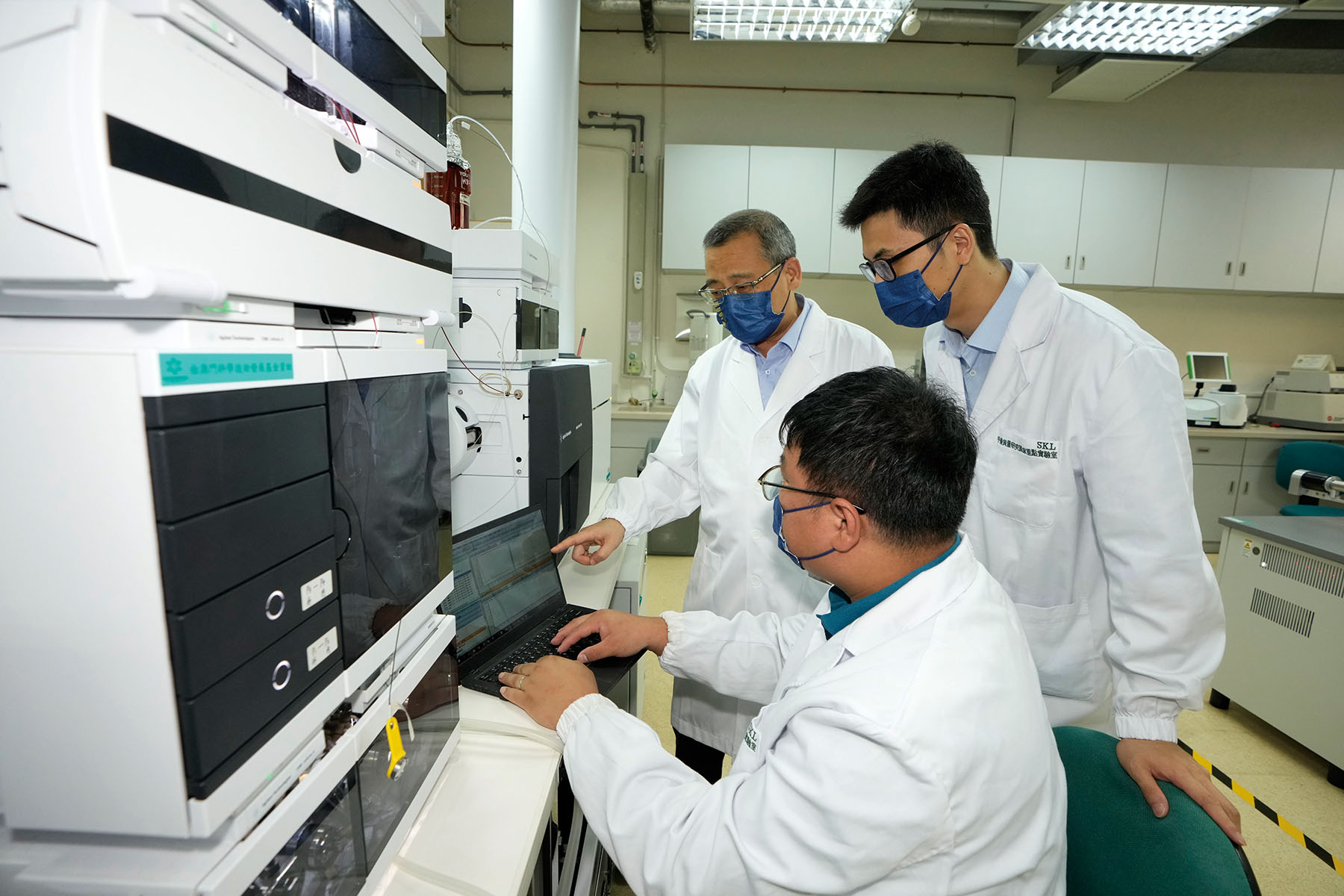
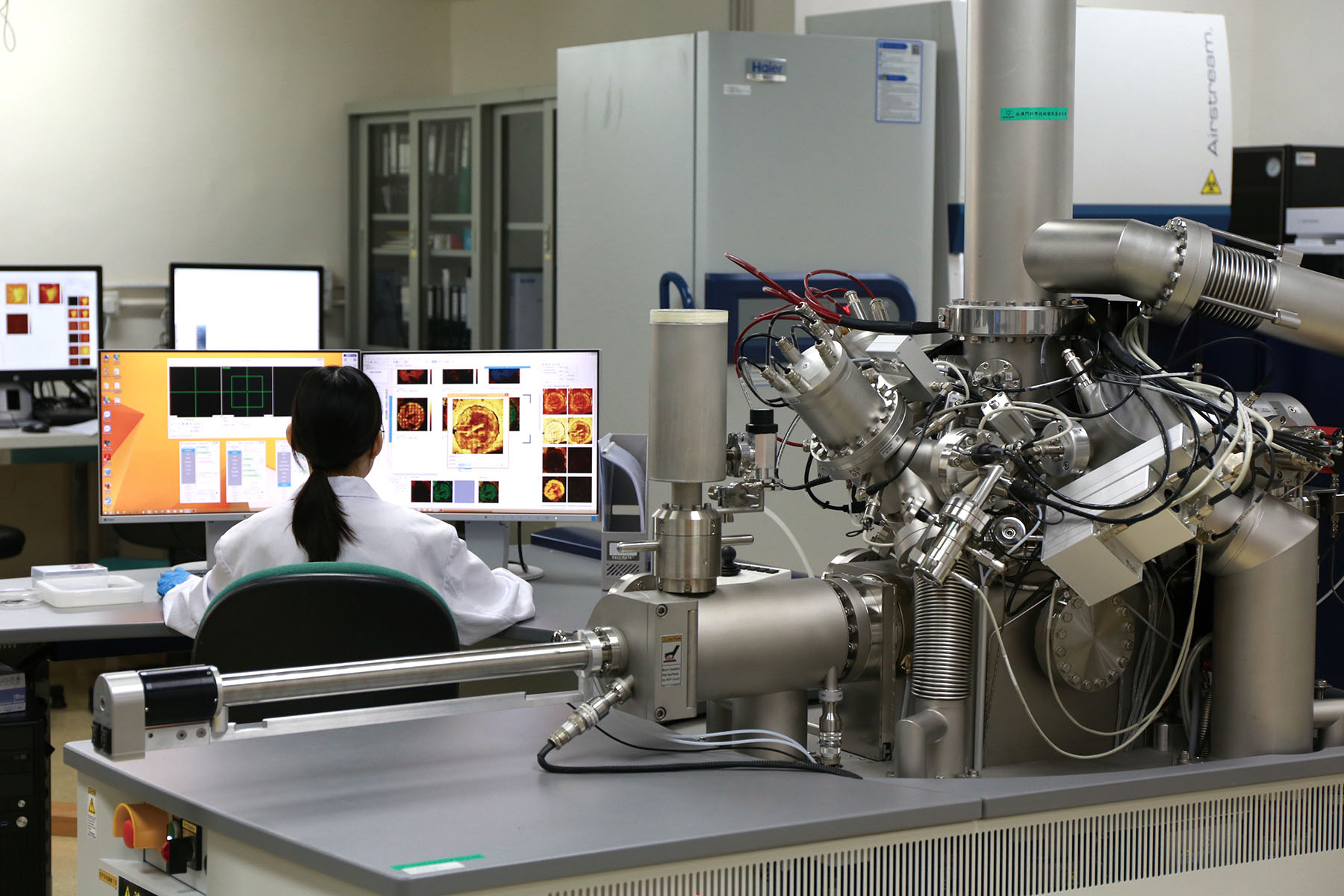
Jiang pointed out that, although refraining from Western drug prescriptions, Macao’s TCM clinicians sometimes aid diagnostics through lab-test referrals; meanwhile, the local TCM pharmaceutical industry is leveraging advanced instrumentation for quality control and standardization — a key step in modernizing the sector.
For scientific research, Jiang said he believes scholars grounded in both medical traditions are uniquely equipped to cross academic boundaries and generate genuinely transformative ideas.
The flagship project he leads — aiming to develop new small nucleic acid drugs from TCM-derived transfer ribonucleic acid (tRNA) — constitutes a stellar example. Jiang traces it back to one of his eureka moments in 2001, when he sought to combine his newfound expertise from RNA research at Harvard Medical School with his academic roots in TCM.
The project won the first prize for the Technological Invention Award in the Science and Technology Awards of the Macao SAR in 2024 and laid the groundwork for the Guangdong-Macao Joint Laboratory for Innovative Drug Research on TCM and Natural-Derived Small RNAs, which was officially inaugurated in November.
From lab to global market
Jiang noted Macao’s accessible location and the institutional strengths of the “one country, two systems” framework provide further support for its talent.
Backed by the nation, Macao can easily tap into vast herbal resources and clinical knowledge, and the city’s global connectivity opens doors to advanced international technologies and high-end equipment, he said.
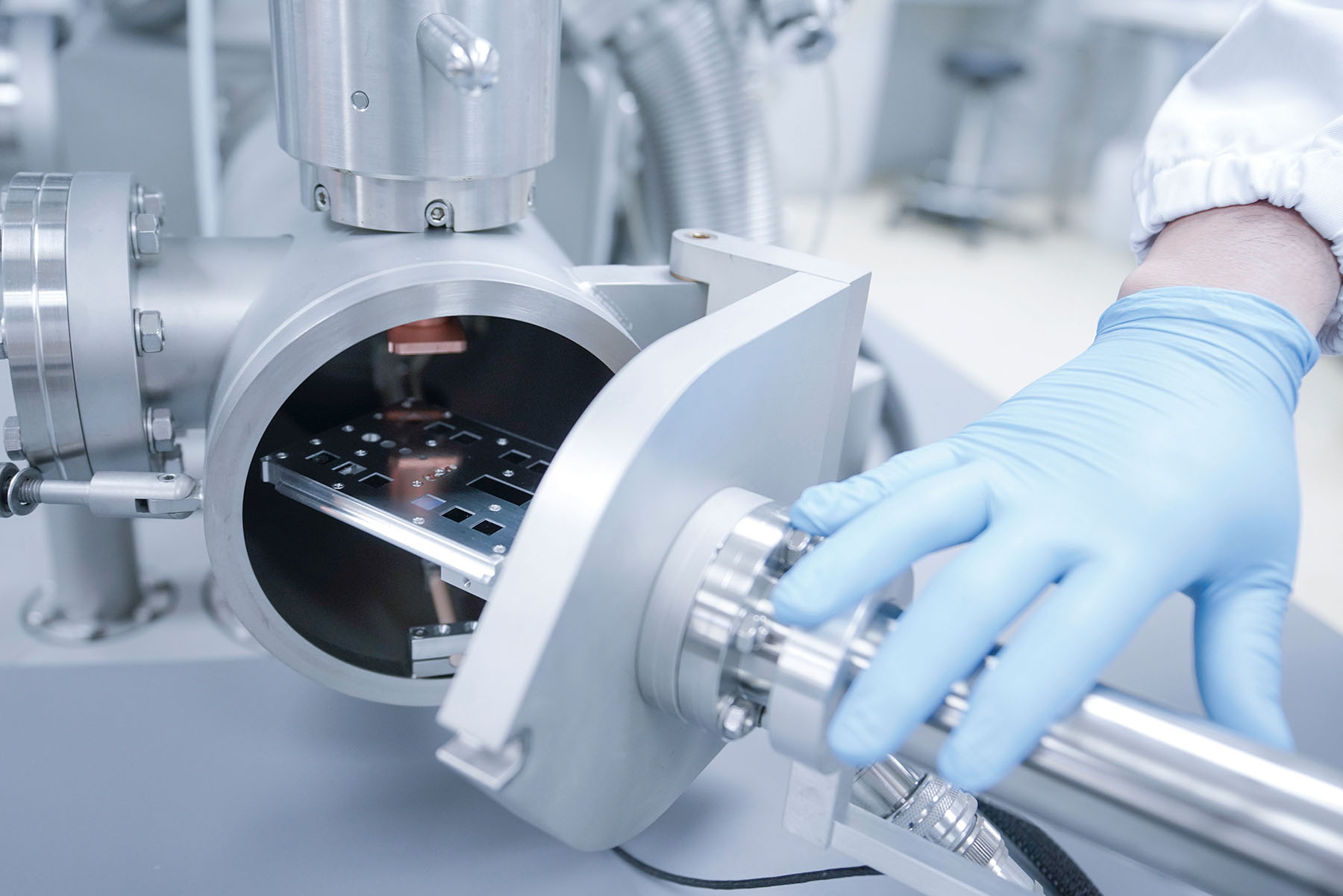
In retrospect, he said, he realizes that fresh ginseng and toad samples from Northeast China, along with advanced instruments like mass spectrometers acquired through international partnerships, were all crucial to achieving key results in his TCM-derived tRNA research.
Still, Jiang noted that for Macao and Chinese mainland TCM researchers to harness cross-border synergistic benefits fully, the flow of research materials — particularly live biological samples — must be smoother and more efficient.
In his own work, he said the fastest route for fresh ginseng and live toads from Northeast China to reach his Macao laboratory required them to make a detour through Zhuhai, Guangdong, for initial processing into specimens — a process he described as “still cumbersome”.
Jiang proposed starting with a more streamlined customs process for biological and clinical samples from Hengqin’s hospitals — blood, tissue, and more — to be used for scientific research in Macao, under robust risk controls.
A vital gain from deepened Macao-Hengqin integration for Macao’s TCM sector, Jiang added, is that a “full, R&D-conversion-export” value chain has begun to take form: research and patent development in Macao, scaled production on the mainland, and global distribution through Macao’s international gateway.
He suggested that for commercializing patents, Macao researchers’ “best collaborators” should be mainland-based firms with branches in Hong Kong and Macao.
Such companies offer a crucial two-way insight. “They understand the mainland’s industrial and policy matrix as well as the two SARs’ research culture and international practices,” he said. “This puts them in pole position to navigate TCM market trends and cultural specifics.”
Jiang’s team at MUST achieved a record valuation for university research commercialization in Macao by licensing patents on two siRNA therapeutics to Yingkerui (Hong Kong) Innovative Pharmaceutical Co Ltd.
In TCM’s global expansion, Jiang said he is bullish on Portuguese-speaking markets and underscored that Macao — serving as a dedicated platform in promoting trade cooperation between the country and Portuguese-speaking countries — is “best suited to serve as a bridge”.
During a 2025 visit to Brazil as part of an official Macao delegation, Jiang was struck by the country’s “quite sound foundation” for TCM, a “notable discovery”, he said, in the world’s most populous Lusophone nation.
Jiang recalled that the group toured TCM clinics, herbal factories, drug regulators, and trade bodies. Brazil’s TCM industry, though still primarily propelled by its ethnic Chinese community, now enjoys significant government endorsement in drug recognition, procurement and compliance, he said.
In Brazil, he noted, a well-run pathway exists for China-approved TCM products to gain clinical hospital access following local regulatory review.
TCM’s global footprint now spans 196 countries and regions, China’s central government data shows — a reach underpinned by a network of over 40 government-level cooperation pacts, 31 dedicated export bases overseas, and TCM’s strategic inclusion in 16 free trade agreements.