

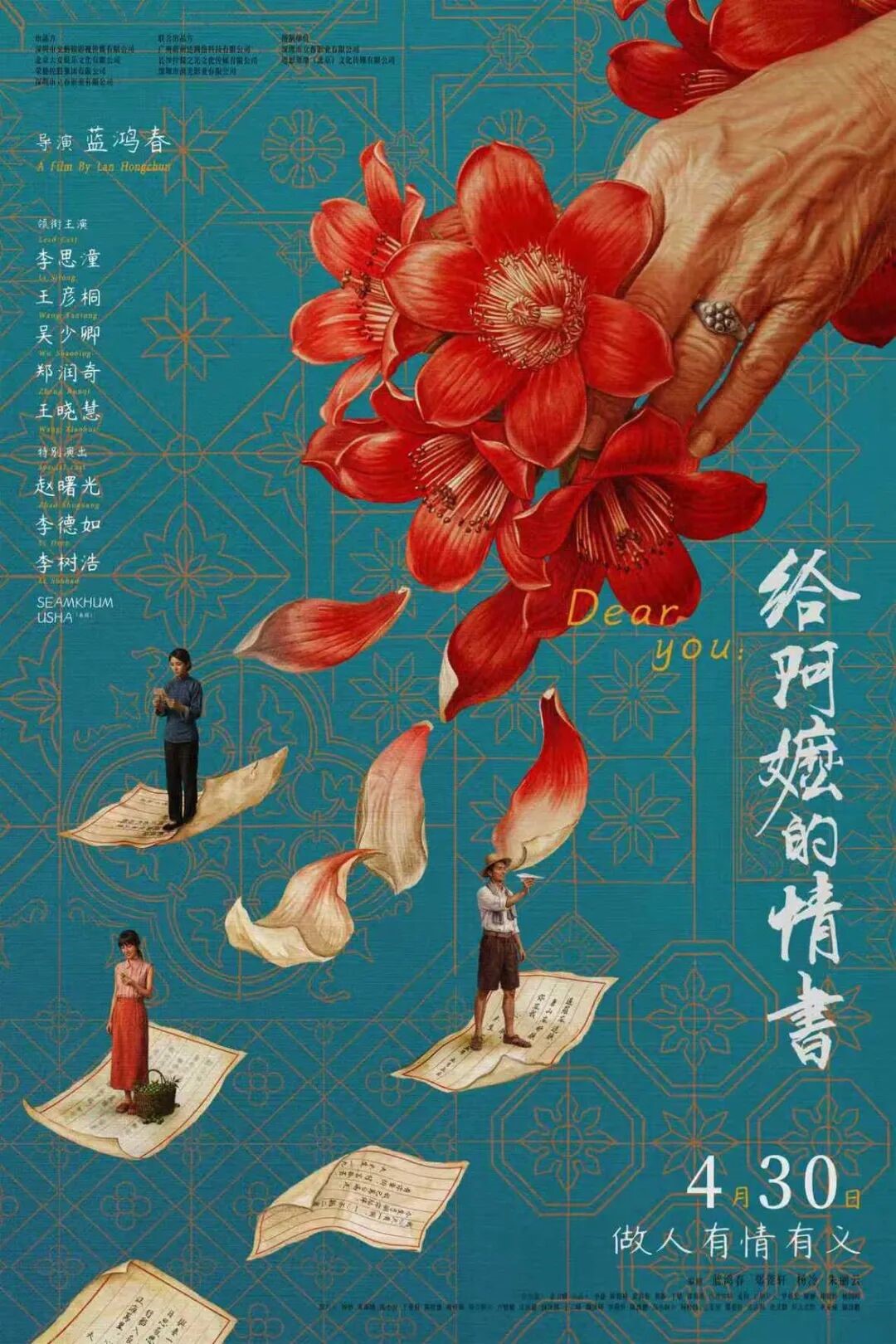
A Shenzhen-produced film, with an amateur cast and concentrating on the deep bonds between overseas Chinese and their families at home, emerged as a dark horse in the recent film market. After topping China’s box office charts on Mother’s Day, Dear You is continuing to gain popularity across the nation.
This low-budget Chaoshan-dialect film, directed by Lan Hongchun and powered by a moving story, overcame a slow start — accounting for less than 2 percent of initial screenings — and went on to succeed in both reputation and box-office performance.
The story centers on Grandma Ye Shurou, a woman from the Chaoshan region of Guangdong province, who has quietly waited for her husband, Zheng Musheng, for decades. He left for work overseas last century and has stayed in touch with her by letter.
Ye’s debt-ridden grandson, Xiaowei, traveled to Thailand to find Zheng, who is rumored to be a billionaire, but unexpectedly discovered that the person who has been writing to his grandmother all along was a stranger.
ALSO READ: Enterprising Chaoshan people give BRI riveting narrative
The film reveals a hidden love affair spanning half a century, with the bond built around qiaopi — historical letters and remittance certificates sent by overseas Chinese to support their families back home and let their loved ones know that they were safe.
The story is not based on any real-life events. It draws inspiration from the authentic history of millions of overseas Chinese from the Chaoshan region who migrated to Southeast Asia to seek work, reflecting the deep emotional bonds between those striving abroad and their loved ones back home.
Released nationwide on April 30, the film was shot in Chaoshan, a region primarily comprising Shantou, Chaozhou, and Jieyang of Guangdong province. According to movie data analytics platform Maoyan, it had grossed 160 million yuan ($24 million) by Tuesday, attracting nearly five million viewers and becoming China’s first feature film starring non-professional actors to take more than 100 million yuan. Maoyan predicts that its total box office in the Chinese mainland could reach 427 million yuan.
The film scored 9.1 out of 10 on China’s review platform Douban, surpassing many other acclaimed domestic films and becoming the highest-rated domestic film so far this year.
READ MORE: Chaoshan heritage
As the film’s reputation continues to grow through word of mouth, its share of screening slots has also been rising. Currently, the film accounts for over 70 percent of screenings in the Chaoshan region (primarily comprising Shantou, Chaozhou, and Jieyang). Nationwide, it accounts for roughly 20 to 30 percent.
Having attracted attention from the international film sector, the movie is also scheduled to be screened at the Cannes Film Festival in France on Friday.
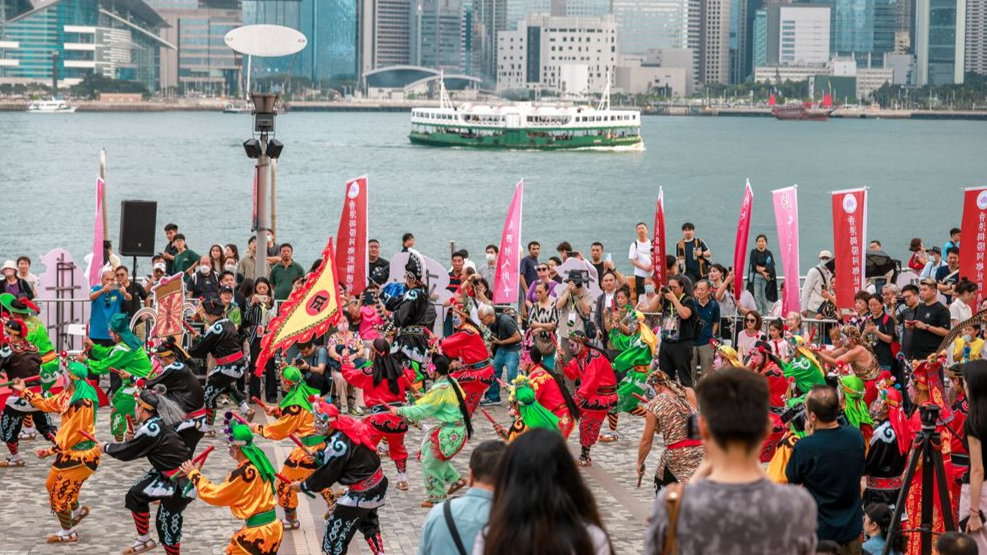
Chen Yiwen, a Guangzhou resident with ancestral roots in Chaoshan, took her grandmother to watch the film — and was moved to tears several times during the screening.
She said she doesn’t think her reaction was simply due to her Chaoshan ancestry; more than that, she was deeply moved by the film’s natural, compelling storytelling. “Every plot gap is perfectly paced — there’s no forced sentimentality. When the characters read letters from their loved ones, you can genuinely feel the shared longing, and viewers find themselves tearing up alongside the actors,” Chen said.
This sense of connection also stems from her childhood memories. Chen’s grandfather used to help overseas Chinese translate qiaopi in Thailand, and her grandmother frequently traveled back and forth between China and Thailand to see her husband. From a young age, Chen often spent her summer vacations reuniting with her relatives in Bangkok’s Chinatown.
Pinning high hopes on Chaoshan films, she said she hopes such films about Chaoshan culture and history will transcend Guangdong and China and find audiences worldwide.
Chen Ziyu contributed to the story
Contact the writer at bingcun@chinadailyhk.com
