

As loneliness and emotional pressure grow, young people are turning to online "tree hole" listening services and anonymous spaces for relief.
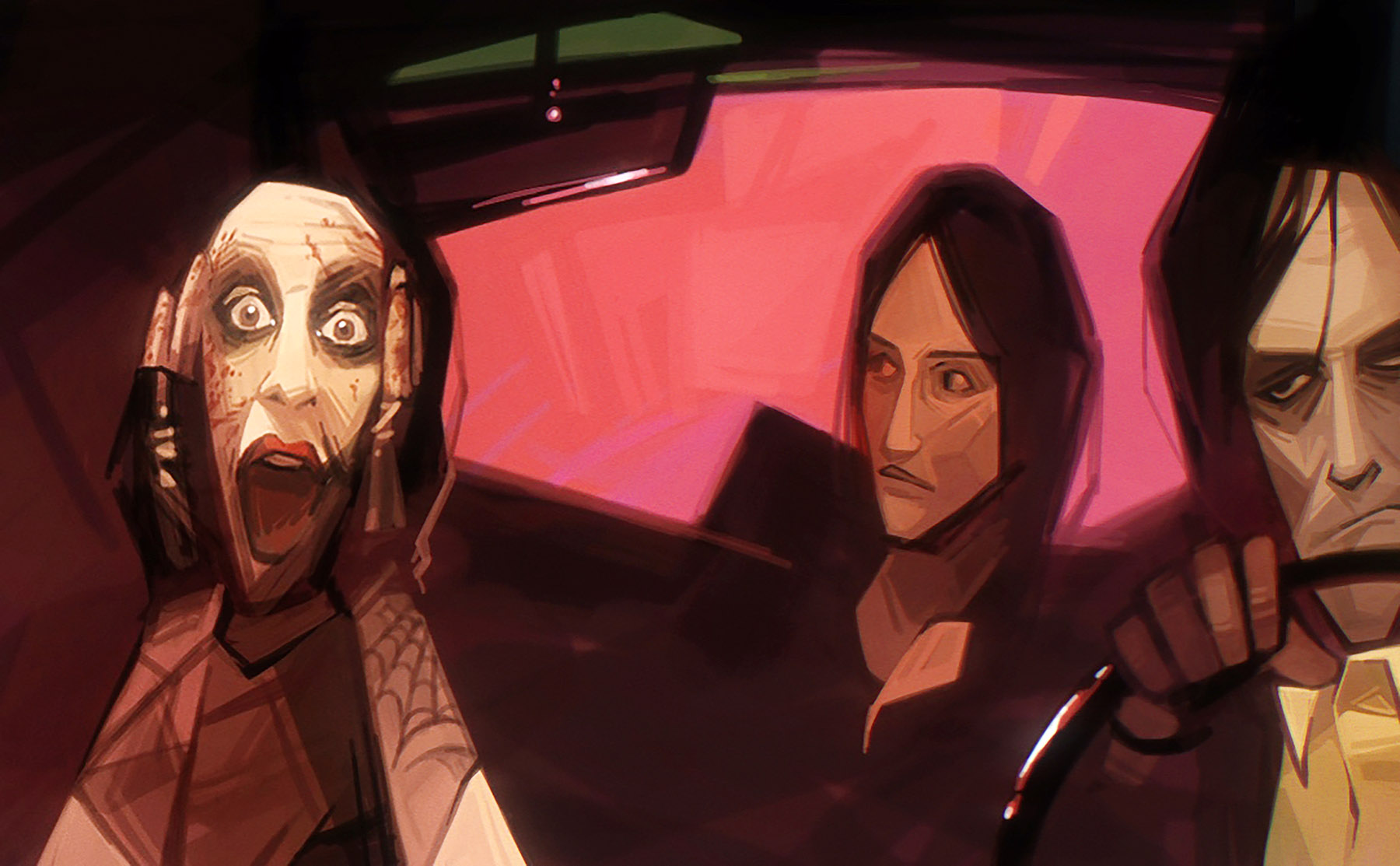
At 9 pm, as the city slowly settled into silence, a young woman returned to her apartment, feeling drained. She opened the Xiaohongshu (RedNote) app, clicked on an account called "Lily's Emotional Tree Hole", and paid 60 yuan ($8.66) for a 30-minute listening service.
A few minutes later, a voice call began in the app's private chat. One voice belonged to a young person searching for an emotional outlet; the other was Li Xing, a recently retired middle school geography teacher who, as she puts it, is eager to "make a contribution in her later years".
There was no formal consultation room and no appointment required — just two strangers connected through the internet.
Scenes like this have become increasingly common in the digital age, with virtual "tree holes" emerging as essential platforms for addressing the emotional needs of Gen Z.
The term "tree hole" originally referred to a literal place where people could whisper secrets. Today, it has taken on a metaphorical meaning: someone who listens and safeguards private feelings.
From anonymous confession spaces on social media to apps offering paid listening services, and even independent "listeners" on platforms like Xiaohongshu, a market-oriented, lightweight emotional support network is gradually taking shape.
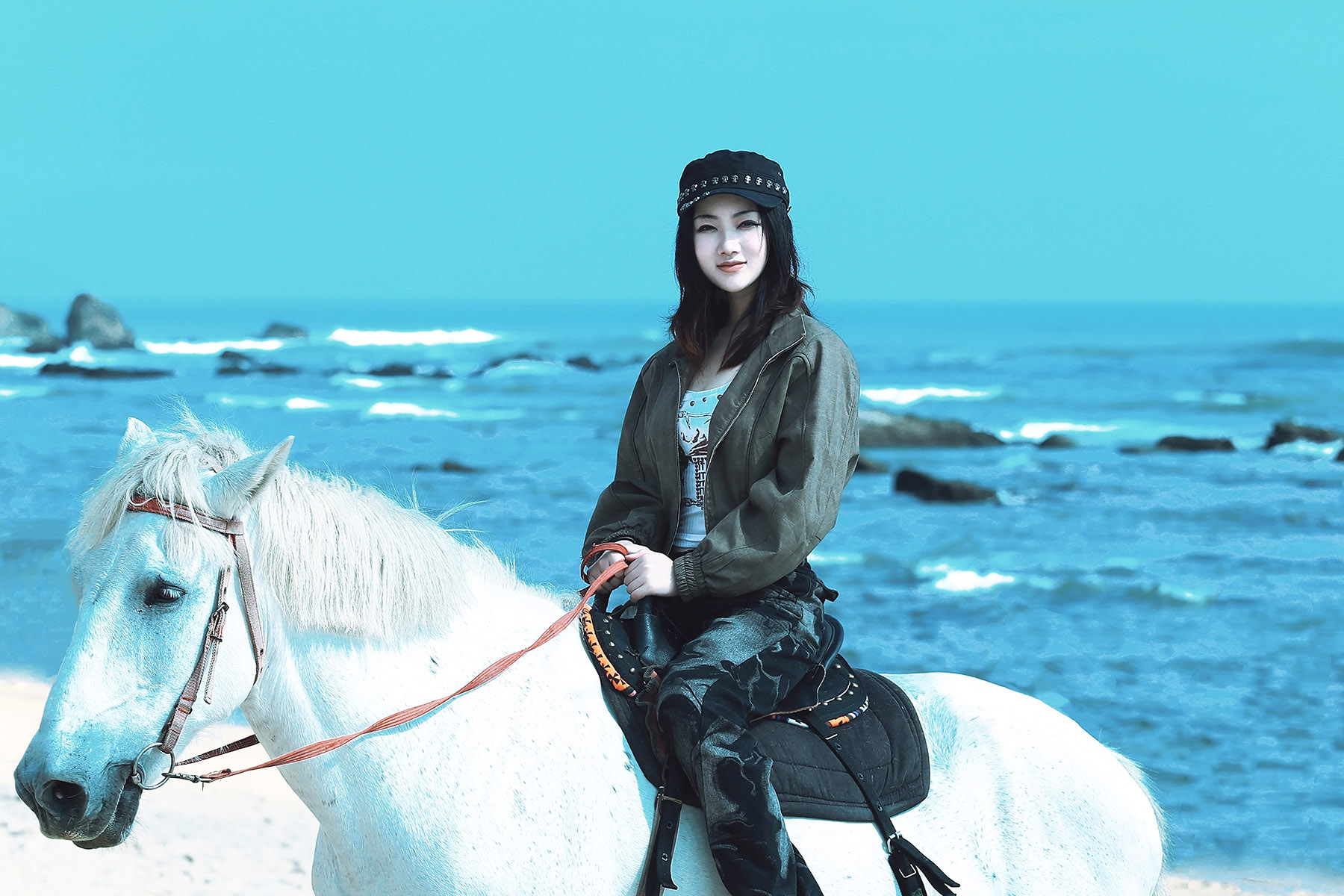
Li, 55, is from Wuxi, Jiangsu province. Thirteen years ago, she passed the national second-level psychological counselor examination, though she never pursued a career in the field. After retiring, hoping to continue "realizing her self-worth", she began working as a listener in October 2025.
Since then, she has spoken with over 200 clients. About 90 percent are young people, and approximately three-quarters are women. Many are also overseas students and Chinese expatriates.
"The internet connects everyone," Li explained. "They might be living alone abroad, and their social support systems can be much thinner."
Sincere service
Listening has become an emerging field today, though it remains somewhat vaguely defined.
"Listening services provide a low-cost, immediate emotional outlet," Li explained, differentiating it from professional psychological counseling.
"Counseling usually involves scheduled appointments — weekly sessions and long-term treatment plans. But when emotions are overwhelming, people often need someone to 'hold' them in the moment," she said. "Listening doesn't follow fixed procedures, and it doesn't necessarily involve offering professional therapeutic advice."
The issues she encounters are diverse: emotional distress, pressure from work and school, peer competition, family conflict, and more. What stands out to Li, however, is how openly young people talk about these struggles today.
"They share their problems with me very directly," she said. "They are more accepting of their emotions and more willing to seek help proactively. That is an outcome of social development and increased personal freedom."

Unlike Li, who relies largely on life experience to offer support, 30-year-old Li Mingjun is a trained psychology professional with a master's degree in mental health education. She began providing semi-public welfare listening services in November 2025, with an introductory rate of just 9.9 yuan for the first 50-minute session.
"I firmly believe counseling is truly beneficial only when it is affordable," she said.
Her clients are also mostly young people — recent graduates and university students. She has found that the most common source of their distress remains interpersonal relationships, particularly issues related to romance.
Yet beneath these concerns, Li Mingjun often sees a deeper theme: the pursuit of personal growth. Many clients ultimately ask questions like "How can I become a better person?" or "How can I live a better life?"
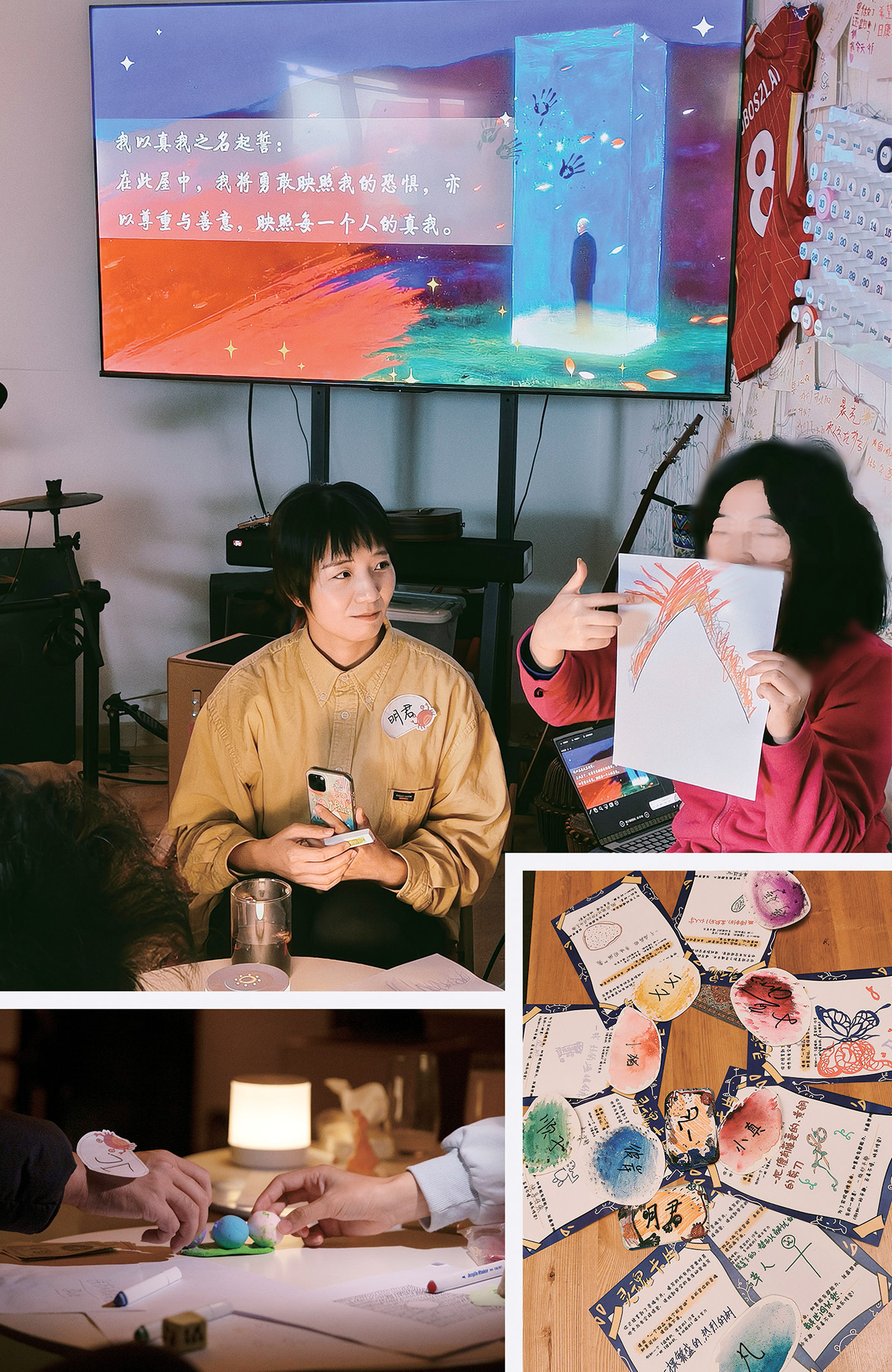
In addition to one-on-one listening, she has organized more than 20 workshops focused on emotional themes such as anger, shame, fear, and anxiety. Participants engage in creative activities like making "shame masks", auctioning "fear objects", or knitting "anxiety monsters" from yarn. These exercises help bring subconscious feelings to the surface. Through group sharing and emotional confession, many participants discover parts of themselves they had never noticed before.
Li Mingjun observes that in big cities, young people's social circles are often narrow and homogeneous. Deep connections are harder to form. But the internet and technology have made it easier for people experiencing similar struggles to find one another.
"Healing and being healed usually happen simultaneously," she said.
New connection
Liu Yuqi, a 23-year-old illustrator from Dalian, Liaoning province, is on a quest to find kindred spirits online.
Working from home, she has little social interaction and often feels lonely, craving emotional connection. She once tried a paid listening service, spending 300 yuan for a two-hour session. But the experience fell short of what she had hoped for, because the listener — perhaps in an effort to remain professional — seemed to avoid genuine empathy. Instead of the deep connection she longed for, she was left feeling unsatisfied.
So Liu began looking for a "mutual tree hole" partner — someone she could share with and listen to freely and equally.
She chose not to rely on traditional support systems such as family or close friends, partly because of generational gaps and partly because she didn't want to burden others with her emotions.
"Mutual selection and two-way sharing create a sense of equal value, without pressure," she explained.
In her view, the ideal "tree hole relationship" has four defining qualities: efficiency, safety, sincerity, and stability.
"Efficiency" means avoiding the exhausting rituals of real-world socializing. "Safety" involves clear boundaries, the freedom to withdraw at any time, and not prying into each other's personal lives. "Sincerity" refers to open communication without hidden agendas or utilitarian motives. And "Stability" means that the relationship should enrich life like a "condiment", rather than becoming a new source of emotional turbulence.
Liu's reflections on her generation are especially telling. She observes that young people today are redefining ideas of intimacy and boundaries. They seek deep understanding, yet remain cautious about protecting their personal space and sense of security. Both paid listening services and mutual tree hole partnerships, she believes, are expressions of these shifting dynamics in modern relationships.
"Our generation stands at the crossroads of the old and the new," she said. "We often lack deep connections, but technology offers unprecedented convenience."
"Our loneliness is unlike anything before," she added."But it also fuels creativity. We're not constrained by traditional relationship models — we're bold enough to invent and explore new forms of emotional connection."
Contact the writers at guiqian@i21st.cn
