

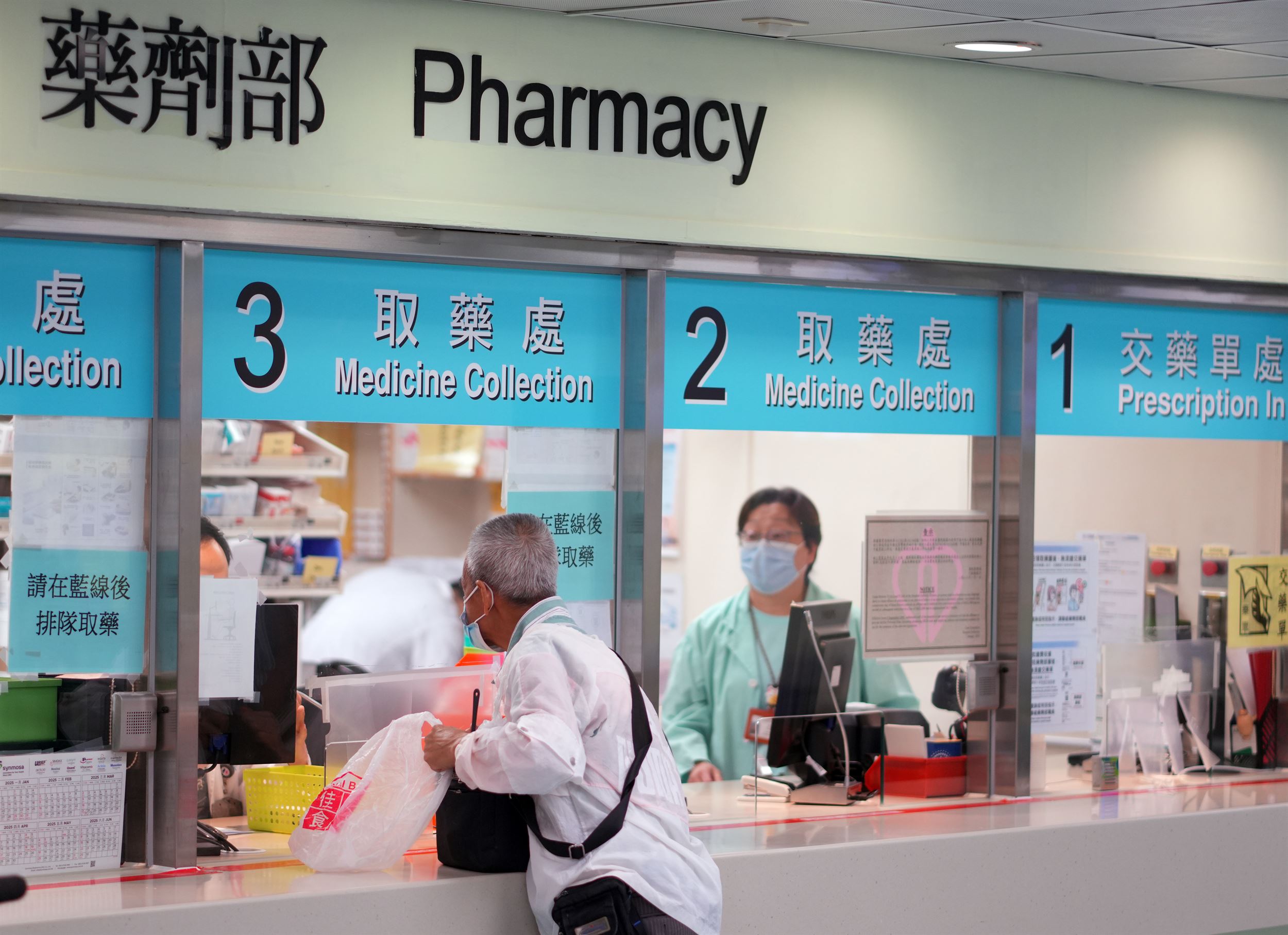
Integration and collaboration within the Guangdong-Hong Kong-Macao Greater Bay Area has never been deeper, with the medical sector among the early beneficiaries.
Nearly five years after its inception, Hong Kong and Macao Medicine and Equipment Connect — a pioneering step in fostering cross-boundary medical integration — is bearing fruit. It has now been extended across the 11-city economic powerhouse, meeting the public’s growing demand for higher healthcare quality.
Medical experts call it a vital step in aligning the region’s healthcare standards with international practices, and an “empowering tool” for doctors to combat the most complex and challenging diseases.
Suggesting that the initiative be stepped up, they emphasize the need for stronger financial support for patients, accumulation of clinical data, and the importance of making the initiative a mutually beneficial endeavor.
Program benefits
Connect, launched in August 2021, allows designated Chinese mainland hospitals to use clinically urgent drugs and medical devices already approved for use in the Hong Kong and Macao special administrative regions, but not yet on the mainland.
Traditionally, new drugs approved in the two SARs require lengthy clinical trials before they can be applied north of the boundary. The innovative program exempts that process, significantly shortening the time required to introduce medical products.
With four batches of designated medical institutions having joined, coverage is increasingly diverse. Besides renowned public hospitals in Guangzhou and Shenzhen, it also includes flagship hospitals in other Greater Bay Area cities, specialized hospitals for children and traditional Chinese medicine, as well as private medical facilities.
As of Dec 10 last year, 63 drugs and 77 medical devices had been approved for use under the Connect program at 71 designated medical institutions, benefiting about 17,000 patients.
Shenzhen Children’s Hospital, which is among the latest batch of medical institutions to take part, plans to start with pilot applications of drugs and medical devices in dealing with pediatric cancers, refractory epilepsy and rare diseases.
ALSO READ: HK elderly healthcare voucher scheme to cover Zhuhai starting Thursday
Ma Xiaopeng, president of the hospital, says the program’s core value is to offer more treatment options for patients. It fills the mainland’s critical gap in treating children with severe, rare or complex diseases, sparing families the need to seek medical care overseas and lightening their financial burden.
Zhongshan Hospital of Traditional Chinese Medicine, which was also recently included in the program, says the initiative allows it to widen its Western medical treatment options, enabling it to offer more integrated medical services with good efficacy and fewer side effects.
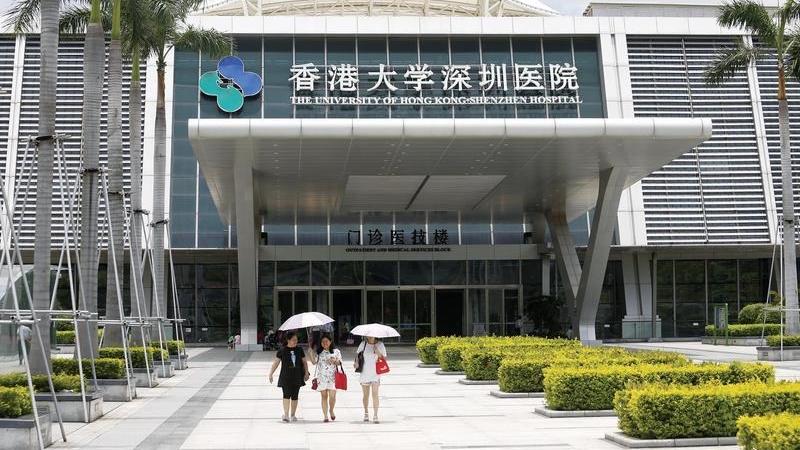
According to Wu Jiayan, director of the hospital’s medical affairs unit, the institution will use imported medical products to treat patients with lung diseases, brain injuries and headaches.
She says the Connect program has evolved from an “innovative pilot” to a “regular mechanism” in the past few years, offering significant potential for the hospital to gain a unique advantage in integrated treatment of complex and severe diseases.
Dongguan People’s Hospital, another newlylisted designated medical institution under Connect, believes that with more advanced medical resources, it can better serve patients with special clinical needs, and meet public demand for improved healthcare services.
The hospital aims to introduce medical devices in precision diagnosis, minimally invasive treatment and surgical robots, innovative smart rehabilitation devices and high-value equipment for key disciplines.
Challenges remain
Hailing Connect’s role in establishing a green channel for the cross-boundary use of medical resources, the hospital says it faces two key challenges in its development.
One issue is that the nation’s health insurance typically does not cover medications available through the program, leaving patients with a relatively heavy financial burden. Due to regulations on revenue management for public hospital drugs, the use of high-price imported pharmaceuticals and devices may affect institutional evaluations, which could reduce participation incentives.
The hospital suggests that the authorities explore reasonable reimbursement and assessment exemption mechanisms for drugs and devices under Connect. It calls for the registration of imported medical products on the mainland to be hastened with clinical data accumulated through the Connect program. This would facilitate their integration into national health insurance plans, thereby fundamentally reducing usage costs.
Calls for expansion
According to Dick Sung Ming-tat, president of the Pharmaceutical Society of Hong Kong, many drugs imported under the program are oncology medications. Given the significant health risks posed by cancer, global efforts to combat the disease have fueled the development of innovative drugs in the SAR.
Sung believes the pace of introducing the drugs can be further accelerated. Hong Kong has tens of thousands of registered drugs, but only about 60 have been approved under the program in the past five years.
“International drugs typically require three to five years or more to enter the mainland market through clinical trials. If the approval process takes too long, some overseas drugs may be launched on the mainland directly, bypassing the Connect program, thereby diminishing the significance of this initiative,” he says.
Compared to the Hong Kong-Macao Medicine and Equipment Connect, he thinks the policies of Hainan province’s Boao — another of the country’s medical innovation hubs — are more progressive. As a key step for Hainan to boost medical travel, the Boao Lecheng International Medical Tourism Pilot Zone had introduced 181 drugs and 331 medical devices from overseas regions by late 2025, benefiting over 190,000 patients.
From a patient’s perspective, since Connect primarily covers Tier III Class A hospitals, Sung hopes that Tier II Class A hospitals can also join in the future, offering more convenient treatment choices for patients with chronic illnesses.
READ MORE: HK to launch priority health scheme for underprivileged groups
He hopes the program can benefit Hong Kong patients as well, helping them to obtain high-quality, yet affordable, drugs and medical devices from the mainland.
Since Hong Kong simplified its registration application mechanism for new drugs in 2023, some mainland drugs for treating lung cancer have been applied in the city.
The SAR is expected to set up the Hong Kong Centre for Medical Products Regulation this year to enhance the oversight of both Western and Chinese medicines, as well as medical devices.
Sung hopes the institutional reshuffle will enable more competitive and cost-effective medical devices from the mainland to be used, such as cardiac stents and instruments for treating kidney ailments.
Contact the writer at bingcun@chinadailyhk.com
