

With other countries troubled by disruption and corruption, regulation lights path ahead, experts say
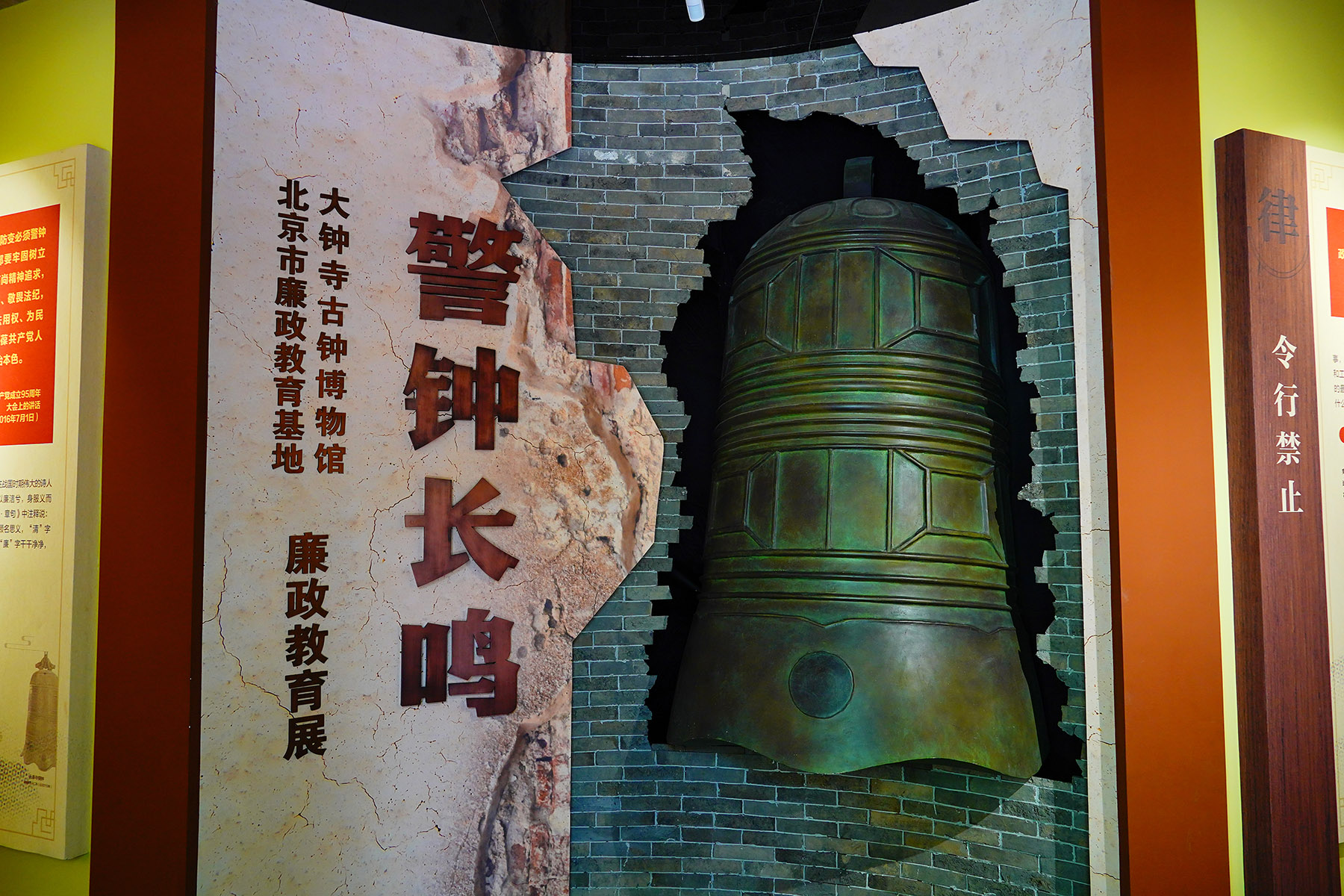
Thirteen years have passed since the Communist Party of China introduced a code to promote self-discipline and enforce strict governance in December 2012, shortly after Xi Jinping was elected general secretary of the CPC Central Committee.
The concise yet powerful Eight-Point Regulation, aimed at improving Party and government conduct and curbing bureaucracy, extravagance and corruption, has since become an important cornerstone of modern Chinese governance.
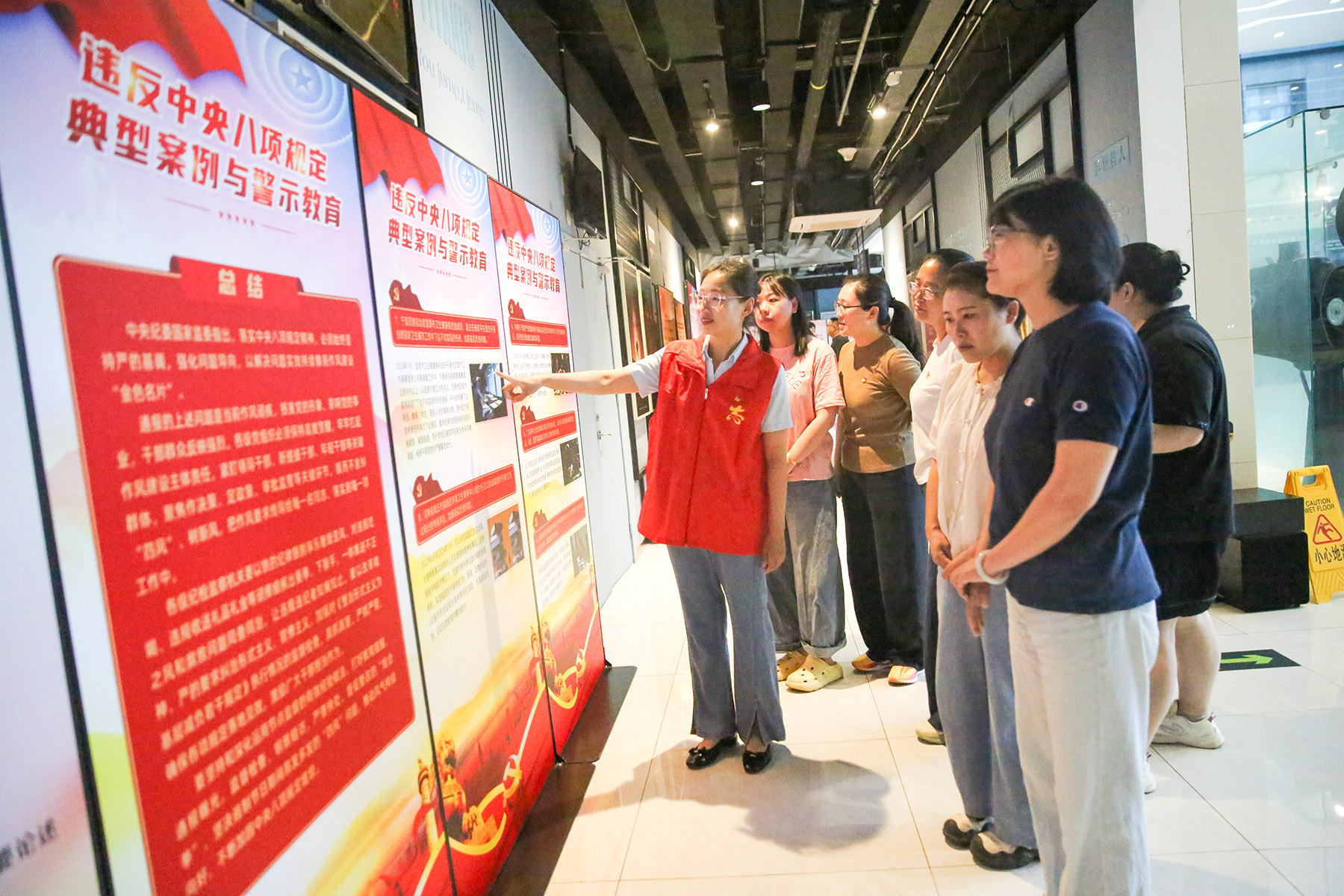
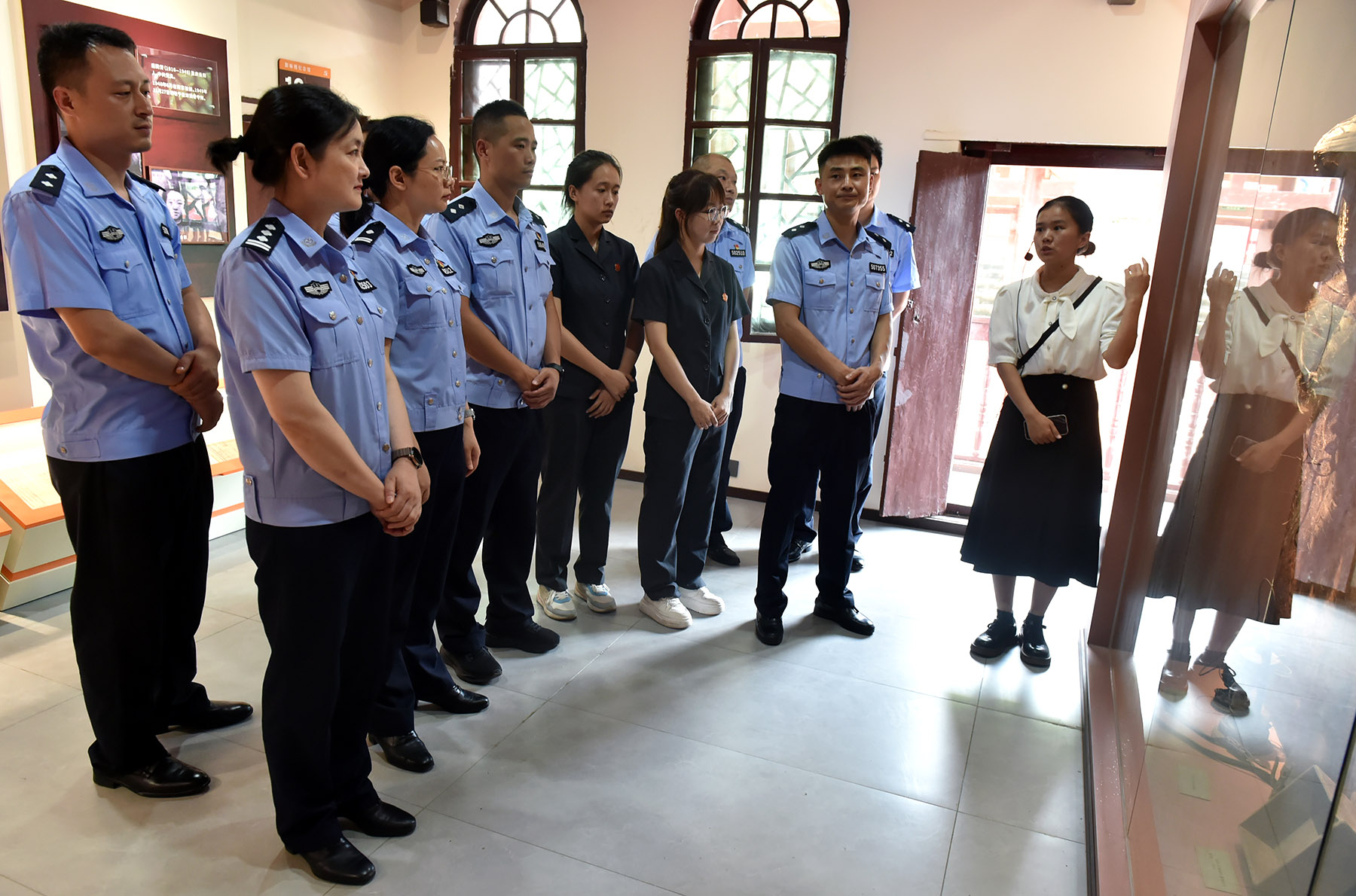
Over the past decade, the Eight-Point Regulation has reshaped the work style of officials, strengthened discipline within the Party, and, according to both domestic and foreign observers, changed the social behavior of officials in China. What began as a list of behavioral rules for leading officials has evolved into a prevailing spirit and a commitment to discipline and responsibility among all Party members.
READ MORE: Xi urges full, rigorous CPC self-governance
As corruption scandals trouble many parts of the world, domestic and foreign scholars and observers have begun examining the regulation's meaning beyond the Chinese context, and see it as part of China's broader contribution to global governance and a model of institutional self-reform.
"The regulation clearly shows the difference between China's approach to dealing with corruption and the absence of such mechanisms in the Western system," John Ross, a senior fellow at the Chongyang Institute for Financial Studies, Renmin University of China, told China Daily.
"It's enough to look at how China's rules extend from major issues down to details such as official meals and business trips to see the complete difference in approach."
Ross was referring to the details of the Party's disciplinary measures. In the early years following the adoption of the regulation they were often discussed in the context of lifestyle changes among officials — banquets were reduced, travel policies tightened, and protocol simplified.
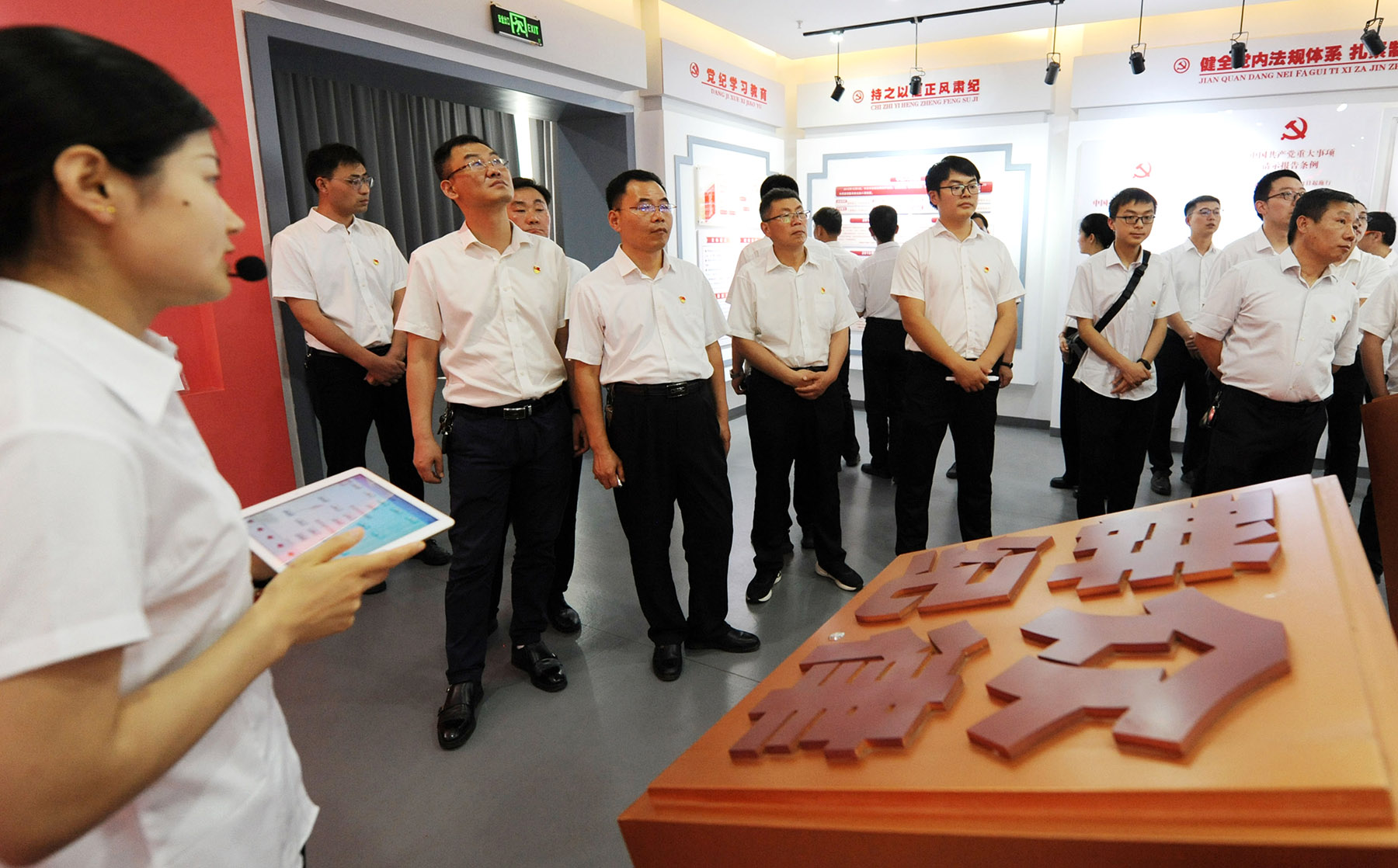
A 2019 doctoral thesis submitted to the University of Nottingham described several direct outcomes of the policy.
"Some immediate impacts of the Eight-Point Regulation include the disappearance of luxurious mooncakes, a steep drop in the prices of high-end cigarettes and spirits, and the closure of many clubhouses and upscale restaurants in scenic and historic areas," the author noted, citing BBC reports.
"Following this trend, the number of violations of the Eight-Point Regulation has been reducing dramatically."
Ross, citing his new book Profound Changes Unseen in a Century: The World and China, pointed out that the CPC's excellent governance ability had made this possible.
Yang Zengdong, vice-dean of the School of Marxism at Beijing Normal University, said the success of the Eight-Point Regulation lies in its disciplined implementation rather than in its words alone.
"Strong discipline is the key to the CPC's success in combating corruption," Yang said in an interview with China Daily. "Compared with the so-called 'partition of power' model, what truly curbs corruption is not the mere separation of authority, but the power of rules and the ability to enforce them."
Yang said while the regulation initially targeted senior officials, it has since expanded to apply to all Party members and government employees, reflecting its "institutional maturity".
"When it was first issued, it was meant to restrain the behavior of top leaders," he said. "But over time, it has evolved and strengthened rather than weakened. Today, it governs a much broader group under the concept known as the 'spirit of the Eight-Point Regulation', and this spirit continues to guide how officials interact with the public."
He emphasized that the CPC's enduring commitment to the regulation demonstrates a unique capacity for self-governance.
"In a world undergoing constant changes, the Party's ability to sustain such an effective and long-term institutional framework shows both determination and capability," Yang said. "Not every political organization in the world can conduct this kind of continuous self-discipline education."

Stark comparison
Data from the Central Commission for Discipline Inspection of the CPC shows that tens of thousands of officials have been investigated for violations since 2012, but the overall frequency of cases has steadily declined, indicating that deterrence and self-restraint have taken root.
Ross contrasted China's system with that of the United States.
"The majority of members of the US Congress are millionaires," he said. "They are legally allowed to purchase shares in companies affected by the laws they pass or the investigations they oversee. Meanwhile, corporations spend hundreds of millions of dollars funding their campaigns."
In 2020, approximately half of US lawmakers were millionaires, compared with only about 1 percent of the general public, according to a PolitiFact.org report.
"The Western form of democracy has always been linked to moneymaking and corruption," Ross said. "Companies and individuals frequently receive favors in exchange for financial contributions."
He cited a series of examples that have stirred public debate in the US. Supreme Court Justice Clarence Thomas, for example, reportedly accepted luxury trips over more than two decades from Texas billionaire and Republican donor Harlan Crow, including private jet flights and a nine-day yacht cruise in Indonesia worth over half a million dollars.
"When even the judiciary is seen as financially entangled, it becomes hard to argue that Western democracy is a safeguard against corruption," Ross said, adding that the US presidency itself has become a platform for massive fundraising efforts. "It is only necessary to look at these facts to see that the claim that Western democracy prevents officials from profiting is false," he added.
Corruption scandals have also periodically shaken Europe. In the Netherlands, a municipal employee in Amsterdam was charged in mid-October with corruption and complicity in at least 95 violent incidents across the country, Dutch broadcaster NH reported. The employee allegedly sold confidential data to information brokers, who then passed it to criminal groups responsible for attacks and explosions, showing how breaches of integrity can directly threaten public safety.
In Lithuania, the former leader of the Liberal Movement party was convicted in 2023 for accepting bribes from an executive at the MG Baltic conglomerate. Local media mockingly described it as an "old-fashioned corruption case" because, unlike the more popular practice of accepting bribes via bitcoin, he was found by national anti-graft police to have 242,000 euros ($269,000) hidden in his home and car.
According to Eurojust, the EU agency for judicial cooperation, a total of 505 corruption cases were registered between 2016 and 2021, a sharp rise from 78 in 2016 to 112 in 2021. Analysts note that while the growing number of cases partly reflects stronger enforcement, it also points to the persistent structural nature of corruption in European institutions.
Ill-fitting model
Mao Keji, a research fellow at the National Development and Reform Commission's International Cooperation Center, known for his studies on India, said that countries adopting Western-style electoral systems without equivalent institutional culture often see corruption take different, sometimes more pervasive, forms.
"In India, corruption is almost part of daily life," Mao said. "It manifests in basic forms such as vote-buying. While democracy can theoretically restrain power, in underdeveloped economies people tend to sell votes cheaply, and those who gain office then use it to recover their costs through corruption."
A 2013 India Today report revealed that in Uttar Pradesh state, "over 100 institutions receiving government funds existed only on paper".
"Across South Asia, many democracies modeled on the British system have not reduced corruption through elections," he added. "By contrast, Singapore, though not considered a Western-style democracy, has achieved globally recognized clean and efficient governance."
At a deeper level, Mao argued, anti-corruption is part of national governance capacity. "Through the Eight-Point Regulation and similar measures, China has effectively curbed graft, strengthened its governance, and created favorable conditions to complete the 14th Five-Year Plan (2021-25) while preparing the next," he said.
Wolfram Adolphi is a German political scientist who has studied China for nearly four decades.
ALSO READ: China reiterates commitment to global anti-corruption cooperation at UN conference
He said he followed with great interest the fourth plenary session of the 20th CPC Central Committee, held in October. He viewed the meeting as an opportunity for China's governance concepts, namely discipline, continuity, and self-reform, to be further reflected in the 15th Five-Year Plan (2026-30).
"China now undoubtedly serves as an anchor of stability in a fast-changing world," Adolphi told China Daily. "It reaps the benefits of nearly 50 years of steady modernization based on long-term planning and leadership. This consistency is rare in global politics today."
He added that the future of governance should not be framed as rivalry between systems, but as mutual learning.
"The future should be shared between all peoples," he said. "Rather than system competition, what the world needs is dialogue, exchange, and shared progress."
Contact the writers at zhangzhouxiang@chinadaily.com.cn
