

Geographical indication agreement boosts sales, ensures quality and authenticity
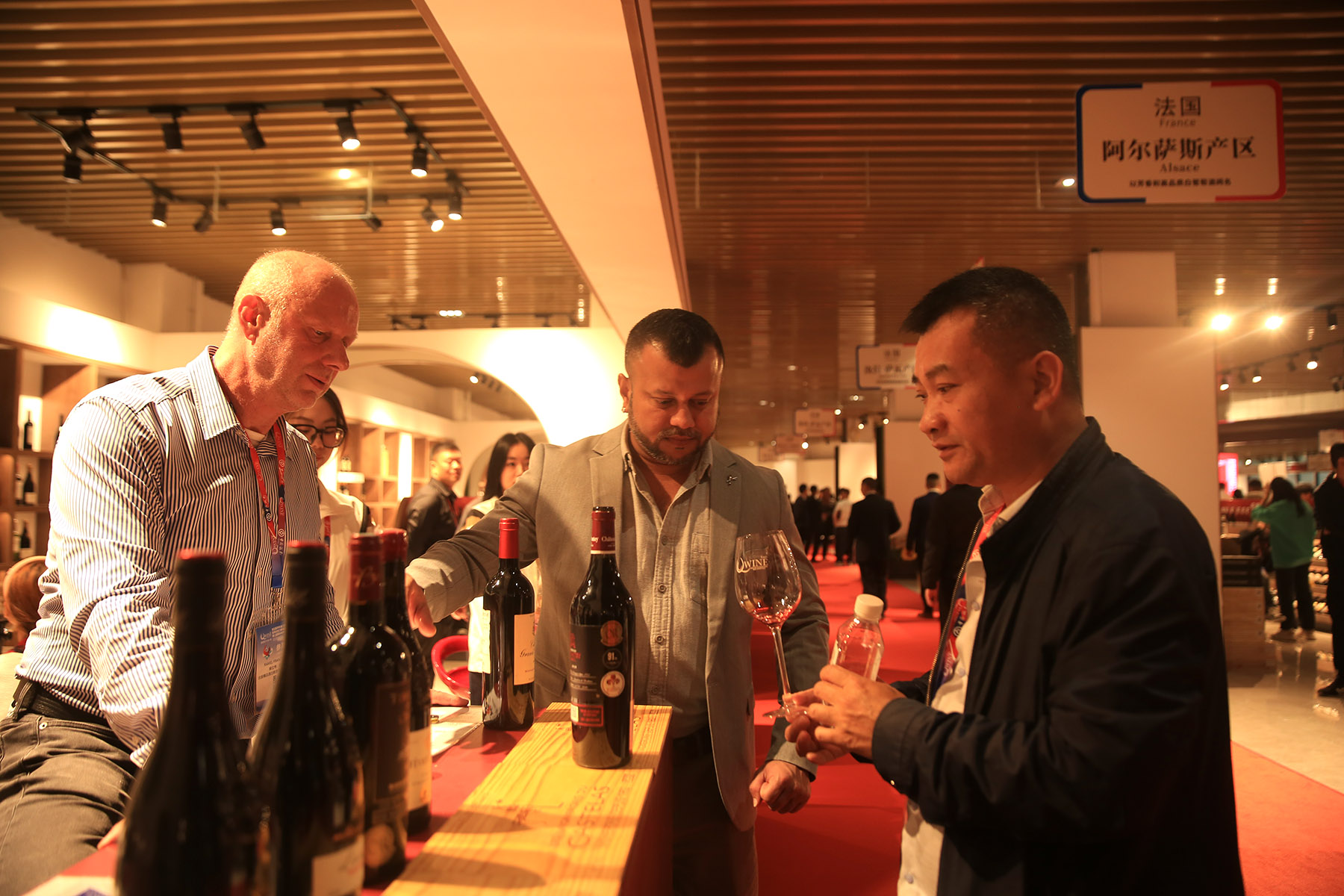
At the Qingtian Imported Wine Fair in Zhejiang province in November, the scent of oak and grapes mingled with growing business optimism. As visitors sampled wines amid the clinking of glasses, wine importer Wu Jiaxuan was presenting his selections from accredited European chateaus with the aplomb of a connoisseur.
"We source from established chateaus with the European Union's geographical indication certification," explained Wu, who has been in the wine business for four years. "This guarantees a stable supply and, more importantly, ensures consistent quality and authenticity of origin."
A geographical indication, or GI, is a designation used on products originating from a specific region, where the quality, reputation or other characteristics are linked to its geographic origin. Examples include Champagne, tied to the terroir of France's Champagne region, and Jingdezhen porcelain, renowned for local materials and centuries of craftsmanship.
READ MORE: Friendship in wine-derland
Dong Huijuan, a professor at the Intellectual Property Research Institute of Xiamen University in Fujian province, said collective ownership and an intrinsic link to their place of origin are two defining features of a GI.
"They belong to all qualified producers within a specific region not owned by any single entity, and their unique value stems entirely from their place of origin, its natural conditions or traditional know-how," Dong said.
Coinciding with the wine fair, an international conference focused on China-EU GI cooperation was jointly hosted by the Chinese People's Association for Friendship with Foreign Countries and the China-EU Association in Qingtian.
More than 200 guests, including officials, business leaders, experts and foreign guests, gathered to discuss the important role of GIs in boosting bilateral cooperation.
"China has an extraordinary wealth of food, agricultural and artisanal crops. Pu'er tea, Shaoxing wine, Shanxi vinegar, Jinhua ham, so many products that tell the soul of the Chinese regions," said Gilles Pargneaux, a former vice-chair of the European Parliament's Committee on the Environment, Public Health and Food Safety. "In the same way, French vineyards, Greek feta, Spanish olive oil or Italian cheeses are unique expressions of our European lands."
Pargneaux believes that a GI is not only a sign of quality. "It is the taste of a terroir, a climate, a history. Behind every protected product, there are families, landscapes, and living traditions," he said.
Striking agreement
In 2011, China and the EU started negotiations to promote the trade of GI products. However, the process was initially slow due to the different legal systems and regulatory standards.
Despite the challenges, on Sept 14, 2020, the two sides signed the landmark China-EU agreement on GIs.
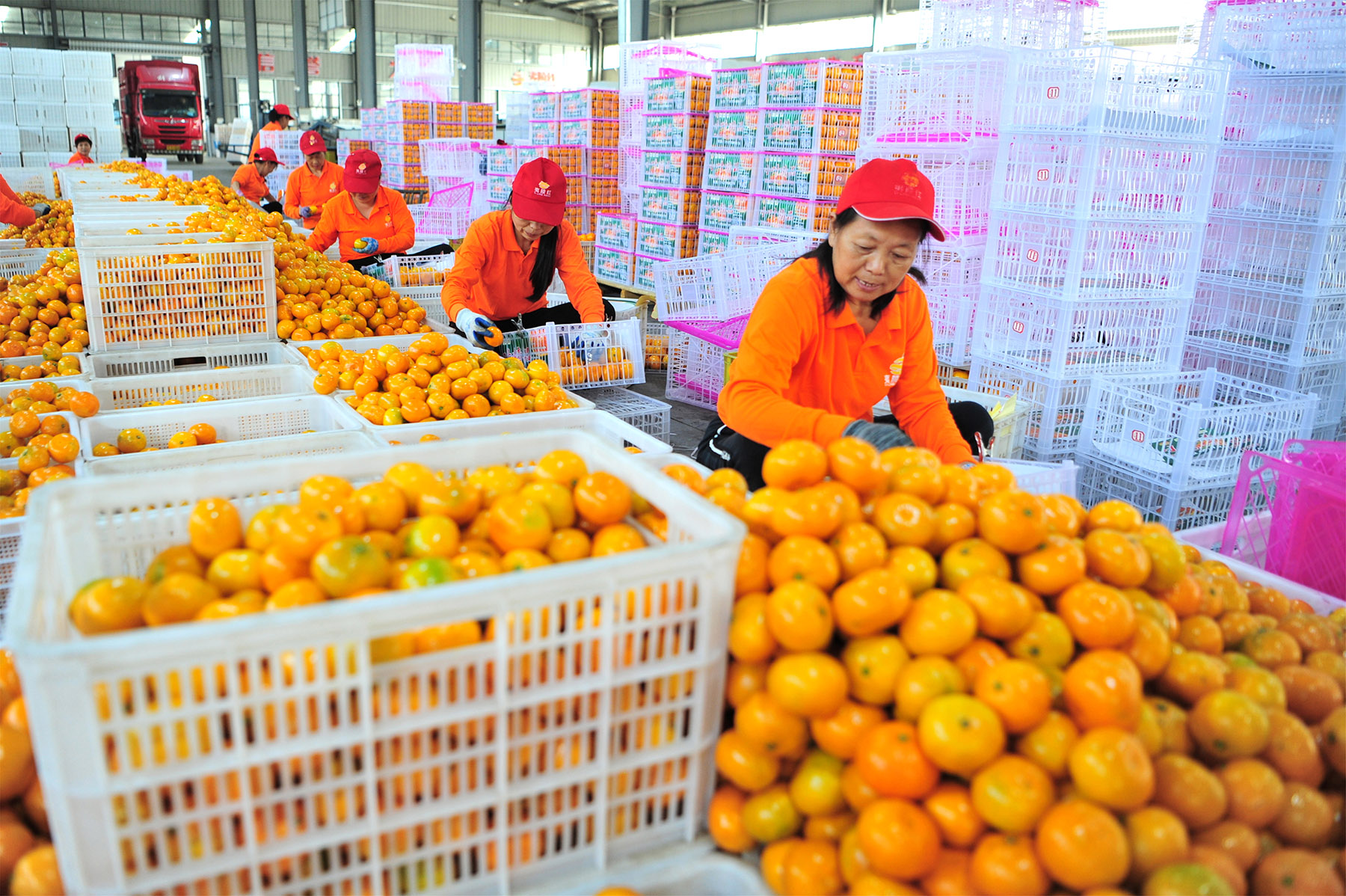
The deal — covering 550 GI products such as alcoholic beverages, tea, agricultural products and food items — entered into force on March 1, 2021, marking the first large-scale mutual recognition of GIs between China and the EU. It ensures high-level protection for the listed GIs and allows them to use each other's official labels.
When the agreement took effect, the first group of 100 products from each side received immediate protection, with the remaining 175 GIs from each side later given protection.
"This was a real innovation — a model of mutual recognition of systems — made possible only because of the confidence developed between our teams through visits and exchanges on both sides," said Dacian Ciolos, a former EU agriculture commissioner.
Ciolos visited China four times as European agriculture commissioner to better understand China's specific needs and interests during the negotiations.
Similarly, trips were organized for Chinese representatives to visit EU member states to see local producers protected by GIs, he added.
Peng Gang, a former director of the Ministry of Commerce's Department of Asian Affairs, highlighted the extensive efforts behind the China-EU GI agreement, which was signed after eight years of arduous work.
The process involved 22 rounds of formal negotiations and numerous informal consultations. Key Chinese agencies involved included the Commerce Ministry, the National Intellectual Property Administration, the Ministry of Agriculture and Rural Affairs, and the State Administration for Market Regulation, he said.
Peng arrived in Brussels in April 2021 to serve as the minister of the Chinese Mission to the EU. Over the past four years, he has worked to promote China-EU cooperation, including collaboration on GIs.
He said the agreement's implementation rests on four key elements: the 550 GI products, unified standards, a stringent crackdown on counterfeiting, and a joint committee overseeing the implementation and functioning of the agreement.
Mutual benefits
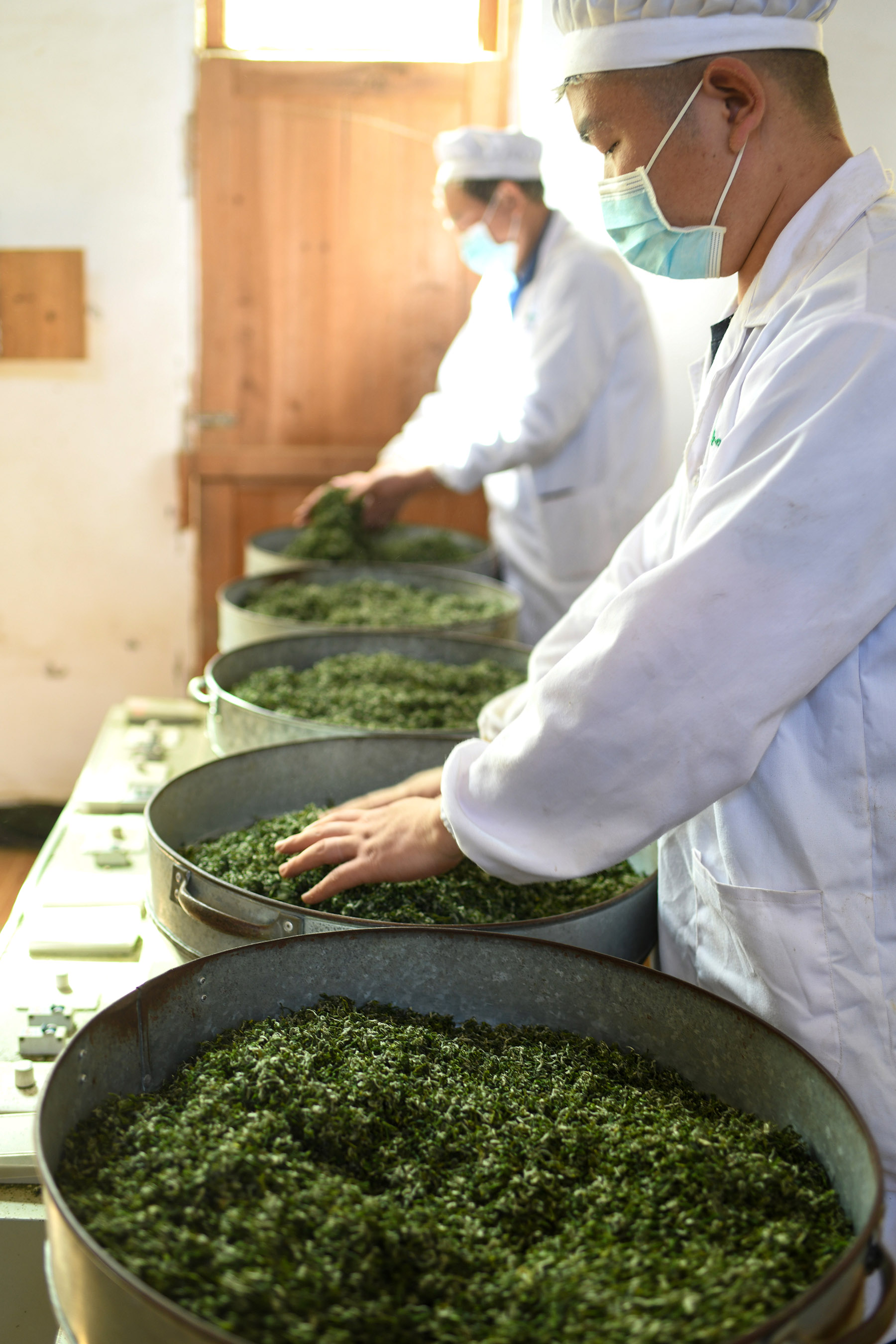
The trade value of GI products between China and the EU exceeded 19 billion euros ($22 billion) in 2024, an increase of approximately one-third on the period before the agreement took effect, according to Peng.
He said GI cooperation acts as both a stabilizer and a catalyst for advancing pragmatic cooperation between China and the EU, particularly amid the current complex global environment.
Liu Qibao, president of the China-EU Association, said GIs serve as a "passport" for quality products, are a "golden name card" of civilizations, and a "bridge" for cooperation. He added that GI cooperation exemplifies the mutual benefits of the China-EU partnership.
Mutual recognition of GIs has accelerated bilateral trade cooperation by simplifying market entry, boosting exports, and strengthening bilateral trade.
During the China International Import Expo in Shanghai in November, Kuaijishan Shaoxing Rice Wine Company reached a deal with the French Champagne house, Cattier. Both Shaoxing rice wine and French Champagne are protected by the GI agreement.
Under the deal, each party will distribute 10 million yuan ($1.40 million) worth of the other's products through their respective domestic channels over the next three years.
"Our previous attempts mainly targeted overseas Chinese consumers familiar with our rice wine," said Fu Zukang, vice-president of Kuaijishan. "Now, through a local partner, we've placed our main product lines into mainstream retail channels such as Carrefour.
"The collaboration reflects growing business trust between Chinese and European producers," Fu said.
Previously, it was a lengthy and complex process for Chinese producers to obtain GI protection status in the EU, sometimes taking up to six years.
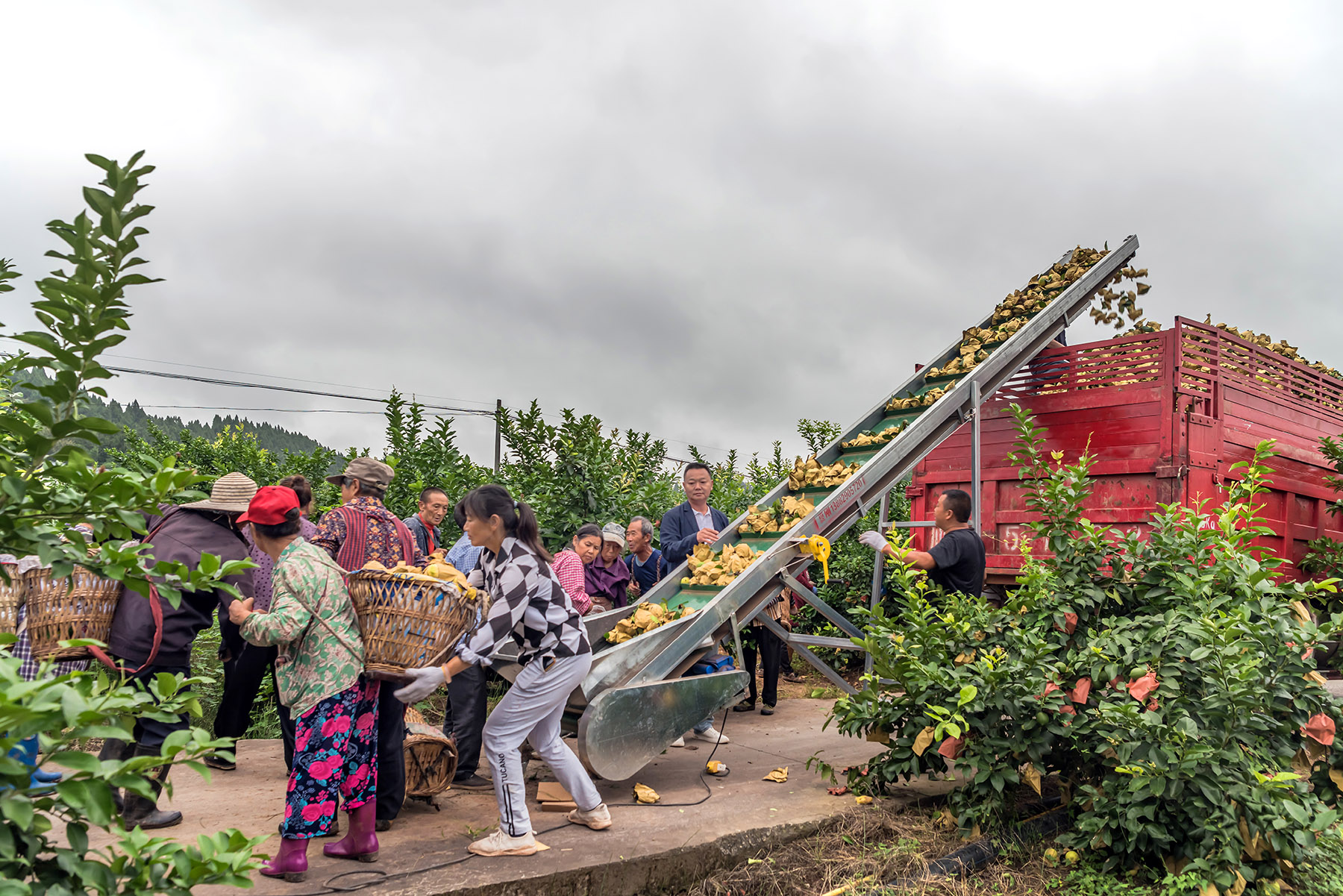
This process has been streamlined. Producer groups that have already obtained GI protection within China can apply directly to the EU for recognition. The GI agreement has established a direct pathway that grants automatic and immediate protection to listed Chinese products in the EU market.
Strong protection
Jing Yunchuan, director of Gaopeng Law Firm and vice-president of the Beijing Intellectual Property Research Association, said the agreement has a robust legal framework that enhances mutual protection of distinctive agricultural products.
The list of GI items serves as a checklist for enforcement. This allows customs and judicial authorities in China and the EU to protect listed products directly without the need for years of scrutiny and case-by-case reviews, Jing said.
An example of the streamlined enforcement took place in August 2023, when market regulators in Yingshang county, Anhui province, investigated a local brewery for the unauthorized use of "Munich Beer" on its labels — a name protected as an EU GI.
ALSO READ: Win-win deal
The brewery was found to have used the Chinese characters for "Munich Beer" alongside a trademark, a practice deemed potentially misleading to consumers regarding the product's origin. The case was ruled a violation of China's Trademark Law, and the brewery was ordered to rectify the issue and faced penalties.
Yan Wenjun, a professor at the University of Chinese Academy of Sciences' School of Intellectual Property, said it is essential to strengthen cross-border law enforcement and raise consumer awareness of GI products to transform GIs from legal labels into genuine market value.
Yan said future efforts could focus on expanding the list of protected products and aligning China's premium agricultural products with EU origin standards. In addition, he proposed including intangible cultural heritages, such as Jingdezhen porcelain, Xuan paper and Suzhou embroidery, to grant them strong commercial protection in Europe.
Contact the writers at jihaisheng@chinadaily.com.cn
