

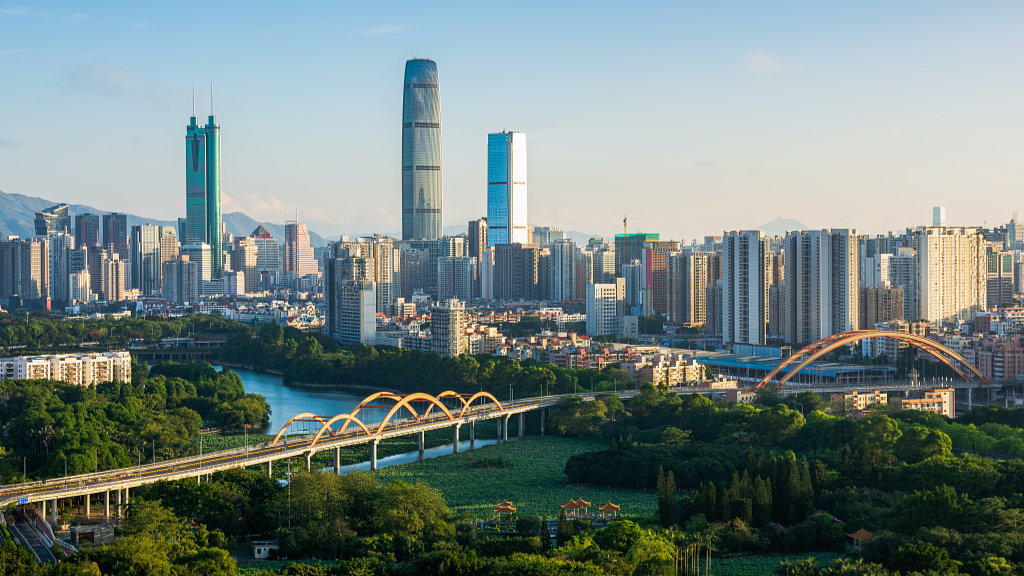
Pioneering initiatives launched by Shenzhen’s Luohu District will help transform the port areas connecting Shenzhen and Hong Kong into innovative platforms for industrial upgrades, key drivers of new consumption, and vital hubs for youth talent exchanges, experts have said.
Home to Luohu, Wenjindu and Liantang checkpoints, the district is one of the most dynamic areas for cross-boundary communications. This year, the three border crossings recorded 90 million passenger trips in total, 12.21 percent up on 2024.
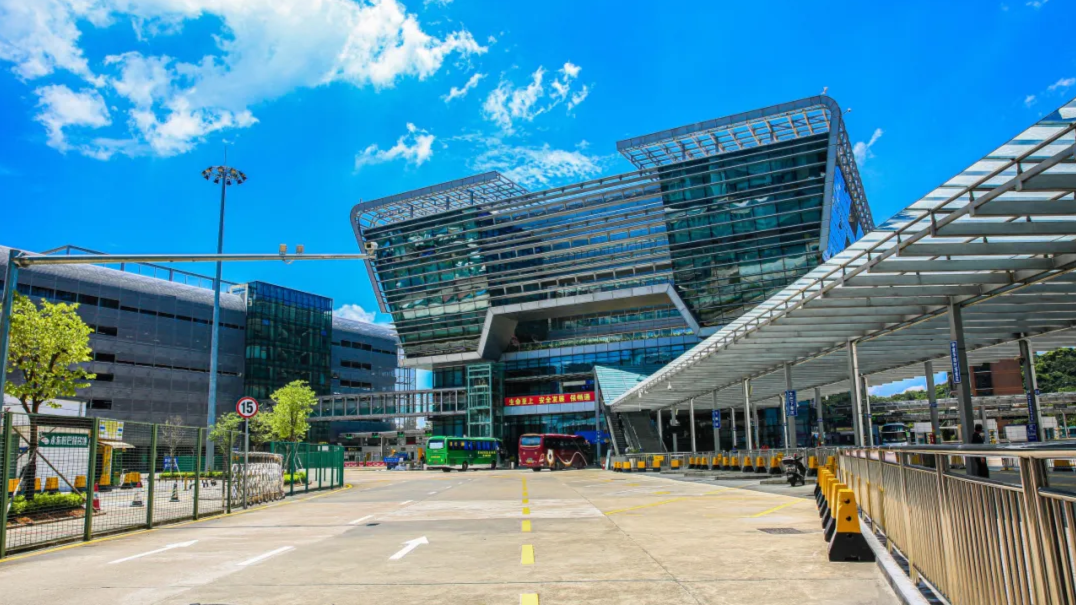
Leveraging the vibrant land port cluster, Luohu district has taken the lead in Shenzhen to launch a series of measures aimed at fully revitalizing port economy and build a unique port economic belt with local characteristics.
In terms of trade, the district will enhance high value-added cargo trade, service exports and develop emerging industries like life sciences in collaboration with Hong Kong.
For consumption, it plans to boost luxury spending and introduce Hong Kong’s reputable dining brands, develop high-end healthcare, and promote hotel upgrades. Additionally, it aims to further unlock the potential of elderly care and pet consumption.
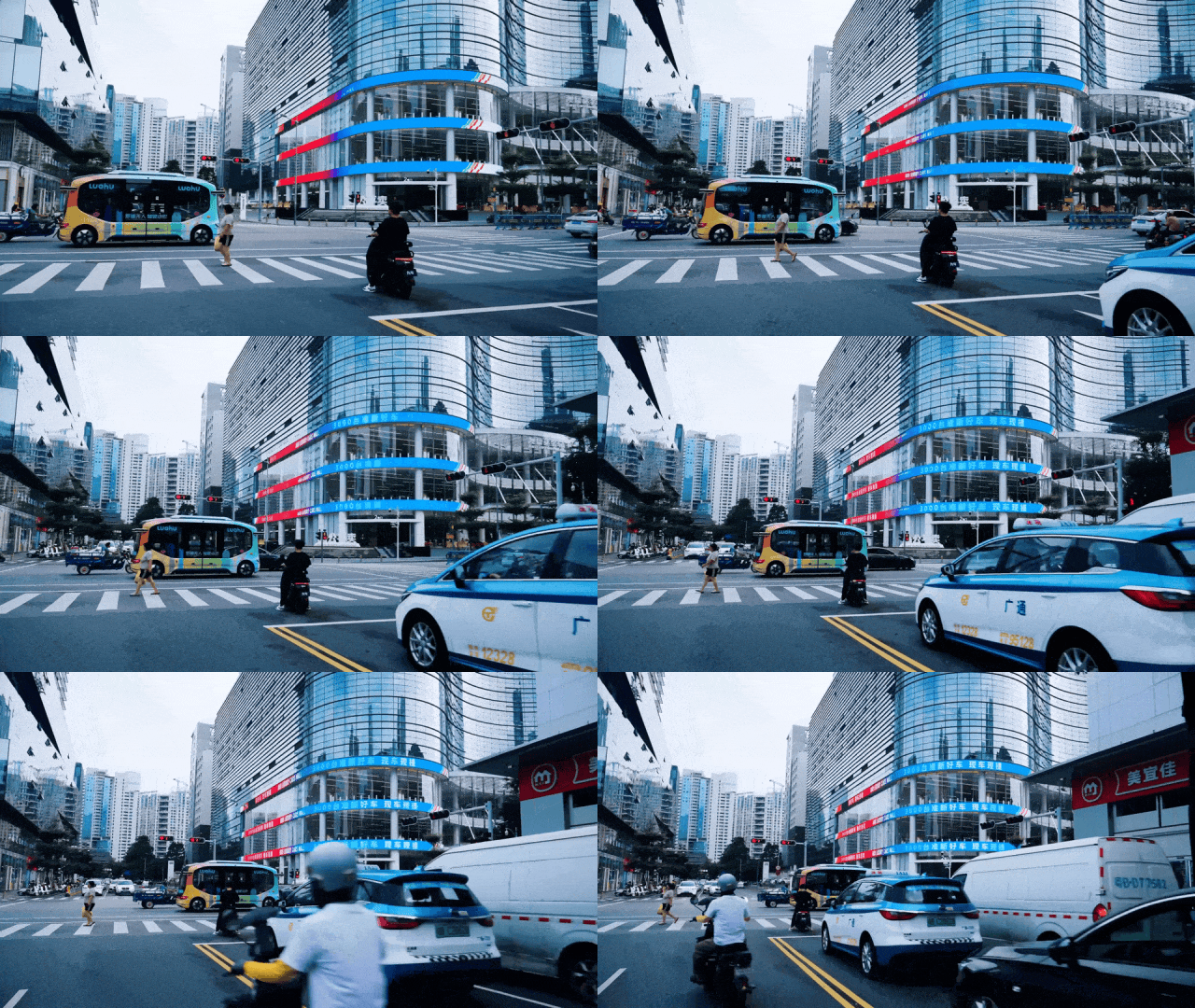
By harnessing technology applications, the district will strive to deploy digital humans in port services, pilot unmanned cross-boundary transportation, and expand low-altitude transport of high-value goods.
Efforts will also be intensified to develop cultural tourism, providing more immersive travel experiences with Hong Kong elements. Building on its close interactions with Hong Kong, the district will deepen educational collaboration and offer greater support for Hong Kong youth to pursue their dreams on the mainland.
Zeng Yijing, director of the Greater Bay Area Service Centre at the Hong Kong Trade Development Council, noted that Luohu’s port economy measures resonate with Hong Kong’s effort to speed up the development of the Northern Metropolis.
In this strategic zone linking Shenzhen and Hong Kong, he believes that both regions will fully leverage their complementary advantages to deepen cooperation in new consumption, new technologies, and new industries, creating a "golden link" for coordinated development.
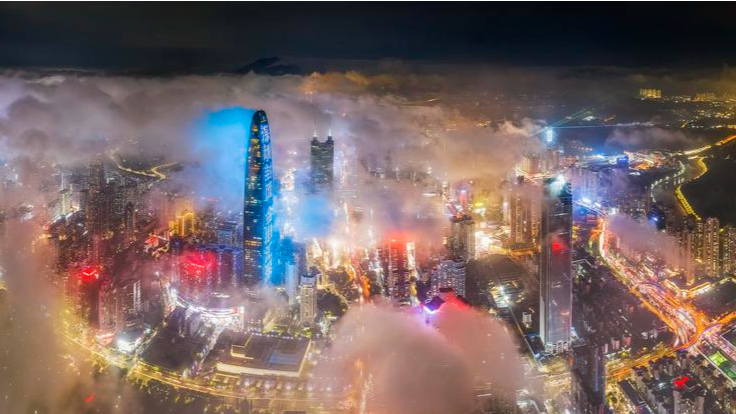
Wen Yajing, deputy director of the Department of Hong Kong, Macao and Regional Development at China Development Institute, said that the measures have fully leveraged Luohu district’s geographical advantage as one of the earliest and most developed land crossings for Shenzhen-Hong Kong cooperation.
The new initiatives will help the port areas better harness the significant passenger flows to drive industrial upgrades, enhance new consumption, foster technological innovations, and promote people-to-people exchanges, thereby supporting higher levels of openness and cooperation in the Guangdong-Hong Kong-Macao Greater Bay Area, she said.
RELATED ARTICLES:
- Shenzhen's Luohu district launches 'cultural month' to strengthen HK links
- Hospital on border highlights SAR-Luohu cooperation
- 3-year plan to make Shenzhen's Luohu mainland-HK 'super link'
Li Wei, former partner in government and public services of Deloitte Consulting, hopes the district will seize the chance to elevate port functions from physical passageways to testing grounds for institutional innovation.
Contact the writer at bingcun@chinadailyhk.com
