

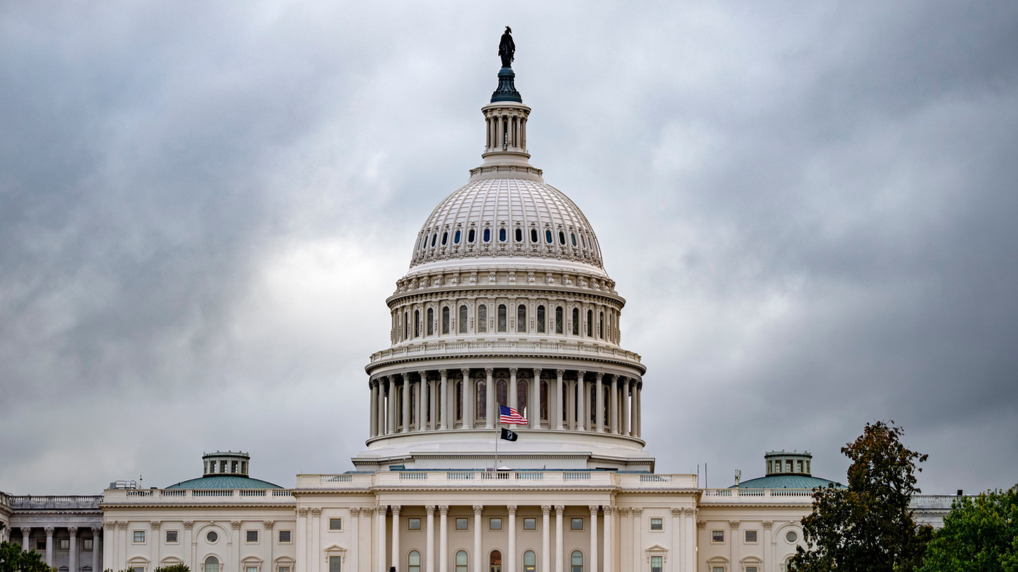
WASHINGTON/CARACAS/BOGOTA/SINGAPORE - The US Senate on Thursday advanced a resolution aimed at limiting US President Donald Trump's ability to take further military action against Venezuela.
The measure would require "the removal of United States Armed Forces from hostilities within or against Venezuela that have not been authorized by Congress."
The vote was 52 to 47, with five Republican senators joining all Democrats in support of the measure.
A Senate floor vote is expected to pass the resolution next week.
The move came days after the Trump administration launched a large-scale military strike in Venezuela on Jan 3, taking by force the oil-rich South American country's President Nicolas Maduro and his wife, before putting them in custody in New York, drawing worldwide condemnation and concern.
"This Vote greatly hampers American Self Defense and National Security, impeding the President's Authority as Commander in Chief," Trump wrote on his social media platform, Truth Social.
"In any event, and despite their 'stupidity,' the War Powers Act is Unconstitutional, totally violating Article II of the Constitution, as all Presidents, and their Departments of Justice, have determined before me," the US president said, claiming that the five Republican senators who voted with Democrats "should never be elected to office again."
ALSO READ: Venezuelan foreign minister expresses gratitude for China's support
Tim Kaine, a Democrat from Virginia, introduced the resolution last month after the Trump administration reportedly killed two people who survived the initial US boat strike in the Caribbean on Sept 2, 2025.
The legislation was co-sponsored by Republican Senator Rand Paul, Senate Minority Leader Chuck Schumer and Democratic Senator Adam Schiff.
"The indication from the administration (is) that this is not a few days or a few weeks, it's likely a few years of US occupation and involvement in this country," Kaine said Wednesday on the Senate floor.
"This is not an arrest warrant. This is far bigger than that," said the Democratic senator, referring to the US raid to take Maduro by force.
"Make no mistake, bombing another nation's capital and removing their leader is an act of war, plain and simple," said Paul, the resolution's lone Republican co-sponsor. "No provision in the Constitution provides such power to the presidency."
"I believe invoking the War Powers Act at this moment is necessary, given the President's comments about the possibility of 'boots on the ground' and a sustained engagement 'running' Venezuela, with which I do not agree," Republican Senator Susan Collins said in a statement.
However, many Republican lawmakers defended the Trump administration's military action, though the White House had neither informed Congress in advance nor tried to seek approval from Congress, arguing that the boat strikes and the raid on Maduro were well within the president's constitutional authority.
'US oversight' of Venezuela
The United States expects to run Venezuela and extract oil from its vast reserves for years, Trump told The New York Times on Wednesday evening.
"We're going to be using oil, and we're going to be taking oil," Trump said in an interview with the US media outlet.
Speaking to The New York Times, Trump avoided setting a timetable for how long the United States would remain Venezuela's political overlord, indicating instead that the arrangement would extend well beyond the near term. "I would say much longer," Trump answered.
Meanwhile, Trump said he expected the United States would be extracting Venezuelan oil for years, claiming that the Venezuelan interim government is "giving us everything that we feel is necessary" and cooperating with the United States despite their hostile public statements.
"We're getting oil prices down, and we're going to be giving money to Venezuela, which they desperately need," he said.
ALSO READ: US attack on Venezuela left 100 dead, interior ministry says
Venezuela begins recovery efforts
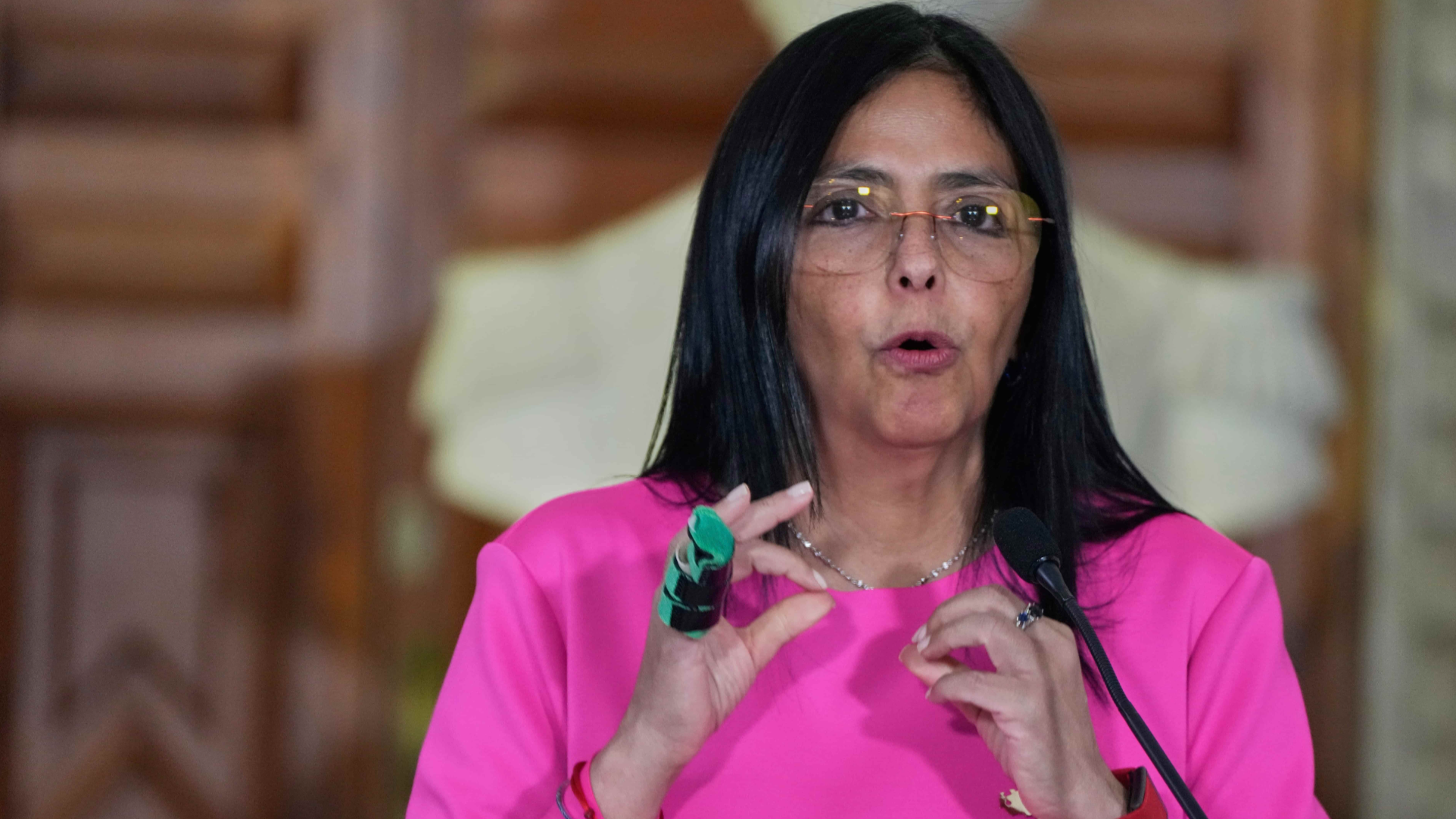
Venezuela's acting president Delcy Rodriguez said Thursday that her country is not "subjugated" to the United States following last weekend's US assault and the capture of President Nicolas Maduro, insisting that Venezuela remains autonomous and independent despite the military operation.
Rodriguez announced Thursday the start of a government work agenda focused on assisting and rebuilding the areas affected by the US military strikes carried out on Jan 3.
"We are assisting with recovery efforts where the bombs fell, so that the loving hands of the Venezuelan government reach those areas," Rodriguez said during a working meeting in Caracas.
"Venezuela is returning to work after the illegal aggression it suffered on January 3," she reiterated.
Meanwhile, Colombia's presidential office said Thursday that Venezuela's acting president Delcy Rodriguez will pay an official visit to Colombia, during which Colombian President Gustavo Petro will meet her in Bogota to help advance peace building and reconciliation efforts in Venezuela.
The announcement did not specify the date of the visit.
According to a communique of Colombia, the meeting will take place as part of Colombia's efforts to support a political solution to the crisis in its neighboring country.
'Concern for small countries'
Singapore's Senior Minister Lee Hsien Loong said on Thursday that the United States' military intervention in Venezuela is a concern for small countries like Singapore.
Lee made the remarks during the Regional Outlook Forum 2026 when asked how Singapore views the situation in Venezuela.
"The longer-term consequences on the international system -- I think -- that is something which we have to worry about. From the point of view of a small country, if that is the way the world works, we have a problem," Lee said.
Voicing Singapore's grave concern over the US military intervention in Venezuela, Lee said Singapore is against military intervention in other countries because "this is contrary to international law, is contrary to UN Charter."
