

In the second installment of her series, Faye Bradley finds out how Hong Kong cuisine stacks up against the competition from other food capitals in the region.
In order to get a sense of how Hong Kong’s dining scene stacks up against its competitors from the rest of Asia, it makes sense to have a closer look at the nature of said competition.
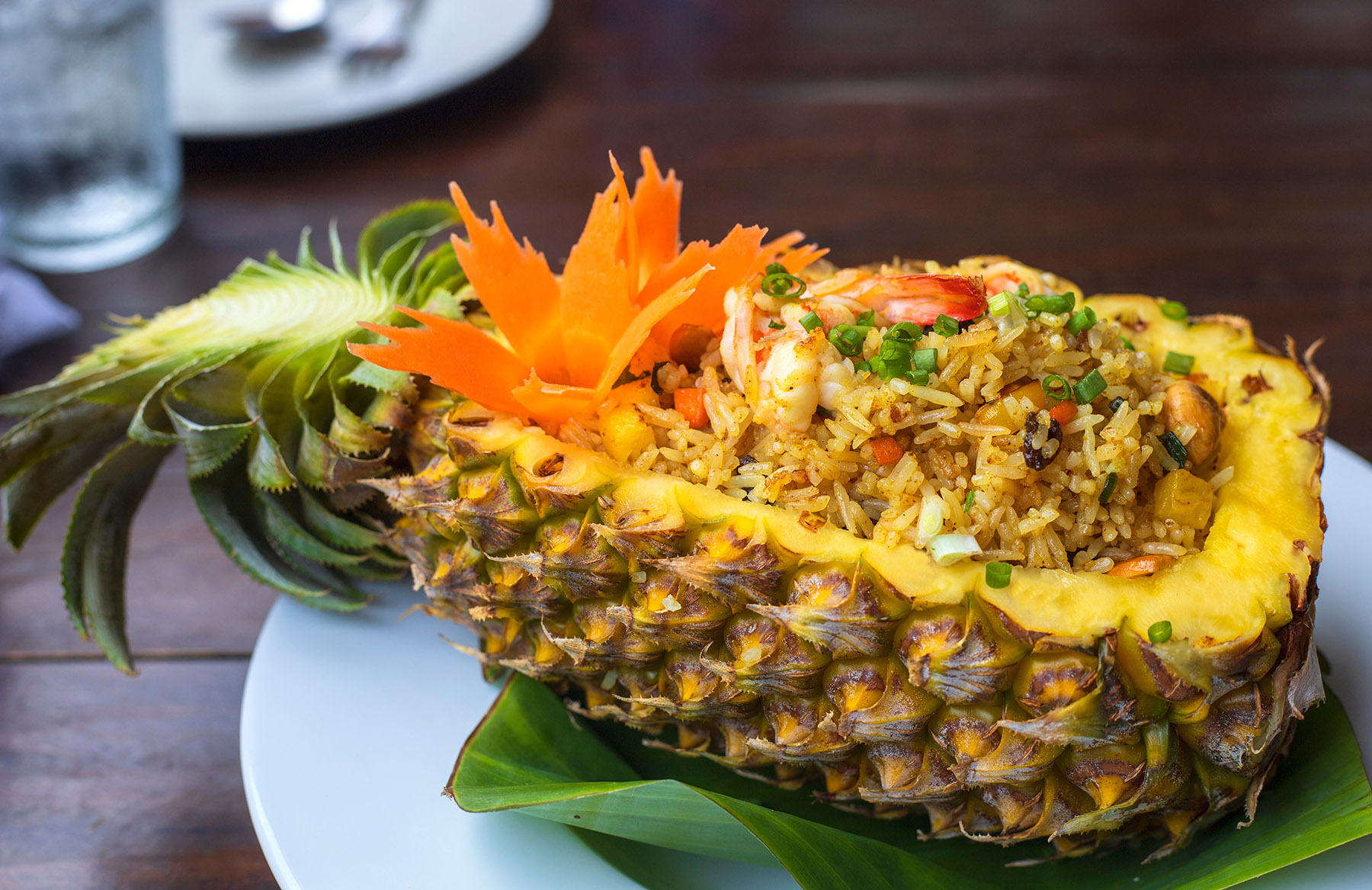
There is a reason why Bangkok has dominated the “Asia’s 50 Best” lists in recent years, with multiple restaurants consistently making it to the top 10.
Chef Thitid Tassanakajohn — better known as Chef Ton — owns Le Du, which claimed the top spot in Asia’s 50 Best in 2023, Nusara, and several other acclaimed Bangkok restaurants, and is arguably the person responsible for putting Thai fine dining on the global map.
READ MORE: Cooking up change
“Thai food has a special balance of five flavors that capture the heart and palate of people around the world,” he says, trying to account for the sustained popularity of his brand. “Those flavors are: spicy, salty, sour, sweet and bitter. They make Thai cooking unique and balanced.”
In other words, Thai cuisine comes with a signature flavor so distinctive that it is almost impossible to approximate by a culinary outsider, and, for a seasoned cook of Thai dishes, equally difficult to miss. No matter how much Bangkok’s fine-dining scene evolves — and it has evolved dramatically over the past decade — its foundations remain steadfastly anchored.
“Innovations in Thai food are limited, maybe for a good reason,” Chef Ton says, adding that the innovations that do take place are usually based on an understanding of Thai food heritage and traditional culture.
The result, as Hong Kong food journalist and critic Gloria Chung observes, is a genuine equilibrium between Michelin-starred and street-level dining options.
“Bangkok is fearless,” she says, adding that rather than treating the Michelin Guide as the sole arbiter of taste, the city’s restaurants are more interested in developing their food heritage. “You can have a Michelin-starred chef like Chef Ice of Sorn who treats ancient recipes from the south of Thailand with utmost respect. Ten meters away from him, you are likely to find a som tam — green papaya salad — kiosk run by a grandmother who has never seen a Michelin Guide. Both are equally respected. That is the magic.”
Chef Ton says that the similarity between the food scenes of Bangkok and Hong Kong is that in both cities people like to eat out. “So the street food in our two cities is always amazing.” He adds that since both cities are important cultural and commercial centers of Asia, “there are many visitors from everywhere, and that helps the fine-dining scenes in both”.
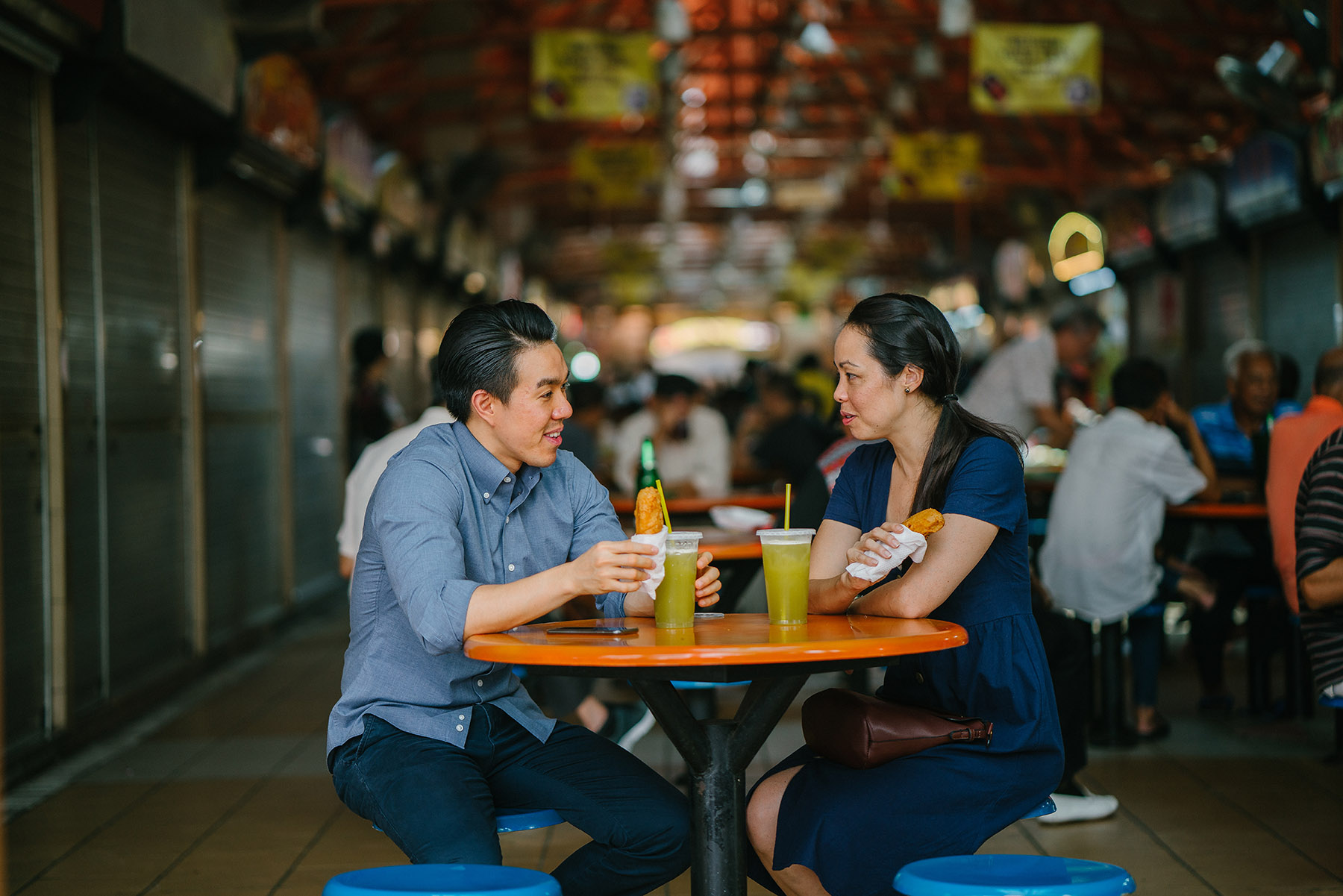
Singapore’s hawker centers
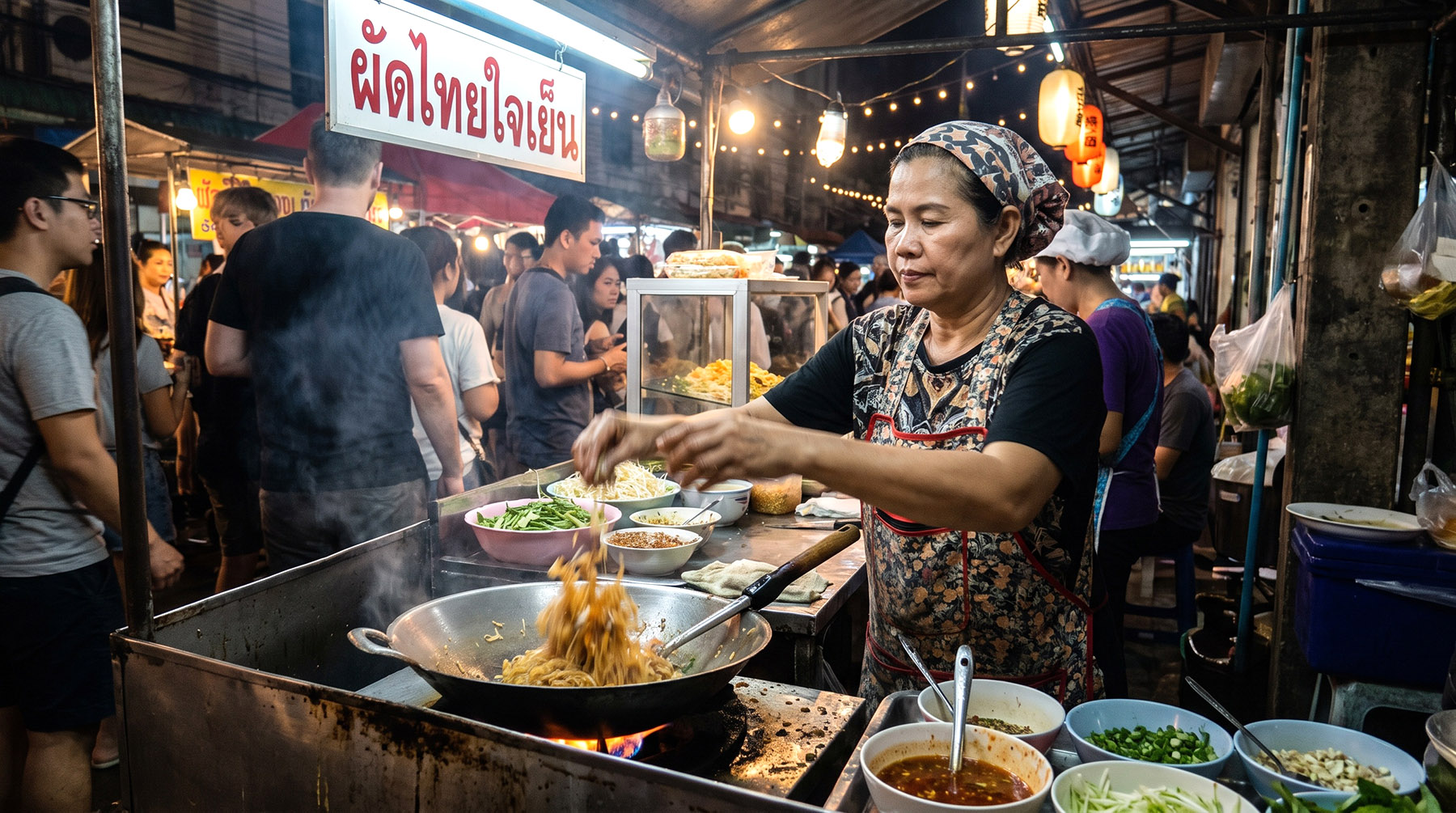
If Bangkok preserves its culinary traditions by force of habit, Singapore preserves its by design. The city-state’s hawker-center culture, its first item to make it to the UNESCO Representative List of the Intangible Cultural Heritage of Humanity in 2020, is perhaps the most successful example of state-supported culinary-heritage management in Asia.
The listing recognized what Singaporeans had known for a long time. Hawker centers are where the city’s many cultures — Chinese, Malay, Indian and Peranakan — meet over a plate of chicken rice, laksa or roti prata. But the stalls have not survived on sentiment alone.
The infrastructure behind Singapore’s culinary success is formidable. Government grants support digitalization of food heritage and innovation. High food-safety standards, enforced across the entire supply chain, generate consumer confidence, drawing both the city’s residents as well as tourists to its eateries.
“Singapore’s open economy and extremely low barriers of entry keep the competition exceptionally high,” says Chef Laurence Tan of the Michelin-starred restaurant Jag. “Businesses always have to stay sharp and constantly look ahead as a result. Constant innovation is a must.”
He adds that Hong Kong food has its share of fans in Singapore. “Hong Kong food has significant presence in Singapore. Its global growth and appeal is undeniable and inevitable.”
Chef Makoto Arami, the owner of the Japanese-French Ami Patisserie in Scotts Road, contends that besides serving affordable meals to the hungry, Singapore’s hawker centers also “offer a glimpse into the authentic lives of the city’s people”.
Chef Denis Lucchi of Buona Terra, Singapore’s one-Michelin-starred Italian restaurant, adds, “Hawker culture is simple, honest, and easy to understand. The government supported it well, but also kept it real. It didn’t try to overcomplicate things. That helped people connect with the concept.”
However, the model is not without its critics. Chung, who writes about food cultures across Asia, says, “Singapore has taken a very top-down, formal approach — cleaning up street food, moving it into hawker centers, and securing UNESCO status. It is pristine, efficient, and accessible. But sometimes, you miss the chaotic romance of the original. The smell of charcoal, the sweat of the hawker, the sticky floor — features of authentic street food culture. Singapore sanitized the product but perhaps lost some of the poetry.”
Sidney Cheung, a professor in the Department of Anthropology at the Chinese University of Hong Kong, says that the inclusive vibe at Singapore’s hawker centers is worth emulating in Hong Kong. “I think it is important to promote the concept of cha chaan teng as a place that welcomes diversity, equality, and inclusiveness.” He believes a more “humane, customer-oriented” approach can go a long way in showcasing Hong Kong culture to the world through these traditional-style eateries.
Pop culture packaging in Seoul
The food scene in Seoul is something else entirely. Chung points out that the global popularity of Korean food today is largely owed to the storytelling packaged into its marketing.
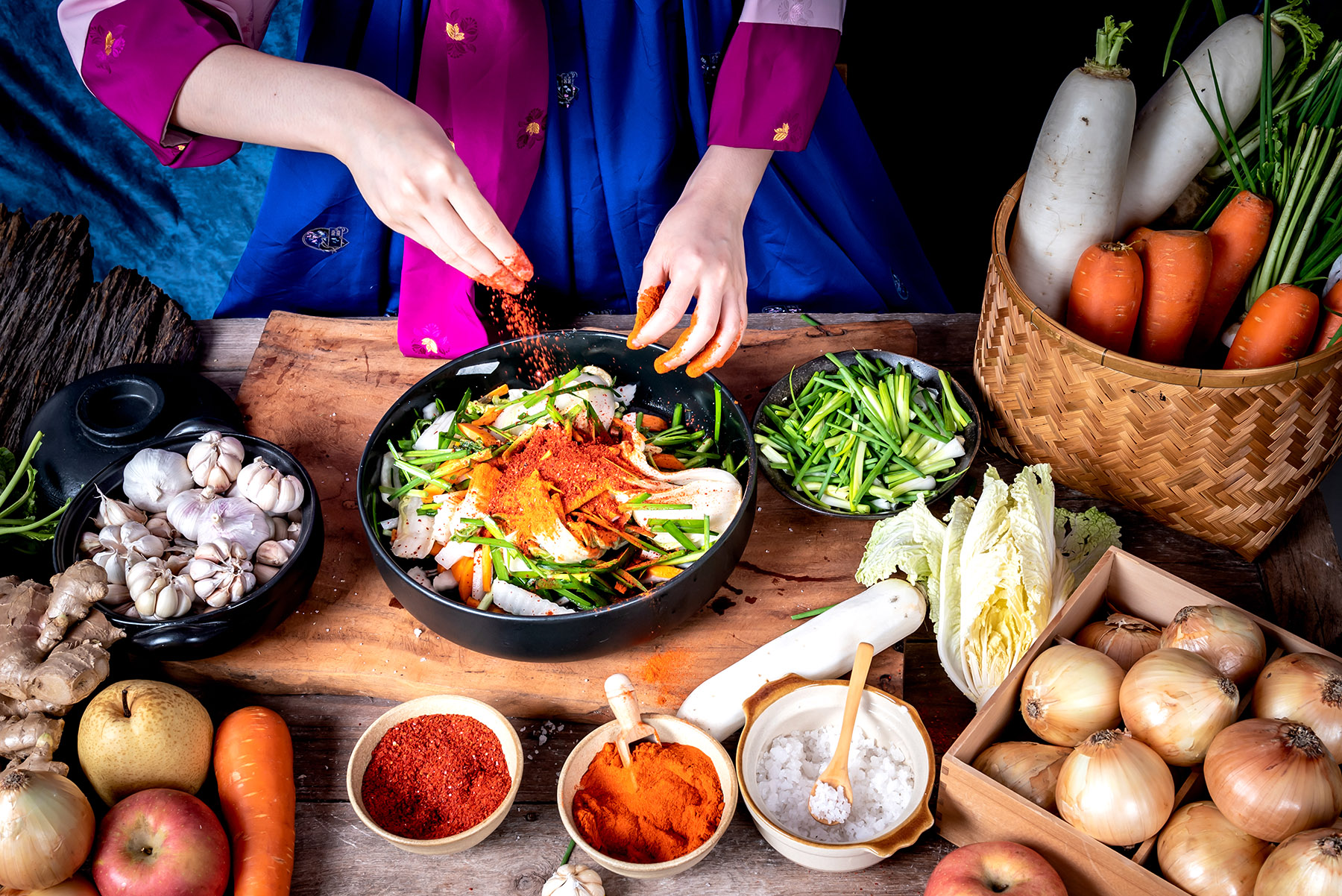
“Seoul is the revivalist. They are excellent at taking a dying dish, like makgeolli — rice wine with very low alcohol content — or a certain variety of kimchi — a spicy side dish comprising salted and fermented vegetables — and rebranding it via K-dramas and pop culture.”
She adds that Bar Cham, located in a traditional hanok house in Seoul’s Seochon neighborhood, is a perfect example of a go-to heritage bar preferred by the young and trendy. It serves traditional rice wine in a mood-lit, modern setting.
“Seoul understands that preservation does not mean sending the recipes to a museum; it means making heritage feel cool again.”
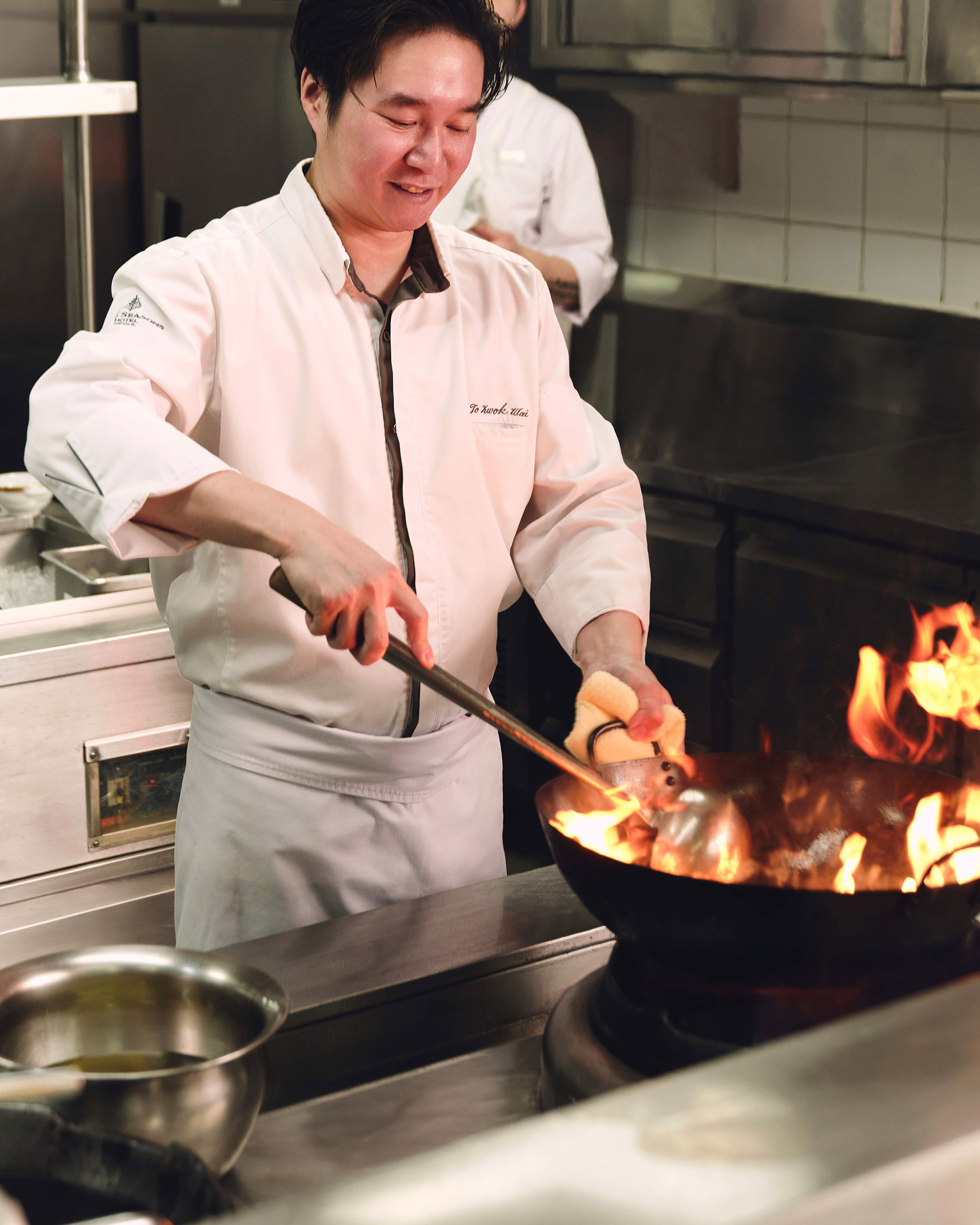
Chef To Kwok-wai, who helms the Chinese restaurant Yu Yuan at the Four Seasons Hotel in Seoul, and has been trying to strike a balance between Cantonese cuisine methods and Korean culinary culture, says, “Seoul is very strong in preserving its own traditional food culture. Similarly, diners here expect authenticity rather than fusion when they want to try foreign food like Cantonese.”
To believes Hong Kong can learn the art of promoting its cuisine from Singapore and Bangkok. “They are great at elevating street food — Michelin-starred hawkers, government-led food festivals, and so on. Hong Kong has diversity and speed, but less systematic promotion.”
To close the gap, To suggests that Hong Kong consider creating better food-heritage maps, supporting young chefs by facilitating exchange programs, and giving more official recognition to food heritage crafts like making roast goose and bamboo-pressed noodles.
Can Hong Kong turn food into a cultural export?
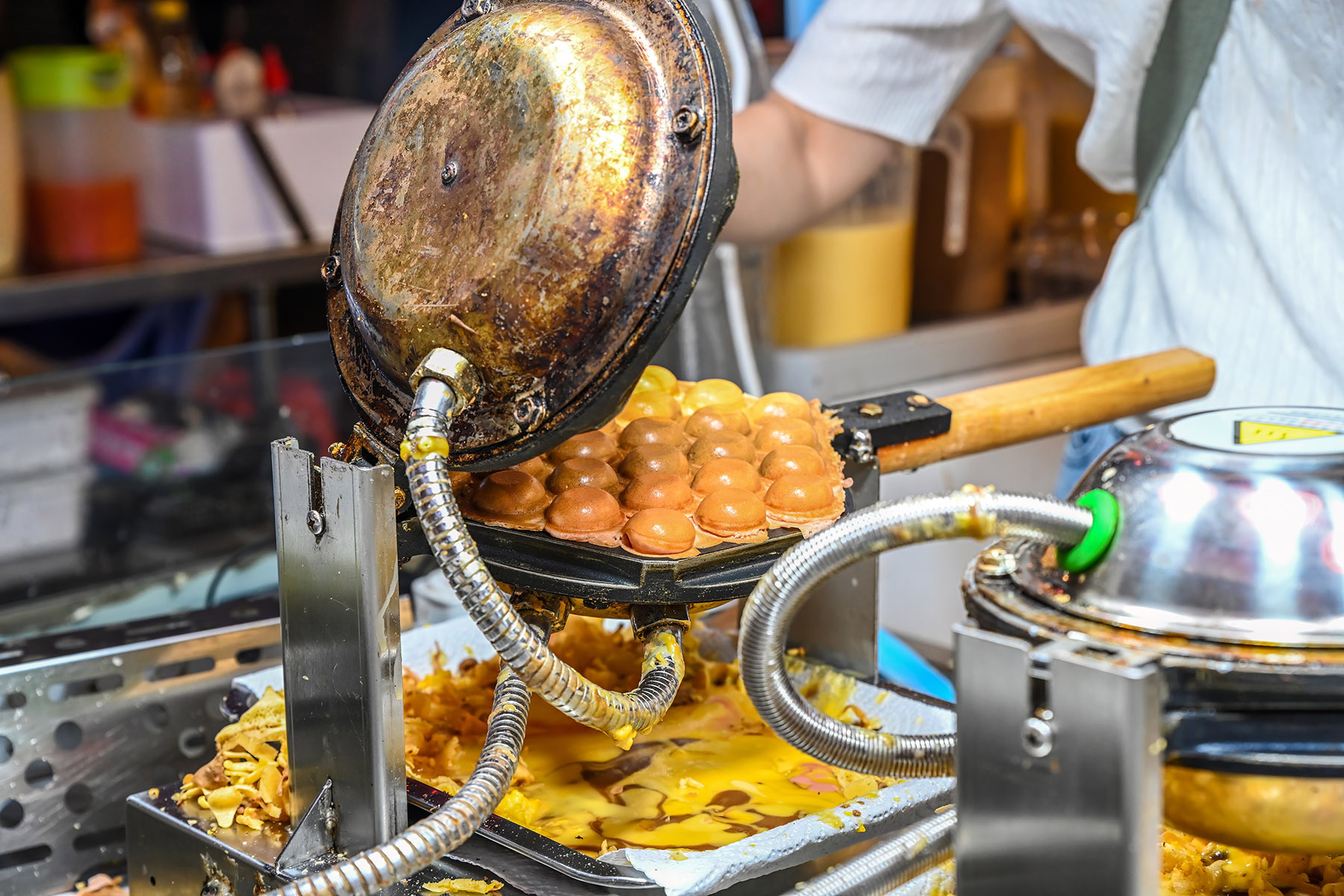
Experts and industry insiders agree that some of Hong Kong’s generic food items are on a par with their counterparts in other food destinations of Asia, both in terms of quality and cultural appeal. “Hong Kong food is world-class — our wonton noodles, egg waffles, and milk tea can hold up against any cuisine,” says Chung.
Indeed, the density of excellence is extraordinary: 77 Michelin-starred restaurants, including seven with three stars, operating within one of the world’s most compact urban environments. The Chairman’s clinching the top title at the Asia’s 50 Best Restaurants 2026 awards earlier this year is the visible tip of an ecosystem built over generations.
The missing piece, Chung argues, is storytelling. “We are still stuck shooting top-down photos for Instagram instead of building narratives through film, literature, and global branding,” she says. “Imagine a Korean-style drama where the heroine heals her broken heart over a bowl of beef brisket noodles in Sham Shui Po. That is the kind of cultural export we need. Korea turned kimchi into a global phenomenon. Hong Kong still has not done that with milk tea.”
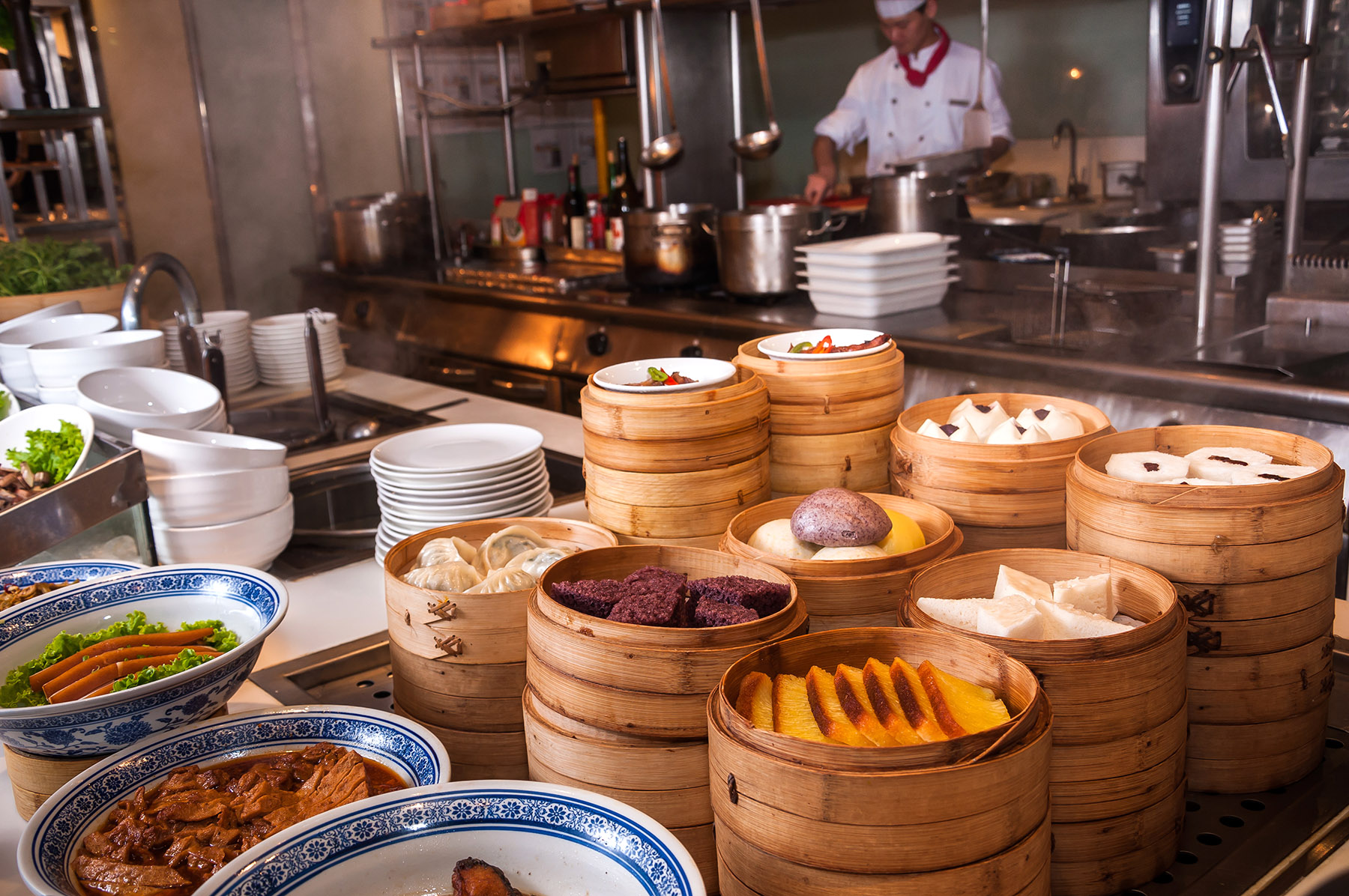
There is also a structural challenge that no amount of storytelling can fully resolve. Rapid urbanization and absurdly exorbitant rents have been quietly chipping away at the base of the culinary infrastructure that makes Hong Kong distinctive. “In Hong Kong, soaring rents kill small, independently run eateries and mom-and-pop grocery shops — the very places where the city’s culinary soul might be found — and replace them with soulless chains,” Chung says. “The true heritage gets pushed to the suburbs — places like Yuen Long and Sham Shui Po — where locals actually go to eat. The problem is that most tourists never make it there. So the real question is how to build bridges between the city’s glossy center and the gritty, delicious edges.”
ALSO READ: Former dairy farm serves dim sum and yum cha
For Chung, Bangkok is the regional leader, while Hong Kong comes a close second. She says that the success of The Chairman proves that old recipes can win modern hearts.
She suspects that one of the factors holding Hong Kong eateries back is perhaps the tendency to copy Western trends — “truffle oil on everything”, or attempt fusion with Japanese food for its popular appeal, rather than relying on time-tested homegrown materials and processes. “Dried seafood, fermented beans, aged tangerine peel — these are treasures we barely celebrate.”
Singapore’s Chef Tan believes that the answer for Hong Kong lies, ultimately, in how well the city can build its own narrative. “Hong Kong can tell the Hong Kong story, promote the city’s unique local style, and put food at the center of culture.”
Denis Lucchi, founder of the Michelin-starred Singapore restaurant Buona Terra, puts it in the simplest of words: “Focus on what makes it unique, and stay true to it.”
The writer is a freelance contributor to China Daily.
