

TEHRAN - A senior Iranian diplomat said Sunday that Iran is currently reviewing US views on Tehran's recent proposal to cease hostilities and reopen the Strait of Hormuz, according to the semi-official Fars news agency.
Iran's Deputy Foreign Minister for Legal and International Affairs Kazem Gharibabadi made the remarks in Tehran, saying that the United States has submitted its views on Iran's proposal through mediators.
He stressed that Iran's proposal is the "seven-day plan" that was presented to the other side by Iranian Foreign Minister Seyed Abbas Araghchi in New York late last month.
Gharibabadi said, "The US views are currently being reviewed inside the country through the appropriate channels," adding whenever Iran's final views are ready, the necessary action will be taken through "appropriate channels".
He added that Iran is simultaneously making the necessary preparations for any other scenario as well.
Iran conveyed a proposed seven-day plan to the United States on Sept 22 to cease hostilities and reopen the Strait of Hormuz, through mediators on the sidelines of the 81st session of the United Nations General Assembly in New York.
On Feb 28, Israel and the United States launched joint attacks on Tehran and other Iranian cities. Iran responded with waves of missile and drone attacks targeting Israel and US bases and assets in the region, and tightened its grip on the Strait of Hormuz.
A ceasefire was achieved between the warring parties on April 8. On June 18, Iran and the United States signed a memorandum of understanding on ending the conflict in the region on all fronts.
Under the MoU, the two countries were scheduled to hold negotiations within 60 days, ending on Aug 17, to reach a final agreement. However, the two sides failed to make sufficient progress toward a deal as tensions continued to escalate.
'Ready for diplomacy, warning of stronger response'
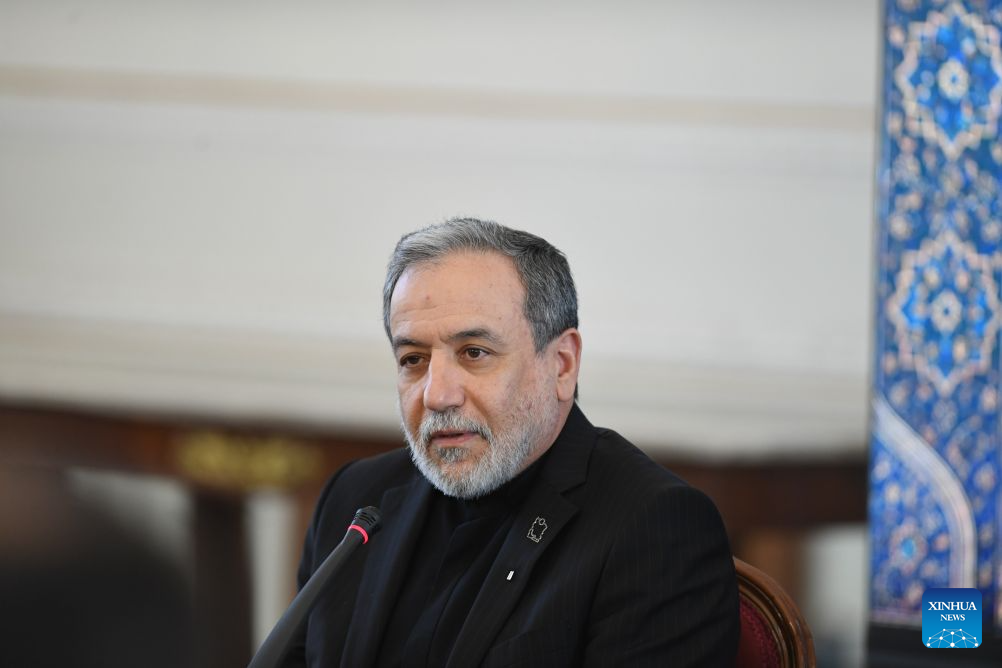
During a meeting with foreign ambassadors and diplomats in Tehran on Sunday, Araghchi said the country is still ready to achieve a "just and honorable" solution through diplomacy, but it will give a "more crushing" response if the "enemies" once again resort to military actions.
Araghchi also highlighted Iran's seriousness and decisiveness in both defending itself and advancing diplomacy.
He expressed hope that the United States would choose the path of wisdom and rationality.
"There is no military solution, nor any solution based on further sanctions. Only a solution based on negotiation, justice, fairness, and diplomatic dignity can prove effective and provide a definitive resolution to end this war and the illegal and unjust aggression launched against Iran," he said.
US response to Iran's proposed plan
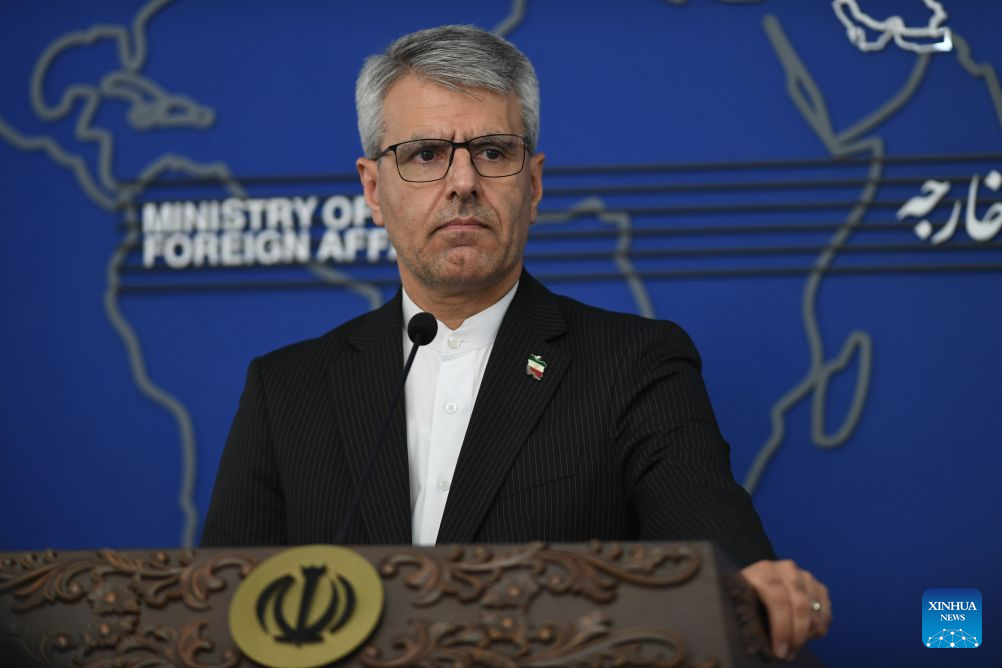
At a weekly press conference, Iran's Foreign Ministry spokesman Esmaeil Baghaei said the country has conveyed its positions through the Qatari mediator regarding the US response to its proposed plan to end the conflict and reopen the Strait of Hormuz.
"We conveyed our positions to the mediator during the brief stopover we made in Doha on our way back (from New York)," Baghaei said. "The Americans' proposals are more or less in line with their previous positions, and specifically concern the nuclear issues."
He stressed that Iran has explicitly said its current focus is the Strait of Hormuz, noting that restoring security there requires Washington to take certain steps, including ceasing disruptions to Iran's commercial shipping, lifting sanctions, and ending other meddlesome actions.
Increasing missiles' range
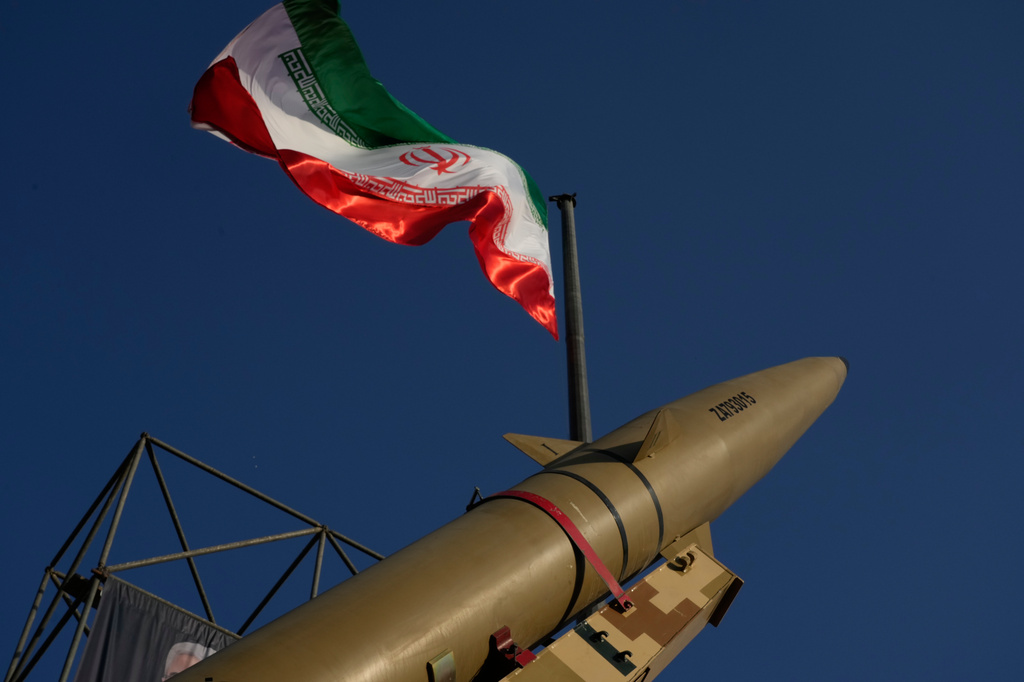
In an interview with Fars published on Sunday, Iran's Army spokesman Mohammad Akraminia said it has decided to work on increasing the range of its missiles following the conflict with the United States and Israel.
"In this war, we came to the conclusion that we must definitely increase the range of our missiles, and we have now embarked on that path," he said.
Akraminia said the reason is that the "enemy" has deployed its forces at a greater distance from Iran's coasts, up to 1,000 kms away, "and we will continue to upgrade these missiles."
He stressed that Iran has also significantly upgraded its missiles' speed and precision, adding that future generations will be even faster and more precise.
