

At 70, master puppeteer Wong Fai is still pulling the strings — reinventing puppetry tradition for a new generation. Gary Chiu reports with photographs by Andy Chong.
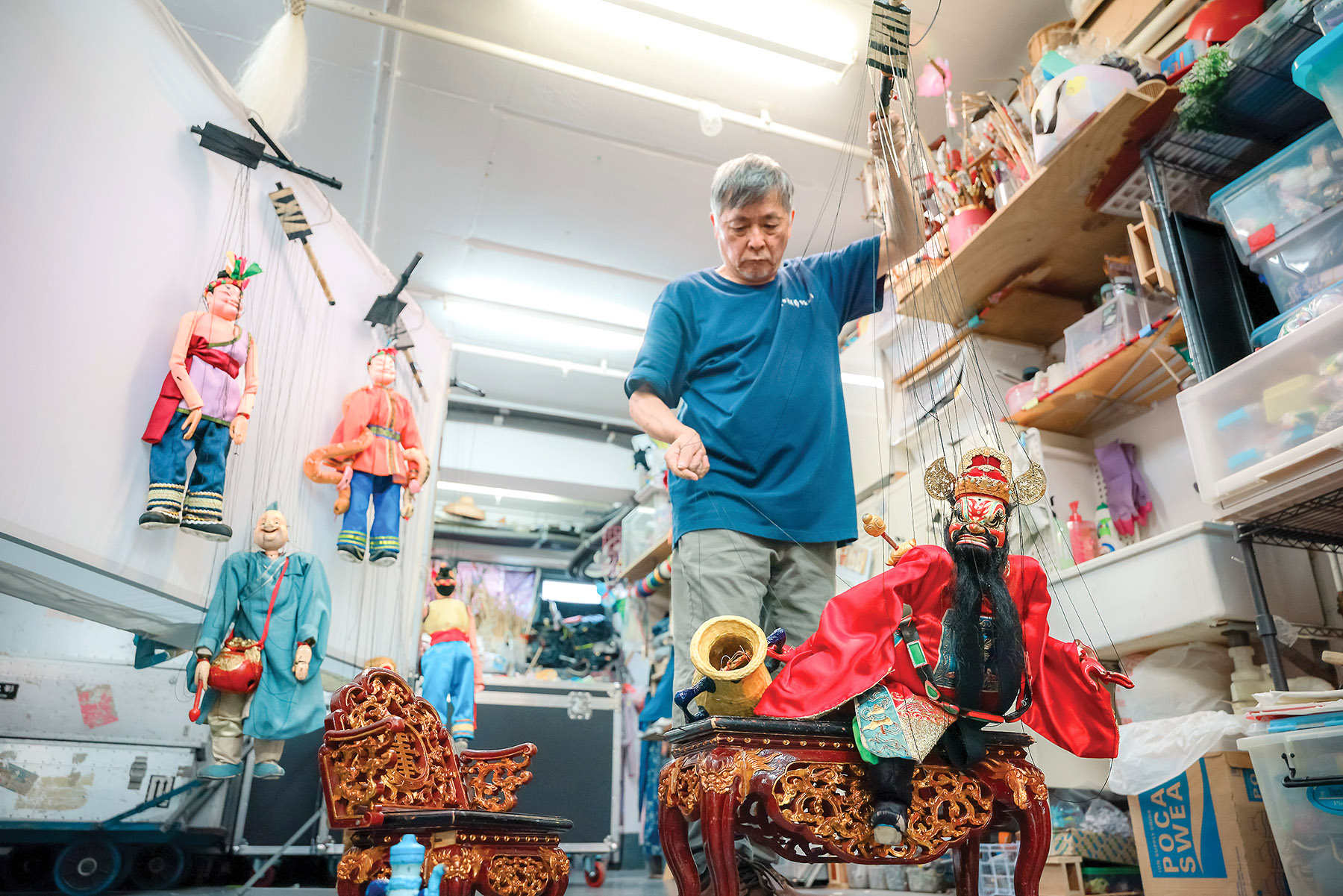
Editor’s note: Hong Kong’s Intangible Cultural Heritage Inventory currently lists more than 500 items. China Daily presents a photo series exploring some of these traditions. The first batch features four parts, with the last one shifting to puppetry. More to follow, stay tuned.
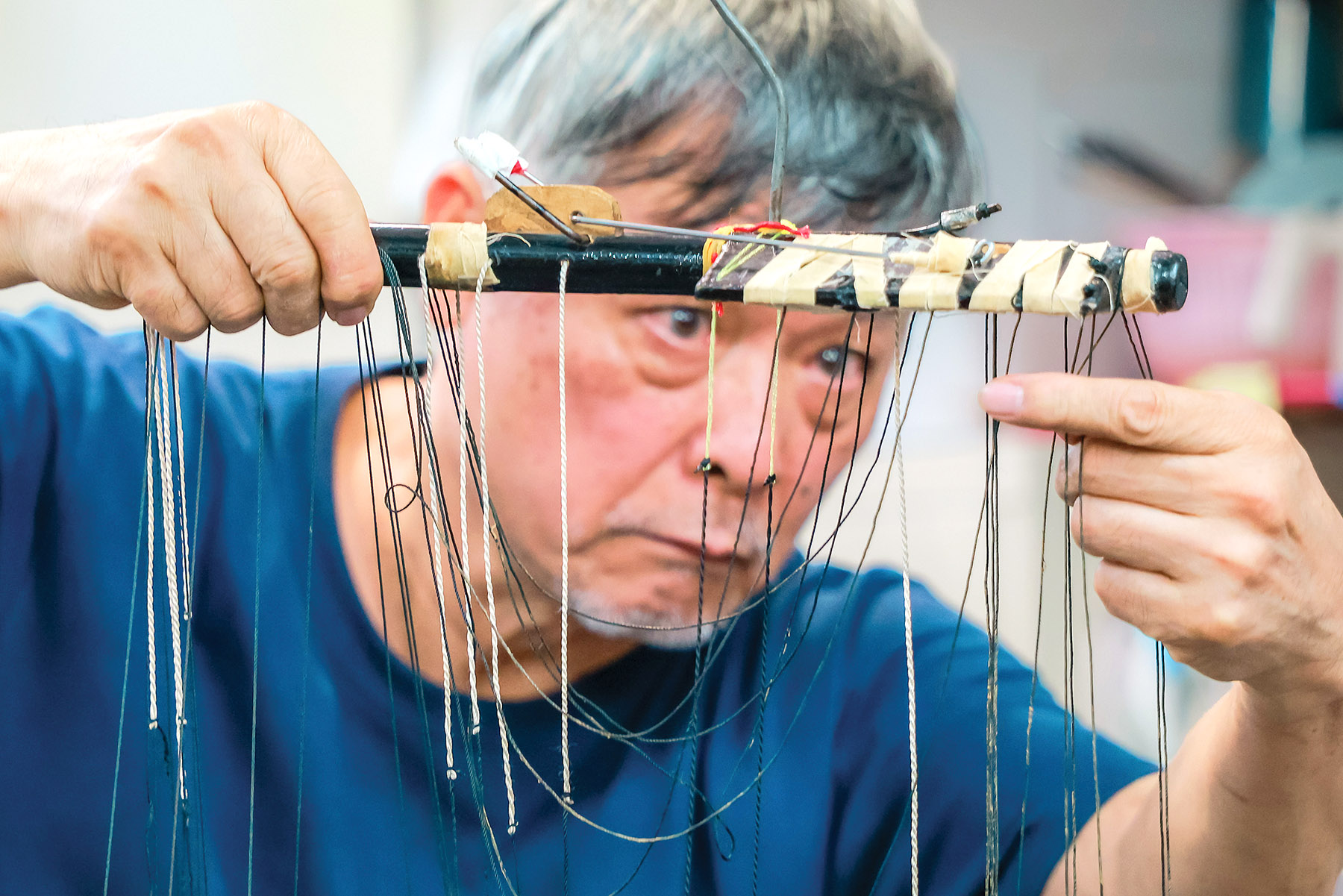
Taking a cup onto a table and pouring water from a bottle into it without spilling a drop — a daily routine, performed effortlessly through muscle memory, seems trivial to us. But what if it is done entirely through a marionette? For over 50 years, master puppeteer Wong Fai has been breathing life into his cherished “actors”, leaving audiences in awe with precise flicks of his hands. As a versatile performer of string, glove, rod and shadow puppetry, he is a living treasure as these theatrical art forms are honored in Hong Kong’s intangible cultural heritage inventory.
READ MORE: Carving out craft calling
Growing up in South China’s Fujian province, a hub of Chinese puppetry, Wong mastered various styles under acclaimed grandmasters. To him, honing his skills is a lifelong journey, whether it means making puppets come alive or seamlessly switching between characters on stage. Drawing inspiration from everyday life and traditional operas, Wong strives for a perfect unity with his marionettes, synchronizing his finger movements and emotions with each character’s inner world. “When a character is in a gloomy mood, my movements slow down accordingly,” he tells China Daily.
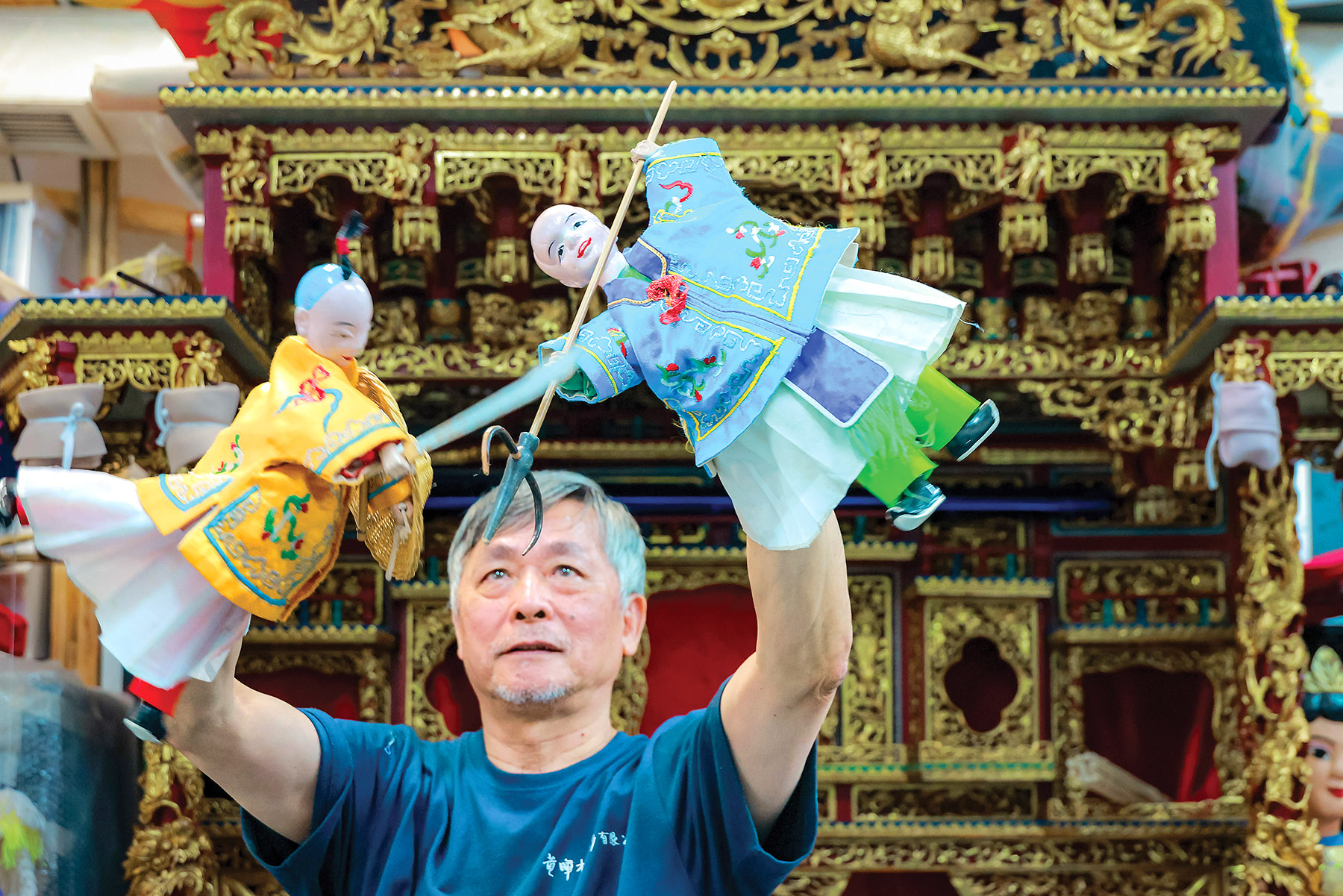
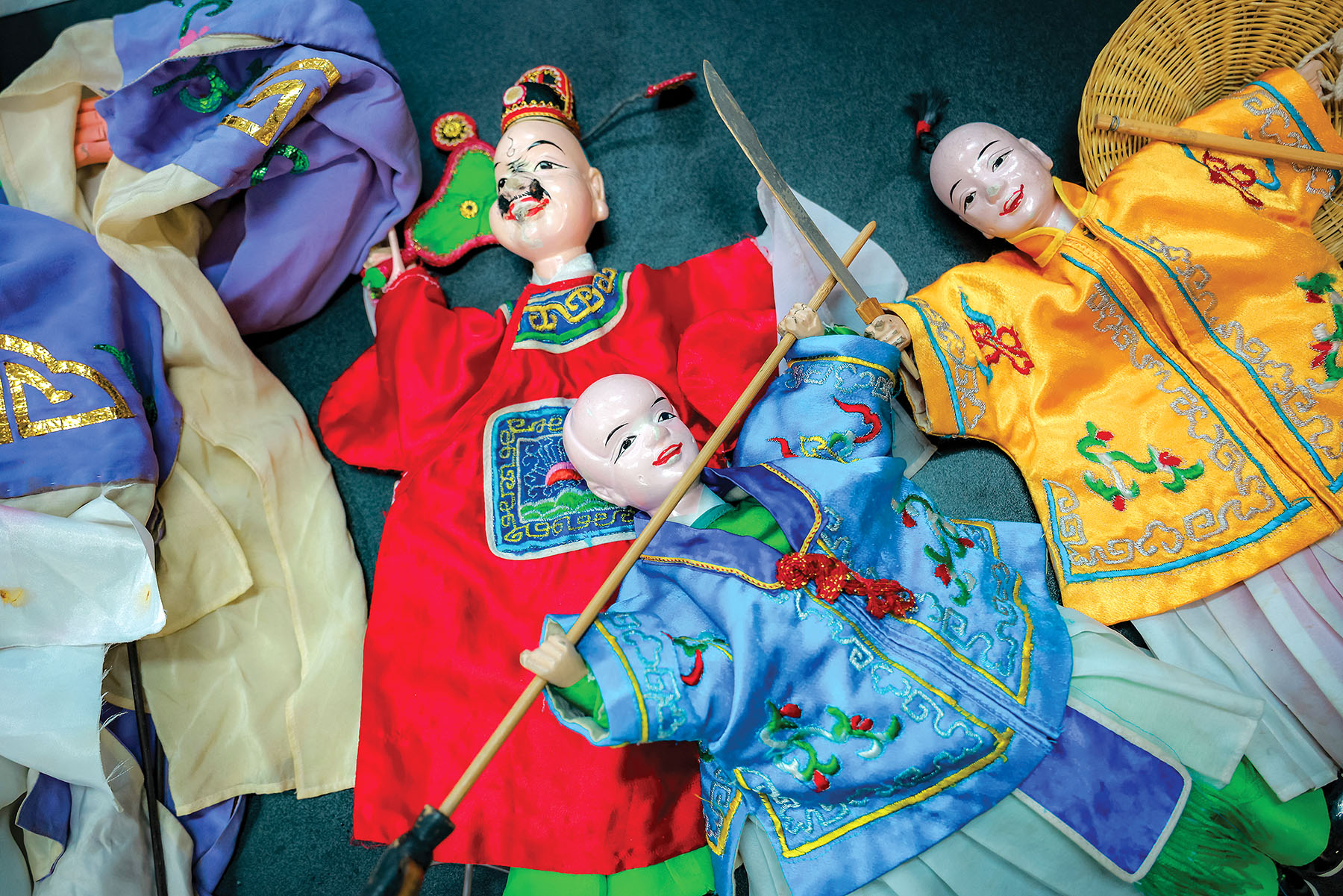
Wong’s solid trainings have laid a foundation for his artistic pursuit in Hong Kong. During the peak of his career, he showcased his theatrical prowess at temple fairs, festive feasts, night events and other celebratory activities, frequently delivering over 20 shows a month. But those glory days faded as people were drawn to other forms of entertainment, leaving Wong with dwindling performance opportunities. “I mend my puppets myself as making a new one is prohibitively expensive,” he laments. “With only one show every few months, I can hardly afford the rent of my studio.”
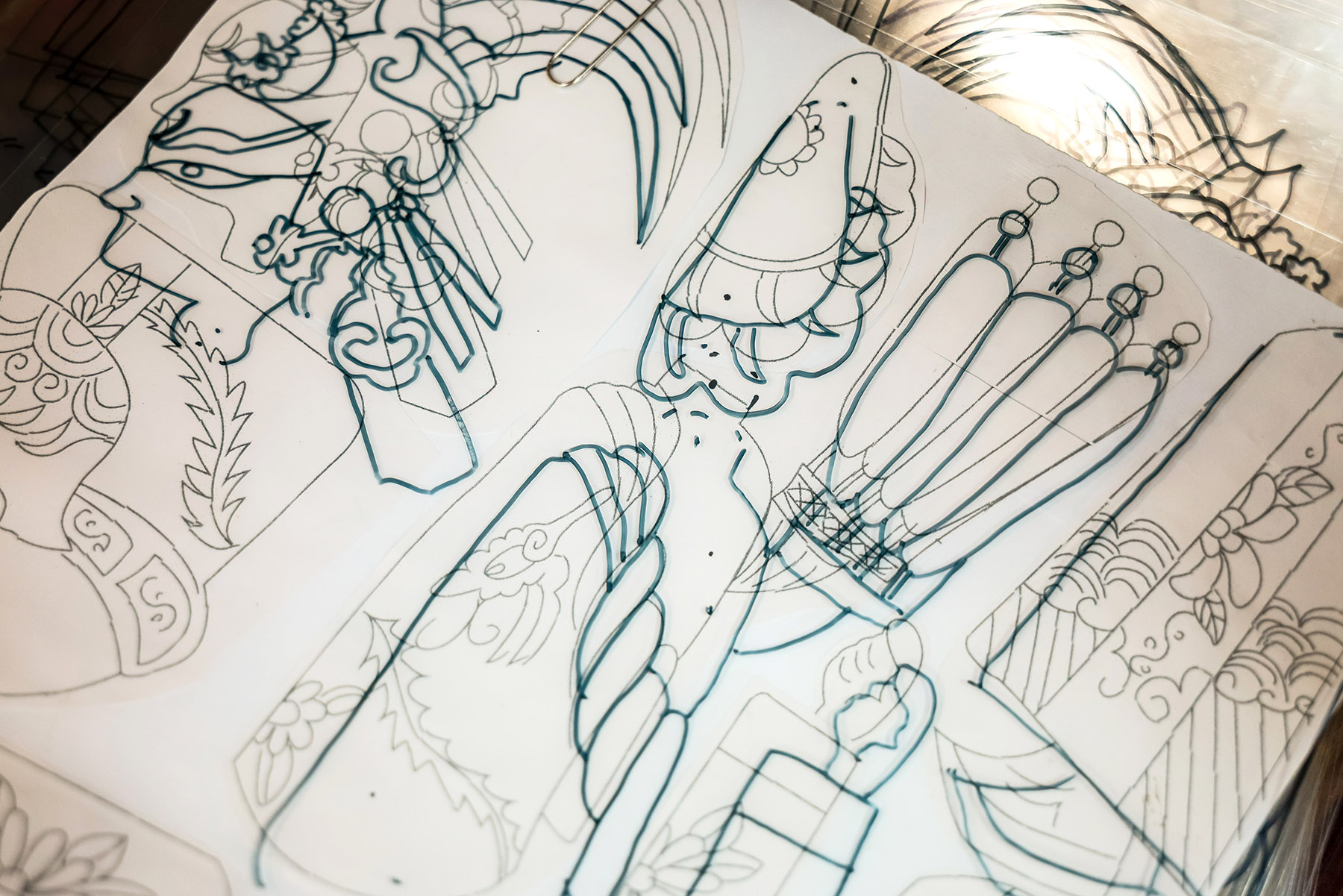
Innovation and transformation become the only way to cater to evolving audience tastes and captivate modern spectators. Dedicating his energy to condensing lengthy traditional Chinese folk tales into shorter episodes, Wong has brought fresh appeal to the time-honored artistry by collaborating with multimedia artists and blending all four puppetry forms into a single performance. He also actively sows seeds of heritage appreciation among youngsters through school performances.
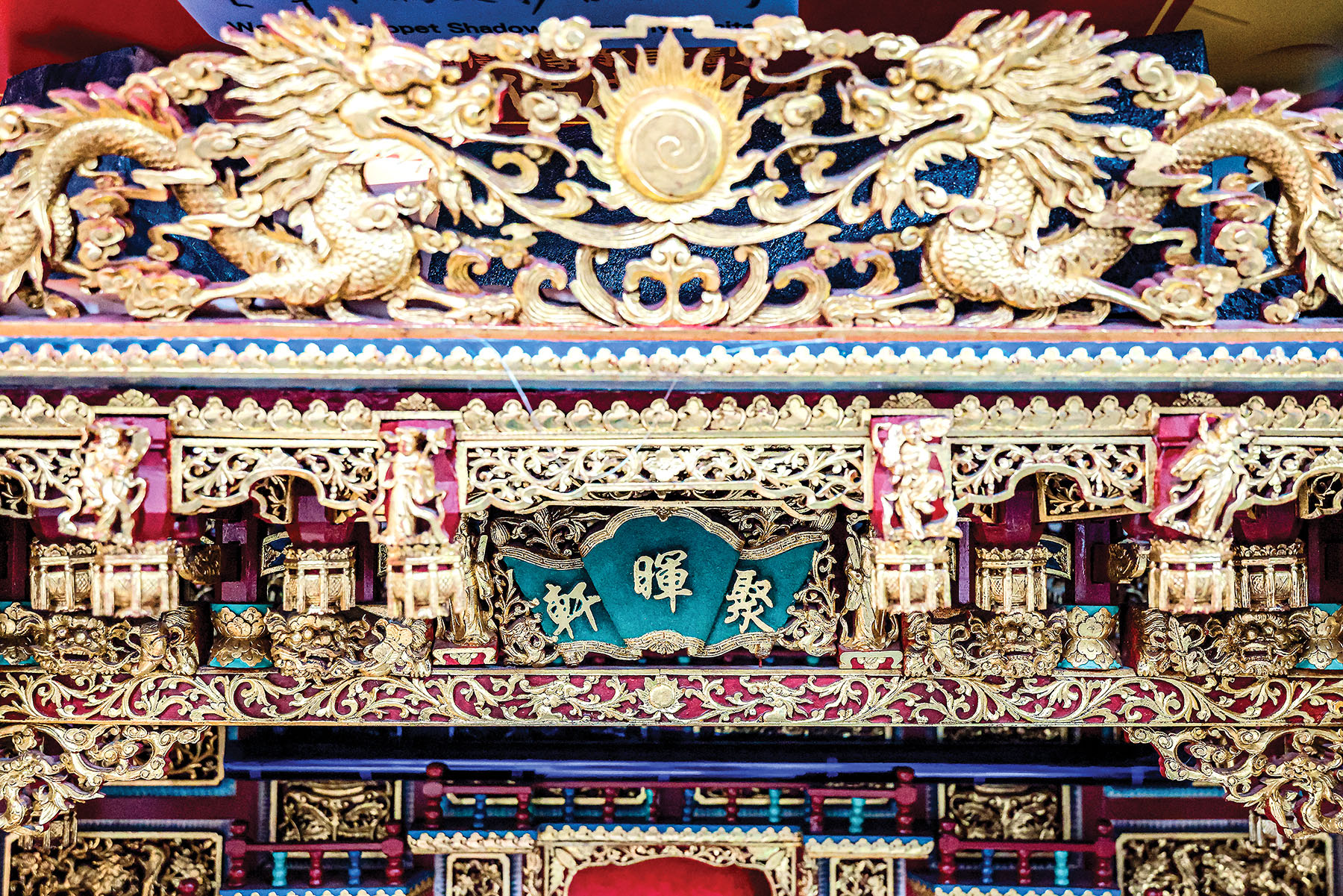
Despite numerous community initiatives to promote the intangible cultural heritage, all these revival efforts seem to be a drop in the ocean. Wong candidly admits an unsettling truth: “The demand has shrunk to an extent that emerging performers barely have opportunities to shine on stage,” he sighs. “They will soon give it up because it is almost impossible to regard puppetry as a promising profession.”
READ MORE: Dancing into lasting legacy
Having devoted his whole life to puppetry, Wong, now in his 70s, shows his unfailing passion, dreaming of a dedicated venue to nurture new talents and engage the public. “We need favorable conditions so that puppetry and other forms of cultural heritage can thrive in a sustainable manner.”
Contact the writer at garychiu@chinadailyhk.com
