

Female pioneers transform Inner Mongolia's harsh arid terrain into a thriving, sustainable economy
Editor's note: As the protection of the planet's flora, fauna and resources becomes increasingly important, China Daily is publishing a series of stories to illustrate the country's commitment to safeguarding the natural world.
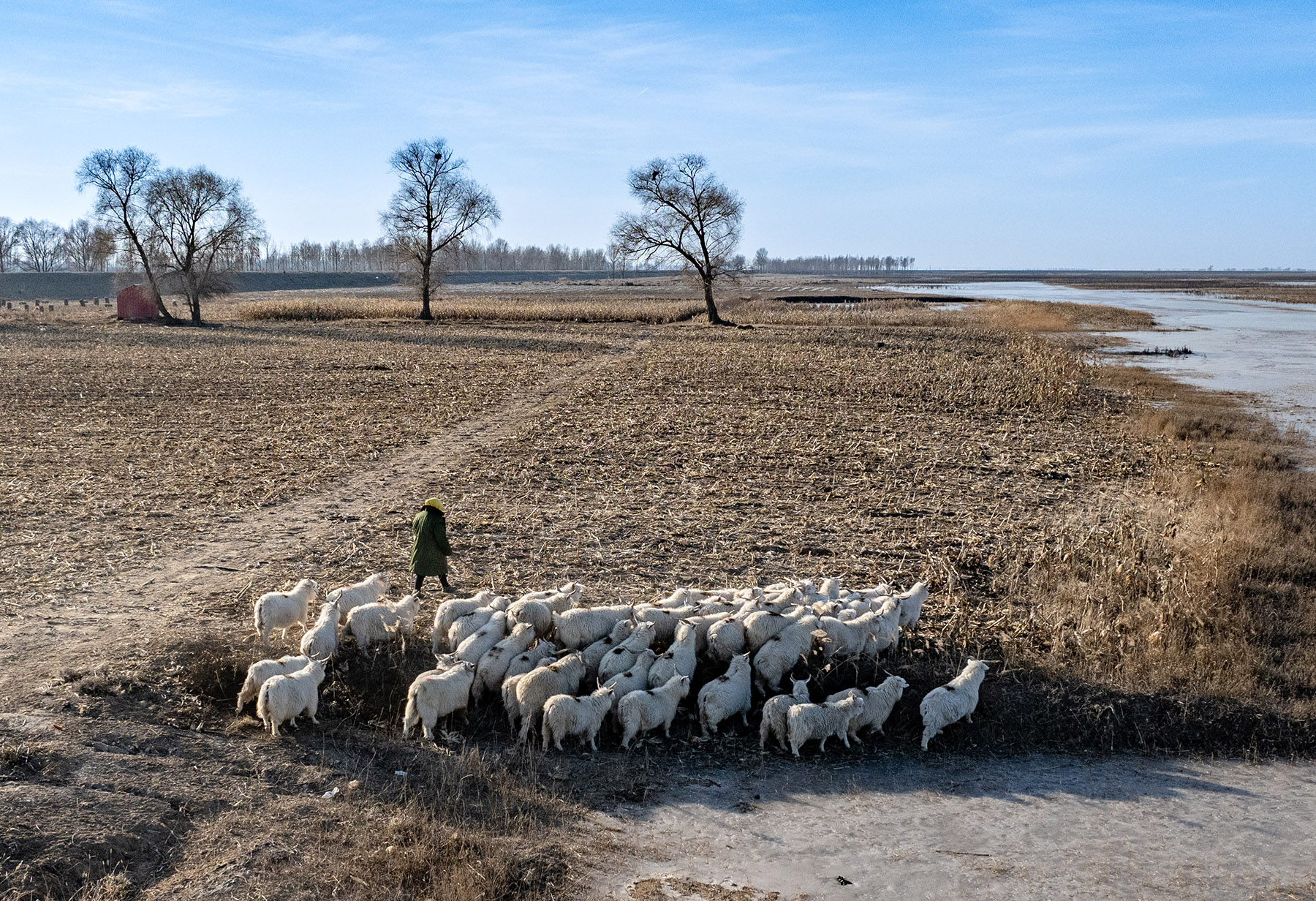
Women have played a central role in the green transition in the Inner Mongolia autonomous region, spearheading the evolution of desert management into a multidimensional framework encompassing planting trees and cash crops, establishing vast solar arrays and improving local livelihoods.
According to the local authorities, women make up roughly 70 percent of the workforce in the agricultural demonstration zone of Dalad Banner, Ordos, anchoring the multidecade green effort of ecological repair with commercial enterprise.
At the Engebei Ecological Demonstration Zone in Dalad Banner in the city of Ordos, tropical crops are being grown inside semi-sunken greenhouses engineered to withstand the region's brutal winters.
ALSO READ: Putting a stop to shifting sands
Wrapped in thick thermal fabric quilts, these desert greenhouses rely entirely on solar energy for heating. As a result of their specialized passive insulation design, the facilities maintain soil temperatures above 15 C year-round, even when winter temperatures in the unforgiving desert plummet to lows of — 30 C.
Behind the desert greenhouse agriculture initiative is Liu Xueqin, a distinguished agronomist who has dedicated 18 years of her career to agricultural research and desert transformation in Engebei. Located in the central stretch of the Kubuqi Desert — one of China's largest deserts — Engebei suffered from environmental decline and desertification driven by excessive reclamation and overgrazing.
To combat this, Liu has dedicated her time to developing desert agriculture in the zone, testing more than 300 crop varieties and accumulating extensive practical planting experience.
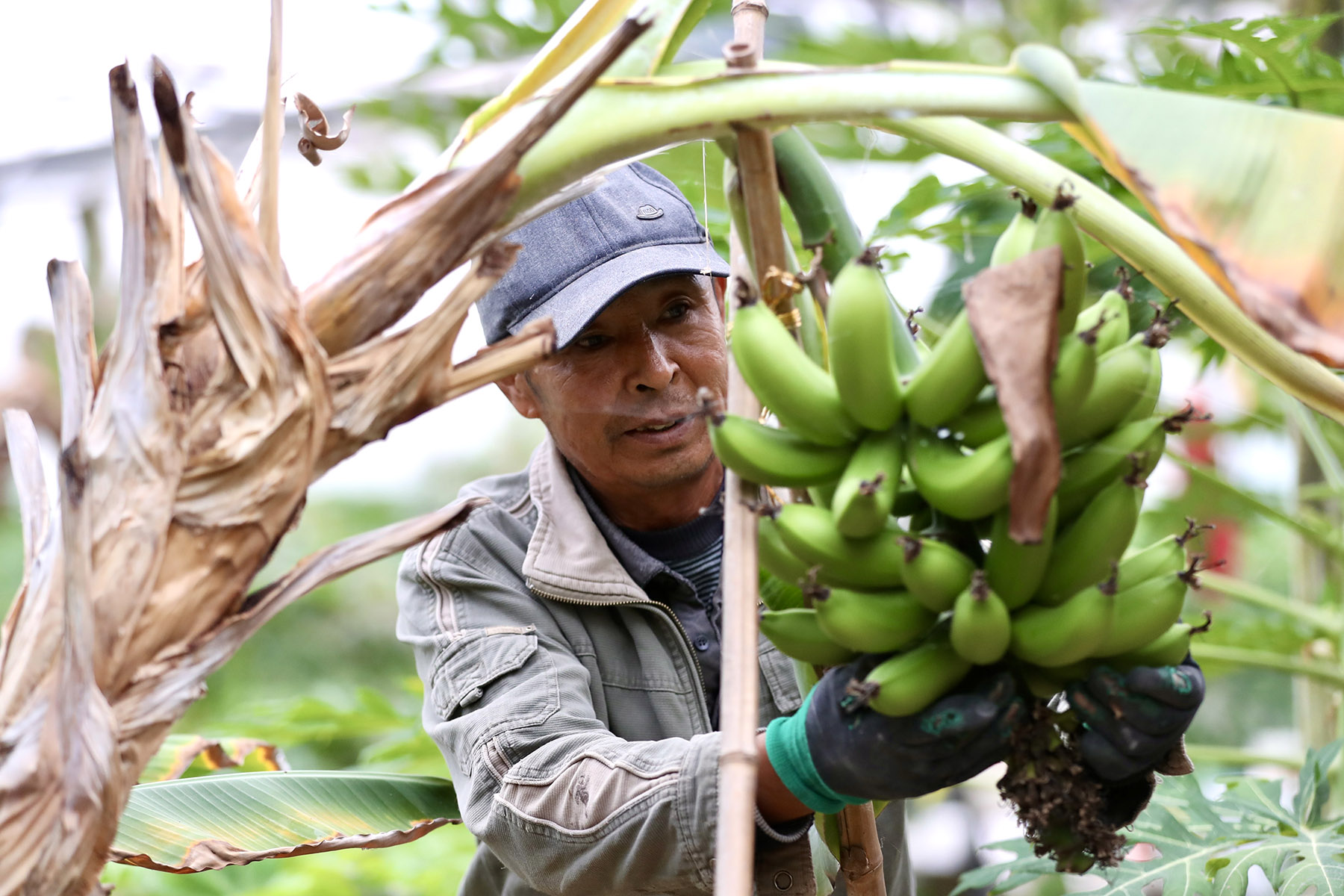
The desert project's goal of growing high-value fruit crops in arid terrain faced significant early setbacks. Papaya seeds took a full month to germinate, with no visible aboveground growth for weeks. Even banana seedlings — developed from tissue-culture plantlets carried on China's Shenzhou IV space mission — failed to acclimate when moved outdoors to harden against extreme weather. Frost killed their stalks, though the roots survived and the plants later recovered indoors.
Undeterred by the disappointing trial results, Liu continued her research. She dug into the soil and uncovered root systems that were still alive. She moved fragile saplings back into the greenhouse, where the plants recovered. They eventually grew more vigorously and went on to develop tolerance to near-zero temperatures.
Raised in rural Heze, Shandong province, Liu graduated from the Gansu Agricultural University with a qualification in grassland science in 2008. That same year, she went to Engebei. The conditions were so challenging that Liu was the only graduate who stayed.
"If I were a plant, I would be alkali grass, able to survive wherever I am planted," Liu said.
Liu's exhaustive trials and efforts over the years were rewarded in 2024, when her Enguo No 1 papaya variety was recognized as a local specialty by the Ministry of Agriculture and Rural Affairs.
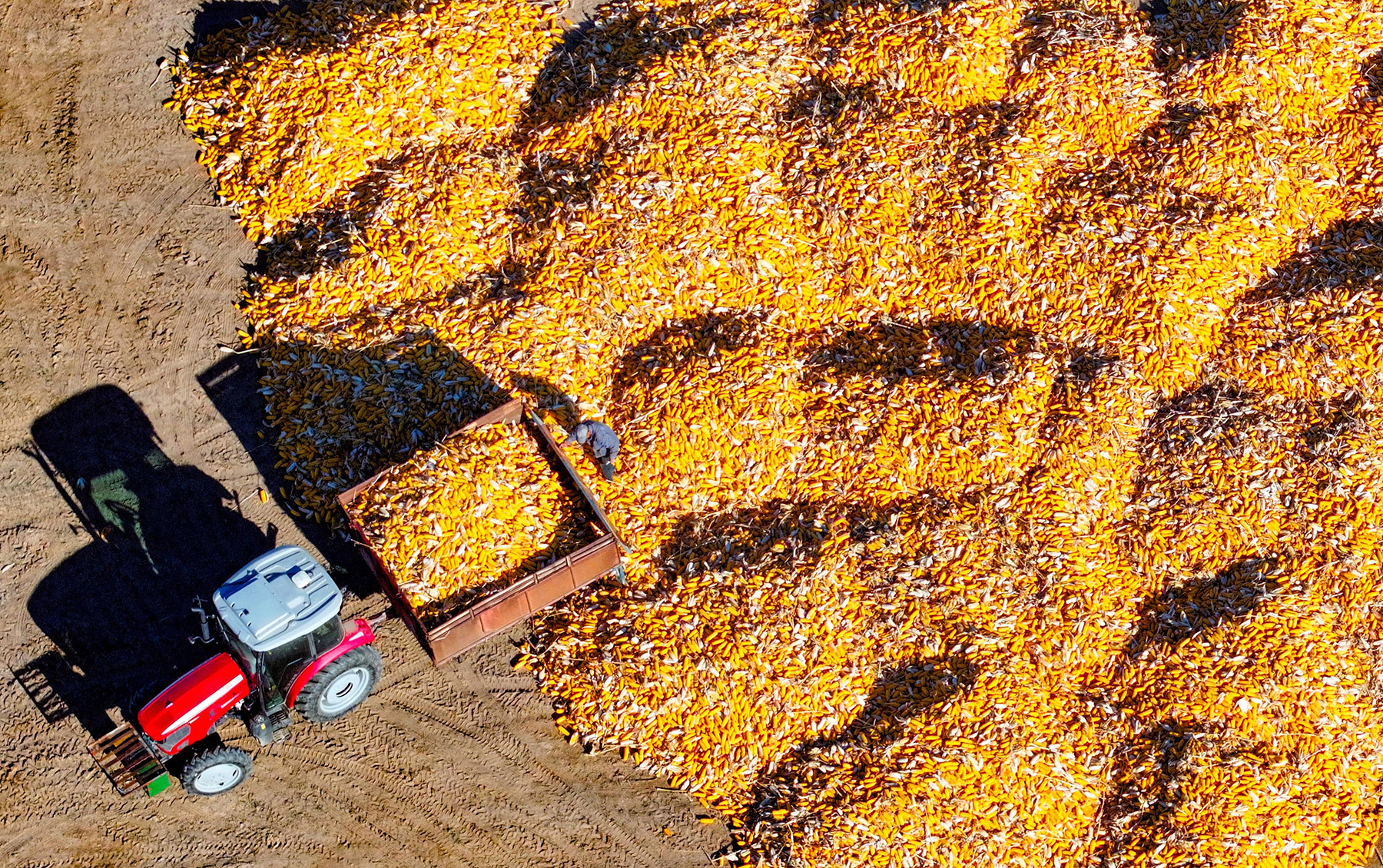
The secret to her success, Liu said, is that she doesn't use chemical fertilizer, pesticide or herbicide, and instead rehabilitates raw desert soil with composted sheep manure.
This trick, which Liu calls her "greatest treasure", involves spreading 24 cubic meters of manure per hectare over three years, enabling grass to grow.
"The fields should grow grass. Grass is not harmful," Liu said, adding that grass is part of a low-input system that, over time, builds organic matter in the soil and saves money.
Female-led development
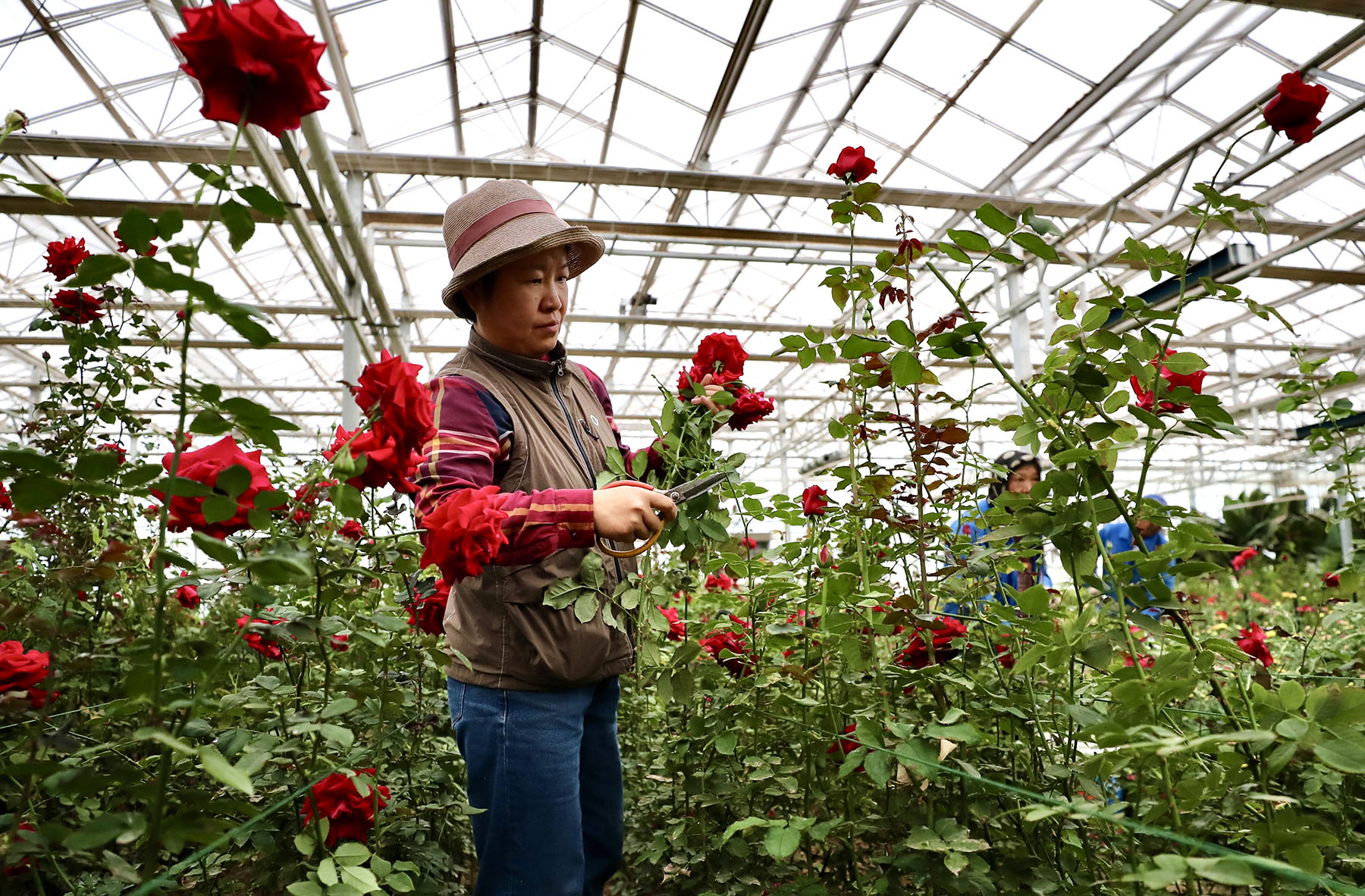
According to Liu, women have been a key part of the demonstration zone's workforce, taking roles in management, harvesting and sorting. "Women are patient, and have tenacity," she said.
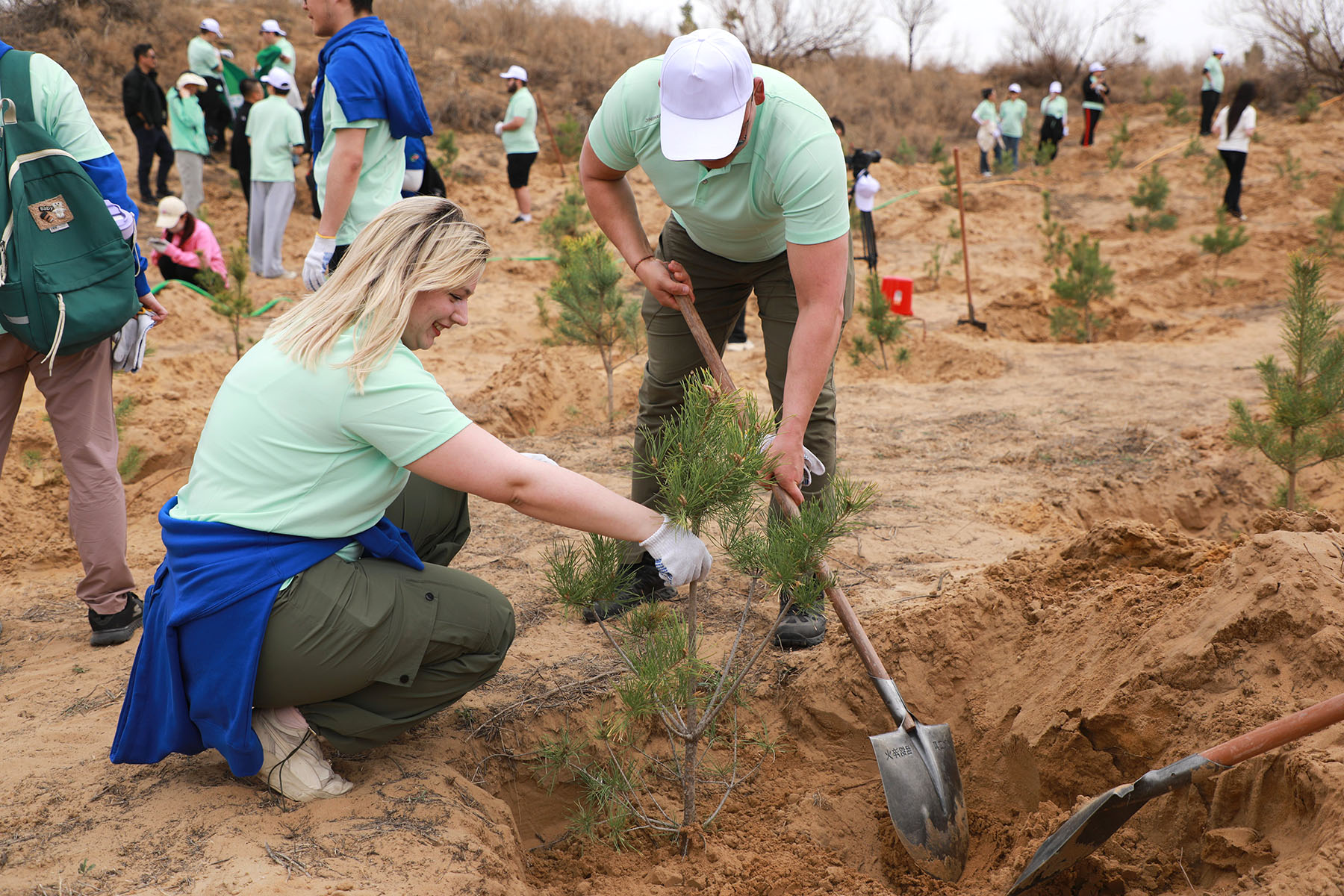
The modern ecological progress stands on decades of female-led grassroots environmental efforts. In the 1960s, community leader Baoriledai organized a nine-woman volunteer group to plant trees on mobile desert dunes, launching one of China's earliest large-scale, female-driven ecological restoration initiatives.
In the 1980s, local farmer Yin Yuzhen and her husband relocated deep into the desert and planted nearly 7 million trees, with her family establishing protective forest barriers across more than 3,300 hectares of arid land.
Yin recently gained attention online after a video emerged of her thanking a long-unidentified United States benefactor who funded her early tree-planting efforts.
Today's desert agricultural workers carry forward this progress, combining scientific know-how with crops that sell, turning once-barren dunes into income for surrounding communities.
The 'great photovoltaic wall'
Helping drive the region's green energy push is Qimuge, general manager of Dalad Banner Huida Energy Group, which operates the "great photovoltaic wall". A short distance from the desert greenhouse zone, the photovoltaic base has been recognized by Guinness World Records as the world's largest single photovoltaic pattern power station.
The site features 196,328 solar panels arranged into the shape of a galloping Mongolian horse.
The complex has 1 gigawatt of installed capacity and generates nearly 2 billion kilowatt-hours of clean electricity a year, capable of powering hundreds of thousands of homes. Under Dalad Banner's development plan, the total installed capacity is set to reach 60 GW by 2030, alongside the comprehensive treatment of about 133,000 hectares of desertified land.
Qimuge transferred from a government post to her current position at the company in July 2024, with no prior experience in the photovoltaic-plus-sand-control industry. Starting from scratch, she studied desert plant breeding and sandyland water-and-soil regulation, and developed zone-specific treatment plans for conditions ranging from shifting dunes to sand-covered hard ground.
The project model involves panels generating power, growing plants under the panels, raising livestock on site, sand control and soil improvement, and rural vitalization, Qimuge said. The solar panels weaken direct sunlight and reduce soil evaporation. Straw and willow planted in a checkerboard pattern block windblown sand, and native drought-tolerant shrubs act as a multilayered windbreak, she added.
Some 5,300 hectares of desertified land have been treated so far, she said.
With wind prevention and sand fixation acting as a baseline, the photovoltaic composite model lets the desert generate lasting industrial returns — uniting ecological governance, clean energy and specialty planting, local officials said.
Many on-site roles — including panel cleaning, seed sowing and vegetation maintenance — are taken up by local women, continuing the region's long-standing tradition of female environmental stewardship, they added.
"Relying on the photovoltaic sand-control project for stable income increases, women also gain more say in family production and life," Qimuge said.
Sustained livelihoods
Decades of trailblazing work by female ecological pioneers has laid the groundwork for Ordos' modern desert transformation, turning a once desperate fight against expanding sand dunes into a thriving, sustainable regional economy. The city's historic shift from "sand advancing on people" to "green advancing on sand" encapsulates a nationwide evolution in China's desert management strategy.
Early restoration efforts centered on survival: urgent tree-planting campaigns designed solely to halt destructive dune movement. Today's desert development builds on a forward-thinking desert-industry framework first proposed by prominent aerospace scientist Qian Xuesen. The model prioritizes maximum solar utilization, minimal water consumption, innovative agricultural technology and tangible economic gains.
These core principles have been handed down across generations of ecological researchers, including Liu Shu — the 91-year-old mentor of agronomist Liu Xueqin.
The principles have become cemented in a core local philosophy that ecological restoration cannot succeed long-term without paired, income-generating industry for residents.
Grassroots female entrepreneurs have turned this institutional framework into on-the-ground community change. Among them is Liu Haiyan, who launched a successful baby pumpkin farming business after overcoming severe family hardships. She invested a borrowed 1,000 yuan ($149) to research viable desert crops, banking on Ordos' dramatic day-night temperature swings — a unique climate trait that boosts crop sugar content and fruit quality.
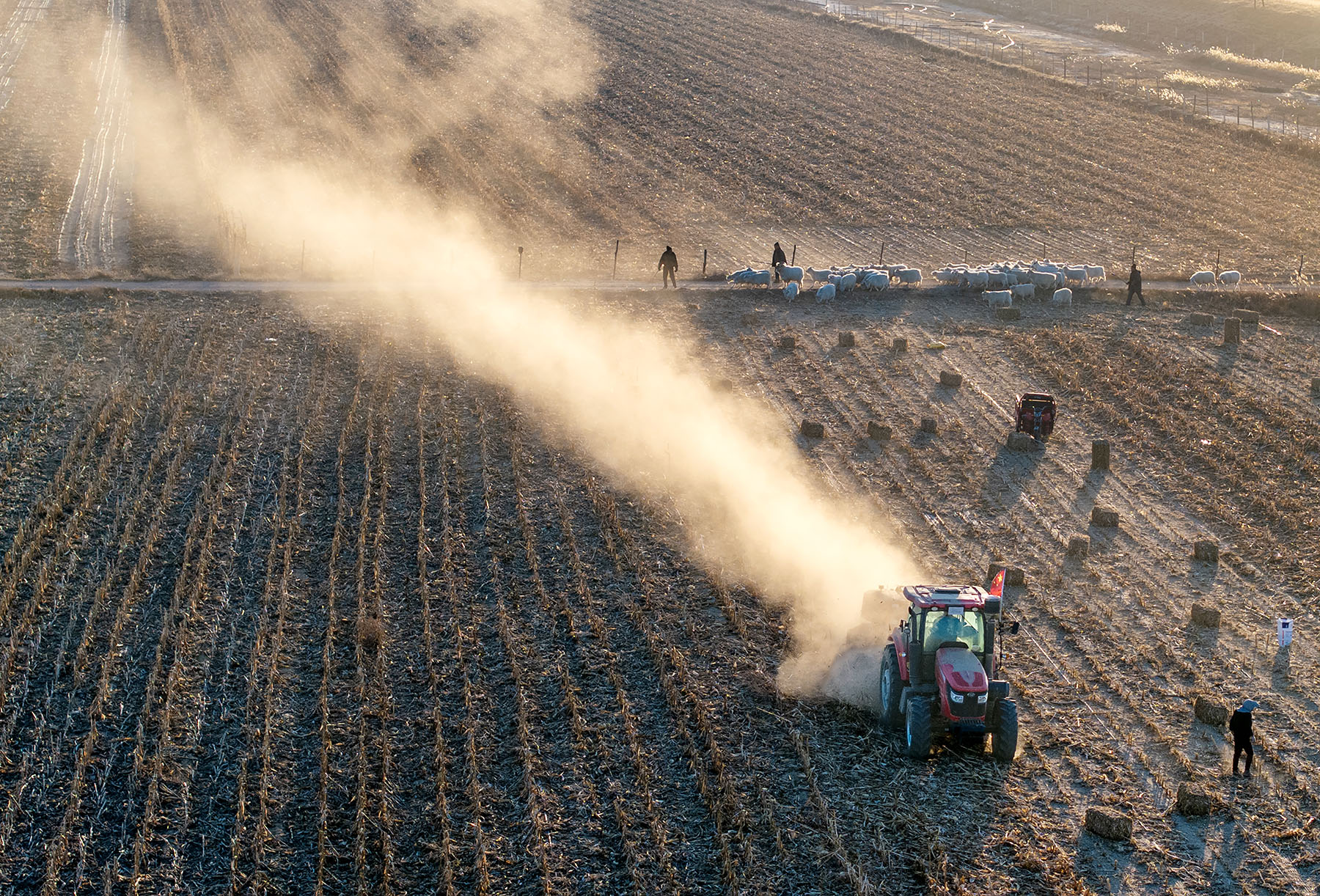
Early growing trials led to financial losses for partner farmers, but Liu Haiyan revised her cultivation techniques and persisted. Her mettle paid off, and her supply network now stretches from Inner Mongolia to South China's Guangdong province, creating hundreds of seasonal jobs, most filled by women.
"The earth will not treat you better or worse simply because you are a woman," Liu Haiyan said. "What you sow in spring determines what you harvest in autumn."
The Ordos women's federation, which has supported many of these initiatives, said it would continue encouraging women to join the workforce by offering training and helping them start their own businesses, while rallying women in local communities to pursue greener, more sustainable growth.
ALSO READ: China's photovoltaic power capacity overtakes coal-fired power for first time
Satellite imagery vividly documents Engebei's dramatic turnaround. Once-shifting, barren dunes are now anchored by stable, continuous green cover. The demonstration zone boasts 78 percent vegetation coverage and 41 percent forest coverage, supporting more than 600 recorded plant and animal species.
Greenhouses and a desert science museum are also attracting visits from tourists and student educational groups, expanding the region's ecological and public outreach impact.
"Desert plants have taken root and thrived amid adversity, facing always toward the sunlight," said Liu Xueqin, reflecting on the region's decades-long journey.
Contact the writers at lilei@chinadaily.com.cn
