

Hands-on training contributes to finding localized solutions to agricultural challenges
In the sun-drenched fields of Quzhou county, Hebei province, Chinese agricultural expertise is being taught to students from Africa, giving them practical experience in improving farming techniques that they can then take back home.
Working alongside agriculturalists and local farmers, these students are participating in a food security and poverty alleviation model developed to benefit China, and now being rolled out for other developing nations facing similar challenges.
The Science and Technology Backyard program, a farming development model pioneered by China Agricultural University in Quzhou since 2009, is an integrated agricultural innovation, research and rural service model where university researchers and graduate students live, work and conduct field experiments directly inside farming communities.
READ MORE: Harvesting knowledge
Following the success of the program in China, the university has sought to extend its experience to fellow developing countries by inviting overseas students to explore solutions to farming challenges.
Learning to drive tractors, take soil samples and test farming techniques in the field, the students explore practical solutions to the food security and livelihood challenges facing farmers back home.
The program underscores China's contribution to agricultural development in the Global South by combining China's farming experience with local knowledge and practices to build longer-term capacity and help developing countries address hunger and poverty.
Tailored training
The overseas expansion of the STB model is being tailored to the specific needs of countries across the Global South as part of efforts to reduce poverty, said Zhang Fusuo, an academician of the Chinese Academy of Engineering and initiator of the STB.
Since 2019, China Agricultural University has expanded the model overseas, establishing 14 Science and Technology Backyards in 10 countries, including Malawi and Kenya. The backyards have worked with farmers in more than a dozen villages, contributing to efforts to improve food security, raise agricultural productivity and increase rural incomes.
Zhang said the global expansion seeks to move beyond simply sharing agricultural technologies toward building long-term local capacity through education, research and direct engagement with farmers.
China's experience in poverty alleviation and rural vitalization can provide valuable lessons for countries in the Global South, and the model is adapting to different agricultural conditions, Zhang said.
"Our core strategy for the next decade is to take the Science and Technology Backyards overseas," he said.
In many African countries, where food security remains a pressing concern, STBs focus on staple crops such as maize, wheat and rice, seeking to raise yields through relatively simple technologies, including improved varieties, optimized planting density and better water and fertilizer management.
For Samson Mofolo, a Malawian agricultural expert and doctoral student at China Agricultural University, the need for such an approach is rooted in his experience growing up in Malawi.
In Malawi, maize is both a major crop and the foundation of daily diets and rural livelihoods. But smallholder farmers face challenges including low soil fertility, expensive inputs, pests, and limited access to agricultural technology and extension services.
It was the gap between agricultural science and the realities of smallholder fields that brought Mofolo into the STB program.
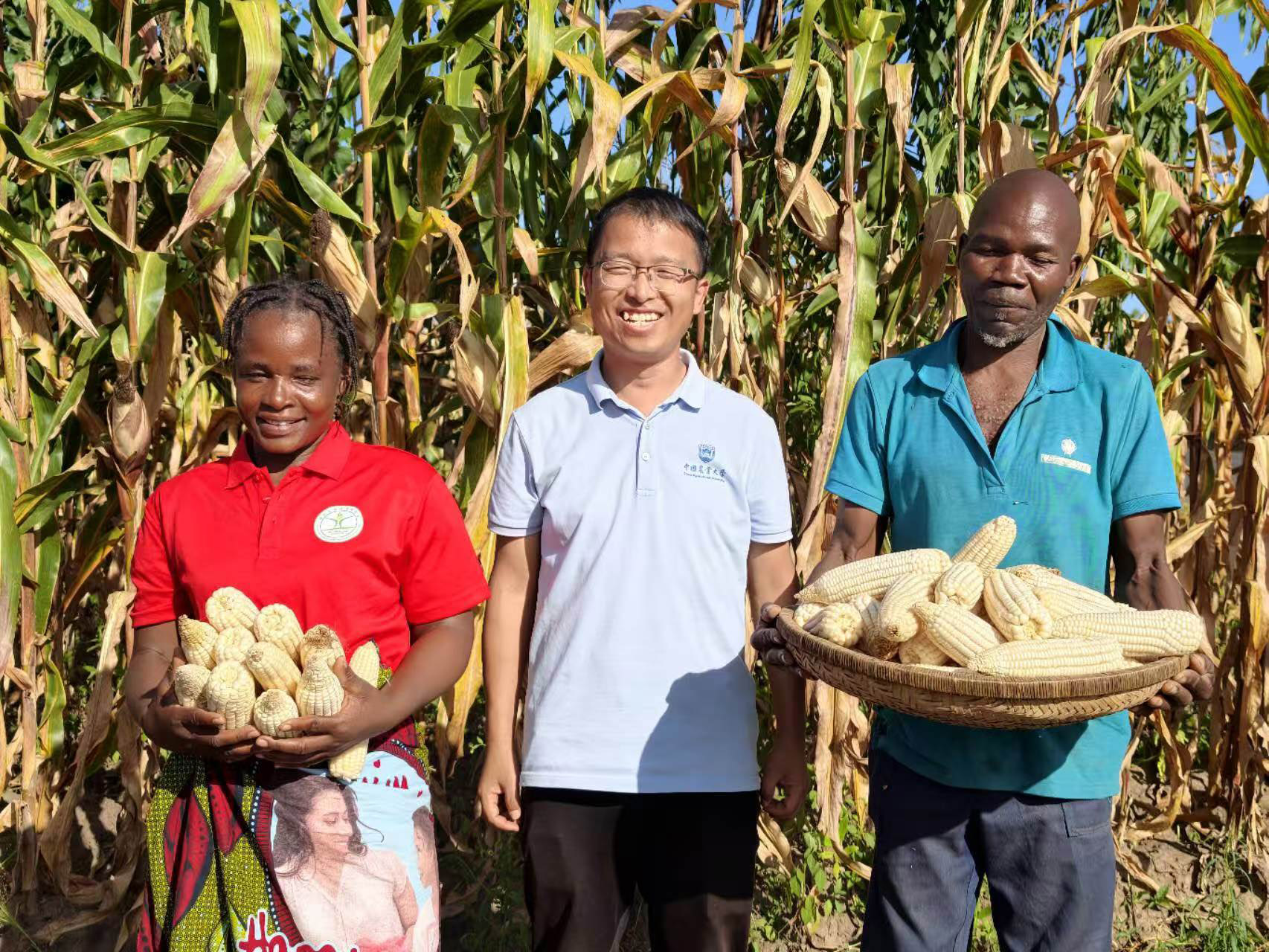
Mofolo came to China in 2021 to pursue a master's degree under the guidance of professor Jiao Xiaoqiang, head of the China-Africa STB program. After graduating in 2024, he continued his research as a doctoral student. He is now back in Malawi, working with smallholder farmers to improve yields and adapt agricultural technologies he learned in China to local conditions.
Working with three STBs in Malawi, Mofolo is helping farmers experiment with techniques including cereal-legume intercropping, improved varieties and more targeted fertilizer use. Rather than simply copy Chinese farming practices, he hopes to determine what best practices can be adapted to Malawi's soil, climate, farming systems and economic realities.
"We are trying to build a Malawian perspective model, not necessarily exactly the way Chinese people are doing it, but cultivating it in a Malawian way that can fit local conditions," Mofolo said.
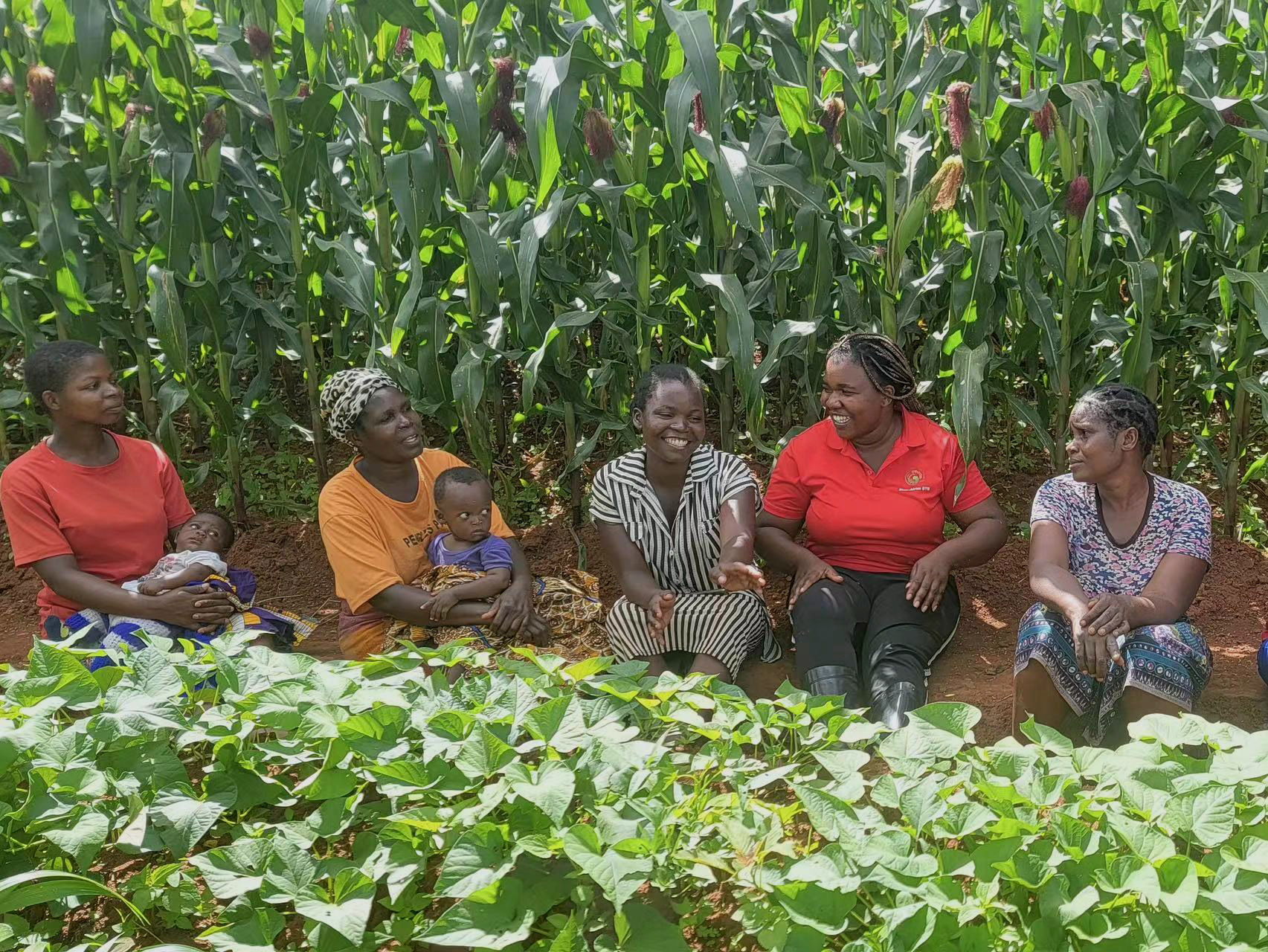
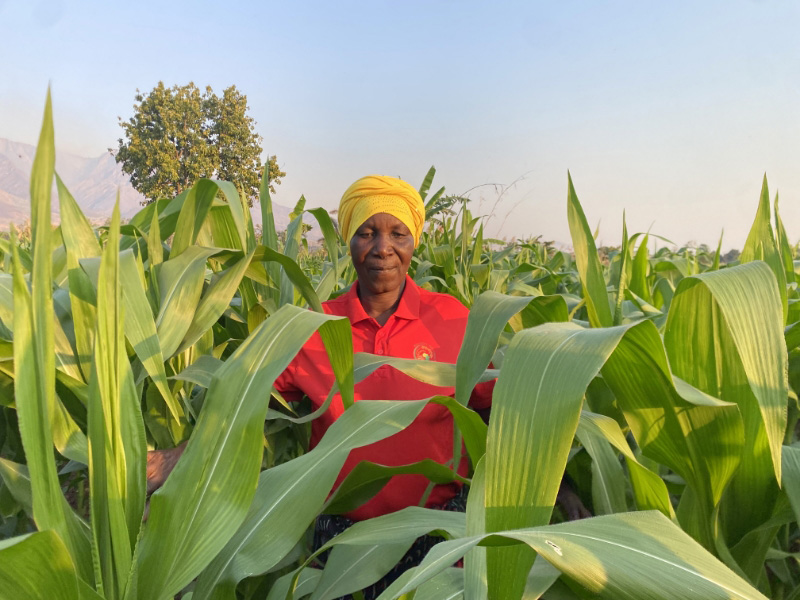
In Kasungu, central Malawi, the approach is already changing the experience of farmers such as Esnart Mwera.
Before joining the program, Mwera said her family struggled to produce enough maize from its small plot. After working with Mofolo and the STB team, farmers learned to adjust ridge spacing and planting practices, among other techniques.
"On a small piece of land, we produced more," she said.
Her family now has more food to eat and can sell part of its harvest to improve its livelihood.
"We don't have hunger in our family," she said. "We use our improved harvest to pay for children's school fees, buying some goats, chickens, so our life has really changed."
The experience shows why food security is closely linked to poverty reduction in rural Africa, said Blessings Susuwele, chief agricultural extension methodologist officer at Malawi's Ministry of Agriculture, Irrigation and Water Development.
"The majority of the people that live in the rural areas derive their livelihood from farming," Susuwele said. "So if they are not food secure, it means their poverty levels are likely to increase."
The STB is a good model, particularly for capacity building, because it can identify gaps in production and food security in rural communities and work directly to address them, Susuwele said.
Education first
The experience in Malawi illustrates the STB model's emphasis on education and long-term capacity building rather than one-way technology transfer.
In July, when fall armyworm threatened maize in Malawi, Mofolo contacted Jiao through WeChat. The pest is one of the most serious threats faced by maize farmers, and Jiao advised him to consider local and mechanical control methods while stressing the importance of timing.
"He has been helpful in quite a number of activities," Mofolo said.
Thousands of kilometers away back in Quzhou county, Jiao stood among rows of corn with African students on a hot summer morning, examining plants and demonstrating the use of a hand-push corn planter suited to ridge spacing commonly used in African farming.
Instead of sitting in a lecture hall or laboratory, the students learn with their hands in the soil, observing plants in experimental fields and discussing how the techniques they were studying might be applied back home.
"Unlike traditional agricultural aid projects, we aim to transfer technology and share China's agricultural experience with countries in the Global South," Jiao said. "The key difference is that the STB model puts capacity building for young people at the center."
Jiao began this work in 2010, when he was a young professor at China Agricultural University. He believed that one of the most effective ways to support agricultural development in the Global South was to train people who could take knowledge home and continue the work themselves.
"Technology is very important for smallholder farmers, but technology alone is not enough. If we want farmers to adopt new technologies, education must come first," he said.
That principle underpins the STB program's "1+1+1" training model.
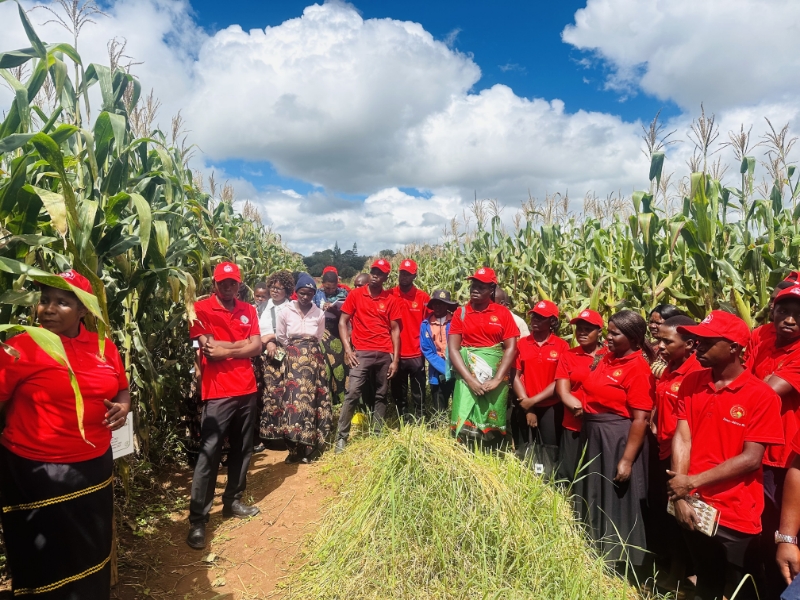
In the first year, students are based in China for practical learning, studying agricultural science while working with professors, fellow students and Chinese farmers. They return to their home countries in the second year to apply what they have learned and tackle local agricultural problems. In the third year, they return to China to complete their master's or doctoral research and receive their degrees.
"During this process, the students benefit, technologies are transferred, farmers become empowered, agricultural production improves, and farmers increase their incomes," Jiao said.
For students participating in the program, the training provides a firsthand look at how agricultural technologies can be adapted to their own countries.
When Jiao demonstrated agricultural equipment in the cornfields, Ethiopian student Mulu Gadissa Gulti was struck by the range of technologies used in Chinese agriculture, from improved seed varieties to mechanization and drones.
Before joining the STB program, she worked for a pesticide company in Ethiopia, where she saw farmers struggle with the safe and effective use of agricultural chemicals.
"Many farmers there do not know how to apply pesticides properly or use protective equipment," she said. "They often mix fertilizers and pesticides without proper safety guidance."
High-quality seeds and inputs can also be difficult and expensive to obtain, while much farm work is still done manually. In Quzhou, she saw harvesting machinery complete work in roughly 10 minutes that might take farmers two or three days to do manually back home.
"That level of efficiency impressed me," she said, adding that she hopes to improve farming technology and promote safer agricultural practices when she returns to Ethiopia.
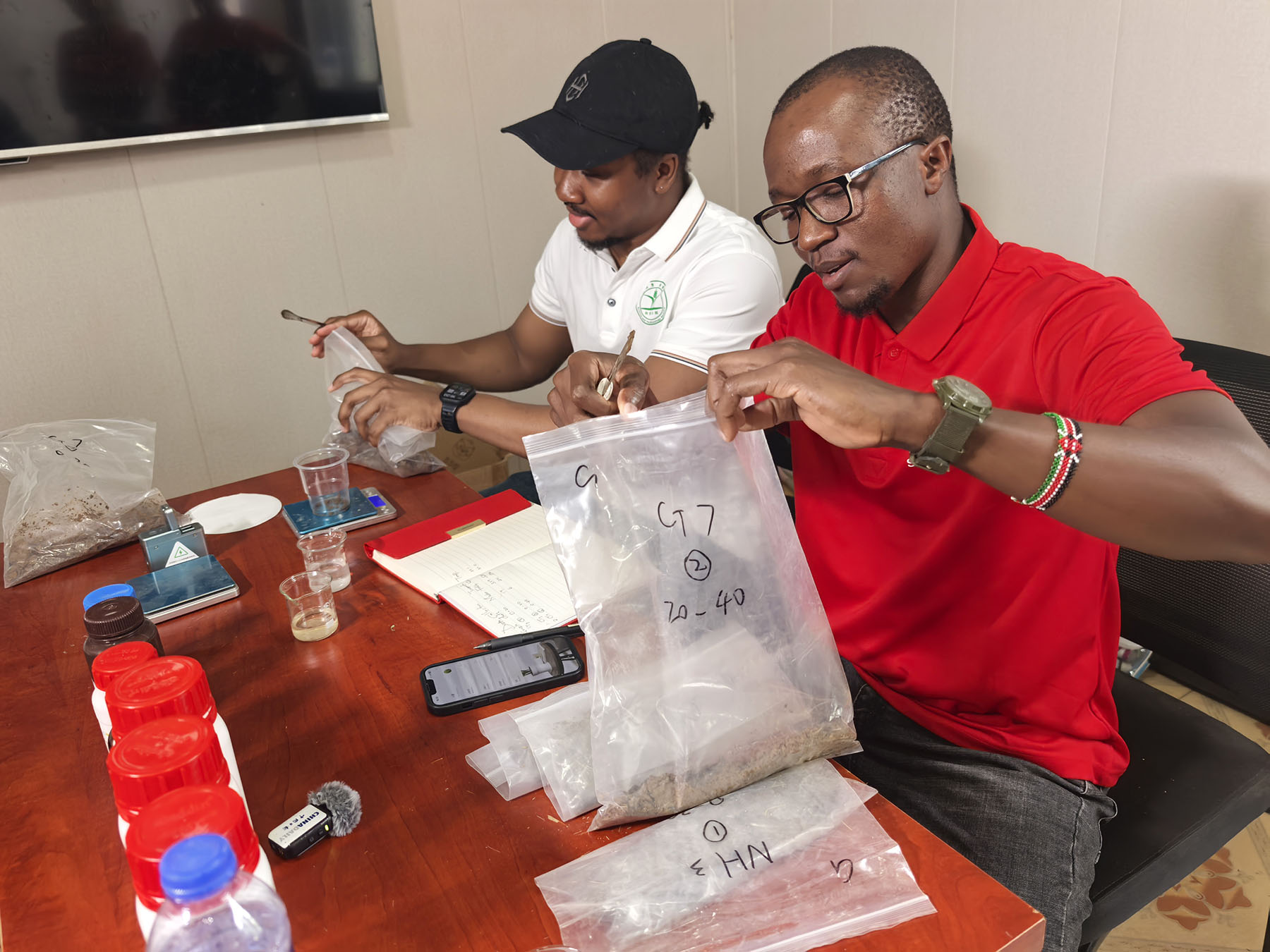
With a background in agricultural economics, Kenyan student Sam Simiyu joined the STB program to strengthen his understanding of agricultural production.
Kenya, like many African countries, faces constraints in agricultural resources and inputs. One challenge faced by farmers in Kenya, he said, is the belief that increasing yields simply requires the application of more chemical fertilizer.
"This program teaches us how to maximize the use of available resources to achieve the greatest benefit," he said.
He is studying integrated soil management, including compost and organic manure. In China, he has seen agricultural by-products from poultry and other farming activities recycled into organic fertilizer rather than being discarded.
That is the knowledge and skills Simiyu plans to apply when he returns to Kenya to help farmers improve productivity and incomes.
After graduation, Simiyu said he hopes to work with farmers in Kenya and eventually across Africa.
"I also hope to collaborate with Chinese manufacturers, especially those producing soil-testing equipment and other agricultural technologies, and help introduce those products to Africa," he said.
Beyond Africa
The overseas expansion of the STB model is increasingly connected with Chinese companies operating in agricultural markets abroad, Zhang said.
A banana company based in Nanning, Guangxi Zhuang autonomous region, has established operations in Laos, where an STB program has brought in researchers and graduate students to help adapt production technologies to local conditions, improve yields and increase returns for farmers.
In other parts of the Global South, the emphasis is shifting from producing more food to generating higher incomes.
"In Southeast Asia, farmers are more focused on increasing income," Jiao said. "There we work with cash crops such as oil palm and rubber, helping farmers improve crop quality, reduce inputs and achieve sustainable development."
The model is designed to remain flexible rather than impose a standardized package of Chinese agricultural practices.
ALSO READ: Planting dreams with soybeans
In Brazil, where family farms face labor and productivity constraints, Chinese and Brazilian agricultural authorities and universities have established STBs in Brasilia and Rio Grande do Norte. Their work includes machinery testing and maintenance, technology promotion and personnel training.
Chinese agricultural machinery is increasingly being used by Brazilian farmers, and the cooperation is expected to raise grain output among smallholder family farms by about 40 percent, according to the project.
The global spread of the STB model seeks to combine Chinese agricultural experience with local knowledge, technologies and talent, experts said.
For Zhang, the ultimate goal is not simply to help farmers produce more, but to enable countries in the Global South to develop their own capacity for agricultural innovation and poverty reduction.
"More importantly, it helps farmers build confidence and stimulates their internal motivation, enabling them to support themselves without relying on others," he said.
Contact the writers at zhaoyimeng@chinadaily.com.cn
