

Trading short visits for longer stays, young travelers are discovering a slower, more immersive way to experience Xinjiang and its communities.
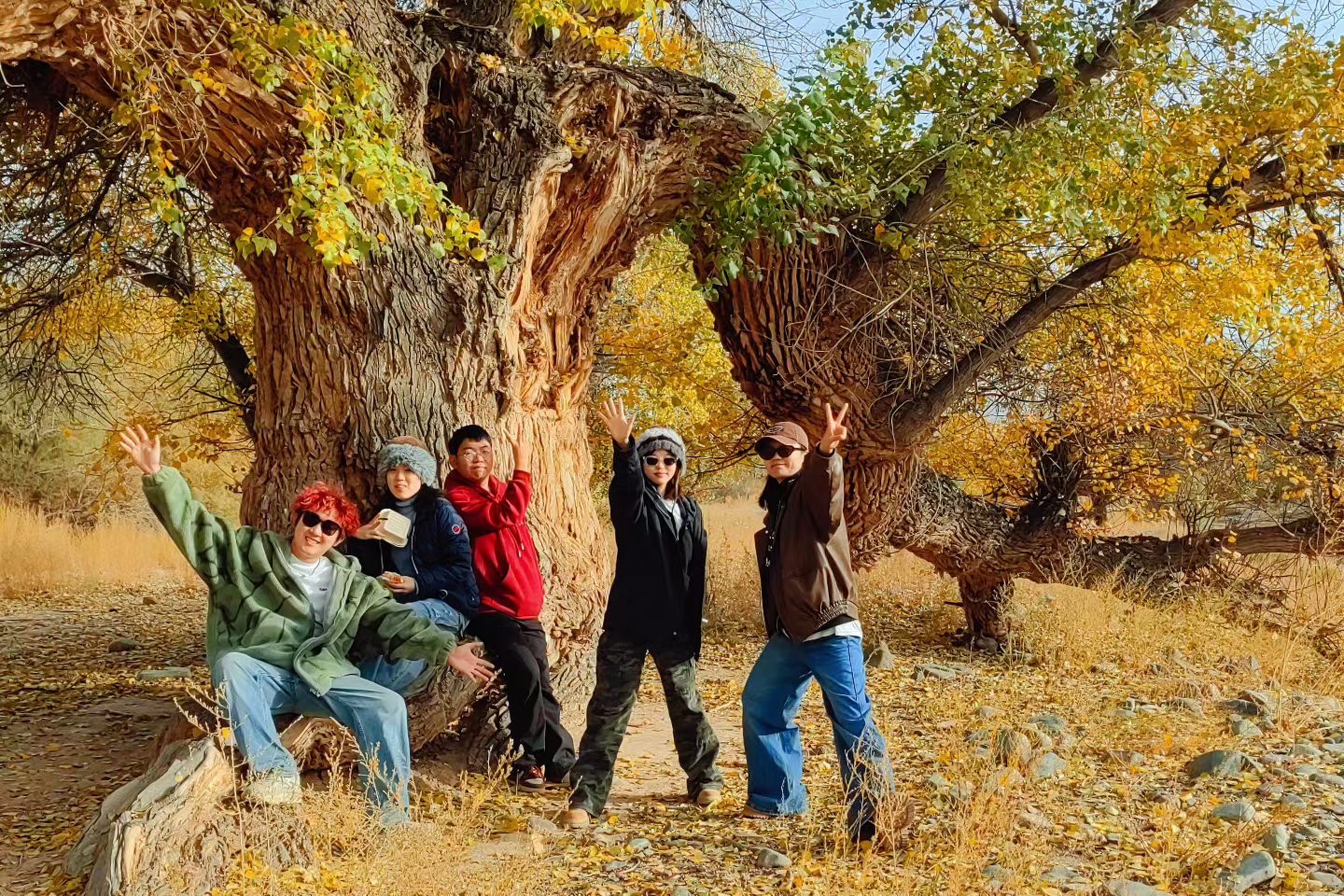
On a tranquil meadow near Qiongkushitai village in Tekes county, Xinjiang Uygur autonomous region, Zhang Zouyuan shared an unexpected moment with a local Kazak boy beneath mountains dotted with yellow wildflowers.
The 9-year-old, with twinkling eyes and a bright smile, invited her to roll on the grass and play soccer. He later brought her to his home and offered her his favorite snacks.
"A pure friendship formed in an instant, through nothing more than an exchange of glances," Zhang recalled. "As an adult, you come to cherish such simple warmth and genuine human connection."
The encounter became one of the highlights of the 25-year-old media blogger's one-year work-exchange stay in Xinjiang.
Travelers typically arrange such stays through online platforms or by contacting guesthouse owners directly, helping with daily operations in return for accommodation and meals.
ALSO READ: The lure of Xinjiang garden spot
For Zhang, the exchange offered more than an affordable way to travel. It allowed her to remain in one place long enough to understand its rhythms and form relationships with the people around her.
A graduate in radio, television, and new media from Fudan University in Shanghai, Zhang decided last year to pause her career after finding that her job left her little time to visit the places she had long wanted to see.
"Work-exchange travel allows me to immerse myself in a destination, take the time to understand the local environment and build genuine connections," she said.
Zhang used her professional experience to manage the guesthouse's accounts on Xiaohongshu and Douyin, helping the business gain more followers. During the peak tourist season, she would welcome guests, help change linens and assist with other daily duties.
She also proposed new activities to enrich guests' experiences. These included visits to herders' homes, demonstrations of traditional carpet weaving, mushroom picking in forests, milking livestock and campfire concerts featuring traditional music.
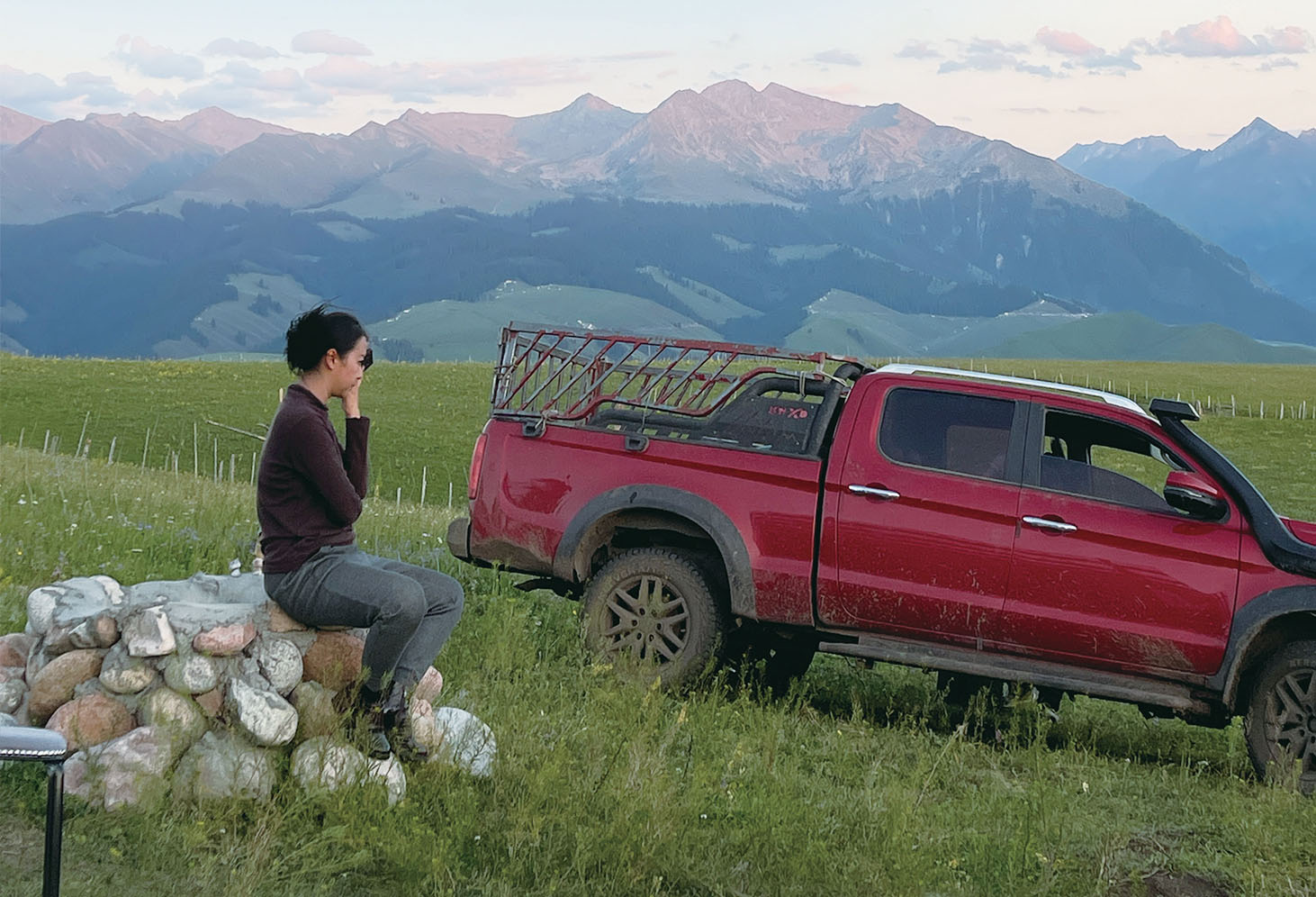
During her stay, Zhang witnessed the area's guesthouse industry expand.
"Guesthouses have sprung up like bamboo shoots after rain," she said. "In our part of the mountain alone, more than a dozen new guesthouses opened within a year."
According to Zhang, many of the properties were operated by entrepreneurs who rented homes from local families. She estimated that such leases could add 100,000 to 200,000 yuan ($13,900 to $27,800) to a household's annual income.
Since Zhang was not following a conventional tour schedule, she had plenty of time to attend Kazak and Uygur celebrations in the community.
At one Kazak wedding, she watched a musician play the dombra, a two-stringed plucked instrument, while members of the host family scattered celebratory sweets and red envelopes over the newlyweds.
"The atmosphere of shared joy was truly unforgettable," she said.
While Zhang was drawn to pastoral life and community traditions, Yan Zhongxuan, 25, left his hometown in Zhejiang province for Xinjiang more than a year ago to gain firsthand insight into its economy and immerse himself in an unfamiliar environment.
"Zhejiang and Xinjiang differ greatly in geography, culture, diet and lifestyle," Yan said. "I wanted to step out of my comfort zone and experience a very different way of life."
Working at a local inn, Yan guided guests on cultural excursions and helped visitors try on traditional Atlas silk garments. Through his interactions with business travelers involved in cross-border commerce, he observed the region's growing economic connections with markets outside Xinjiang.
"Favorable national trade policies and logistics hubs such as Khunjerab Pass on the China-Pakistan Economic Corridor point to considerable potential for Xinjiang to expand cross-border trade," Yan said.
Drawing on his commercial instincts, he collaborated with a local merchant specializing in premium Xinjiang produce. Together, they worked with express delivery companies to market seasonal fruits — particularly melons and grapes during the peak months from July to September — directly to consumers in eastern coastal cities.
Yan said these experiences gave him a view of different facets of Xinjiang's economy, including tourism, cross-border commerce and the sale of local agricultural products to markets elsewhere in the country.
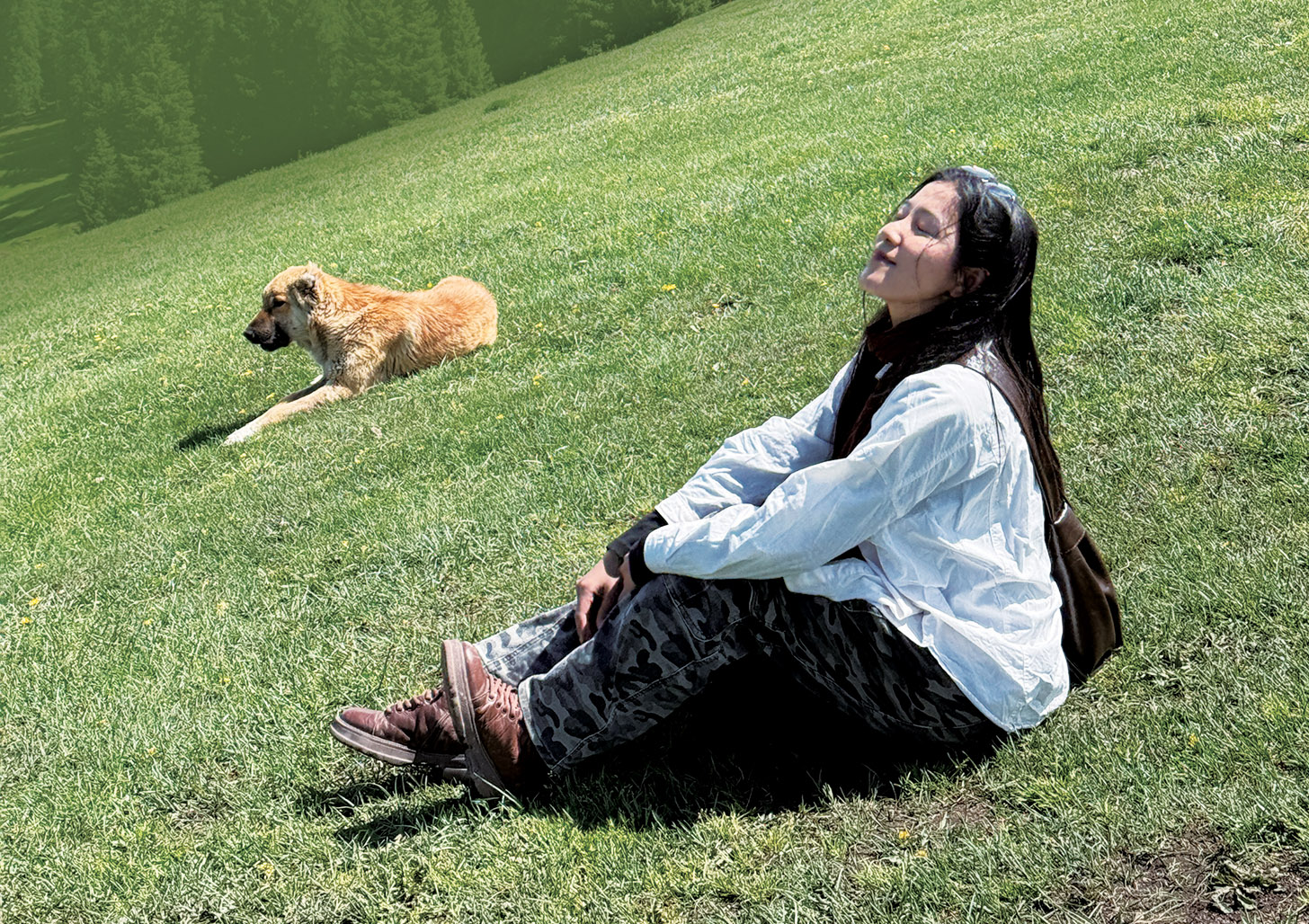
A reality check
Despite its appeal, work-exchange travel requires realistic expectations and careful preparation.
Zhang said the informal nature of some arrangements could lead to excessive workloads or unclear responsibilities. She advised prospective travelers to discuss their duties with hosts in advance and communicate openly throughout their stay.
According to her, such arrangements work best when both travelers and hosts see the relationship as reciprocal rather than simply an exchange of labor for lodging.
Chen Lili, an art instructor from Sichuan province, found that sense of reciprocity during a shorter work-exchange stay in Xinjiang.
Chen helped with daily operations at the guesthouse and painted the surrounding landscapes in her free time. After her host shared photographs of the paintings on social media, a visitor from Beijing bought one of them.
"The experience was built on genuine mutual respect," she said.
"Seeing the host work tirelessly to manage the guesthouse, I wanted to contribute as much as I could. In return, her warmth turned our relationship into a true friendship rather than one between an employer and a temporary worker."
ALSO READ: Therapeutic treasure is lying buried in the dunes of Xinjiang
For Zhang, the months she spent in Xinjiang changed her relationship with time.
"Living here has taught me the value of being present. Instead of rushing through life, I've learned to find inner peace, observe the changing seasons and appreciate the rhythms of daily life," she said.
The experience also gave her greater confidence in making independent choices about her future.
"Working far from home showed me just how vast the world is — and how many paths are open to us," Zhang said.
She now plans to try another work-exchange stay in a completely different environment, perhaps at a surf or scuba-diving shop on a tropical island.
Wherever she goes next, she hopes to travel in the same way: not simply passing through a destination but staying long enough to participate in its everyday life.
Contact the writers at guojiatong@i21st.cn
