

Business owners give visitors downtime from urban lifestyles by creating laid-back spaces amid villages and nature, Wang Xin reports.
To escape from the urban hustle and bustle, large crowds are flooding into green suburban villages in Shanghai's Qingpu district, seeking refreshing natural spaces to enjoy a meal or coffee, zone out, or take a nap.
Among boundless rice fields in the district's Linjia village of Zhujiajiao ancient town, a one-and-a-half-hour drive from downtown, hides the Cangye Space restaurant featuring a luxuriously large area and authentic Italian food cooked in an open-fire kitchen and massive wood-fired oven.
Converted from an old warehouse, the venue blends the village's laid-back spirit and rustic charm. Opened at the end of 2024, it instantly became a trendy hotspot, drawing visitors and diners from the city and nationwide.
READ MORE: Giving historical spaces their own voice
"More than a meal, we hope to offer our diners a lifestyle, or at least, a brief soothing getaway in nature. They can either sit in peace doing nothing in the unspoiled beauty or enjoy the food, coffee, art shows, and activities," says Que Yiming, the restaurant's 61-year-old owner.
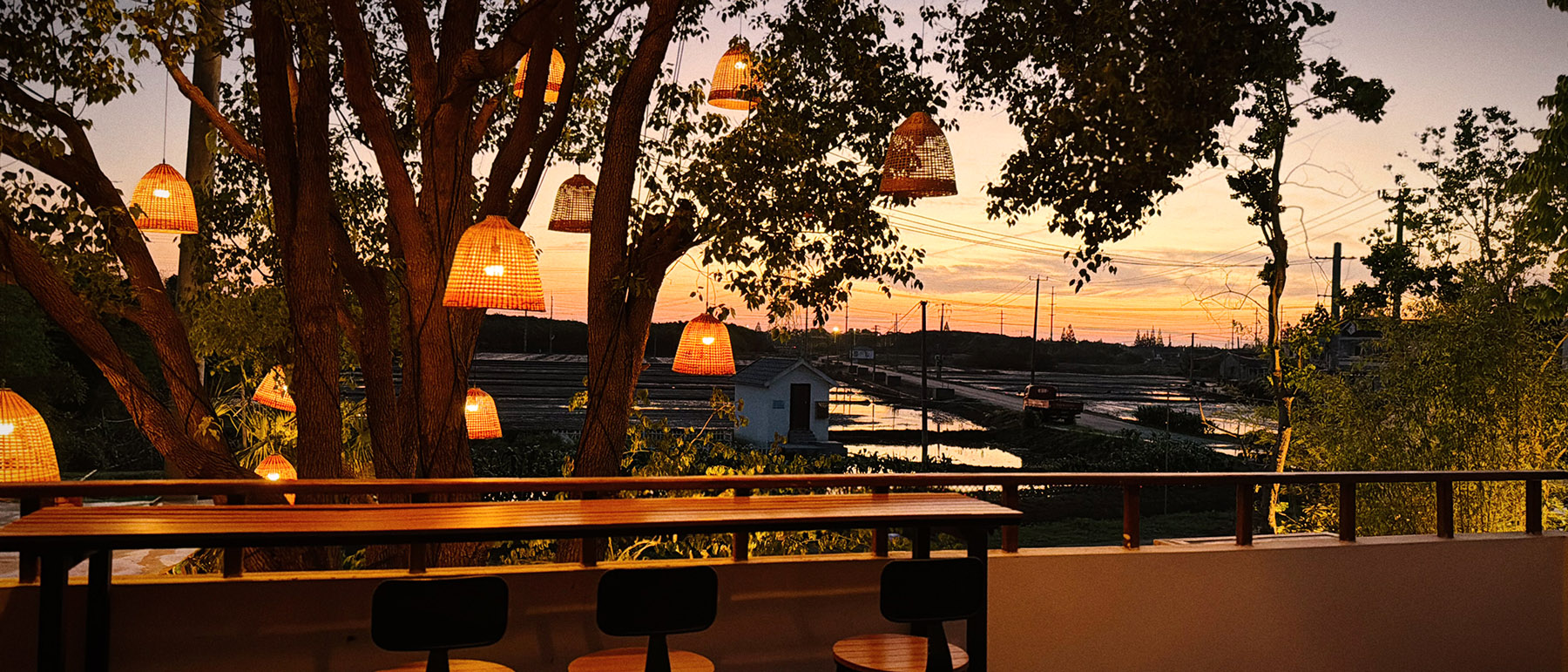
Que is an experienced spatial design artist from the Xinjiang Uygur autonomous region who relocated to Shanghai in 2000. Aiming to create a space that combines spatial aesthetics with commercial functions, he had long been searching for such an ideal rural location. Sticking to a concept of following nature, Que hoped to build a space that feels as if it is grown naturally from the landscape.
Que took charge of the venue's design and renovation work. He particularly highlights the eye-catching wood-fired oven at 300 degrees. As one of the largest ovens in China, it produces handmade bread with a distinct flavor.
The restaurant's 56-year-old Italian chef, who insists on being called Lucky Lasagna, most values the incomparable chance to cook in and with nature — the wind, wood, fire, and smoke.
"Another thing that I really love here is the long common tables. It creates conviviality when everyone escaping from the stress of the city sits together for a good time, sharing food and life experiences. Such moments are a bit lost now, but people are connected here," says the chef with a big smile.
Not far from Cangye Space and among Metasequoia trees in the town's Xuejian village, what draws young crowds to the riverside Ruru Village Cafe is not just a cup of coffee.
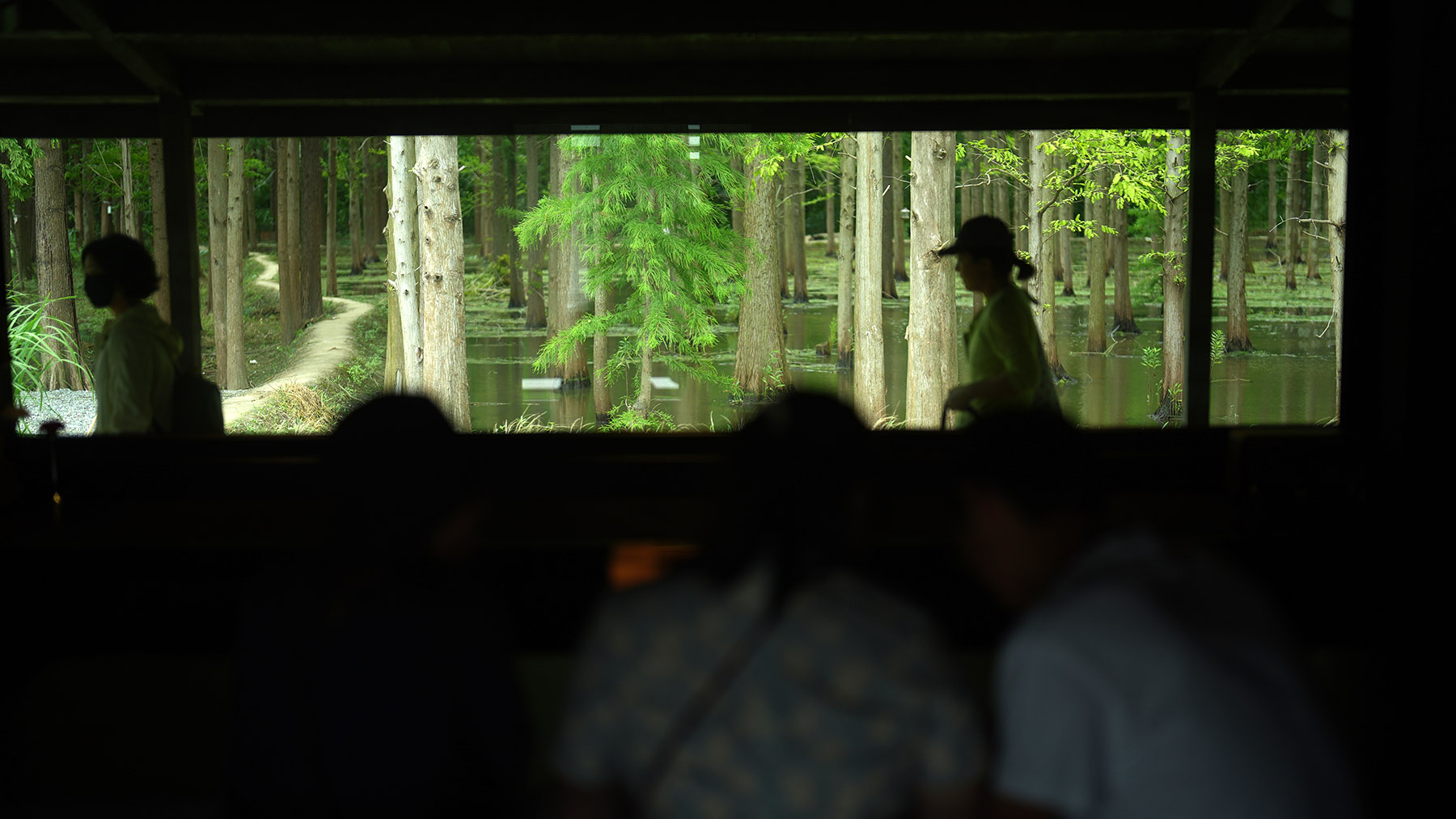
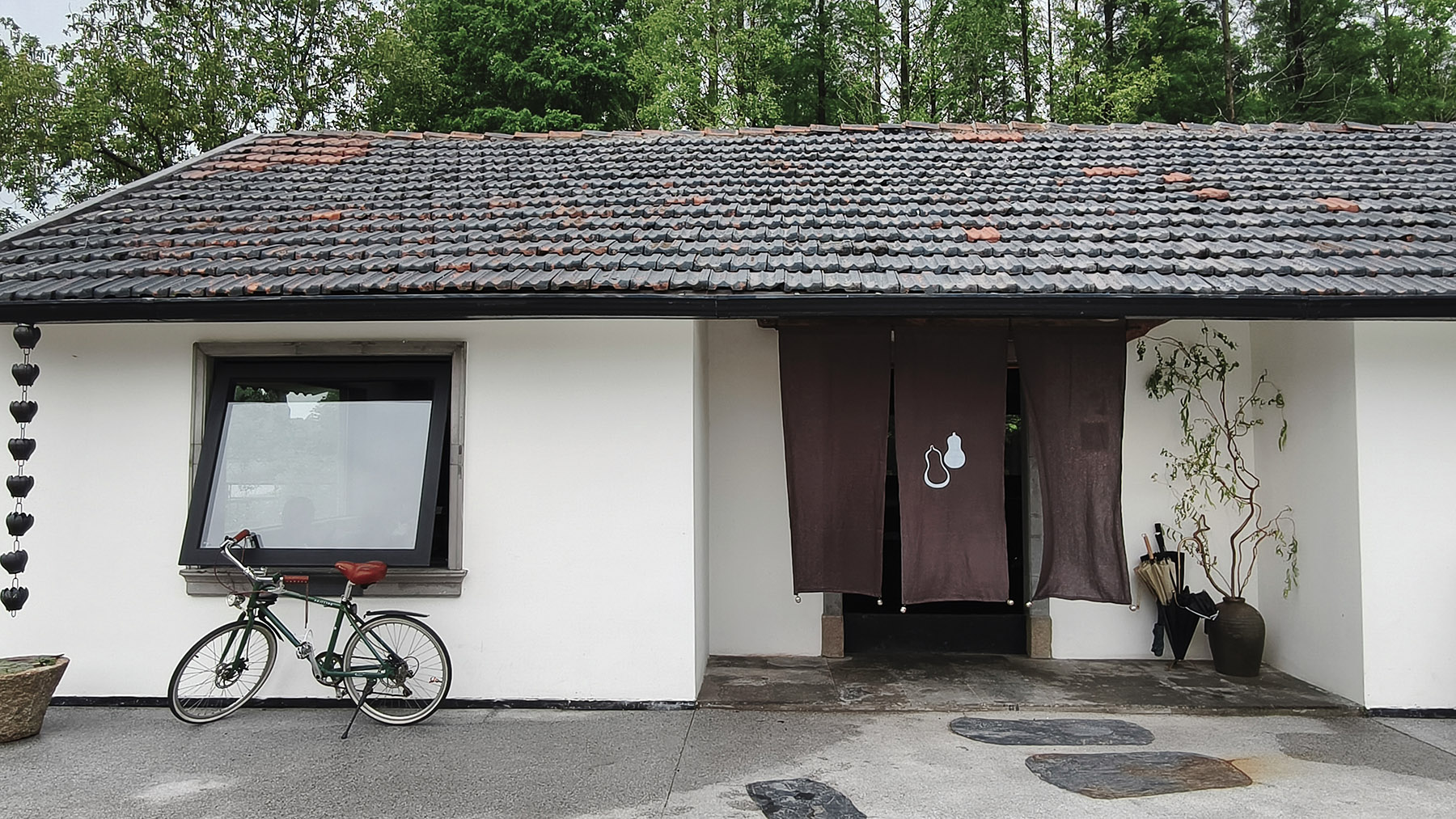
Surrounded by trees, rivers and rural homes, the cafe invites visitors to step into tranquility with a clean, minimalist design. For those sitting inside the cafe, a big square window becomes a picture frame that captures the natural forest view. For those who prefer to sit outside, cozy chairs and the soothing sound of wind chimes in the fresh open air easily help them drift off into a comfortable little nap.
Tang Menglei, the cafe's 37-year-old founder, tells China Daily that she has been living in the village for about four years, but it was not until last July that she felt ready to share this place with more people.
"I see more people nowadays need the energy from natural tranquility and stability, as our life always moves at such a fast, tiring pace. We need the space to slow down for a more mindful way of living and to explore more of our inner selves and the diversity of life," says Tang.
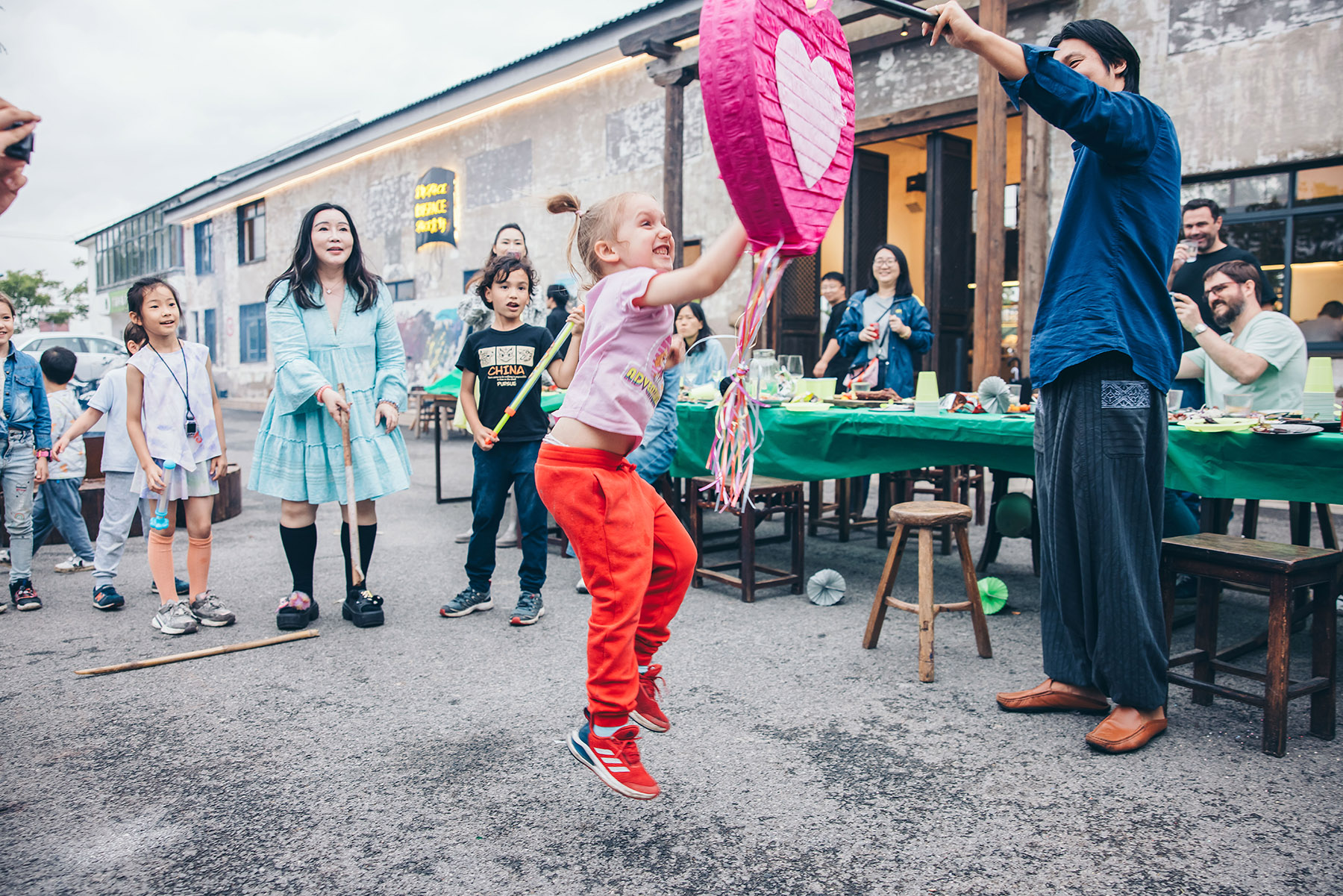
The cafe also went viral on social media platforms after it opened in May. Besides coffee, visitors can experience traditional Chinese culture through tea ceremonies, incense ceremonies, flower arranging, and other activities.
"I hope the space spreads the energy of love to a wider group. Life might be hard, but it can be easier and more meaningful if people come together, help and empower each other, and build a community," Tang adds.
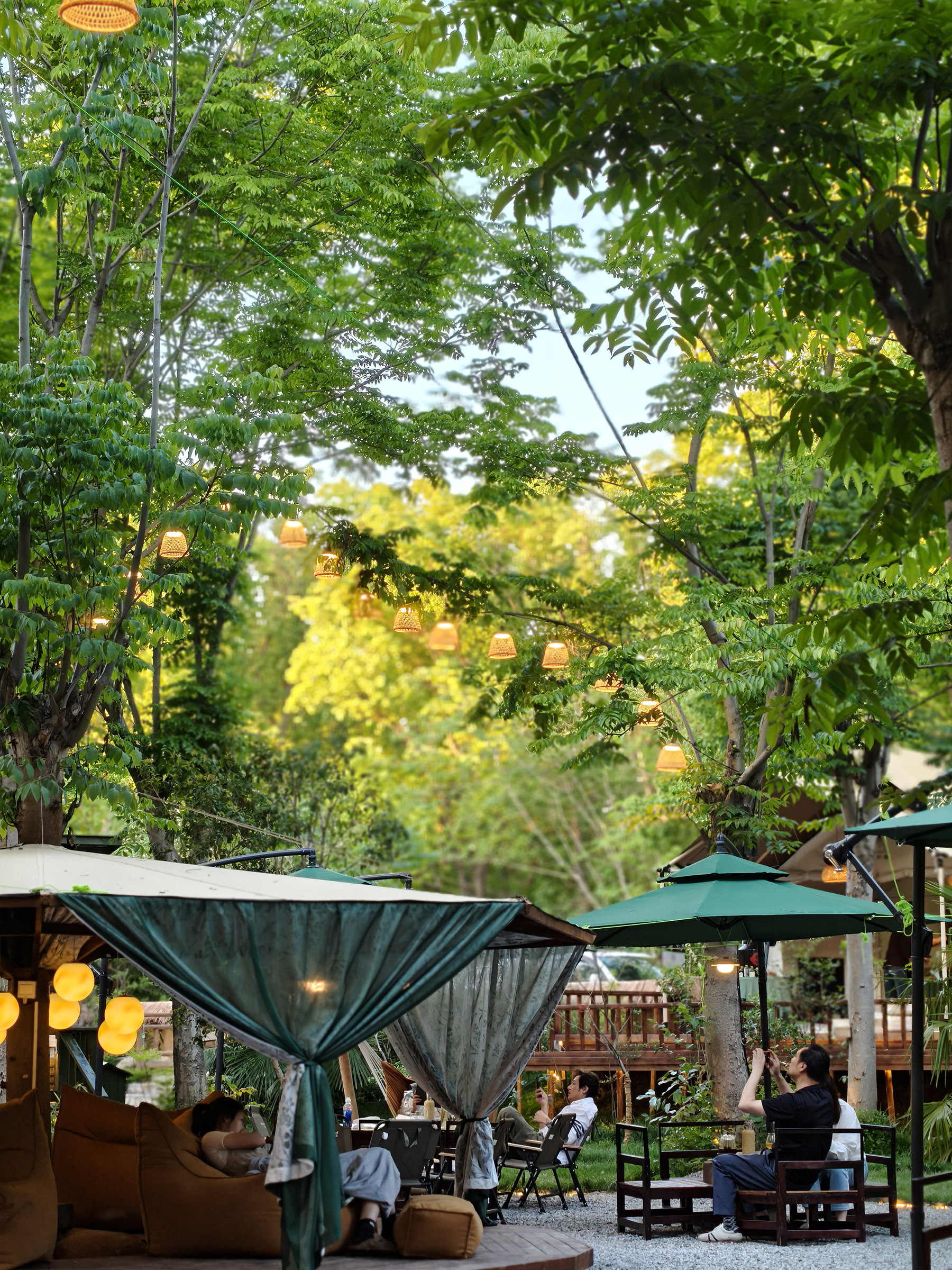
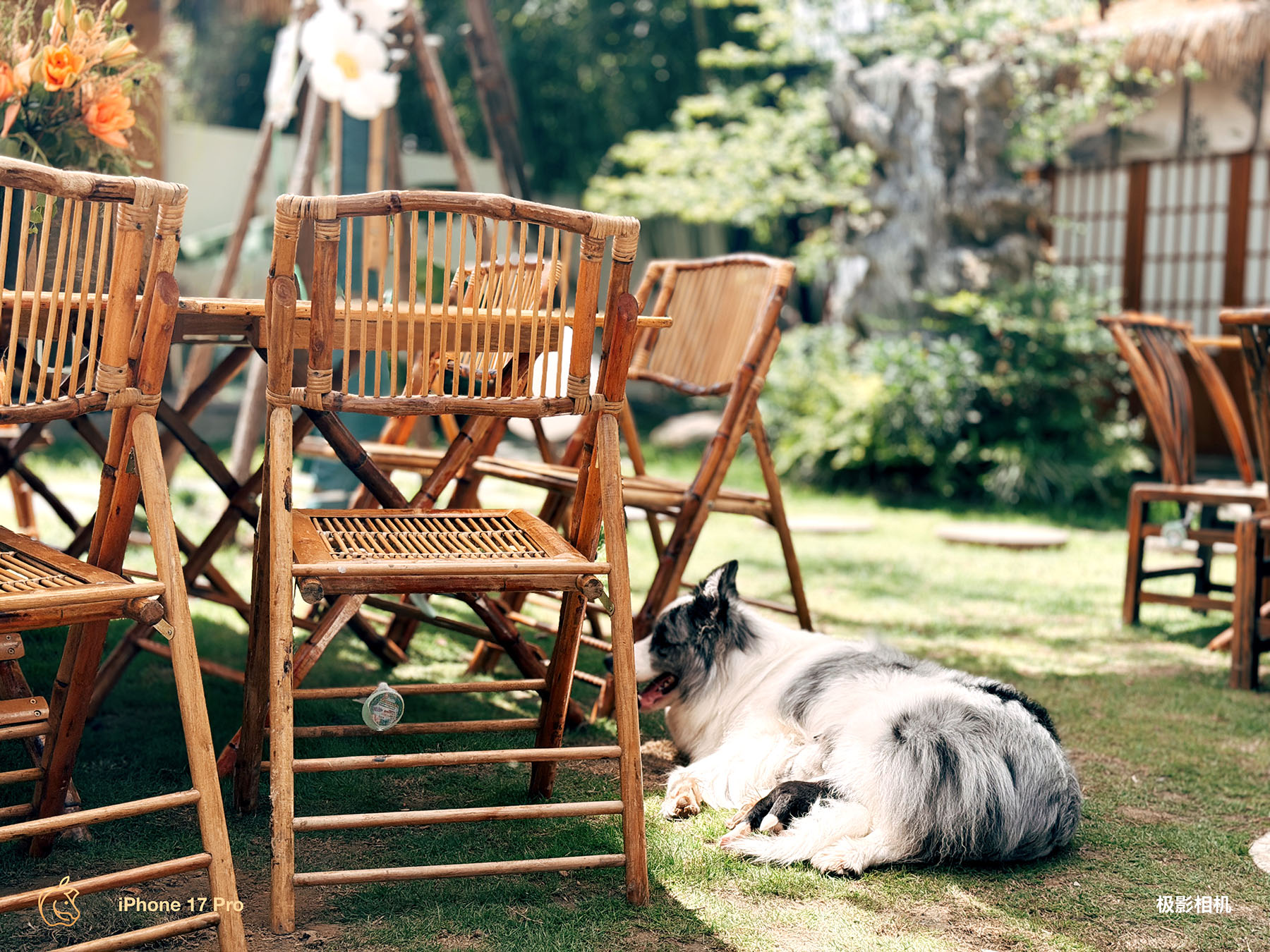
Lamu, founder of the nearby Timber and the Woods bookstore, shares similar sentiments. Opening in June, it features several log cabins with thatched roofs scattered among the trees. Other facilities include a library and a coffee bar. Private rooms are also available. Residents and families from downtown Shanghai and neighboring cities often visit over weekends and holidays, sitting quietly to read, savor coffee, chat, take photos, lie down in beanbags, or sing and dance on the lush green lawns.

Healthy, nutritious and tasty food is another highlight at the bookstore. Lamu says that their cuisine uses organic ingredients and is based on ancient Chinese wisdom and the Huangdi Neijing (The Yellow Emperor's Classic of Medicine), the earliest known book of traditional Chinese medicine that dates back over 2,000 years. Among the various dishes, its signature roast chicken is brushed with a traditional, handcrafted soy sauce glaze and roasted to perfection, presenting a crispy, aromatic skin and tender, juicy meat.
"We want to build a healthy, kind and happy lifestyle and community here. Our staff members are like family, and they treat each other and our customers with the same kindness. Everyone who visits feels the relaxed aura and becomes part of it.
"As they feel connected, they trust, love and return to this place that offers a naturally healthy and positive lifestyle," says Lamu.
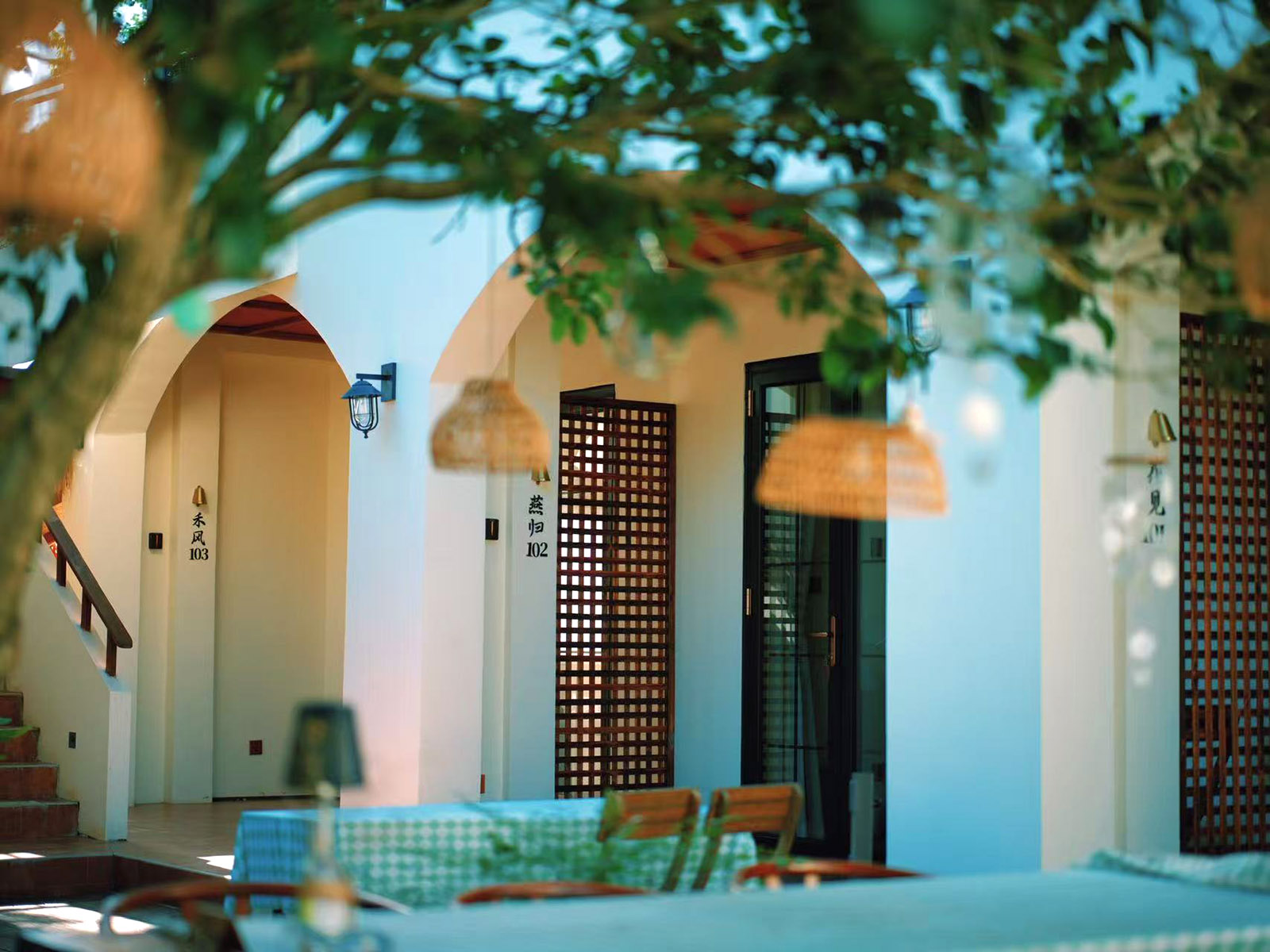
For visitors seeking a place to stay overnight, the village's Xuejian 299 homestay, a five-minute drive from the bookstore and Ruru coffee, aims to offer homelike experiences. Yao Ping, owner of the homestay, tells China Daily that she renovated the building for her own retirement and is glad to extend the same leisure and rural beauty to more people.
Opened in December, the homestay provides much more than delicately designed rooms. It also has a restaurant and bar that serves food and coffee, a fully equipped event space for family or team gatherings, and entertainment and sports facilities.
ALSO READ: Tents find new city sites to attract more campers
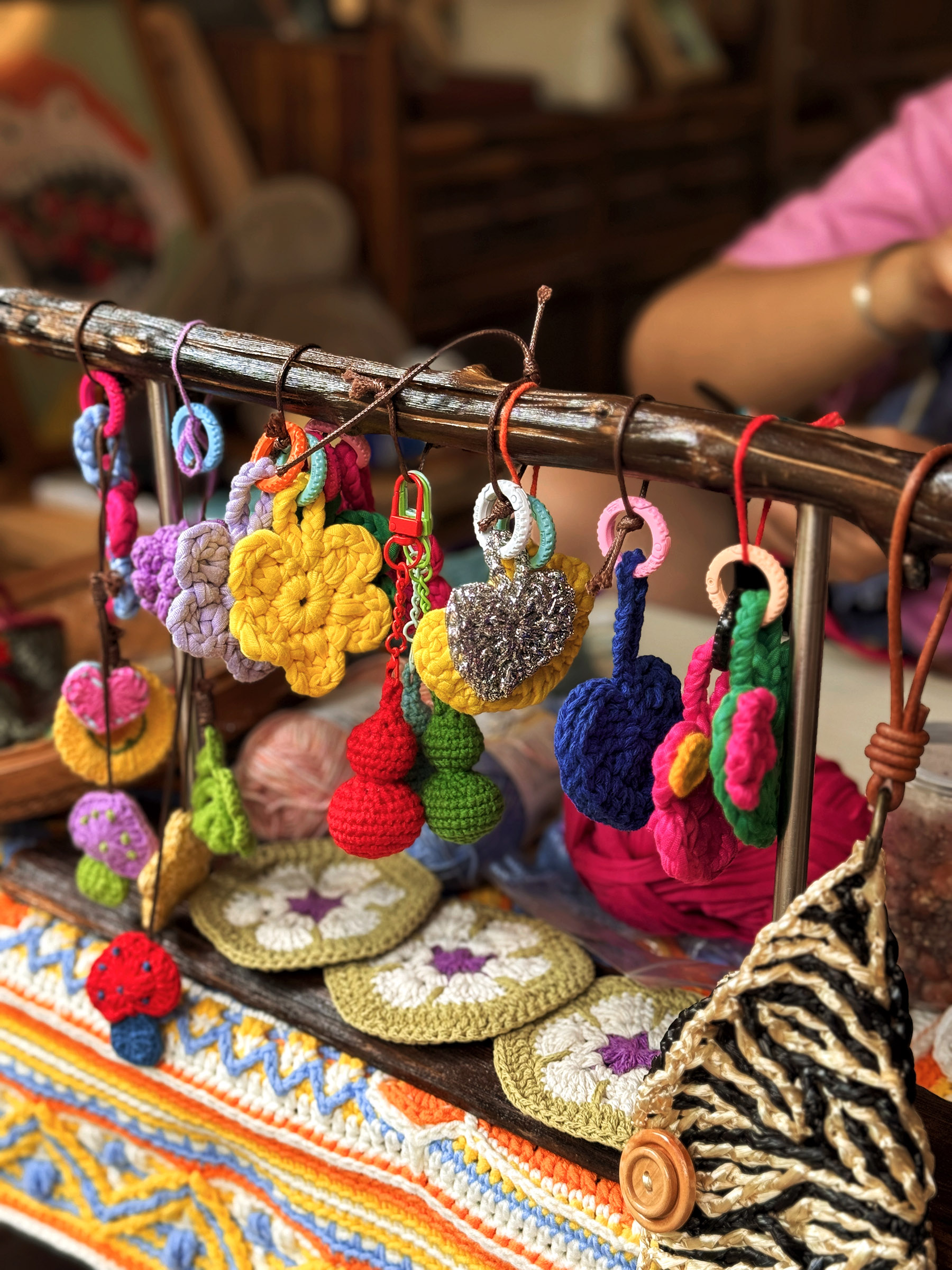
Local artisans are often invited here, leading visitors to do handicrafts and experience local cultural heritage. Kids can play on the swings, row a boat, dig bamboo shoots, or learn about nature. After dusk, open-air movies, candlelight dinners and nighttime parties are always ready to light up the starry sky.
"It feels more like sharing my home and way of life with those who need it, rather than running a business. Our guests often come back and talk to me, and we end up becoming friends.
"This is the life and place that we have all been dreaming of, and such encounters and connections are extremely precious," says Yao contentedly.
Contact the writer at wangxin2@chinadaily.com.cn
