

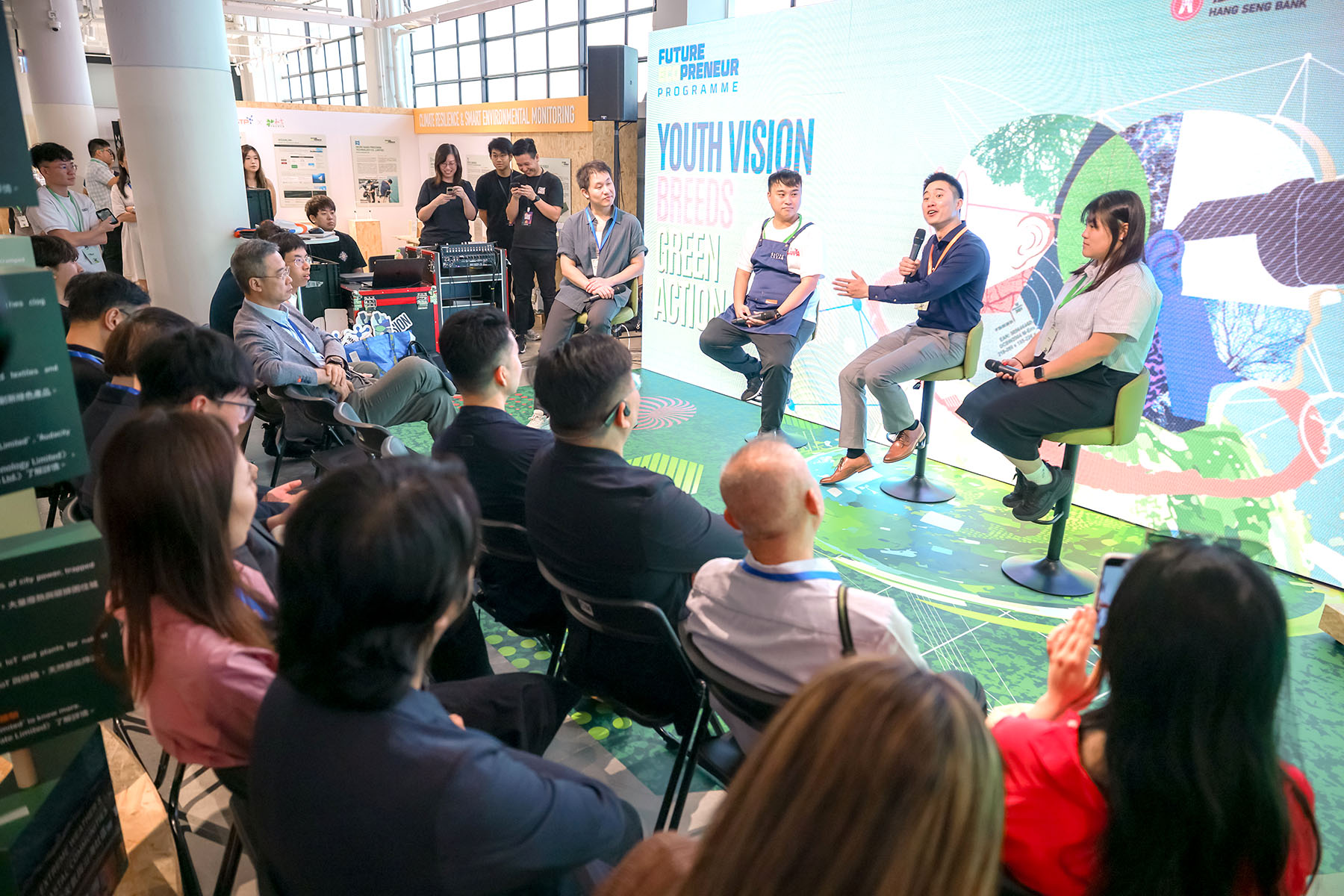
For Hong Kong’s young ecopreneurs, the Future Ecopreneur Programme is more than a competition — it is a launchpad for innovation.
On July 27, 46 teams proved that point at the program’s Demo Day, turning raw ideas into market-ready green solutions. Beyond empowering young innovators, the program also serves as a public engagement platform, hosting interactive activities to boost environmental awareness across generations.
From idea to impact: what the program offers
Co-organized by the Hong Kong Science and Technology Parks Corp (HKSTP) and Wofoo Social Enterprises, and supported by Hang Seng Bank, the program aims to help young people turn their green ideas into concrete projects and viable businesses.
Launched in March 2025, its second edition attracted a cohort of 76 teams submitting green innovation proposals. Eighteen proposals were short-listed for the HKSTP Ideation Programme, while eight teams were chosen for community innovation projects.
Throughout their entrepreneurial journey, the program provided budding ecopreneurs with four core pillars of support: home visits and community research, one-on-one professional advice and industry mentorship, overseas eco-study tours, and seed funding and incubation pathways at the HKSTP.
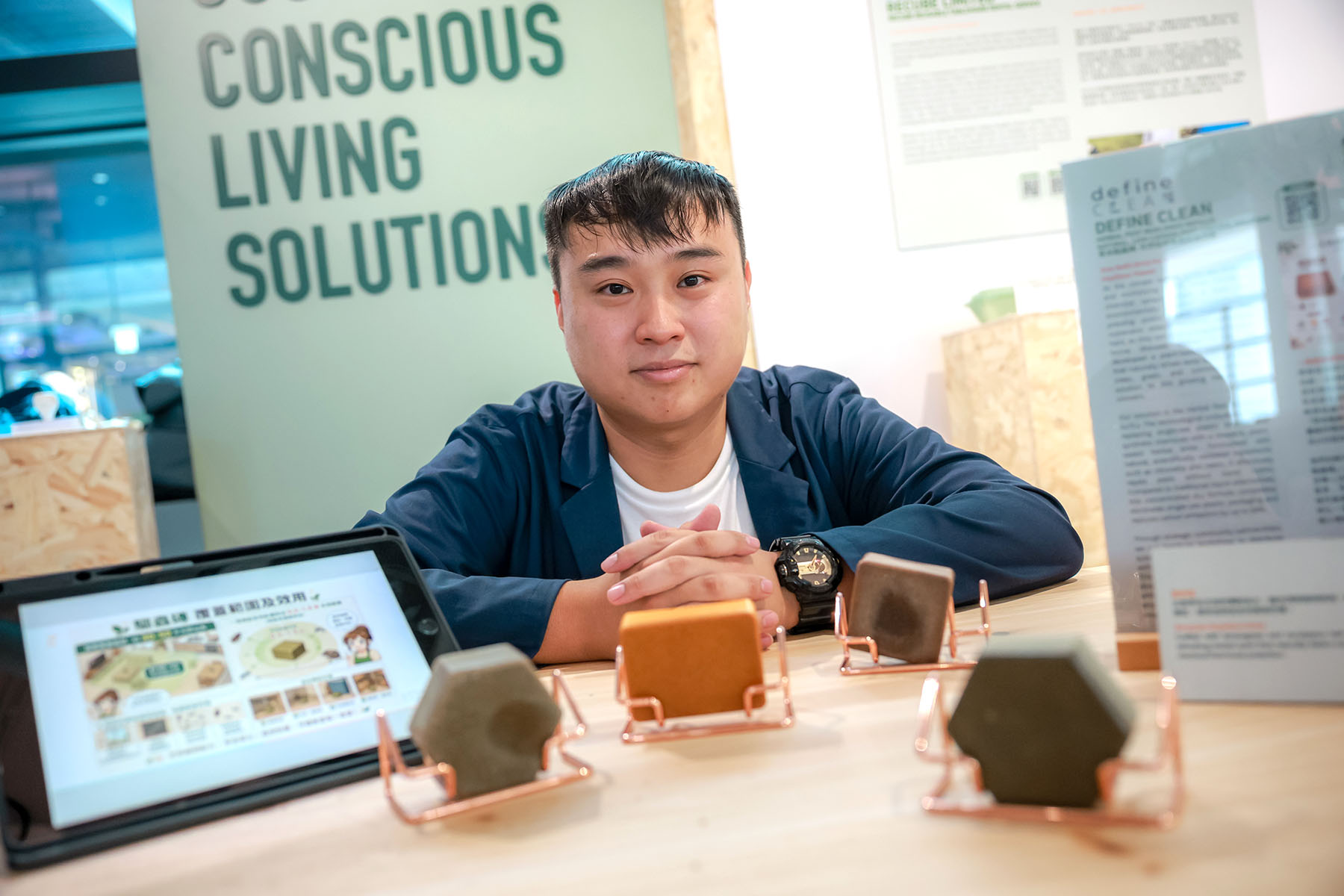
The Grand Award went to define CLEAN, cofounded by Neil Shih, in recognition of the company’s herbal pest resilience refills — low-carbon, all-natural repellent bricks. Backed by the program’s community research guidance and industry matching services, the team shortened its product development cycle by two-thirds.
“We set out to help elderly residents in Hong Kong’s public rental housing resolve pest issues. Through home visits arranged by the Future Ecopreneur Programme, we gained firsthand knowledge of their actual concerns. By identifying their pain points — such as traditional repellents releasing harsh chemical fumes and requiring twice-daily use — we developed this eco-friendly product with a 36-month effective lifespan,” said Shih.
As an incubated green-tech startup at the HKSTP, define CLEAN has previously rolled out cleaning products. “It usually takes our team half a year to develop a product. But with full-cycle backing from the program, covering user research, product development and commercialization, we completed the workflow in just two months,” he said.
At Demo Day, Shih was thrilled to see many attendees pick up the 50-gram lightweight, plastic-free repellent bricks and take a sniff. He explained that the fragrance, which derives from beeswax and herbal extracts, is safe for both people and pets. Weighing far less than conventional pest repellent products on the market, these slim bricks also reduce transportation-related carbon emissions.
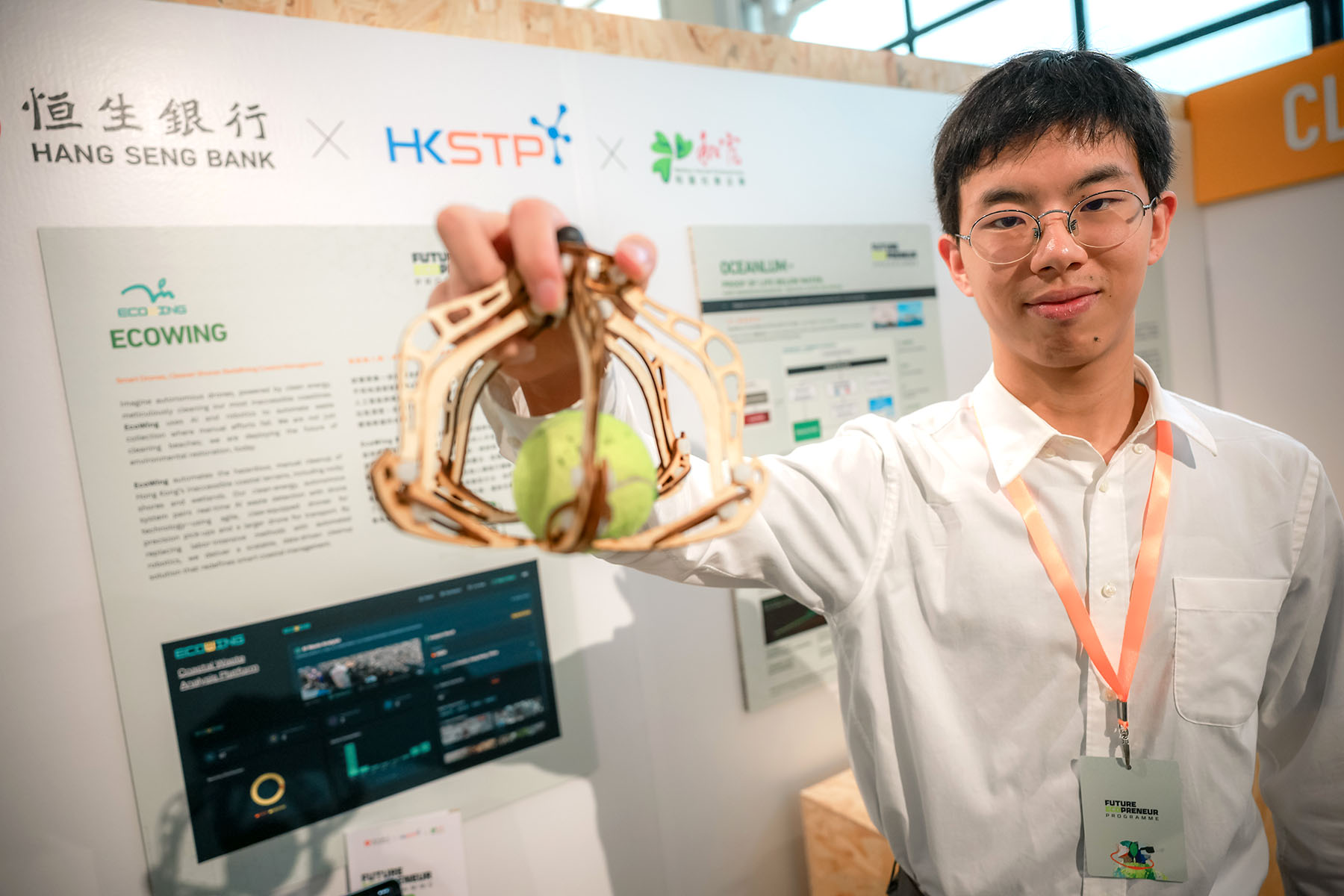
Wu Tianyue, a fresh graduate from Hong Kong University of Science and Technology, teamed up with his peers to develop a mobile system for detecting and clearing accumulated coastal solid waste, and their project received the Social Impact Award. Drawing on takeaways from the program’s overseas eco-study tour and guidance from its industry advisors, the team overcame challenges in product positioning and refined its early concept into a viable project.
The idea popped into the team’s heads when they discovered that existing automated cleaning solutions only operate on sandy beaches, whereas hard-to-reach coastal terrain, including wetlands and rocky shores, still relies on manual collection.
“EcoWing deploys autonomous drones equipped with cameras to scan coastal areas for waste, while an artificial intelligence analysis platform accurately pinpoints its locations. Building on this detection capability, we intend to install a robotic claw to collect waste in real time,” said Wu.
“We only had a vague idea before joining the program, yet we have achieved far beyond expectations. A series of workshops, especially an eco-study tour to the Netherlands where we drew inspiration from local waste collection and recycling practices, helped us form our project framework. The program also brought together many innovative teams, fostering a creative atmosphere that pushed us to continuously refine our product,” Wu said.
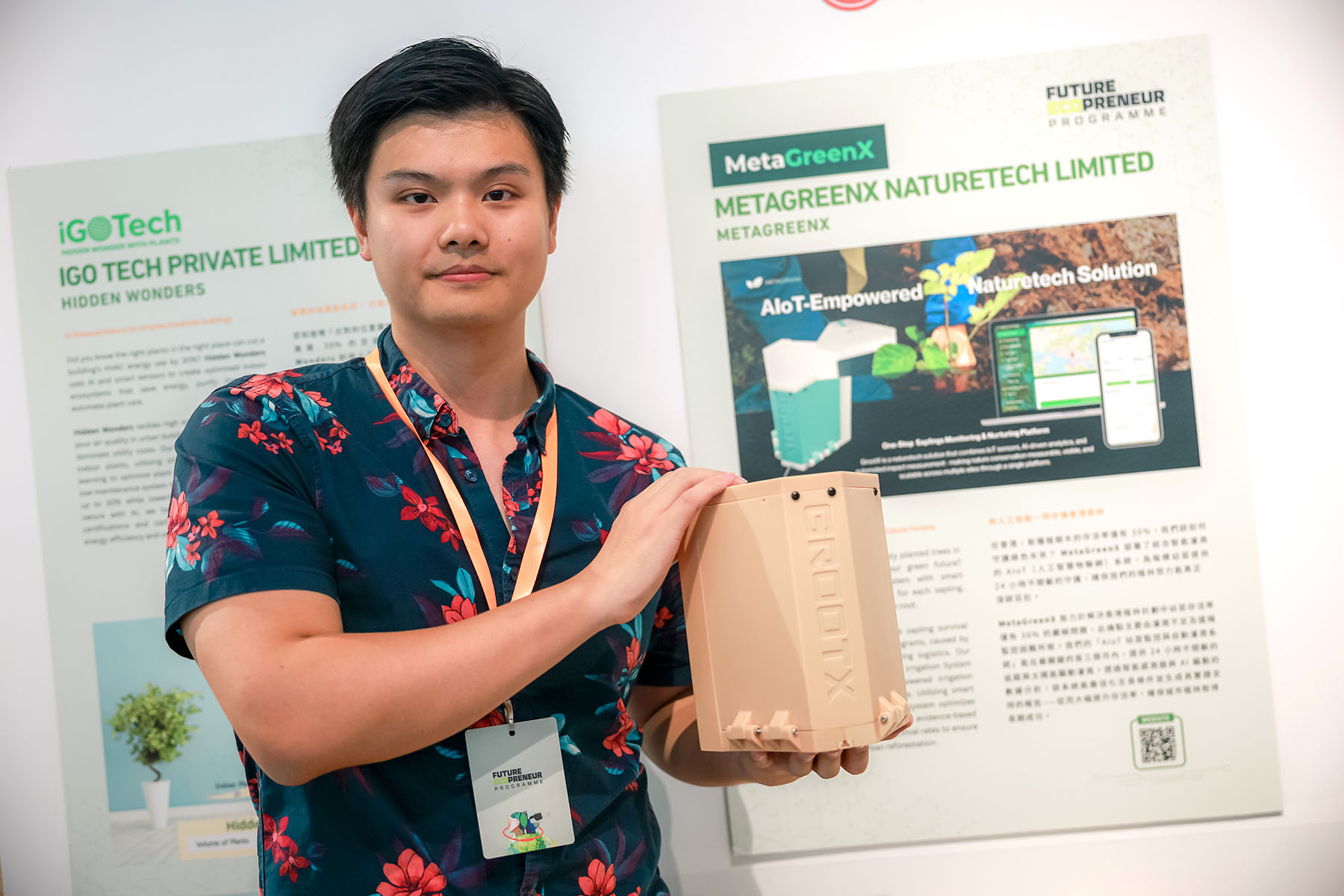
Another team — MetaGreenX — focused on how to raise sapling survival rates by developing a data collection device to monitor soil conditions in remote woodlands.
One of the most notable gains for the team from the program was securing seed funding and unlocking further opportunities through the HKSTP’s incubation pathways.
Named GrootX, this solution integrates internet-of-things sensors, AI data analytics and solar-powered irrigation modules. It has been rolled out on Hong Kong’s outlying islands including Lamma Island and Peng Chau. Leveraging its weatherproof and typhoon-resistant design, GrootX has operated stably for over a year, collecting extensive environmental data, according to Wang Pak-hin, co-founder of MetaGreenX.
“Thanks to the seed funding awarded under the program, we were able to produce hardware molds and build our digital platform. The program also helped us advance to the incubation stage at the HKSTP. We will be based at the HKSTP for the next three years to keep developing this solution,” said Wang.
Engaging the public to boost environmental awareness
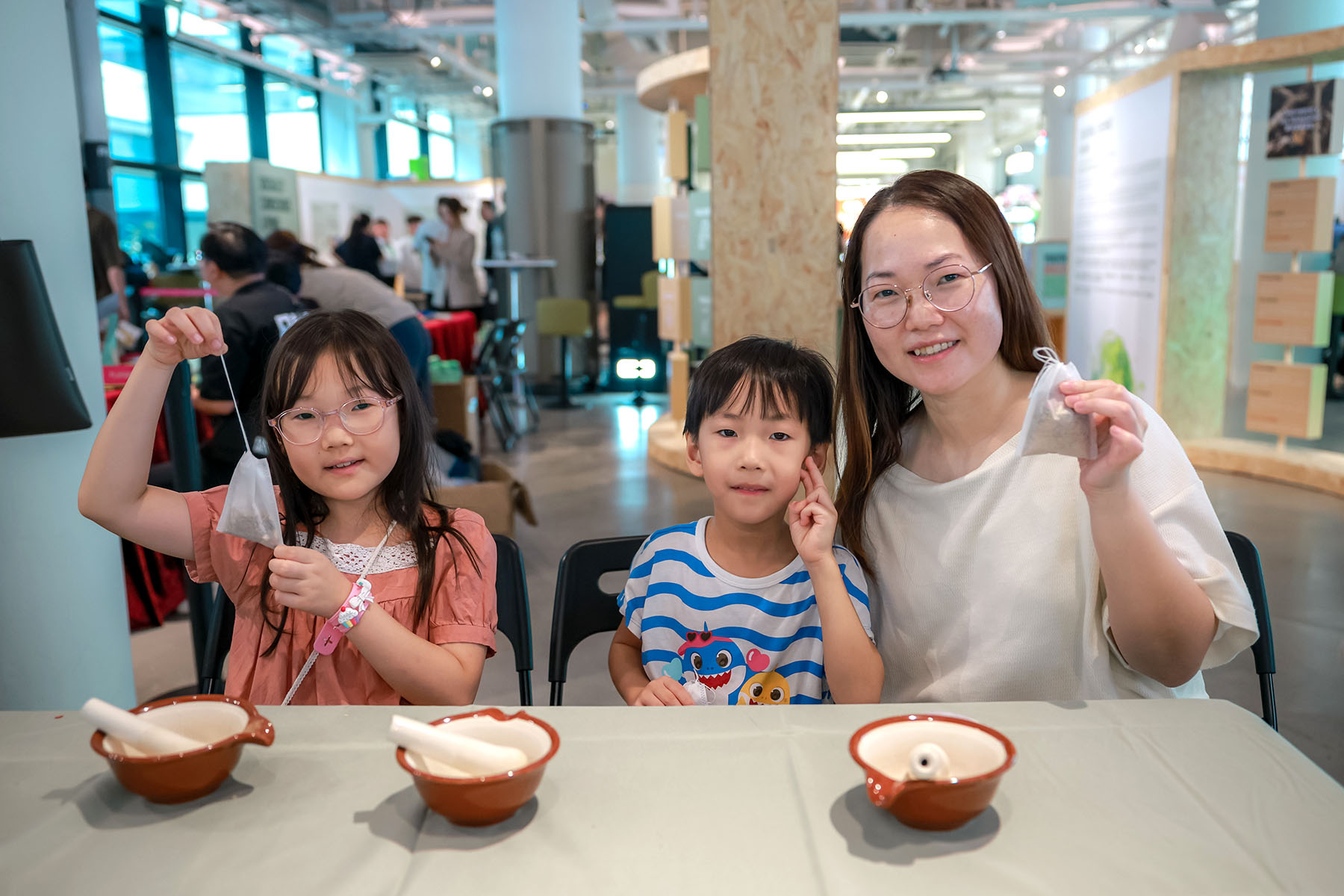
At Demo Day, the Future Ecopreneur Programme hosted an AI photo booth and eco DIY workshops on-site to catalyze wider public engagement, opening new ways for participation in sustainable actions.
Many families joined workshops to craft eco-friendly bath bombs and scented sachets, strengthening connections with nature and encouraging green lifestyles through collective involvement.
Waverly Yeung, who brought her three-year-old daughter Amber to the workshops, said: “The program helps raise sustainability awareness across all age groups. By handling natural materials at the workshops and viewing eco-themed exhibits, my daughter has developed tangible environmental consciousness. I rarely have the opportunity to examine startup projects up close, so it was also meaningful for me to engage with the young innovators and learn about their latest green products.”
The program also fostered public discussion on environmental challenges and viable solutions, ranging from community livelihood initiatives and smart environmental monitoring to the circular economy.
“The program was vibrant and featured creative interactive formats. I loved the AI photo booth experience and was struck by youth-led sustainability displays. Conversations with young innovators and other visitors shifted my mindset from worrying about environmental issues and climate change to building the resolve to take action in daily life,” remarked visitor Liu Xin, who dropped by Demo Day during a sightseeing tour.
The 46 projects on show are living proof that green entrepreneurship is within reach for any young person in Hong Kong with a passion for sustainability. The program is calling on students, professionals, and families alike to join the movement — whether as founders, mentors, or simply as conscious citizens.
Innovation & Technology Special
