

Now that art therapy is widely accepted as an effective form of treatment in Hong Kong, the city needs more qualified professionals specializing in the field, writes Faye Bradley.
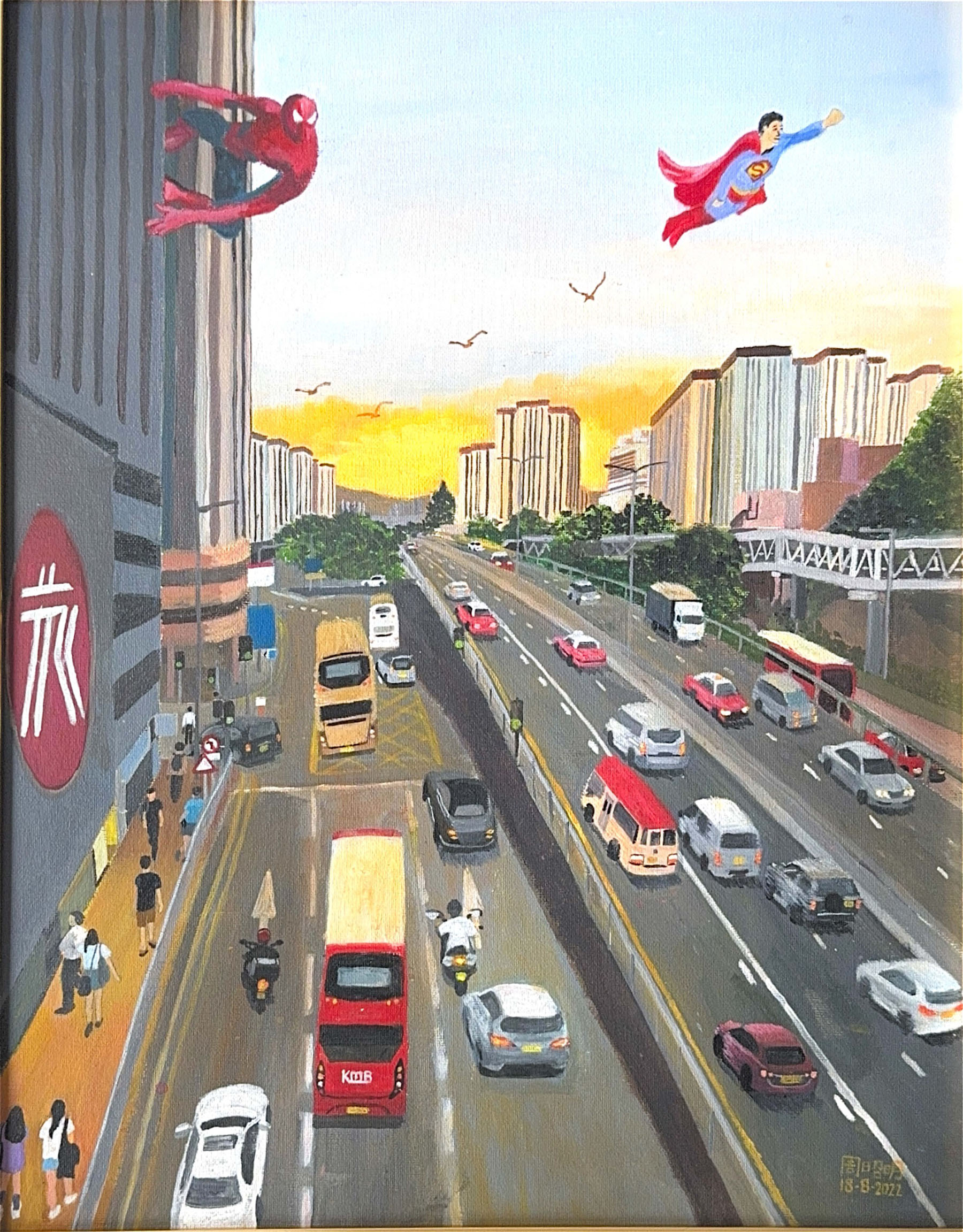
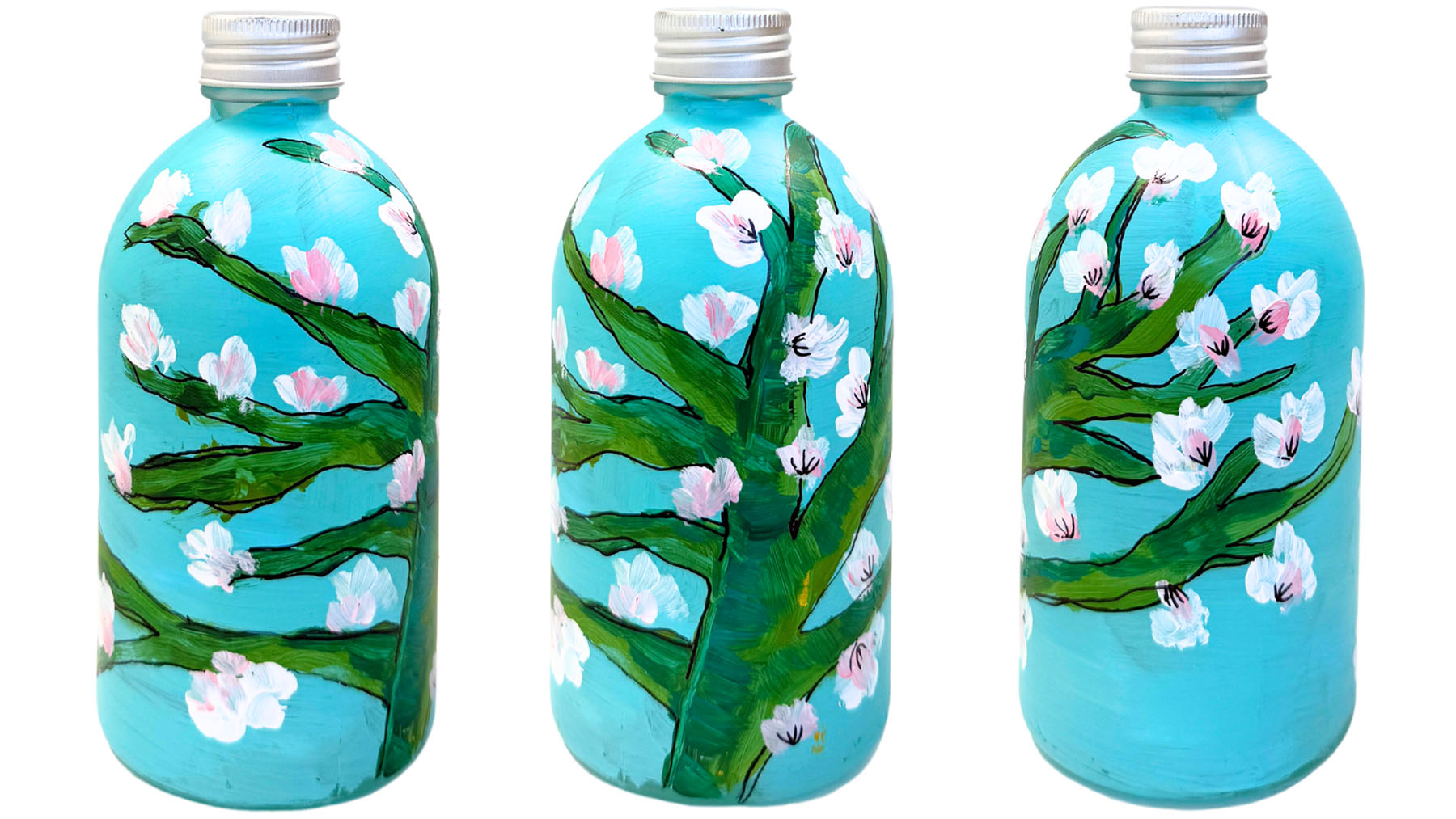
The image of a black cat with the words “You are special” painted on the background. A Picasso-style fragmented face. A painting showing Hong Kong’s Mei Foo district with superheroes Spider-Man and Superman jetting across the skyline. Van Gogh’s Almond Blossoms reproduced on recycled glass bottles.
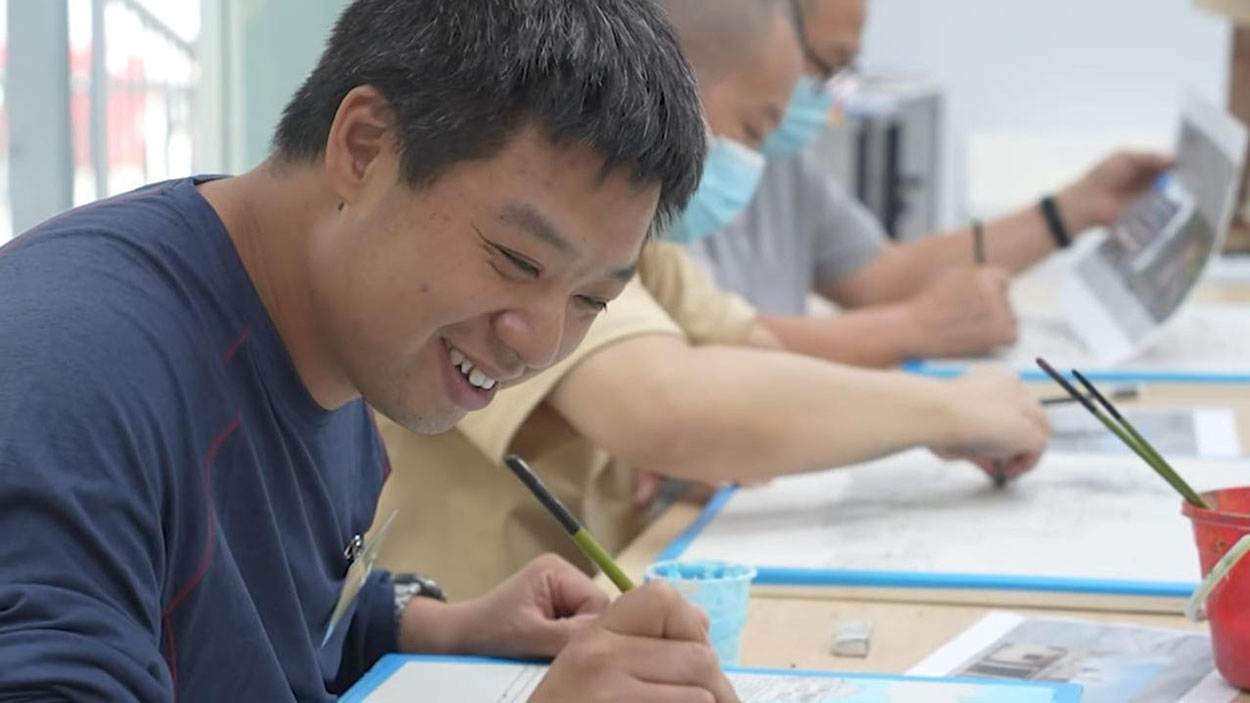
These are some of the works featured in the recently held Inner Visions•Unbounded, an exhibition co-hosted by the Sun Museum Cafe and Shop and Hong Chi Association — an organization that offers education and training to people with intellectual disabilities. Many of the exhibition’s 30 artists, aged 10 to 64, are served by the association’s 11 units in Hong Kong.
An exploratory — and sometimes collaborative — approach to making art was apparent in the exhibition. While the artists featured were vastly different from each other in terms of age, medium of art, and style, the common factor was that all of them had serious illnesses to contend with and yet managed to express themselves creatively.
READ MORE: Of art and empathy
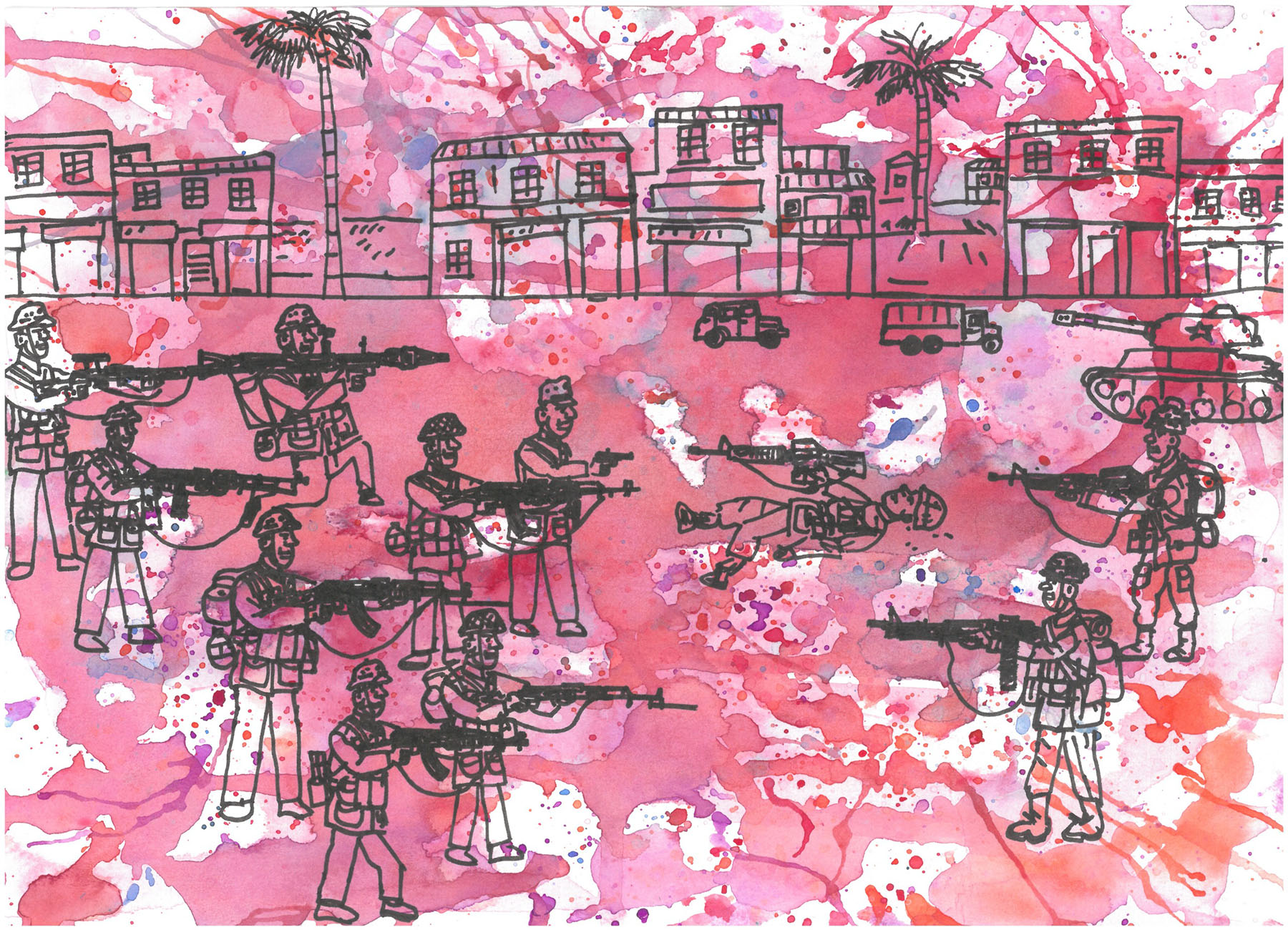
For instance, Red War, a watercolor by Chau Ka-ching, shows how art can fill the gap when verbal communication fails. “Engaging in the creative process and sharing his artwork with others has strengthened Chau’s ability to focus,” says Lee Sam-yuk, a senior training instructor at the Hong Chi District Support Center (North District).
Finding one’s artistic voice
Founded in 1965, Hong Chi Association has served over 9,800 individuals with intellectual disabilities and their families so far. However, in the Inner Visions•Unbounded exhibition, participants were positioned not as recipients of care, but as practicing artists.
“While not everyone discovers artistic talent right away, for many of them, skills develop gradually through consistent training, practice, and experience,” says the association’s General Secretary Zuie Lin.
“Through continuous art-related training and guidance from instructors, artists with intellectual disabilities are encouraged not only to develop their artistic skills but also to build confidence and discover their own ways of expression,” she says.
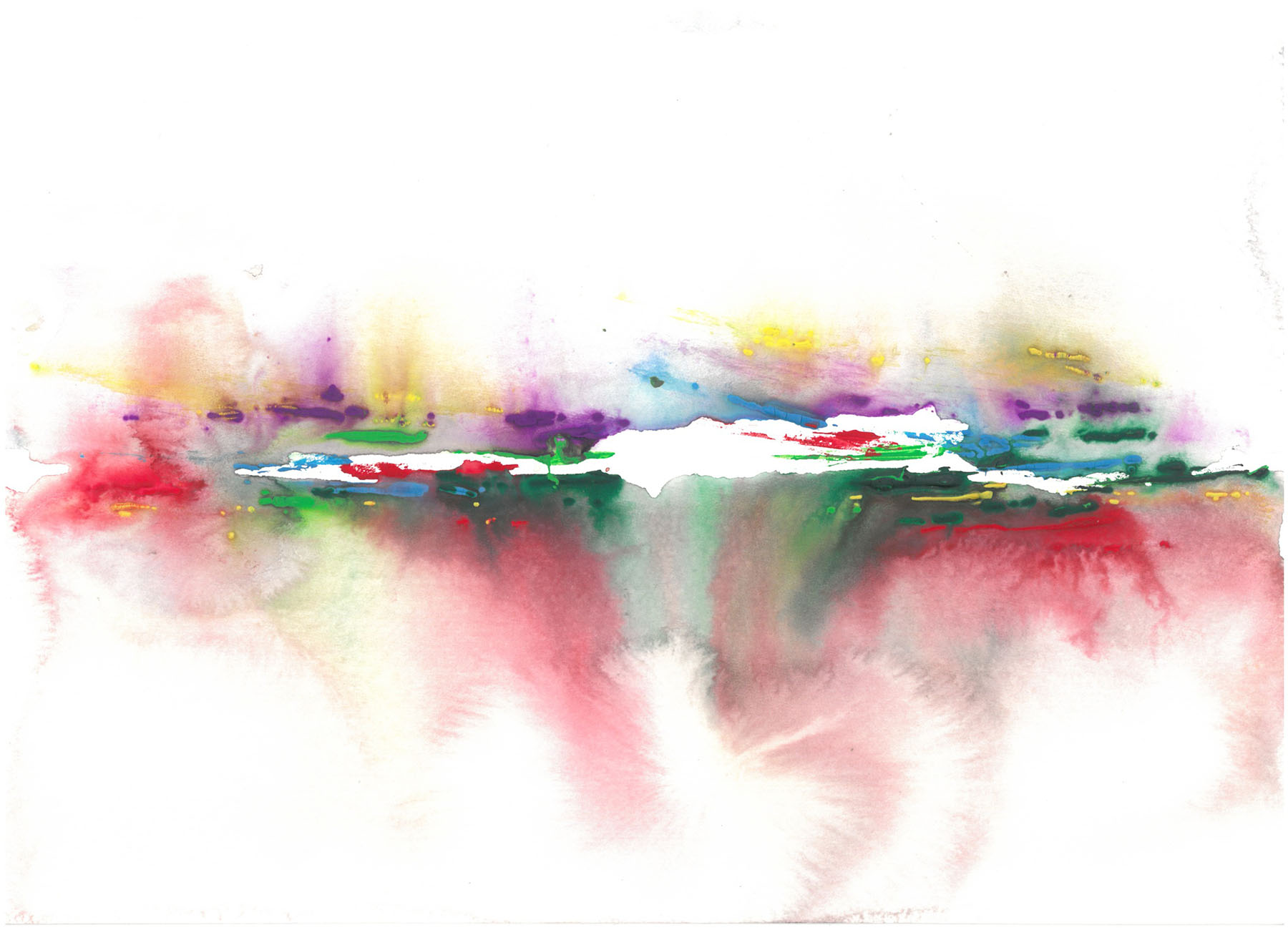
Tang Lik-ho, whose watercolor landscape, Mystic Dreamland II, featured in the exhibition, is a case in point. “There was a time when he hesitated to ask questions but nowadays feels comfortable speaking up, seeking help, and communicating more freely,” Lee says.
Such confidence gets a further boost when artists manage to sell a few pieces. “A sustainable income-generating project provides long-term encouragement and motivation to the artists,” Lin says.
Sun Museum Director Lesley Lau adds that it’s time that care recipients are seen as capable of making money from their artworks.
Picking up the pieces
Expressive arts therapy (EAT) is gaining traction in Hong Kong’s healthcare, education and community settings. EAT involves integrating creative activities — such as singing, drawing and creative writing — as part of psychotherapy.
Raindy Yu, an EAT professional and psychotherapist, emphasizes the adaptability inherent in EAT. “It allows therapists to adapt modalities — be it visual arts, movement, drama, music, or poetry — suited to the diverse needs of patients.”
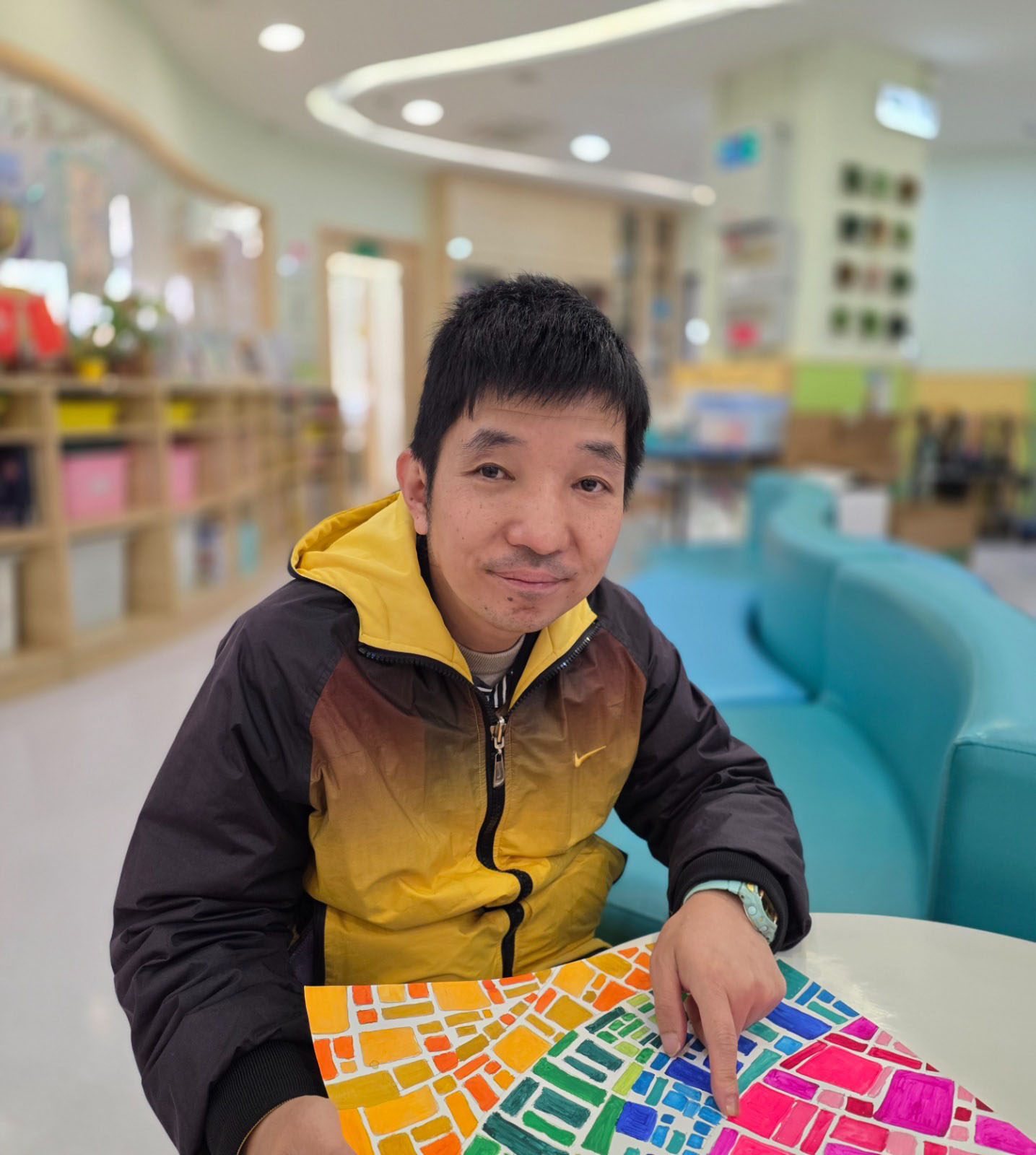
While children are easily drawn to activities that involve playing with shapes and color, adults sometimes need more convincing before they start responding to EAT. Yu says that she likes to introduce older patients to kintsugi — the Japanese art of repairing broken pottery using a poultice of lacquer mixed with gold. The process helps participants to emotionally align with the idea of healing. Through reconstructing an object by putting together broken pieces, they learn to embrace imperfection, and rediscover strength.
Yu adds that many older patients also respond well to Pastel Nagomi Art — a therapeutic Japanese art form that involves making cheerful pictures using soft pastel colors. “It helps evoke pleasant memories, enhance creativity, and promote relaxation while reducing anxiety and cognitive decline.”
An inspiration to others
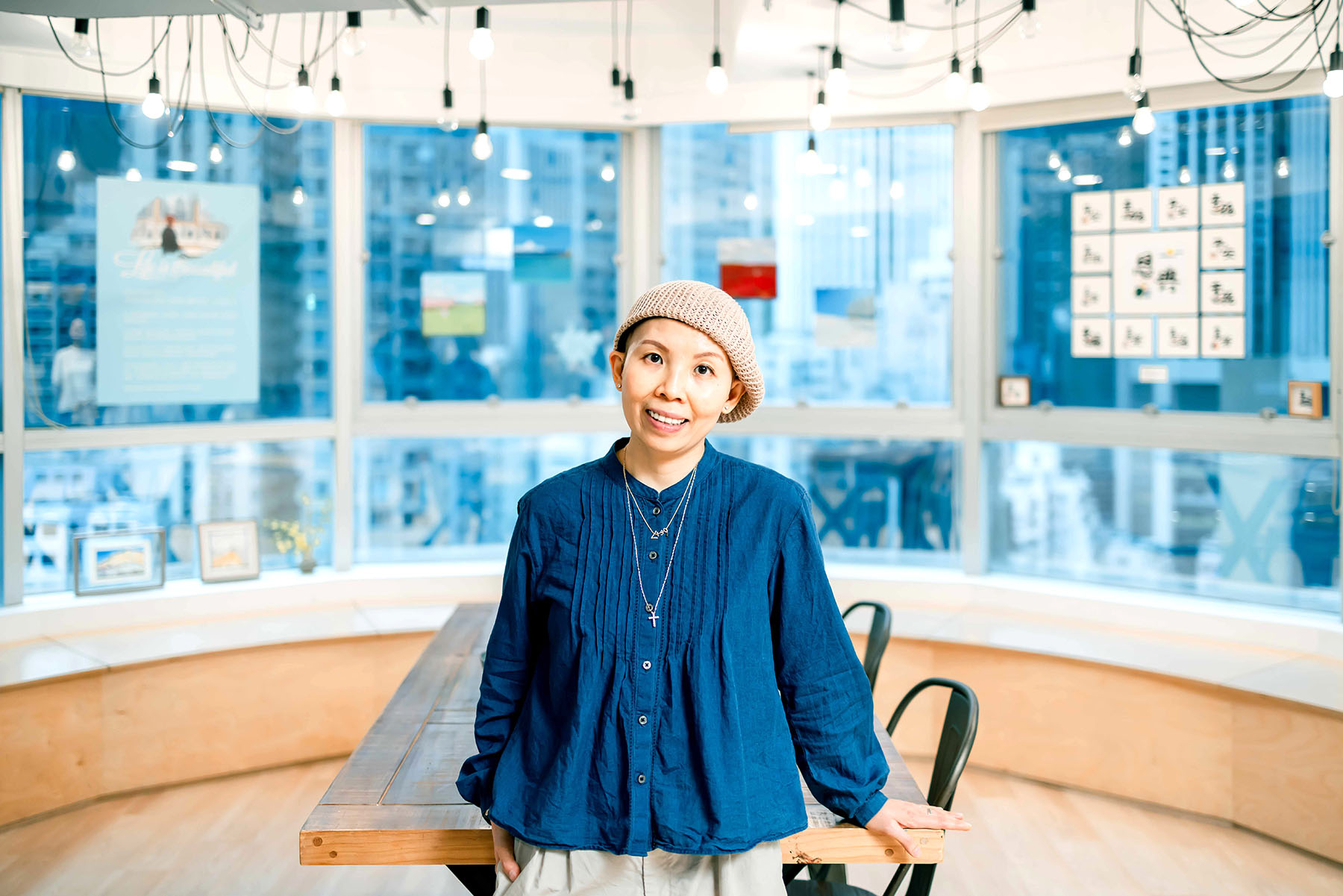
The recently deceased Ivy Ip, whose 2025 solo exhibition titled Life is Beautiful drew wide attention, continues to be fondly remembered as an exemplar of the difference that art can make to people with a debilitating disease.
Ip was diagnosed with Stage 4 ovarian cancer in 2021. After multiple rounds of chemotherapy and surgery failed to keep the disease in check, and her cancer metastasized in 2022, she turned to the Hong Kong Cancer Fund’s (HKCF’s) art therapy programs. The group activities she joined provided both comfort and a sense of community. Her husband, Kenneth, joined her at the couple’s art therapy sessions.
“I have created numerous pieces reflecting my emotions about my cancer journey and my gratitude toward the people I met along the way,” Ip told this writer shortly before her death. “Through these creations, I found solace and emotional healing during a difficult time. The artworks became a source of strength, helping me approach my treatments with optimism.”
Ip said she was particularly pleased with the notice her exhibition had received, increasing the likelihood of its inspiring others dealing with a difficult disease to follow in her footsteps. “Through my artworks, I hope to encourage others going through similar challenges,” she had said. “I want to inspire them to stay positive and rebuild their self-esteem.”
The sheltering sky
HKCF also offers art therapy to children with a family member battling cancer and to those who have lost someone to the disease. The Rainbow Club creates a safe and caring environment where they can express their emotions, rebuild confidence, and gain a better understanding of their situation. “We offer art therapy programs to help children express hidden emotions and workshops aimed at improving communication between parents and children,” says Tommy Liang, a social worker who helps family members of cancer-afflicted people to cope with the situation.
“Our vision is to minimize the burden of cancer for patients, their spouses and their families,” explains Sally Lo, HKCF founder and chief executive. “For people living with cancer and their caregivers, art can be an alternative, safe and effective means for self-expression and communication during a challenging time.”
Healing takes on many forms
Today, art therapy is a recognized, if still developing, form of treatment in Hong Kong.
“Over the past decade, there has been growing public awareness of mental health and holistic care in Hong Kong,” says Aaron Ng Chit-po, president of the Hong Kong Association of Art Therapists. “Art therapy has gained increasing recognition for its effectiveness, particularly among populations who may benefit more from nonverbal interventions, such as older adults living with dementia, children and adolescents with special educational needs, and individuals who experience difficulty engaging in talk-based therapy.”
Such accessibility can make a difference in a city where not all individuals are able — or willing — to articulate distress through language alone.
Yet structural constraints persist.
ALSO READ: The art of healing
“Access to qualified professional services remains a challenge,” Ng says. “The social-service sector has experienced funding-related constraints in recent years, resulting in fewer traditional full-time or part-time positions.”
Rather than stalling progress, however, the cuts have prompted art therapy professionals to adapt to the new reality.
“Despite capacity constraints in institutional hiring, art therapists in Hong Kong and Macao continue to offer their professional skills where possible, with the aim of supporting areas where this specialized service is most needed,” Ng says. “Art therapists make their contributions through project-based services, community programs, healthcare collaborations, education, corporate wellness initiatives, and private practice.”
Such diversity of options mirrors a wider shift in mental health care — one that moves beyond institutional settings and into everyday environments, where engagement can feel more immediate and less clinical.
The writer is a freelance contributor to China Daily.
