

Medical innovation has pushed China to the forefront in the battle against one of the most dreaded killer diseases, cancer, with homegrown therapies and drugs winning worldwide recognition and the Hong Kong Special Administrative Region serving as a launchpad for their global expansion. Shadow Li reports.
Earlier this month, a gastric cancer patient flew from New Zealand to Shanghai for a blood draw, becoming the first person in the world to undergo satri-cel (satricabtagene autoleucel) treatment.
It involved using chimeric antigen receptor (CAR T-cell) therapy — a kind of immunotherapy for solid tumors and certain types of blood cancer — performed by biopharmaceutical company CARsgen Therapeutics which had earlier been given the all-clear from the Chinese mainland’s drug watchdog.
It is the world’s first approved CAR T-cell therapy for a solid tumor, coming almost nine years after the introduction of the first CAR T-cell therapy in 2017. Conquering solid tumors has long been seen as medicine’s holy grail.
READ MORE: HK restates support for cell and gene therapy amid biotech push
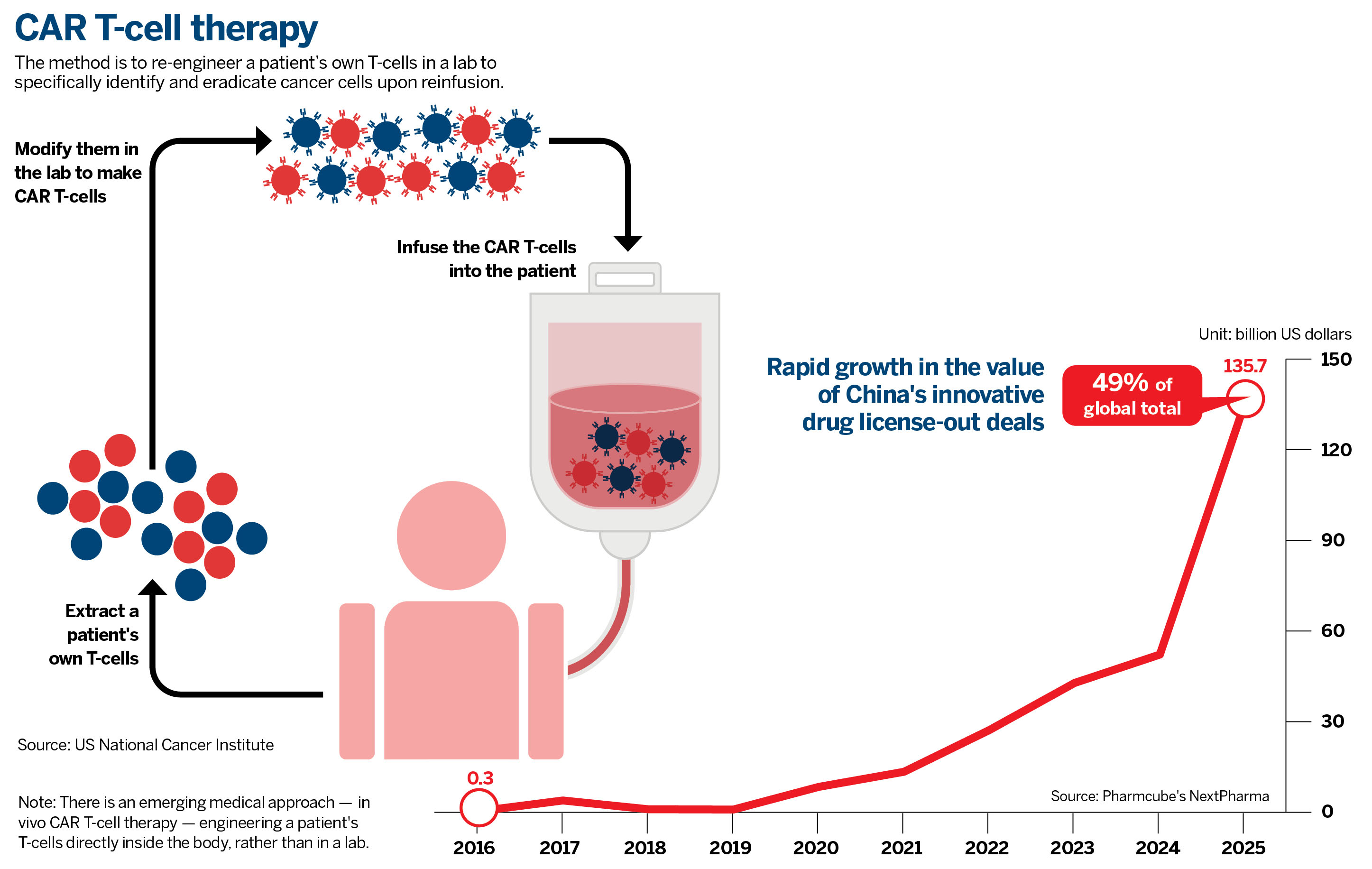
CAR T-cell therapy is a personalized living medicine, harvesting and reprogramming a patient’s T-cells to fight cancer. Until satri-cel came onto the scene, all commercial CAR T-cell products had been restricted to treating blood cancers. Conquering solid tumors, which comprise most human cancers, marks a monumental leap for Chinese biotechnology.
The breakthrough is mirrored by aggressive commercial expansion after the China’s National Medical Products Administration (NMPA) gave the nod for nine of the world’s 17 commercialized CAR T-cell products, seven of which are homegrown.
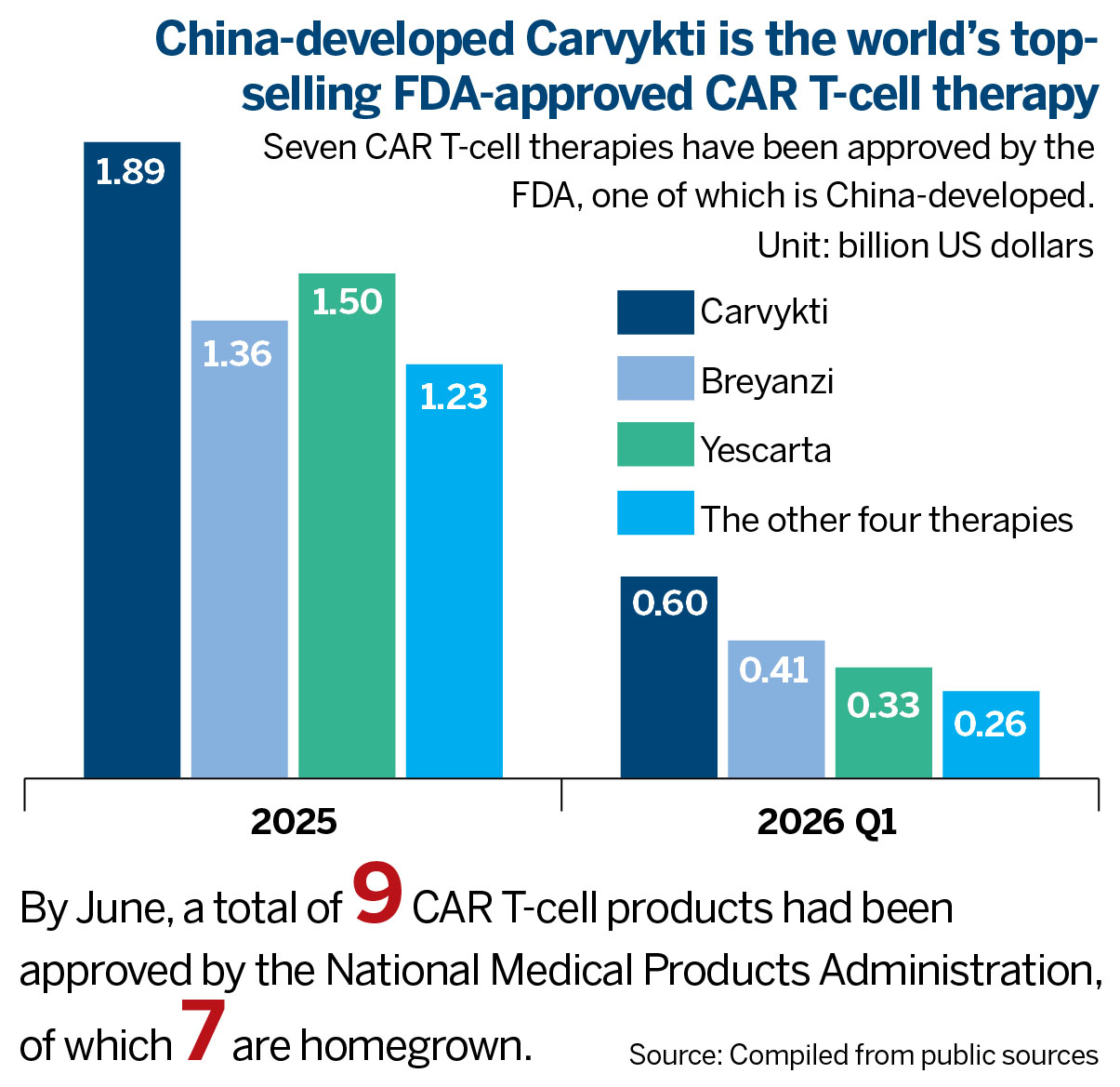
The commercial vanguard of CAR T-cell therapy is Carvykti, a homegrown drug by China’s Legend Biotech targeting multiple myeloma. The drug is the first Chinese CAR T-cell product to have been approved by the United States Food and Drug Administration (FDA).
According to Legend Biotech’s first-quarter financial report, the medicine is available in 18 global markets, and has been used to treat more than 10,000 multiple myeloma patients so far. Following stellar sales of about $1.9 billion (up 96 percent year-on-year) in 2025, Carvykti had raked in $597 million in the first quarter of this year — up 62 percent year-on-year and cementing its crown as the world’s top-selling CAR T-cell product.
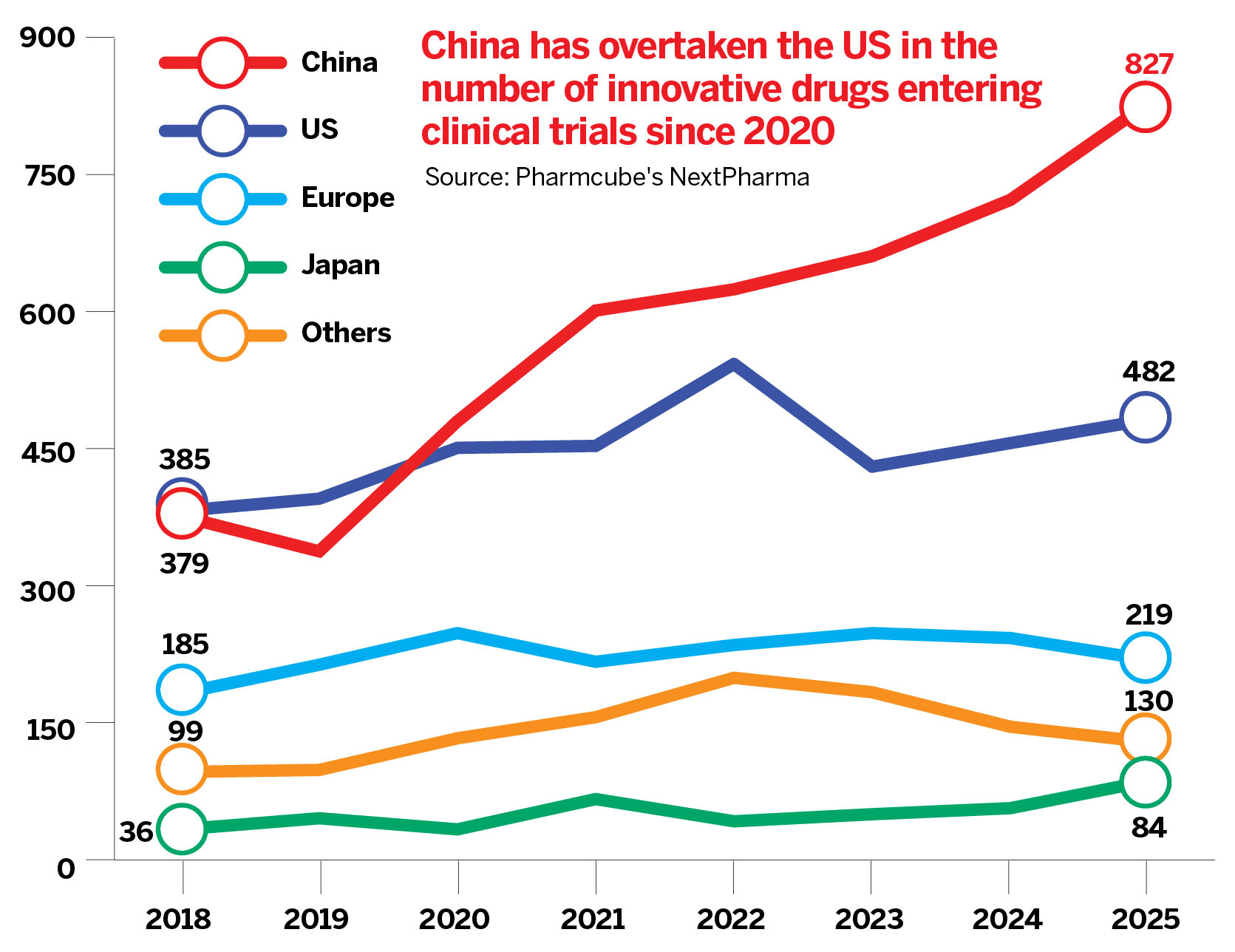
Beyond blockbusters, China is neck-and-neck in the race with the US for industry dominance. Among the top 10 institutions driving the world’s 1,520 CAR T-cell research-and-development pipelines, half of them are from the Chinese mainland. Leading the pack globally is the Shenzhen Geno-Immune Medical Institute, with 98 pipelines.
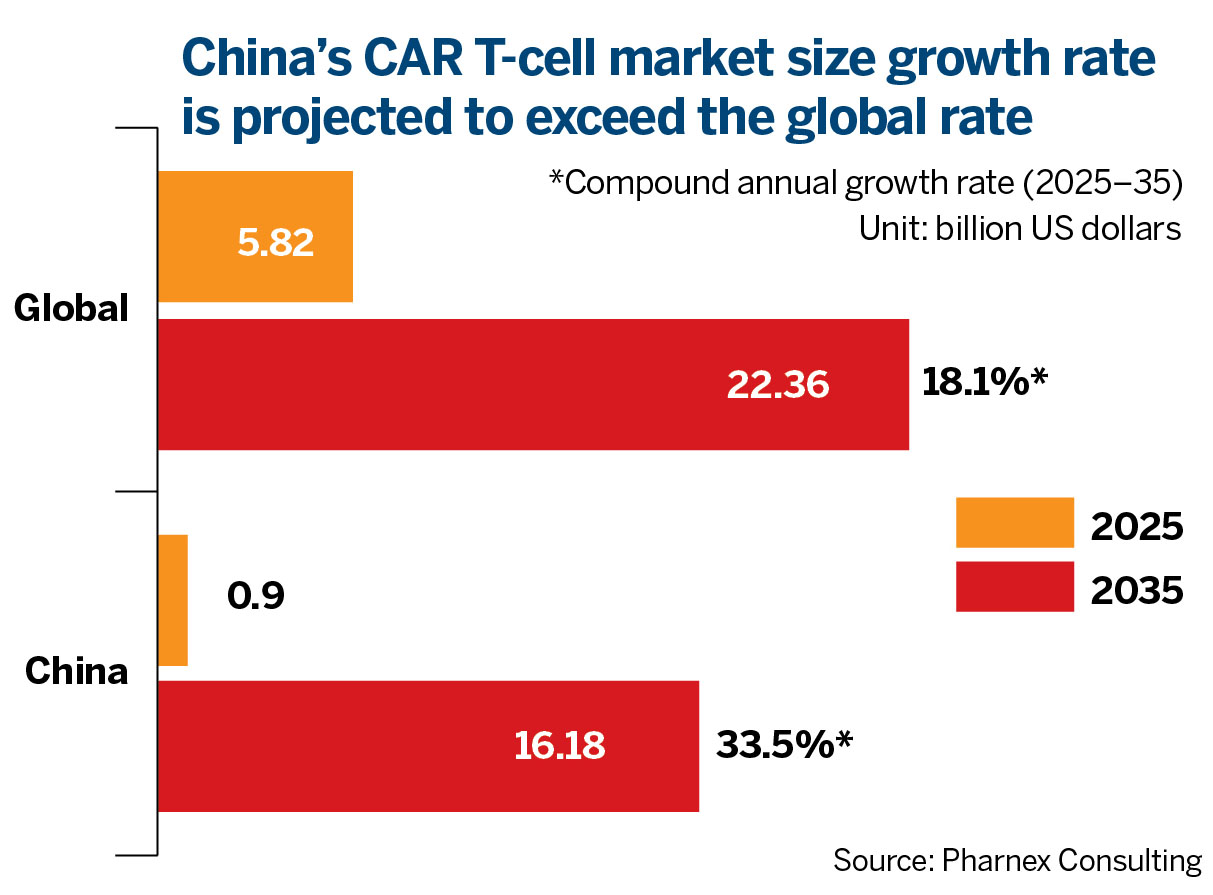
Fueled by a massive pool of patients, rapid iteration and improved insurance and payout ecosystems, China’s CAR T-cell market is exploding and is forecast to grow from $900 million last year to $16.18 billion by 2035 at an annual rate of 33.5 percent. The message from Shanghai’s clinics and Shenzhen’s labs is clear — the future of cancer cell therapy is being rewritten in the country.
Unsurprised by the breakthrough, hematologist Kwong Yok-lam says “it’s only a matter of time” for that to happen. It mirrors historical drug development, like chemotherapy and targeted therapies where breakthroughs consistently emerge for blood cancers before expanding to solid tumors, says Kwong, who heads the hematology, oncology and bone marrow unit at the University of Hong Kong.
Following his 2024 introduction of Fucaso (equecabtagene autoleucel) — a multiple myeloma CAR T-cell therapy from IASO Biotechnology — Kwong is working to bring two or three other Chinese mainland-developed CAR T-cell products to Hong Kong. And, getting the second would be easier, he says.
In December 2024, a 73-year-old advanced myeloma patient became the first in the special administrative region to be treated with mainland-approved Fucaso through the city’s Named Patient Program — a pathway for unregistered drugs.
Roger Ho, 78, was one of 12 patients who had achieved remission through Fucaso. His ordeal began in 2010 with agonizing pain in the bones, “like lightning striking out of nowhere”, in his words. Following a stem cell transplant, he suffered a relapse in 2016 and had to undergo up to five different therapies in the past 16 years, exhausting all options.
When Kwong suggested CAR T-cell therapy, Ho unhesitatingly agreed. After a brief delay due to fever, he received a Fucaso reinfusion. His post-infusion fever lasted two days before subsiding, and he has been out of drug treatment for four months. The regimen cost around HK$2 million ($256,000), covering drugs and inpatient care.
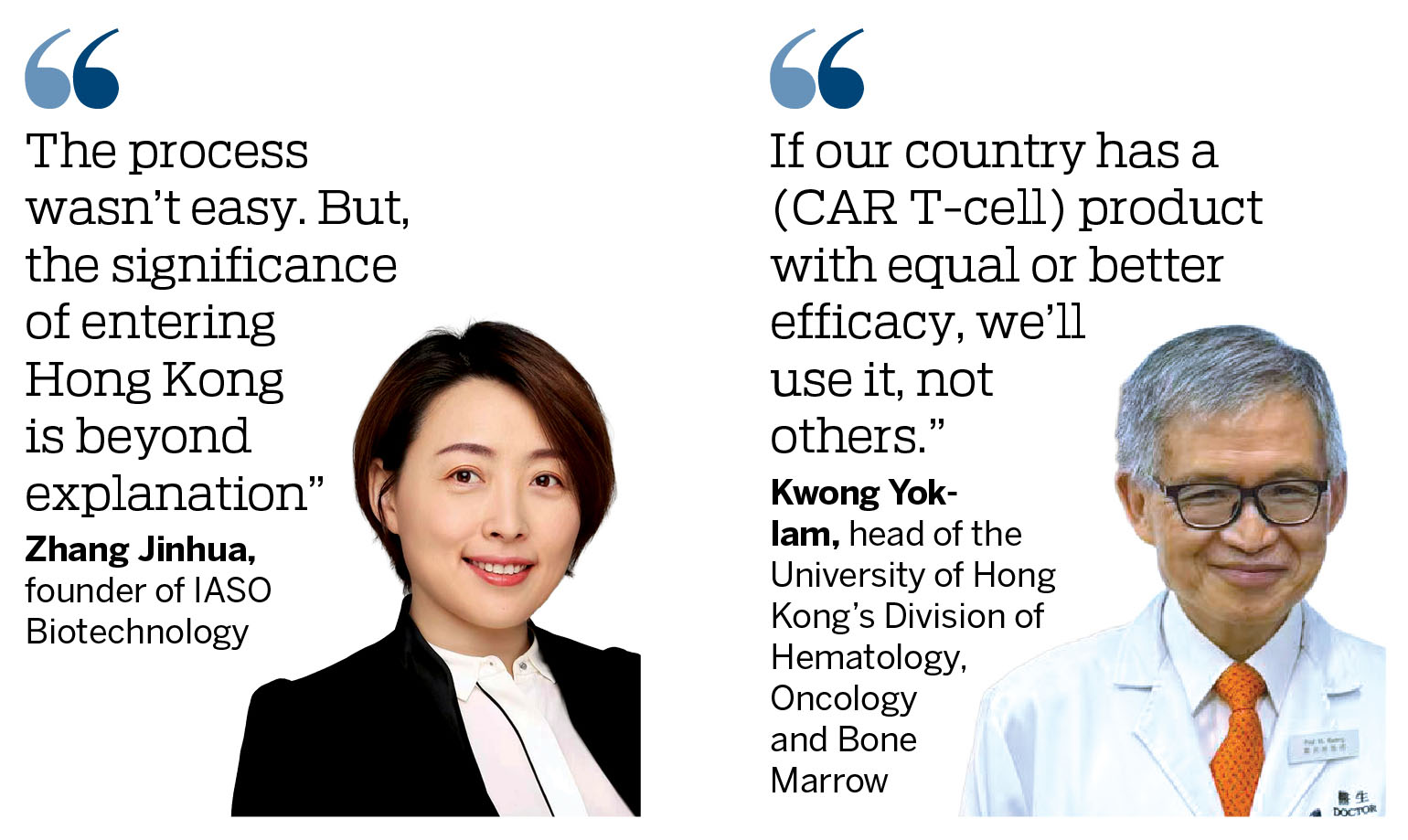
According to Kwong, four CAR T-cell products are for treating multiple myeloma, including three from the mainland. “If our country has a product with equal or better efficacy, we’ll use it, and not others,” he says, citing complex logistics for US alternatives. Hong Kong currently subsidizes CAR T-cell therapy for lymphoma patients with an annual quota of 30 to 40, and Kwong reveals this hopefully could soon be extended to cover those suffering from myeloma.
Clinical feedback from Kwong’s patients helped Fucaso gain approval in Hong Kong in November last year under the “1+ mechanism” — a relaxed pathway for innovative drugs — making it the first mainland-produced CAR T-cell product to get registered in the SAR. So far, six of 21 new drugs approved under the mechanism are from mainland firms.
Crossing the frontier
“The process wasn’t easy,” says Zhang Jinhua, who founded IASO Biotechnology. A patient’s blood samples are classified as “Category A” infectious substances that require strict customs clearance and have to reach the laboratory within 48 hours. “But, the significance of entering Hong Kong is beyond explanation,” she says.
IASO’s success has proved that cross-border supply of CAR T-cell products is viable, paving the way for Singapore, Saudi Arabia, South Korea and Japan to acquire them. “By keeping core production on the Chinese mainland, we can better control costs — Fucaso is priced at about one-third to one-half of comparable US CAR T-cell therapies,” says Zhang.
Hong Kong’s Department of Health inspected IASO’s factory in Nanjing, Jiangsu province, for compliance with pharmaceutical inspection and Good Manufacturing Practices (GMPs) under an international framework — the Pharmaceutical Inspection Cooperation Scheme (PIC/S) — a standard involving more than 56 regulators, including the FDA, making Fucaso the first China-developed advanced therapy medicinal product to win such recognition.
Hong Kong registration has further helped Fucaso to enter international insurance networks, boosting adoption and reimbursement. As the first territory beyond mainland customs, the HKSAR is IASO’s natural launchpad for global expansion, followed by markets in Southeast Asia and the Middle East. Singapore gave Fucaso the green light last month. Zhang expects Saudi Arabia to follow suit this year, eying the two regional hubs for high income earners seeking premium care, with concentrated medical systems easing market entry.
Institutional integration
Kwong believes Hong Kong’s nod to Fucaso might have helped Singapore’s move. “Hong Kong’s internationally-recognized medical system translates into confidence in drugs that we approve,” he says. Hong Kong’s approval also helps innovative mainland drugs, especially “living drugs” like CAR T-cell, to go global.
Zhang’s hopeful Chinese innovative drugs would win a significant market share within five years, driven by unrivaled research-and-development efficiency, rapid clinical trials and superior cost control. While the US and China are leading in the CAR T-cell field, she says China’s distinct strength lies in its ability to scale rapidly from one to 100.
A lawyer-turned-entrepreneur, Zhang left her 15-year law practice to get IASO Biotechnology off the ground in 2017 after seeing the toll terminal cancer had inflicted on her own family. “Nothing’s more meaningful than restoring a cancer patient’s normal life,” she says.
Kwong calls for the HKSAR to team up with mainland drugmakers, leveraging its top universities’ R&D strength and well-established clinical services. “At Queen Mary Hospital, we identify novel treatments for patients that can be extended later to next-tier hospitals or outpatient day wards, saving them costly inpatient charges,” he says.
Henry Yau, managing director of HKU’s Clinical Trials Centre, notes that few Hong Kong hospitals are equipped to offer CAR T-cell therapy. The local medical system, he says, must update itself to seize the momentum of the mainland’s rise in innovative medicine. He proposes having at least one hospital per cluster equipped to handle such living drugs.
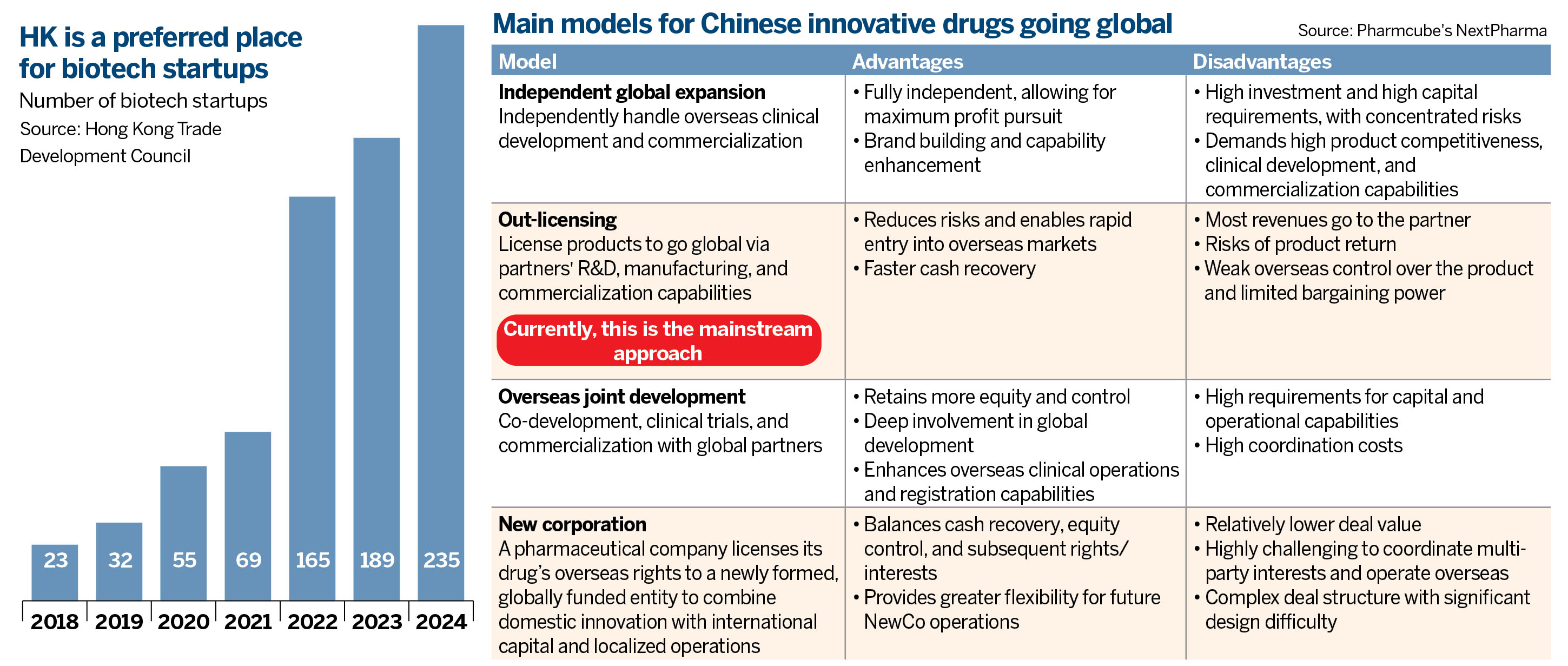
According to Yau, the HKSAR should leverage its clinical research strengths to help small and medium-sized enterprises, instead of major industry players, go global or penetrate the mainland market.
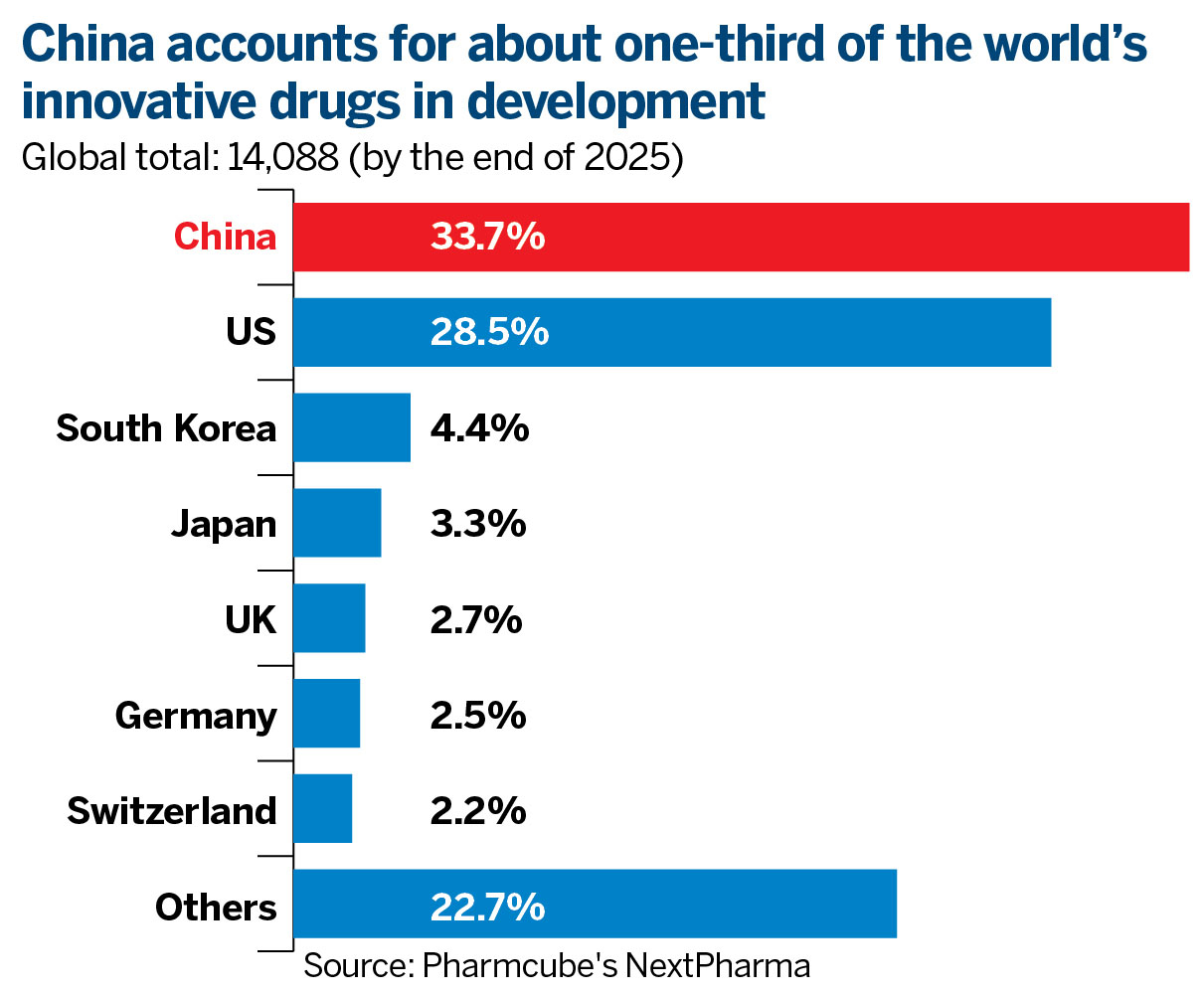
He sees China having overtaken the US and Europe in cellular and gene therapies — a smart bet paying off, and the pace is accelerating. While the West dominates traditional small-molecule drugs, the innovative drug race is still early, and China’s cost advantage allows it to move faster and win a bigger market share.
The NMPA approved 14 new drugs last month alone — 11 homegrown, four being world firsts. In the first half of this year, it had endorsed 37 new drugs, with 29 being self-developed.
Noting that the nation’s innovative medicine sector has reached an unprecedented level, Wong Yuen-shan, who heads the HKSAR’s Chief Executive’s Policy Unit, says nearly all multinational drugmakers are eying the Chinese market for new drugs or the next pipeline.
He calls the Northern Metropolis project and the Hetao Shenzhen-Hong Kong Science and Technology Innovation Cooperation Zone “game changers”, merging the mainland’s industrial strength with the SAR’s global rules to ease bottlenecks in talent, capital, data and logistics, and notes the city’s strengths in fundraising and policy innovation for Chinese drug enterprises.
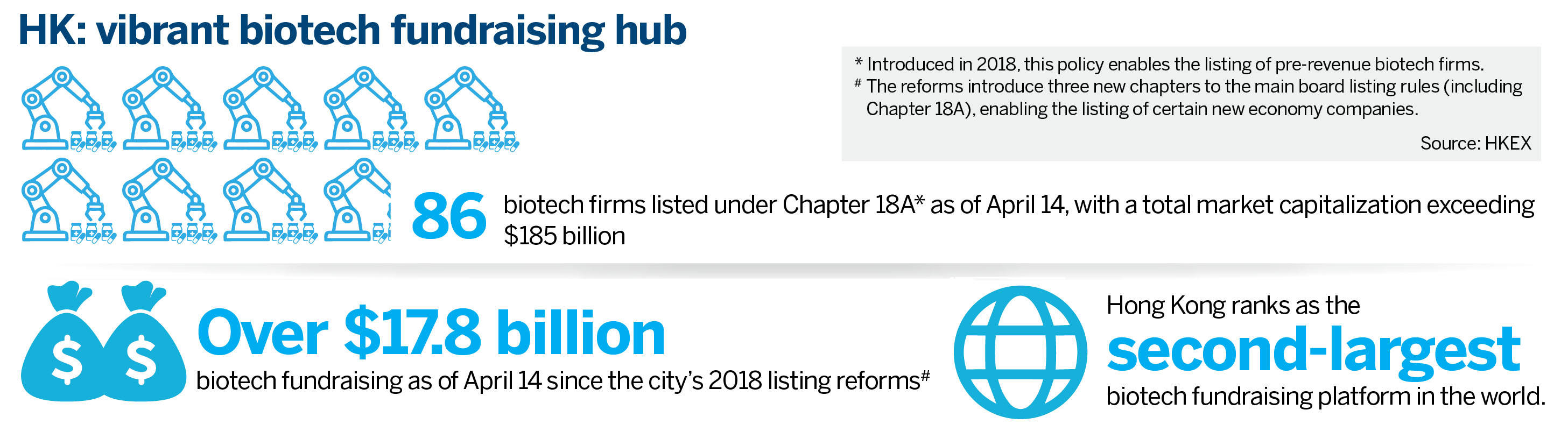
Under the Hong Kong stock exchange’s revamped listing rules, more than 80 pre-revenue biotechnology firms have gone public so far, raising over $17 billion as of April 14. The city launched the Intellectual Property Financing Sandbox last year to help its asset-light, IP-rich startups secure bank loans using patents and copyrights.
Ecosystem building
The momentum is unrelenting. The Hospital Authority set up an office last month to engage with pharmaceutical companies from the mainland and overseas, and identify patients’ needs for innovative drugs, shortening the registration timeframe from 150 to 100 working days.
In 2023, the Chinese University of Hong Kong and its affiliated unit, the Hong Kong Institute of Biotechnology (HKIB), launched the city’s first GMPs facility for cell and gene therapy which was licensed in early 2024. In April this year, the center completed its first CAR T-cell clinical trials for 15 patients.
Gina Jiang Yizhen, the HKIB’s managing director, says the GMP system is a globally-recognized manufacturing standard, and warns that mismatched production standards would hinder drug companies’ global expansion aims.
The HKSAR aligns with PIC/S practices, while the mainland uses a dual regulatory track, allowing trials initiated by investigators or the industry and enabling faster iteration.
Jiang credits the mainland’s complete supply chain, its large population and a dual-track system, particularly for advanced therapies like CAR T-cell. In 2023, the mainland applied for full PIC/S membership, with acceptance expected in three to six years.
She notes there has been a paradigm shift for living drugs like CAR T-cell, requiring an overhaul of medical services. “Hong Kong has been a drug buyer. For cellular therapy to take root, it must become part of the ecosystem,” she says, applauding the SAR’s plan to establish the Centre for Medical Products Regulation by the end of 2026, driving this shift from buyer to active participant.
A one-stop service — from clinical trials to PIC/S manufacturing and primary registration — would attract multinationals. To accelerate change, Jiang suggests creating a regulatory sandbox for dialogue and iteration.
Jiang, formerly a researcher with the US National Institutes of Health, hails from a family of doctors from Taiwan region. She joined the HKIB in 2020, betting on Hong Kong’s internationality — a free-trade port, global rules and being part of the Guangdong-Hong Kong-Macao Greater Bay Area with a population of 86 million. “Many great things will happen if we work side by side,” she says.
CAR T-cell therapy is currently being used mostly as a third-line treatment for patients who have relapsed after having undergone two lines of therapies.
Jiang hopes it’ll eventually become a first-line treatment as the therapy is being explored to deal with autoimmune diseases like Lupus. The next generation of CAR T-cell would genetically modify T-cells inside the body, eliminating the need for extraction and reinfusion, she says.
Just before talking to China Daily, Zhang had received a video from a British mathematician with advanced cancer who is living in New Zealand. A year after taking IASO’s CAR T-cell therapy in China, he is now drug-free, back to work and has gone on a world cruise.
ALSO READ: Chinese scientists develop 'molecular bridge' to boost cancer treatment
Since the launch of Fucaso in 2023, at least 60 patients from more than 10 countries and regions have traveled to China to receive treatment. Zhang expects that within three years, overseas revenue will grow from 10 percent to 50 percent of total revenue. As the overseas market expands, IASO’s new production capacity will also scale up to 3,000 batches per year.
Taking pride in the “Made in China” label for advanced therapy like CAR T-cell, Zhang says it showcases China’s growing global influence on innovative medicines.
“There’s no better way to tell China’s story than saving lives with our homegrown medicines,” she says.
Next Actions
- CAR T-cells for extended diseases
- “Living drugs” like CAR T-cell call for overhaul of medical services
- Next-gen is in vivo CAR T-cell therapy
- Mainland sees burgeoning medical tourism with growing influence on innovative drugs
Contact the writer at stushadow@chinadailyhk.com
